

Free Central Province Travel Guide & Mobile App
Explore Central Province with free travel guides. Discover regional history, expert tips, proposed trips, and audio guides on web or mobile app.


Explore Central Province, Sri Lanka, for Kandy’s heritage, misty tea country, mountain trails, cave temples and cool highland scenery.
Read more about Central Province
When is the best time to visit Central Province?
Best: January–March · 25–27°C| Month | High (°C) | Rainfall (mm) |
|---|---|---|
| January (best) | 25 | 70 |
| February (best) | 26 | 65 |
| March (best) | 27 | 100 |
| April | 28 | 200 |
| May | 29 | 250 |
| June | 28 | 200 |
| July | 28 | 150 |
| August | 28 | 100 |
| September | 27 | 150 |
| October | 27 | 200 |
| November | 26 | 250 |
| December | 26 | 150 |
Getting to and around Central Province
How to get there
Transportation
Top city travel guides in Central Province
The cities of Central Province, and the easiest places to base yourself.
-

-

-
-
-


Swipe for more cities
Destinations in Central Province
Resorts, valleys and scenic spots worth a trip of their own.
-

-

-

-

-

-


Swipe for more destinations
Best attractions in Central Province
Central Province offers a varied selection of cultural, natural and landscape-based attractions. Kandy’s Temple of the Sacred Tooth Relic, former royal precinct and lakefront introduce the island’s Kandyan heritage, while Peradeniya Royal Botanic Gardens provide a spacious setting for tropical plants, avenues and colonial-era horticultural history. In Matale District, the cave temples of Dambulla and the Aluvihare Rock Temple are major religious and historical sites, complemented by spice-growing areas, waterfalls and forested uplands. The Knuckles mountain region attracts walkers with ridges, streams, villages and changing vegetation, although routes and access conditions should be checked locally. Around Nuwara Eliya, tea estates, factories, gardens and viewpoints reveal the economic history of the highlands, while Horton Plains National Park protects montane grassland, cloud forest and high-elevation wildlife. The province suits visitors who are prepared to mix organised sightseeing with slower journeys through rural scenery; its principal attractions are separated by hills, winding roads and distinct climatic zones rather than forming one compact circuit.
-
Buddhist temple
Mahiyangana Raja Maha Viharaya
Explore the ancient Mahiyangana Raja Maha Vihara, a serene Buddhist temple in Sri Lanka rich in history and spiritual significance.
-
Hindu temple
Sri Muthumari Amman Kovil
Discover the vibrant spiritual heart of Sri Lanka at the magnificent Sri Muthumari Amman Kovil, a captivating Hindu temple in Matale.
-
Buddhist temple
Ranawana Purana Rajamaha Viharaya
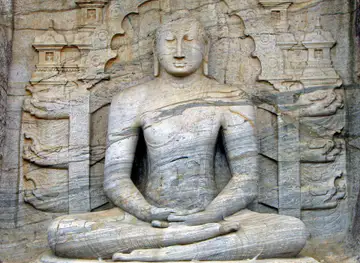
Discover serenity and cultural richness at Ranawana Purana Rajamaha Viharaya, home to Sri Lanka's tallest Buddha statue and a haven of tranquility.
-
Hunnasgiriya Water Fall
Experience the serene beauty of Hunnasgiriya Waterfall, a hidden gem in Matale, Sri Lanka, perfect for nature lovers and adventure seekers.


Best landmarks in Central Province
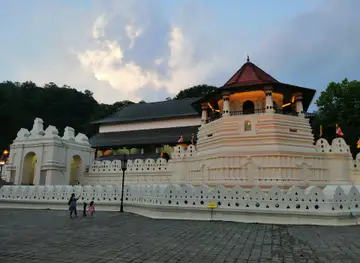
The Temple of the Sacred Tooth Relic is Central Province’s most recognisable religious landmark and the symbolic heart of Kandy’s former royal capital. Its importance lies not only in its architecture but also in the role of the tooth relic in Sri Lankan Buddhist kingship and pilgrimage. On the Matale side, the Dambulla cave complex turns a prominent rock into a sequence of shrines filled with Buddhist paintings and images, while the Aluvihare Rock Temple combines caves, religious buildings and literary associations. In the highlands, the long slopes of tea country are themselves a defining cultural landscape, marked by estate roads, factories and workers’ settlements. Pidurutalagala rises above Nuwara Eliya as Sri Lanka’s highest mountain, although access to its summit is controlled. Horton Plains presents a different kind of landmark: an elevated plateau of grassland, forest and abrupt escarpments whose views depend heavily on weather. Kandy Lake, the former royal precinct and Nuwara Eliya’s surviving colonial civic and hotel architecture complete a group of landmarks that express the province’s religious, environmental and plantation histories.
-
Buddhist temple
Sri Dalada Maligawa
Explore the rich culture and spiritual heritage at Sri Dalada Maligawa, the revered Temple of the Tooth in Kandy, Sri Lanka.
-
Botanical garden
Royal Botanic Gardens, Peradeniya
Explore the lush beauty of Royal Botanic Gardens, Peradeniya, a stunning botanical paradise showcasing diverse flora in the heart of Sri Lanka.
-
Fortress
Sigiriya
Explore Sigiriya, an ancient fortress in Sri Lanka, where history, breathtaking views, and stunning frescoes combine for an unforgettable experience.
-
Fortress
Galle Dutch Fort
Discover the historical charm and breathtaking views of Galle Dutch Fort, a captivating UNESCO World Heritage Site on Sri Lanka's coast.


Explore Central Province on the map
Plan your trip on one map. See where the top cities, national parks and sights are, and book hotels and experiences in a few clicks.
Best hotels in Central Province
Best restaurants in Central Province
Dining in Central Province reflects the region’s Sinhala, Tamil and Muslim communities as well as the produce of the hills. Kandy and Matale offer rice and curry, hoppers, string hoppers, kottu, dhal, sambols and roti, with spice-growing areas around Matale contributing cinnamon, pepper, cardamom and cloves to local cooking. Dambulla’s markets and roadside eateries are useful places to encounter vegetables and fruit from the surrounding agricultural districts. Nuwara Eliya is known for cool-climate crops such as leeks, carrots and cabbages, while estate areas support simple cafés and tea rooms serving brewed Ceylon tea with snacks and short eats. Tamil-influenced cooking is particularly significant in plantation communities, where vegetarian dishes, dosai and South Indian-style breads may appear alongside Sri Lankan staples. Restaurants range from family-run cafés and hotel dining rooms to contemporary establishments in Kandy and the hill towns; menus and service can be simpler outside the main centres, so regional food is often best appreciated through modest local eateries, markets and well-run guesthouses.
-
Restaurant
Cafe Nuwara
Discover the unique flavors of Sri Lanka at Café Nuwara in Kandy – where local cuisine meets international flair.
-
Restaurant
Fab Ceylon
Experience authentic Sri Lankan flavors at Fab Ceylon in Kandy – where tradition meets modernity in every bite.
-
Restaurant
Cafe Secret Alley
Experience the enchanting atmosphere and exquisite flavors at Cafe Secret Alley in Kandy - your perfect retreat amidst cultural exploration.
-
Restaurant
Sigiriya Wew Thawulla Restaurant
Experience authentic Sri Lankan cuisine with breathtaking views at Sigiriya Wew Thawulla Restaurant - a culinary treasure near ancient ruins.


Best bars in Central Province
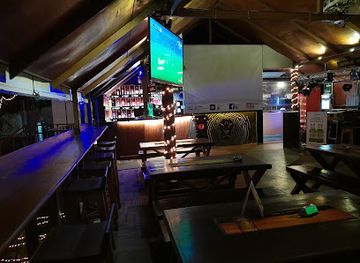
Nightlife in Central Province is generally low-key and concentrated in Kandy, Nuwara Eliya and the larger resort hotels rather than organised around a major club scene. Kandy has hotel lounges, cafés, restaurants and occasional live-music settings, while Nuwara Eliya’s evening character comes from colonial-era hotels, informal restaurants and quiet bars suited to the cool climate. In Matale, Dambulla and rural plantation districts, evenings are more likely to centre on family restaurants, small local establishments and accommodation-based dining than on late-night venues. Visitors should not expect a continuous nightlife strip across the hills, and opening arrangements can vary seasonally. Alcohol is not served in some religious or traditional settings, and public drinking is inappropriate; where available, local beer, arrack-based drinks and tea-based refreshments can be sampled responsibly in licensed venues. Cultural performances in Kandy offer an evening activity rooted in regional tradition, although visitors should distinguish staged presentations from everyday community life.
-
Bar
Slightly Chilled Lounge Bar and Restaurant
Explore the vibrant flavors at Slightly Chilled Lounge Bar and Restaurant, where Asian fusion meets relaxation in Kandy's scenic atmosphere.
-
Restaurant
Hideout Lounge
Discover a culinary gem in Kandy at Hideout Lounge, where delicious food and a relaxed atmosphere await.
-
Pub
The Pub - Nuwara Eliya
Discover the vibrant atmosphere and delicious cuisine at The Pub, Nuwara Eliya's premier destination for food and drinks amidst breathtaking scenery.
-
Bar
Royal Bar & Hotel
Discover the charm of Kandy at the Royal Bar & Hotel, where traditional hospitality meets modern comfort in a vibrant atmosphere.


Best nightclubs in Central Province
Nightlife in Central Province is generally low-key and concentrated in Kandy, Nuwara Eliya and the larger resort hotels rather than organised around a major club scene. Kandy has hotel lounges, cafés, restaurants and occasional live-music settings, while Nuwara Eliya’s evening character comes from colonial-era hotels, informal restaurants and quiet bars suited to the cool climate. In Matale, Dambulla and rural plantation districts, evenings are more likely to centre on family restaurants, small local establishments and accommodation-based dining than on late-night venues. Visitors should not expect a continuous nightlife strip across the hills, and opening arrangements can vary seasonally. Alcohol is not served in some religious or traditional settings, and public drinking is inappropriate; where available, local beer, arrack-based drinks and tea-based refreshments can be sampled responsibly in licensed venues. Cultural performances in Kandy offer an evening activity rooted in regional tradition, although visitors should distinguish staged presentations from everyday community life.
-
Asian Fusion
Slightly Chilled Lounge Bar and Restaurant
Slightly Chilled Lounge Bar and Restaurant offers an exquisite Asian fusion dining experience in Kandy, combining stunning views and vibrant flavors.
-
Bar
Old Trinitian's Sports Club
Experience the vibrant nightlife and rich heritage of Kandy at Old Trinitian's Sports Club, a historic bar perfect for socializing.
-
Pub
Sizzle Sports Pub
Experience the vibrant nightlife at Sizzle Sports Pub in Kandy, where sports, great food, and lively entertainment come together.
-
Villa
The kandyan lounge
Discover tranquility at The Kandyan Lounge, a serene villa and lounge in Kiribathkumbura, perfect for relaxation and cultural experiences.


Best shops in Central Province
Shopping in Central Province ranges from urban high streets and markets to estate tea outlets and small craft businesses. Kandy is the principal retail centre, with shops selling tea, spices, jewellery, woodwork, textiles and Sri Lankan handicrafts, alongside everyday clothing and food markets. Visitors should compare quality and provenance, particularly when purchasing gems or valuable jewellery, and use established dealers with proper documentation. Matale is associated with spices and agricultural produce, while Dambulla’s wholesale and retail markets reflect the surrounding farming economy. Nuwara Eliya offers locally grown vegetables, tea and practical cold-weather clothing, as well as small shops aimed at visitors. In plantation areas, factory outlets may sell different grades and presentations of Ceylon tea, though the label should be read carefully because packaging and blending vary. Regional souvenirs are more meaningful when they support recognised craftspeople or community businesses rather than relying on generic imports.
-
Shopping mall
Kandy City Centre
Discover an unforgettable shopping experience at Kandy City Centre, where local charm meets modern retail in the heart of Sri Lanka.
-
Department store
Cool Planet
Discover the vibrant Cool Planet department store in Kandy, a fashion haven for stylish women's clothing and unique accessories amidst Sri Lanka's beautiful landscape.
-
Clothing store
CIB Shopping Centre
Discover fashion and local treasures at CIB Shopping Centre, Kandy's vibrant shopping destination filled with diverse retailers and a welcoming atmosphere.
-
Shopping mall
ODEL Mall Kandy
Visit ODEL Mall Kandy for an unforgettable shopping experience in a vibrant cultural hub with local and international brands.


Get your free copy of our complete guide to Central Province, delivered straight to you.
Everything on this page, from attractions and restaurants to essentials and local phrases, in one PDF you can read offline, print or share.
Already have an account? Sign in
Your Central Province guide is ready.
We'll send it to · Not you? Sign out

Getting your guide ready…
We are putting together a fresh copy of the Central Province guide. This can take up to a minute.
This can take a few moments. If your browser asks, choose Allow so the download can start. You'll find the guide in your Downloads folder.
Nothing happened? Download it again
Sorry, the guide is taking longer than usual. Please try again in a minute, or get it by email instead.
Central Province essentials
Currency and Payment
Safety
Emergency Situations
Do's and Don'ts
Local Tips
From Eve
Local phrases worth knowing
You don't need to get them perfect. A few words go a long way, and locals appreciate the effort.
Basics
| English | Local | Say it |
|---|---|---|
| Hello | ආයුබෝවන් | [Āyubōvan] |
| Goodbye | ගිහින් හැමෝටම | [Gihin hēmōṭama] |
| Yes | ඔව් | [Ov] |
| No | නැහැ | [Næhæ] |
| Please/You're welcome | කරුණාකර/ආයුබෝවන් | [Karunākara/Āyubōvan] |
| Thank you | ස්තුතියි | [Stūthiyi] |
| Excuse me/Sorry | කණගාටුයි | [Kaṇagāṭuyi] |
| How are you? | ඔබට කෙසේද? | [Obaṭa kesēda?] |
| Fine. And you? | හරි. ඔබට? | [Hari. Obaṭa?] |
| Do you speak English? | ඔබට ඉංග්රීසි කතා කරනවාද? | [Obaṭa iṅgrīsi kathā karanavāda?] |
| I don't understand | මට තේරෙන්නේ නැහැ | [Maṭa thērennē næhæ] |
Eating & Drinking
| English | Local | Say it |
|---|---|---|
| I'd like to see the menu, please | කරුණාකර මෙනුව බලන්න | [Karunākara menuva balanna] |
| I don't eat meat | මම මස් කෑමක් නොකරනවා | [Mama mas kæmak nokaranavā] |
| Cheers! | සැමරීම! | [Sæmarīma!] |
| I would like to pay, please | කරුණාකර ගෙවන්න | [Karunākara gewanna] |
Emergencies
| English | Local | Say it |
|---|---|---|
| Help! | අවශ්යයි! | [Avaśyai!] |
| Go away! | ගිහින් යන්න! | [Gihin yanna!] |
| Call the Police! | පොලීසිය කැදවන්න! | [Polīsiya kædavanna!] |
| Call a doctor! | වෛද්යවරයෙකු කැදවන්න! | [Vaidyavarayeku kædavanna!] |
| I'm lost | මට නැවතී ඇත | [Maṭa nævatī æta] |
| I'm ill | මට රෝගීයි | [Maṭa rōgīyi] |
Shopping
| English | Local | Say it |
|---|---|---|
| I'd like to buy... | මට මිලදී ගන්න ඕනෑ... | [Maṭa miladī ganna ōnē...] |
| I'm just looking | මම පමණක් බලනවා | [Mama pamaṇak balanavā] |
| How much is it? | මෙය කීයක්ද? | [Meya kīyakda?] |
| That's too expensive | ඒක ඉතා මිලදී ගන්නවා | [Ēka ithā miladī gannavā] |
| Can you lower the price? | මිල පහත කරන්න පුළුවන්ද? | [Mila pahata karanna puḷuvanda?] |
Time & Numbers
| English | Local | Say it |
|---|---|---|
| What time is it? | මේ කාලය කීයක්ද? | [Mē kālaya kīyakda?] |
| It's one o'clock | මෙය එක් පැය වේ | [Meya ek pæya vē] |
| Half past (10) | අඩක් ගිය (10) | [Aḍak giya (10)] |
| Morning | උදෑසන | [Udæsaṇa] |
| Afternoon | දහවල් | [Dahaval] |
| Evening | සවස | [Savasā] |
| Yesterday | ඊයේ | [Īyē] |
| Today | අද | [Ada] |
| Tomorrow | හෙට | [Heṭa] |
| 1 | 1 | [1] |
| 2 | 2 | [2] |
| 3 | 3 | [3] |
| 4 | 4 | [4] |
| 5 | 5 | [5] |
| 6 | 6 | [6] |
| 7 | 7 | [7] |
| 8 | 8 | [8] |
| 9 | 9 | [9] |
| 10 | 10 | [10] |
Transport & Directions
| English | Local | Say it |
|---|---|---|
| Where's a/the...? | කොහෙද...? | [Koheda...?] |
| What's the address? | ලිපිනය කුමක්ද? | [Lipinaya kumakda?] |
| Can you show me (on the map)? | මට පෙන්වන්න (පිටුවේ)? | [Maṭa penvanna (piṭuvē)?] |
| When's the next (bus)? | ඊළඟ (බස්) කවදද? | [Īlaṅga (bas) kawadada?] |
| A ticket (to ....) | පතක් (ට ....) | [Pathak (ṭa ....)] |
History of Central Province
Early Buddhist and Literary Traditions
Central Province preserves several important traces of Sri Lanka’s early Buddhist culture. The Aluvihare Rock Temple near Matale is traditionally associated with the writing down of the Pali Buddhist canon during the first century BCE, a moment of lasting importance for the preservation of Theravada Buddhist learning. Rock shelters, temple sites and later monastic complexes across the central hills reflect the adaptation of religious life to a rugged interior landscape. Although the surviving buildings have been altered over many centuries, the province’s religious sites continue to connect contemporary pilgrimage with some of the island’s oldest literary and monastic traditions.
Dambulla’s Cave Temples
The cave complex at Dambulla developed from a rock shelter into a major Buddhist sanctuary, traditionally linked to King Valagamba in the first century BCE. Later rulers and donors expanded and embellished the chambers, which contain painted surfaces, shrines and numerous Buddha images. The site’s long history illustrates the close relationship between royal patronage and Buddhist institutions in Sri Lanka. Its murals have been repaired and renewed over time, yet the complex remains historically significant for the way it preserves layers of religious art, architecture and pilgrimage within a single limestone outcrop.
Kandy and the Kandyan Kingdom
Kandy became the centre of the independent Kandyan Kingdom after the decline of earlier lowland capitals and remained the island’s principal royal seat until the British annexation of 1815. Its location among hills and forests helped protect the kingdom from Portuguese and Dutch expansion along the coast, although warfare and diplomacy repeatedly reshaped its boundaries. The royal court established a distinctive political and religious culture around the Temple of the Tooth, whose relic was regarded as a symbol of sovereignty. Streets, shrines, lakefront planning and surviving courtly traditions still express Kandy’s former status.
European Expansion and the Kandyan Convention
Portuguese and Dutch powers controlled much of Sri Lanka’s coastline before British expansion reached the central interior. In 1815, Kandyan nobles and the British signed the Kandyan Convention, transferring the kingdom to British rule while initially promising to protect Buddhism and local customs. Resistance followed, including the Uva rebellion of 1817–1818, after which British authority was consolidated through administrative, military and economic changes. The political transformation ended the island’s last independent kingdom and opened the central highlands to new roads, plantations and colonial institutions.
Plantation Agriculture in the Highlands
British colonial development changed the hills profoundly. Coffee estates were established during the nineteenth century, but a devastating coffee disease led planters to turn increasingly to tea from the 1870s onwards. Large estates, processing factories, roads and railway lines reshaped the districts around Nuwara Eliya, Hatton and Kandy. Workers of Indian Tamil origin were brought to the plantations under difficult conditions and became a central part of the highland population. Tea remains an important economic and visual feature of Central Province, while estate communities and labour history remain essential to understanding the region beyond its colonial architecture.
Railways, Roads and the Hill Station
Transport infrastructure integrated the central highlands more closely with Colombo and the island’s ports. Railway extensions reached Kandy in the nineteenth century and later continued towards the plantation districts, carrying tea and supplies through difficult terrain. Nuwara Eliya developed as a colonial hill station valued for its cooler climate, with villas, public buildings, gardens and recreational spaces designed in a style that contrasted with the surrounding villages and estates. The railway and road networks remain important to visitors, although modern travel through the hills still follows routes shaped by the province’s steep topography.
Post-Independence Highland Society
After Sri Lanka gained independence in 1948, the Central Province continued to combine several communities, languages and religious traditions. The status and citizenship of plantation workers became a major political issue, with later legislation and agreements gradually affecting the legal position of many Indian Tamil residents. State involvement in plantation reform and the nationalisation of estates altered ownership patterns, while tea remained a major export. Today the province’s identity is expressed through Sinhala, Tamil and Muslim communities, Buddhist and Hindu religious life, plantation settlements, farming districts and urban centres linked by the continuing importance of the highlands.
Central Province in Photos
Browse through our photo collection highlighting the charm and character of the destination.
Neighbouring regions of Central Province
The closest regions to Central Province, if you have time for more than one.
-

-

-

-

-


Swipe for more regions
Explore more

Explore more of Sri Lanka
Discover Sri Lanka: Rich culture, stunning landscapes, and warm hospitality await you in this tropical paradise. Explore ancient cities, wildlife, tea plantations, and pristine beaches.
Explore Sri Lanka