

Vemdalen Travel Guide - Free Web & App
Your ultimate guide to Vemdalen. Discover top landmarks, proposed trips, and local tips. Free on the web or via the Evendo companion app.


Vemdalen, Sweden, offers mountain skiing, summer trails, Nordic wildlife and welcoming villages across Vemdalsfjällen for year-round outdoor escapes.
Mountain Setting
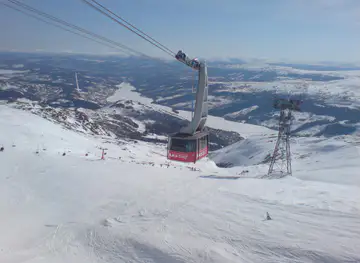
Vemdalen is a mountain destination in Härjedalen, central Sweden, known principally for the Vemdalsfjällen ski area and its cluster of settlements, resorts and highland landscapes. The destination is spread across a broad upland region rather than concentrated in one town. Its main visitor centres are Vemdalen village, Vemdalsskalet, Björnrike, Klövsjö and Storhogna, each offering a slightly different relationship with the surrounding mountains. Forested slopes of spruce and birch rise towards open, rounded summits and plateaux, creating a landscape suited to downhill skiing in winter and walking, cycling and nature excursions during the warmer months.Read more about Vemdalen
Four-Season Outdoor Life
Local Character and Wider Nature
When is the best time to visit Vemdalen?
Best: June–August · 18–21°C| Month | High (°C) | Rainfall (mm) |
|---|---|---|
| January | -5 | 30 |
| February | -3 | 26 |
| March | 2 | 20 |
| April | 7 | 15 |
| May | 13 | 11 |
| June (best) | 18 | 11 |
| July (best) | 21 | 11 |
| August (best) | 19 | 11 |
| September | 13 | 15 |
| October | 8 | 20 |
| November | 4 | 26 |
| December | -1 | 30 |
Getting to and around Vemdalen
How to get there
Transportation
Best attractions in Vemdalen
Vemdalen's principal attractions are its mountain environments and the distinct visitor centres spread through Vemdalsfjällen. Vemdalsskalet combines ski slopes, highland views and access to marked summer routes, while Björnrike occupies a forested mountainside with broad views towards the surrounding ranges. Klövsjö and Storhogna offer further downhill and cross-country skiing, hiking terrain and quieter resort settings. Vemdalen village provides a historic rural focus, including Vemdalens kyrka, and serves as a practical base for exploring the wider district. In warmer months, trails pass through coniferous woodland, open fell, streams and wetland, with opportunities for cycling, walking and wildlife observation. The wider area is habitat for species such as elk and reindeer, although encounters are seasonal and never guaranteed. Sonfjället National Park, reached beyond the core resorts, adds a more explicitly protected mountain landscape for visitors planning a separate excursion.
-
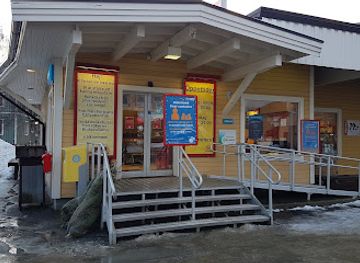
Grocery store
ICA Nära Vemdalen
Your compact, dependable village grocery in Vemdalen — essentials, parcel services and seasonal supplies for locals and visitors.
-
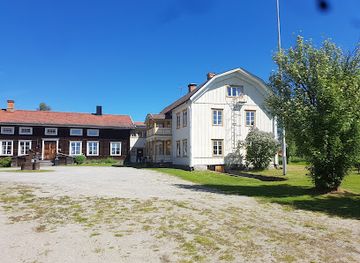
Youth hostel
Gästis Vemdalen
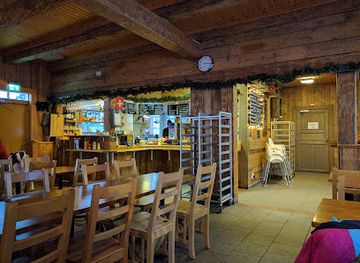
Cosy timbered lodge in central Vemdalen — communal rooms, sauna, restaurant and simple private apartments near slopes and trails.
-
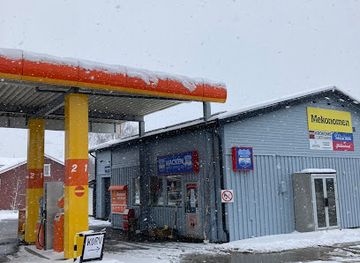
Gas station
Macken i Vemdalen
A compact, dependable village petrol shop in central Vemdalen — fuel, coffee, snacks and practical services for mountain visitors and locals.
-
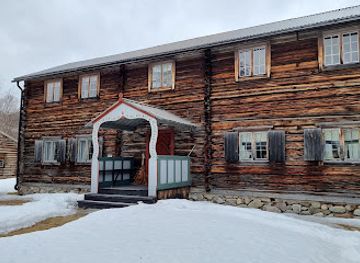
Heritage preservation
Vemdalens hembygdsgård
An intimate village farmstead where Vemdalen’s crafts, food and seasonal markets keep local traditions alive.
Explore Vemdalen on the map
Plan your trip on one map. See where the top attractions, landmarks, restaurants and hotels are, and book hotels and experiences in a few clicks.
Best hotels in Vemdalen
Best restaurants in Vemdalen
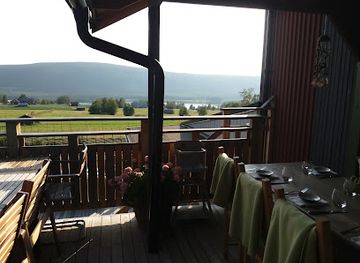
Dining in Vemdalen reflects the scale of a rural mountain destination, with restaurants, cafés and après-ski venues concentrated around Vemdalsskalet, Björnrike, Klövsjö and Storhogna, while Vemdalen village provides additional everyday services. Menus commonly draw on Swedish comfort food and regional ingredients, including potatoes, game, dairy products, bread, berries and mushrooms when in season. Traditional fika remains part of the local rhythm, particularly during a day outdoors, and accommodation kitchens and self-catering cottages are useful for visitors staying away from the main resort centres. Nearby farms and small producers may offer locally made foods, but availability varies by season and business. In the wider Härjedalen area, mountain and forest traditions influence menus more than coastal seafood, with hearty dishes suited to cold weather and active days.
-
Restaurant
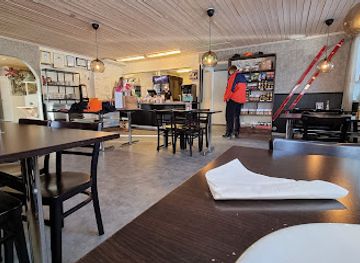
Härjedalspizza - Vemdalen
Casual, family-friendly pizzeria in Vemdalen village with classic pizzas, local toppings and practical, ski-season-ready atmosphere.
-
Cafe
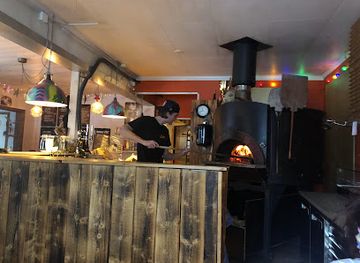
Stenugnsbageriet i Vemdalen
Wood-fired pizzas, fresh bakery treasures, and cozy café vibes fueling Vemdalen's mountain adventurers daily from 8am to 9pm.
-
Restaurant
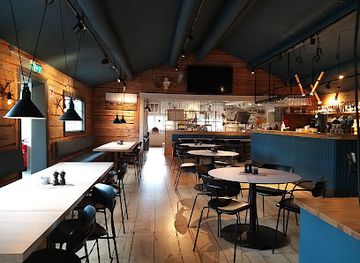
Restaurang Husky
Casual Swedish eats, pizzas, burgers, and bowling fun in Vemdalen's lively après-ski hub – hearty portions and drinks for mountain adventurers.
-
Restaurant
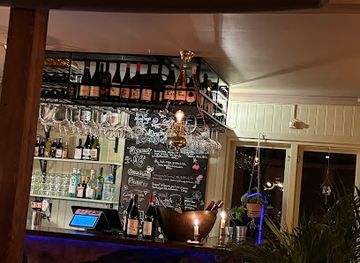
Poppens
A cosy, Mexican‑inspired neighbourhood restaurant in Vemdalen village with seasonal local ingredients and a natural‑wine focus.
Best bars in Vemdalen
-
Restaurant
Härjedalspizza - Vemdalen
Experience the delightful fusion of Italian and Swedish flavors at Härjedalspizza, a culinary gem in the heart of Vemdalen.
-
Cafe
Stenugnsbageriet i Vemdalen
Discover the essence of Swedish baking at Stenugnsbageriet i Vemdalen, where artisanal breads and pastries meet a cozy, welcoming atmosphere.
-
Restaurant
Björnvallens Sportkök
Discover the essence of Swedish cuisine at Björnvallens Sportkök, a charming restaurant in Vemdalen offering delicious local dishes in a cozy atmosphere.
-
Restaurant
Klövsjö Gårdsbryggeri
Experience the essence of Swedish craftsmanship at Klövsjö Gårdsbryggeri, a haven for beer lovers and food enthusiasts in the heart of Klövsjö.
Best shops in Vemdalen
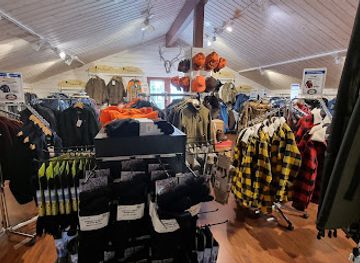
Shopping in Vemdalen is practical and regionally focused rather than extensive. The resort centres provide ski equipment, outdoor clothing, groceries and convenience shopping, while Vemdalen village offers services for residents and visitors. Seasonal holiday periods bring the greatest range of open businesses, but smaller settlements should not be treated as full retail centres. Visitors may find locally produced foods, baked goods, preserves, textiles, woodwork and other crafts through independent businesses, farm-linked outlets or regional markets, although stock and opening arrangements vary. Sporting and outdoor retailers are particularly relevant because equipment and clothing form an important part of the destination's visitor economy. For a broader choice of shops, travellers may need to use larger towns outside the immediate mountain area, so essential supplies are best obtained before heading to remote accommodation or trailheads.
-
Clothing store
Ekbergs Fiske & Fritid AB
A compact, two-storey outfitter in Vemdalen supplying fishing tackle, winter kit and local know-how for outdoor adventures.
-
Grocery store
ICA Nära Vemdalen
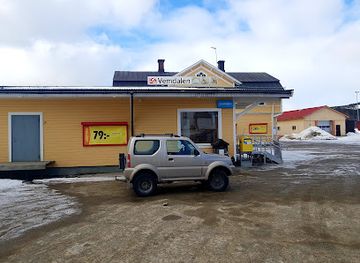
The village convenience store at Storgårdsgatan — essentials, parcel services and quick supplies for Vemdalen visitors and residents.
-
Hairdresser
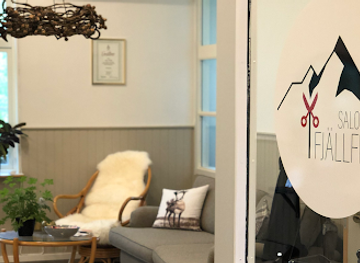
Salong Fjällfin
Creative hair and makeup artistry in Vemdalen's alpine heart, blending fjäll charm with professional styling for every season's adventures. (162 characters)
-
Furniture store
Vemdalia
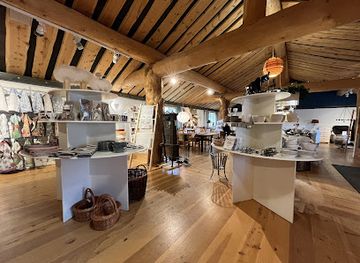
A working carpentry showroom in Vemdalen offering mountain-ready furniture, custom cabinetry and a clear view of traditional Swedish cabinetmaking.
Get your free copy of our complete guide to Vemdalen, delivered straight to you.
Everything on this page, from attractions and restaurants to essentials and local phrases, in one PDF you can read offline, print or share.
Already have an account? Sign in
Your Vemdalen guide is ready.
We'll send it to · Not you? Sign out

Getting your guide ready…
We are putting together a fresh copy of the Vemdalen guide. This can take up to a minute.
This can take a few moments. If your browser asks, choose Allow so the download can start. You'll find the guide in your Downloads folder.
Nothing happened? Download it again
Sorry, the guide is taking longer than usual. Please try again in a minute, or get it by email instead.
Vemdalen essentials
Currency and Payment
Safety
Emergency Situations
Do's and Don'ts
Local Tips
From Eve
Local phrases worth knowing
You don't need to get them perfect. A few words go a long way, and locals appreciate the effort.
Basics
| English | Local | Say it |
|---|---|---|
| Hello | Hej | [hey] |
| Goodbye | Adjö | [ad-yo] |
| Yes | Ja | [ya] |
| No | Nej | [nay] |
| Please/You're welcome | Varsågod | [var-sa-good] |
| Thank you | Tack | [tahck] |
| Excuse me/Sorry | Ursäkta mig | [oor-sayk-ta me] |
| How are you? | Hur mår du? | [hoor mor doo] |
| Fine. And you? | Bra. Och du? | [bra. ock doo] |
| Do you speak English? | Talar du engelska? | [tah-lar doo eng-els-ka] |
| I don't understand | Jag förstår inte | [yah for-stor in-te] |
Eating & Drinking
| English | Local | Say it |
|---|---|---|
| I'd like to see the menu, please | Jag skulle vilja se menyn, tack | [yah skool-le vil-ya seh meh-nin, tahck] |
| I don't eat meat | Jag äter inte kött | [yah eh-ter in-te shet] |
| Cheers! | Skål! | [skohl] |
| I would like to pay, please | Jag skulle vilja betala, tack | [yah skool-le vil-ya be-ta-la, tahck] |
Emergencies
| English | Local | Say it |
|---|---|---|
| Help! | Hjälp! | [yelp] |
| Go away! | Gå iväg! | [goh ee-veg] |
| Call the Police! | Ring polisen! | [ring po-lee-sen] |
| Call a doctor! | Ring en läkare! | [ring en leh-ka-re] |
| I'm lost | Jag är vilse | [yah air vil-seh] |
| I'm ill | Jag är sjuk | [yah air shoook] |
Shopping
| English | Local | Say it |
|---|---|---|
| I'd like to buy... | Jag skulle vilja köpa... | [yah skool-le vil-ya shoop-a] |
| I'm just looking | Jag tittar bara | [yah tee-tar bar-a] |
| How much is it? | Hur mycket kostar det? | [hoor mer-ket koss-tar deht] |
| That's too expensive | Det är för dyrt | [deht air for deert] |
| Can you lower the price? | Kan du sänka priset? | [kan doo sen-ka pre-set] |
Time & Numbers
| English | Local | Say it |
|---|---|---|
| What time is it? | Vad är klockan? | [vahd air klo-kan] |
| It's one o'clock | Klockan är ett | [klo-kan air eht] |
| Half past (10) | Halv tio | [halv tee-oh] |
| Morning | Morgon | [mor-gon] |
| Afternoon | Eftermiddag | [ef-ter-mee-dag] |
| Evening | Kväll | [kvell] |
| Yesterday | Igår | [ee-gor] |
| Today | Idag | [ee-dahg] |
| Tomorrow | Imorgon | [ee-mor-gon] |
| 1 | Ett | [eht] |
| 2 | Två | [tvo] |
| 3 | Tre | [treh] |
| 4 | Fyra | [feerah] |
| 5 | Fem | [fem] |
| 6 | Sex | [seks] |
| 7 | Sju | [sju] |
| 8 | Åtta | [ot-ta] |
| 9 | Nio | [nee-oh] |
| 10 | Tio | [tee-oh] |
Transport & Directions
| English | Local | Say it |
|---|---|---|
| Where's a/the...? | Var finns en/den...? | [var fins en/den] |
| What's the address? | Vad är adressen? | [vahd air a-drass-en] |
| Can you show me (on the map)? | Kan du visa mig (på kartan)? | [kan doo vee-sa me (poh kart-an)] |
| When's the next (bus)? | När går nästa (buss)? | [nair gor nes-ta (boos)] |
| A ticket (to ....) | En biljett (till ....) | [en beel-yet (teel)] |
History of Vemdalen
A Landscape Shaped by Ice
Vemdalen's rounded mountains, valleys and extensive forests were shaped by the Scandinavian Ice Sheet and the subsequent retreat of glacial ice. The uplands of the Vemdalsfjällen are not sharply alpine; their broad, forested slopes and open higher ground reflect the long action of ice, weather and erosion. This physical setting later influenced settlement, seasonal grazing, forestry and the location of modern ski areas. The landscape remains central to Vemdalen's identity, with natural conditions defining both its economy and its recreational culture.
Early Settlement and Härjedalen Life
Human settlement in Härjedalen developed around farming, hunting, fishing and the use of forest and mountain resources. Vemdalen's communities grew as part of this inland pattern, with homes and agricultural land concentrated in more sheltered valleys while the higher ground was used seasonally. Sámi history and continuing reindeer-herding traditions are important to the wider Härjedalen region, although land use and community histories vary across the area. The relationship between permanent settlements and seasonal movement remains visible in local landscape traditions.
The Parish and Its Church
Vemdalen's historic identity is closely connected with its parish church and village community. The present Vemdalens kyrka dates from the eighteenth century and represents the established Lutheran parish structure that shaped rural life through worship, administration and seasonal gatherings. The church and surrounding village provide a cultural counterpoint to the newer resort areas, showing that Vemdalen was a settled agricultural community long before winter tourism became its most recognisable economic activity.
Forestry, Farming and Rural Change
For much of its modern history, Vemdalen depended on small-scale agriculture, forestry and associated trades rather than large industry. Timber extraction altered the surrounding forests and connected the area to wider regional markets, while farming remained adapted to a short growing season and demanding inland climate. Improved roads and motor transport gradually reduced the isolation of the villages. These changes made it easier for visitors to reach the mountains and laid the practical foundations for the tourism economy that developed during the twentieth century.
The Rise of Winter Tourism
Organised skiing gradually transformed Vemdalen from a rural mountain district into one of Sweden's established winter destinations. Facilities expanded around Vemdalsskalet, Björnrike, Klövsjö and Storhogna as downhill skiing, ski schools, lifts and purpose-built accommodation became increasingly important. The different centres developed distinct layouts rather than forming one continuous town. Tourism also broadened beyond winter, encouraging investment in summer trails, cycling and nature-based recreation while maintaining the area's connection with forestry, local communities and the wider mountain landscape.
Conservation and Four-Season Tourism
Modern Vemdalen balances intensive recreational use in designated ski centres with the protection of forests, wetlands and mountain habitats elsewhere in the region. Marked trails, visitor guidance and seasonal management help direct activity through a landscape also used by local residents, wildlife and reindeer-herding interests. The growth of summer tourism reflects a broader shift from a destination strongly associated with snow sports towards a year-round mountain economy. Nearby protected landscapes, including Sonfjället National Park, reinforce the importance of responsible access and conservation beyond the developed resorts.
Vemdalen in Photos
Browse through our photo collection highlighting the charm and character of the destination.
Neighbouring destination travel guides
The closest destinations to Vemdalen, if you have time for more than one.
-

-
-

-

-


Swipe for more destinations
Explore more
Explore more of Härjedalen
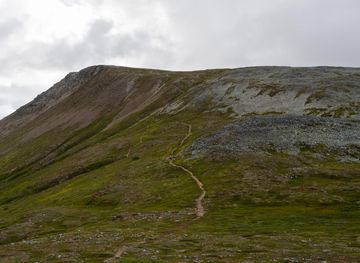
Explore Härjedalen's Swedish mountains, forest valleys, Sámi culture, national parks and year-round outdoor adventures from Sveg to Funäsfjällen.
Explore Härjedalen
Explore more of Sweden
Discover Sweden's breathtaking landscapes, vibrant cities, and rich cultural heritage. From the Northern Lights to historic castles, experience the essence of Scandinavia.
Explore Sweden