Best Landmarks Near Eggegrund (Norrbotten)
Planning a trip to Eggegrund? Discover the best landmarks nearby with history, expert tips, and routes. Free on web or the Evendo app.


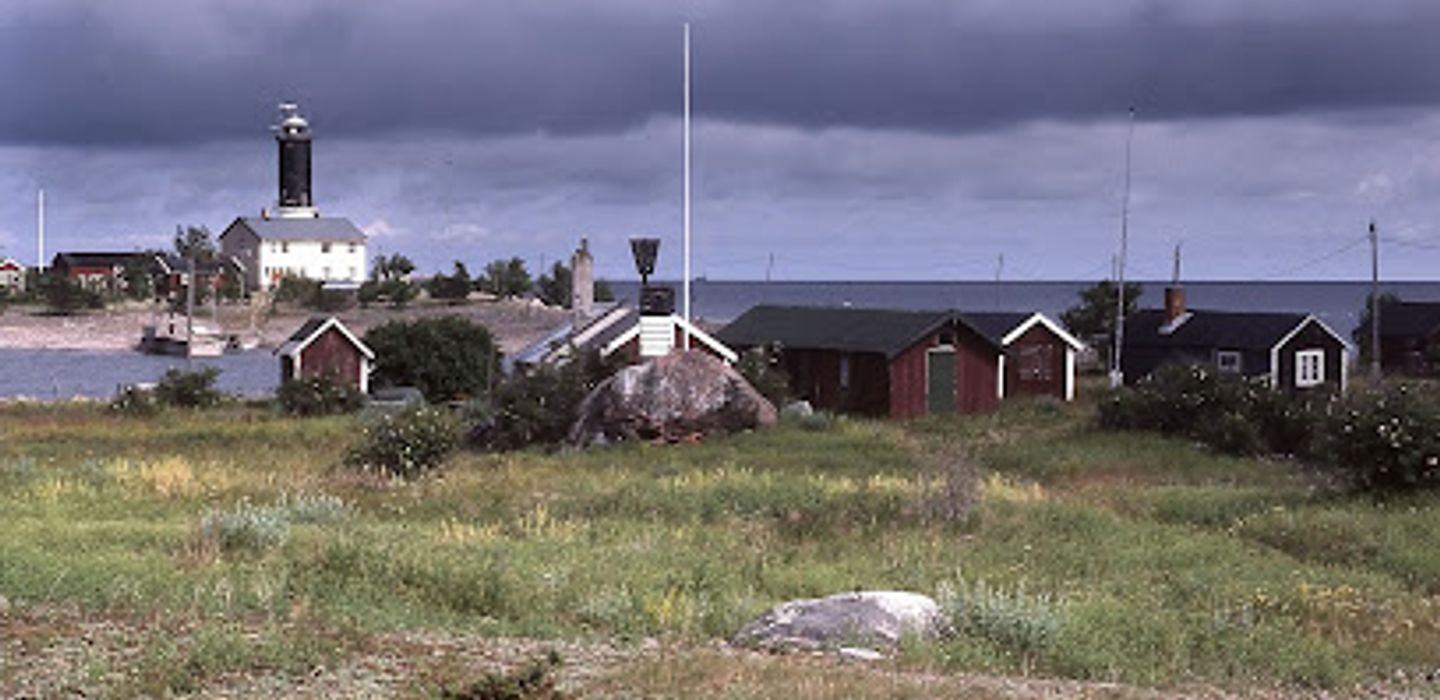
The best landmarks near Eggegrund
- Top rated
- Closest to Eggegrund
- Price level: low to high
- Time to spend: shortest first
- A–Z
37 landmarks
-
Cathedral4.7★5,914 reviews
Uppsala Cathedral
Sweden's tallest and largest cathedral towers over Uppsala, a Gothic masterpiece built from over 50 million bricks across centuries. Housing royal tombs, intricate chapels, and soaring vaults, it embodies national history with stunning acoustics, neo-Gothic spires, and twin organs that fill the space with resonant music. Free entry invites exploration of its sacred grandeur daily from 8am to 6pm.
Daily 8:00–18:00Time to spend 0.5–2 hrs
-
Castle4.3★3,393 reviews
Uppsala Castle
Perched on a sandstone ridge above the city, Uppsala Castle (Uppsala slott) is a layered monument where medieval foundations meet later royal ambitions and contemporary museum life. The site contains the Uppsala Art Museum, the slottshistoriska (castle-history) exhibitions and the 16th-century Vasaborgen ruins nearby, offering a compact mix of dramatic architecture, museum displays and panoramic city views in the heart of Uppsala.
Time to spend 0.5–2 hrs
-
Historical landmark4.5★1,310 reviews
Old Uppsala Archaeological Park
Old Uppsala Archaeological Park features three monumental royal burial mounds from the 6th century, marking Scandinavia's ancient power center in politics and religion. Explore the expansive site with grassy hills, remnants of a pagan temple, and nearby Gamla Uppsala Church. The adjacent museum showcases artifacts, interactive exhibits on Viking-era myths, and guided tours. Free outdoor access year-round, with museum entry at 150 SEK for adults. Ideal for history enthusiasts seeking Sweden's pre-Christian heritage amid serene landscapes.
Open 24 hoursPrice level $Time to spend 1–3 hrs
-
Tourist attraction4.4★1,211 reviews
Gävlebocken
Gävlebocken is a massive straw Yule goat erected annually in Gävle, Sweden, since 1966 as a Christmas landmark. Towering up to 13 meters high and weighing around 3 tons, this whimsical giant draws crowds to the city center but has a notorious history of arson attacks, smashings, and other vandalism, turning it into a beloved yet precarious holiday icon.
Time to spend 0.5–1.5 hrs
-
University4.6★620 reviews
Uppsala University
Founded in 1477, Uppsala University is the oldest university in the Nordic countries, anchored in the historic heart of Uppsala where medieval streets meet campus greens. Its compact, city-centre campus mixes redbrick and neoclassical ceremonials with modern research buildings, museums and libraries — from the ceremonial University Main Building and Carolina Rediviva library to Gustavianum and the botanical garden. A living academic landscape, it blends centuries of scholarship with present-day student life.
Time to spend 0.5–4 hrs
-
Church4.5★518 reviews
Church of Old Uppsala
A compact medieval parish church set within one of Sweden’s richest historic landscapes, Gamla Uppsala Church sits beside Bronze‑ and Iron‑Age burial mounds and a museum complex, its stone walls bearing traces of an earlier cathedral and centuries of worship. The interior offers painted vaults, intimate chapels and quiet stations for reflection, while the surrounding fields and royal mounds frame the site with powerful, layered history.
Time to spend 0.5–2 hrs
-
Mosque4.7★447 reviews
Uppsala Mosque
The Uppsala Mosque stands as Sweden's northernmost place of Sunni Muslim worship in the Kapellgärdet neighborhood. Completed in 1996, this compact yet vibrant center features a single minaret and serves a dedicated community through daily prayers, Quran classes, and cultural events. Its serene prayer hall, adorned with Islamic geometric patterns and calligraphy, offers a peaceful retreat amid Uppsala's urban landscape. Open daily with adjusted hours on Fridays, it welcomes respectful visitors seeking spiritual insight or architectural appreciation in a welcoming atmosphere.
Time to spend 0.5–1.5 hrs
-
Tourist attraction4.5★395 reviews
Håga mound
The Håga Mound, also known as King Björn's Mound, stands as one of Scandinavia's most significant Bronze Age burial sites. This imposing 7-meter-high tumulus, dating to around 1000 BCE, rises dramatically in Hagadalen nature reserve near Uppsala, overlooking what was once a sea inlet. Excavated in 1902–1903, it revealed an oak coffin with cremated remains of a chieftain, accompanied by gold-gilded treasures including a sword, brooches, razors, and buttons—making it the Nordic region's richest Bronze Age grave. Surrounded by ancient house foundations, cultic enclosures, and trekking paths through lush woodland, the site blends profound archaeological heritage with serene natural beauty, offering a tangible link to prehistoric rituals and power.
Open 24 hoursTime to spend 0.5–1.5 hrs
-
Tourist attraction4.5★297 reviews
Österbybruks Herrgård
Österbybruks Herrgård stands as the elegant centerpiece of one of Uppland's largest preserved ironworks villages, dating back to the 16th century. This stately 18th-century manor overlooks a serene dam and park, surrounded by historic forge buildings, worker cottages, and the rare Walloon smithy—offering a vivid glimpse into Sweden's industrial heritage amid lush Roslagen landscapes.
Time to spend 1–3 hrs
-
Tourist attraction4.5★267 reviews
Garpenberg Castle
Nestled in the deep forests of southern Dalarna, Garpenberg Castle is a majestic 19th-century chateau blending French architectural elegance with Swedish countryside charm. Built in 1801, this stately manor offers a glimpse into aristocratic history amid scenic woodlands, serving as a versatile venue for events, stays, and serene exploration just two hours from Stockholm.
Price level $$Time to spend 1–3 hrs


Dalahästen
A 13-metre-tall, vividly painted giant Dala horse that has stood near the crossroads outside Avesta since 1989; built in steel and sprayed concrete as a roadside landmark, it celebrates the Dalarna carving tradition on an epic scale and was restored and repainted after municipal takeover in 2019.
Open 24 hoursTime to spend 0.2–1 hr

Hälsingegård Erik-Anders
Hälsingegården Erik-Anders i Asta är en av sju UNESCO-världsarvslistade Hälsingegårdar, känd för sin herrgårdsliknande arkitektur och rikt dekorerade interiörer från 1800- och 1900-talen. Gården erbjuder guidade visningar, ett trädgårdskafé med hembakat, butik med byggnadsvårdsprodukter och personligt B&B-boende i ombyggd ekonomibyggnad. Upplev levande kulturarv med historia, hantverk och gästfrihet i lummig trädgårdsmiljö. Perfekt för dagbesök eller övernattning i lugn, historisk atmosfär.
Price level $$Time to spend 1–3 hrs

Oscarsborg
Oscarsborg is an iconic 23-meter lookout tower crowning Östra Berget in central Söderhamn, offering sweeping panoramas of the city, sea, and surrounding hills. Built in 1895 through community fundraising, this brick landmark symbolizes local pride and serves as a prime vantage point amid green slopes and summer cafés.
Tue–Fri 9:00–15:00Time to spend 0.5–1.5 hrs

Gunilla Bell
Perched on the Styrbiskop bastion overlooking Uppsala Castle, the Gunilla Bell stands as a striking 16th-century landmark. Cast in 1588 and recast after a devastating fire, this massive bell once rang curfew across the city, embodying Sweden's royal past amid panoramic views of the cathedral and beyond. Free to visit, it offers a quick yet evocative stop for history enthusiasts exploring Uppsala's hilltop heritage.
Open 24 hoursTime to spend 0.5–1.5 hrs

Salsta Castle
Salsta Castle is a striking 17th-century Baroque palace in Uppland, Sweden, with roots tracing back to the 13th century. Nestled north of Vattholma near Uppsala, this historic estate features guided tours revealing its noble past, a cozy café serving organic fika, and spaces for concerts and events amid scenic parklands. Explore preserved rooms from multiple eras, including a magnificent chapel and music room, evoking the grandeur of Swedish aristocracy.
Price level $Time to spend 1–2.5 hrs

Märket
Märket Island, a hidden gem in the archipelago, beckons travelers with its tranquil beauty and unique charm. Known for its picturesque landscapes and historic lighthouse, this enchanting island offers a perfect retreat for nature lovers and adventure seekers alike. Immerse yourself in the serenity of its surroundings as you explore the rugged coastlines and lush greenery, making it an ideal destination for a peaceful getaway.

Gamla Gefle
Gamla Gefle is Gävle's preserved historic heart, featuring medieval cobblestone lanes and vibrant 18th- and 19th-century wooden houses. This car-free cultural reserve survived urban renewal in the mid-20th century, offering a glimpse into the city's seafaring past amid colorful architecture and cultural sites like Joe Hill-gården. Wander narrow alleys lined with restored timber buildings, evoking Norrland's oldest urban legacy since 1446.
Open 24 hoursTime to spend 0.5–2 hrs

Gävle Castle
Gävle Castle stands as a striking 16th-century fortress in central Gävle, originally constructed by King Johan III in 1593 with pinnacles and a tower evoking medieval grandeur. Over centuries, it evolved into a key administrative hub housing county government offices, courts, and cultural spaces, its robust yellow facade overlooking the Gavle River. Adjacent to historic prisons now forming the Swedish Prison Museum, the site immerses visitors in Sweden's turbulent past—from royal intrigues to judicial reforms. Explore its architecture, courtyards, and occasional exhibitions that reveal layers of history amid the lively urban setting.
Time to spend 0.5–1.5 hrs

University Main Building
Uppsala University’s Main Building, inaugurated in 1887, is a richly decorated Beaux‑Arts landmark in University Park next to the cathedral. Designed by Herman Teodor Holmgren, the Italian‑Renaissance–inspired façade, allegorical sculptures and a preserved 19th‑century interior house the Grand Auditorium, reception rooms and historic academic spaces still used for ceremonies, lectures and concerts.
Time to spend 0.5–2 hrs

Almagrundet
Fyrskeppet Almagrundet is a preserved iron lightship built at O.A. Brodins Varv in Gävle in 1895–96; after decades at sea as a floating beacon she now rests at Alderholmskajen as a historical vessel and local museum piece, with visible red-painted hull, deck structures and lantern fittings that recall life aboard a working lightship.
Time to spend 0.5–2 hrs

Valsgärde Gravfält
Valsgärde Gravfält, located 3 km north of Gamla Uppsala along Fyrisån, is one of Scandinavia's most significant Iron Age burial sites. Spanning from around 400 to 1100 AD, it features over 80 graves, including 15 remarkable boat burials from the Vendel and Viking periods. These elite graves reveal a conservative aristocratic tradition, with boats equipped with weapons, household items, horses, and dogs, offering profound insights into pre-Viking society. The site rises as a moraine hill amid the surrounding clay plain, marked by mounds and depressions from chamber, coffin, cremation, and boat graves. Excavated meticulously between 1928 and 1952 by Uppsala University archaeologists, it preserves unique artifacts like ornate helmets now housed in Gustavianum. A serene, open landscape invites reflection on ancient rituals and power structures.
Open 24 hoursTime to spend 0.5–1.5 hrs

World’s Largest Dala Horse
Towering 13 meters high at the intersection of highways 70 and 68 in Avesta, this colossal concrete Dala horse is the world's largest sculpture of its kind. Unveiled in 1989, the vibrant red statue with multicolored saddle and bridle embodies Sweden's Dalarna heritage, drawing travelers to its roadside grandeur. Weighing 67 tons, it symbolizes good luck, protection, and traditional craftsmanship from the Dalarna region where small wooden versions originated as children's toys in the 17th century.
Time to spend 0.5–1.5 hrs

Martin Luther Kings plan
Martin Luther Kings Plan is a serene urban park in Uppsala's historic Fjärdingen district, featuring the striking metal sculpture Befrielsen by Olof Hellström. This tree-shaded plaza honors Martin Luther King Jr.'s civil rights legacy and his planned role at the 1968 World Council of Churches assembly in Uppsala. Nestled between Uppsala University Hall and the Fyris River, it offers a tranquil spot for reflection amid the city's ecclesiastical and academic heart, with nearby landmarks like Uppsala Cathedral enhancing its cultural depth. Free to visit around the clock, it's an inviting green space for quiet contemplation or casual strolls in a vibrant university neighborhood.
Open 24 hoursTime to spend 0.5–1.5 hrs

Tingshögen
Tingshögen is the low, flattened mound beside Gamla Uppsala Church and the famous royal burial mounds; an ancient ritual and assembly site that sits within the layered ceremonial landscape of Gamla Uppsala. Subtle in scale but rich in meaning, the mound has archaeological traces suggesting deliberate construction and use for assemblies, ritual acts and symbolic performances across the Vendel–Viking eras.
Time to spend 0.2–1.5 hrs

judgments stones
A small cluster of weathered standing stones known locally as the Judgment Stones, set in the Ö district of Gävle; they combine quiet, centuries‑old presence with local folklore and a raw, natural aesthetic that rewards a slow, observant visit. The site is compact and outdoors, framed by mixed woodland and pasture, and is best appreciated in soft light when texture and lichen come alive underfoot.
Time to spend 0.2–1 hr

Uppsala Stift
Uppsala Stift—housed at Stiftets Hus on Dragarbrunnsgatan—serves as the administrative centre for Svenska kyrkan’s largest diocese, overseeing parishes across Uppland, Gästrikland and Hälsingland. The sober early‑20th‑century office building contains diocesan offices, meeting rooms and heritage functions and sits a short walk from Uppsala Cathedral and the university precinct, offering a quiet civic presence amid the city centre.
Mon–Fri 8:00–15:00Time to spend 0.2–1 hr

Signalberget
Signalberget is a wooded hill and small natural reserve in Bomhus, Gävle, notable for Bronze Age burial cairns, open rocky outcrops and views over the surrounding suburb and forested landscape. The site combines easy woodland paths, scattered wildflowers and historic earthworks that date back millennia, making it a compact spot for short walks, nature observation and a touch of local prehistory.
Time to spend 0.5–2 hrs

Hölickgrottorna
Hölickgrottorna, Europe's second-longest system of ancient bedrock caves at 1,340 meters, beckons adventurers to Hudiksvall's rugged Hornslandet peninsula. Nestled in Hölick Nature Reserve, this subterranean marvel offers cool, echoing passages where the climate lags two months behind the surface, revealing nature's raw geological artistry amid coastal forests and seaside cliffs.
Time to spend 1–3 hrs

Runsten
This 11th-century Viking Age runestone, carved by master runemaster Åsmund Kåresson, stands as a poignant memorial to Egil in Gävle's Heliga Trefaldighets Kyrka. Originally erected at Södertull in Sörby, it exemplifies intricate runic artistry and historical depth from Gästrikland's sparse surviving rune heritage. Though relocated, its weathered surface whispers tales of loss and remembrance amid the church's sacred ambiance.
Time to spend 0.5–1.5 hrs

Uppland Runic Inscription 1146
A modest Viking Age memorial runestone set into the landscape near Gillberga in Tierp municipality, Uppland. Carved in the younger futhark, U 1146 bears a serpentine band and an older memorial formula; its weathered surface and placement in a rural churchyard setting make it an intimate encounter with 11th-century Scandinavian funerary practice and stone-carving craft.
Time to spend 0.2–1 hr

Upplands Runinskrifter 999
A solitary Viking Age runestone set in the farmland of Åkerby, Funbo parish near Uppsala, Upplands runinskrifter 999 is a granite stone with reddish flecks bearing a carved runic inscription. Quiet, small and easy to miss among fields, the stone is a compact piece of Norway‑Age material culture that links the modern landscape to the region’s early medieval past and the tradition of memorial carving in Uppland.
Time to spend 0.2–1 hr

Upplands runinskrifter 922
Hidden beneath the floor of Uppsala Cathedral, Upplands Runinskrifter 922 is a Viking-era runestone in the elegant Urnes style. Measuring nearly 3 meters, it commemorates ancient memorials near King Gustav Vasa's grave, offering a subtle portal to Sweden's runic past amid Gothic grandeur.
Time to spend 0.5–1.5 hrs

Islandskällan
Islandskällan stands as one of Gävle's oldest landmarks, a historic spring first marked on the city's inaugural map from 1640 at the corner of Västra Islandsgatan and Källgränd. Vital in the 17th century for supplying fresh water, it was sheltered by a wooden roof and later a pump house in the 1800s. Though no longer flowing, its legacy endures through a commemorative fountain at Källtorget, evoking the daily rhythms of old Gefle in this charming heritage corner.
Open 24 hoursTime to spend 0.5–1.5 hrs

Runenbildsteine Wikingerzeit
A cluster of Viking Age runestones set near Disavägen in Uppsala, these carved stones date mainly to the 11th century and carry names, memorial formulas and decorative motifs that bridge Norse pagan imagery and emerging Christian symbols. They are part of Uppland’s extraordinary concentration of runic monuments and offer a tangible link to local families, voyages and beliefs from the Viking era.
Time to spend 0.2–1 hr

Spårvägsstolpen
A modest but evocative relic of Uppsala’s tramway era, the Spårvägsstolpen is an old trampost located at Sysslomansgatan 49 that marks where tracks and trams once threaded this neighbourhood. The single metal post, often photographed against surrounding early‑20th‑century façades, is a small urban monument to the city's transport history and the vanished network that connected suburbs to the centre.
Open 24 hoursTime to spend 5–30 min

Upplands runinskrifter 933
Uppland Runic Inscription U 933 is a Viking Age granite runestone set beside Uppsala Cathedral at Skytteanum in central Uppsala. Part of the region’s dense corpus of memorial stones, U 933 bears a short Old Norse inscription in runes and survives as a tangible link to late Viking-Age memory-making and the conversion era; it sits in a university precinct where medieval stone, Baroque-era patronage and modern scholarship meet.
Open 24 hoursTime to spend 0.2–1 hr

Upplands runinskrifter 902
A solitary Viking Age runestone catalogued as Upplands runinskrifter 902, set in the Kvarnbo / Läby area near Uppsala; a weathered slab of reddish‑grey granite bearing carved runes and ornamental serpentine bands that link it to the region’s dense network of 11th‑century memorial stones. The stone is visible in the landscape, notable for its age, carved script and the quiet rural setting that frames a tangible piece of Norse cultural memory.
Open 24 hoursTime to spend 0.2–1 hr
Explore Eggegrund on the map
A handpicked selection of must-see spots near Eggegrund, mapped for you.
More about Eggegrund
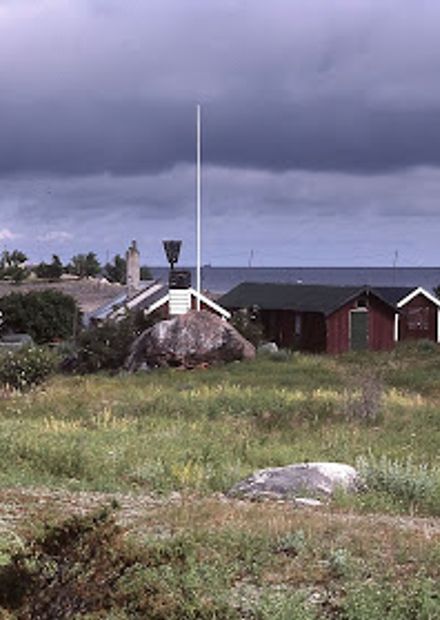
Eggegrund travel guide
A compact historic lighthouse isle off Skutskär — windswept rock, seabirds and a sheltered guest jetty for boaters seeking quiet coastal nature.
Tell me more about EggegrundMore to explore near Eggegrund

 Best experiences near Eggegrund

 Best hotels near Eggegrund

 Best attractions near Eggegrund

 Best shops near Eggegrund

 Best bars near Eggegrund

 Best restaurants near Eggegrund
Explore more

Explore more of Norrbotten
Discover Norrbotten, Sweden's northern gem, where nature's wonders meet rich Sami culture. Experience the Midnight Sun, Northern Lights, and unique winter activities.
Explore Norrbotten
Getting your guide ready…
We are putting together a fresh copy of the Eggegrund guide. This can take up to a minute.
This can take a few moments. If your browser asks, choose Allow so the download can start. You'll find the guide in your Downloads folder.
Nothing happened? Download it again
Sorry, the guide is taking longer than usual. Please try again in a minute, or get it by email instead.