

Free Duck River Valley Travel Guide & Mobile App
Explore Duck River Valley with free travel guides. Discover regional history, expert tips, proposed trips, and audio guides on web or mobile app.


Explore Duck River Valley in Tennessee for paddling, prehistoric earthworks, historic towns, farmland and quiet Middle Tennessee landscapes.
Read more about Duck River Valley
Getting to and around Duck River Valley
How to get there
Transportation
Top city travel guides in Duck River Valley
The cities of Duck River Valley, and the easiest places to base yourself.
-

-
-

-

-


Swipe for more cities
Destinations in Duck River Valley
Resorts, valleys and scenic spots worth a trip of their own.
-
-


Swipe for more destinations
Best attractions in Duck River Valley
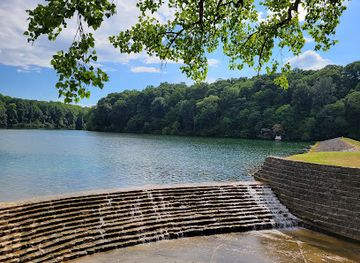
Duck River Valley attractions combine archaeology, outdoor recreation and the everyday heritage of Middle Tennessee towns. Old Stone Fort State Archaeological Park near Manchester is the region's most important prehistoric site, with earthwork walls, river views, trails and interpretation explaining the Indigenous community that built the enclosure. Normandy Lake, formed by a dam on the Duck River, provides opportunities for boating, fishing and shoreline recreation. Henry Horton State Park near Chapel Hill offers walking, open countryside and family-oriented facilities beside the river. Around Columbia, visitors can explore historic streets, museums and the James K. Polk Ancestral Home, while Centerville and Shelbyville provide smaller-scale town history and local shopping. River paddling is central to the region's appeal, but launch points and navigation should be researched in advance because access is not continuous. Wildlife observation is rewarding along quieter banks and at public natural areas such as Yanahli Wildlife Management Area in Maury County. The valley is best experienced through a mixture of planned sites and unhurried drives through farmland, limestone country and wooded tributaries rather than through a single concentrated attraction district.
-
Tourist attraction
The Lost Sea Adventure
Discover the enchanting underground lake at The Lost Sea Adventure in Sweetwater, Tennessee, where geological wonders await every explorer.
-
Tourist attraction
Tuckaleechee Caverns
Explore the stunning underground beauty of Tuckaleechee Caverns in Townsend, TN, where nature's artistry awaits your discovery.
-
Shopping mall
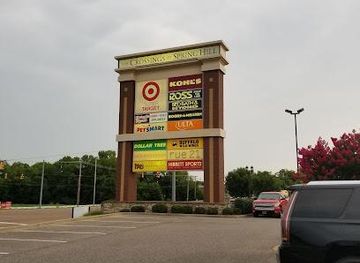
The Crossings Of Spring Hill
Discover the vibrant shopping experience at The Crossings of Spring Hill, where retail, dining, and entertainment come together in Tennessee.
-
Museum
Coal Miner's Daughter Museum
Delve into the life of Loretta Lynn at the Coal Miner's Daughter Museum, celebrating music, heritage, and the spirit of Appalachia.
Best landmarks in Duck River Valley
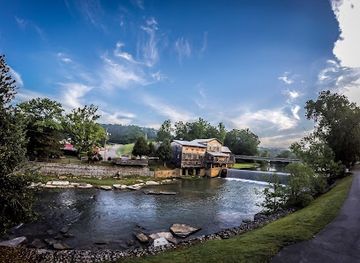
The Duck River itself is the valley's defining natural landmark, winding through limestone country and changing from a narrower, wooded stream near its source to a broader river corridor farther west. At Manchester, the earthwork enclosure at Old Stone Fort forms a remarkable prehistoric landmark between the Duck and Little Duck rivers; its raised walls and river-facing terraces are both archaeological evidence and powerful markers of the landscape's Indigenous past. Normandy Dam and the reservoir behind it represent a later layer of twentieth-century engineering and have reshaped the eastern river scenery. Columbia's Maury County Courthouse is a prominent civic landmark in the historic county seat, while the James K. Polk Ancestral Home gives the town a direct architectural link to nineteenth-century national politics. Henry Horton State Park's river landscape, wooded banks and open grounds provide a less monumental but highly characteristic view of the valley. Together these places show how natural geography, Indigenous construction, civic government, presidential history and modern water management are interwoven along the Duck.
-
History museum
Andrew Jackson’s Hermitage
Explore Andrew Jackson's Hermitage, a captivating historic estate showcasing the life and legacy of America's seventh president.
-
Tourist attraction
Tuckaleechee Caverns
Discover the breathtaking beauty of Tuckaleechee Caverns in Townsend, TN, where stunning rock formations and underground rivers await your exploration.
-
State park
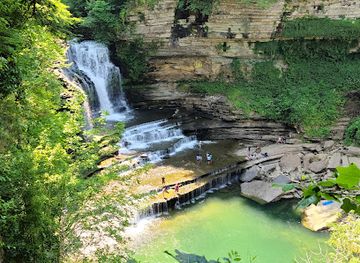
Cummins Falls State Park
Discover the beauty of Cummins Falls State Park, where waterfalls and lush landscapes await your exploration in Tennessee's great outdoors.
-
State park
Montgomery Bell State Park
Explore the breathtaking landscapes and outdoor adventures at Montgomery Bell State Park in Tennessee, a paradise for nature lovers and outdoor enthusiasts.

Explore Duck River Valley on the map
Plan your trip on one map. See where the top cities, national parks and sights are, and book hotels and experiences in a few clicks.
Best hotels in Duck River Valley
Best restaurants in Duck River Valley
Dining in Duck River Valley reflects the broader food culture of Middle Tennessee, with family restaurants, cafés, country cooking and barbecue more prominent than formal restaurant districts. Towns such as Columbia, Shelbyville, Manchester and Centerville provide meat-and-three meals, biscuits, burgers, fried chicken, barbecue and catfish, while locally grown produce appears seasonally at farm stands and community markets. Rural cafés and traditional diners are useful places to encounter generous breakfasts and familiar Southern dishes, though opening days and hours can be limited outside the busiest periods. Bakeries and coffee shops in the larger historic centres offer a lighter alternative, and some restaurants draw on nearby farms for beef, pork, vegetables and eggs. Tennessee-produced whiskey and locally made beer may appear on drinks lists, but the region's dining identity is primarily agricultural and community-based. Visitors should distinguish established local cooking from claims that a particular dish originated in the valley; many recipes belong to the wider culinary traditions of Tennessee and the American South.
-
American
Applewood Farmhouse Restaurant
Discover the taste of Southern comfort at Applewood Farmhouse Restaurant – where family dining meets culinary excellence in Sevierville.
-
Barbecue
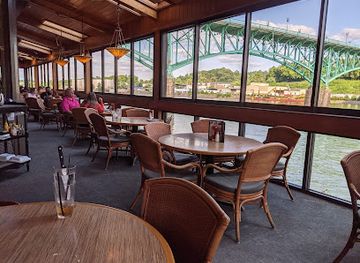
Calhoun's On The River
Experience authentic Southern barbecue at Calhoun's On The River in Knoxville, where delicious food meets stunning riverside views.
-
Seafood
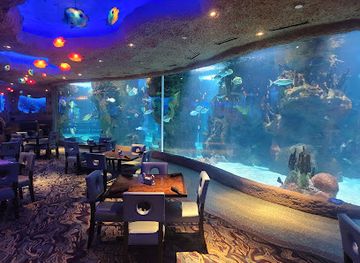
Aquarium Restaurant
Experience delightful seafood dining surrounded by stunning aquariums at Nashville's unique Aquarium Restaurant.
-
Restaurant
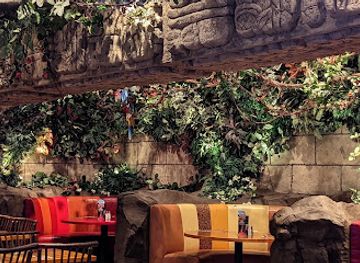
Rainforest Cafe
Experience an enchanting jungle-themed dining adventure at Rainforest Cafe in Nashville – where every meal is an expedition into flavor!
Best bars in Duck River Valley
Evening life in Duck River Valley is centred on traditional pubs, casual restaurants, cafés, live music and community events rather than a large nightclub scene. Columbia has the broadest choice of evening venues, with additional options in Manchester and Shelbyville; Centerville and smaller communities tend to become quiet earlier. Local bars may combine food, televised sport and music, while seasonal festivals and performances provide occasional livelier nights. Breweries, distilleries and tasting rooms associated with Middle Tennessee may be found on the wider regional circuit, but visitors should check current arrangements before making a special journey. Rural inns and restaurants are generally more suitable for a relaxed evening than for late-night entertainment. Driving distances and limited taxi availability make it important to arrange a sober driver or accommodation before sampling alcoholic drinks, particularly when staying outside the main towns.
-
Restaurant
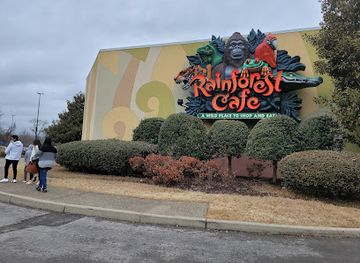
Rainforest Cafe
Discover an enchanting dining adventure at Rainforest Cafe in Nashville, where jungle vibes meet delicious American cuisine for an unforgettable experience.
-
American
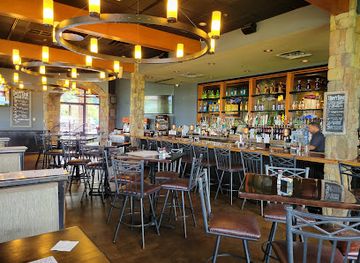
Lakeside Tavern
Experience delightful American cuisine and vibrant drinks at Lakeside Tavern, a lakeside gem in Knoxville, Tennessee, perfect for every traveler.
-
Brewpub
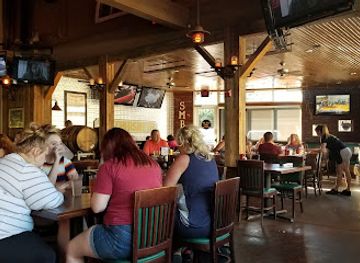
Smoky Mountain Brewery
Discover the perfect blend of craft brews and American cuisine at Smoky Mountain Brewery in Pigeon Forge, Tennessee.
-
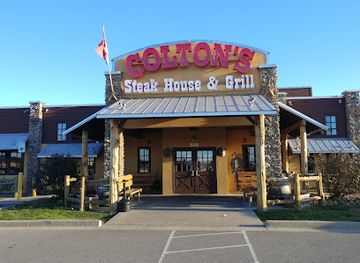
Steak
Colton's Steak House & Grill
Experience the ultimate steak dining at Colton's Steak House & Grill in Dickson, TN, where flavor meets hospitality in a warm, inviting atmosphere.
Best nightclubs in Duck River Valley
Evening life in Duck River Valley is centred on traditional pubs, casual restaurants, cafés, live music and community events rather than a large nightclub scene. Columbia has the broadest choice of evening venues, with additional options in Manchester and Shelbyville; Centerville and smaller communities tend to become quiet earlier. Local bars may combine food, televised sport and music, while seasonal festivals and performances provide occasional livelier nights. Breweries, distilleries and tasting rooms associated with Middle Tennessee may be found on the wider regional circuit, but visitors should check current arrangements before making a special journey. Rural inns and restaurants are generally more suitable for a relaxed evening than for late-night entertainment. Driving distances and limited taxi availability make it important to arrange a sober driver or accommodation before sampling alcoholic drinks, particularly when staying outside the main towns.
-
Night club
Electric Cowboy Clarksville
Discover Electric Cowboy Clarksville, a lively nightclub offering affordable drinks, vibrant music, and an unforgettable nightlife experience in Tennessee.
-
Night club
Dynamic 6 Country Club
Experience the vibrant nightlife at Dynamic 6 Country Club, a premier destination for dancing and entertainment in Clarksville, Tennessee.


Best shops in Duck River Valley
Shopping in Duck River Valley is concentrated in the historic commercial streets and everyday retail centres of Columbia, Shelbyville, Manchester and Centerville rather than in large luxury malls. Downtown Columbia is particularly suited to browsing independent shops, antiques, books, homewares, gifts and galleries in a traditional county-seat setting. Shelbyville and Manchester provide practical shopping alongside specialist stores, craft goods and regional food products, while smaller communities offer occasional antique, farm and roadside retail. Seasonal produce, preserves, baked goods, honey and other farm products are useful souvenirs when bought directly from legitimate vendors. Visitors may also find locally made pottery, woodwork, textiles and artwork, although selection varies by town and season. Check local arrangements before planning around a farmers' market, since market days and participating traders can change. The most representative purchases are durable regional foods, craftwork and books on Tennessee history rather than generic souvenirs.
-
Outlet mall
Tanger Outlets Sevierville
Discover unbeatable deals and a delightful shopping experience at Tanger Outlets Sevierville, the ultimate destination for brand-name shopping.
-
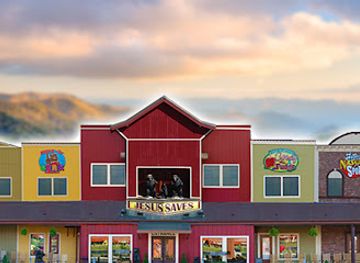
Shopping mall
Three Bears General Store
Explore Three Bears General Store in Pigeon Forge for unique gifts, delicious treats, and family fun – a top destination for unforgettable memories!
-
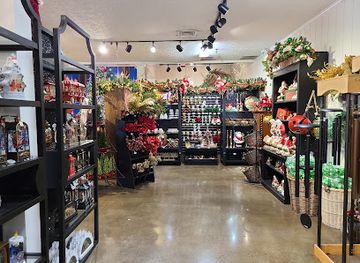
Christmas store
The Incredible Christmas Place
Discover a festive wonderland at The Incredible Christmas Place, the ultimate destination for holiday cheer and unique Christmas gifts in Pigeon Forge, TN.
-
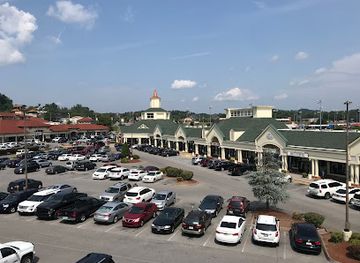
Shopping mall
The Village Shops
Explore the enchanting Village Shops in Gatlinburg for unique shopping, delightful dining, and a charming atmosphere that captures the essence of the Smokies.
Get your free copy of our complete guide to Duck River Valley, delivered straight to you.
Everything on this page, from attractions and restaurants to essentials and local phrases, in one PDF you can read offline, print or share.
Already have an account? Sign in
Your Duck River Valley guide is ready.
We'll send it to · Not you? Sign out

Getting your guide ready…
We are putting together a fresh copy of the Duck River Valley guide. This can take up to a minute.
This can take a few moments. If your browser asks, choose Allow so the download can start. You'll find the guide in your Downloads folder.
Nothing happened? Download it again
Sorry, the guide is taking longer than usual. Please try again in a minute, or get it by email instead.
Duck River Valley essentials
Currency and Payment
Safety
Emergency Situations
Do's and Don'ts
Local Tips
From Eve
Local phrases worth knowing
You don't need to get them perfect. A few words go a long way, and locals appreciate the effort.
Basics
| English | Local | Say it |
|---|---|---|
| Hello | Howdy | [How-dee] |
| Goodbye | See ya later | [See ya lay-ter] |
| Yes | Yep | [Yep] |
| No | Nope | [Nope] |
| Please/You're welcome | Please/You bet | [Pleez/Ya bet] |
| Thank you | Thanks a lot | [Thanks a lot] |
| Excuse me/Sorry | Pardon me/Sorry | [Pardon me/Sor-ree] |
| How are you? | How y'all doin'? | [How ya'll doin'?] |
| Fine. And you? | I'm good. And you? | [I'm good. An' you?] |
| Do you speak English? | Y'all speakin' English? | [Ya'll speakin' English?] |
| I don't understand | I ain't followin' | [I ain't followin'] |
Eating & Drinking
| English | Local | Say it |
|---|---|---|
| I'd like to see the menu, please | Can I see the menu, please? | [Can I see the menu, pleez?] |
| I don't eat meat | I don't eat no meat | [I don't eat no meat] |
| Cheers! | Cheers! | [Cheers!] |
| I would like to pay, please | Can I pay up, please? | [Can I pay up, pleez?] |
Emergencies
| English | Local | Say it |
|---|---|---|
| Help! | Help! | [Help!] |
| Go away! | Leave me be! | [Leave me be!] |
| Call the Police! | Call the cops! | [Call the cops!] |
| Call a doctor! | Get a doctor! | [Get a doctor!] |
| I'm lost | I done got lost | [I done got lost] |
| I'm ill | I'm feelin' poorly | [I'm feelin' poorly] |
Shopping
| English | Local | Say it |
|---|---|---|
| I'd like to buy... | I wanna buy... | [I wanna buy...] |
| I'm just looking | Just lookin' around | [Just lookin' around] |
| How much is it? | How much is it? | [How much is it?] |
| That's too expensive | That's a bit pricey | [That's a bit pricey] |
| Can you lower the price? | Can ya bring the price down? | [Can ya bring the price down?] |
Time & Numbers
| English | Local | Say it |
|---|---|---|
| What time is it? | What time is it? | [What time is it?] |
| It's one o'clock | It's one o'clock | [It's one o'clock] |
| Half past (10) | Half past ten | [Half past ten] |
| Morning | Mornin' | [Mornin'] |
| Afternoon | Afternoon | [Afternoon] |
| Evening | Evenin' | [Evenin'] |
| Yesterday | Yesterday | [Yesterday] |
| Today | Today | [Today] |
| Tomorrow | Tomorrow | [Tomorrow] |
| 1 | One | [One] |
| 2 | Two | [Two] |
| 3 | Three | [Three] |
| 4 | Four | [Four] |
| 5 | Five | [Five] |
| 6 | Six | [Six] |
| 7 | Seven | [Seven] |
| 8 | Eight | [Eight] |
| 9 | Nine | [Nine] |
| 10 | Ten | [Ten] |
Transport & Directions
| English | Local | Say it |
|---|---|---|
| Where's a/the...? | Where's a...? | [Where's a...?] |
| What's the address? | What's the address? | [What's the address?] |
| Can you show me (on the map)? | Can ya show me on the map? | [Can ya show me on the map?] |
| When's the next (bus)? | When's the next bus? | [When's the next bus?] |
| A ticket (to ....) | A ticket to... | [A ticket to...] |
History of Duck River Valley
Mississippian Earthworks at Old Stone Fort
Long before European settlement, Indigenous communities built substantial ceremonial and defensive earthworks in Middle Tennessee. Old Stone Fort, at the meeting of the Duck and Little Duck rivers near present-day Manchester, is one of the region's most visible surviving examples. The enclosure was constructed by Native peoples during the first millennium CE and includes walls, terraces and river overlooks. Its original purpose is still interpreted through archaeology rather than through later legends. The site demonstrates the importance of the Duck River corridor as a place of settlement, movement and ceremony well before the formation of Tennessee.
Indigenous Homelands and Early Frontier Settlement
The Duck River country formed part of a wider Indigenous landscape occupied and used by peoples including the Chickasaw, Cherokee and related communities, whose territorial and trading relationships changed during the colonial and early United States periods. From the late eighteenth century, settlers of European and African descent entered Middle Tennessee through expanding networks of roads, land surveys and river crossings. Farms and small communities developed on the valley's fertile soils, while Indigenous dispossession followed treaties, military pressure and federal removal policies. The region's later town centres grew from this frontier transformation.
Farming, Mills and Market Towns
During the nineteenth century, agriculture shaped the valley's economy and settlement pattern. Farms produced livestock, grain, cotton in suitable areas and other crops, while waterpower supported mills and smaller industries along tributaries and the Duck itself. Columbia, Shelbyville, Manchester, Chapel Hill and Centerville became local centres for courts, trade, churches and agricultural services. Enslaved labour was part of the antebellum economy, and African American communities continued to influence the region's churches, businesses, music and civic life after emancipation. Many surviving town buildings and rural estates reflect this period of commercial and agricultural growth.
The Civil War in the Duck River Country
The valley occupied a strategically important position in Middle Tennessee during the American Civil War because roads, river crossings and rail connections linked central Tennessee with the interior South. Columbia and surrounding areas changed hands and hosted military movements, supply operations and occupation forces. The Union crossing of the Duck River in 1863 contributed to the wider campaign that brought Union armies towards central Tennessee, while fighting and manoeuvring in Maury, Marshall and neighbouring counties disrupted farms and communities. The war's legacy remains visible in cemeteries, historic buildings, interpretive sites and local family histories.
Columbia and the Polk Political Legacy
Columbia's importance extended beyond local agriculture through its association with James K. Polk, who was born in North Carolina but spent much of his youth and early adult life in the Columbia area. His family home, preserved as the James K. Polk Ancestral Home, connects the town to the expansionist politics of the 1840s and the presidency of the United States from 1845 to 1849. The surrounding historic district, county courthouse and civic buildings illustrate how a nineteenth-century county seat combined political, legal and commercial functions.
Industrial and Transport Change
Railways, improved roads and later automobile travel altered the valley's relationship with larger Tennessee markets. Manchester and nearby communities benefited from transport connections associated with the Nashville, Chattanooga and St. Louis Railway, while agricultural towns gained more reliable routes for moving livestock, crops and manufactured goods. Hydroelectric development and the construction of Normandy Dam changed parts of the Duck's working landscape during the twentieth century, creating a reservoir used for recreation while also modifying river flow and shoreline patterns.
Modern Conservation of the Duck River
In the late twentieth and early twenty-first centuries, scientific research and conservation drew attention to the Duck River's remarkable freshwater biodiversity. Its fish and mussel communities, together with limestone geology and varied aquatic habitats, made the waterway important beyond its role in local recreation and farming. Public parks, wildlife-management areas, landowners and conservation organisations now contribute to protecting sections of the river and its tributaries. The valley's contemporary identity therefore combines working landscapes and historic communities with growing awareness of watershed stewardship.
Duck River Valley in Photos
Browse through our photo collection highlighting the charm and character of the destination.
Neighbouring regions of Duck River Valley
The closest regions to Duck River Valley, if you have time for more than one.
-

-
 Highland Rim
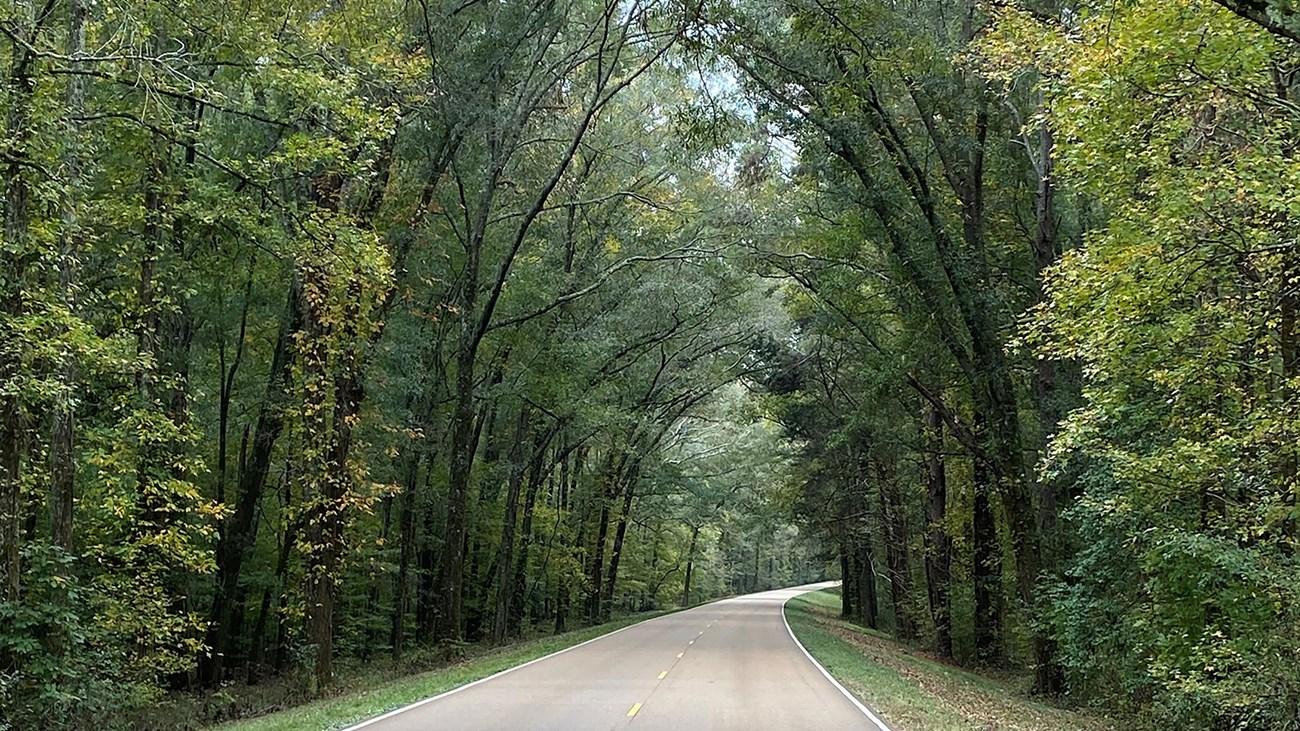
Explore Tennessee’s Highland Rim for limestone uplands, caves, waterfalls, state parks, whiskey heritage and small-town landscapes near Nashville.
Highland Rim
Explore Tennessee’s Highland Rim for limestone uplands, caves, waterfalls, state parks, whiskey heritage and small-town landscapes near Nashville.
-

-

-
 Buffalo River Valley
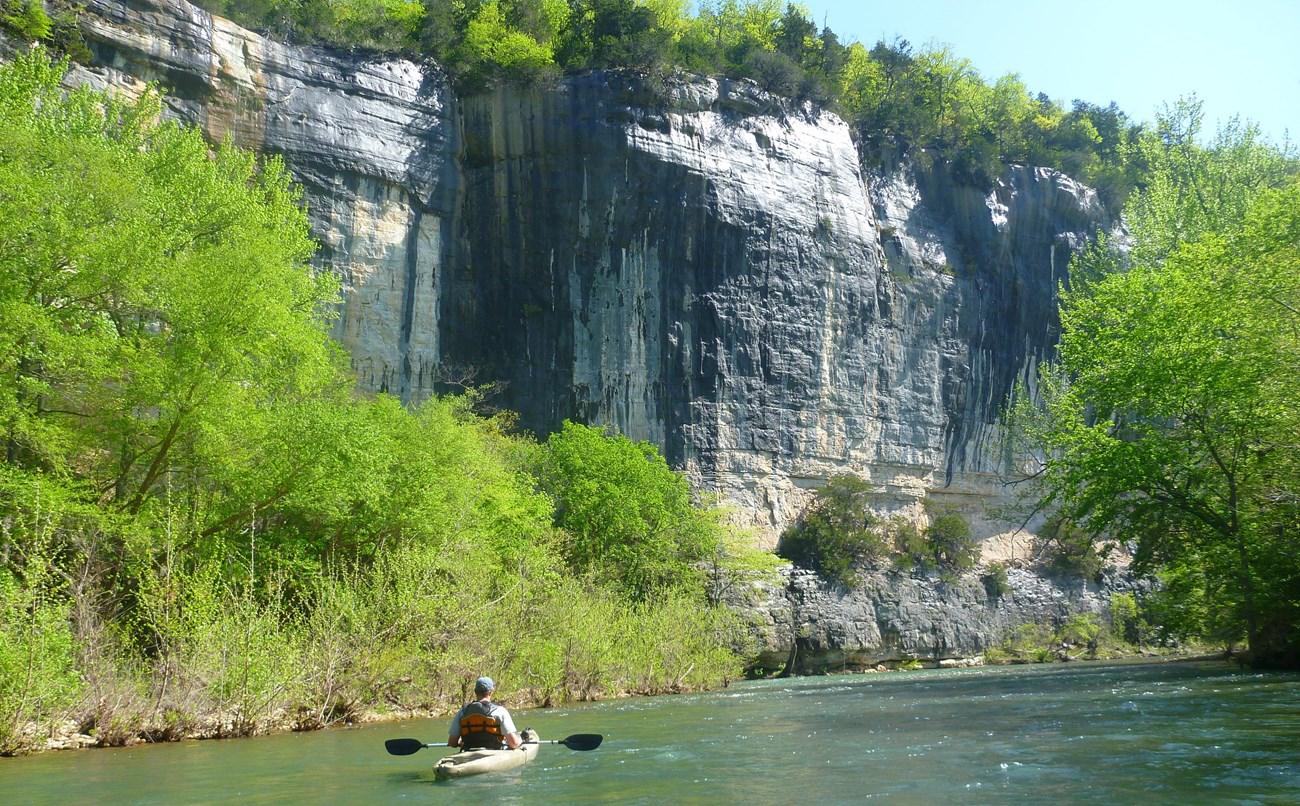
Explore Tennessee’s Buffalo River Valley for canoeing, wooded hills, small towns, scenic drives and a quiet rural landscape shaped by the river.
Buffalo River Valley
Explore Tennessee’s Buffalo River Valley for canoeing, wooded hills, small towns, scenic drives and a quiet rural landscape shaped by the river.


Swipe for more regions
Explore more

Explore more of Tennessee
Discover Tennessee: A melting pot of music, history, and natural beauty, offering visitors an authentic taste of Southern hospitality and unforgettable experiences.
Explore Tennessee