

Free Nashville Basin Travel Guide & Mobile App
Explore Nashville Basin with free travel guides. Discover regional history, expert tips, proposed trips, and audio guides on web or mobile app.


Explore the Nashville Basin for country music, Civil War history, limestone landscapes, historic towns and Middle Tennessee food culture.
Read more about Nashville Basin
Getting to and around Nashville Basin
How to get there
Transportation
Top city travel guides in Nashville Basin
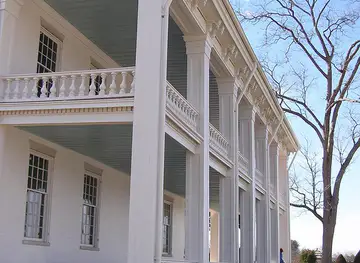
The cities of Nashville Basin, and the easiest places to base yourself.
-

-
-

-

-

-


Swipe for more cities
Destinations in Nashville Basin
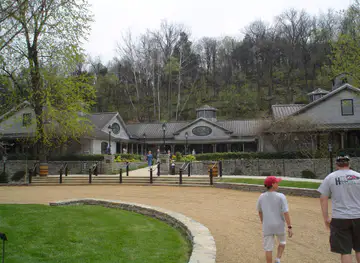
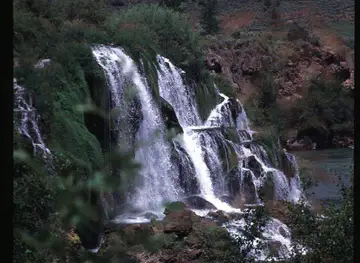
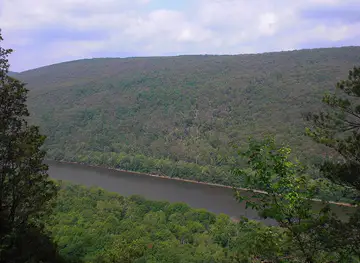
Resorts, valleys and scenic spots worth a trip of their own.
-
-
-

-


Swipe for more destinations
Best attractions in Nashville Basin
The Nashville Basin offers a varied group of attractions centred on music, history and accessible countryside. Nashville's Country Music Hall of Fame and Museum, Ryman Auditorium and National Museum of African American Music explain different strands of the city's musical development, while the Parthenon and the Tennessee State Museum broaden the cultural picture. Historic estates and houses, including Andrew Jackson's Hermitage, Belle Meade Historic Site and the homes associated with the Battle of Franklin, explore politics, plantation society, enslavement and domestic life. Stones River National Battlefield near Murfreesboro provides walking trails and interpretation of a major Civil War campaign. Franklin's preserved centre and Columbia's courthouse square support slower visits through architecture, shops and cafés. Around the towns, visitors can find parks, greenways, working farms, gardens and limestone-country scenery, although rural attractions are dispersed and usually require a car. The region is better suited to combining several focused visits than to treating the entire basin as a single compact attraction district.
-
Live Music
Grand Ole Opry
Discover the legendary Grand Ole Opry, the heart of country music, where history and live performances create an unforgettable experience in Nashville.
-
Live Music
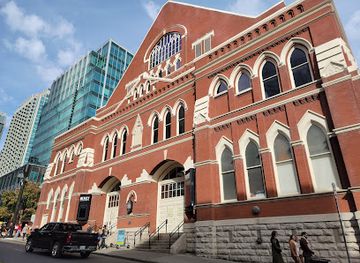
Ryman Auditorium
Experience the magic of live music at Ryman Auditorium, Nashville's historic concert hall and the heart of the city's vibrant music scene.
-
Museum
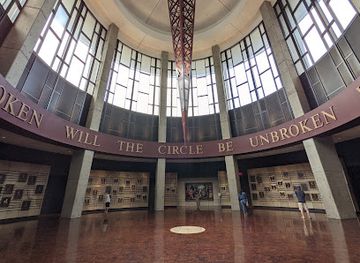
Country Music Hall of Fame and Museum
Discover the rich legacy of country music at the Country Music Hall of Fame and Museum in Nashville, a treasure trove of music history and culture.
-
Park
Centennial Park
Discover the beauty and culture of Nashville at Centennial Park, featuring the iconic Parthenon and lush landscapes perfect for relaxation and exploration.


Best landmarks in Nashville Basin
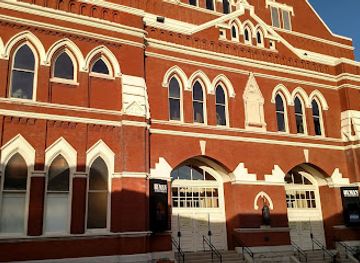
The Nashville skyline is defined by the Tennessee State Capitol, a nineteenth-century Greek Revival building on a prominent hill, and the nearby Legislative Plaza. Downtown's Ryman Auditorium is an important religious and performance landmark whose history links gospel, radio and country music. In Centennial Park, the Parthenon is a full-scale reconstruction that reflects Nashville's nineteenth-century claim to cultural refinement and its later civic ambitions. Andrew Jackson's Hermitage preserves the presidential estate and landscape while also interpreting the lives of the enslaved people who sustained it. Around Franklin, the Carter House and Carnton are closely associated with the Battle of Franklin and the area's Civil War landscape. Murfreesboro's Stones River National Battlefield marks another major conflict site, while Oaklands Mansion represents the architecture and social history of the city's nineteenth-century elite. In Columbia, the courthouse square and surrounding historic buildings provide a civic landmark shaped by Middle Tennessee's legal, commercial and political development.
-
Live Music
Grand Ole Opry
Discover the legendary Grand Ole Opry, where country music comes alive with unforgettable performances and rich history in the heart of Nashville.
-
Live Music
Ryman Auditorium
Experience the rich musical legacy of Ryman Auditorium, a historic Nashville venue that has hosted legends and continues to inspire music lovers.
-
Museum
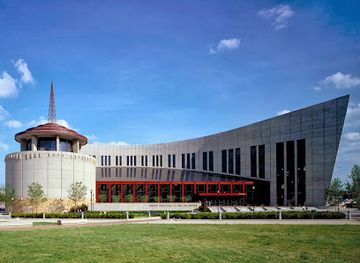
Country Music Hall of Fame and Museum
Explore the rich history of country music at the Country Music Hall of Fame and Museum in Nashville, a captivating journey through legendary artists and timeless melodies.
-
Park
Centennial Park
Discover the lush landscapes and historic charm of Centennial Park, Nashville's premier urban oasis featuring the iconic Parthenon replica.

Explore Nashville Basin on the map
Plan your trip on one map. See where the top cities, national parks and sights are, and book hotels and experiences in a few clicks.
Best hotels in Nashville Basin
Best restaurants in Nashville Basin
Dining in the Nashville Basin ranges from nationally recognised urban restaurants to family-run cafés, barbecue counters, Southern meat-and-three plates and country inns. Nashville is closely associated with hot chicken, a style of fried chicken served at varying levels of heat, as well as biscuits, barbecue and a broad contemporary food scene shaped by the city's diverse population. Franklin, Murfreesboro and Columbia provide independent restaurants, bakeries, coffee shops and casual dining around their historic centres and commercial districts. Farm shops and seasonal markets reflect the basin's agricultural setting, while regional menus may feature Tennessee-produced beef, pork, vegetables, sorghum, preserves and baked goods. Whiskey is an important part of Tennessee's wider drinks culture, although distilleries and production traditions are not confined to the Nashville Basin itself. Visitors should distinguish locally made products from dishes marketed simply as Southern or American, since the region's food identity is part of a wider Middle Tennessee tradition rather than a single fixed cuisine.
-
American
The Loveless Cafe
Experience the heart of Nashville at The Loveless Cafe, where delicious Southern cuisine meets warm hospitality.
-
American
The Hampton Social - Nashville
Experience coastal charm in the heart of Nashville at The Hampton Social – where delicious American cuisine meets vibrant ambiance.
-
Southern
Puckett's Restaurant - Downtown Nashville
Discover authentic Southern cuisine and live music at Puckett's Restaurant in Downtown Nashville - a must-visit for every traveler!
-
Southern
Acme Feed & Seed
Discover Acme Feed & Seed: A Southern dining gem in Nashville blending exquisite cuisine with live music and vibrant atmosphere.


Best bars in Nashville Basin
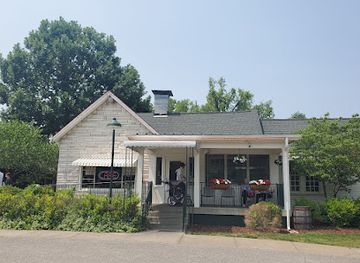
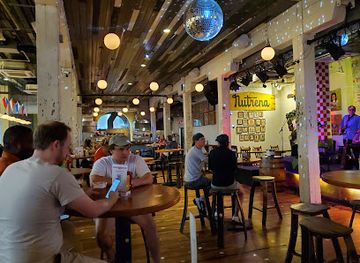
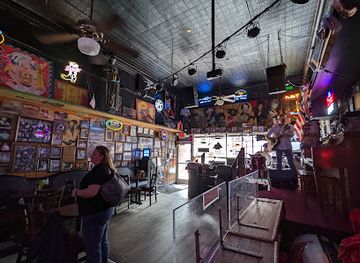
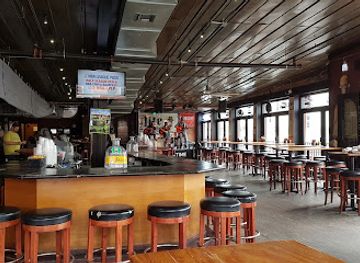
Nightlife is most concentrated in Nashville, where Broadway's honky-tonks sit alongside smaller music rooms, cocktail bars, breweries, listening rooms and venues in neighbourhoods such as East Nashville and Germantown. The scale and atmosphere vary considerably: the central strip is highly visitor-oriented, while other venues focus on local musicians, touring acts or particular genres. Franklin and Murfreesboro have more modest but active evening scenes, including pubs, restaurants, breweries, live music and bars around their town centres and university areas. Columbia's nightlife is quieter and tends towards restaurants, breweries and community events. In the rural parts of the basin, evenings generally revolve around dining, historic-town pubs or private gatherings rather than clubs. Check age requirements, identification rules, transport arrangements and venue policies, and remember that performances and operating patterns can change.
-
Live music bar
Robert's Western World
Discover the charm of Nashville's live music scene at Robert's Western World, where Southern cuisine meets unforgettable performances.
-
Blues club
Bourbon Street Blues and Boogie Bar
Discover the heart of Nashville's blues scene at Bourbon Street Blues and Boogie Bar, where live music and southern flavors come together.
-
Live music bar
Honky Tonk Central
Dive into Nashville's musical heart at Honky Tonk Central, where live music, American cuisine, and a vibrant atmosphere await every visitor.
-
Live music bar
Tin Roof
Discover the heart of Nashville's nightlife at Tin Roof, where live music, delicious food, and a vibrant atmosphere await you.


Best nightclubs in Nashville Basin
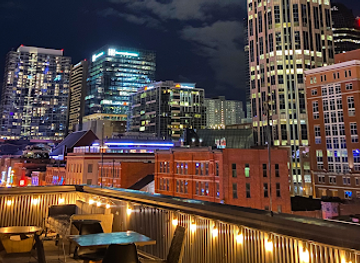
Nightlife is most concentrated in Nashville, where Broadway's honky-tonks sit alongside smaller music rooms, cocktail bars, breweries, listening rooms and venues in neighbourhoods such as East Nashville and Germantown. The scale and atmosphere vary considerably: the central strip is highly visitor-oriented, while other venues focus on local musicians, touring acts or particular genres. Franklin and Murfreesboro have more modest but active evening scenes, including pubs, restaurants, breweries, live music and bars around their town centres and university areas. Columbia's nightlife is quieter and tends towards restaurants, breweries and community events. In the rural parts of the basin, evenings generally revolve around dining, historic-town pubs or private gatherings rather than clubs. Check age requirements, identification rules, transport arrangements and venue policies, and remember that performances and operating patterns can change.
-
Southern
Nashville Underground
Experience the vibrant fusion of Southern cuisine and lively entertainment at Nashville Underground, where music and fun come together.
-
Night club
Dirty Little Secret
Experience Nashville nightlife at Dirty Little Secret, a vibrant night club in Printers Alley, where music, dance, and fun collide.
-
Night club
Ibiza Lounge Nashville
Experience the vibrant nightlife of Nashville at Ibiza Lounge - your ultimate destination for dance, drinks, and unforgettable memories.
-
Night club
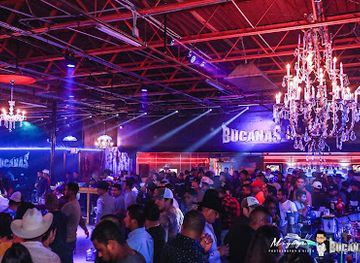
Bucanas Night Club
Dive into Nashville's nightlife at Bucanas Night Club, where vibrant music meets a lively atmosphere for unforgettable nights.


Best shops in Nashville Basin
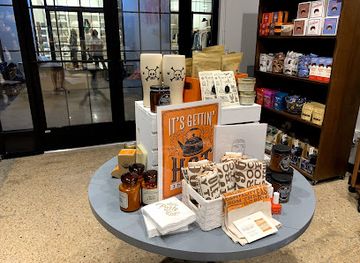
Shopping in the Nashville Basin ranges from major urban retail districts to independent shops in historic county seats. Nashville offers music-related merchandise, books, records, instruments, clothing, galleries and locally made food products, with different characters in downtown, the Gulch, 12South, East Nashville and other established neighbourhoods. Franklin's Main Street is known for independent boutiques, antiques, gifts, art and homewares in a preserved historic setting, while Murfreesboro and Columbia combine traditional town-centre businesses with larger suburban retail areas. Farmers' markets and farm shops are useful for Tennessee produce, preserves, baked goods and seasonal specialities, though opening days vary. Look for locally made pottery, prints, jewellery, leather goods and music memorabilia, while checking whether an item was produced in the basin or merely carries a Nashville name. Rural shopping is dispersed, so market visits and small-town browsing are best planned alongside other regional excursions.
-
Shopping mall
The Mall at Green Hills
Explore The Mall at Green Hills: Nashville’s premier shopping destination with upscale stores, dining, and vibrant local culture.
-
Gift shop
Made in TN
Explore the charm of Nashville through locally crafted gifts at Made in TN, your go-to shop for authentic Tennessee souvenirs and unique treasures.
-
Shopping mall
Fatherland District
Explore Fatherland District, a vibrant shopping mall in East Nashville, featuring local boutiques, delicious dining, and creative spaces.
-
Boot store
Boot Barn
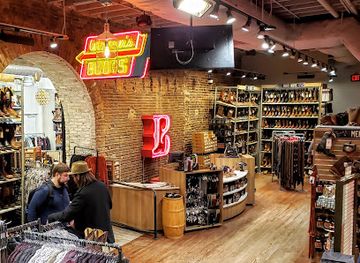
Boot Barn offers an authentic selection of western apparel and boots in the heart of Nashville, embracing the spirit of the South.

Get your free copy of our complete guide to Nashville Basin, delivered straight to you.
Everything on this page, from attractions and restaurants to essentials and local phrases, in one PDF you can read offline, print or share.
Already have an account? Sign in
Your Nashville Basin guide is ready.
We'll send it to · Not you? Sign out

Getting your guide ready…
We are putting together a fresh copy of the Nashville Basin guide. This can take up to a minute.
This can take a few moments. If your browser asks, choose Allow so the download can start. You'll find the guide in your Downloads folder.
Nothing happened? Download it again
Sorry, the guide is taking longer than usual. Please try again in a minute, or get it by email instead.
Nashville Basin essentials
Currency and Payment
Safety
Emergency Situations
Do's and Don'ts
Local Tips
From Eve
Local phrases worth knowing
You don't need to get them perfect. A few words go a long way, and locals appreciate the effort.
Basics
| English | Local | Say it |
|---|---|---|
| Hello | Howdy | [hau-dee] |
| Goodbye | See ya | [see yah] |
| Yes | Yep | [yehp] |
| No | Nope | [nohp] |
| Please/You're welcome | Please/No problem | [pleez/no prob-lum] |
| Thank you | Thank ya | [thangk yah] |
| Excuse me/Sorry | Excuse me/Sorry 'bout that | [ex-kyoos mee/sor-ree bout that] |
| How are you? | How ya doin'? | [hau yah doin'?] |
| Fine. And you? | I'm good. And you? | [I'm guhd. And you?] |
| Do you speak English? | Do ya speak English? | [doo yah speek ing-glish?] |
| I don't understand | I don't get it | [I don't get it] |
Eating & Drinking
| English | Local | Say it |
|---|---|---|
| I'd like to see the menu, please | Can I see the menu, please? | [kan I see thuh men-yoo, pleez?] |
| I don't eat meat | I ain't eatin' meat | [I ain't eetin' meet] |
| Cheers! | Cheers! | [cheers!] |
| I would like to pay, please | Could I get the check, please? | [kuhd I get thuh chek, pleez?] |
Emergencies
| English | Local | Say it |
|---|---|---|
| Help! | Help! | [help!] |
| Go away! | Get lost! | [get lost!] |
| Call the Police! | Call the cops! | [call thuh cops!] |
| Call a doctor! | Call a doc! | [call a doc!] |
| I'm lost | I'm lost | [I'm lost] |
| I'm ill | I'm feelin' bad | [I'm feelin' bad] |
Shopping
| English | Local | Say it |
|---|---|---|
| I'd like to buy... | I wanna buy... | [I wanna buy...] |
| I'm just looking | Just lookin' | [just lookin'] |
| How much is it? | How much's this? | [how much's this?] |
| That's too expensive | That's too pricey | [that's too pry-see] |
| Can you lower the price? | Can ya bring the price down? | [kan yah bring thuh pryce down?] |
Time & Numbers
| English | Local | Say it |
|---|---|---|
| What time is it? | What time is it? | [what time is it?] |
| It's one o'clock | It's one o'clock | [it's one o'clock] |
| Half past (10) | Half past ten | [half past ten] |
| Morning | Morning | [mornin'] |
| Afternoon | Afternoon | [afternoon] |
| Evening | Evenin' | [evenin'] |
| Yesterday | Yesterday | [yestuhday] |
| Today | Today | [today] |
| Tomorrow | Tomorrow | [tomorrow] |
| 1 | One | [wun] |
| 2 | Two | [too] |
| 3 | Three | [three] |
| 4 | Four | [for] |
| 5 | Five | [fiyv] |
| 6 | Six | [siks] |
| 7 | Seven | [sev-en] |
| 8 | Eight | [ate] |
| 9 | Nine | [nayn] |
| 10 | Ten | [ten] |
Transport & Directions
| English | Local | Say it |
|---|---|---|
| Where's a/the...? | Where's a...? | [where's a...?] |
| What's the address? | What's the address? | [what's thuh ad-dress?] |
| Can you show me (on the map)? | Can ya show me (on the map)? | [kan yah show me (on thuh map)?] |
| When's the next (bus)? | When's the next bus? | [when's thuh next bus?] |
| A ticket (to ....) | A ticket (to ...) | [a ti-ket (to ...)] |
History of Nashville Basin
Indigenous Homelands and Archaeological Landscapes
The Nashville Basin has long been part of the homelands and travel networks of Indigenous peoples, including the Cherokee, Chickasaw and other Native communities whose histories predate European settlement. The broader Middle Tennessee landscape contains evidence of earlier Mississippian societies, agriculture and mound-building, while later Indigenous diplomacy and displacement shaped the region's colonial history. Visitors should understand that the basin's historic houses and roads were built on land whose human story began thousands of years before Nashville's founding.
Fort Nashborough and the Founding of Nashville
In 1779, a group of settlers associated with Richard Henderson's Transylvania Company established a settlement on the Cumberland River that became Nashville. The site benefited from river transport and access to routes across Middle Tennessee, although settlement involved conflict, negotiation and the dispossession of Indigenous peoples. Nashville was incorporated as a town in 1806 and later became the political and commercial centre of the surrounding basin, linking farms and smaller communities with regional markets.
Agriculture, Enslavement and the Plantation Economy
The basin's fertile soils supported farming, livestock raising and commercial crops, and wealthy enslavers established large estates around Nashville, Franklin and other communities. Enslaved African Americans performed essential agricultural, domestic and skilled labour while creating families, religious practices and cultural networks under coercion. Historic properties such as Belle Meade, Carnton and The Hermitage now interpret these entangled histories, including the economic power of plantation owners and the lives of the people they enslaved.
Civil War and Reconstruction
The Nashville Basin was a major theatre of the American Civil War because of its roads, railways, river access and strategic position in the western Confederacy. The Battles of Stones River near Murfreesboro and Franklin, followed by the Battle of Nashville, brought large armies and severe disruption to local communities. After the war, the region entered Reconstruction amid emancipation, political conflict and social change. Battlefields, cemeteries and historic houses preserve evidence of both military events and civilian consequences.
Railways, Industry and the Growth of Middle Tennessee Towns
Nineteenth-century railways strengthened Nashville's role as a trading centre and connected smaller basin towns with agricultural markets. Murfreesboro, Franklin and Columbia expanded around courthouses, depots, mills, shops and professional services, while limestone, timber and farm production contributed to the local economy. The arrival of improved roads and later motor transport gradually reduced the isolation of rural communities and encouraged suburban growth around Nashville during the twentieth century.
Nashville and the Rise of Recorded Music
Nashville's music industry developed from late nineteenth- and early twentieth-century performance traditions, radio, publishing and recording. The Grand Ole Opry helped establish the city as a centre of country music, while recording studios, musicians and record companies broadened its influence into gospel, blues, rock, pop and Americana. Music venues and institutions remain visible throughout the basin, but the industry has also depended on working musicians, songwriters, engineers and independent businesses beyond the most famous stages.
Suburban Expansion and a Changing Regional Economy
After the Second World War, Nashville's population and metropolitan economy expanded rapidly into parts of the basin. New roads, suburban housing, healthcare, education, logistics and services altered farmland and small-town edges, particularly around Williamson and Rutherford counties. Franklin and Murfreesboro retained historic centres while becoming major employment and residential destinations in their own right. Contemporary growth has brought investment and cultural energy, alongside debates about traffic, housing costs, farmland conservation and the preservation of historic landscapes.
Nashville Basin in Photos
Browse through our photo collection highlighting the charm and character of the destination.
Neighbouring regions of Nashville Basin
The closest regions to Nashville Basin, if you have time for more than one.
-
-

-
 Highland Rim
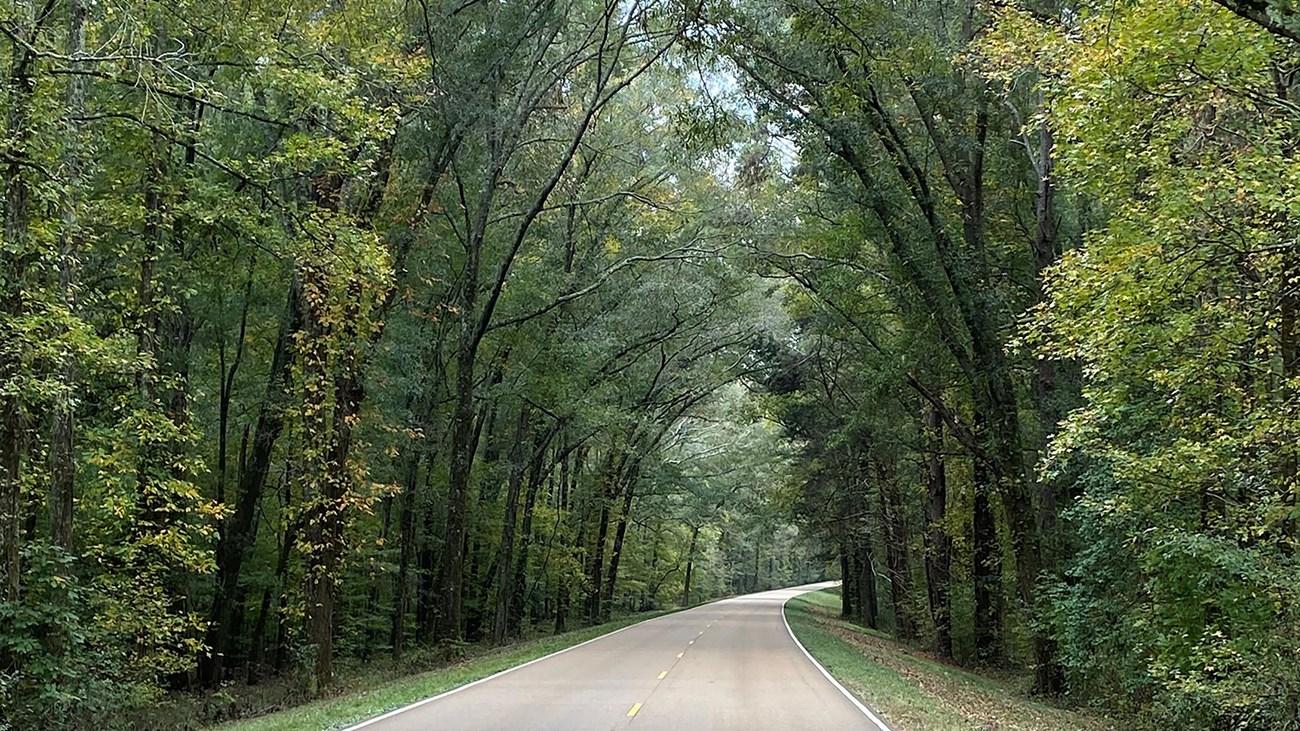
Explore Tennessee’s Highland Rim for limestone uplands, caves, waterfalls, state parks, whiskey heritage and small-town landscapes near Nashville.
-

-


Swipe for more regions
Explore more

Explore more of Tennessee
Discover Tennessee: A melting pot of music, history, and natural beauty, offering visitors an authentic taste of Southern hospitality and unforgettable experiences.
Explore Tennessee