

Free Central Middle Tennessee Travel Guide & Mobile App
Explore Central Middle Tennessee with free travel guides. Discover regional history, expert tips, proposed trips, and audio guides on web or mobile app.


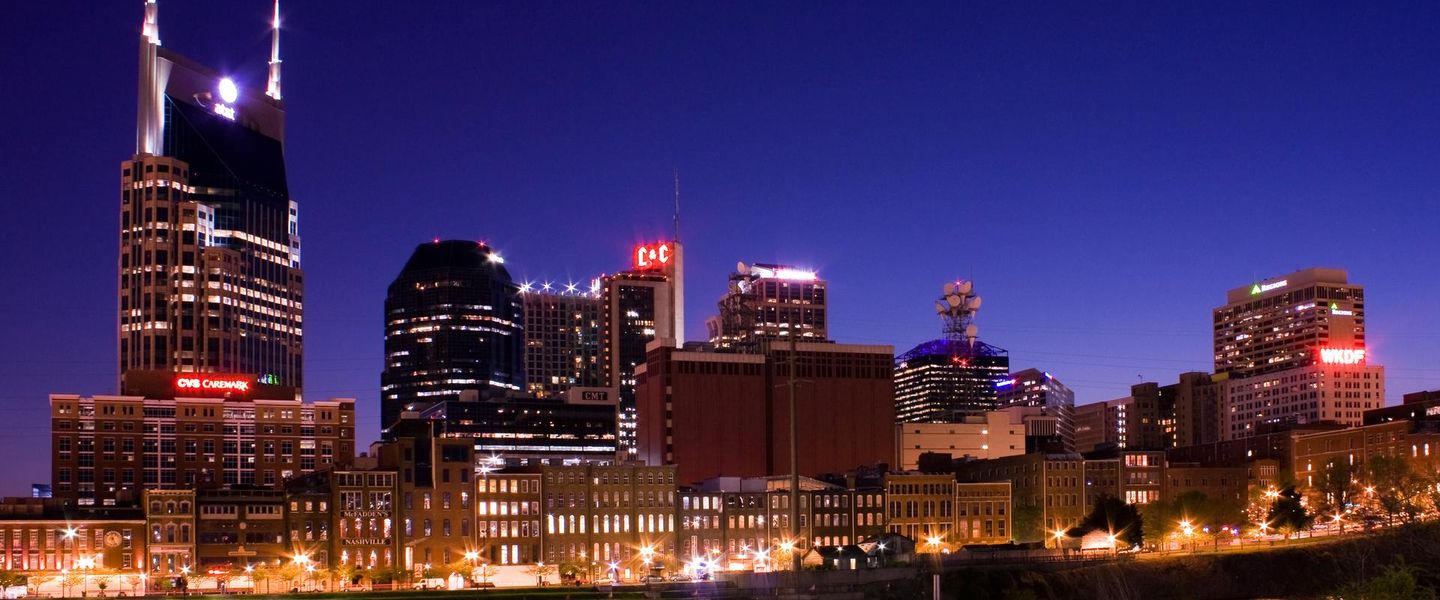


Explore Central Middle Tennessee for Nashville music, Civil War history, historic towns, rolling countryside, Southern food and accessible outdoor escapes.
Read more about Central Middle Tennessee
Getting to and around Central Middle Tennessee
How to get there
Transportation
Top city travel guides in Central Middle Tennessee
The cities of Central Middle Tennessee, and the easiest places to base yourself.
-

-
-

-

-

-


Swipe for more cities
Destinations in Central Middle Tennessee
Resorts, valleys and scenic spots worth a trip of their own.
-
-
-

-


Swipe for more destinations
Best attractions in Central Middle Tennessee
Central Middle Tennessee offers a broad mix of urban culture, historic interpretation and accessible countryside. In Nashville, the Country Music Hall of Fame and Museum, National Museum of African American Music, Frist Art Museum, Tennessee State Museum and the Grand Ole Opry explore different strands of the region’s cultural life. The Hermitage combines a historic presidential estate with gardens, agricultural land and interpretation of the enslaved community that supported it. Franklin’s preserved downtown and Civil War sites, together with Stones River National Battlefield in Murfreesboro, provide important historical perspectives. Outdoor choices include Radnor Lake State Park, Percy Warner Park, the extensive Nashville greenway system and the wooded landscapes of Montgomery Bell State Park. South of Nashville, the Natchez Trace Parkway offers scenic driving, walking and archaeological points of interest, while rural towns such as Columbia, Leipers Fork and Bell Buckle bring local shops, galleries and historic streets. Many smaller attractions have seasonal or limited arrangements, so visitors should check current access details before making a long drive.
-
Live Music
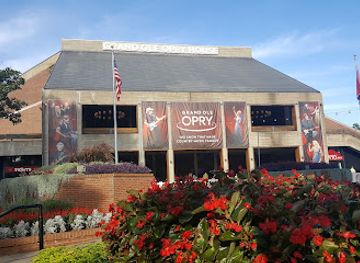
Grand Ole Opry
Experience the iconic Grand Ole Opry, the legendary home of country music, where music history comes alive through unforgettable live performances.
-
Museum
TITANIC Museum Attraction
Explore the TITANIC Museum Attraction in Pigeon Forge, where history, storytelling, and interactive exhibits bring the legendary ship's story to life.
-
Live Music
Ryman Auditorium
Explore the historic Ryman Auditorium in Nashville, a cultural gem renowned for its live music, rich history, and vibrant atmosphere.
-
 Museum
Country Music Hall of Fame and Museum
Explore the rich history of country music at the Country Music Hall of Fame and Museum, featuring legendary artifacts and immersive exhibits in Nashville.


Best landmarks in Central Middle Tennessee
The Ryman Auditorium is one of Nashville’s defining buildings, a former church auditorium whose association with the Grand Ole Opry and landmark music performances gives it national cultural importance. The Tennessee State Capitol, designed in the nineteenth century, remains a prominent civic landmark on a Nashville hilltop, while Fort Negley provides a visible reminder of the city’s Civil War defences. Andrew Jackson’s Hermitage is significant both for its Greek Revival house and for the wider plantation landscape in which the stories of Jackson, the enslaved community and agricultural labour are interpreted. Franklin’s historic core, including its surviving nineteenth-century commercial buildings, is closely linked to the Battle of Franklin landscape. In Murfreesboro, the Stones River National Cemetery and battlefield preserve a major Civil War site. Natural landmarks include the forested ridges and lake setting around Radnor Lake and the overlooks, hardwood corridors and historic traces along the Natchez Trace Parkway. Together these places show how music, politics, conflict, architecture and landscape intersect in the region.
-
Live Music
Ryman Auditorium
Discover the iconic Ryman Auditorium, the ultimate live music destination in Nashville, steeped in history and tradition.
-
Museum
Country Music Hall of Fame and Museum
Explore the legacy of country music at the Country Music Hall of Fame and Museum, where history, artistry, and culture intertwine in Nashville.
-
Tourist attraction
Ripley's Believe It or Not!
Explore the extraordinary at Ripley's Believe It or Not! in Gatlinburg, where bizarre artifacts and interactive exhibits create a world of wonder.
-
History museum
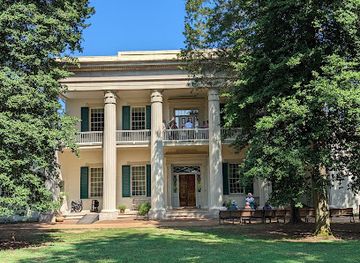
Andrew Jackson’s Hermitage
Discover the rich history of Andrew Jackson’s Hermitage, a beautifully preserved estate showcasing the legacy of America’s seventh president.


Explore Central Middle Tennessee on the map
Plan your trip on one map. See where the top cities, national parks and sights are, and book hotels and experiences in a few clicks.
Best hotels in Central Middle Tennessee
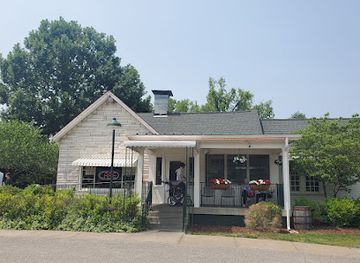
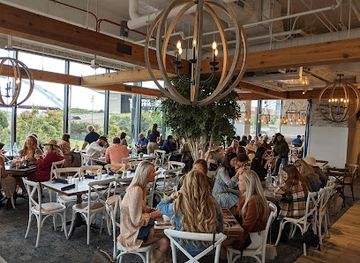
Best restaurants in Central Middle Tennessee
Dining in Central Middle Tennessee ranges from Nashville’s sophisticated restaurant scene to meat-and-three cafés, barbecue counters, country diners, historic-town eateries and rural inns. Hot chicken is strongly associated with Nashville and is served in varying degrees of heat, while barbecue traditions across the region commonly emphasise smoked pork, ribs and well-seasoned sides. Biscuits, cornbread, greens, beans and seasonal produce remain familiar elements of Southern cooking, although contemporary chefs increasingly draw on immigrant influences and local farms. Franklin, Murfreesboro and Columbia have active dining scenes of their own, with independent restaurants, bakeries and coffee shops around their historic centres and university districts. Tennessee whiskey is an important regional product, and tastings or cocktail menus may feature it alongside locally brewed beer. Farmers’ markets provide opportunities to find honey, preserves, baked goods and fresh produce, but market days and vendors vary seasonally.
-
Chicken
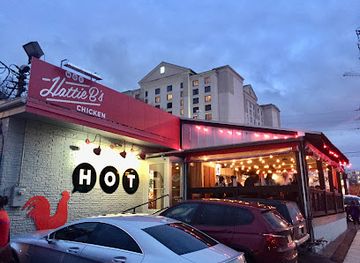
Hattie B's Hot Chicken - Nashville - Midtown
Experience Nashville's culinary delight at Hattie B's Hot Chicken - where every bite brings you closer to authentic Southern flavors.
-
American
The Loveless Cafe
Experience authentic Southern cuisine at The Loveless Cafe in Nashville, known for its famous homemade biscuits and warm hospitality.
-
American
The Hampton Social - Nashville
Experience coastal-inspired dining at The Hampton Social in Nashville – where great food meets an unforgettable ambiance.
-
Southern
Puckett's Restaurant - Downtown Nashville
Experience authentic Southern cuisine and live music at Puckett's Restaurant in Downtown Nashville.

Best bars in Central Middle Tennessee
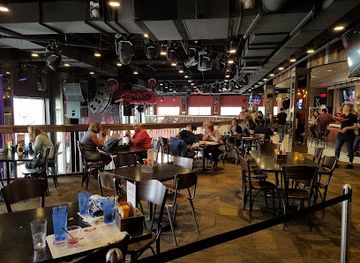
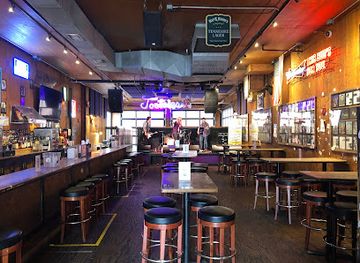
Nashville has the region’s most concentrated evening life, particularly around Lower Broadway, where honky-tonks offer live music, as well as in neighbourhoods such as East Nashville, Germantown and The Gulch. The city also has listening rooms, breweries, cocktail bars, theatres and smaller venues where the atmosphere is less dominated by large tourist crowds. Printers Alley retains a nightlife association within the downtown core, though the character of its venues changes over time. Franklin, Murfreesboro and other larger towns provide pubs, breweries, restaurants with evening service and occasional live music rather than Nashville’s density of clubs. In rural Central Middle Tennessee, evenings generally centre on restaurants, historic inns, local bars or community events. Opening arrangements and venue status can change, so check current information and arrange transport carefully if drinking outside a walkable centre.
-
Live music bar
Ole Red
Discover the vibrant soul of Nashville at Ole Red, where live music meets delicious Southern cuisine in a lively atmosphere.
-
Bar
Tootsies Orchid Lounge
Experience the heart of Nashville at Tootsies Orchid Lounge, where live music and vibrant nightlife create unforgettable memories.
-
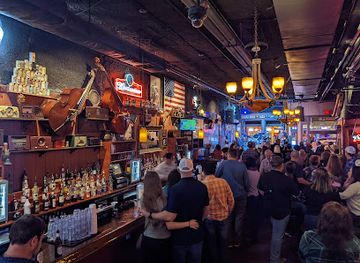
Live music bar
Robert's Western World
Discover the soul of Nashville at Robert's Western World, where live music meets Southern cuisine in a vibrant atmosphere.
-
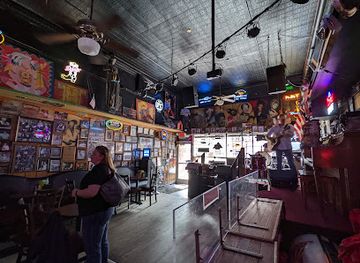
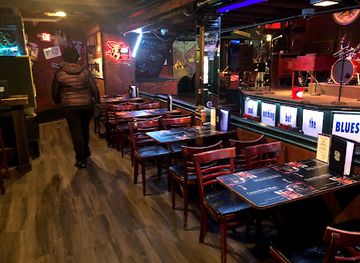
Blues club
Bourbon Street Blues and Boogie Bar
Discover the vibrant nightlife of Nashville at Bourbon Street Blues and Boogie Bar, where live blues music and an unforgettable atmosphere await.
Best nightclubs in Central Middle Tennessee
Nashville has the region’s most concentrated evening life, particularly around Lower Broadway, where honky-tonks offer live music, as well as in neighbourhoods such as East Nashville, Germantown and The Gulch. The city also has listening rooms, breweries, cocktail bars, theatres and smaller venues where the atmosphere is less dominated by large tourist crowds. Printers Alley retains a nightlife association within the downtown core, though the character of its venues changes over time. Franklin, Murfreesboro and other larger towns provide pubs, breweries, restaurants with evening service and occasional live music rather than Nashville’s density of clubs. In rural Central Middle Tennessee, evenings generally centre on restaurants, historic inns, local bars or community events. Opening arrangements and venue status can change, so check current information and arrange transport carefully if drinking outside a walkable centre.
-
Night club
Second Fiddle
Experience the heartbeat of Nashville's nightlife at Second Fiddle, where live music and delicious drinks create unforgettable memories.
-
Night club
Dirty Little Secret
Experience the electrifying nightlife at Dirty Little Secret, Nashville's premier nightclub, where unforgettable nights await in a vibrant atmosphere.
-
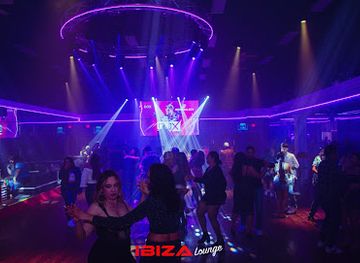
Night club
Ibiza Lounge Nashville
Experience the vibrant nightlife of Nashville at Ibiza Lounge, where music, dancing, and unforgettable moments come together.
-
Restaurant
La Danse Restaurant & Nightclub
Discover Nashville's nightlife at La Danse Restaurant & Nightclub, where exquisite dining meets lively dancing and vibrant entertainment.


Best shops in Central Middle Tennessee
-
State park
Fall Creek Falls State Park
Explore the grandeur of Fall Creek Falls State Park, Tennessee's natural gem, featuring majestic waterfalls, lush forests, and endless outdoor adventures for all.
-
Shopping mall
Governor's Square Mall
Discover an unparalleled shopping experience at Governor's Square Mall in Clarksville, TN, with diverse stores, dining, and entertainment for all ages.
-
Shopping mall
The Avenue Murfreesboro
Discover The Avenue Murfreesboro, a dynamic shopping mall with diverse retail options and delightful dining experiences in the heart of Tennessee.
-
Antique store
Antique Archaeology Nashville
Discover unique antiques and vintage treasures at Antique Archaeology Nashville, home of American Pickers' iconic finds.

Get your free copy of our complete guide to Central Middle Tennessee, delivered straight to you.
Everything on this page, from attractions and restaurants to essentials and local phrases, in one PDF you can read offline, print or share.
Already have an account? Sign in
Your Central Middle Tennessee guide is ready.
We'll send it to · Not you? Sign out

Getting your guide ready…
We are putting together a fresh copy of the Central Middle Tennessee guide. This can take up to a minute.
This can take a few moments. If your browser asks, choose Allow so the download can start. You'll find the guide in your Downloads folder.
Nothing happened? Download it again
Sorry, the guide is taking longer than usual. Please try again in a minute, or get it by email instead.
Central Middle Tennessee essentials
Currency and Payment
Safety
Emergency Situations
Do's and Don'ts
Local Tips
From Eve
Local phrases worth knowing
You don't need to get them perfect. A few words go a long way, and locals appreciate the effort.
Basics
| English | Local | Say it |
|---|---|---|
| Hello | Howdy | [HAO-dee] |
| Goodbye | See ya later | [SEE ya LAY-ter] |
| Yes | Yeah | [YEAH] |
| No | Nope | [NOPE] |
| Please/You're welcome | Thanks a lot | [THANGKS a LOT] |
| Thank you | Thank ya | [THANGK ya] |
| Excuse me/Sorry | Pardon me | [PAR-dun me] |
| How are you? | How ya doin'? | [HOW ya DO-in?] |
| Fine. And you? | I'm doin' good. And you? | [I'M DO-in good. And you?] |
| Do you speak English? | Can ya speak English? | [CAN ya SPEAK English?] |
| I don't understand | I don't get it | [I DON'T GET it] |
Eating & Drinking
| English | Local | Say it |
|---|---|---|
| I'd like to see the menu, please | Can I see the menu, please? | [CAN I SEE the MENU, please?] |
| I don't eat meat | I ain't eatin' meat | [I AIN'T EAT-in meat] |
| Cheers! | Cheers! | [CHEERS] |
| I would like to pay, please | Can I get the check, please? | [CAN I GET the CHECK, please?] |
Emergencies
| English | Local | Say it |
|---|---|---|
| Help! | Help! | [HELP] |
| Go away! | Get away! | [GET away] |
| Call the Police! | Call the cops! | [CALL the COPS] |
| Call a doctor! | Get a doctor! | [GET a DOCTOR] |
| I'm lost | I'm lost | [I'M LOST] |
| I'm ill | I ain't feelin' good | [I AIN'T FEEL-in good] |
Shopping
| English | Local | Say it |
|---|---|---|
| I'd like to buy... | I wanna buy... | [I WAN-na BUY...] |
| I'm just looking | Just lookin' around | [JUST LOOK-in around] |
| How much is it? | How much is that? | [HOW much is THAT?] |
| That's too expensive | That's a bit pricey | [THAT'S a BIT PRICE-y] |
| Can you lower the price? | Can ya knock down the price? | [CAN ya KNOCK DOWN the PRICE?] |
Time & Numbers
| English | Local | Say it |
|---|---|---|
| What time is it? | What time is it? | [WHAT time is it?] |
| It's one o'clock | It's one o'clock | [IT'S one o'CLOCK] |
| Half past (10) | Half past ten | [HALF past TEN] |
| Morning | Mornin' | [MORN-in] |
| Afternoon | Afternoon | [AF-ter-NOON] |
| Evening | Evenin' | [EVE-nin] |
| Yesterday | Yesterday | [YES-ter-day] |
| Today | Today | [TO-day] |
| Tomorrow | Tomorrow | [TO-mor-row] |
| 1 | One | [ONE] |
| 2 | Two | [TWO] |
| 3 | Three | [THREE] |
| 4 | Four | [FOUR] |
| 5 | Five | [FIVE] |
| 6 | Six | [SIX] |
| 7 | Seven | [SEV-en] |
| 8 | Eight | [EIGHT] |
| 9 | Nine | [NINE] |
| 10 | Ten | [TEN] |
Transport & Directions
| English | Local | Say it |
|---|---|---|
| Where's a/the...? | Where's the...? | [WHERE'S the...?] |
| What's the address? | What's the address? | [WHAT'S the ADDRESS?] |
| Can you show me (on the map)? | Can ya show me on the map? | [CAN ya SHOW me on the MAP?] |
| When's the next (bus)? | When's the next bus? | [WHEN'S the NEXT bus?] |
| A ticket (to ....) | A ticket to ... | [A TICKET to ...] |
History of Central Middle Tennessee
Mississippian Communities and Mound Building
Long before European settlement, Indigenous peoples lived in agricultural communities across Middle Tennessee. Mississippian societies built earthen mounds, organised ceremonial and political centres and cultivated crops including maize. Mound Bottom, near Kingston Springs west of Nashville, is one of the region’s important archaeological landscapes, although access and interpretation are more limited than at a conventional museum. Native history also survives through archaeological evidence, place names and the continuing presence of Indigenous peoples whose histories are often obscured by later accounts of settlement.
Colonial Expansion and Early Nashville
European-American settlement expanded into Middle Tennessee during the late eighteenth century, following routes through the Cumberland region. Fort Nashborough, established in 1779 at the site of present-day Nashville, became the seed of a permanent settlement, though this expansion occurred on lands inhabited and contested by Native peoples. Nashville’s position on the Cumberland River and its connections to inland roads helped it develop as a regional centre. Tennessee became a state in 1796, and Nashville later grew in political and commercial importance within the new state.
Cotton, Enslavement and Plantation Society
During the nineteenth century, fertile areas of Middle Tennessee supported farms producing cotton, tobacco, grain and livestock, while enslaved African Americans supplied much of the labour and were central to the region’s economy and society. Large estates such as Andrew Jackson’s Hermitage reflect the wealth and political influence created within this system, but their histories also include the lives, labour and resistance of enslaved people. Historic houses and museums across the region increasingly interpret these experiences alongside architecture, agriculture and the biographies of prominent white families.
Civil War in Middle Tennessee
Central Middle Tennessee was strategically important during the American Civil War because of its roads, railways, rivers and proximity to Nashville, the Confederate capital at the beginning of the conflict. Union forces occupied Nashville in 1862, and major fighting took place at Stones River near Murfreesboro from December 1862 to January 1863. The Battle of Franklin in November 1864 brought severe losses to Confederate forces and left a lasting mark on the town. Fort Negley in Nashville and preserved battlefield sites help visitors understand the military geography and human cost of the war.
Railways, Industry and the Growth of Nashville
Rail connections, river commerce and expanding manufacturing helped Nashville recover and grow after the Civil War. The city became a centre for publishing, education, healthcare, government and trade, while surrounding towns developed around agriculture, small industry and transport routes. The arrival of large-scale rail infrastructure altered the movement of people and goods, and neighbourhoods such as Germantown retain traces of the city’s nineteenth-century expansion. Murfreesboro, Franklin and Columbia likewise grew as county seats and commercial centres serving their surrounding rural districts.
The Development of Country Music
Nashville’s recording industry emerged from earlier traditions of fiddle music, gospel, blues, string bands and radio performance. The Grand Ole Opry, founded as a radio programme in 1925, helped establish Nashville as a national centre for country music, while recording studios, publishers and musicians created an interdependent industry in the twentieth century. Music Row became a symbol of this professional network, and the Ryman Auditorium remains associated with the Opry’s formative years. The region’s musical history also includes African American traditions that shaped country, rhythm and blues, gospel and popular music.
Civil Rights, Migration and a Changing City
Nashville was an important centre of the civil rights movement. In 1960, students organised sit-ins at segregated lunch counters, and sustained non-violent protest contributed to the desegregation of downtown facilities. Fisk University, a historically Black university founded in the nineteenth century, has played a significant role in the city’s educational and cultural life. Later decades brought continuing migration, suburban growth, redevelopment and an expanding metropolitan economy. Contemporary Central Middle Tennessee therefore reflects both long-standing regional traditions and a diverse population shaped by national and international movement.
Central Middle Tennessee in Photos
Browse through our photo collection highlighting the charm and character of the destination.
Neighbouring regions of Central Middle Tennessee
The closest regions to Central Middle Tennessee, if you have time for more than one.
-

-

-
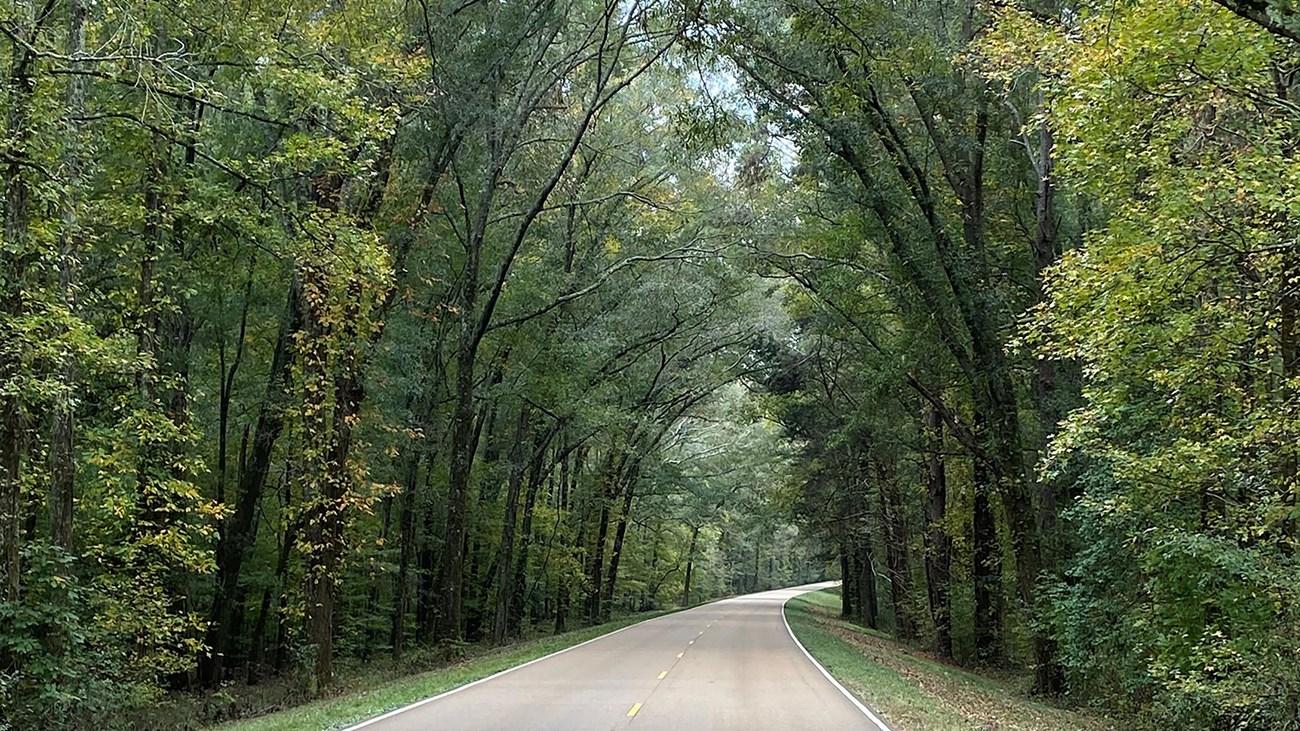 Highland Rim
Explore Tennessee’s Highland Rim for limestone uplands, caves, waterfalls, state parks, whiskey heritage and small-town landscapes near Nashville.
-

-


Swipe for more regions
Explore more

Explore more of Tennessee
Discover Tennessee: A melting pot of music, history, and natural beauty, offering visitors an authentic taste of Southern hospitality and unforgettable experiences.
Explore Tennessee