

Free Nashville Travel Guide & Mobile App
Plan your Nashville trip with Evendo. Get free guides to top attractions, restaurants, hotels, and bars. Web access or download the mobile app.


Nashville blends country music landmarks, Southern food, historic neighbourhoods, museums and lively live performances along the Cumberland River.
Music City and the Cumberland
Nashville, Tennessee, stands on the Cumberland River in the American South, a city shaped by music, publishing, education and commerce. Its most famous identity comes from country music, yet the city’s cultural life extends from the Grand Ole Opry and historic recording studios to classical performance, gospel, blues, rock, bluegrass and an energetic independent scene. Downtown’s honky-tonks concentrate live music along Broadway, while neighbourhoods such as East Nashville, Germantown, 12South and The Gulch offer a more varied view of contemporary city life.Read more about Nashville
Heritage and City Life
Beyond the Tourist Core
When is the best time to visit Nashville?
Best: May, September–October · 21–28°C| Month | High (°C) | Rainfall (mm) |
|---|---|---|
| January | 7 | 98 |
| February | 9 | 102 |
| March | 16 | 126 |
| April | 21 | 114 |
| May (best) | 26 | 125 |
| June | 30 | 104 |
| July | 32 | 101 |
| August | 31 | 91 |
| September (best) | 28 | 95 |
| October (best) | 21 | 93 |
| November | 15 | 105 |
| December | 9 | 117 |
Getting to and around Nashville
How to get there
Transportation
Best attractions in Nashville
Nashville’s principal attractions trace both its musical reputation and its broader civic history. The Country Music Hall of Fame and Museum presents recordings, instruments, costumes and archival material, while the National Museum of African American Music places gospel, blues, jazz, R&B and hip-hop within a wider American story. The Ryman Auditorium, known for its exceptional acoustics and long association with the Grand Ole Opry, offers tours and performances in a richly atmospheric setting. At the Tennessee State Museum, exhibitions explore the state’s Indigenous, political, military and social history. Centennial Park surrounds the full-scale Parthenon replica, and the Frist Art Museum occupies an impressive former postal building. Cheekwood Estate & Gardens provides cultivated landscapes and seasonal exhibitions west of the centre, while the pedestrian John Seigenthaler Pedestrian Bridge offers broad views over the Cumberland River and downtown skyline.
-
Live Music
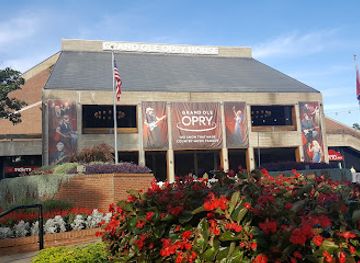
Grand Ole Opry
Experience the magic of country music at the iconic Grand Ole Opry, the heart of Nashville's music scene, where legends are made and memories are created.
26 min drive · 8.5 km from city centre
-
Live Music
Grand Ole Opry
Discover the heart of country music at the Grand Ole Opry, where legends are made and live performances create unforgettable memories.
26 min drive · 8.5 km from city centre
-
Tourist attraction
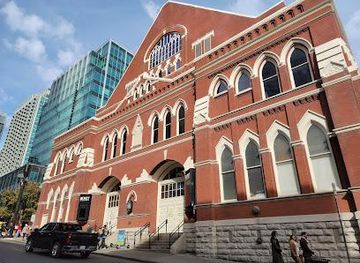
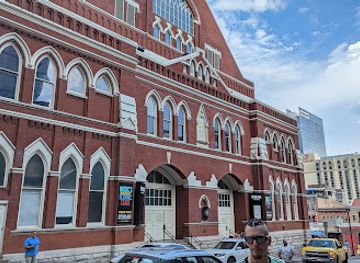
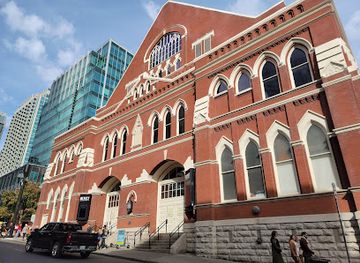
Ryman Auditorium
Discover the historic Ryman Auditorium, the legendary music venue in Nashville known for its incredible acoustics and rich musical heritage.
5 min drive · 1.7 km from city centre
-
Tourist attraction
Ryman Auditorium
Discover the iconic Ryman Auditorium, a historic concert hall in Nashville, blending music, culture, and heritage for an unforgettable experience.
5 min drive · 1.7 km from city centre

Best landmarks in Nashville
The Tennessee State Capitol is one of Nashville’s defining civic landmarks, a nineteenth-century Greek Revival building designed by William Strickland and still used by the state government. Nearby, the Ryman Auditorium occupies a central place in the city’s cultural memory; its former religious origins and later role as a major music venue are reflected in its preserved interior. The Parthenon in Centennial Park is a full-scale reconstruction of the Athenian temple, built for Tennessee’s 1897 Centennial Exposition and now housing an art collection. Fort Negley, on a hill south of downtown, recalls the Civil War occupation and the African American labour involved in its construction. The John Seigenthaler Pedestrian Bridge, formerly a railway bridge, spans the Cumberland River with a distinctive urban presence, while Union Station, a former railway terminal, remains an important example of Romanesque Revival architecture.
-
Live Music
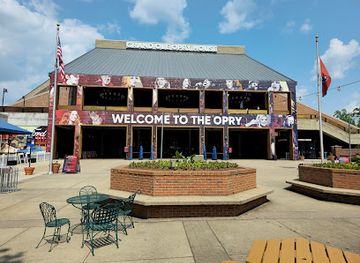
Grand Ole Opry
Discover the heart of country music at the Grand Ole Opry, Nashville's iconic venue for live performances and rich musical history.
26 min drive · 8.5 km from city centre
-
Live Music
Ryman Auditorium
Discover Ryman Auditorium, the historic venue where music legends have performed, showcasing Nashville's rich musical heritage and lively concert atmosphere.
5 min drive · 1.7 km from city centre
-
Zoo
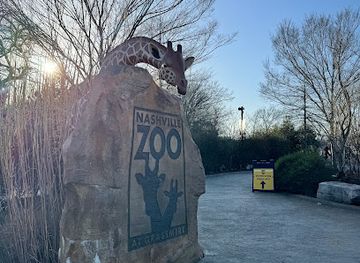
Nashville Zoo at Grassmere
Discover the vibrant wildlife and engaging exhibits at Nashville Zoo at Grassmere, a family-friendly destination in the heart of Tennessee.
23 min drive · 7.7 km from city centre
-
 Museum
Country Music Hall of Fame and Museum
Discover the rich history of country music at the Country Music Hall of Fame and Museum in Nashville, a must-visit destination for music lovers.
17 min walk · 1.3 km from city centre
Explore Nashville on the map
Plan your Nashville trip on one map. See where the top attractions, landmarks, restaurants, bars and hotels are, find what's near where you're staying, and book hotels and experiences in a few clicks.
Neighbourhoods in Nashville
-

-

-

-


Swipe for more neighbourhoods
Best hotels in Nashville
Best restaurants in Nashville
Nashville’s food culture is rooted in Southern cooking but extends well beyond traditional comfort dishes. Hot chicken, usually served with white bread and pickles, is the city’s best-known speciality, with recipes ranging from gently spiced to intensely fiery. Meat-and-three restaurants serve a choice of meat with three side dishes, reflecting an older style of everyday dining, while biscuits, barbecue, catfish and banana pudding remain familiar regional favourites. Germantown, East Nashville, The Gulch, 12South and the downtown fringe contain a wide range of restaurants, cafés, bakeries and bars. Farmers’ markets and food halls add prepared food and local produce, while contemporary chefs reinterpret Southern ingredients alongside Mexican, East Asian, Middle Eastern and other culinary traditions. Menus and restaurant styles vary considerably, from informal counters to polished dining rooms, so Nashville’s food identity is best understood as regional cooking in conversation with a growing international population.
-
American
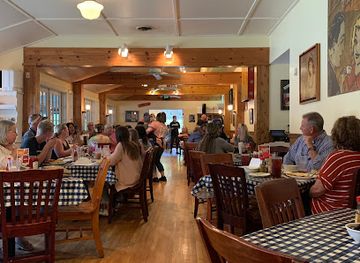
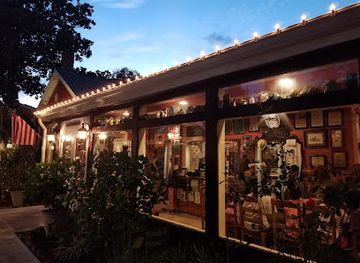
The Loveless Cafe
Experience the heart of Southern hospitality at The Loveless Cafe in Nashville—famous for biscuits and timeless comfort food.
43 min drive · 23 km from city centre
-
Southern
Monell's
Experience authentic Southern comfort food at Monell's in Nashville—where every meal feels like home.
10 min drive · 3.5 km from city centre
-
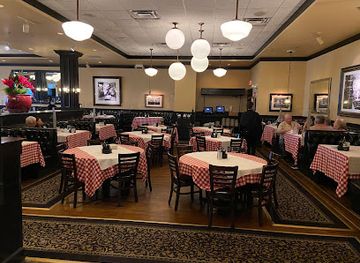
Italian
Maggiano's Little Italy
Experience authentic Italian dining at Maggiano's Little Italy in Nashville – where every meal feels like a family gathering.
15 min drive · 5.1 km from city centre
-
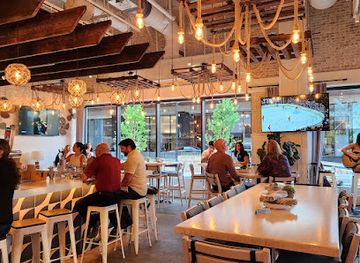
American
The Hampton Social - Nashville
Discover coastal charm in Nashville at The Hampton Social - where vibrant ambiance meets delicious American cuisine.
15 min walk · 1.2 km from city centre
Best bars in Nashville
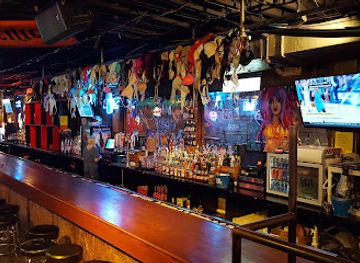
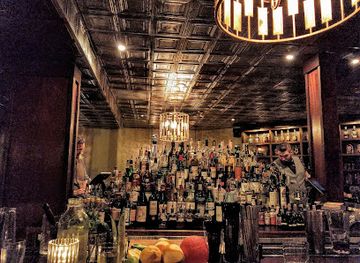
Nashville’s evening life is led by live music rather than conventional clubbing alone. Lower Broadway is lined with honky-tonks where bands play for much of the day and night, creating a concentrated, high-volume entertainment strip that is busiest at weekends. For a less commercial atmosphere, venues around East Nashville, Germantown, Midtown and the smaller streets of Music Row present songwriter rounds, rock, jazz, bluegrass and independent acts. The Station Inn has long been associated with bluegrass, while the historic Ryman Auditorium hosts major concerts and other performances. Cocktail bars, breweries and listening rooms provide quieter alternatives, and the city’s theatres and cultural institutions add concerts, comedy and stage work. Evening transport deserves planning because districts are dispersed, and visitors should remember that laws concerning alcohol service, identification and drinking in public spaces are actively enforced.
-
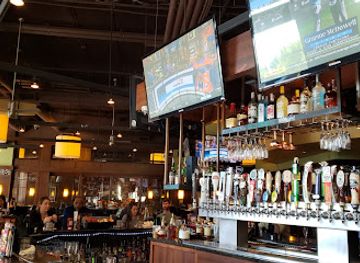
Grill
Bar Louie - Nashville
Discover Bar Louie in The Gulch, Nashville - a lively gastropub offering scrumptious American cuisine and craft cocktails in a vibrant setting.
6 min drive · 1.9 km from city centre
-
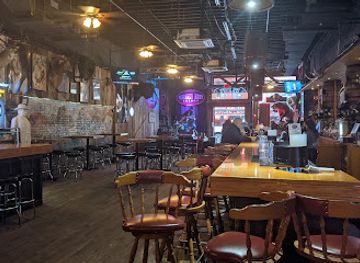
Live music bar
Whiskey Bent Saloon
Experience the heart of Nashville's nightlife at Whiskey Bent Saloon, where live music meets an unforgettable atmosphere and local spirits.
5 min drive · 1.5 km from city centre
-
Bar
Coyote Ugly Nashville
Dive into the vibrant nightlife at Coyote Ugly Nashville, where unforgettable entertainment and lively spirits await every visitor.
5 min drive · 1.6 km from city centre
-
Bar
The Patterson House
Experience Nashville's vibrant nightlife at The Patterson House, where artisanal cocktails meet intimate ambiance in a sophisticated setting.
9 min drive · 2.9 km from city centre
Best nightclubs in Nashville
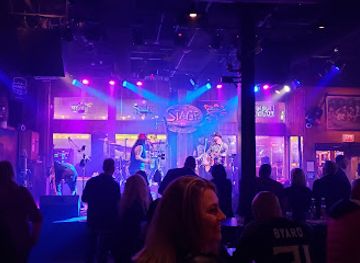
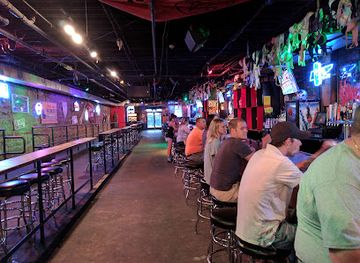
Nashville’s evening life is led by live music rather than conventional clubbing alone. Lower Broadway is lined with honky-tonks where bands play for much of the day and night, creating a concentrated, high-volume entertainment strip that is busiest at weekends. For a less commercial atmosphere, venues around East Nashville, Germantown, Midtown and the smaller streets of Music Row present songwriter rounds, rock, jazz, bluegrass and independent acts. The Station Inn has long been associated with bluegrass, while the historic Ryman Auditorium hosts major concerts and other performances. Cocktail bars, breweries and listening rooms provide quieter alternatives, and the city’s theatres and cultural institutions add concerts, comedy and stage work. Evening transport deserves planning because districts are dispersed, and visitors should remember that laws concerning alcohol service, identification and drinking in public spaces are actively enforced.
-
Night club
The Stage on Broadway
Discover the heartbeat of Nashville at The Stage on Broadway, where live music meets a vibrant nightlife experience in Music City.
5 min drive · 1.6 km from city centre
-
Bar
BigShotz
Discover the vibrant nightlife at BigShotz, a premier bar and live music venue in Nashville's heart, where unforgettable performances await.
5 min drive · 1.5 km from city centre
-
Gay night club
Play Dance Bar
Discover the energetic vibe of Play Dance Bar, Nashville's premier gay nightclub, featuring thrilling performances and a lively dance floor.
9 min drive · 2.9 km from city centre
-
Night club
Hit Parader Nashville
Hit Parader Nashville is the ultimate nightlife destination, blending music, food, and fun in the heart of Music City.
5 min drive · 1.7 km from city centre


Best shops in Nashville
Nashville shopping ranges from independent neighbourhood boutiques to music-related retail and large commercial centres outside the central districts. 12South is known for clothing, gifts, books and design-led independent shops, while Hillsboro Village and East Nashville offer smaller retailers mixed with cafés and restaurants. Downtown shops concentrate on music souvenirs, Western clothing, boots, hats and locally branded goods, though quality and provenance vary. The Nashville Farmers’ Market near Bicentennial Mall combines fresh produce with prepared food and seasonal stalls, and arts-and-crafts fairs periodically bring regional makers into public spaces. Appropriate local purchases include Tennessee foods, small-batch goods, letterpress stationery, records, instruments and work by Tennessee artists. Visitors interested in authentic music history may find specialist recordings and books more rewarding than generic souvenirs, while larger malls and outlet-style shopping are generally located beyond the historic core.
-
Antique store
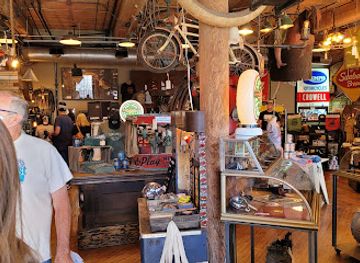
Antique Archaeology Nashville
Explore Antique Archaeology in Nashville: a vintage haven filled with rare antiques, quirky souvenirs, and rich history waiting to be discovered.
10 min drive · 3.3 km from city centre
-
Shopping mall
The Factory at Franklin
Discover the unique blend of shopping, culture, and history at The Factory at Franklin in Tennessee.
46 min drive · 26 km from city centre
-
Shopping mall
Marathon Village
Experience the unique blend of history, shopping, and entertainment at Marathon Village in Nashville, a true Southern gem.
10 min drive · 3.2 km from city centre
-
Jewelry store
Uncommon James
Discover unique jewelry that captures the essence of Nashville at Uncommon James in the vibrant Gulch neighborhood.
5 min drive · 1.7 km from city centre

Get your free copy of our complete guide to Nashville, delivered straight to you.
Everything on this page, from attractions and restaurants to essentials and local phrases, in one PDF you can read offline, print or share.
Already have an account? Sign in
Your Nashville guide is ready.
We'll send it to · Not you? Sign out

Getting your guide ready…
We are putting together a fresh copy of the Nashville guide. This can take up to a minute.
This can take a few moments. If your browser asks, choose Allow so the download can start. You'll find the guide in your Downloads folder.
Nothing happened? Download it again
Sorry, the guide is taking longer than usual. Please try again in a minute, or get it by email instead.
Nashville essentials
Currency and Payment
Safety
Emergency Situations
Do's and Don'ts
Local Tips
From Eve
Local phrases worth knowing
You don't need to get them perfect. A few words go a long way, and locals appreciate the effort.
Basics
| English | Local | Say it |
|---|---|---|
| Hello | Howdy | [haw-dee] |
| Goodbye | See ya | [see yah] |
| Yes | Yep | [yep] |
| No | Nah | [na] |
| Please/You're welcome | Please/You're welcome | [Please/You're welcome] |
| Thank you | Thank ya | [thank yah] |
| Excuse me/Sorry | Excuse me/Sorry | [Excuse me/Sorry] |
| How are you? | How y'all doin'? | [how yawl doin] |
| Fine. And you? | Fine. How 'bout you? | [fine. how bout yah] |
| Do you speak English? | Ya speak English? | [yah speak english] |
| I don't understand | I don't git it | [I don't git it] |
Eating & Drinking
| English | Local | Say it |
|---|---|---|
| I'd like to see the menu, please | Can I see the menu, please | [can eye see the menu, please] |
| I don't eat meat | I don't eat meat | [I don't eat meat] |
| Cheers! | Cheers! | [Cheers!] |
| I would like to pay, please | I'd like to settle up, please | [I'd like to settle up, please] |
Emergencies
| English | Local | Say it |
|---|---|---|
| Help! | Help! | [Help!] |
| Go away! | Git outta here! | [git outta here] |
| Call the Police! | Call the cops! | [Call the cops] |
| Call a doctor! | Get a doc! | [Get a doc] |
| I'm lost | I'm lost | [I'm lost] |
| I'm ill | I'm sick | [I'm sick] |
Shopping
| English | Local | Say it |
|---|---|---|
| I'd like to buy... | I wanna buy... | [I wanna buy...] |
| I'm just looking | Just browsin' | [just browsin] |
| How much is it? | How much does it cost? | [how much does it cost] |
| That's too expensive | That's too pricey | [That's too pricey] |
| Can you lower the price? | Can ya lower the price? | [Can yah lower the price] |
Time & Numbers
| English | Local | Say it |
|---|---|---|
| What time is it? | What time is it? | [What time is it] |
| It's one o'clock | It's one o'clock | [It's one o'clock] |
| Half past (10) | Half past ten | [Half past ten] |
| Morning | Morning | [Morning] |
| Afternoon | Afternoon | [Afternoon] |
| Evening | Evening | [Evening] |
| Yesterday | Yesterday | [Yesterday] |
| Today | Today | [Today] |
| Tomorrow | Tomorrow | [Tomorrow] |
| 1 | One | [One] |
| 2 | Two | [Two] |
| 3 | Three | [Three] |
| 4 | Four | [Four] |
| 5 | Five | [Five] |
| 6 | Six | [Six] |
| 7 | Seven | [Seven] |
| 8 | Eight | [Eight] |
| 9 | Nine | [Nine] |
| 10 | Ten | [Ten] |
Transport & Directions
| English | Local | Say it |
|---|---|---|
| Where's a/the...? | Where's the...? | [Where's the] |
| What's the address? | What's the address? | [What's the address] |
| Can you show me (on the map)? | Can you show me (on the map)? | [Can you show me (on the map)] |
| When's the next (bus)? | When's the next (bus)? | [When's the next (bus)] |
| A ticket (to ....) | A ticket (to ....) | [A ticket (to ....)] |
History of Nashville
Indigenous Lands and River Crossings
The Nashville area was inhabited by Indigenous peoples long before European-American settlement, including communities associated with the Mississippian tradition and later Cherokee, Chickasaw and Shawnee presence in the wider region. The Cumberland River provided a route for movement, trade and settlement, while the broad valley offered fertile ground. Archaeological remains, including the nearby Sellars Farm State Archaeological Area, testify to the complexity of earlier societies. European-American expansion brought surveying, land speculation and violent displacement, embedding the city’s later development in a much longer history than its familiar country-music identity suggests.
The Founding of Nashville
Fort Nashborough was established on the Cumberland River in 1779 by a group of settlers led by James Robertson and John Donelson. The settlement was named for Francis Nash, a Continental Army general killed during the American Revolutionary War. It later became Nashville and was incorporated as a town in 1806. The river supported trade, while surrounding farmland and improving roads encouraged growth. Nashville’s position within Middle Tennessee helped it develop from a frontier settlement into a regional political and commercial centre, although that growth depended on the dispossession of Indigenous peoples and the labour of enslaved Africans and African Americans.
State Capital and Commercial Centre
Nashville became Tennessee’s permanent capital in 1843, and the Greek Revival Tennessee State Capitol, designed by William Strickland, was completed in 1859. Its government role strengthened the city’s importance, while the Cumberland River and expanding rail connections supported trade. Banks, publishers, wholesalers and educational institutions followed. The city’s religious and intellectual life also grew, with institutions such as Fisk University, founded in 1866 for the education of formerly enslaved people, becoming central to African American scholarship and culture. These developments established the civic and educational foundations that remain visible in Nashville today.
Civil War and Reconstruction
During the American Civil War, Nashville was occupied by Union forces in February 1862 and became a major logistical and administrative centre for the Union army. The Battle of Nashville, fought in December 1864, marked a decisive Union victory in the Western Theater. Fort Negley, built by Union forces and supported by the labour of impressed African Americans, survives as a reminder of the conflict’s military and social dimensions. After the war, Reconstruction brought political tension, racial violence and institutional change. African American communities built churches, businesses and schools, while Fisk University and later institutions helped make Nashville an important centre of Black education and music.
Universities, Publishing and Music
During the late nineteenth and early twentieth centuries, Nashville expanded as a centre of higher education, health care, publishing and religious activity. Fisk University’s Jubilee Singers introduced African American spirituals to audiences in the United States and abroad, demonstrating the international reach of Nashville’s musical culture. The city’s printers, publishers and churches also fostered a dense network of performers and audiences. In the early twentieth century, country music gained a powerful institutional base through radio broadcasts, record companies and live programmes. The Grand Ole Opry, begun as the WSM radio programme in 1925, helped turn Nashville into a national centre for country music.
Civil Rights and Modern Nashville
Nashville played a significant role in the American Civil Rights Movement. In 1960, students from Nashville’s historically Black colleges organised sit-ins at segregated lunch counters, and sustained non-violent protest helped lead to desegregation in the city’s downtown businesses. The city continued to grow after the Second World War through suburban expansion, new industries and the global success of its recording sector. From the late twentieth century onwards, redevelopment brought new hotels, restaurants, apartments and entertainment spaces, particularly downtown and around former industrial areas. Contemporary Nashville therefore combines a powerful music economy with an active reckoning with racial history, urban change and cultural preservation.
Nashville in Photos
Browse through our photo collection highlighting the charm and character of the destination.
Cities near Nashville
The closest cities to Nashville, if you have time for more than one stop.
-

-
-

-

-


Swipe for more cities
Explore more

Explore more of Tennessee
Discover Tennessee: A melting pot of music, history, and natural beauty, offering visitors an authentic taste of Southern hospitality and unforgettable experiences.
Explore Tennessee