

Free Southern Middle Tennessee Travel Guide & Mobile App
Explore Southern Middle Tennessee with free travel guides. Discover regional history, expert tips, proposed trips, and audio guides on web or mobile app.


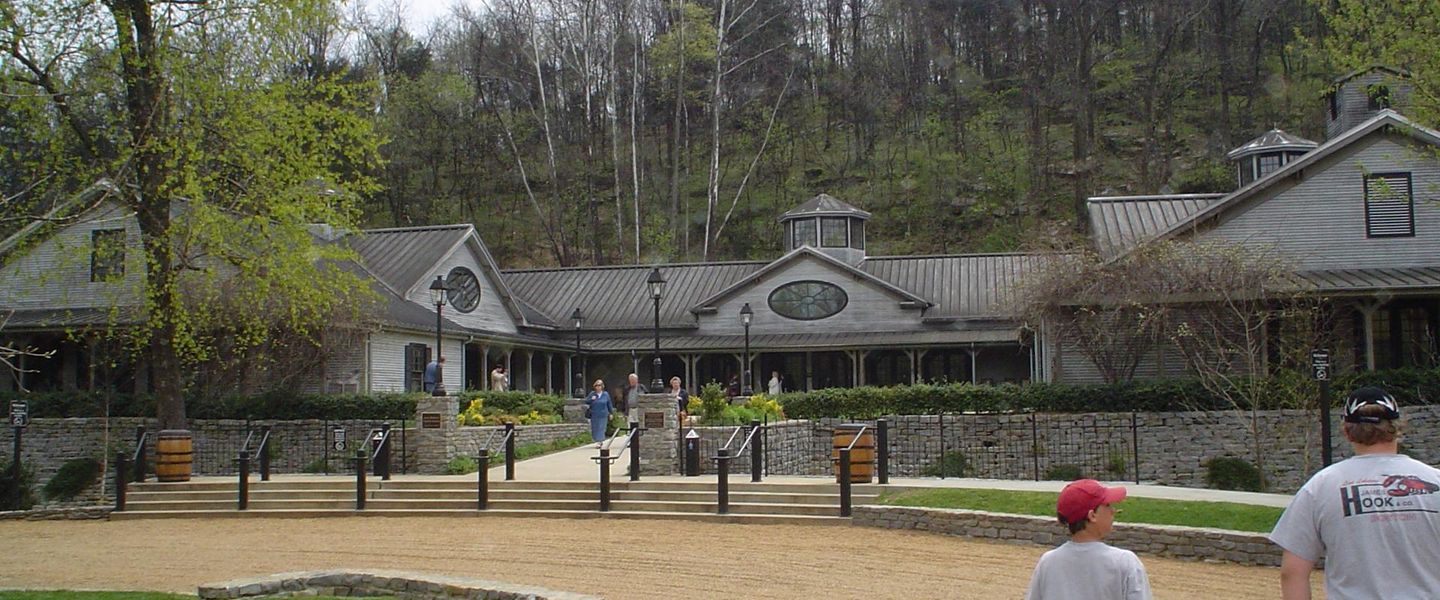


Explore Southern Middle Tennessee for Civil War history, whiskey heritage, historic towns, country roads, farm food and rolling Tennessee landscapes.
Read more about Southern Middle Tennessee
Getting to and around Southern Middle Tennessee
How to get there
Transportation
Top city travel guides in Southern Middle Tennessee
The cities of Southern Middle Tennessee, and the easiest places to base yourself.
-

-
-

-

-

-


Swipe for more cities
Destinations in Southern Middle Tennessee
Resorts, valleys and scenic spots worth a trip of their own.
-
-

-


Swipe for more destinations
Best attractions in Southern Middle Tennessee
Southern Middle Tennessee's attractions combine historic towns, Civil War interpretation, countryside and industrial heritage. Franklin offers several important sites connected with the 1864 battle, including the Carter House, Carnton and the Lotz House, while nearby Spring Hill and Thompson's Station add further context to the Tennessee Campaign. Columbia's public square, historic homes and the James K. Polk Home provide a more civic and political perspective. In Lynchburg, the Jack Daniel's distillery presents the area's best-known whiskey tradition, and the surrounding roads lead through rural Moore County landscapes. The Natchez Trace Parkway crosses the southern part of the region with access to overlooks, short walks and historic traces of earlier routes. Shelbyville is associated with Tennessee Walking Horses and agricultural heritage, while Pulaski and Lawrenceburg provide access to smaller-town museums, local events and the countryside approaching Alabama. River landscapes, state and local parks, cycling roads, farm shops and seasonal festivals broaden the experience, although many attractions are dispersed and best visited by car.
-
Live Music
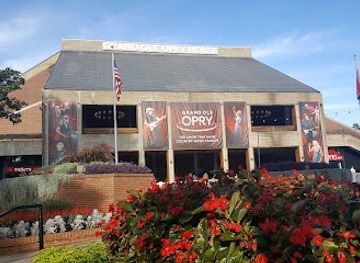
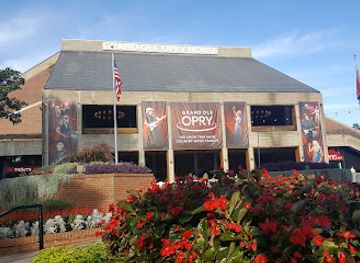
Grand Ole Opry
Immerse yourself in the rich history of country music at the iconic Grand Ole Opry, a must-visit live music venue in Nashville.
-
Botanical garden
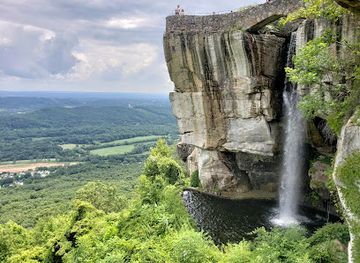
Rock City Gardens
Explore the stunning Rock City Gardens - a botanical oasis with breathtaking views and enchanting pathways on Lookout Mountain, Georgia.
-
Aquarium
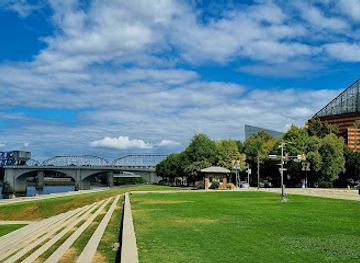
Tennessee Aquarium
Explore the fascinating world of aquatic life at the Tennessee Aquarium in Chattanooga, where adventure and education meet in a stunning aquatic environment.
-
Museum
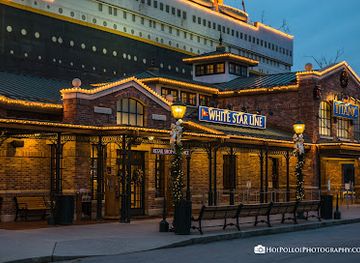
TITANIC Museum Attraction
Discover the Titanic Museum Attraction in Pigeon Forge, where history comes alive with captivating exhibits and immersive experiences for all ages.
Best landmarks in Southern Middle Tennessee
The Carter House and Carnton in Franklin are among the region's most recognisable historic landmarks, their buildings and grounds directly connected with the Battle of Franklin and the wider Civil War landscape. Franklin's preserved main street and courthouse surroundings provide a strong example of a historic Tennessee town shaped by commerce, war and later conservation. In Columbia, the public square and James K. Polk Home mark the town's political and architectural importance, while the Maury County Courthouse adds a prominent civic presence. Lynchburg's Jack Daniel's distillery is an industrial and cultural landmark whose buildings and production traditions have given the town international recognition. The Natchez Trace Parkway is the region's defining linear landscape landmark, following a historic route through wooded terrain and linking the area to a much older history of travel. Shelbyville's equestrian identity and historic town fabric, together with the region's churches, cemeteries and farm landscapes, complete a varied collection of built and natural markers.
-
Live Music
Grand Ole Opry
Experience the magic of live country music at the Grand Ole Opry, a historic venue that celebrates the heart and soul of Nashville's musical heritage.
-
Art museum
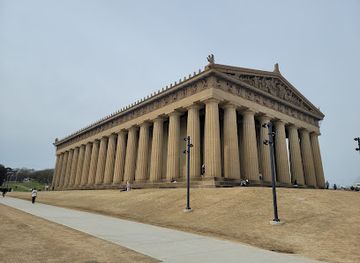
The Parthenon
Experience Nashville's Parthenon, a stunning replica of the ancient Greek temple, showcasing art and history in a beautiful park setting.
-
Botanical garden
Cheekwood
Explore the beauty of Cheekwood Botanical Garden, a serene blend of lush landscapes, art, and history in Nashville, Tennessee.
-
History museum
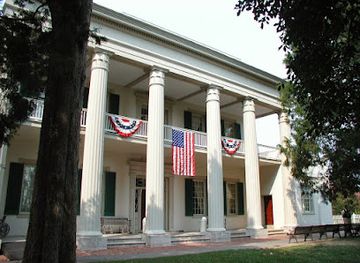
Andrew Jackson’s Hermitage
Discover the rich history of Andrew Jackson’s Hermitage in Tennessee, a captivating museum and plantation showcasing the life of America’s seventh president.

Explore Southern Middle Tennessee on the map
Plan your trip on one map. See where the top cities, national parks and sights are, and book hotels and experiences in a few clicks.
Best hotels in Southern Middle Tennessee
Best restaurants in Southern Middle Tennessee
Dining in Southern Middle Tennessee reflects the region's rural economy and its proximity to Nashville without replicating the capital's scale. Barbecue, fried chicken, biscuits, country ham, catfish, seasonal vegetables and homemade pies feature in traditional diners, cafés and family restaurants, while historic town centres increasingly offer contemporary Southern cooking and coffee shops. Around Franklin and Leiper's Fork, visitors will find farm-oriented menus, bakeries and more polished dining; Columbia, Shelbyville, Pulaski and Lawrenceburg retain a stronger small-town restaurant culture. Local produce, Tennessee dairy products and farm-market goods appear seasonally rather than as a single fixed regional cuisine. Whiskey is an important accompaniment and visitor theme, particularly around Lynchburg, but responsible tasting is best combined with a designated driver. Portions, service charges and tipping follow common US practice, and rural establishments may keep more limited hours than restaurants near Nashville.
-
American
The Loveless Cafe
Experience authentic Southern cuisine at The Loveless Cafe, Nashville's beloved destination for mouthwatering biscuits and classic American dishes.
-
Southern
Acme Feed & Seed
Discover Nashville's Southern charm at Acme Feed & Seed - where delicious cuisine meets live music in an unforgettable setting.
-
Live music bar
Rippy's Honky Tonk
Discover Rippy's Honky Tonk: Nashville’s premier live music bar serving up delicious barbecue and unforgettable entertainment in the heart of Music City.
-
Southern
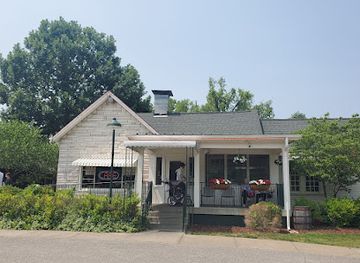
Log Cabin Restaurant
Experience authentic Southern cuisine at Log Cabin Restaurant in Hurricane Mills – where delicious food meets warm hospitality.
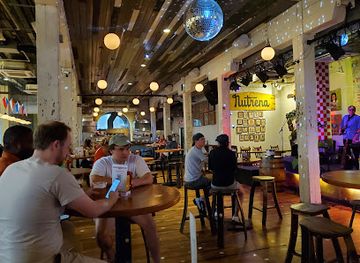
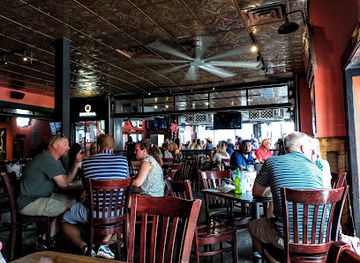

Best bars in Southern Middle Tennessee
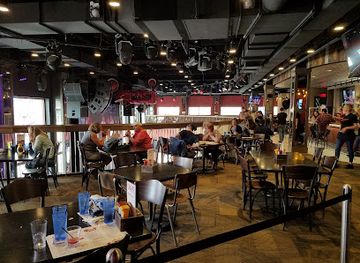
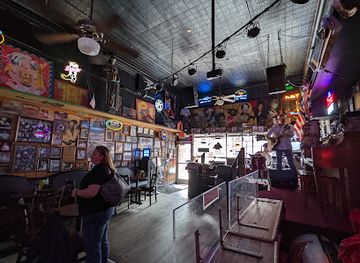
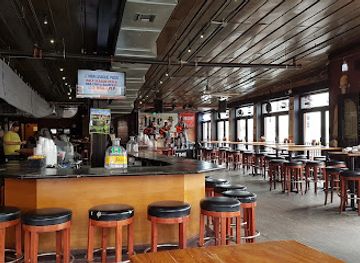
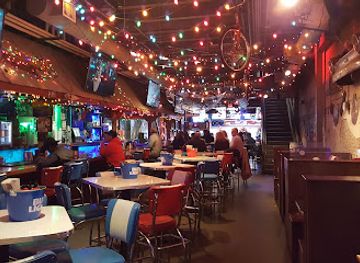
Evenings in Southern Middle Tennessee are generally centred on traditional pubs, restaurants, breweries, live music and community events rather than a large nightclub scene. Franklin has the broadest concentration of bars and evening venues, especially around its historic centre, while Columbia and Shelbyville provide locally focused restaurants, public-house settings and occasional live performances. Leiper's Fork is associated with intimate music venues and country traditions, although schedules and operating arrangements change. Lynchburg's whiskey heritage is more prominent during the day than as a late-night destination. In Pulaski and Lawrenceburg, nightlife is quieter and tends to revolve around dining, local gatherings and seasonal events. Visitors should not assume that rural venues stay open late or that taxis and ride-hailing are readily available after drinking; arranging transport in advance is sensible.
-
Live music bar
Ole Red
Discover the vibrant nightlife and delicious Southern cuisine at Ole Red, Nashville's premier live music venue and restaurant.
-
Live music bar
Robert's Western World
Discover Nashville's vibrant live music scene at Robert's Western World, where great food and unforgettable performances await you.
-
Live music bar
Honky Tonk Central
Dive into the heart of Nashville's music scene at Honky Tonk Central, where live performances and delicious American cuisine create an unforgettable experience.
-
Live music bar
Tin Roof
Discover the lively ambiance of Tin Roof, Nashville's premier live music bar and restaurant, featuring great food, drinks, and unforgettable performances.
Best nightclubs in Southern Middle Tennessee
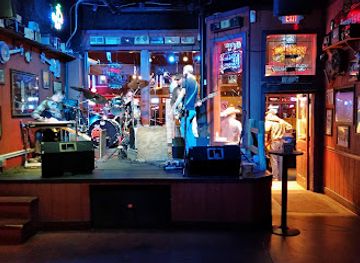
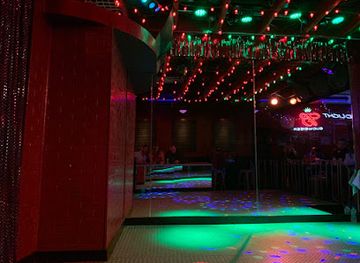
Evenings in Southern Middle Tennessee are generally centred on traditional pubs, restaurants, breweries, live music and community events rather than a large nightclub scene. Franklin has the broadest concentration of bars and evening venues, especially around its historic centre, while Columbia and Shelbyville provide locally focused restaurants, public-house settings and occasional live performances. Leiper's Fork is associated with intimate music venues and country traditions, although schedules and operating arrangements change. Lynchburg's whiskey heritage is more prominent during the day than as a late-night destination. In Pulaski and Lawrenceburg, nightlife is quieter and tends to revolve around dining, local gatherings and seasonal events. Visitors should not assume that rural venues stay open late or that taxis and ride-hailing are readily available after drinking; arranging transport in advance is sensible.
-
Night club
Second Fiddle
Discover the vibrant nightlife of Nashville at Second Fiddle, where live music and great drinks create an unforgettable experience.
-
Night club
Dirty Little Secret
Dive into the vibrant nightlife of Nashville at Dirty Little Secret, where music, dancing, and unforgettable memories await in Printers Alley.
-
Night club
Club XYZ
Discover Knoxville's nightlife at Club XYZ, a lively night club offering creative cocktails and a vibrant atmosphere for an unforgettable experience.
-
Night club
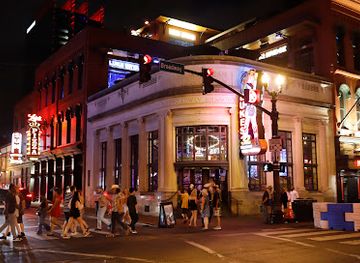
Broadway
Discover the heartbeat of Nashville on Broadway, where live music, dining, and nightlife create an unforgettable experience.

Best shops in Southern Middle Tennessee
-
Shopping mall
Governor's Square Mall
Discover an unparalleled shopping experience at Governor's Square Mall in Clarksville, TN, with diverse stores, dining, and entertainment for all ages.
-
Shopping mall
The Avenue Murfreesboro
Discover The Avenue Murfreesboro, a dynamic shopping mall with diverse retail options and delightful dining experiences in the heart of Tennessee.
-
Antique store
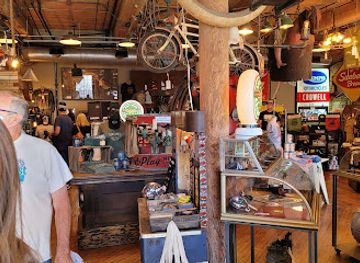
Antique Archaeology Nashville
Discover unique antiques and vintage treasures at Antique Archaeology Nashville, home of American Pickers' iconic finds.
-
Shopping mall
Stones River Town Centre
Experience the best of shopping and entertainment at Stones River Town Centre in Murfreesboro, TN. Discover diverse retail options and delightful dining experiences.


Get your free copy of our complete guide to Southern Middle Tennessee, delivered straight to you.
Everything on this page, from attractions and restaurants to essentials and local phrases, in one PDF you can read offline, print or share.
Already have an account? Sign in
Your Southern Middle Tennessee guide is ready.
We'll send it to · Not you? Sign out

Getting your guide ready…
We are putting together a fresh copy of the Southern Middle Tennessee guide. This can take up to a minute.
This can take a few moments. If your browser asks, choose Allow so the download can start. You'll find the guide in your Downloads folder.
Nothing happened? Download it again
Sorry, the guide is taking longer than usual. Please try again in a minute, or get it by email instead.
Southern Middle Tennessee essentials
Currency and Payment
Safety
Emergency Situations
Do's and Don'ts
Local Tips
From Eve
Local phrases worth knowing
You don't need to get them perfect. A few words go a long way, and locals appreciate the effort.
Basics
| English | Local | Say it |
|---|---|---|
| Hello | Howdy | [Hau-dee] |
| Goodbye | See ya later | [See ya lay-ter] |
| Yes | Yup | [Yup] |
| No | Nope | [Nope] |
| Please/You're welcome | Please / No problem | [Please / No prob-lum] |
| Thank you | Thank ya | [Thank ya] |
| Excuse me/Sorry | Excuse me / Sorry 'bout that | [Ex-cuze me / Sorry 'bout that] |
| How are you? | How ya doin'? | [How ya doin'?] |
| Fine. And you? | I'm good. And you? | [I'm good. An' you?] |
| Do you speak English? | Y'all speakin' English? | [Y'all speakin' English?] |
| I don't understand | I ain't followin' | [I ain't followin'] |
Eating & Drinking
| English | Local | Say it |
|---|---|---|
| I'd like to see the menu, please | Can I see the menu, please? | [Can I see the menu, please?] |
| I don't eat meat | I don't eat meat | [I don't eat meat] |
| Cheers! | Cheers! | [Cheers!] |
| I would like to pay, please | Could I get the check, please? | [Could I get the check, please?] |
Emergencies
| English | Local | Say it |
|---|---|---|
| Help! | Help! | [Help!] |
| Go away! | Get on outta here! | [Get on outta here!] |
| Call the Police! | Call the cops! | [Call the cops!] |
| Call a doctor! | Get a doctor! | [Get a doctor!] |
| I'm lost | I’m lost | [I’m lost] |
| I'm ill | I ain't feelin' well | [I ain't feelin' well] |
Shopping
| English | Local | Say it |
|---|---|---|
| I'd like to buy... | I wanna buy... | [I wanna buy...] |
| I'm just looking | Just lookin' | [Just lookin'] |
| How much is it? | What’s the price? | [What’s the price?] |
| That's too expensive | That’s a bit pricey | [That’s a bit pricey] |
| Can you lower the price? | Can ya knock down the price? | [Can ya knock down the price?] |
Time & Numbers
| English | Local | Say it |
|---|---|---|
| What time is it? | What time is it? | [What time is it?] |
| It's one o'clock | It’s one o’clock | [It’s one o’clock] |
| Half past (10) | Half past ten | [Half past ten] |
| Morning | Mornin' | [Mornin'] |
| Afternoon | Afternoon | [Afternoon] |
| Evening | Evenin' | [Evenin'] |
| Yesterday | Yesterday | [Yesterday] |
| Today | Today | [Today] |
| Tomorrow | Tomorrow | [Tomorrow] |
| 1 | One | [One] |
| 2 | Two | [Two] |
| 3 | Three | [Three] |
| 4 | Four | [Four] |
| 5 | Five | [Five] |
| 6 | Six | [Six] |
| 7 | Seven | [Seven] |
| 8 | Eight | [Eight] |
| 9 | Nine | [Nine] |
| 10 | Ten | [Ten] |
Transport & Directions
| English | Local | Say it |
|---|---|---|
| Where's a/the...? | Where's the...? | [Where's the...?] |
| What's the address? | What’s the address? | [What’s the address?] |
| Can you show me (on the map)? | Can ya show me on the map? | [Can ya show me on the map?] |
| When's the next (bus)? | When's the next bus? | [When's the next bus?] |
| A ticket (to ....) | A ticket to... | [A ticket to...] |
History of Southern Middle Tennessee
Indigenous Landscapes and Early Settlement
Long before European-American settlement, the Tennessee Valley and Highland Rim were home to Indigenous peoples whose hunting, farming and trading networks shaped the landscape. The Duck River valley contains important archaeological evidence of earlier Native communities, while later Cherokee, Chickasaw and other peoples maintained connections across the wider region. European-American settlement expanded in the late eighteenth and early nineteenth centuries as roads, land grants and fortified homesteads developed. Many modern towns grew from this movement, although the process involved dispossession, conflict and the forced removal of Native peoples from the Southeast.
Courthouse Towns and Antebellum Agriculture
During the early nineteenth century, county seats including Franklin, Columbia, Shelbyville, Pulaski and Lawrenceburg became centres of law, trade and public life. The fertile Nashville Basin supported farms producing livestock, grains, cotton and other commodities, while enslaved labour formed an essential and coerced part of the regional economy. Brick houses, churches, courthouse squares and commercial buildings from this period remain visible in several towns. Their preservation should be understood alongside the histories of enslaved people, free Black communities and Indigenous displacement that underpinned the region's growth.
James K. Polk and Columbia's National Connection
Columbia was the childhood home of James K. Polk, the eleventh president of the United States, whose political career was closely linked to Tennessee. The James K. Polk Home and the town's historic streets preserve evidence of the social and political world of the antebellum South. Polk's presidency in the 1840s coincided with major US territorial expansion, a development that intensified debates over slavery and Native dispossession. His local connection gives Columbia historical importance beyond its role as Maury County's administrative centre.
The Civil War in Williamson and Maury Counties
Southern Middle Tennessee became a major theatre of the American Civil War because its roads, railways and agricultural resources were strategically important. The 1863 Battle of Franklin and the 1864 Tennessee Campaign brought armies through Franklin, Spring Hill, Columbia and nearby communities. Franklin's assault of 30 November 1864 produced especially heavy casualties, while the Carnton and Carter House sites preserve the human and military dimensions of the conflict. Cemeteries, earthworks, historic houses and interpretive museums across the region continue to shape its historical identity.
Railways, Industry and the Rural Economy
Rail connections and improved roads transformed the region during the nineteenth and early twentieth centuries, linking county towns with Nashville and wider markets. Agriculture remained central, but mills, small factories, carriage works, food processing and local services diversified the economy. Shelbyville developed a lasting reputation for Tennessee Walking Horses, while other towns became centres for livestock, timber and farm commerce. The resulting landscape of courthouse towns, railroad corridors, farmsteads and commercial squares still distinguishes southern Middle Tennessee from the denser metropolitan area to the north.
Tennessee Whiskey and Lynchburg
Lynchburg became internationally associated with the Jack Daniel's distillery, founded in the nineteenth century and later developed into one of Tennessee's best-known whiskey brands. The local limestone water, charcoal-mellowing tradition and the town's industrial history helped establish a distinctive regional identity, although the modern company and its tourism operations are part of a much larger global business. Whiskey heritage is now an important visitor theme, alongside the broader agricultural and small-town traditions of Moore County and surrounding southern Middle Tennessee.
Modern Growth and Heritage Preservation
Since the Second World War, suburban expansion from Nashville has transformed parts of Williamson County, particularly around Franklin and Spring Hill. New housing, business parks and commuter routes now stand alongside farms and carefully preserved historic districts. Elsewhere, smaller county seats retain more agricultural and locally focused economies. Historic preservation, Civil War interpretation, the Natchez Trace and food-and-drink tourism have become significant ways of presenting the region, while debates over development, land use and the treatment of difficult histories remain part of its contemporary character.
Southern Middle Tennessee in Photos
Browse through our photo collection highlighting the charm and character of the destination.
Neighbouring regions of Southern Middle Tennessee
The closest regions to Southern Middle Tennessee, if you have time for more than one.
-

-
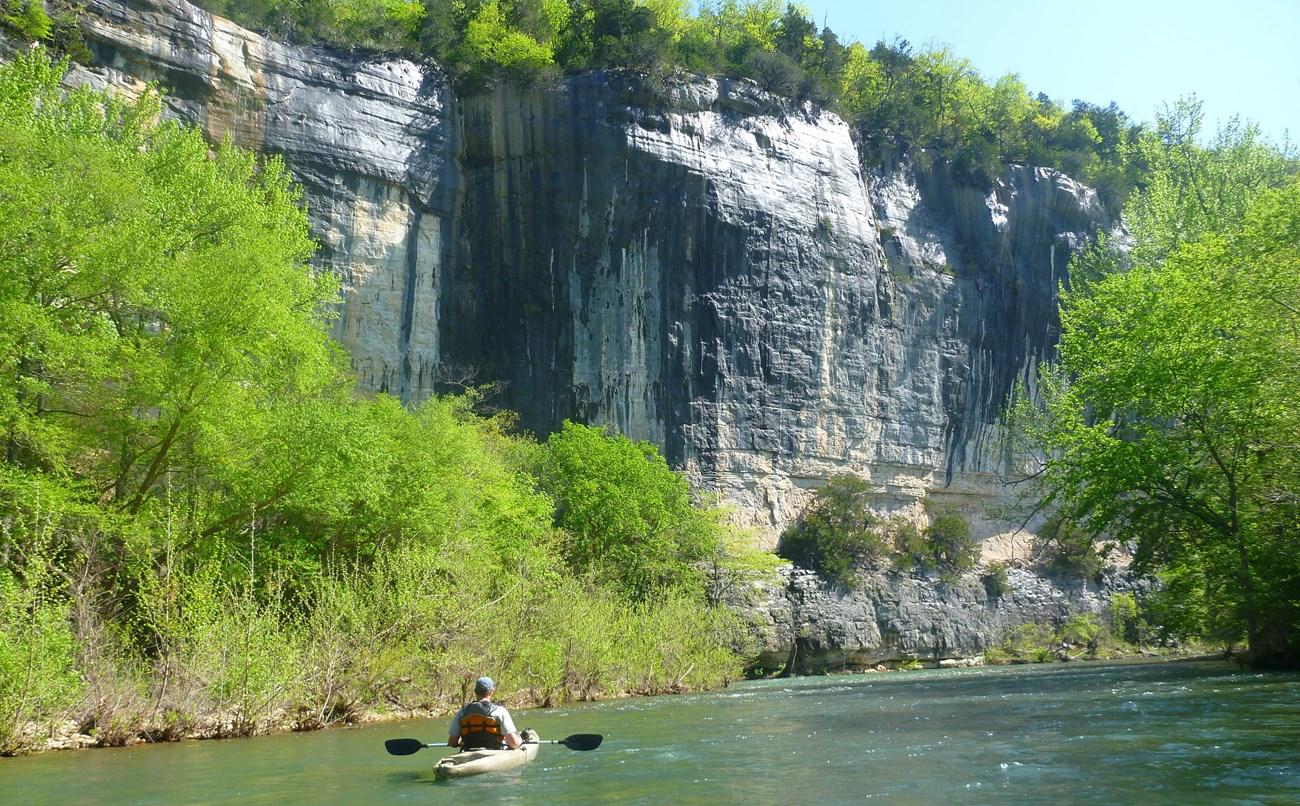 Buffalo River Valley
Explore Tennessee’s Buffalo River Valley for canoeing, wooded hills, small towns, scenic drives and a quiet rural landscape shaped by the river.
-
-

-
 Highland Rim
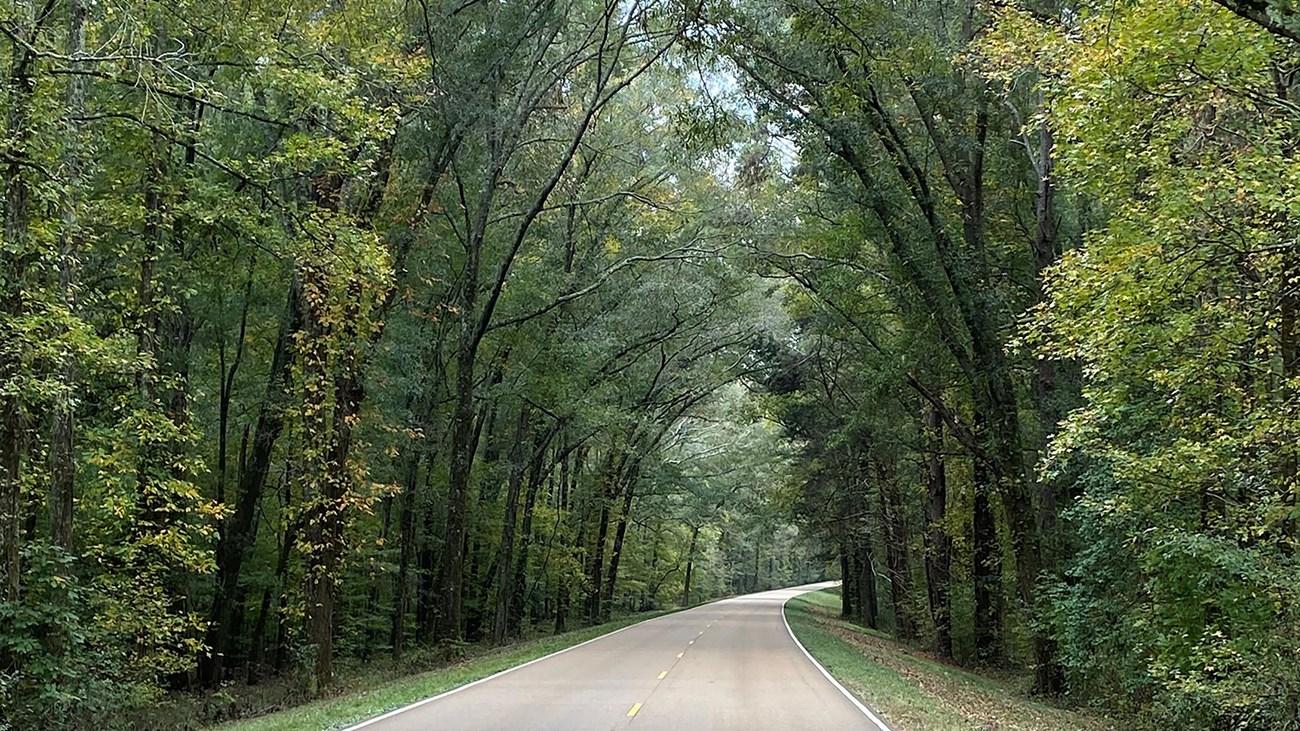
Explore Tennessee’s Highland Rim for limestone uplands, caves, waterfalls, state parks, whiskey heritage and small-town landscapes near Nashville.


Swipe for more regions
Explore more

Explore more of Tennessee
Discover Tennessee: A melting pot of music, history, and natural beauty, offering visitors an authentic taste of Southern hospitality and unforgettable experiences.
Explore Tennessee