
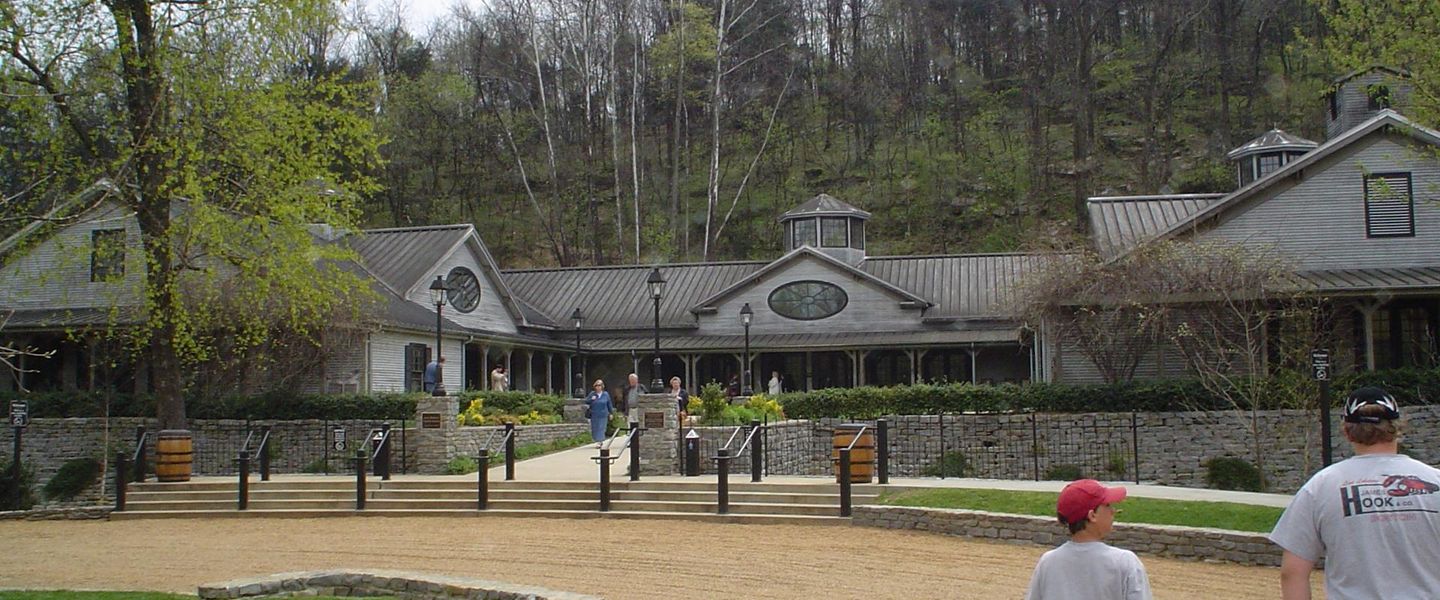
Jack Daniel's Distillery, Tennessee Travel Guide
Explore the historic Jack Daniel's Distillery in Lynchburg, Tennessee, and discover the rich tradition and unique process behind the world's most famous Tennessee whiskey.
Nestled in the charming town of Lynchburg, Tennessee, Jack Daniel's Distillery offers visitors an authentic slice of American whiskey history. Established in 1866, it is the oldest registered distillery in the United States. Here, you can delve into the rich heritage of the iconic Jack Daniel's brand and explore the meticulous process that transforms corn, rye, and barley into the world's most famous Tennessee whiskey. On a guided tour, you'll walk through historic buildings and see the original limestone cave spring, the source of the distillery's pure, iron-free water. You'll also learn about the unique charcoal mellowing process that gives Jack Daniel's its distinctive smooth flavor. Each tour concludes with a tasting session where you can sample a variety of their finest products. Beyond the distillery, Lynchburg itself is a quaint town with Southern charm, offering local shops, eateries, and beautiful landscapes. A visit to Jack Daniel's Distillery is not just a journey into the world of whiskey but also an opportunity to experience the culture and hospitality of rural Tennessee.

Know before you go
Hi, I'm Eve. Here are a few practical things to know before exploring Jack Daniel's Distillery.
- Book your tour in advance, as spots can fill up quickly, especially during peak tourist seasons.
- Wear comfortable shoes since the tour involves a fair amount of walking.
- Visit the Lynchburg town square for unique souvenirs and local cuisine after your distillery tour.
- Check the distillery's schedule for special events or seasonal tours that offer a unique experience.
- Remember that Lynchburg is a dry county, so plan where you will enjoy your purchased whiskey.
Explore Jack Daniel's Distillery: Things to Do, Places to Eat, Hotels & More
Handpicked recommendations for top attractions, local dining, accommodations, and more

Best attractions in Jack Daniel's Distillery
Top-rated picks
Best Attractions

Rock City Gardens
Explore Rock City Gardens, a stunning scenic spot on Lookout Mountain, offering breathtaking views, enchanting gardens, and unique rock formations.

Jack Daniel's Distillery Visitor Center
Explore the rich heritage of Jack Daniel's at the iconic distillery in Lynchburg, TN, and discover the art of whiskey-making.

Barrel House BBQ
Indulge in the rich flavors of Southern barbecue at Barrel House BBQ in Lynchburg, Tennessee, a must-visit for any food lover.

Miss Mary Bobo's Restaurant
Discover the essence of Southern hospitality at Miss Mary Bobo's Restaurant, where delicious home-cooked meals and charm await every visitor.

Best landmarks in Jack Daniel's Distillery
Top-rated picks
Best Landmarks

Jack Daniel's Distillery Visitor Center
Discover the rich history and craftsmanship of Jack Daniel's whiskey at the iconic distillery in Lynchburg, Tennessee.

Cascade Hollow Distilling Co. (George Dickel Distillery)
Discover the heritage of George Dickel whiskey at Cascade Hollow Distilling Co. in Tennessee, a must-visit for whiskey lovers and travelers alike.

Jack Daniel's Lynchburg Hardware & General Store
Discover unique souvenirs and gifts at Jack Daniel's Lynchburg Hardware & General Store, the perfect stop for whiskey enthusiasts and travelers alike.

Jack Daniel's Barrel Shop
Explore the rich history of Jack Daniel's whiskey in Lynchburg, TN, at the official Barrel Shop, offering exclusive merchandise and tastings.

Best restaurants in Jack Daniel's Distillery
Top-rated picks
Best Restaurants

Jack Daniel's Distillery Visitor Center
Explore the rich heritage and craftsmanship at Jack Daniel's Distillery in Lynchburg, TN - home of America's iconic whiskey.

Barrel House BBQ
Experience authentic Tennessee barbecue at Barrel House BBQ in Lynchburg – where smoky flavors meet Southern hospitality.

WHISKEY TRAIL BBQ & STEAKHOUSE
Discover authentic Southern barbecue and steak at Whiskey Trail BBQ & Steakhouse in Tullahoma, TN - where flavor meets hospitality.

Jack Daniel's Distillery
Discover the rich heritage and craftsmanship behind one of America's most iconic whiskeys at Jack Daniel's Distillery in Lynchburg.

Best bars in Jack Daniel's Distillery
Top-rated picks
Best Bars

Jack Daniel's Distillery Visitor Center
Explore the rich heritage of Jack Daniel's Distillery in Lynchburg, TN, and savor the craftsmanship of Tennessee whiskey in a picturesque setting.

Barrel House BBQ
Discover the authentic taste of Tennessee barbecue at Barrel House BBQ, where smoky flavors come alive in every bite.

WHISKEY TRAIL BBQ & STEAKHOUSE
Experience the ultimate Southern BBQ and steak at Whiskey Trail BBQ & Steakhouse in Tullahoma, where flavor meets warmth.

Jack Daniel's Distillery
Explore Jack Daniel's Distillery in Lynchburg, TN, where rich history meets the art of whiskey-making in a scenic and inviting atmosphere.

Best nightclubs in Jack Daniel's Distillery
Top-rated picks
Best Nightclubs

Jack Daniel's Distillery Visitor Center
Explore the rich heritage of Jack Daniel's whiskey at its iconic distillery in Lynchburg, Tennessee, and savor the craftsmanship behind every drop.

Barrel House BBQ
Experience the rich flavors of authentic Southern barbecue at Barrel House BBQ in Lynchburg, TN, a must-visit for all food lovers.

Jack Daniel's Distillery
Discover the art of whiskey making at Jack Daniel's Distillery, the oldest registered distillery in the U.S., in the charming town of Lynchburg, Tennessee.

Miss Mary Bobo's Restaurant
Experience the heart of Southern cuisine and hospitality at Miss Mary Bobo's Restaurant in Lynchburg, TN, an unforgettable culinary adventure.

Best shops in Jack Daniel's Distillery
Top-rated picks
Best Shops

Jack Daniel's Distillery Visitor Center
Discover the rich heritage and craftsmanship of Jack Daniel's whiskey at the iconic distillery in Lynchburg, Tennessee.

Jack Daniel's Distillery
Discover the artistry of whiskey-making at Jack Daniel's Distillery, a historic gem nestled in Lynchburg, Tennessee.

Jack Daniels Personalized Gifts
Explore Jack Daniel's Personalized Gifts in Lynchburg, TN for unique souvenirs and personalized treasures celebrating whiskey heritage.

Jack Daniel's Lynchburg Hardware & General Store
Explore the Jack Daniel's Lynchburg Hardware & General Store for unique souvenirs and a taste of Tennessee's whiskey heritage.

Explore Jack Daniel's Distillery on the Map
A handpicked selection of must-see spots in Jack Daniel's Distillery, mapped for you.
Jack Daniel's Distillery Essentials
-
Jack Daniel's Distillery is located in Lynchburg, Tennessee. The nearest major airport is Nashville International Airport (BNA), which is approximately 90 miles away. From Nashville, you can rent a car and drive to Lynchburg, which takes about 1.5 to 2 hours. Alternatively, you can take a guided tour that includes transportation from Nashville. Public transportation options are limited, so renting a car or joining a tour is advisable.
-
Lynchburg is a small town, so getting around is relatively straightforward. Most attractions, including Jack Daniel's Distillery, are within a short driving distance. Taxis and rideshare services like Uber and Lyft are available but may be limited. Renting a car is the most convenient option for visitors who wish to explore the surrounding areas. Parking is available at the distillery and in town.
-
The official currency is the US Dollar (USD). Credit and debit cards are widely accepted, including at Jack Daniel's Distillery. However, it's a good idea to carry some cash for small purchases, especially in local shops and restaurants. ATMs are available in Lynchburg, but it's wise to withdraw some cash before arriving, especially if you're coming from more rural areas.
-
Lynchburg is generally a safe destination for tourists. However, as with any travel destination, it's important to take standard precautions. Avoid leaving valuables in your car and be mindful of your belongings in crowded areas. There are no specific high-crime areas targeting tourists, but it's always best to stay vigilant and aware of your surroundings.
-
In case of emergency, dial 911 for immediate assistance. Lynchburg has a local police department and medical facilities to handle emergencies. It is recommended to have travel insurance that covers medical emergencies. For minor health issues, there are pharmacies in the town where you can purchase over-the-counter medications.
-
Fashion: Do wear comfortable clothing and shoes suitable for walking, as the distillery tour involves some walking and standing. Don't wear overly casual attire like swimwear. Religion: Do respect local customs and traditions, although Lynchburg is not particularly religious. Public Transport: Do be respectful and patient if using any local transport services. Greetings: Do greet people with a friendly 'hello' or 'hi.' Southerners are known for their hospitality. Eating & Drinking: Do try local Southern cuisine and accept any food or drink offerings graciously. Don't bring outside alcohol to the distillery grounds, as it is prohibited.
-
To experience Jack Daniel's Distillery like a local, consider visiting on a weekday when it's less crowded. Take the time to explore the town of Lynchburg, which has charming shops and restaurants. Don't miss the opportunity to try the local specialty, Jack Daniel's Tennessee Whiskey. Engage with the tour guides and staff at the distillery—they're often locals with fascinating stories and insights. Lastly, consider taking the more in-depth tour options for a richer experience.
When is the best time to visit Jack Daniel's Distillery?
Useful Local Phrases for Jack Daniel's Distillery
You don't need to speak the language perfectly. Even learning a few simple words can make conversations warmer—and locals usually appreciate the effort.
— Eve

Here are the phrases I use most often in Jack Daniel's Distillery. Try a few—you'll be surprised how far they go! 😊
❤️
-
- HelloHowdy
[hah-dee] - GoodbyeSee ya
[see yuh] - YesYup
[yuhp] - NoNah
[nuh] - Please/You're welcomePlease/No problem
[pleez/no prah-bluhm] - Thank youMuch obliged
[muhch uh-blahyjd] - Excuse me/SorryPardon me/My bad
[pahr-dn mee/my bad] - How are you?How y'all doin'?
[haw yawl doo-in] - Fine. And you?Just fine. How 'bout you?
[juhst fahyn. how 'bout yuh] - Do you speak English?Y'all speak English?
[yawl speak ing-glish] - I don't understandI ain't catchin' on
[ahynt kach-in awn]
- HelloHowdy
-
- I'd like to see the menu, pleaseI reckon I'll take a gander at the menu, if ya please
[ahyd lahyk tuh see thuh men-yoo, if yuh pleez] - I don't eat meatI don't do meat
[ahy dohnt doh meet] - Cheers!Bottoms up!
[baw-tuhmz uhp] - I would like to pay, pleaseI reckon I'll settle up now, if you don't mind
[ahy lahyk tuh pay, pleez]
- I'd like to see the menu, pleaseI reckon I'll take a gander at the menu, if ya please
-
- Help!I need a hand!
[ahy need uh hand] - Go away!Git gone!
[git gawn] - Call the Police!Get the Law!
[get thuh law] - Call a doctor!Get the Doc!
[get thuh dahk] - I'm lostI'm turned around
[ahym turnd uh-round] - I'm illI ain't feelin' too good
[ahynt feel-in tooh good]
- Help!I need a hand!
-
- I'd like to buy...I reckon I'll buy...
[ahy lahyk tuh bahy] - I'm just lookingI'm just browsin'
[ahym juhst brow-sin] - How much is it?What's the damage?
[wuts thuh dam-ij] - That's too expensiveThat's a bit steep
[thats uh bit steep] - Can you lower the price?Can ya knock a bit off?
[kan yuh nahk uh bit awf]
- I'd like to buy...I reckon I'll buy...
-
- What time is it?What's the hour?
[wuts thuh our] - It's one o'clockIt's one
[its wuhn] - Half past (10)It's half past ten
[its haf past ten] - MorningMornin'
[morn-in] - AfternoonAfternoon
[af-ter-noon] - EveningEvenin'
[eev-nin] - YesterdayYest'day
[yest-dey] - TodayToday
[tuh-day] - TomorrowTomorrer
[tuh-mawr-er] - 1One
[wuhn] - 2Two
[too] - 3Three
[three] - 4Four
[fawr] - 5Five
[fahyv] - 6Six
[siks] - 7Seven
[sev-uhn] - 8Eight
[eyt] - 9Nine
[nahyn] - 10Ten
[ten]
- What time is it?What's the hour?
-
- Where's a/the...?Where's the...?
[wheres thuh] - What's the address?Where's it located?
[wheres it loh-key-ted] - Can you show me (on the map)?Can you point it out (on the map)?
[kan yuh point it out (awn thuh map)] - When's the next (bus)?When's the next (bus) comin'?
[whens thuh next (bus) kum-in] - A ticket (to ....)A ticket (to ....)
[uh tik-it (tu)]
- Where's a/the...?Where's the...?
History of Jack Daniel's Distillery
-
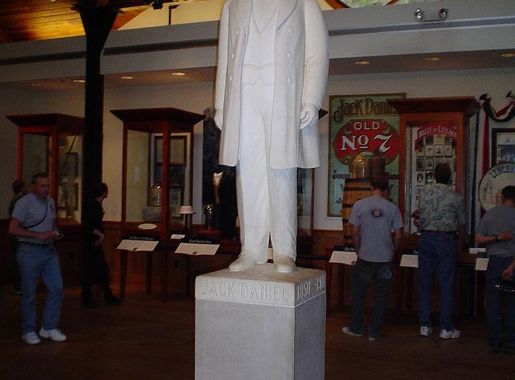
The story of Jack Daniel's Distillery begins in the mid-19th century. Jasper Newton 'Jack' Daniel, born in 1849, learned the art of distilling from a local preacher and distiller named Dan Call. In 1866, at the age of just 16, Jack Daniel registered his distillery, making it the first registered distillery in the United States. This marked the beginning of what would become an iconic brand in American whiskey.
-
One of the key factors contributing to the distinct flavor of Jack Daniel's whiskey is the pure, iron-free water sourced from Cave Spring Hollow. This natural limestone spring, located on the distillery grounds, provides a constant supply of pristine water that has been vital to the whiskey-making process since the distillery's inception. The spring maintains a consistent temperature of 56 degrees Fahrenheit year-round, ensuring optimal conditions for fermentation.
-
Old No. 7, the most famous product of Jack Daniel's Distillery, was introduced in the late 19th century. While the exact origin of the name remains a mystery, it is widely believed that the number 7 held special significance to Jack Daniel. Some theories suggest it was his lucky number, while others believe it was his original registration number with the government. Regardless of its origin, Old No. 7 became synonymous with quality and craftsmanship.
-
In 1911, Jack Daniel passed away due to complications from an infection in his toe. Legend has it that he injured his toe by kicking a safe in frustration after forgetting the combination. Despite his untimely death, Jack Daniel's legacy lived on through his nephew, Lem Motlow, who took over the distillery and continued to uphold the high standards set by his uncle.
-
The Prohibition era, which lasted from 1920 to 1933, posed significant challenges for Jack Daniel's Distillery. The distillery was forced to cease production, and the barrels of aging whiskey were carefully stored to prevent them from being seized or destroyed. Despite these hardships, the distillery resumed operations after the repeal of Prohibition, rebuilding its reputation and continuing to produce high-quality whiskey.
-
In 1972, the Jack Daniel's Distillery was officially designated as a National Historic Place, recognizing its significant contribution to American history and culture. This designation helped preserve the distillery's historic structures and ensured that the legacy of Jack Daniel would be remembered for generations to come.
-
In 2013, the Tennessee Whiskey Act was passed, establishing strict guidelines for the production of Tennessee whiskey. These regulations mandated that all Tennessee whiskey must be produced in the state, aged in new charred oak barrels, and filtered through maple charcoal before aging. Jack Daniel's Distillery, with its long-standing tradition of using the Lincoln County Process, was instrumental in shaping these regulations and continues to be a leading producer of Tennessee whiskey.
-
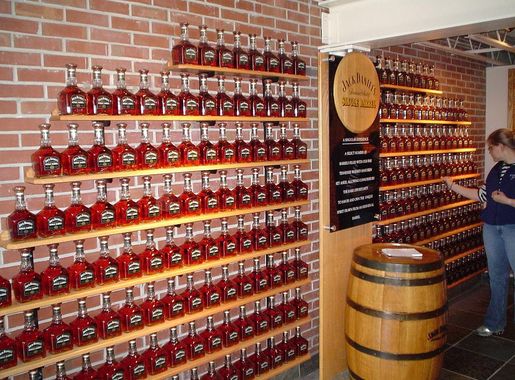
In recent years, Jack Daniel's Distillery has expanded its product line to include a variety of new offerings, such as flavored whiskeys and premium expressions like the Single Barrel Select. The distillery has also embraced modern technology and sustainable practices, ensuring that its production methods remain both efficient and environmentally friendly. Despite these innovations, the distillery remains committed to the time-honored traditions that have defined its legacy for over 150 years.
Neighbouring destination travel guides
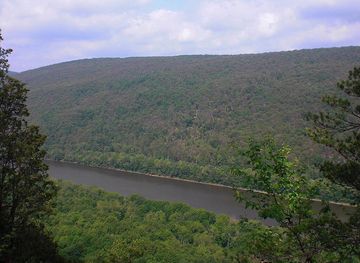
Browse our curated selection of top destinations, scenic points, and must-visit spots in the area.



Your all‑in‑one travel companion app
Explore expert travel guides, compare and book tours, experiences, hotels, and more—all from the palm of your hand. Download now for seamless trip planning wherever your wanderlust takes you.


Explore More of Middle Tennessee

Looking beyond Jack Daniel's Distillery? Discover Middle Tennessee for broader travel guides, local hot-spots, and regional highlights.
Explore Middle TennesseeExplore More of Tennessee

Looking beyond Jack Daniel's Distillery? Discover Tennessee for broader travel guides, local hot-spots, and regional highlights.
Explore TennesseeJack Daniel's Distillery in Photos
Browse through our photo collection highlighting the charm and character of the destination.
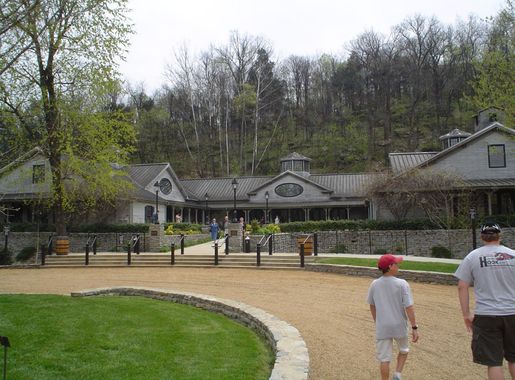

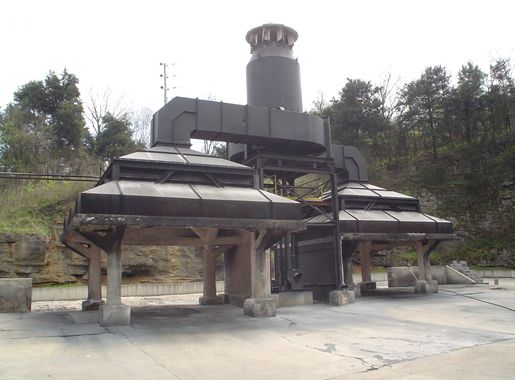




Jack Daniel's Distillery: Where Tradition Meets Taste
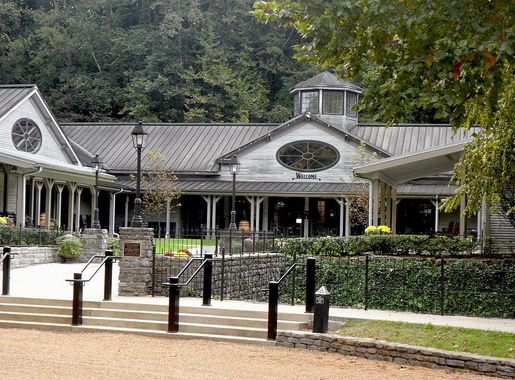
Nestled in the charming town of Lynchburg, Tennessee, Jack Daniel's Distillery offers visitors an authentic slice of American whiskey history. Established in 1866, it is the oldest registered distillery in the United States. Here, you can delve into the rich heritage of the iconic Jack Daniel's brand and explore the meticulous process that transforms corn, rye, and barley into the world's most famous Tennessee whiskey. On a guided tour, you'll walk through historic buildings and see the original limestone cave spring, the source of the distillery's pure, iron-free water. You'll also learn about the unique charcoal mellowing process that gives Jack Daniel's its distinctive smooth flavor. Each tour concludes with a tasting session where you can sample a variety of their finest products. Beyond the distillery, Lynchburg itself is a quaint town with Southern charm, offering local shops, eateries, and beautiful landscapes. A visit to Jack Daniel's Distillery is not just a journey into the world of whiskey but also an opportunity to experience the culture and hospitality of rural Tennessee.