
Lost Maples State Natural Area, Texas Travel Guide
Discover the vibrant autumn foliage, scenic trails, and diverse wildlife at Lost Maples State Natural Area in Texas Hill Country.
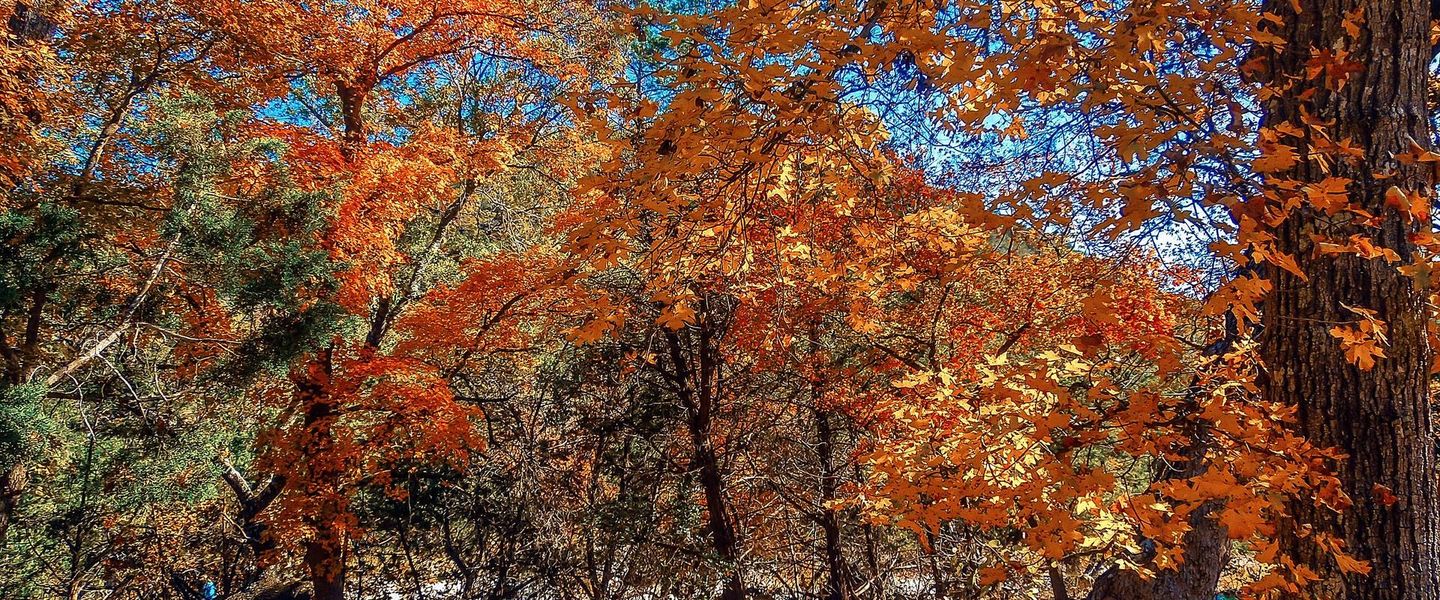
Nestled in the heart of Texas Hill Country, Lost Maples State Natural Area offers a stunning escape into nature. Known for its rare Uvalde Bigtooth Maples, this park provides a vibrant display of autumn colors that draws visitors from all over the country. The foliage peaks in late October and early November, painting the landscape in fiery reds, oranges, and yellows. For hikers and outdoor enthusiasts, Lost Maples boasts over 10 miles of scenic trails. The East Trail is particularly popular for its challenging terrain and rewarding views from the top of the canyon. Birdwatchers will also find this destination a paradise, with over 200 species of birds recorded in the area, including the endangered Golden-cheeked Warbler. Camping is another highlight of Lost Maples. Whether you prefer primitive camping or more developed sites, the park accommodates all types of campers. The Sabinal River runs through the park, providing a serene backdrop for fishing, swimming, and picnicking. With its diverse activities and breathtaking scenery, Lost Maples State Natural Area is a must-visit for anyone looking to experience the natural beauty of Texas.

Know before you go
Hi, I'm Eve. Here are a few practical things to know before exploring Lost Maples State Natural Area.
- Visit in late October or early November for the peak foliage season.
- Arrive early to secure a parking spot, especially on weekends.
- Bring plenty of water and wear sturdy hiking boots for the trails.
- Check the park's website for trail conditions and foliage reports before your visit.
- Don't forget your binoculars if you enjoy birdwatching.
Explore Lost Maples State Natural Area: Things to Do, Places to Eat, Hotels & More
Handpicked recommendations for top attractions, local dining, accommodations, and more

Best attractions in Lost Maples State Natural Area
Top-rated picks
Best Attractions

Lone Star Motorcycle Museum
Explore the Lone Star Motorcycle Museum in Vanderpool, Texas, where vintage bikes and rich motorcycling history come to life amidst scenic Hill Country views.

Frio Bat Flight Tours
Discover the enchanting Frio Bat Flight Tours in Concan, Texas, where nature's beauty unfolds as thousands of bats take flight at sunset.

Lost Maples Winery
Explore the enchanting Lost Maples Winery in Texas Hill Country, where exquisite wines and breathtaking views create an unforgettable experience.

The Grotto
Experience the tranquility of The Grotto in Lost Maples, Texas, a scenic haven for nature lovers and photographers amidst stunning landscapes.

Best bars in Lost Maples State Natural Area
Top-rated picks
Best Bars

Foxfire Log Cabins
Discover peace and nature at Foxfire Log Cabins in Vanderpool, Texas – your perfect retreat in the heart of the Hill Country.

Lost Maples RV and Camping
Experience the tranquility of Lost Maples RV and Camping in Texas Hill Country, where stunning nature meets adventure and community.

Lost Maples Park Headquarters
Explore the breathtaking beauty of Lost Maples Park Headquarters, a serene gateway to Texas Hill Country's outdoor adventures and natural wonders.

Lost Maples State Campground
Discover the enchanting beauty of Lost Maples State Campground, a serene retreat in Texas perfect for outdoor adventures and family bonding.

Best shops in Lost Maples State Natural Area
Top-rated picks
Best Shops

Lost Maples State Natural Area
Explore Lost Maples State Natural Area: A Texas treasure filled with stunning landscapes, vibrant wildlife, and unforgettable hiking experiences.

Lone Star Motorcycle Museum
Explore the Lone Star Motorcycle Museum in Vanderpool, Texas, and immerse yourself in the captivating history of motorcycles and their culture.

Foxfire Log Cabins
Discover tranquility and adventure at Foxfire Log Cabins, where rustic charm meets modern comfort in the heart of Texas Hill Country.

Lost Maples RV and Camping
Experience the tranquil beauty of Lost Maples RV and Camping, where nature meets comfort in the heart of Texas Hill Country.

Explore Lost Maples State Natural Area on the Map
A handpicked selection of must-see spots in Lost Maples State Natural Area, mapped for you.
Lost Maples State Natural Area Essentials
-
Lost Maples State Natural Area is located in the Texas Hill Country, approximately 2 hours northwest of San Antonio and about 2.5 hours west of Austin. The nearest major airport is San Antonio International Airport (SAT). From there, you can rent a car and take US-90 W and TX-127 N to reach the park. Alternatively, you can use a rideshare service or arrange a shuttle, though options may be limited.
-
While having a personal vehicle is the most convenient way to explore Lost Maples State Natural Area, the park itself is best navigated on foot. There are well-marked trails and maps available at the visitor center. Bicycles are not allowed on the hiking trails, and public transportation options are nonexistent, so be sure to plan accordingly.
-
The official currency is the US Dollar (USD). Credit and debit cards are accepted at the park's entrance and visitor center, but it's advisable to carry some cash for smaller transactions or emergencies. Nearby towns may have ATMs, but options are limited, so it's wise to bring sufficient cash before arriving.
-
Lost Maples State Natural Area is generally safe for visitors. However, standard safety precautions should be taken. Always lock your vehicle and secure your belongings. The park does not have areas with high crime rates targeting tourists, but always stay vigilant, especially in parking areas and less-traveled paths. Be cautious of wildlife and natural hazards like cliffs and slippery rocks.
-
In case of an emergency, dial 911 for immediate assistance. The nearest medical facilities are located in the towns of Kerrville and Uvalde, both about an hour's drive away. The park staff at the visitor center can also assist with minor emergencies. Make sure to carry a first aid kit and have a plan for reaching help in remote areas of the park.
-
Fashion: Do wear comfortable hiking attire and sturdy shoes. Dress in layers as weather can change rapidly. Avoid wearing heavy perfumes or scents that can attract insects. Religion: There are no specific religious customs to observe, but always respect the natural environment. Public Transport: Not applicable as there is no public transport within the park. Greetings: A friendly nod or verbal greeting is sufficient when passing fellow hikers. Eating & Drinking: Do bring plenty of water and snacks. Don't litter; always carry out what you carry in. Use designated picnic areas for meals.
-
To experience Lost Maples State Natural Area like a local, visit during the week to avoid weekend crowds. Autumn is the best time to see the vibrant fall foliage, but it can also be the busiest season. Arrive early to secure a good parking spot and enjoy the tranquility of the trails. Engage with park rangers and staff—they often have valuable insights and recommendations. Consider staying in nearby towns like Bandera or Leakey to explore more of the Texas Hill Country.
When is the best time to visit Lost Maples State Natural Area?
Useful Local Phrases for Lost Maples State Natural Area
You don't need to speak the language perfectly. Even learning a few simple words can make conversations warmer—and locals usually appreciate the effort.
— Eve

Here are the phrases I use most often in Lost Maples State Natural Area. Try a few—you'll be surprised how far they go! 😊
❤️
-
- HelloHowdy
[haw-dee] - GoodbyeSee ya
[see yuh] - YesYep
[yep] - NoNah
[nah] - Please/You're welcomePlease/You're welcome
[please/yur welcome] - Thank youThank ya
[thank yuh] - Excuse me/SorryPardon me
[par-dn me] - How are you?Howdy
[haw-dee] - Fine. And you?Fine. How 'bout you?
[fine. how 'bout yuh] - Do you speak English?Y'all speak English?
[yawl speak ing-glish] - I don't understandI don't git it
[i don't git it]
- HelloHowdy
-
- I'd like to see the menu, pleaseI'd like to see the menu, please
[I'd like to see the menu, please] - I don't eat meatI don't eat meat
[i don't eat meet] - Cheers!Cheers!
[cheers] - I would like to pay, pleaseI would like to pay, please
[i would like to pay, please]
- I'd like to see the menu, pleaseI'd like to see the menu, please
-
- Help!Help!
[help] - Go away!Git!
[git] - Call the Police!Call the Sheriff!
[call the sheriff] - Call a doctor!Call a doc!
[call a doc] - I'm lostI'm lost
[i'm lost] - I'm illI'm feelin' poorly
[i'm feelin' poorly]
- Help!Help!
-
- I'd like to buy...I'd like to buy...
[I'd like to buy...] - I'm just lookingI'm just lookin'
[i'm just lookin'] - How much is it?How much is it?
[how much is it?] - That's too expensiveThat's too pricey
[that's too pricey] - Can you lower the price?Can ya lower the price?
[can ya lower the price?]
- I'd like to buy...I'd like to buy...
-
- What time is it?What time is it?
[what time is it?] - It's one o'clockIt's one o'clock
[it's one o'clock] - Half past (10)Half past (10)
[half past (10)] - MorningMornin'
[mornin'] - AfternoonAfternoon
[afternoon] - EveningEvenin'
[evenin'] - YesterdayYest'day
[yest'day] - TodayToday
[today] - TomorrowTomorra
[tomorra] - 1One
[wun] - 2Two
[too] - 3Three
[three] - 4Four
[four] - 5Five
[five] - 6Six
[six] - 7Seven
[seven] - 8Eight
[eight] - 9Nine
[nine] - 10Ten
[ten]
- What time is it?What time is it?
-
- Where's a/the...?Where's a/the...?
[where's a/the...?] - What's the address?What's the address?
[what's the address?] - Can you show me (on the map)?Can ya show me (on the map)?
[can ya show me (on the map)?] - When's the next (bus)?When's the next (bus)?
[when's the next (bus)?] - A ticket (to ....)A ticket (to ....)
[a ticket (to ....)]
- Where's a/the...?Where's a/the...?
History of Lost Maples State Natural Area
-
Before European settlers arrived, the Lost Maples State Natural Area was inhabited by Native American tribes, including the Comanche and Apache. These tribes lived off the land, hunting game and gathering wild plants. They left behind various artifacts, including arrowheads and pottery shards, which provide a glimpse into their way of life.
-
In the 16th century, Spanish explorers ventured into what is now Texas, including the region around Lost Maples. They were in search of new territories and riches. While they did not establish permanent settlements in the area, their presence marked the beginning of European influence in the region.
-
By the mid-19th century, European settlers began to populate the area. They were drawn by the fertile land and abundant natural resources. These early pioneers established farms and ranches, which laid the foundation for the local communities that would follow.
-
During the Civil War, the area around Lost Maples saw its share of conflict. Texas was a Confederate state, and skirmishes between Confederate and Union forces occurred in the region. The war disrupted the lives of local settlers, but the resilient community eventually rebuilt in the post-war years.
-
The Lost Maples State Natural Area was officially established in 1979 to protect the unique and diverse ecosystem of the region, particularly the rare Uvalde Bigtooth Maples. The state of Texas acquired the land to ensure its preservation and to provide a natural sanctuary for both wildlife and human visitors.
-
Since its establishment, Lost Maples State Natural Area has been a focal point for conservation efforts. Various programs have been implemented to protect the native flora and fauna, including controlled burns and invasive species management. These efforts aim to preserve the natural beauty and ecological balance of the area for future generations.
-
Lost Maples holds a special place in Texas culture. It is celebrated for its stunning fall foliage, which attracts thousands of visitors each year. The park also serves as an educational site, where visitors can learn about the region's natural history and the importance of conservation. Local folklore and traditions continue to be an integral part of the area's cultural fabric.
Neighbouring destination travel guides
Browse our curated selection of top destinations, scenic points, and must-visit spots in the area.



Your all‑in‑one travel companion app
Explore expert travel guides, compare and book tours, experiences, hotels, and more—all from the palm of your hand. Download now for seamless trip planning wherever your wanderlust takes you.


Explore More of Edwards Plateau

Looking beyond Lost Maples State Natural Area? Discover Edwards Plateau for broader travel guides, local hot-spots, and regional highlights.
Explore Edwards PlateauExplore More of Texas
Looking beyond Lost Maples State Natural Area? Discover Texas for broader travel guides, local hot-spots, and regional highlights.
Explore TexasLost Maples State Natural Area in Photos
Browse through our photo collection highlighting the charm and character of the destination.


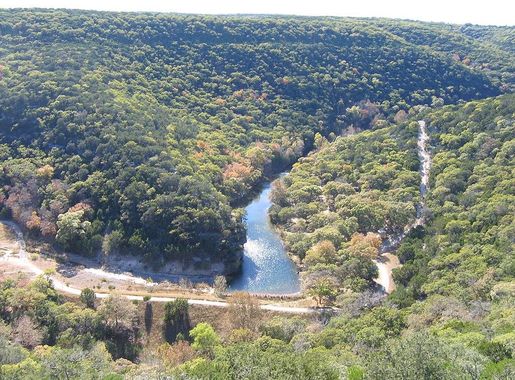


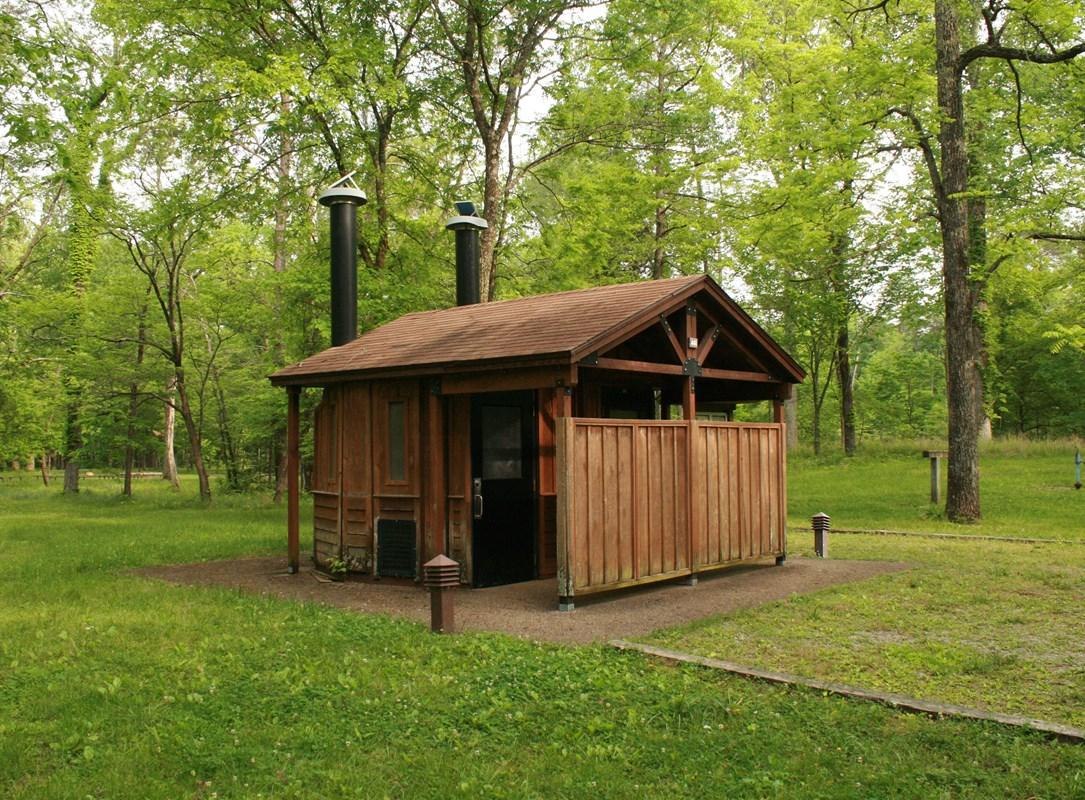


Exploring the Hidden Gem of Lost Maples State Natural Area
Nestled in the heart of Texas Hill Country, Lost Maples State Natural Area offers a stunning escape into nature. Known for its rare Uvalde Bigtooth Maples, this park provides a vibrant display of autumn colors that draws visitors from all over the country. The foliage peaks in late October and early November, painting the landscape in fiery reds, oranges, and yellows. For hikers and outdoor enthusiasts, Lost Maples boasts over 10 miles of scenic trails. The East Trail is particularly popular for its challenging terrain and rewarding views from the top of the canyon. Birdwatchers will also find this destination a paradise, with over 200 species of birds recorded in the area, including the endangered Golden-cheeked Warbler. Camping is another highlight of Lost Maples. Whether you prefer primitive camping or more developed sites, the park accommodates all types of campers. The Sabinal River runs through the park, providing a serene backdrop for fishing, swimming, and picnicking. With its diverse activities and breathtaking scenery, Lost Maples State Natural Area is a must-visit for anyone looking to experience the natural beauty of Texas.