

Free Siparia Travel Guide & Mobile App
Explore Siparia with free travel guides. Discover regional history, expert tips, proposed trips, and audio guides on web or mobile app.


Explore Siparia in south-west Trinidad for La Divina Pastora, Pitch Lake, oil heritage, village culture and distinctive coastal landscapes.
Read more about Siparia
When is the best time to visit Siparia?
Best: January–March · 30°C| Month | High (°C) | Rainfall (mm) |
|---|---|---|
| January (best) | 30 | 60 |
| February (best) | 30 | 50 |
| March (best) | 30 | 60 |
| April | 31 | 80 |
| May | 31 | 100 |
| June | 31 | 120 |
| July | 31 | 140 |
| August | 31 | 150 |
| September | 31 | 140 |
| October | 30 | 130 |
| November | 30 | 120 |
| December | 30 | 100 |
Getting to and around Siparia
How to get there
Transportation
Top city travel guides in Siparia
The cities of Siparia, and the easiest places to base yourself.
-
-

-


Swipe for more cities
Destinations in Siparia
Resorts, valleys and scenic spots worth a trip of their own.

Swipe for more destinations
Best attractions in Siparia
Siparia’s attractions combine living religious heritage, industrial history and unusual lowland environments. In Siparia town, the church of Our Lady of Montserrat and its La Divina Pastora tradition provide an insight into Trinidad’s blended devotional culture. Fyzabad is important for visitors interested in petroleum and labour history, while the surrounding roads pass through communities shaped by agriculture, oil production and Indo-Trinidadian settlement. La Brea’s Pitch Lake is the region’s best-known natural attraction, offering a close look at a rare asphalt landscape when visited with appropriate local guidance. Coastal and wetland districts around La Brea and Santa Flora bring opportunities for birdwatching and observing mangrove and estuarine habitats, although access is often better arranged locally than attempted independently. The area is also suited to food-focused exploration, village markets, church festivals and short drives through south-west Trinidad’s changing scenery. Siparia is not a concentrated resort destination: its appeal lies in linking its principal town with historic Fyzabad, geological La Brea and the quieter rural communities between them.
-
Park
Queen's Park Savannah
Discover Queen's Park Savannah, a lush park in Port of Spain, rich in culture, history, and the vibrant spirit of Trinidad.
-
Zoo
Emperor Valley Zoo
Explore the vibrant wildlife and lush landscapes at Emperor Valley Zoo, a must-visit attraction in Port of Spain, Trinidad for nature lovers and families.
-
Public beach
Clifton Hill Beach
Discover the beauty of Clifton Hill Beach in Point Fortin, a stunning public beach offering relaxation, adventure, and a taste of local culture.
-
Tourist attraction
Pitch Lake
Explore Pitch Lake in Trinidad, the world's largest natural asphalt lake, where geology meets stunning landscapes and rich local culture.



Best landmarks in Siparia
The church of Our Lady of Montserrat in Siparia is the region’s most recognisable cultural landmark, chiefly because it houses the revered image of La Divina Pastora. Its importance extends beyond architecture: the church represents centuries of Catholic practice and the religious interchange that developed among Trinidad’s diverse communities. At La Brea, Pitch Lake is a landmark on a geological scale, its dark, shifting asphalt surface forming a landscape unlike the island’s better-known beaches and rainforest. Fyzabad’s historic association with Tubal Uriah Butler and the 1937 labour uprising gives the town a strong place in the national memory of workers’ rights and political change. The oilfields and industrial structures of south-west Trinidad are less monumental but equally significant, marking the transformation brought by petroleum. Around La Brea and Santa Flora, mangrove margins, low coastal wetlands and waterways provide natural landmarks whose value lies in their ecological character rather than dramatic elevation. Together these places express Siparia’s central themes: faith, geology, labour, industry and the relationship between settled communities and a productive tropical landscape.
-
Park
San Fernando Hill
Experience the breathtaking views and lush landscapes of San Fernando Hill, a tranquil park in Trinidad perfect for relaxation and exploration.
-
Park
Chaguaramas Boardwalk
Discover the beauty of Chaguaramas Boardwalk, a vibrant coastal paradise in Trinidad perfect for relaxation, recreation, and local cuisine.
-
Historical landmark
Fort King George
Discover the historical significance and stunning views of Fort King George, Tobago's premier historical landmark, steeped in colonial heritage.
-
Island
Tobago
Discover the enchanting beauty of Tobago, a hidden paradise in the Caribbean known for its stunning beaches, rich culture, and thrilling adventures.


Explore Siparia on the map
Plan your trip on one map. See where the top cities, national parks and sights are, and book hotels and experiences in a few clicks.
Best hotels in Siparia
Best restaurants in Siparia
Dining in Siparia reflects the broad culinary meeting of Indo-Trinidadian, African, Creole and wider Caribbean traditions. Roti shops, doubles vendors and small local eateries are central to everyday food culture, while pelau, macaroni pie, stewed meats, provision dishes, fried bake and seasoned seafood appear in homes and informal restaurants. In communities nearer the coast, fish and other seafood may feature prominently, while rural food businesses often combine local cooking with familiar Trinidadian snacks and drinks. Visitors should look for busy establishments and ask about daily specials rather than expecting a formal restaurant district. Fresh fruit, pepper sauces, chutneys and sweets associated with Indo-Trinidadian cooking are useful tastes of the region’s cultural history. Markets and roadside sellers can provide an informal introduction to local produce, although opening patterns vary. Dining is generally more about community eateries, takeaways, rum shops and family-run businesses than destination fine dining.
-
Restaurant
Wally's Smokehouse
Experience the authentic taste of Trinidad at Wally's Smokehouse - renowned for its mouthwatering smoked meats and vibrant Caribbean atmosphere.
-
Barbecue
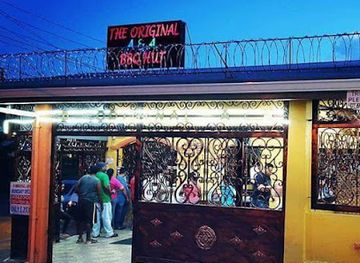
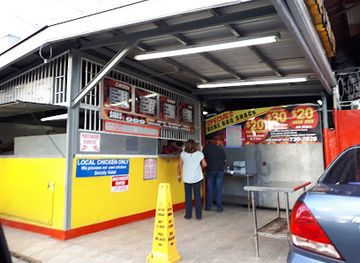
The Original A&A BBQ Hut
Indulge in authentic Trinidadian barbecue at The Original A&A BBQ Hut - where tradition meets taste in every bite.
-
Restaurant
Debe BBQ Shack
Discover authentic Trinidadian barbecue at Debe BBQ Shack, where flavor meets affordability in a welcoming atmosphere.
-
Grill
Nick's Gyros Restaurant and Bar
Experience authentic Greek flavors at Nick's Gyros Restaurant and Bar in Phillipine - a must-visit for food lovers!


Best bars in Siparia
Evening life in Siparia is centred mainly on rum shops, neighbourhood bars, restaurants, community gatherings and occasional live music rather than a large nightclub circuit. Siparia and Fyzabad provide the greatest choice of informal evening venues, while smaller communities tend to become quiet earlier. Traditional rum shops are social spaces where conversation, music and local news matter as much as drinking, but visitors should follow local etiquette and avoid photographing people without permission. Religious celebrations, cultural programmes and public events can bring livelier activity at particular times of year, especially around Siparia’s devotional calendar, though arrangements are not permanent and should be checked locally. Visitors seeking a late-night club scene will find more extensive options in larger urban centres outside the region, while Siparia is better suited to a relaxed dinner, music, community event or early evening drink. Arrange transport back to rural accommodation in advance rather than relying on a late service.
-
Lounge
Tantra Pub & Lounge
Discover the vibrant nightlife at Tantra Pub & Lounge in Debe, where style meets relaxation and great drinks await you.
-
Bar
Block 11 Sports Bar
Discover the excitement of sports and socializing at Block 11 Sports Bar in Santa Flora, where great food and drinks meet a vibrant atmosphere.
-
Bar
Electrick Blue Restaurant & Bar
Experience the vibrant flavors and lively atmosphere of Electrick Blue Restaurant & Bar, your culinary oasis in Penal, Trinidad.
-
 Bar
Frankie's Bar
Discover the charm of Frankie's Bar in Aripero, where great drinks meet a warm, inviting atmosphere for an unforgettable experience.


Best nightclubs in Siparia
Evening life in Siparia is centred mainly on rum shops, neighbourhood bars, restaurants, community gatherings and occasional live music rather than a large nightclub circuit. Siparia and Fyzabad provide the greatest choice of informal evening venues, while smaller communities tend to become quiet earlier. Traditional rum shops are social spaces where conversation, music and local news matter as much as drinking, but visitors should follow local etiquette and avoid photographing people without permission. Religious celebrations, cultural programmes and public events can bring livelier activity at particular times of year, especially around Siparia’s devotional calendar, though arrangements are not permanent and should be checked locally. Visitors seeking a late-night club scene will find more extensive options in larger urban centres outside the region, while Siparia is better suited to a relaxed dinner, music, community event or early evening drink. Arrange transport back to rural accommodation in advance rather than relying on a late service.
-
Lounge
Tantra Pub & Lounge
Tantra Pub & Lounge in Debe: A vibrant lounge offering exquisite cocktails and a lively atmosphere for an unforgettable nightlife experience.
-
Bar
Three Roads Bar
Experience the vibrant nightlife of Mon Desir at Three Roads Bar, where affordable drinks and great company await you.
-
Bar
Lil's Bar
Experience the vibrant local culture and hospitality at Lil's Bar, a must-visit destination in Rousillac, Trinidad.
-
Bar
D'Ice Sports Bar
D'Ice Sports Bar in Silver Stream: Your go-to destination for sports, drinks, and lively entertainment in the heart of the Caribbean.


Best shops in Siparia
Shopping in Siparia is primarily local and practical, with town-centre groceries, pharmacies, clothing shops, small businesses and market-style stalls serving nearby communities. Visitors will find more distinctive purchases through food shopping than through specialist souvenir retail: pepper sauces, chutneys, spices, preserved foods, sweets and locally used cooking ingredients can reflect the region’s Indo-Trinidadian and Creole culinary traditions. Small vendors and roadside sellers may offer seasonal fruit and prepared snacks, while craft and religious items are more likely to appear around churches, festivals or community events than in a dedicated tourist quarter. Fyzabad and La Brea have their own everyday commercial centres, but neither is a large-scale shopping destination. For a broader range of shops, major supermarkets and formal retail, visitors generally travel to larger urban centres outside Siparia. Carry cash for small purchases, ask permission before photographing market stalls and remember that informal trading arrangements and product availability can vary by day.
-
Market
Siparia Market
Discover the vibrant and authentic local culture at Siparia Market, where the flavors of Trinidad come alive amidst a bustling atmosphere.
-
Hardware store
SIMAR Enterprises Limited
Discover the essence of Trinidad at SIMAR Enterprises Limited, Siparia's unique hardware, book, and stationery store.
-
Supermarket
Massy Stores
Discover the local flavors of Trinidad and Tobago at Massy Stores, your go-to supermarket for fresh produce and unique culinary ingredients.
-
Coffee shop
Rituals Coffee House
Experience the perfect blend of rich coffee and cozy ambiance at Rituals Coffee House in Siparia, a must-visit for coffee aficionados.


Get your free copy of our complete guide to Siparia, delivered straight to you.
Everything on this page, from attractions and restaurants to essentials and local phrases, in one PDF you can read offline, print or share.
Already have an account? Sign in
Your Siparia guide is ready.
We'll send it to · Not you? Sign out

Getting your guide ready…
We are putting together a fresh copy of the Siparia guide. This can take up to a minute.
This can take a few moments. If your browser asks, choose Allow so the download can start. You'll find the guide in your Downloads folder.
Nothing happened? Download it again
Sorry, the guide is taking longer than usual. Please try again in a minute, or get it by email instead.
Siparia essentials
Currency and Payment
Safety
Emergency Situations
Do's and Don'ts
Local Tips
From Eve
Local phrases worth knowing
You don't need to get them perfect. A few words go a long way, and locals appreciate the effort.
Basics
| English | Local | Say it |
|---|---|---|
| Hello | Hello | [Heh-lo] |
| Goodbye | Goodbye | [Good-bye] |
| Yes | Yes | [Yes] |
| No | No | [No] |
| Please/You're welcome | Please | [Pleez] |
| Thank you | Thank you | [Tank yu] |
| Excuse me/Sorry | Excuse me | [Excuse mi] |
| How are you? | How yuh doing? | [How yuh doin?] |
| Fine. And you? | Fine. And you? | [Fine. An yuh?] |
| Do you speak English? | Yuh does speak English? | [Yuh duz speak English?] |
| I don't understand | I eh understand | [I eh undastan] |
Eating & Drinking
| English | Local | Say it |
|---|---|---|
| I'd like to see the menu, please | I would like to see the menu, please | [I wud like to see de menu, pleez] |
| I don't eat meat | I eh eat meat | [I eh eat meat] |
| Cheers! | Cheers! | [Cheers!] |
| I would like to pay, please | I would like to pay, please | [I wud like to pay, pleez] |
Emergencies
| English | Local | Say it |
|---|---|---|
| Help! | Help! | [Help!] |
| Go away! | Go way! | [Go way!] |
| Call the Police! | Call de Police! | [Call de Police!] |
| Call a doctor! | Call a doctor! | [Call a doctor!] |
| I'm lost | I lost | [I lost] |
| I'm ill | I eh feel good | [I eh feel good] |
Shopping
| English | Local | Say it |
|---|---|---|
| I'd like to buy... | I would like to buy... | [I wud like to buy...] |
| I'm just looking | I just looking | [I jus lookin] |
| How much is it? | How much it cost? | [How much it cost?] |
| That's too expensive | Dat too expensive | [Dat too expensive] |
| Can you lower the price? | Yuh could lower de price? | [Yuh cud lower de price?] |
Time & Numbers
| English | Local | Say it |
|---|---|---|
| What time is it? | Wha time it is? | [Wha time it is?] |
| It's one o'clock | It one o'clock | [It one o'clock] |
| Half past (10) | Half past ten | [Half past ten] |
| Morning | Morning | [Mornin] |
| Afternoon | Afternoon | [Afternoon] |
| Evening | Evening | [Evenin] |
| Yesterday | Yesterday | [Yes'day] |
| Today | Today | [Today] |
| Tomorrow | Tomorrow | [Tomorrow] |
| 1 | 1 | [1] |
| 2 | 2 | [2] |
| 3 | 3 | [3] |
| 4 | 4 | [4] |
| 5 | 5 | [5] |
| 6 | 6 | [6] |
| 7 | 7 | [7] |
| 8 | 8 | [8] |
| 9 | 9 | [9] |
| 10 | 10 | [10] |
Transport & Directions
| English | Local | Say it |
|---|---|---|
| Where's a/the...? | Where de...? | [Where de...?] |
| What's the address? | Wha de address? | [Wha de address?] |
| Can you show me (on the map)? | Yuh could show me (on de map)? | [Yuh cud show me (on de map)?] |
| When's the next (bus)? | When de next (bus)? | [When de next (bus)?] |
| A ticket (to ....) | A ticket (to ...) | [A ticket (to ...)] |
History of Siparia
Indigenous Settlement and the South-Western Landscape
Long before European colonisation, the plains, wetlands and coastal resources of south-western Trinidad supported Indigenous communities whose lives were connected to fishing, hunting, cultivation and movement along waterways. Archaeological evidence across Trinidad points to successive Indigenous cultures, although the surviving record is uneven and many sites are not presented as formal visitor attractions. The region’s natural resources, particularly its fertile lowlands, forests, wetlands and natural asphalt, later influenced colonial settlement and industrial development. Indigenous place-name traditions and the ecological character of the south-west remain important parts of the region’s deeper history.
Spanish Missions and La Divina Pastora
Siparia developed within the Spanish Catholic mission network established in Trinidad before the island became a British colony in 1797. The church dedicated to Our Lady of Montserrat became associated with the statue of La Divina Pastora, whose veneration eventually drew Catholics and visitors from other religious traditions. The devotion illustrates the cultural blending that characterises Trinidad, where European Catholic imagery became connected with African, Indigenous and Indo-Trinidadian practices. The church and its annual observances remain among Siparia’s most significant expressions of living heritage.
The Pitch Lake and Early Asphalt Enterprise
The natural asphalt deposit at La Brea was known before British rule and became internationally significant during the nineteenth century. Its material was extracted and exported for paving and construction, contributing to the growth of a specialised industrial economy around the lake and nearby port facilities. The Pitch Lake is produced by subterranean petroleum and geological movement rather than by a conventional surface quarry, and its shifting pools and hardened crust have long attracted scientific as well as commercial interest. Asphalt remains one of La Brea’s defining historical associations.
Indenture, Agriculture and Village Society
After the abolition of slavery in the British Empire, indentured labourers from India were brought to Trinidad between 1845 and 1917 to work mainly on sugar estates. South-west Trinidad received many Indo-Trinidadian families, whose descendants helped shape the region’s villages, religious life, food traditions and commercial culture. Estate agriculture, small cultivation and later employment in oil and public services contributed to a settlement pattern that was neither wholly rural nor fully urban. Siparia’s present-day cultural landscape reflects this history alongside African, European, Indigenous and other Caribbean influences.
Oil at Fyzabad and the Transformation of the South
Commercial oil production expanded in Trinidad during the early twentieth century, and drilling around Fyzabad helped establish the south-west as a major petroleum district. Oil brought new employment, infrastructure and migration, while also creating difficult working conditions and widening disputes over wages and labour rights. Fyzabad consequently became closely associated with the country’s oil heritage and with the political history of organised labour. Old production areas, company settlements and the continuing presence of energy infrastructure help explain how petroleum altered the region’s economy and physical landscape.
The 1937 Labour Uprising
In June 1937, oilfield workers and other labourers in the Fyzabad area joined protests over wages, working conditions and colonial labour practices. The disturbances spread beyond the south-west and became a decisive moment in Trinidad and Tobago’s labour history. Tubal Uriah Butler, a prominent labour leader, was associated with the movement and later became a major national political figure. The uprising contributed to wider labour reforms and the growth of trade-union politics. Fyzabad’s historical importance therefore reaches well beyond local oil production.
From Petroleum District to Contemporary South-West Trinidad
During the later twentieth century, Siparia and neighbouring communities continued to combine agriculture, public-sector employment, commerce, religion and energy-related work. Changes in the petroleum industry, improved roads and the growth of regional towns altered older village economies without erasing their local identities. La Brea remained associated with asphalt and coastal industry, while Fyzabad retained its labour heritage and Siparia continued as a religious and commercial centre. Today the region’s character lies in the coexistence of working landscapes, cultural traditions, environmental resources and memories of industrial change.
Siparia in Photos
Browse through our photo collection highlighting the charm and character of the destination.
Neighbouring regions of Siparia
The closest regions to Siparia, if you have time for more than one.
-

-

-
-

-


Swipe for more regions
Explore more
Explore more of Trinidad and Tobago
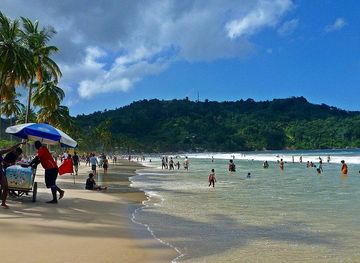
Discover Trinidad and Tobago: A Caribbean paradise where vibrant culture meets stunning natural beauty, offering unique experiences from lively festivals to serene beaches.
Explore Trinidad and Tobago