

Kaçkar Mountains Travel Guide - Free Web & App
Your ultimate guide to Kaçkar Mountains. Discover top landmarks, proposed trips, and local tips. Free on the web or via the Evendo companion app.


Kaçkar Mountains, Türkiye: highland villages, glacial valleys, trekking, wildlife and Pontic culture for hikers and nature lovers.
A High Range Above the Eastern Black Sea
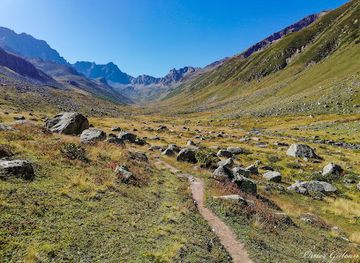
The Kaçkar Mountains rise through north-eastern Türkiye between the humid Black Sea coast and the deeply incised valleys leading towards the Çoruh basin. Their highest summit, Kaçkar Dağı, reaches about 3,937 metres, while a succession of rocky ridges, alpine meadows, glacial lakes and narrow valleys creates one of the country's most demanding and rewarding mountain landscapes. The core protected landscape lies within and around Kaçkar Mountains National Park in Rize Province, although the wider range extends towards Artvin and the interior.Read more about Kaçkar Mountains
Valleys, Yaylas and Local Life
Walking and Mountain Weather
When is the best time to visit Kaçkar Mountains?
Best: July–September · 18–23°C| Month | High (°C) | Rainfall (mm) |
|---|---|---|
| January | 1 | 88 |
| February | 2 | 82 |
| March | 4 | 94 |
| April | 10 | 125 |
| May | 16 | 165 |
| June | 20 | 203 |
| July (best) | 23 | 219 |
| August (best) | 23 | 198 |
| September (best) | 18 | 159 |
| October | 12 | 135 |
| November | 6 | 107 |
| December | 4 | 94 |
Getting to and around Kaçkar Mountains
How to get there
Transportation
Best attractions in Kaçkar Mountains
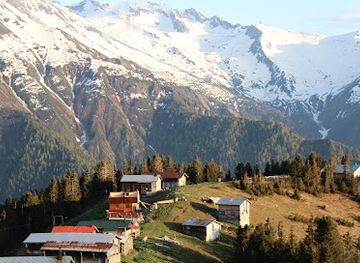
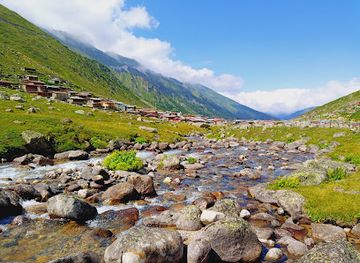
The Fırtına Valley forms the main western approach, combining fast-flowing mountain water, forested slopes, stone bridges and access towards the highlands above Çamlıhemşin. Ayder is the best-known visitor centre in this part of the range, while nearby upland settlements including Pokut, Sal and Kavrun reveal the architectural and pastoral character of the yaylas. Palovit Waterfall provides an accessible natural feature within the western valleys, although conditions and road access should be checked locally. Trekkers head deeper into Kavrun and other high valleys towards alpine passes, glacial basins and routes associated with the Kaçkar summit. On the eastern side, the landscape changes around Artvin, Yusufeli and the Çoruh basin, where dry valley walls contrast with the wetter northern slopes. The attractions are widely dispersed: a scenic road journey, a village visit and a high mountain trek represent very different ways of experiencing the range.
-
National reserve
Kaçkar Mountains National Park
Discover the breathtaking beauty and diverse wildlife of Kaçkar Mountains National Park, a premier destination for nature lovers and adventurers.
-
Nature preserve
POKUT
Discover the untouched beauty of Pokut Yaylası, a serene nature preserve in Rize, offering breathtaking views and peaceful escapes in the heart of Turkey.
-
National reserve
Akyamac Falls Nature Park
Explore Akyamac Falls Nature Park, a stunning national reserve in Rize, Turkey, featuring breathtaking waterfalls and lush landscapes perfect for nature lovers.
-
Tourist attraction
Yukarı Kavrun
Explore Yukarı Kavrun: A breathtaking tourist attraction in Çamlıhemşin, Rize, where nature's beauty meets adventure and tranquility.
Best landmarks in Kaçkar Mountains
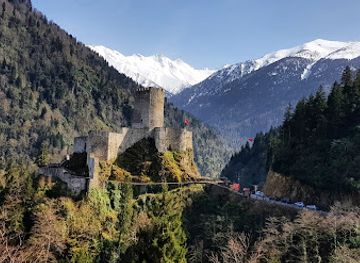
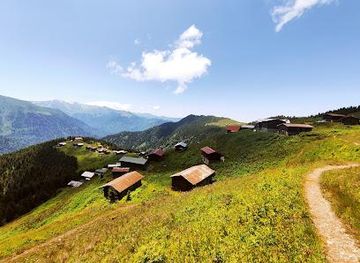
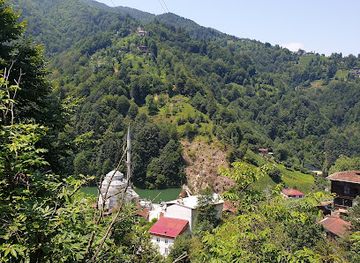
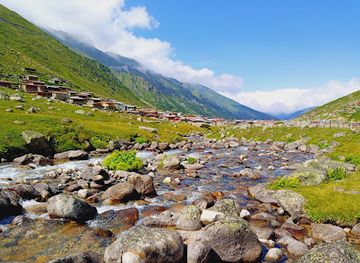
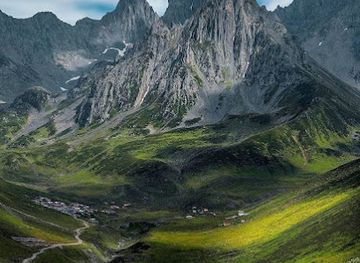
Kaçkar Dağı, rising to about 3,937 metres, is the range's defining high point, while the surrounding ridges, glacial basins and alpine passes form a landmark landscape rather than a single monument. The Fırtına Valley is significant for its river corridor, forested slopes, traditional settlements and historic stone bridges, which demonstrate how communities adapted movement and trade to steep terrain. Ayder is the most recognisable highland settlement on the western side, and the yaylas of Pokut, Sal and Kavrun preserve distinctive upland patterns of pasture use and seasonal habitation. Palovit Waterfall is one of the best-known natural features accessible from the western valleys. Towards Artvin and Yusufeli, the Çoruh basin provides a contrasting eastern setting of drier, sharply cut valleys. These features are spread across a substantial mountain region, not gathered around one central visitor site.
-
National reserve
Kaçkar Mountains National Park
Explore the natural wonder of Kaçkar Mountains National Park – a serene retreat for nature lovers and adventure seekers alike.
-
Mountain peak
Mount Kaçkar
Discover the breathtaking beauty and adventure at Mount Kaçkar, one of Turkey's premier destinations for outdoor enthusiasts and nature lovers.

Explore Kaçkar Mountains on the map
Plan your trip on one map. See where the top attractions, landmarks, restaurants and hotels are, and book hotels and experiences in a few clicks.
Best hotels in Kaçkar Mountains
Best restaurants in Kaçkar Mountains
Food in the Kaçkar region is shaped by the eastern Black Sea landscape, with corn, beans, greens, dairy products, honey, bread and locally produced tea appearing alongside the hearty dishes needed in a mountain climate. Visitors commonly eat at family-run restaurants, cafés, village establishments and accommodation dining rooms in Çamlıhemşin, Ayder, Ardeşen and other gateway settlements rather than at isolated trail locations. Regional specialities may include muhlama, a rich cornmeal and cheese dish, karalahana-based preparations and mıhlama-style breakfasts, although recipes vary between households and districts. In highland villages, menus can be limited and seasonal, while remote walkers should carry provisions rather than expect a restaurant at the end of a route. Artvin-side settlements provide a different culinary setting, influenced by the inland Çoruh landscape and the wider cuisine of north-eastern Anatolia.
-
National reserve
Kaçkar Mountains National Park
Explore Kaçkar Mountains National Park: A breathtaking national reserve offering stunning landscapes, diverse wildlife & unforgettable outdoor adventures.
-
 Resort hotel
Kaçkar Resort Hotel
Discover tranquility at Kaçkar Resort Hotel in the heart of Kaçkar Mountains National Park - where luxury meets nature's beauty.
-
Mountain peak
Mount Kaçkar
Discover the breathtaking beauty and thrilling adventures at Mount Kaçkar, a premier destination for outdoor enthusiasts in Turkey's Rize region.
-
Restaurant
KAÇKARSAN WOOD PALACE RESTAURANT VE SUİT KONAKLAMA
Experience the best of Rize with exquisite dining and luxurious suites at Kaçkarsan Wood Palace Restaurant.
Best bars in Kaçkar Mountains
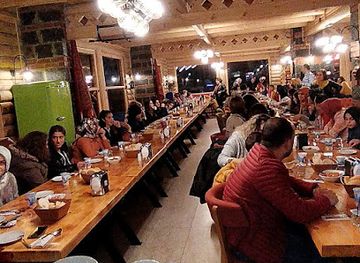
Nightlife is limited across the Kaçkar Mountains and is generally an extension of village hospitality rather than a club scene. Ayder and Çamlıhemşin have the greatest concentration of cafés, restaurants and accommodation-based evening spaces, while other settlements may offer a quiet tea house, family restaurant or traditional local venue rather than late-night entertainment. Evenings in the yaylas are usually centred on conversation, tea, food and the mountain landscape, with occasional seasonal cultural gatherings whose timing varies. Visitors staying in Artvin or other larger gateway towns may find a broader choice of cafés and modest bars, but the range remains regional rather than metropolitan. In remote valleys, darkness, weather and limited transport make it sensible to arrange evening meals and return journeys in advance.
-
Mountain range
Kaçkar Mountains
Explore the stunning landscapes and rich biodiversity of the Kaçkar Mountains, a natural wonder in Turkey's Rize region, ideal for adventure seekers.
-
Restaurant
Noyçayz Cafe& Resturant& Dağ Evleri
Discover the breathtaking Noyçayz Cafe & Restaurant, a mountain cabin retreat offering delectable Turkish cuisine amidst stunning natural landscapes.
-
Bar
Yolluk Bistro - Tekel
Discover the authentic taste of Rize at Yolluk Bistro, a cozy bar in Çamlıhemşin, offering local flavors in a charming atmosphere.
-
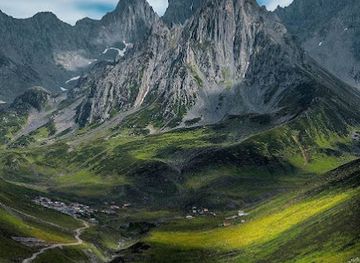
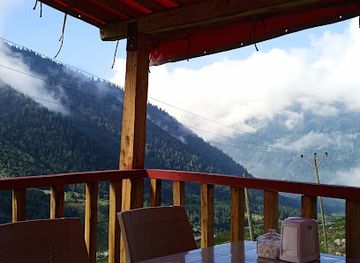
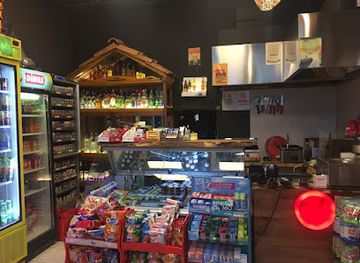
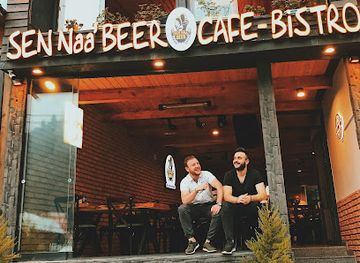
Bistro
Ayder SenNaa’Beer Cafe & Bistro
Experience the rich flavors and cozy ambiance at Ayder SenNaa’Beer Cafe & Bistro, a perfect stop in the picturesque Ayder Plateau.
Best nightclubs in Kaçkar Mountains
Nightlife is limited across the Kaçkar Mountains and is generally an extension of village hospitality rather than a club scene. Ayder and Çamlıhemşin have the greatest concentration of cafés, restaurants and accommodation-based evening spaces, while other settlements may offer a quiet tea house, family restaurant or traditional local venue rather than late-night entertainment. Evenings in the yaylas are usually centred on conversation, tea, food and the mountain landscape, with occasional seasonal cultural gatherings whose timing varies. Visitors staying in Artvin or other larger gateway towns may find a broader choice of cafés and modest bars, but the range remains regional rather than metropolitan. In remote valleys, darkness, weather and limited transport make it sensible to arrange evening meals and return journeys in advance.
-
Mountain range
Kaçkar Mountains
Explore the breathtaking Kaçkar Mountains in Turkey, a stunning destination for nature lovers and adventure seekers alike, featuring rugged peaks and rich cultural heritage.
-
Bar
Yolluk Bistro - Tekel
Experience the authentic flavors and warm hospitality of Çamlıhemşin at Yolluk Bistro, a charming bar in the heart of Rize's stunning landscapes.
-
Pub
NOKARAVEN Pub Palace
Experience the lively ambiance and local flavors at NOKARAVEN Pub Palace in Rize, Turkey – a must-visit for every traveler.

Best shops in Kaçkar Mountains
Shopping in the Kaçkar region is modest and concentrated in gateway settlements rather than at remote mountain viewpoints or trailheads. Çamlıhemşin, Ayder, Ardeşen, Artvin and Yusufeli provide opportunities to buy provisions, outdoor necessities and regionally produced food, while small village shops serve everyday needs. Local honey, tea from the lower eastern Black Sea slopes, cheeses, butter, dried foods and handmade textiles may be available through family businesses or seasonal producers, although stock and opening arrangements vary. In highland communities, visitors may encounter small-scale craft and food sales connected with the yayla season, but these should not be confused with permanent markets. Purchasing directly from legitimate local producers supports the living rural economy; visitors should ask permission before entering private premises or photographing crafts and products.
-
National reserve
Kaçkar Mountains National Park
Explore the breathtaking beauty of Kaçkar Mountains National Park, a natural reserve filled with stunning landscapes, rich wildlife, and endless outdoor adventures.
-
Resort hotel
Kaçkar Resort Hotel
Discover the breathtaking beauty of the Kaçkar Mountains at Kaçkar Resort Hotel, your serene retreat in Rize, Turkey.
-
Tourist attraction
Yukarı Kavrun
Explore the serene beauty and rich culture of Yukarı Kavrun, a breathtaking destination in Rize, Turkey, perfect for nature lovers and adventurers.
-
Mountain peak
Mount Kaçkar
Explore the breathtaking beauty of Mount Kaçkar, a stunning peak in Turkey’s Rize region, perfect for hiking, nature walks, and cultural experiences.
Get your free copy of our complete guide to Kaçkar Mountains, delivered straight to you.
Everything on this page, from attractions and restaurants to essentials and local phrases, in one PDF you can read offline, print or share.
Already have an account? Sign in
Your Kaçkar Mountains guide is ready.
We'll send it to · Not you? Sign out

Getting your guide ready…
We are putting together a fresh copy of the Kaçkar Mountains guide. This can take up to a minute.
This can take a few moments. If your browser asks, choose Allow so the download can start. You'll find the guide in your Downloads folder.
Nothing happened? Download it again
Sorry, the guide is taking longer than usual. Please try again in a minute, or get it by email instead.
Kaçkar Mountains essentials
Currency and Payment
Safety
Emergency Situations
Do's and Don'ts
Local Tips
From Eve
Local phrases worth knowing
You don't need to get them perfect. A few words go a long way, and locals appreciate the effort.
Basics
| English | Local | Say it |
|---|---|---|
| Hello | Merhaba | [Mer-ha-ba] |
| Goodbye | Hoşça kal | [Hosh-cha kal] |
| Yes | Evet | [Eh-vet] |
| No | Hayır | [Ha-yihr] |
| Please/You're welcome | Lütfen | [Loot-fen] |
| Thank you | Teşekkür ederim | [Te-shek-kuur ed-er-im] |
| Excuse me/Sorry | Özür dilerim | [O-zoor dee-le-rem] |
| How are you? | Nasılsınız? | [Na-suhl-suh-nuhz] |
| Fine. And you? | İyiyim. Peki siz? | [Ee-yee-yim. Pe-kee siz] |
| Do you speak English? | İngilizce konuşuyor musunuz? | [Een-gee-leez-jay ko-noo-shu-yor mus-oo-nooz] |
| I don't understand | Anlamıyorum | [An-la-muh-yor-um] |
Eating & Drinking
| English | Local | Say it |
|---|---|---|
| I'd like to see the menu, please | Menüyü görmek istiyorum, lütfen | [Men-oo-yoo gur-mek is-tee-yor-um, loot-fen] |
| I don't eat meat | Ben et yemem | [Ben et ye-mem] |
| Cheers! | Şerefe! | [She-re-fe] |
| I would like to pay, please | Ödemek istiyorum, lütfen | [O-de-mek is-tee-yor-um, loot-fen] |
Emergencies
| English | Local | Say it |
|---|---|---|
| Help! | Yardım! | [Yar-duhm] |
| Go away! | Uzaklaş! | [Oo-zak-lash] |
| Call the Police! | Polisi arayın! | [Po-lee-see ah-rah-yun] |
| Call a doctor! | Doktor çağırın! | [Dok-tor cha-eer-un] |
| I'm lost | Kayboldum | [Kai-bol-dum] |
| I'm ill | Hasta'yım | [Has-ta-yum] |
Shopping
| English | Local | Say it |
|---|---|---|
| I'd like to buy... | Satın almak istiyorum... | [Sat-un al-mak is-tee-yor-um] |
| I'm just looking | Sadece bakıyorum | [Sa-de-je ba-kee-yor-um] |
| How much is it? | Kaç para? | [Kach pa-ra] |
| That's too expensive | Bu çok pahalı | [Boo chok pa-ha-luh] |
| Can you lower the price? | Fiyatı indirebilir misiniz? | [Fee-yah-tuh in-de-re-bee-leer me-sin-iz] |
Time & Numbers
| English | Local | Say it |
|---|---|---|
| What time is it? | Saat kaç? | [Sa-at kach] |
| It's one o'clock | Saat bir | [Sa-at beer] |
| Half past (10) | On buçuk | [On boo-chuk] |
| Morning | Sabah | [Sa-bah] |
| Afternoon | Öğleden sonra | [O-le-dehn son-ra] |
| Evening | Akşam | [Ak-sham] |
| Yesterday | Dün | [Doon] |
| Today | Bugün | [Boo-goon] |
| Tomorrow | Yarın | [Ya-run] |
| 1 | Bir | [Beer] |
| 2 | İki | [Ee-kee] |
| 3 | Üç | [Ooch] |
| 4 | Dört | [Durt] |
| 5 | Beş | [Besh] |
| 6 | Altı | [Al-tuh] |
| 7 | Yedi | [Yeh-dee] |
| 8 | Sekiz | [Seh-keez] |
| 9 | Dokuz | [Do-kooz] |
| 10 | On | [On] |
Transport & Directions
| English | Local | Say it |
|---|---|---|
| Where's a/the...? | ...nerede? | [...neh-reh-deh] |
| What's the address? | Adresi nedir? | [Ad-re-see ne-deer] |
| Can you show me (on the map)? | (Haritada) gösterebilir misiniz? | [(Ha-ree-ta-da) gus-te-re-bee-leer me-sin-iz] |
| When's the next (bus)? | Sonraki (otobüs) ne zaman? | [Son-ra-kee (o-to-boo-s) ne za-man] |
| A ticket (to ....) | Bir bilet (....'e) | [Beer bee-let (....'eh)] |
History of Kaçkar Mountains
A Mountain Range Shaped by Ice and Water
The Kaçkar landscape was formed through the uplift and erosion of the eastern Pontic Mountains, with prolonged glacial activity helping to carve steep valleys, cirques and high basins. Meltwater continues to feed streams descending towards the Black Sea and the Çoruh system. The contrast between heavily watered northern slopes and the more continental eastern valleys is one of the range's defining geographical features, influencing vegetation, settlement and seasonal movement across the mountains.
Ancient Routes and Highland Communities
The mountains have long been inhabited and crossed by communities connected to the eastern Black Sea and inland Anatolia. Rather than functioning as a single political centre, the valleys supported dispersed settlements, local agriculture and seasonal pasture use. The Hemşin and Laz cultural worlds are particularly important in the western and northern approaches, while villages towards Artvin reflect the more varied cultural history of the eastern Pontic interior. Highland paths historically linked summer pastures with permanent settlements below.
Yayla Pastoralism and Valley Agriculture
Seasonal migration to the yaylas remains central to the cultural landscape of the Kaçkars. Families traditionally move livestock to elevated pastures during the warmer months, using mountain meadows that also support haymaking and small-scale pastoral production. At lower elevations, steep valleys have sustained orchards, gardens and, nearer the Black Sea, tea cultivation. Timber buildings, pasture shelters and village tracks record an economy adapted to difficult terrain, abundant rainfall and pronounced changes in altitude.
The Rise of Mountain Travel
Modern interest in the Kaçkars grew through mountaineering, trekking and exploration of the eastern Black Sea highlands. Ayder became a prominent base for visitors approaching the Fırtına Valley, while trekking routes connecting valleys and yaylas brought wider attention to the range. Roads have made some upland settlements more accessible, but many high routes remain remote and weather-dependent. Tourism has consequently developed alongside, rather than replacing, the region's pastoral and village traditions.
Protection and Contemporary Conservation
Kaçkar Mountains National Park was established in 1994 to protect a large section of the range's forests, alpine meadows, waterways and high mountain habitats. Conservation now operates within a landscape that is also lived in and used by local communities. Visitor pressure, road construction, waste management, changing pasture practices and the effects of climate change all influence the balance between access and environmental protection. Responsible trekking and respect for village and pasture life are essential aspects of visiting the protected area.
Kaçkar Mountains in Photos
Browse through our photo collection highlighting the charm and character of the destination.
Neighbouring destination travel guides
The closest destinations to Kaçkar Mountains, if you have time for more than one.
-

-

-

-

-


Swipe for more destinations
Explore more

Explore more of Eastern Anatolia Region
Discover the majestic landscapes, ancient ruins, and vibrant culture of Eastern Anatolia Region in Turkiye.
Explore Eastern Anatolia Region
Explore more of Turkiye
Discover Turkiye: Where ancient history, stunning landscapes, and vibrant culture come together to create an unforgettable travel experience.
Explore Turkiye