

Free Black Sea Region Travel Guide & Mobile App
Explore Black Sea Region with free travel guides. Discover regional history, expert tips, proposed trips, and audio guides on web or mobile app.


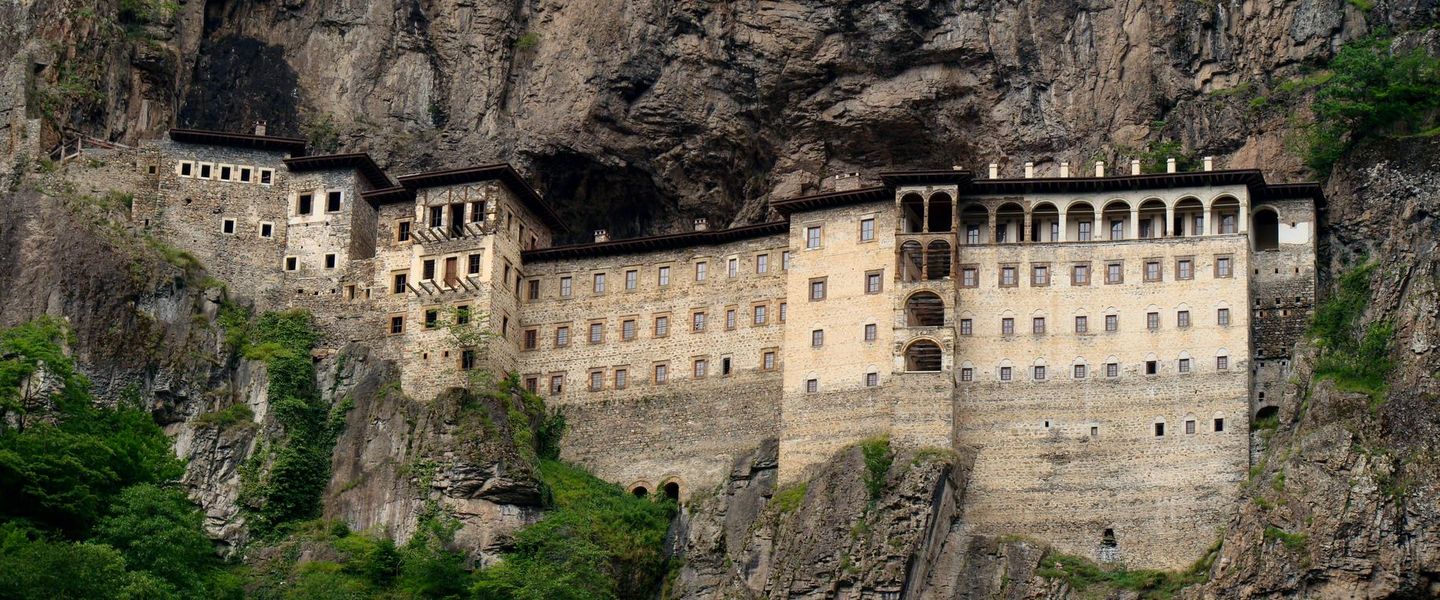


Explore Türkiye’s Black Sea Region for misty mountains, tea terraces, Ottoman towns, coastal food and monasteries above deep Pontic valleys.
Read more about Black Sea Region
When is the best time to visit Black Sea Region?
Best: May–June, September · 24–28°C| Month | High (°C) | Rainfall (mm) |
|---|---|---|
| January | 12 | 60 |
| February | 12 | 55 |
| March | 15 | 60 |
| April | 19 | 65 |
| May (best) | 24 | 70 |
| June (best) | 28 | 80 |
| July | 30 | 85 |
| August | 30 | 80 |
| September (best) | 26 | 75 |
| October | 21 | 70 |
| November | 15 | 65 |
| December | 13 | 60 |
Getting to and around Black Sea Region
How to get there
Transportation
Top city travel guides in Black Sea Region
The cities of Black Sea Region, and the easiest places to base yourself.
-

-

-
-


Swipe for more cities
Destinations in Black Sea Region
Resorts, valleys and scenic spots worth a trip of their own.
-

-

-


Swipe for more destinations
Best attractions in Black Sea Region
The Black Sea Region’s attractions are defined by contrasts between the coast, river valleys, forested mountains and inland historic towns. Safranbolu’s preserved Ottoman houses provide one of the country’s clearest examples of traditional urban architecture, while Amasya combines riverside Ottoman residences, rock-cut royal tombs and a long Anatolian history. Hattusa and Yazılıkaya near Boğazkale offer an important archaeological perspective on the Hittite world, and Sinop adds harbour history, fortifications and a peninsula setting. In the east, Trabzon is the chief base for visiting Sumela Monastery, dramatically positioned in a wooded mountain gorge, while Rize and Artvin open routes towards tea terraces, waterfalls, highland settlements and more demanding mountain landscapes. Beaches and promenades occur along the coast, although the region is not primarily a resort destination. Forest parks, lakes, canyon walks and scenic roads provide outdoor opportunities, but access and weather vary considerably. Museums, mosques, churches, traditional houses, local markets and tea gardens complete an attraction landscape that rewards moving between several bases rather than concentrating on one city.
-
Aquarium
Istanbul Aquarium
Experience the magic of marine life at Istanbul Aquarium, an immersive underwater adventure in the heart of Florya.
-
Museum
Atatürk Pavilion
Explore the historic Atatürk Pavilion in Trabzon, a beautiful museum surrounded by lush gardens and rich in Turkish heritage.
-
Castle
Sinop Castle
Explore the rich history and stunning views of Sinop Castle, a remarkable fortress overlooking the Black Sea in Turkey.
-
Park
Hıdırnebi Yaylası
Experience the breathtaking beauty of Hıdırnebi Yaylası in Trabzon, Turkey, where hiking trails, lush landscapes, and serene picnic spots await you.


Best landmarks in Black Sea Region
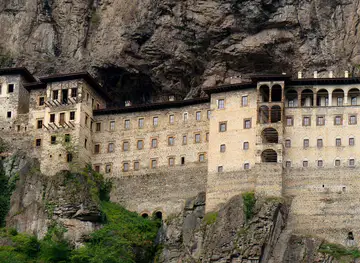
The region’s most recognisable landmarks range from ancient capitals to mountain monasteries and Ottoman streetscapes. Hattusa’s Lion Gate, Royal Gate and massive defensive walls near Boğazkale represent the power of the Hittite state, while the nearby Yazılıkaya sanctuary preserves processional rock reliefs. In Amasya, the Pontic kings’ rock-cut tombs rise above the Yeşilırmak valley, creating a distinctive meeting of archaeology and cityscape. Safranbolu’s timber-framed houses, narrow lanes and mosques form an unusually coherent Ottoman townscape. Sumela Monastery, set high in a cliffside valley near Maçka in Trabzon Province, is one of the eastern Black Sea’s defining architectural images, combining a dramatic setting with centuries of monastic history. The Sinop peninsula and its historic harbour express the region’s maritime geography, while Rize’s steep tea-covered slopes and Artvin’s deeply incised valleys are natural landmarks shaped by agriculture and mountain geology. These places are significant not only as photographic viewpoints but as evidence of the region’s overlapping civilisations and working landscapes.
-
Aquarium
Istanbul Aquarium
Discover the breathtaking marine life at the Istanbul Aquarium, an aquatic paradise perfect for families and nature lovers alike.
-
Archaeological museum
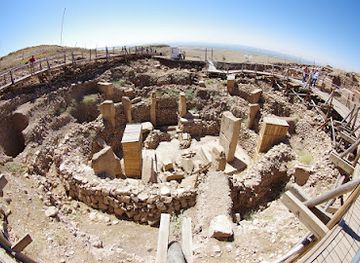
Göbeklitepe
Explore Göbeklitepe, the world's oldest temple complex, where ancient history and archaeological wonders come together in the heart of Turkey.
-
National reserve
Golcuk Nature Park
Experience the natural beauty and serene landscapes of Golcuk Nature Park, a perfect getaway for hiking, picnicking, and enjoying Turkey's picturesque scenery.
-
Sea
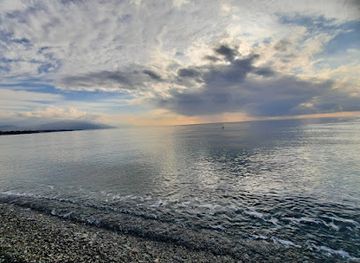
Black Sea
Discover the beauty and charm of the Black Sea, a coastal paradise offering stunning views, rich culture, and unforgettable experiences for every traveler.


Explore Black Sea Region on the map
Plan your trip on one map. See where the top cities, national parks and sights are, and book hotels and experiences in a few clicks.
Best hotels in Black Sea Region
Best restaurants in Black Sea Region
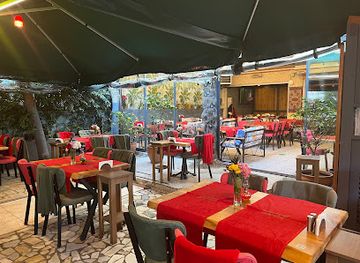
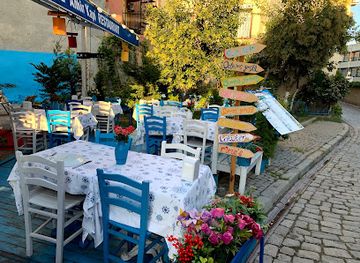
Dining in the Black Sea Region is closely tied to its humid coast, productive valleys and mountain households. Cornmeal, cabbage, beans, dairy, pickled vegetables, anchovies and hazelnuts recur in local cooking, while regional specialities include hamsi dishes, mıhlama or kuymak, corn breads, pide styles and hearty vegetable preparations. The eastern coast is particularly associated with tea, served throughout the day in cafés and gardens, while hazelnuts are prominent around Ordu and Giresun. Samsun, Trabzon and other larger towns offer the broadest choice of restaurants, bakeries and modern cafés; smaller towns are better known for lokantas, grills, village breakfasts and family-run establishments. Fish restaurants are most closely connected with the coastal ports, although menus depend on season and supply. Inland areas often emphasise meat, grains, dairy and produce from nearby farms. Markets and roadside stalls are useful for fruit, nuts, bread and regional preserves, but travellers should distinguish genuinely local products from packaged souvenirs aimed at visitors.
-
Restaurant
Hidden Garden
Experience exquisite Turkish and European cuisine at Hidden Garden - where every meal is a journey through flavor.
-
Restaurant
Garden 1897 Restaurant
Discover Garden 1897: A delightful blend of traditional Turkish flavors and modern dining set within an enchanting garden ambiance.
-
Seafood
Fish Home Ahhir Kapi Restaurant
Experience the best of Istanbul's seafood at Fish Home Ahhir Kapi Restaurant - where Mediterranean flavors meet stunning waterfront views.
-
Turkish
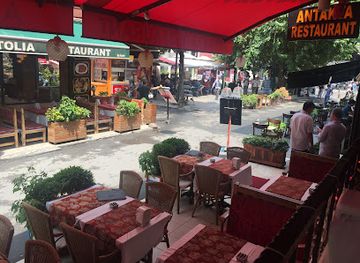
ANTAKYA RESTAURANT
Discover authentic Turkish flavors at Antakya Restaurant - A must-visit culinary gem in Istanbul offering diverse Mediterranean cuisine.

Best bars in Black Sea Region
Evening life varies sharply across the region. In Samsun, Trabzon and other larger coastal cities, visitors will find cafés, tea gardens, restaurants, hotel bars and a modest selection of contemporary bars and live-music venues. University populations contribute to a younger evening scene in some urban districts, although it remains smaller than in Istanbul or Ankara. In towns such as Sinop, Amasya and Safranbolu, evenings generally centre on cafés, traditional restaurants, riverside or harbour walks and historic inns rather than large nightclubs. Rural areas and highland settlements are quieter, with social life often organised around family gatherings, tea and local restaurants. Alcohol is available in licensed venues, but it is not central to every setting; visitors should follow local norms, especially in conservative districts and village communities. Opening arrangements and seasonal activity can change, so local enquiries are more reliable than assuming a nightlife district operates throughout the year.
-
Sea
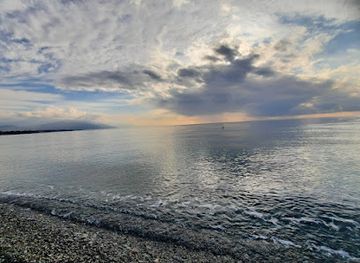
Black Sea
Discover the enchanting Black Sea, where stunning beaches meet rich history and vibrant culture, creating the ultimate coastal getaway.
-
Strait
Bosphorus
Discover the enchanting Bosphorus Strait, where stunning views, rich history, and vibrant culture blend perfectly in Turkey's iconic waterway.
-
Pub
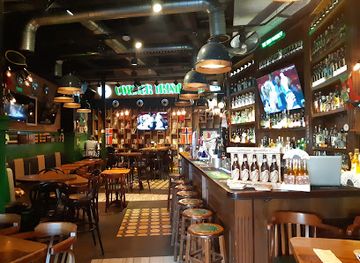
Celtic Irish Pub Istanbul
Experience the lively spirit of Ireland at Celtic Irish Pub in Istanbul, where great food, drinks, and music come together for an unforgettable night out.
-
Pub
Corner Irish Pub
Discover the lively spirit of Corner Irish Pub in Istanbul, where Irish hospitality meets the vibrant culture of Beyoğlu.


Best nightclubs in Black Sea Region
Evening life varies sharply across the region. In Samsun, Trabzon and other larger coastal cities, visitors will find cafés, tea gardens, restaurants, hotel bars and a modest selection of contemporary bars and live-music venues. University populations contribute to a younger evening scene in some urban districts, although it remains smaller than in Istanbul or Ankara. In towns such as Sinop, Amasya and Safranbolu, evenings generally centre on cafés, traditional restaurants, riverside or harbour walks and historic inns rather than large nightclubs. Rural areas and highland settlements are quieter, with social life often organised around family gatherings, tea and local restaurants. Alcohol is available in licensed venues, but it is not central to every setting; visitors should follow local norms, especially in conservative districts and village communities. Opening arrangements and seasonal activity can change, so local enquiries are more reliable than assuming a nightlife district operates throughout the year.
-
Night club
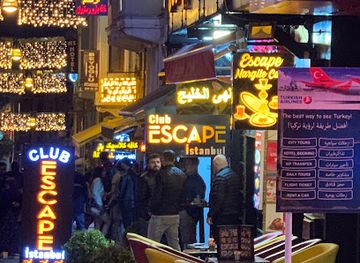
Escape Club İstanbul
Experience the vibrant nightlife of Istanbul at Escape Club, where electrifying music and an energetic atmosphere await you.
-
Night club
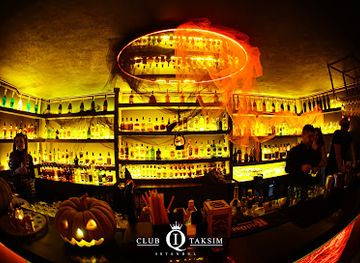
Taksim Club IQ
Discover the pulsating nightlife of Istanbul at Taksim Club IQ, a premier spot for dancing, live music, and unforgettable experiences.
-
Night club
Çiçek Pera İstanbul
Discover the electric atmosphere of Çiçek Pera İstanbul, the ultimate night club experience in the heart of Istanbul's vibrant Beyoğlu district.
-
Night club
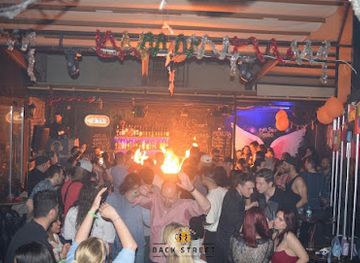
Back Street Club & Rooftop Bar Taksim
Experience the vibrant nightlife of Istanbul at Back Street Club & Rooftop Bar, where stunning views and electrifying music come together for an unforgettable evening.

Best shops in Black Sea Region
Shopping is more regional and market-oriented than centred on major luxury districts. Historic towns such as Safranbolu are known for restored streets containing craft shops, traditional foods, soaps, confectionery and small-scale souvenirs, while Amasya’s central areas offer local produce and gifts associated with the inland valleys. Across the coast, look for hazelnuts and hazelnut products from Ordu and Giresun, tea from Rize, honey, dried fruit, preserves, wooden objects and regional textiles. Covered markets and weekly bazaars are useful places to buy bread, cheese, seasonal fruit, spices and household goods, though market days differ by town. Trabzon and Samsun provide the broadest selection of contemporary retail, department stores and branded shopping, while smaller centres focus on independent shops and practical goods. In rural districts, buy directly from reputable producers where possible and check packaging and transport conditions for food. Handicrafts vary by locality, so ask about provenance rather than assuming every item sold in a tourist area was made nearby.
-
Bazar
Egyptian Bazaar
Explore the Egyptian Bazaar, Istanbul's vibrant market filled with exotic spices, sweets, and unique souvenirs in a historic setting.
-
 Bazar
Grand Bazaar
Discover the Grand Bazaar in Istanbul: A vibrant market filled with treasures, rich history, and unique shopping experiences.
-
Shopping mall
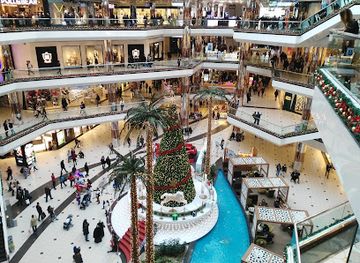
İstanbul Cevahir Shopping Mall
Explore the vibrant shopping, dining, and entertainment experience at İstanbul Cevahir Shopping Mall, a premier retail destination in Istanbul.
-
Shopping mall
Aqua Florya
Explore Aqua Florya, Istanbul's premier shopping mall, where luxury shopping meets stunning seaside views and delightful dining experiences.


Get your free copy of our complete guide to Black Sea Region, delivered straight to you.
Everything on this page, from attractions and restaurants to essentials and local phrases, in one PDF you can read offline, print or share.
Already have an account? Sign in
Your Black Sea Region guide is ready.
We'll send it to · Not you? Sign out

Getting your guide ready…
We are putting together a fresh copy of the Black Sea Region guide. This can take up to a minute.
This can take a few moments. If your browser asks, choose Allow so the download can start. You'll find the guide in your Downloads folder.
Nothing happened? Download it again
Sorry, the guide is taking longer than usual. Please try again in a minute, or get it by email instead.
Black Sea Region essentials
Currency and Payment
Safety
Emergency Situations
Do's and Don'ts
Local Tips
From Eve
Local phrases worth knowing
You don't need to get them perfect. A few words go a long way, and locals appreciate the effort.
Basics
| English | Local | Say it |
|---|---|---|
| Hello | Merhaba | [Mehr-hah-bah] |
| Goodbye | Hoşça kal | [Hosh-chah kahl] |
| Yes | Evet | [Eh-vet] |
| No | Hayır | [Hah-yuhr] |
| Please/You're welcome | Lütfen/Rica ederim | [Lüt-fen/Rij-ah eh-deh-rim] |
| Thank you | Teşekkür ederim | [Teh-shehk-koor eh-deh-rim] |
| Excuse me/Sorry | Affedersiniz/Üzgünüm | [Ahf-feh-dehr-seen-iz/Üz-gün-üm] |
| How are you? | Nasılsınız? | [Nah-suhl-suhn-uhz] |
| Fine. And you? | İyiyim. Siz nasılsınız? | [Ee-yee-yim. Siz nah-suhl-suhn-uhz] |
| Do you speak English? | İngilizce biliyor musunuz? | [Een-gee-leez-jee bee-lee-yor moo-soo-nooz] |
| I don't understand | Anlamıyorum | [Ahn-lah-muh-yor-uhm] |
Eating & Drinking
| English | Local | Say it |
|---|---|---|
| I'd like to see the menu, please | Menüyü görmek istiyorum lütfen | [Meh-nü-yü gör-mek ees-tee-yor-um lüt-fen] |
| I don't eat meat | Et yemiyorum | [Et yeh-mee-yor-um] |
| Cheers! | Şerefe! | [Sheh-reh-feh] |
| I would like to pay, please | Ödemek istiyorum lütfen | [Öh-deh-mek ees-tee-yor-um lüt-fen] |
Emergencies
| English | Local | Say it |
|---|---|---|
| Help! | Yardım edin! | [Yahr-dum eh-deen] |
| Go away! | Defol! | [Deh-fol] |
| Call the Police! | Polisi arayın! | [Poh-lee-see ah-rah-yin] |
| Call a doctor! | Doktor çağırın! | [Dohk-tor chah-uh-rin] |
| I'm lost | Kayboldum | [Kah-y-bol-dum] |
| I'm ill | Hastayım | [Has-tah-yum] |
Shopping
| English | Local | Say it |
|---|---|---|
| I'd like to buy... | Satın almak istiyorum... | [Sah-tuhn ahl-mak ees-tee-yor-um] |
| I'm just looking | Sadece bakıyorum | [Sah-jet-seh bah-kee-yor-um] |
| How much is it? | Bu ne kadar? | [Boo neh kah-dahr] |
| That's too expensive | Bu çok pahalı | [Boo chohk pah-hah-luh] |
| Can you lower the price? | Fiyatı düşürebilir misiniz? | [Fee-yah-tuh dü-shu-reh-bee-leer mee-see-niz] |
Time & Numbers
| English | Local | Say it |
|---|---|---|
| What time is it? | Saat kaç? | [Sah-aht kahch] |
| It's one o'clock | Saat bir | [Sah-aht beer] |
| Half past (10) | Onu geçiyor | [Ohn-oo geh-chee-yor] |
| Morning | Sabah | [Sah-bah] |
| Afternoon | Öğleden sonra | [Uhr-leh-den sohn-rah] |
| Evening | Akşam | [Ahk-shahm] |
| Yesterday | Dün | [Dün] |
| Today | Bugün | [Boo-gün] |
| Tomorrow | Yarın | [Yah-ruhn] |
| 1 | Bir | [Beer] |
| 2 | İki | [Ee-kee] |
| 3 | Üç | [Üch] |
| 4 | Dört | [Dört] |
| 5 | Beş | [Besh] |
| 6 | Altı | [Ahl-tuh] |
| 7 | Yedi | [Yeh-dee] |
| 8 | Sekiz | [Seh-keez] |
| 9 | Dokuz | [Doh-kooz] |
| 10 | On | [Ohn] |
Transport & Directions
| English | Local | Say it |
|---|---|---|
| Where's a/the...? | Nerede...? | [Neh-reh-deh] |
| What's the address? | Adres nedir? | [Ah-dres neh-deer] |
| Can you show me (on the map)? | Haritada gösterebilir misiniz? | [Hah-ree-tah-dah gho-stay-reh-bee-leer mee-see-niz] |
| When's the next (bus)? | Bir sonraki (otobüs) ne zaman? | [Beer sohn-rah-kee (oh-toh-büs) neh zah-mahn] |
| A ticket (to ....) | Bir bilet (....) | [Beer bee-let (....)] |
History of Black Sea Region
Bronze Age Kingdoms and Hattusa
The southern and central margins of the Black Sea Region preserve major evidence of Bronze Age Anatolia. Hattusa, near Boğazkale in Çorum Province, was the capital of the Hittite Empire from approximately the seventeenth to the early twelfth century BCE. Its monumental gates, temples, fortifications and rock sanctuary at Yazılıkaya reveal the scale of Hittite political and religious organisation. Other parts of the region later fell within the spheres of Phrygian, Persian and Hellenistic powers, leaving a historical landscape in which inland river valleys connected the Black Sea coast with central Anatolia.
Greek Colonies and the Kingdom of Pontus
From the first millennium BCE, Greek-speaking settlers established trading centres around the southern Black Sea, including Sinope, modern Sinop, and Amisos, whose remains lie beneath or near modern Samsun. These ports linked maritime commerce with inland routes carrying timber, metals, grain and agricultural goods. Much of the central and eastern hinterland later formed the Kingdom of Pontus, which reached its greatest prominence under Mithridates VI in the first century BCE. Roman expansion eventually absorbed the area, but the region’s connections to Black Sea trade and a mixed coastal population continued through later centuries.
Roman and Byzantine Black Sea
Roman rule brought the coastal ports and strategic inland routes into a wider imperial system, while Byzantine authority later centred on fortified towns, church foundations and commercial harbours. Trabzon became particularly important as the principal city of the Empire of Trebizond, founded in 1204 after the Fourth Crusade and lasting until the Ottoman conquest in 1461. Monastic centres in the surrounding mountains, including the foundation at Sumela, reflect the long Christian history of the eastern region. Fortifications, churches and urban remains across the coast illustrate the importance of the Black Sea frontier.
Turkic Settlement and Ottoman Incorporation
Turkic dynasties expanded into the interior after the Battle of Manzikert in 1071, although coastal areas changed hands at different times and retained varied communities and political affiliations. Ottoman control developed gradually, with Trabzon incorporated in 1461 and northern ports and inland towns integrated into imperial administrative and commercial networks. Caravan routes, religious foundations, timber houses, baths and covered markets shaped settlements such as Amasya, Kastamonu and Safranbolu. Safranbolu’s preserved urban fabric is especially valuable evidence of the Ottoman town, whose prosperity was linked to trade between Anatolia and the Black Sea.
Ports, Shipping and Regional Trade
During the Ottoman period and the nineteenth century, Black Sea ports handled agricultural produce, timber, minerals and manufactured goods moving between Anatolia, the Caucasus, Russia and the wider Mediterranean economy. Samsun, Sinop, Trabzon and other harbours served different commercial and military roles, while inland towns supplied grain, livestock, tobacco, hazelnuts and forest products. Steam navigation and improved roads altered older caravan patterns, but the coast’s dependence on maritime trade remained significant. Port warehouses, old harbour districts and market traditions preserve aspects of this commercial past.
War, Population Change and the Early Republic
The late Ottoman years brought warfare, displacement and profound demographic change to the Black Sea provinces, particularly during the First World War and the conflicts that followed. Samsun is closely associated with Mustafa Kemal Atatürk’s arrival on 19 May 1919, a date commemorated in the history of the Turkish War of Independence. Population exchanges and migration transformed many coastal communities, while the early Republic invested in roads, ports, schools and public administration. Modern towns consequently combine Ottoman and older regional layers with twentieth-century civic architecture.
Tea, Hazelnuts and Modern Regional Identity
Twentieth-century economic change strengthened the distinctive agricultural identities of the eastern and central coast. Tea cultivation expanded particularly in Rize after the early Republican period and became central to the province’s economy and landscape. Türkiye also became a major producer and exporter of hazelnuts, with extensive orchards across parts of Ordu and Giresun. These crops shaped household livelihoods, seasonal labour and the appearance of steep coastal slopes. Contemporary Black Sea identity combines this agricultural heritage with urban growth, migration, football culture, music, highland pastoral traditions and continuing links between coastal cities and mountain villages.
Black Sea Region in Photos
Browse through our photo collection highlighting the charm and character of the destination.
Neighbouring regions of Black Sea Region
The closest regions to Black Sea Region, if you have time for more than one.
-
-

-

-

-


Swipe for more regions
Explore more
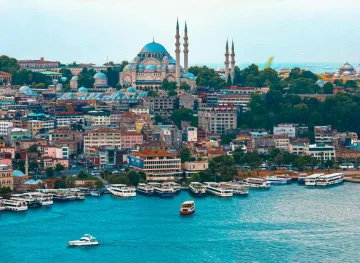
Explore more of Turkiye
Discover Turkiye: Where ancient history, stunning landscapes, and vibrant culture come together to create an unforgettable travel experience.
Explore Turkiye