

Ssese Islands Travel Guide - Free Web & App
Your ultimate guide to Ssese Islands. Discover top landmarks, proposed trips, and local tips. Free on the web or via the Evendo companion app.


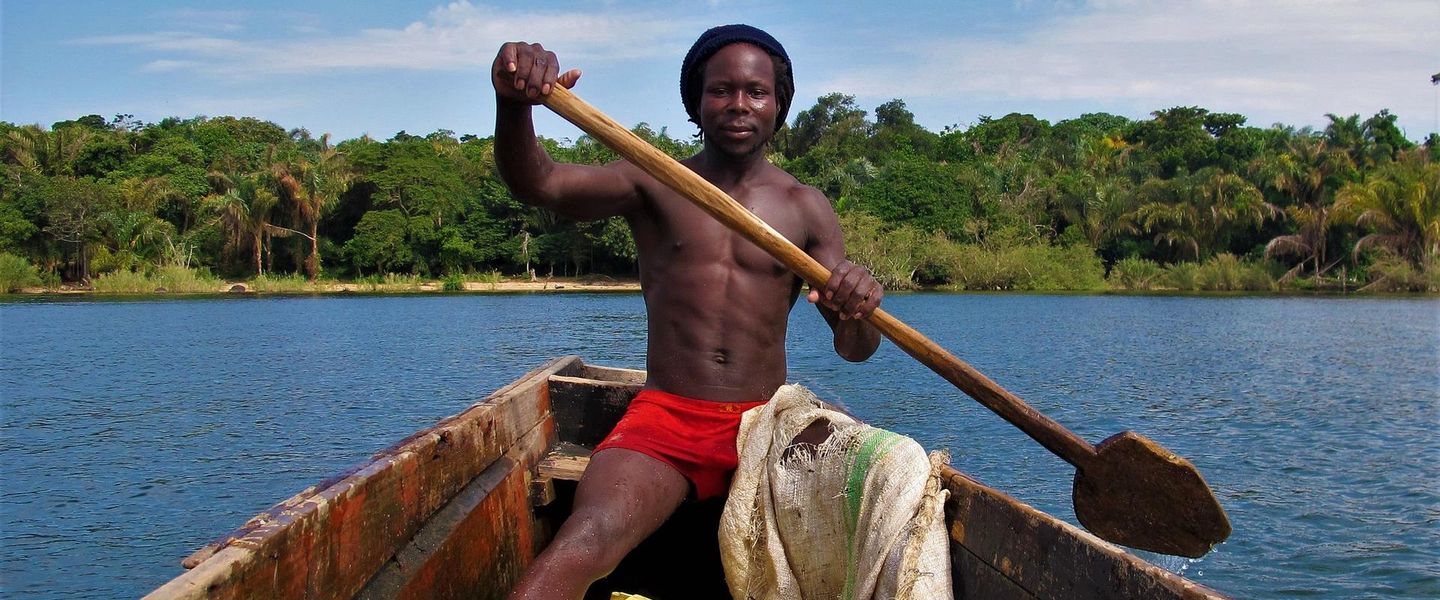

Explore Uganda’s Ssese Islands for Lake Victoria beaches, forest walks, island culture, fishing villages, wildlife and peaceful escapes from mainland travel.
Water, Forest and Island Life
The Ssese Islands form an archipelago of 84 islands in the north-western part of Lake Victoria, within Uganda’s Kalangala District. The largest and most developed island is Bugala, whose main settlement, Kalangala, serves as the practical gateway for most visitors. Around it, smaller islands retain a quieter character, with fishing communities, forested interiors and limited visitor infrastructure. The lake is the defining presence: broad horizons, changing light, sandy shores and waterborne travel shape the rhythm of a stay.Read more about Ssese Islands
Bugala and the Wider Archipelago
Culture and the Lake Victoria Experience
When is the best time to visit Ssese Islands?
Best: June–August · 30°C| Month | High (°C) | Rainfall (mm) |
|---|---|---|
| January | 31 | 150 |
| February | 31 | 145 |
| March | 32 | 140 |
| April | 31 | 110 |
| May | 31 | 70 |
| June (best) | 30 | 50 |
| July (best) | 30 | 45 |
| August (best) | 30 | 55 |
| September | 31 | 90 |
| October | 31 | 120 |
| November | 32 | 130 |
| December | 31 | 140 |
Getting to and around Ssese Islands
How to get there
Transportation
Best attractions in Ssese Islands
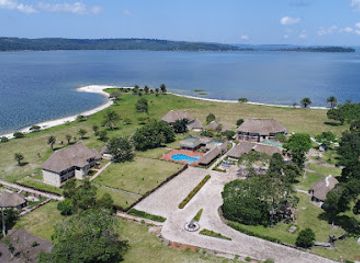
Bugala Island contains the Ssese Islands’ main concentration of visitor attractions, beginning with the shores and beaches around Lutoboka Bay, where broad lake views and forested surroundings create the archipelago’s most accessible lakeside experience. Kalangala town provides a glimpse of island life and is a useful starting point for exploring by road. Inland routes pass through rural communities, cultivated land and oil-palm plantations, while pockets of forest offer opportunities for guided walks and birdwatching. The island’s beaches are varied in character and may be attached to accommodation or reached through local access arrangements rather than forming one continuous public resort. Boat excursions can reveal a different perspective on the archipelago and may connect visitors with smaller islands such as Bukasa or Banda, although services and facilities there are limited. Fishing landing sites, village roads and the changing shoreline are attractions in their own right, provided visitors observe local etiquette and do not disrupt working communities.
-
Resort hotel
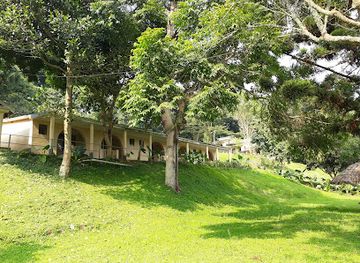
Victoria Forest Resort
Discover tranquility and adventure at Victoria Forest Resort, a serene getaway on Bugala Island with breathtaking views of Lake Victoria.
-
 Campground
Banda Island Resort
Experience the serene landscapes and warm hospitality of Banda Island Resort, a perfect retreat for nature lovers and adventure seekers alike.
-
Museum
Ssese Islands Aquatic and Farm Museum
Discover the rich aquatic life and sustainable farming at the Ssese Islands Aquatic and Farm Museum in the scenic Kalangala region.
-
Tourist attraction
John Speke's Fort
Discover the historical essence of Uganda at John Speke's Fort, nestled along the picturesque Lutoboka Bay, a perfect blend of adventure and heritage.
Best landmarks in Ssese Islands
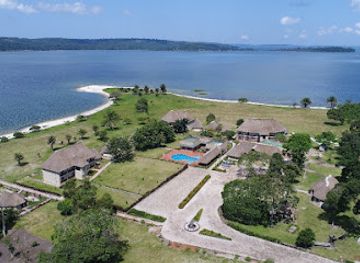
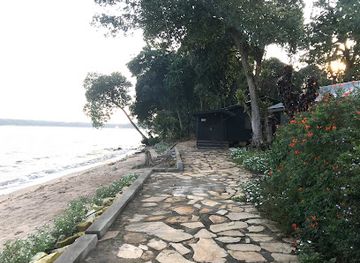
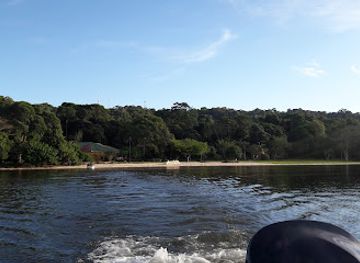
Lake Victoria itself is the Ssese Islands’ defining natural landmark, with open water, island horizons and changing weather giving the archipelago its geographical identity. On Bugala, Lutoboka Bay is the best-known lakeshore landmark, combining a sheltered-looking bay, beaches and forested surroundings, although conditions and access vary along the shore. Kalangala town is the principal human landmark: a small island centre where ferry arrivals, local commerce and roads into the interior converge. Elsewhere, forest patches, fishing landing sites and the cultivated landscape of Bugala reveal the relationship between communities and their environment. Smaller islands such as Bukasa and Banda are significant less for monumental buildings than for their separation, village life and lake setting. The islands do not possess a dense collection of grand architectural monuments; their importance lies in the interaction of freshwater geography, Buganda cultural connections, working shorelines and rural island landscapes.
-
Resort hotel
Brovad Sands Lodge Kalangala
Discover the tranquil beauty of Brovad Sands Lodge Kalangala, a premier resort hotel on the shores of Lake Victoria, perfect for relaxation and adventure.
-
Resort hotel
Victoria Forest Resort
Experience the tranquility and natural beauty of Victoria Forest Resort in Uganda's Ssese Islands, a perfect blend of adventure and relaxation.
-
Resort hotel
Mirembe Resort Beach Hotel
Experience tranquility and adventure at Mirembe Resort Beach Hotel, your perfect getaway on Bugala Island, surrounded by stunning nature and luxury.
-
Island
Bugala Island
Unwind in the tranquil beauty of Bugala Island, the largest of the Ssese Islands, where pristine beaches meet vibrant wildlife and rich cultural experiences.
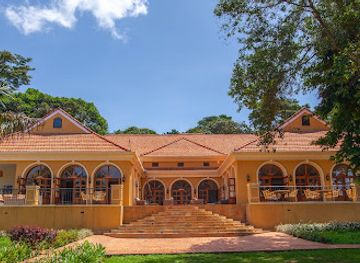
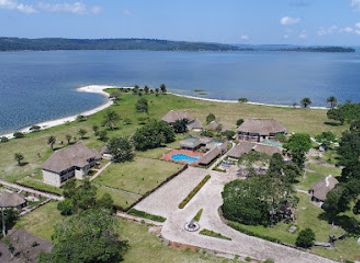
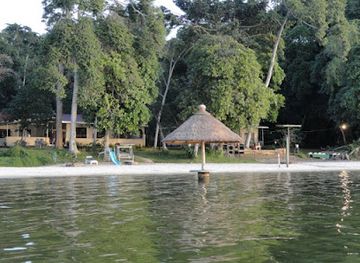
Explore Ssese Islands on the map
Plan your trip on one map. See where the top attractions, landmarks, restaurants and hotels are, and book hotels and experiences in a few clicks.
Best hotels in Ssese Islands
Best restaurants in Ssese Islands
Dining on the Ssese Islands is concentrated around Kalangala, Lutoboka Bay and accommodation properties, with fewer independent choices on the smaller islands. Menus commonly reflect Ugandan staples and lakeside life: grilled or fried fish where locally sourced and legally available, matoke, rice, beans, cassava, chips, chapati and seasonal vegetables. Freshwater fish is an important part of the regional food culture, but availability varies with catches, conservation measures and supply. Guesthouses and lodges often provide the most dependable meals, while small local eateries and shops around settlements offer simpler food for travellers who plan ahead. Visitors should not expect a large restaurant scene or late-night dining outside the main hubs. Carrying snacks and confirming meal arrangements before boat trips or excursions is sensible, particularly when travelling to smaller islands where food services are limited.
-
Resort hotel
Brovad Sands Lodge Kalangala
Experience serenity at Brovad Sands Lodge Kalangala – where luxury meets nature on the shores of Lake Victoria.
-
Resort hotel
Victoria Forest Resort
Discover tranquility at Victoria Forest Resort in Uganda’s Ssese Islands – a serene escape surrounded by nature's beauty.
-
Restaurant
Mirembe Resort Beach Hotel
Experience tranquility at Mirembe Resort Beach Hotel on Bugala Island—where relaxation meets adventure amidst breathtaking natural beauty.
-
Resort hotel
Ssese Islands Beach Hotel
Discover tranquility at Ssese Islands Beach Hotel - your gateway to Uganda's beautiful lakeside paradise with stunning views and endless adventures.
Best bars in Ssese Islands
The Ssese Islands are not a major nightlife destination, and evening entertainment is generally centred on accommodation bars, relaxed lakeside drinking and a small number of local gathering places around Kalangala. Visitors may find beer, soft drinks, spirits and simple meals, while music and social activity can be more noticeable at weekends or during local celebrations, but schedules and venues are not dependable enough to plan around. Outside the main settlement, evenings are usually quiet, with the sounds of the lake and rural communities taking precedence over organised entertainment. Respect local customs and keep noise moderate near homes, fishing areas and shared accommodation. Travellers seeking a larger choice of bars or clubs will need to return to mainland centres such as Entebbe or Kampala rather than treating the archipelago as an urban nightlife hub.
-
Bar
Kisisira Country Club (Club Waves) Kalangala
Discover the lively vibes of Kisisira Country Club in Kalangala, where great music and refreshing drinks create unforgettable nights.
-
African
Desire Restaurant
Savor the flavors of Uganda at Desire Restaurant, where authentic African dishes meet a warm, inviting atmosphere in Kalangala.
-
Bar
EDDYS PORK PALACE. BAR AND GRILL
Experience the authentic flavors of Uganda at Eddy's Pork Palace, Kalangala's premier bar and grill, specializing in delicious pork dishes.
-
Restaurant
BEAM Bites
Discover the culinary delights of Kalangala at BEAM Bites, where local flavors meet international cuisine in a vibrant setting.
Best nightclubs in Ssese Islands
The Ssese Islands are not a major nightlife destination, and evening entertainment is generally centred on accommodation bars, relaxed lakeside drinking and a small number of local gathering places around Kalangala. Visitors may find beer, soft drinks, spirits and simple meals, while music and social activity can be more noticeable at weekends or during local celebrations, but schedules and venues are not dependable enough to plan around. Outside the main settlement, evenings are usually quiet, with the sounds of the lake and rural communities taking precedence over organised entertainment. Respect local customs and keep noise moderate near homes, fishing areas and shared accommodation. Travellers seeking a larger choice of bars or clubs will need to return to mainland centres such as Entebbe or Kampala rather than treating the archipelago as an urban nightlife hub.
-
Bar
Kisisira Country Club (Club Waves) Kalangala
Kisisira Country Club in Kalangala: Experience vibrant nightlife with local drinks and live music in a tropical paradise.
-
Beach
Ssese Island Club
Experience the beauty of Ssese Island Club, where lush landscapes meet tranquil beaches on the shores of Lake Victoria.
-
Hotel
Islands Club
Discover tranquility at Islands Club in Kalangala, Uganda, where stunning views and warm hospitality await every traveler.
-
Club
Islands Club Ltd
Experience the electrifying atmosphere at Islands Club Ltd, Kampala's premier nightclub, where music, drinks, and nightlife come alive.


Best shops in Ssese Islands
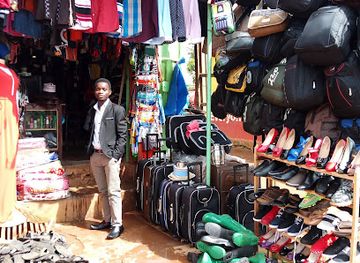
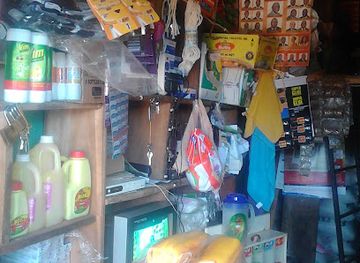
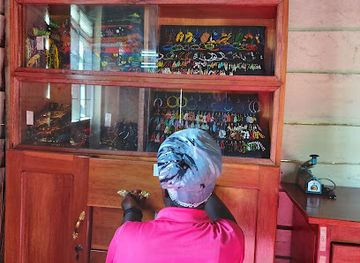
Shopping on the Ssese Islands is modest and practical rather than centred on a formal retail district. Kalangala has the widest choice of small shops and market-style stalls for everyday provisions, while village trading points serve local communities across Bugala. Visitors may find fresh produce, snacks, household goods, basic clothing and locally caught fish, although selection varies and smaller islands have fewer supplies. Crafts and locally made items may be available through accommodation providers or community contacts, but travellers should not assume a permanent craft market or extensive range of souvenirs. Buying food, services and small products from island businesses can support local livelihoods when done respectfully. Those needing specialist outdoor equipment, substantial shopping or a broad choice of gifts should obtain it on the mainland before boarding the ferry, since island retail facilities are limited.
-
Clothing store
Muleme Shopping Centre
Experience the vibrant culture of Uganda through unique clothing and accessories at Muleme Shopping Centre in Kalangala.
-
Electronics store
ENG JOHNSON ELECTRONIC CENTRE
Discover cutting-edge electronics at ENG JOHNSON ELECTRONIC CENTRE in Kalangala, your tech stop for all gadgets and accessories during your visit.
-
Grocery store
HB BUKOMANSIMBI SHOPPING CENTRE
Discover local delicacies and immerse yourself in the vibrant culture of Kalangala at HB Bukomansimbi Shopping Centre.
-
Gift shop
Bakyala Tukole-Women Let's Work
Discover unique handcrafted gifts at Bakyala Tukole, empowering local women artisans in Kalangala, Uganda.
Get your free copy of our complete guide to Ssese Islands, delivered straight to you.
Everything on this page, from attractions and restaurants to essentials and local phrases, in one PDF you can read offline, print or share.
Already have an account? Sign in
Your Ssese Islands guide is ready.
We'll send it to · Not you? Sign out

Getting your guide ready…
We are putting together a fresh copy of the Ssese Islands guide. This can take up to a minute.
This can take a few moments. If your browser asks, choose Allow so the download can start. You'll find the guide in your Downloads folder.
Nothing happened? Download it again
Sorry, the guide is taking longer than usual. Please try again in a minute, or get it by email instead.
Ssese Islands essentials
Currency and Payment
Safety
Emergency Situations
Do's and Don'ts
Local Tips
From Eve
Local phrases worth knowing
You don't need to get them perfect. A few words go a long way, and locals appreciate the effort.
Basics
| English | Local | Say it |
|---|---|---|
| Hello | Mirembe | [mee-rem-beh] |
| Goodbye | Kwaheri | [kwa-heh-ree] |
| Yes | Wee | [weh] |
| No | Nedda | [neh-ddah] |
| Please/You're welcome | Nyamba | [nyam-bah] |
| Thank you | Webale | [weh-bah-leh] |
| Excuse me/Sorry | Ssentebe | [sen-teh-beh] |
| How are you? | Oli otya? | [oh-lee oh-tyah] |
| Fine. And you? | Mazima. Naawe? | [mah-zee-mah. nah-weh] |
| Do you speak English? | Omanyi olungereza? | [oh-mahn-yee oh-loon-geh-reh-zah] |
| I don't understand | Sisobola okulaba | [see-soh-boh-lah oh-koo-lah-bah] |
Eating & Drinking
| English | Local | Say it |
|---|---|---|
| I'd like to see the menu, please | Nkola kumanya emenyekiti, nyamba | [en-koh-lah koo-mahn-yah eh-men-yeh-kee-tee, nyam-bah] |
| I don't eat meat | Siwanne emboga | [see-wahn-neh em-boh-gah] |
| Cheers! | Enyoye! | [en-yoh-yeh] |
| I would like to pay, please | Nkola okusimba, nyamba | [en-koh-lah oh-koo-seem-bah, nyam-bah] |
Emergencies
| English | Local | Say it |
|---|---|---|
| Help! | Mbulire! | [mboo-lee-reh] |
| Go away! | Genda mbeera! | [gen-dah mbeh-eh-rah] |
| Call the Police! | Saba poliisi! | [sah-bah poh-lee-see] |
| Call a doctor! | Saba daktari! | [sah-bah dahk-tah-ree] |
| I'm lost | Njagala | [en-jah-gah-lah] |
| I'm ill | Nkojja | [en-koh-jjah] |
Shopping
| English | Local | Say it |
|---|---|---|
| I'd like to buy... | Nkola okukola... | [en-koh-lah oh-koo-koh-lah...] |
| I'm just looking | Nkola okulaba | [en-koh-lah oh-koo-lah-bah] |
| How much is it? | Ngenda ki? | [ngeh-ndah kee] |
| That's too expensive | Ayi saawa | [ah-yee sah-wah] |
| Can you lower the price? | Owoma obulungi? | [oh-wom-ah oh-boo-loon-gee] |
Time & Numbers
| English | Local | Say it |
|---|---|---|
| What time is it? | Saa ngapi? | [sah-ah ngah-pee] |
| It's one o'clock | Saa moja | [sah-ah moh-jah] |
| Half past (10) | Nusu saa ikumi | [noo-soo sah-ah ee-koo-mee] |
| Morning | Eizyo | [eh-ee-zoh] |
| Afternoon | Ekitara | [eh-kee-tah-rah] |
| Evening | Ekiro | [eh-kee-roh] |
| Yesterday | Kalungi | [kah-loon-gee] |
| Today | Lero | [leh-roh] |
| Tomorrow | Makuru | [mah-koo-roo] |
| 1 | Mmoja | [mmoh-jah] |
| 2 | Mbiro | [mbee-roh] |
| 3 | Mitatu | [mee-tah-too] |
| 4 | Mina | [mee-nah] |
| 5 | Tano | [tah-noh] |
| 6 | Sita | [see-tah] |
| 7 | Sabini | [sah-bee-nee] |
| 8 | Nane | [nah-neh] |
| 9 | Kenda | [ken-dah] |
| 10 | Kumi | [koo-mee] |
Transport & Directions
| English | Local | Say it |
|---|---|---|
| Where's a/the...? | Yee yali...? | [yee yah-lee] |
| What's the address? | Endere y'ekibuga ki? | [en-deh-reh yeh-kee-boo-gah kee] |
| Can you show me (on the map)? | Owakukola (ku mapu)? | [oh-wah-koo-koh-lah (koo mah-poo)] |
| When's the next (bus)? | Busu eno ekyakusasulayo? | [boo-soo eh-noh eh-kyah-koo-sah-soo-lah-yoh] |
| A ticket (to ....) | Tikiti (ku ....) | [tee-kee-tee (koo)] |
History of Ssese Islands
An Archipelago in Lake Victoria
The Ssese Islands are part of the northern Lake Victoria basin, a large freshwater landscape whose islands, shores and wetlands have supported human communities for centuries. Their physical setting encouraged a culture oriented towards fishing, canoe and boat travel, and contact between lakeside settlements. The islands’ separation from the mainland also helped preserve distinctive rural patterns, although modern ferries, roads and commercial agriculture have steadily reduced that isolation.
Ssese in the Buganda Kingdom
The islands have long been associated with the Kingdom of Buganda and form part of the wider Ganda cultural landscape. Traditional authority, clan connections and the importance of the lake shaped settlement and resource use, while fishing remained central to livelihoods. The name Ssese is commonly linked with this historic relationship to Buganda. Cultural links continue today through language, social traditions and the movement of people and goods between the islands and the mainland.
Colonial-Era Lake Connections
During the colonial period, the islands were incorporated into the wider administrative and commercial systems of Uganda, while Lake Victoria became an important route for transport, fishing and communication. Formal services remained limited compared with mainland centres, and communities continued to depend heavily on the lake and local agriculture. The development of landing places and later motorised vessels strengthened connections with Entebbe, Masaka and other mainland points without transforming the islands into a densely settled urban area.
Fishing, Farming and Changing Landscapes
Fishing has remained a defining island industry, with landing sites serving as places of work, trade and social exchange. Agriculture also shapes Bugala, where cultivated land and commercial plantations form part of the modern landscape. The expansion of oil-palm cultivation brought new investment and employment but also changed land use and raised questions about the balance between economic development, food production and natural habitats. Several smaller islands retain a more lightly developed appearance, although their communities also depend on access to markets and transport.
Tourism and Environmental Stewardship
Tourism grew as visitors began seeking Lake Victoria beaches, forest scenery and a slower alternative to mainland travel. Accommodation and visitor services became concentrated around Kalangala and Lutoboka Bay, while the wider archipelago remained comparatively lightly developed. Contemporary interest in the Ssese Islands is closely connected with responsible use of beaches, forests and lake resources. Conservation concerns include pressure on habitats, waste management, fishing practices and the effects of expanding settlement and agriculture, making careful local stewardship important to the islands’ future.
Ssese Islands in Photos
Browse through our photo collection highlighting the charm and character of the destination.
Neighbouring destination travel guides
The closest destinations to Ssese Islands, if you have time for more than one.
-

-

-

-

-


Swipe for more destinations
Explore more
Explore more of Central Region
Explore Uganda’s Central Region through Kampala’s heritage, Entebbe’s lake shores, Buganda culture, wetlands, islands and lively dining scene.
Explore Central Region
Explore more of Uganda
Discover Uganda: From the majestic mountain gorillas of Bwindi to the vibrant streets of Kampala, experience the diverse landscapes and rich culture of the Pearl of Africa.
Explore Uganda