

Jinja (Source of the Nile) Travel Guide - Free Web & App
Your ultimate guide to Jinja (Source of the Nile). Discover top landmarks, proposed trips, and local tips. Free on the web or via the Evendo companion app.


Jinja in Uganda explores the Source of the Nile, river adventures, colonial heritage, lakeside views, local food and culture near Lake Victoria.
Where the Nile Begins Its Journey
Jinja stands on the northern shore of Lake Victoria in eastern Uganda, where the Victoria Nile flows away from the lake towards the vast basin of northern Uganda and South Sudan. The town and its surrounding river landscape are commonly associated with the Source of the Nile, although the hydrological source of the White Nile extends through the wider Lake Victoria system. This distinction does little to diminish Jinja’s geographic importance: the river, lake and rapids have shaped the area’s identity, economy and visitor experiences for generations.Read more about Jinja (Source of the Nile)
River Landscapes and Outdoor Activity
History, Culture and Local Life
Exploring the Area
When is the best time to visit Jinja (Source of the Nile)?
Best: January–February, August · 31–32°C| Month | High (°C) | Rainfall (mm) |
|---|---|---|
| January (best) | 31 | 92 |
| February (best) | 32 | 89 |
| March | 32 | 139 |
| April | 31 | 214 |
| May | 31 | 235 |
| June | 31 | 179 |
| July | 31 | 137 |
| August (best) | 31 | 136 |
| September | 31 | 171 |
| October | 31 | 234 |
| November | 31 | 210 |
| December | 31 | 147 |
Getting to and around Jinja (Source of the Nile)
How to get there
Transportation
Best attractions in Jinja (Source of the Nile)
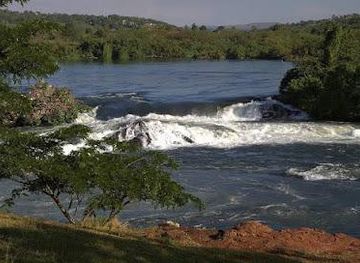
The Source of the Nile is Jinja’s best-known attraction, with landscaped riverfront areas, boat excursions and views towards the point where the Victoria Nile leaves Lake Victoria. The river itself provides the setting for rafting, kayaking, fishing and gentler sightseeing trips, while the Bujagali area upstream is associated with rapids, river scenery and adventure activity. Within town, visitors can explore the historic commercial centre, older streets and markets, where colonial-era buildings stand alongside busy local businesses. Lake Victoria broadens the destination beyond the river, offering open horizons and water-based excursions, while nearby islands such as Samuka provide a change of pace when reached through appropriate organised arrangements. The surrounding countryside consists of small farms, villages, gardens and red-earth roads rather than a formal national park, so wildlife viewing is incidental rather than guaranteed. The Nile River Explorers area and other established activity bases are generally used for organised river experiences, with the exact range of activities depending on local conditions and operator arrangements.
-
Tourist attraction
SOURCE OF THE RIVER NILE ( Nile Fount Excursion Adventures
Explore the breathtaking Source of the Nile in Jinja, Uganda, a place where adventure meets history and nature's beauty shines.
-
Park
Source of the Nile Gardens
Explore the serene Source of the Nile Gardens in Bukaya, where natural beauty meets rich cultural heritage, perfect for relaxation and exploration.
-
Park
Source of the Nile Gardens
Explore the Source of the Nile Gardens in Bukaya, a serene park offering stunning river views, vibrant flora, and rich cultural history for every traveler.
-
Tourist attraction
White Nile Rafting Ltd | White Water Rafting | Rafting in Uganda | Water Rafting Uganda | White Nile Rafting Uganda
Experience the thrill of white water rafting on the iconic White Nile River in Jinja, Uganda, surrounded by breathtaking scenery and endless adventure.

Best landmarks in Jinja (Source of the Nile)
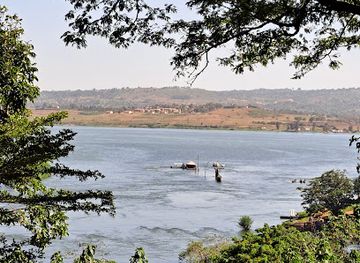
The defining natural landmark is the outlet of the Victoria Nile from Lake Victoria, commemorated within the Source of the Nile visitor area and central to Jinja’s international identity. Upstream, the Bujagali rapids and river landscape express the Nile’s changing character, although the former Bujagali Falls were altered by hydropower development. The Nalubaale Dam, formerly Owen Falls Dam, is an important twentieth-century engineering landmark at the lake’s outlet, though access around operational infrastructure is controlled. Jinja’s older commercial streets and surviving colonial-era buildings reflect the town’s growth as an administrative, industrial and trading centre, while Indian-Ugandan commercial heritage adds another layer to its built environment. Beyond constructed landmarks, Lake Victoria itself is the major geographical presence: its shoreline, open water and connection with the Nile explain both Jinja’s settlement history and its continuing role as a centre of transport, power generation and tourism.
-
 Hotel
HotelJinja Nile Resort Uganda
Discover the beauty and adventure of Uganda at Jinja Nile Resort, where luxury meets the serenity of the Nile River in an unforgettable getaway.
-
Restaurant
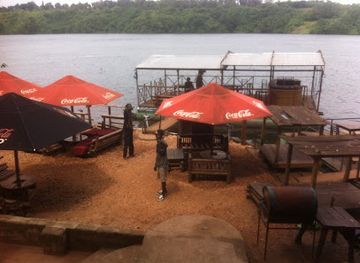
Jinja Sailing Club
Discover the perfect blend of relaxation, adventure, and stunning views at Jinja Sailing Club, located at the Source of the Nile.
-
Tourist attraction
SOURCE OF THE RIVER NILE ( Nile Fount Excursion Adventures
Explore the breathtaking Source of the River Nile in Jinja, Uganda, where adventure, culture, and stunning natural beauty come together.
-
Tourist attraction
Nile Fount Excursion Adventures
Experience the majestic source of the Nile River at Nile Fount Excursion Adventures in Jinja, Uganda, where adventure meets natural beauty.


Explore Jinja (Source of the Nile) on the map
Plan your trip on one map. See where the top attractions, landmarks, restaurants and hotels are, and book hotels and experiences in a few clicks.
Best hotels in Jinja (Source of the Nile)
Best restaurants in Jinja (Source of the Nile)
Jinja’s food scene is centred on the town rather than the remote riverbank, with options ranging from Ugandan cafés and market stalls to Indian-influenced cooking, international restaurants and hotel dining rooms. Local meals may include matoke, rice, beans, groundnut sauces, chapati, grilled meats and freshwater fish, while roadside vendors provide useful, informal introductions to everyday food culture. The town’s long-established Indian-Ugandan community has influenced its restaurant traditions, particularly through spice blends, vegetarian dishes and South Asian snacks. Around the Source of the Nile and activity bases, food is more likely to be provided by hotels, lodges or excursion arrangements than by a dense restaurant quarter. Visitors should carry snacks and water for full-day river trips, and should choose busy, well-regarded food premises where possible, especially when buying prepared food from informal sellers.
-
Java House - Jinja
Discover culinary delights at Java House - Jinja while enjoying breathtaking views of the Nile River.
-
Hotel
Jinja Nile Resort Uganda
Discover luxury and adventure at Jinja Nile Resort - your gateway to exploring Uganda's natural beauty along the majestic Nile River.
-
Restaurant
All Friends Grill Bar and Restaurant
Experience the best of Ugandan cuisine at All Friends Grill Bar and Restaurant in Jinja - where great food meets vibrant culture.
-
Serviced accommodation
Nile Village Hotel & Spa
Experience luxury and tranquility at Nile Village Hotel & Spa, nestled by the source of the Nile in picturesque Jinja, Uganda.


Best bars in Jinja (Source of the Nile)
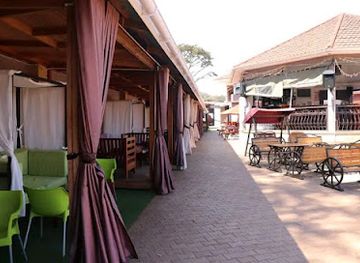
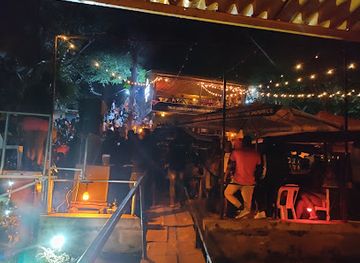
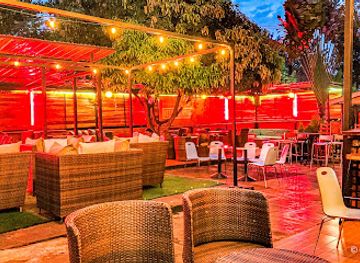
Jinja’s evening life is modest but more developed than that of a remote nature destination. The town has hotel bars, locally used pubs, restaurant terraces and informal venues where residents and visitors gather for drinks, conversation and televised sport. Music may be part of the atmosphere, particularly at weekends or during seasonal events, but entertainment schedules and opening arrangements can change. The Source of the Nile and riverside activity areas generally become quiet after daytime excursions, with evening hospitality concentrated in town and at accommodation properties. Visitors seeking a late night should rely on established venues and arranged transport rather than walking unfamiliar roads after dark. The most characteristic evening experience is usually relaxed socialising, a meal and views of the town’s lively streets rather than a dedicated nightclub district.
-
Grill
Café 49 Jinja
Experience the best of local and international cuisine at Café 49 Jinja, where delicious grilled dishes meet stunning views of the Nile River.
-
Bar
The Bourbon
Discover The Bourbon in Jinja: A vibrant bar offering local drinks, live music, and a lively atmosphere perfect for socializing and relaxation.
-
Bar
The Office
Experience the vibrant nightlife of Jinja at The Office, where great drinks and lively atmosphere await every visitor.
-
Bar
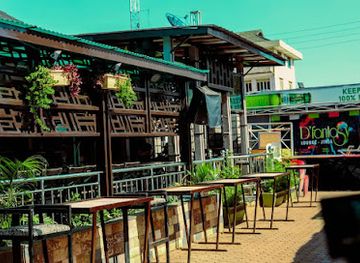
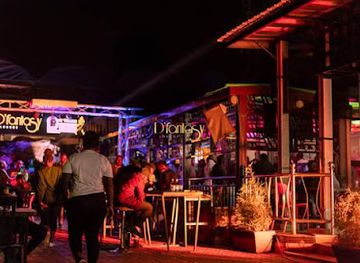
D'fantasy Lounge
Experience the vibrant nightlife at D'fantasy Lounge, a premier bar in Jinja, Uganda, where local flavor meets contemporary vibes.

Best nightclubs in Jinja (Source of the Nile)
Jinja’s evening life is modest but more developed than that of a remote nature destination. The town has hotel bars, locally used pubs, restaurant terraces and informal venues where residents and visitors gather for drinks, conversation and televised sport. Music may be part of the atmosphere, particularly at weekends or during seasonal events, but entertainment schedules and opening arrangements can change. The Source of the Nile and riverside activity areas generally become quiet after daytime excursions, with evening hospitality concentrated in town and at accommodation properties. Visitors seeking a late night should rely on established venues and arranged transport rather than walking unfamiliar roads after dark. The most characteristic evening experience is usually relaxed socialising, a meal and views of the town’s lively streets rather than a dedicated nightclub district.
-
Bar
Jinja Sailing Club
Experience the beauty of the Nile at Jinja Sailing Club, a perfect blend of dining, adventure, and relaxation in Jinja, Uganda.
-
Bar
The Bourbon
Experience vibrant nightlife at The Bourbon in Jinja, offering a lively atmosphere and a diverse drink menu for every taste.
-
Bar
The Office
Discover the vibrant nightlife at The Office in Jinja, where live music and a lively atmosphere create unforgettable memories for every visitor.
-
Bar
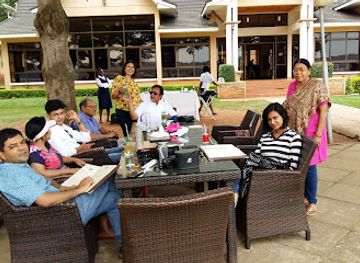
D'fantasy Lounge
Experience the vibrant nightlife at D'fantasy Lounge in Jinja, where great drinks and live sports come together for an unforgettable evening.
Best shops in Jinja (Source of the Nile)
Shopping in Jinja is practical and locally rooted rather than focused on a large tourist retail district. Markets and small shops sell fresh produce, clothing, household goods, snacks and everyday necessities, while craft stalls and independent sellers may offer baskets, carved objects, textiles, paintings and other handmade items. Availability varies, so visitors should regard individual purchases as local encounters rather than relying on a permanent selection of specialist shops. The town is also a useful place to buy bottled water, picnic supplies and basic outdoor necessities before travelling to river activity sites or the countryside. Fair, courteous bargaining may be customary in informal markets, but it should not become aggressive. Ask about the origin and materials of crafts, avoid buying objects made from protected wildlife products, and remember that most extensive retail facilities are concentrated in Jinja rather than at the Source of the Nile itself.
-
Tourist attraction
Source of The Nile.
Experience the breathtaking beauty and rich history at the Source of the Nile in Jinja, Uganda, where adventure meets tranquility.
-
Supermarket
Taata Owen Supermarket
Discover local flavors and vibrant community life at Taata Owen Supermarket in Jinja, Uganda, your go-to spot for fresh produce and unique Ugandan products.
-
General store
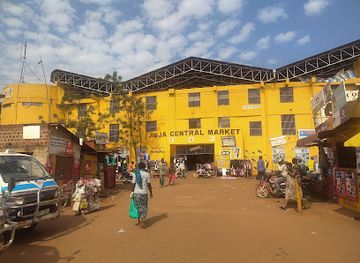
Jinja Central Market
Discover the heart of Uganda at Jinja Central Market, a vibrant hub of local culture, crafts, and culinary delights.
-
Supermarket
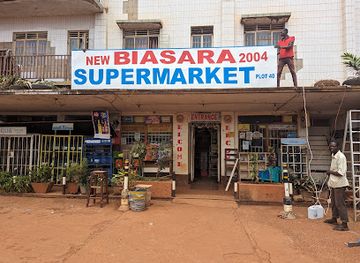
New Biasara (2004) Supermarket
Immerse yourself in Ugandan culture at New Biasara Supermarket, where local flavors and vibrant shopping come together in the heart of Jinja.


Get your free copy of our complete guide to Jinja (Source of the Nile), delivered straight to you.
Everything on this page, from attractions and restaurants to essentials and local phrases, in one PDF you can read offline, print or share.
Already have an account? Sign in
Your Jinja (Source of the Nile) guide is ready.
We'll send it to · Not you? Sign out

Getting your guide ready…
We are putting together a fresh copy of the Jinja (Source of the Nile) guide. This can take up to a minute.
This can take a few moments. If your browser asks, choose Allow so the download can start. You'll find the guide in your Downloads folder.
Nothing happened? Download it again
Sorry, the guide is taking longer than usual. Please try again in a minute, or get it by email instead.
Jinja (Source of the Nile) essentials
Currency and Payment
Safety
Emergency Situations
Do's and Don'ts
Local Tips
From Eve
Local phrases worth knowing
You don't need to get them perfect. A few words go a long way, and locals appreciate the effort.
Basics
| English | Local | Say it |
|---|---|---|
| Hello | Ki kati | [key ka-tee] |
| Goodbye | Taata | [taa-ta] |
| Yes | Eego | [ee-go] |
| No | Neda | [ne-da] |
| Please/You're welcome | Mungu nze | [moon-goo n-zay] |
| Thank you | Webale | [weh-bah-leh] |
| Excuse me/Sorry | Nzeekozee | [n-zee-ko-zee] |
| How are you? | Oli otya? | [oh-lee oh-cha] |
| Fine. And you? | Bulungi. Wano? | [boo-loon-gee. wah-no] |
| Do you speak English? | Omanyi olungereza? | [oh-man-yee oh-loon-ge-reh-za] |
| I don't understand | Sisobola kugulaba | [see-so-boh-la koo-goo-la-ba] |
Eating & Drinking
| English | Local | Say it |
|---|---|---|
| I'd like to see the menu, please | Nkola kuyita emenyee, mwebale | [en-koh-la koo-yee-ta e-men-yay, mweh-bah-leh] |
| I don't eat meat | Sisula enyama | [see-soo-la en-ya-ma] |
| Cheers! | Mugole | [moo-go-lay] |
| I would like to pay, please | Nkola kulya, mwebale | [en-koh-la koo-lyah, mweh-bah-leh] |
Emergencies
| English | Local | Say it |
|---|---|---|
| Help! | Tusasude! | [too-sa-soo-deh] |
| Go away! | Sukka! | [soo-kah] |
| Call the Police! | Tuyige Poliisi! | [too-yi-ge po-lee-see] |
| Call a doctor! | Tuyige daktari! | [too-yi-ge dahk-ta-ree] |
| I'm lost | Njagala okukozesa | [en-ja-ga-la oh-koo-ko-zeh-sa] |
| I'm ill | Nkwekkiriza | [en-kweh-kki-ree-za] |
Shopping
| English | Local | Say it |
|---|---|---|
| I'd like to buy... | Nkola okulya... | [en-koh-la oh-koo-lyah] |
| I'm just looking | Njagala kulya | [en-ja-ga-la koo-lyah] |
| How much is it? | Bino byogenda kisa? | [bee-no byo-gen-da kee-sa] |
| That's too expensive | Oyo gali mbi | [oh-yo ga-lee m-bee] |
| Can you lower the price? | Muli wano obudde? | [moo-lee wah-no oh-boo-deh] |
Time & Numbers
| English | Local | Say it |
|---|---|---|
| What time is it? | Saa ngapi? | [saa ngah-pee] |
| It's one o'clock | Saa moja | [saa mo-jah] |
| Half past (10) | Nusu kumi | [noo-soo koo-mee] |
| Morning | Emisana | [eh-mee-sa-na] |
| Afternoon | Ekirabo | [eh-key-rah-bo] |
| Evening | Ekiro | [eh-kee-ro] |
| Yesterday | Eno | [eh-no] |
| Today | Lero | [leh-ro] |
| Tomorrow | Kino | [kee-no] |
| 1 | Mmoja | [m-mo-jah] |
| 2 | Biri | [bee-ree] |
| 3 | Ssatu | [ssah-too] |
| 4 | Nnya | [n-nyah] |
| 5 | Ttano | [t-tah-no] |
| 6 | Mukaaga | [moo-kah-gah] |
| 7 | Musanvu | [moo-sahn-voo] |
| 8 | Munaana | [moo-nah-nah] |
| 9 | Musanvu na mmoja | [moo-sahn-voo nah m-mo-jah] |
| 10 | Nnya bbiri | [n-nyah bee-ree] |
Transport & Directions
| English | Local | Say it |
|---|---|---|
| Where's a/the...? | Wali a/the...? | [wah-lee a/the] |
| What's the address? | Yali ettaaka? | [yah-lee et-ta-ka] |
| Can you show me (on the map)? | Muli wano obunyi (on the map)? | [moo-lee wah-no oh-boo-nyee (on the map)] |
| When's the next (bus)? | Wali atya (bus) eya? | [wah-lee ah-cha (bus) eh-ya] |
| A ticket (to ....) | Teeketi (ku ....) | [tee-keh-tee (koo)] |
History of Jinja (Source of the Nile)
The Lake and River System
Jinja’s deepest history is geographical. The town lies beside the northern shore of Lake Victoria, one of Africa’s great inland lakes, where water leaves the lake through the Victoria Nile. The surrounding landscape has long connected fishing, farming, transport and settlement, while the river corridor forms part of the wider White Nile system. The phrase Source of the Nile is used locally and internationally for the river’s outlet area, although the wider hydrological source of the White Nile is associated with the Lake Victoria basin rather than a single point within Jinja.
Early Settlement and Regional Exchange
Before colonial rule, the area around Jinja was occupied and used by communities whose livelihoods depended on agriculture, fishing and regional exchange. The northern Lake Victoria shoreline and river crossing points provided practical links between settlements, while the lake supported movement and trade. Local traditions and oral histories remain important to understanding the landscape, including the significance of water and river sites to communities around Jinja. The town’s later growth did not replace these activities; it added commercial, administrative and industrial layers to an already inhabited region.
Colonial Growth and Industry
Jinja expanded substantially during the colonial period as roads, rail connections and commercial networks strengthened its role in Uganda’s economy. Its position near the lake and Nile made it an important transport and administrative centre, while agricultural production in the surrounding region supported processing and trade. The town acquired planned streets, public buildings and commercial premises, many of which contributed to its early twentieth-century character. Indian-Ugandan merchants and professionals were particularly influential in commerce, manufacturing and civic life, leaving a lasting mark on the town’s cultural and architectural history.
Hydropower and Modern Tourism
The Nile became central to modern infrastructure as hydroelectric development transformed the river’s economic role. The Nalubaale Dam, formerly known as Owen Falls Dam, was built at the Nile’s outlet from Lake Victoria in the 1950s, with later power infrastructure added in the same vicinity. Hydropower, manufacturing and agriculture continue to shape Jinja, while tourism has grown around the Source of the Nile, river scenery and adventure activities. Contemporary visitors therefore encounter a destination where industrial history, working communities and recreational use of the river exist alongside one another.
Jinja (Source of the Nile) in Photos
Browse through our photo collection highlighting the charm and character of the destination.
Cities in Jinja (Source of the Nile)
The towns and cities of Jinja (Source of the Nile), and the easiest places to base yourself.

Swipe for more cities
Neighbouring destination travel guides
The closest destinations to Jinja (Source of the Nile), if you have time for more than one.
-

-

-
-

-


Swipe for more destinations
Explore more

Explore more of Eastern Region
Explore Eastern Uganda’s Nile adventures, Sipi Falls, Mount Elgon coffee country, archaeological sites and lively regional towns.
Explore Eastern Region
Explore more of Uganda
Discover Uganda: From the majestic mountain gorillas of Bwindi to the vibrant streets of Kampala, experience the diverse landscapes and rich culture of the Pearl of Africa.
Explore Uganda