

Free Volhynia Travel Guide & Mobile App
Explore Volhynia with free travel guides. Discover regional history, expert tips, proposed trips, and audio guides on web or mobile app.


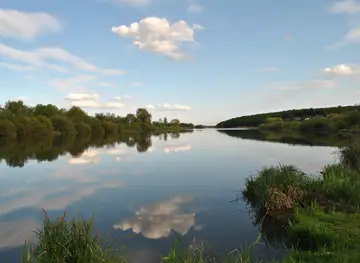
Explore Ukrainian Volhynia through Lutsk Castle, Polissian lakes, forest landscapes, historic towns and the layered heritage of north-western Ukraine.
Read more about Volhynia
When is the best time to visit Volhynia?
Best: June–August · 24–26°C| Month | High (°C) | Rainfall (mm) |
|---|---|---|
| January | -1 | 35 |
| February | 0 | 30 |
| March | 6 | 35 |
| April | 13 | 40 |
| May | 20 | 50 |
| June (best) | 24 | 60 |
| July (best) | 26 | 65 |
| August (best) | 25 | 60 |
| September | 19 | 50 |
| October | 13 | 40 |
| November | 5 | 35 |
| December | 1 | 40 |
Getting to and around Volhynia
How to get there
Transportation
Top city travel guides in Volhynia
The cities of Volhynia, and the easiest places to base yourself.
-

-
-

-

-

-


Swipe for more cities
Destinations in Volhynia
Resorts, valleys and scenic spots worth a trip of their own.
-

-

-

-

-
-


Swipe for more destinations
Best attractions in Volhynia
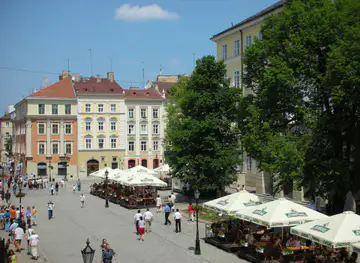
Volhynia's attractions combine medieval urban heritage, aristocratic residences, military ruins and broad natural landscapes. Lutsk's old town and Lubart's Castle provide the clearest introduction to the region's political history, while Dubno Castle and Ostroh's princely and educational heritage reveal the influence of powerful early modern families. Near Dubno, Tarakaniv Fort offers a striking, though partly unstable, nineteenth-century military site that should be explored only where access is permitted. Around Klevan, the tree-lined railway passage known as the Tunnel of Love has become a popular photographic stop. Nature is equally important: Shatsk National Nature Park in northern Volyn contains a network of lakes, forests and wetlands, with Lake Svityaz at its centre. Polissian roads, rivers and woodland edges appeal to birdwatchers, anglers and walkers, though conditions and access vary seasonally. Museums in Lutsk, Rivne and smaller towns add context on archaeology, local crafts, religious history and the region's difficult twentieth century. Because distances are substantial and some sites are fragile or restricted, an itinerary built around a few accessible bases is more practical than attempting to cover every landmark.
-
Castle
Lubart's Castle
Uncover the historical charm of Lubart's Castle in Lutsk, Ukraine - a medieval fortress rich in culture and breathtaking views.
-
Castle
Dubno Castle
Discover the rich history and stunning architecture of Dubno Castle, a must-visit tourist attraction in Rivne Oblast, Ukraine.
-
Zoo
Lutsk Zoo
Explore Lutsk Zoo, a captivating destination with diverse wildlife, educational programs, and family-friendly experiences in Lutsk, Ukraine.
-
National reserve
Shatskyi National Park
Explore the natural wonders of Shatskyi National Park, a serene haven of lakes and forests in Ukraine's Volyn Oblast, perfect for outdoor adventures.

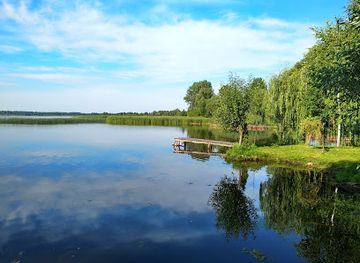
Best landmarks in Volhynia
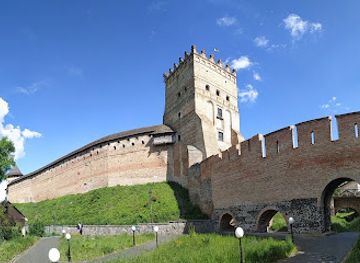
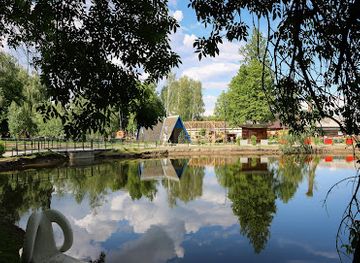
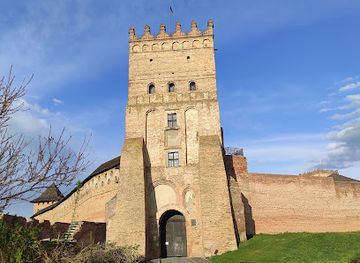
Lubart's Castle in Lutsk is Volhynia's most recognisable landmark, its brick towers and defensive walls embodying the city's medieval role under Lithuanian and later Polish rule. Lutsk's old town also contains a layered group of churches and historic civic buildings that show how different communities shaped the urban centre. Dubno Castle, set beside the Ikva River, represents the fortified residence of the Lubomirski family and remains a major architectural symbol of the town. Tarakaniv Fort, near Dubno, is a vast nineteenth-century military complex of brick casemates and earthworks, notable for its scale and atmosphere but requiring caution because parts are unsafe. Ostroh Castle and its associated heritage recall the Ostrogski princes and the town's early modern intellectual importance. In northern Volyn, Lake Svityaz functions as a natural landmark: its broad water surface, sandy margins and surrounding forests express the distinctive lake country of Polissia. Near Klevan, the Tunnel of Love is a landmark created by vegetation and railway use rather than monumental architecture.
-
Castle
Lubart's Castle
Explore the historical grandeur of Lubart's Castle, a majestic fortress in Lutsk, Ukraine, showcasing medieval architecture and rich cultural heritage.
-
Tourist attraction
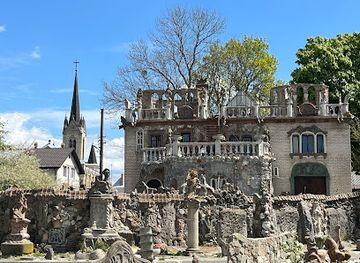
House with Chimeras
Explore Lutsk's House with Chimeras, a captivating tourist attraction filled with mythical sculptures and architectural beauty in Ukraine.
-
Tourist attraction
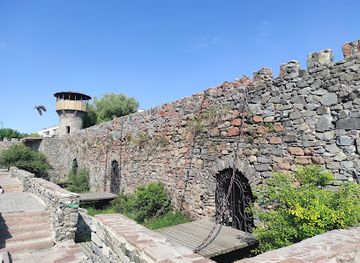
The remains of the fortress Zvyagel
Explore the ancient Zvyagel Fortress, a captivating ruin that reveals the history and beauty of Ukraine's landscape, perfect for history enthusiasts and explorers.
-
National park
Krеmеnеts Mountains National Park
Experience the breathtaking landscapes and rich biodiversity of Krémeneцs Mountains National Park, a hidden gem in Ternopil Oblast, Ukraine, perfect for nature lovers.
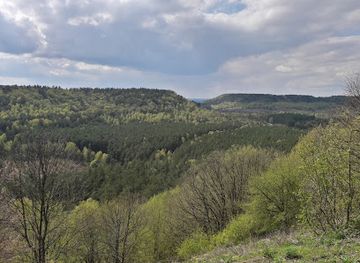
Explore Volhynia on the map
Plan your trip on one map. See where the top cities, national parks and sights are, and book hotels and experiences in a few clicks.
Best hotels in Volhynia
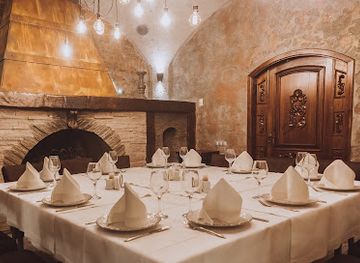
Best restaurants in Volhynia
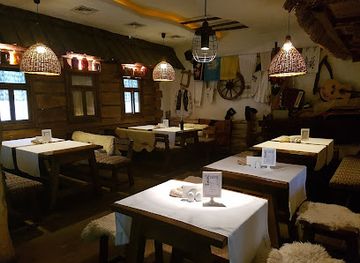
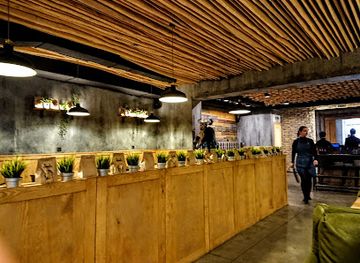
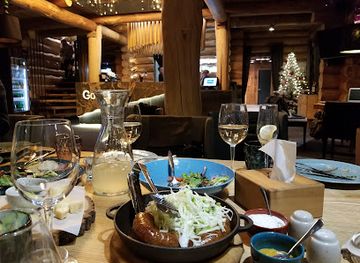
Dining in Volhynia is grounded in the wider Ukrainian kitchen but acquires a distinctly forest-and-farm character in the north. In Lutsk, Rivne and other larger towns, restaurants and cafés serve varenyky, deruny, borshch, holubtsi, soups, cutlets and pastries alongside contemporary Ukrainian cooking. Rural menus may draw more visibly on Polissian produce, including freshwater fish, mushrooms, berries, potatoes, cabbage, rye and honey. Market stalls and small food shops are useful places to find seasonal preserves, bread, dairy products and locally produced honey, although availability changes with the season. Around the Shatsk lakes, fish dishes and casual summer dining are more common than formal culinary tourism. Traditional Ukrainian drinks, compotes and herbal teas are widely encountered, while craft beer and modern coffee culture are strongest in the larger towns. Service style ranges from quick cafés and bakeries to family-run restaurants and country inns; current opening arrangements and card facilities should be checked locally.
-
Ukrainian
Kurin
Experience authentic Ukrainian cuisine at Kurin in Lutsk - where tradition meets taste in every dish.
-
Restaurant
Classic Club
Discover the ultimate blend of dining and recreation at Classic Club in Kovel', where great food meets exciting fun.
-
Restaurant
Gosti
Discover Gosti: An exquisite restaurant in Bryshche offering fine dining and leisure activities amidst beautiful Volyn landscapes.
-
Restaurant
Vitovt's Crown
Discover the authentic taste of Ukraine at Vitovt's Crown in Lutsk – where tradition meets culinary excellence.
Best bars in Volhynia
Volhynia's evening life is concentrated in Lutsk and Rivne, with smaller towns offering a quieter selection of cafés, pubs, restaurants and occasional live-music venues. Lutsk's historic centre and contemporary commercial areas provide the broadest choice of places for an evening meal, coffee or drinks, while Rivne has a similar urban range shaped by its larger population and student presence. Outside these centres, nightlife generally means a traditional pub, restaurant or seasonal lakeside venue rather than a dedicated club circuit. Bars may serve Ukrainian beer, spirits, cocktails and non-alcoholic drinks, but late-night arrangements can be constrained by curfews, security measures and wartime power or transport disruption. The most dependable approach is to ask accommodation staff about currently operating venues and to plan a safe return rather than assuming that late services or taxis will be available.
-
Restaurant
Show Basilic
Experience the culinary delights of Show Basilic in Lutsk, where traditional Ukrainian cuisine meets modern dining in a vibrant atmosphere.
-
Bar
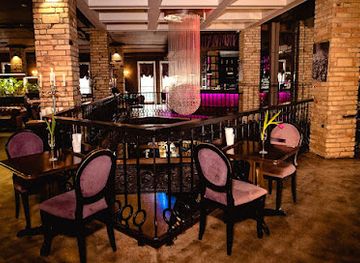
Pink Freud Kyiv
Discover Pink Freud Kyiv, a vibrant bar offering creative cocktails and an artistic atmosphere in the heart of the city.
-
Restaurant
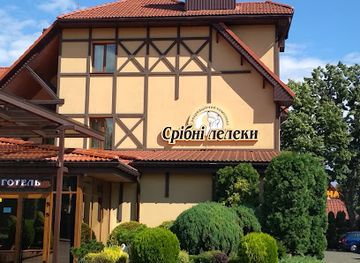
Sribni Leleky
Explore the delightful culinary journey at Sribni Leleky in Lutsk – a perfect blend of dining, relaxation, and adventure awaits!
-
Bulgarian
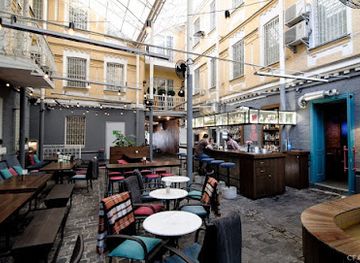
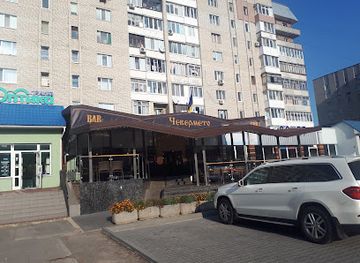
Chevermeto
Savor the taste of Bulgaria in Lutsk at Chevermeto, where tradition meets culinary excellence in a cozy atmosphere.
Best nightclubs in Volhynia
Volhynia's evening life is concentrated in Lutsk and Rivne, with smaller towns offering a quieter selection of cafés, pubs, restaurants and occasional live-music venues. Lutsk's historic centre and contemporary commercial areas provide the broadest choice of places for an evening meal, coffee or drinks, while Rivne has a similar urban range shaped by its larger population and student presence. Outside these centres, nightlife generally means a traditional pub, restaurant or seasonal lakeside venue rather than a dedicated club circuit. Bars may serve Ukrainian beer, spirits, cocktails and non-alcoholic drinks, but late-night arrangements can be constrained by curfews, security measures and wartime power or transport disruption. The most dependable approach is to ask accommodation staff about currently operating venues and to plan a safe return rather than assuming that late services or taxis will be available.
-
Night club
Caribbean Club
Immerse yourself in Kyiv's nightlife at Caribbean Club, where exquisite dining meets electrifying live music and unforgettable entertainment.
-
Night club
Forsage
Experience the electrifying nightlife at Forsage, Kyiv's leading night club, known for its vibrant atmosphere and unforgettable parties.
-
Night club
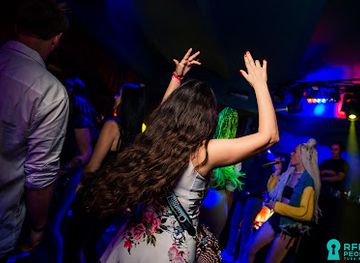
Rafinad People Night Club & Tusa Bar
Dive into the electrifying nightlife at Rafinad People Night Club & Tusa Bar in Lviv, where music, cocktails, and dance create unforgettable experiences.
-
Night club
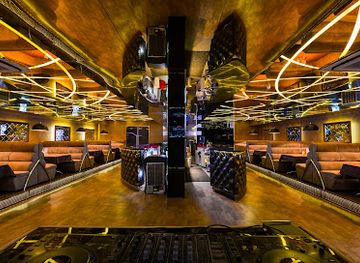
Night Club Hollywood
Discover the thrilling nightlife of Lutsk at Night Club Hollywood, where music, dance, and unforgettable moments await.

Best shops in Volhynia
Shopping in Volhynia is centred on ordinary Ukrainian high streets, covered markets, independent food shops and seasonal stalls rather than large-scale luxury retail. Lutsk and Rivne offer the widest choice of clothing, books, household goods, cafés and regional food products, while smaller towns are useful for everyday provisions and market browsing. Visitors may find honey, berry preserves, herbal products, smoked or dried foods, rye bread and locally made sweets, with selection varying by season and supply. Amber is associated particularly with parts of Rivne Polissia, but buyers should choose traceable, legally traded products and be cautious about unverified claims of origin. Craft shopping may include embroidery, woven goods, woodwork, ceramics and religious items, although quality and availability differ between sellers. At lake resorts and historic sites, souvenir stalls are usually modest and seasonal. Ukrainian hryvnia is useful in markets and small shops, where card payment may not be available.
-
Shopping mall
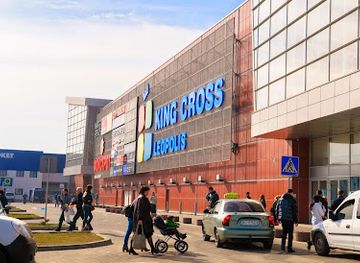
King Cross Leopolis SEC
Discover King Cross Leopolis, a premier shopping mall in Lviv, offering an excellent mix of shopping, dining, and entertainment experiences.
-
Shopping mall
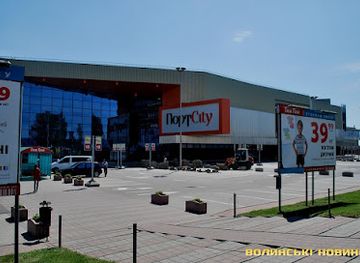
ПортCity
Discover PортCity, the ultimate shopping mall in Lutsk, where retail therapy meets leisure and local culture in a vibrant atmosphere.
-
Hypermarket
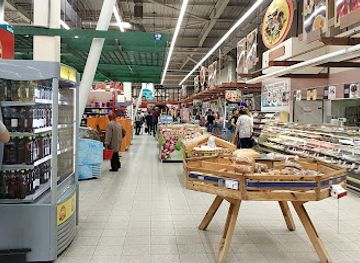
Tam Tam Store
Experience local culture at Tam Tam Store, Lutsk's premier hypermarket for groceries, household goods, and unique Ukrainian products.
-
Shopping mall
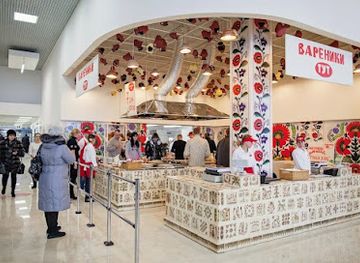
Shopping Centre Lutsk
Explore Shopping Centre Lutsk: A vibrant retail haven blending local culture, diverse brands, and delicious dining options in the heart of Lutsk.
Get your free copy of our complete guide to Volhynia, delivered straight to you.
Everything on this page, from attractions and restaurants to essentials and local phrases, in one PDF you can read offline, print or share.
Already have an account? Sign in
Your Volhynia guide is ready.
We'll send it to · Not you? Sign out

Getting your guide ready…
We are putting together a fresh copy of the Volhynia guide. This can take up to a minute.
This can take a few moments. If your browser asks, choose Allow so the download can start. You'll find the guide in your Downloads folder.
Nothing happened? Download it again
Sorry, the guide is taking longer than usual. Please try again in a minute, or get it by email instead.
Volhynia essentials
Currency and Payment
Safety
Emergency Situations
Do's and Don'ts
Local Tips
From Eve
Local phrases worth knowing
You don't need to get them perfect. A few words go a long way, and locals appreciate the effort.
Basics
| English | Local | Say it |
|---|---|---|
| Hello | Привіт | [Pryvit] |
| Goodbye | До побачення | [Do pobachennya] |
| Yes | Так | [Tak] |
| No | Ні | [Ni] |
| Please/You're welcome | Будь ласка | [Bud' laska] |
| Thank you | Дякую | [Dyakuyu] |
| Excuse me/Sorry | Вибачте | [Vybachte] |
| How are you? | Як справи? | [Yak spravy?] |
| Fine. And you? | Добре. А ти? | [Dobre. A ty?] |
| Do you speak English? | Ви говорите англійською? | [Vy hovoryte anhliys'koyu?] |
| I don't understand | Я не розумію | [Ya ne rozumiyu] |
Eating & Drinking
| English | Local | Say it |
|---|---|---|
| I'd like to see the menu, please | Я хотів би побачити меню, будь ласка | [Ya khotiv by pobachyty menyu, bud' laska] |
| I don't eat meat | Я не їм м'ясо | [Ya ne yim myaso] |
| Cheers! | На здоров'я! | [Na zdorov'ya!] |
| I would like to pay, please | Я хотів би заплатити, будь ласка | [Ya khotiv by zaplatyty, bud' laska] |
Emergencies
| English | Local | Say it |
|---|---|---|
| Help! | Допоможіть! | [Dopomozhit'!] |
| Go away! | Ідіть геть! | [Idit' het'!] |
| Call the Police! | Викликайте поліцію! | [Vyklykayte politsiyu!] |
| Call a doctor! | Викликайте лікаря! | [Vyklykayte likarya!] |
| I'm lost | Я загубився | [Ya zahubyvsyas'] |
| I'm ill | Я хворий | [Ya khvoryy] |
Shopping
| English | Local | Say it |
|---|---|---|
| I'd like to buy... | Я хотів би купити... | [Ya khotiv by kupyty...] |
| I'm just looking | Я просто дивлюся | [Ya prosto dyvlyusya] |
| How much is it? | Скільки це коштує? | [Skil'ky tse koshtuye?] |
| That's too expensive | Це занадто дорого | [Tse zanadto dorogo] |
| Can you lower the price? | Чи можете знизити ціну? | [Chy mozhete znyzyty tsinu?] |
Time & Numbers
| English | Local | Say it |
|---|---|---|
| What time is it? | Скільки часу? | [Skil'ky chasu?] |
| It's one o'clock | Одна година | [Odna hodyna] |
| Half past (10) | Пів на (10) | [Piv na (10)] |
| Morning | Ранок | [Ranok] |
| Afternoon | Після обіду | [Pislya obidu] |
| Evening | Вечір | [Vechir] |
| Yesterday | Вчора | [Vchora] |
| Today | Сьогодні | [S'ohodni] |
| Tomorrow | Завтра | [Zavtra] |
| 1 | Один | [Odin] |
| 2 | Два | [Dva] |
| 3 | Три | [Try] |
| 4 | Чотири | [Chotyry] |
| 5 | П'ять | [P'yat'] |
| 6 | Шість | [Shist'] |
| 7 | Сім | [Sim] |
| 8 | Вісім | [Visim] |
| 9 | Дев'ять | [Devyat'] |
| 10 | Десять | [Desyat'] |
Transport & Directions
| English | Local | Say it |
|---|---|---|
| Where's a/the...? | Де знаходиться...? | [De znakhodytsya...?] |
| What's the address? | Яка адреса? | [Yaka adresa?] |
| Can you show me (on the map)? | Можете показати мені (на карті)? | [Mozhete pokazaty meni (na karti)?] |
| When's the next (bus)? | Коли наступний (автобус)? | [Koly nastupnyy (avtobus)?] |
| A ticket (to ....) | Квиток (до ....) | [Kvytoк (do ....)] |
History of Volhynia
Early settlements and Polissian archaeology
Volhynia has been inhabited since prehistoric times, with archaeological evidence showing long-term settlement along river valleys, forest margins and fertile uplands. The region's position between the Carpathian basin, the Dnieper lands and the western borderlands encouraged movement and cultural exchange. In the north, wetlands and forests produced a distinctive environment in which fishing, hunting and woodland resources remained important alongside agriculture. Later archaeological cultures, including those associated with early Slavic settlement, left traces in earthworks, burial sites and town locations that help explain the region's enduring pattern of dispersed communities and fortified centres.
Kyivan Rus and the rise of Volodymyr
From the tenth century, Volhynia became closely connected with Kyivan Rus, the medieval polity centred on Kyiv. Volodymyr, in western Volhynia, emerged as an important princely centre and gave its name to the wider historical land of Volhynia. Christianity, dynastic politics and long-distance trade altered the region's towns and institutions, while fortified settlements controlled routes through the forest and agricultural zones. The legacy of this period survives in the names of historic towns, archaeological remains and the region's early Christian traditions.
The Kingdom of Galicia–Volhynia
In the twelfth and thirteenth centuries, Volhynia formed a core part of the Kingdom of Galicia–Volhynia, one of the most powerful East Slavic states of the medieval period. Princes based in Volhynian centres competed and negotiated with neighbouring powers while developing fortified towns, ecclesiastical institutions and commercial links. The Mongol invasions damaged the political order in the thirteenth century, but Volhynian territories remained strategically important. The period established many of the political and religious connections later contested by Lithuania, Poland and other regional powers.
Lithuanian rule and the Polish-Lithuanian Commonwealth
From the fourteenth century, much of Volhynia came under the influence and then the rule of the Grand Duchy of Lithuania. The region's princes, nobles and towns participated in the political structures of the Lithuanian state, while Orthodox, Catholic and later Jewish communities contributed to its cultural life. After the Union of Lublin in 1569, Volhynia became part of the Polish-Lithuanian Commonwealth. Magnate families, including the Ostrogski and Lubomirski houses, developed estates, schools, churches and fortified residences, traces of which remain at Lutsk, Dubno and Ostroh.
Religious and educational change in the early modern period
Early modern Volhynia was a meeting ground for Orthodox, Catholic, Jewish and Uniate traditions. Religious foundations shaped townscapes, landholding and education, while printing and scholarship flourished in centres connected with powerful aristocratic families. The Ostroh Academy, established in the sixteenth century, is especially significant as an early institution of higher learning in the region and as a centre associated with Slavic-language scholarship and printing. These developments made Volhynia more than a frontier zone: it was also a place where competing intellectual and religious networks interacted.
The Russian Empire and the nineteenth-century borderland
Following the partitions of the Polish-Lithuanian Commonwealth, most of Volhynia was incorporated into the Russian Empire. Administrative, military and economic structures changed, while older estates and town communities continued to shape local life. The nineteenth century brought new roads, railways and military installations, including Tarakaniv Fort near Dubno, built as part of the empire's western defensive system. Imperial rule also affected education, language, landholding and religious institutions, leaving a complex legacy visible in the region's architecture and historical memory.
War, occupation and the destruction of Jewish communities
The twentieth century brought repeated political upheaval to Volhynia. After the First World War and the Ukrainian struggle for independence, western parts of the region became part of interwar Poland, while Soviet rule developed farther east. During the Second World War, Nazi occupation destroyed the region's longstanding Jewish communities through ghettos, deportations and mass killings. The period also saw armed conflict between different national and political forces, including the Volhynian massacres of 1943–44, whose memory remains deeply contested among Ukrainians and Poles. Memorials, cemeteries and archival work continue to shape discussion of this difficult past.
Soviet transformation and independent Ukraine
After the Second World War, Volhynia was incorporated into the Ukrainian Soviet Socialist Republic. Industrialisation, collectivised agriculture, urban growth and state control of religious life altered the balance between towns and countryside. Rivne and Lutsk expanded as administrative and industrial centres, while many historic religious and aristocratic institutions were damaged, repurposed or neglected. Since Ukrainian independence in 1991, heritage restoration, local museums, religious revival and nature tourism have gained importance. The region's contemporary identity combines Ukrainian statehood with memories of Lithuanian, Polish, Jewish, Soviet and older Volhynian histories.
Volhynia in Photos
Browse through our photo collection highlighting the charm and character of the destination.
Neighbouring regions of Volhynia
The closest regions to Volhynia, if you have time for more than one.
-

-
-

-

-


Swipe for more regions
Explore more

Explore more of Ukraine
Explore Ukraine: From Kyiv's golden domes to the Carpathian Mountains, discover a country rich in history, culture, and natural beauty in the heart of Eastern Europe.
Explore Ukraine