

Seversky Donets River Travel Guide - Free Web & App
Your ultimate guide to Seversky Donets River. Discover top landmarks, proposed trips, and local tips. Free on the web or via the Evendo companion app.


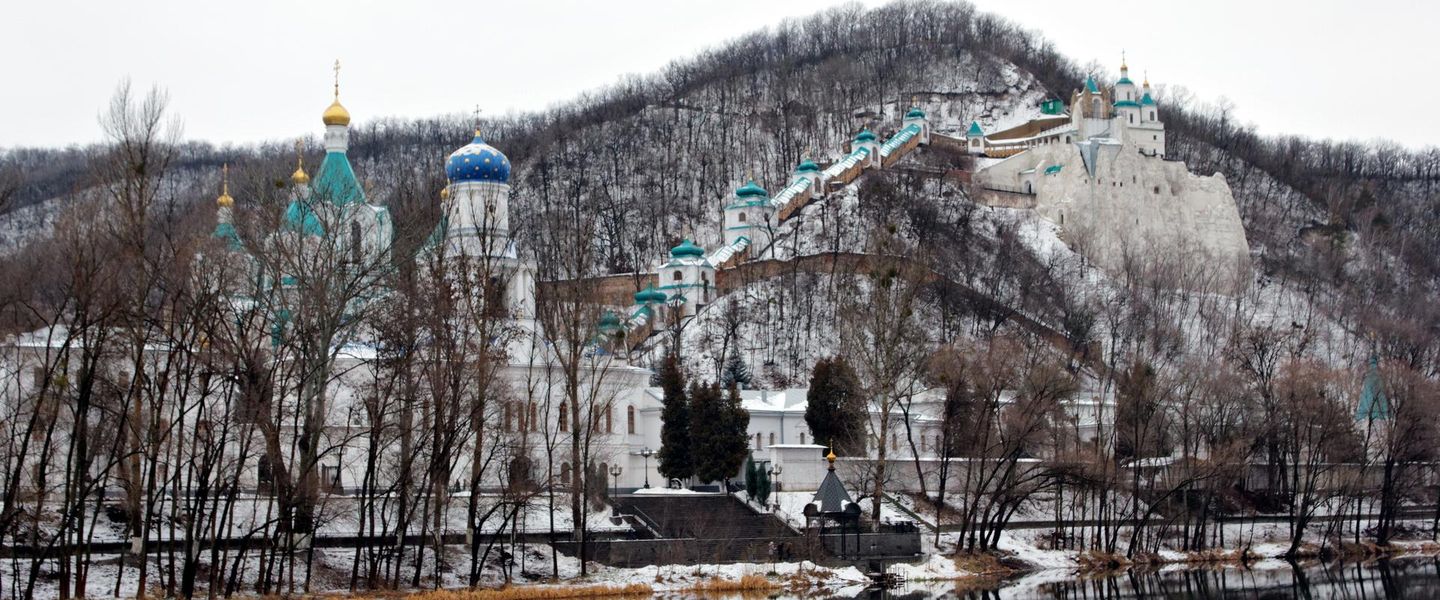


Seversky Donets River, Ukraine, reveals forested floodplains, reservoirs, historic Sviatohirsk and eastern landscapes shaped by water, wildlife and war.
A River Across Eastern Ukraine
The Seversky Donets, known in Ukrainian as the Siverskyi Donets, is the principal river of eastern Ukraine and the largest tributary of the Don. It rises in Russia, enters Ukraine in the Kharkiv region, flows south-east through the Donetsk and Luhansk regions, and later returns across the international border. This guide concerns its Ukrainian landscapes and settlements, rather than the river’s Russian headwaters or lower course. Within Ukraine, the river alternates between broad floodplain, wooded banks, reservoirs, sandy stretches and sparsely settled countryside.Read more about Seversky Donets River
Floodplains, Forests and Reservoirs
Travel and Present-Day Reality
When is the best time to visit Seversky Donets River?
Best: May–June, September · 22–28°C| Month | High (°C) | Rainfall (mm) |
|---|---|---|
| January | 0 | 33 |
| February | 1 | 29 |
| March | 8 | 28 |
| April | 16 | 34 |
| May (best) | 22 | 43 |
| June (best) | 28 | 48 |
| July | 30 | 53 |
| August | 29 | 47 |
| September (best) | 24 | 40 |
| October | 17 | 37 |
| November | 10 | 35 |
| December | 3 | 33 |
Getting to and around Seversky Donets River
How to get there
Transportation
Best attractions in Seversky Donets River
The Ukrainian Seversky Donets is best experienced through separate river landscapes rather than a single continuous excursion. Around Pechenihy, the broad reservoir and wooded shores create the most accessible upper-river setting near Kharkiv, while Chuhuiv and Zmiiv provide gateways to the river valley, nearby forests and rural scenery. The middle course around the Holy Mountains National Nature Park is the area’s most famous landscape, combining the river, pine and mixed woodland, chalk hills and the cultural complex at Sviatohirsk. Floodplain habitats and quiet water channels offer seasonal opportunities for bird observation where access is authorised. The Donetsk and Luhansk reaches, however, include areas affected by war, occupation, damaged infrastructure and landmines; attractions there cannot be approached as normal recreational sites. Visitors should distinguish between landscapes that are legally and practically accessible and those known mainly through their geographical or cultural significance.
-
Tourist attraction
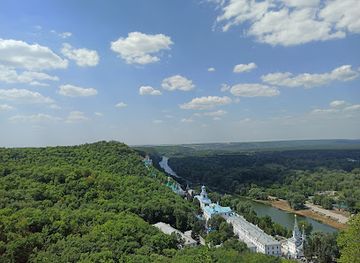
Sviatohirsk Cave Monastery
Explore the serene beauty and rich heritage of Sviatohirsk Cave Monastery, a sacred site nestled in the lush landscapes of Donetsk Oblast.
-
Tourist attraction
Sviati Hory National Park
Explore the enchanting landscapes and rich biodiversity of Sviati Hory National Park, a must-visit gem in Donetsk Oblast for nature lovers and outdoor enthusiasts.
-
Tourist attraction
Dub Kamysheva
Discover the serene Dub Kamysheva War Memorial in Donetsk Oblast, a tranquil place for reflection and remembrance amidst a beautiful natural setting.
-
Tourist attraction
Арсеньевский скит
Explore the Arsenievsky Monastery in Svyatohirs'k, a serene spiritual haven amidst breathtaking landscapes and rich history.
Best landmarks in Seversky Donets River
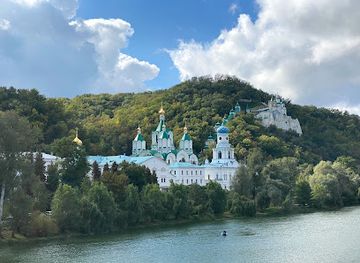
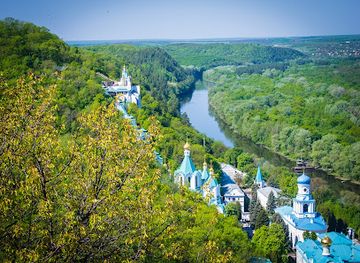
The Seversky Donets itself is the defining natural landmark, with a valley of floodplain, woodland, sandy banks and changing reservoirs extending across eastern Ukraine. The Pechenihy Reservoir is a major upper-course water landscape and an important part of the Kharkiv region’s water infrastructure. Around Sviatohirsk, the river runs below chalk hills and the Holy Mountains National Nature Park, whose terrain gives the valley its strongest visual identity. The Sviatohirsk Lavra, a historic Orthodox monastic complex associated with the river cliffs and chalk country, is the principal cultural landmark, although the site and surrounding town have suffered wartime damage and access conditions require verification. Chuhuiv and Zmiiv represent the river’s connection with the historical settlement landscape of Sloboda Ukraine. Further east, many landmarks are inseparable from current military risk and should not be approached without explicit official clearance.
-
Tourist attraction
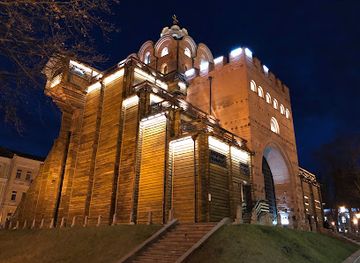
Golden Gate
Explore the historic Golden Gate of Kyiv, a stunning architectural masterpiece that offers a glimpse into the rich heritage of ancient Rus.
-
Monastery
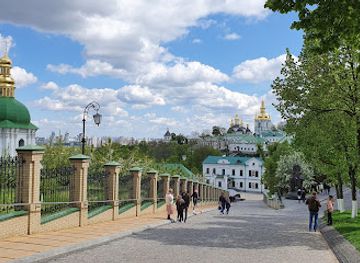
Kiev Pechersk Lavra
Explore the majestic Kiev Pechersk Lavra, a UNESCO World Heritage site rich in history, spirituality, and breathtaking architecture in the heart of Kyiv.
-
Historical landmark
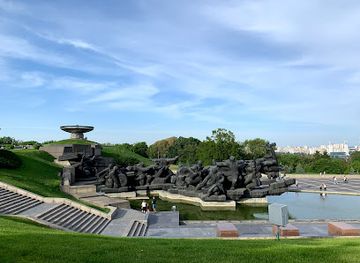
Ukrainian Motherland Monument
Discover the iconic Ukrainian Motherland Monument in Kyiv, a powerful symbol of national pride and history, offering stunning views and rich cultural insights.
-
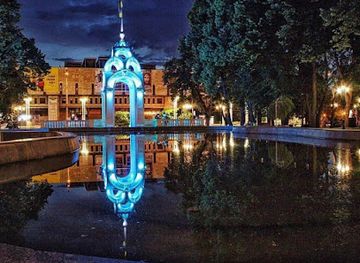
Fountain
Mirror Stream
Discover the magic of Mirror Stream, a stunning fountain in Kharkiv, where art and nature come together in perfect harmony.
Explore Seversky Donets River on the map
Plan your trip on one map. See where the top attractions, landmarks, restaurants and hotels are, and book hotels and experiences in a few clicks.
Best hotels in Seversky Donets River
Best restaurants in Seversky Donets River
Dining opportunities are concentrated in Kharkiv and the towns that serve the upper river, rather than along remote banks or inside protected landscapes. Visitors can expect Ukrainian cooking shaped by Slobozhanshchyna: borshch, varenyky, deruny, salo, pickled vegetables, buckwheat dishes, breads and seasonal produce, with menus varying between country cafés, ordinary restaurants and family-run establishments. Pechenihy, Chuhuiv and Zmiiv may provide practical places to eat when operating businesses are open, while trips towards Sviatohirsk require advance checking because wartime damage and restrictions affect local services. Farm produce, honey and preserves may appear in rural areas, but availability is informal and seasonal. Carrying food and water is prudent for excursions away from settlements, as river scenery does not imply nearby cafés, shops or reliable catering.
-
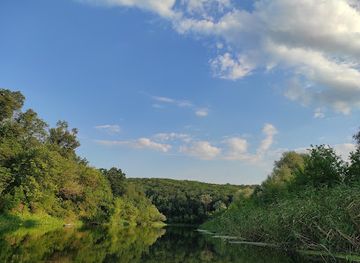
River
Siverskyi Donets River
Discover the enchanting landscapes of Siverskyi Donets River – a perfect blend of adventure and tranquility in Ukraine's natural paradise.
Best bars in Seversky Donets River
The Seversky Donets is not a nightlife destination, and evening entertainment is limited outside Kharkiv and larger regional settlements. In the accessible upper river area, the realistic options are quiet cafés, restaurants, hotel bars and traditional local drinking places in towns such as Chuhuiv, Zmiiv or other functioning communities, subject to curfews, power supply and wartime restrictions. Pechenihy and resort-style waterside areas may have seasonal leisure activity, but visitors should not assume that venues are operating. Sviatohirsk and the eastern river corridor are unsuitable for planning nightlife because security conditions, damage and access restrictions take precedence. Check local curfew requirements and return to approved accommodation before dark rather than travelling between remote river sites after evening services have ended.
-
Pub
The Puzo Pub
Experience the vibrant atmosphere and local flavors at The Puzo Pub in Severodonetsk, a perfect spot for relaxation and socializing.
-
Bar
Daryna
Experience the tranquil beauty of Daryna's blue lakes, vibrant bar scene, and cozy lodging for an unforgettable getaway in Donetsk.
-
Bar
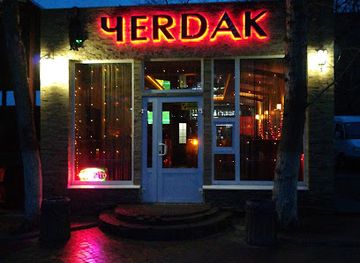
Chyerdak
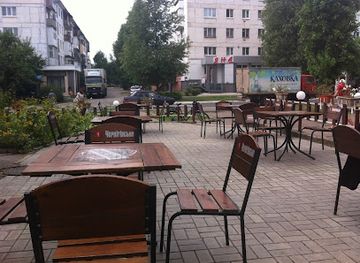
Discover the lively atmosphere and refreshing drinks at Chyerdak, Rubizhne's premier bar for locals and tourists alike.
-
Bar
Rogan Bar
Discover the vibrant ambiance and delightful drinks at Rogan Bar in Rubizhne, a perfect spot for relaxation and socializing.
Best nightclubs in Seversky Donets River
The Seversky Donets is not a nightlife destination, and evening entertainment is limited outside Kharkiv and larger regional settlements. In the accessible upper river area, the realistic options are quiet cafés, restaurants, hotel bars and traditional local drinking places in towns such as Chuhuiv, Zmiiv or other functioning communities, subject to curfews, power supply and wartime restrictions. Pechenihy and resort-style waterside areas may have seasonal leisure activity, but visitors should not assume that venues are operating. Sviatohirsk and the eastern river corridor are unsuitable for planning nightlife because security conditions, damage and access restrictions take precedence. Check local curfew requirements and return to approved accommodation before dark rather than travelling between remote river sites after evening services have ended.
-
Night club
Shale De Club / Vis-a-vis
Discover the electrifying nightlife at Shale De Club in Severodonetsk, where music and vibrant energy create unforgettable memories.
-
Night club
Tsunami
Experience the vibrant nightlife at Tsunami in Lysychans'k, where electrifying music and unforgettable parties await every night.
-
Bar
Robinzon
Immerse yourself in the vibrant nightlife of Donetsk Oblast at Robinzon, the perfect spot to unwind with drinks and music.
-
Night club
торнадо
Discover the vibrant nightlife of Donets at Tornado Night Club, where music, dance, and unforgettable experiences await you.


Best shops in Seversky Donets River
Shopping along the Seversky Donets is modest and settlement-based, with the widest choice in Kharkiv and more practical provisions in towns such as Chuhuiv, Zmiiv and Pechenihy. Village shops and local markets may offer bread, dairy products, honey, preserves, seasonal fruit and vegetables, although opening and supply conditions can change. Ukrainian crafts, embroidered textiles, ceramics and regional food products are more reliably found through established cultural retailers and markets in larger towns than beside the river. Sviatohirsk has traditionally been associated with religious and local artisan goods connected with the monastery and surrounding landscape, but wartime damage and restrictions mean that visitors should not assume normal retail activity. Remote river sections have few shopping facilities, so food, water, medicines and outdoor essentials should be obtained before leaving a functioning settlement.
-
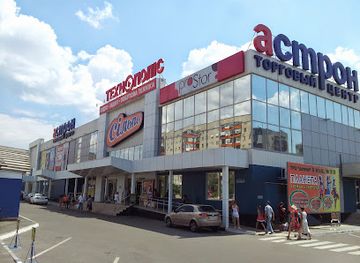
Shopping mall
River Mall
Discover River Mall in Kyiv - a vibrant shopping and entertainment hub along the beautiful Dnipro River, perfect for tourists seeking leisure and local culture.
-
Jewelry store
Minimal Silver - бренд ювелирных украшений
Explore the elegance of Minimal Silver, where exquisite craftsmanship meets unique jewelry design in the heart of Ukraine.
-
Supermarket
Silpo
Discover the vibrant flavors of Severodonetsk at Silpo - your go-to supermarket for local and international products.
-
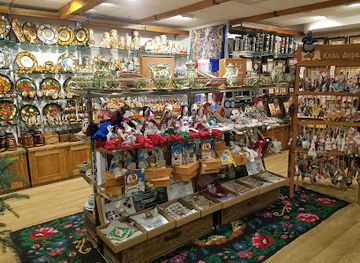
Gift shop
Narodniy Dim Ukraina
Discover unique Ukrainian gifts and clothing at Narodniy Dim Ukraina, a charming shop in the heart of Kyiv, perfect for tourists seeking authentic souvenirs.


Get your free copy of our complete guide to Seversky Donets River, delivered straight to you.
Everything on this page, from attractions and restaurants to essentials and local phrases, in one PDF you can read offline, print or share.
Already have an account? Sign in
Your Seversky Donets River guide is ready.
We'll send it to · Not you? Sign out

Getting your guide ready…
We are putting together a fresh copy of the Seversky Donets River guide. This can take up to a minute.
This can take a few moments. If your browser asks, choose Allow so the download can start. You'll find the guide in your Downloads folder.
Nothing happened? Download it again
Sorry, the guide is taking longer than usual. Please try again in a minute, or get it by email instead.
Seversky Donets River essentials
Currency and Payment
Safety
Emergency Situations
Do's and Don'ts
Local Tips
From Eve
Local phrases worth knowing
You don't need to get them perfect. A few words go a long way, and locals appreciate the effort.
Basics
| English | Local | Say it |
|---|---|---|
| Hello | Привіт | [Privit] |
| Goodbye | До побачення | [Do pobachennya] |
| Yes | Так | [Tak] |
| No | Ні | [Ni] |
| Please/You're welcome | Будь ласка | [Bud laska] |
| Thank you | Дякую | [Dyakuyu] |
| Excuse me/Sorry | Вибачте | [Vybachte] |
| How are you? | Як справи? | [Yak spravy?] |
| Fine. And you? | Добре. А ви? | [Dobre. A vy?] |
| Do you speak English? | Ви говорите англійською? | [Vy hovoryte anhliyskoyu?] |
| I don't understand | Я не розумію | [Ya ne rozumiyu] |
Eating & Drinking
| English | Local | Say it |
|---|---|---|
| I'd like to see the menu, please | Я би хотів подивитися меню, будь ласка | [Ya bi hotiv podivytycya menu, bud laska] |
| I don't eat meat | Я не їм м'ясо | [Ya ne yim myaso] |
| Cheers! | Будьмо! | [Budmo!] |
| I would like to pay, please | Я б хотів заплатити, будь ласка | [Ya b hotiv zaplatyty, bud laska] |
Emergencies
| English | Local | Say it |
|---|---|---|
| Help! | Допомога! | [Dopomoga!] |
| Go away! | Пішли геть! | [Pishli het!] |
| Call the Police! | Виклич поліцію! | [Vyklіch polіtsіyu!] |
| Call a doctor! | Виклич лікаря! | [Vyklіch lіkarya!] |
| I'm lost | Я загубився | [Ya zahubyvsya] |
| I'm ill | Я хворий | [Ya khvoryy] |
Shopping
| English | Local | Say it |
|---|---|---|
| I'd like to buy... | Я б хотів купити... | [Ya b hotiv kupity...] |
| I'm just looking | Я просто дивлюся | [Ya prosto dyvlyusya] |
| How much is it? | Скільки це коштує? | [Skilky tse koshtuye?] |
| That's too expensive | Це занадто дорого | [Tse zanadto doroho] |
| Can you lower the price? | Чи можете ви знизити ціну? | [Chy mozhete vy znyzyty tsinu?] |
Time & Numbers
| English | Local | Say it |
|---|---|---|
| What time is it? | Котра година? | [Kotra hodyna?] |
| It's one o'clock | Одна година | [Odna hodyna] |
| Half past (10) | Пів на (10) | [Piv na (10)] |
| Morning | Ранок | [Ranok] |
| Afternoon | День | [Den] |
| Evening | Вечір | [Vechir] |
| Yesterday | Вчора | [Vchora] |
| Today | Сьогодні | [Sogodni] |
| Tomorrow | Завтра | [Zavtra] |
| 1 | Один | [Odin] |
| 2 | Два | [Dva] |
| 3 | Три | [Try] |
| 4 | Чотири | [Chotyry] |
| 5 | П'ять | [Pyat] |
| 6 | Шість | [Shist] |
| 7 | Сім | [Sim] |
| 8 | Вісім | [Visim] |
| 9 | Дев'ять | [Devyat] |
| 10 | Десять | [Desyat] |
Transport & Directions
| English | Local | Say it |
|---|---|---|
| Where's a/the...? | Де є/знаходиться...? | [De ye/znakhodytsya...?] |
| What's the address? | Яка адреса? | [Yaka adresa?] |
| Can you show me (on the map)? | Чи можете ви показати мені (на мапі)? | [Chy mozhete vy pokazaty meni (na mapi)?] |
| When's the next (bus)? | Коли наступний (автобус)? | [Koly nastupnyy (avtobus)?] |
| A ticket (to ....) | Квиток (до ....) | [Kvytok (do ....)] |
History of Seversky Donets River
A River Shaped by Deep Geological Time
The Seversky Donets belongs to the wider Don river system and crosses the eastern European plain through the geological setting of the Donets Basin. Its valley has been shaped by erosion, changing water levels and the accumulation of alluvial sediments, producing floodplains, terraces, wooded banks and wetlands. The chalk landscapes around Sviatohirsk are among the river’s most recognisable geological features. These natural forms are not historical monuments in the human sense, but they have strongly influenced settlement, agriculture, transport and the later development of protected landscapes along the Ukrainian course.
Early Communities and Frontier Landscapes
The Seversky Donets valley has supported human activity since prehistoric times, while later communities used its water, fertile floodplain and forest resources. In the early modern period the river lay within a shifting frontier between settled agricultural districts and steppe territories. The region became closely associated with Slobozhanshchyna, or Sloboda Ukraine, a historical area whose settlements developed through farming, military service and migration. Rivers, woodland and fortified places were important in this frontier environment, although many early structures have not survived or are difficult to visit today.
Sloboda Ukraine and Growing Settlements
From the seventeenth century, organised settlement expanded across the Kharkiv region and along tributary valleys connected with the Seversky Donets. Chuhuiv and other towns acquired military and administrative importance, while agriculture and river resources supported a mainly rural economy. The river was less a single urban corridor than a network joining villages, estates, crossings and market centres. Orthodox religious foundations also became important, most notably the monastery complex at Sviatohirsk, whose position among the chalk hills made it both a spiritual centre and a defining landmark of the middle river.
Industry, Reservoirs and the Donbas
During the nineteenth and twentieth centuries, industrialisation transformed the wider Donbas and increased demand for water from the Seversky Donets system. Engineering works, canals, reservoirs and municipal supply networks altered parts of the river’s hydrology, while mining, industry and expanding towns placed pressure on water quality and floodplain habitats. The Pechenihy Reservoir, created on the river north-east of Kharkiv in the twentieth century, became an important element of the region’s water infrastructure as well as a recreational landscape. These changes connected the river more closely to the economic development of eastern Ukraine.
Protected Landscapes and Wartime Change
Recognition of the river’s ecological and scenic value led to protected areas including the Holy Mountains National Nature Park, established in 1997 along the Donetsk section. The park combines riverine forest, chalk hills, steppe remnants and cultural heritage around Sviatohirsk. Russia’s war against Ukraine has since brought fighting, occupation, displacement, fires, damage to infrastructure and heightened risks from unexploded ordnance to parts of the river corridor. Conservation and tourism remain important aspirations, but access, environmental monitoring and land management in affected areas depend on security and demining conditions.
Seversky Donets River in Photos
Browse through our photo collection highlighting the charm and character of the destination.
Cities in Seversky Donets River
The towns and cities of Seversky Donets River, and the easiest places to base yourself.
-

-

-

-

-

-


Swipe for more cities
Neighbouring destination travel guides
The closest destinations to Seversky Donets River, if you have time for more than one.
-

-
 Divnogorie National Park
 is in Russia, not Moldova; verify the country before planning transport, attractions, accommodation, and visits to this protected landscape.
Divnogorie National Park
Divnogorie National Park is in Russia, not Moldova; verify the country before planning transport, attractions, accommodation, and visits to this protected landscape.
-

-

-


Swipe for more destinations
Explore more

Explore more of Donbas
Discover Donbas: Ukraine's Industrial Heartland with Rich Cultural Heritage and Natural Beauty Awaiting Every Explorer.
Explore Donbas
Explore more of Ukraine
Explore Ukraine: From Kyiv's golden domes to the Carpathian Mountains, discover a country rich in history, culture, and natural beauty in the heart of Eastern Europe.
Explore Ukraine