

Ternopil Region, Ukraine Travel Guide
Discover Ternopil Region: Ukraine’s hidden gem offering stunning landscapes, historical castles, and rich cultural heritage for an unforgettable travel experience.
Ternopil Region, located in the heart of Western Ukraine, is a hidden gem filled with natural beauty, historical landmarks, and rich cultural heritage. The region is known for its picturesque landscapes, including rolling hills, lush forests, and pristine lakes. It’s an ideal destination for nature enthusiasts and adventure seekers alike. The region's capital, Ternopil city, is a charming place with a relaxed atmosphere and friendly locals. The city is home to the stunning Ternopil Lake, which is perfect for boating, fishing, and picnicking. The lake is surrounded by a scenic park, making it a great spot for a leisurely stroll or a bike ride. History buffs will be delighted by the region's numerous castles and fortresses. The Kremenets Castle, perched on a hill overlooking the town of Kremenets, offers breathtaking views and a glimpse into the region's medieval past. The Zbarazh Castle, with its well-preserved architecture and fascinating exhibits, is another must-visit site. For those interested in religious history and architecture, Ternopil Region boasts several beautiful churches and monasteries. The Pochayiv Lavra, one of the most important Orthodox monasteries in Ukraine, is a spiritual and architectural marvel that attracts pilgrims from all over the world. Nature lovers will find plenty to explore in the region’s many parks and nature reserves. The Dniester Canyon, one of the largest canyons in Europe, offers spectacular views and opportunities for hiking, kayaking, and wildlife spotting. The Sofiyivka Park, with its beautifully landscaped gardens and romantic atmosphere, is perfect for a peaceful escape. Ternopil Region is also known for its vibrant cultural scene. Throughout the year, the region hosts various festivals celebrating music, art, and traditional Ukrainian culture. Visitors can enjoy folk music performances, craft fairs, and delicious local cuisine, making for an unforgettable cultural experience.

Know before you go
Hi, I'm Eve. Here are a few practical things to know before exploring Ternopil Region.
- Visit Ternopil Lake early in the morning for a serene experience and to avoid crowds.
- Wear comfortable shoes for exploring the castles and fortresses, as the terrain can be uneven.
- Try the local cuisine, including traditional Ukrainian dishes like borscht and varenyky, at family-owned restaurants.
- Check local festival schedules in advance to experience the region's vibrant cultural events.
- Bring a camera to capture the breathtaking landscapes and historical sites.
Explore Ternopil Region: Things to Do, Places to Eat, Hotels & More
Handpicked recommendations for top attractions, local dining, accommodations, and more

Best attractions in Ternopil Region
Top-rated picks
Best Attractions

Taras Shevchenko Park
Experience tranquility and nature at Taras Shevchenko Park, a beautiful urban oasis in Ternopil, perfect for family outings and relaxation.
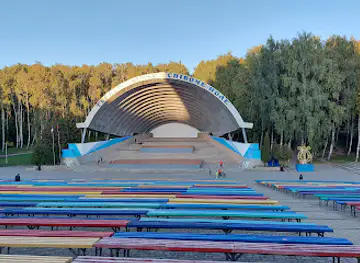
National Revival Park
Experience tranquility and natural beauty at National Revival Park in Ternopil, where lush landscapes and recreational activities await every visitor.
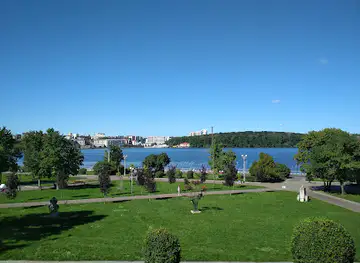
Ternopil Castle
Explore the enchanting Ternopil Castle, a historical landmark that showcases stunning architecture and rich heritage in the heart of Ternopil.

Cathedral of the Immaculate Conception of the Blessed Virgin Mary
Explore the Cathedral of the Immaculate Conception in Ternopil, a stunning neo-Gothic masterpiece rich in history and spirituality.

Best landmarks in Ternopil Region
Top-rated picks
Best Landmarks

Taras Shevchenko Park
Explore Taras Shevchenko Park in Ternopil - a serene escape featuring lush landscapes, tranquil ponds, and vibrant gardens perfect for relaxation.
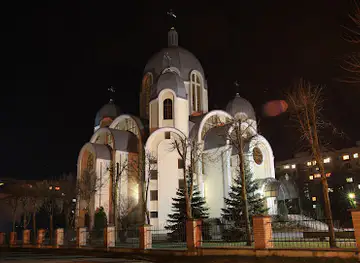
National Revival Park
Explore the lush landscapes and cultural richness of National Revival Park, a serene escape in Ternopil that captivates every visitor.

Ternopil Castle
Discover Ternopil Castle – a historical gem showcasing the rich heritage and breathtaking views of Ukraine's past.

Kremenets Castle
Discover the enchanting Kremenets Castle, a historical landmark in Ternopil Oblast, offering stunning views and a rich cultural experience.

Best restaurants in Ternopil Region
Top-rated picks
Best Restaurants
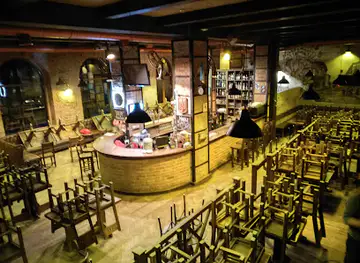
Faine Misto
Experience authentic Ukrainian cuisine at Faine Misto in Ternopil - a charming pub offering delicious food and warm hospitality.

McDonald's
Experience the global taste of fast food at McDonald's in Ternopil - where convenience meets comfort.
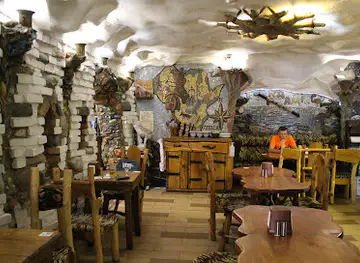
Flamingo
Discover the culinary delights at Flamingo in Ternopil - where authentic Italian flavors meet cozy ambiance for every pizza lover.
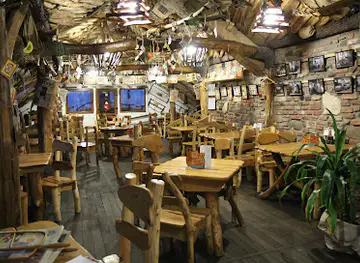
Kovcheg
Explore Kovcheg in Ternopil - A unique beer hall combining traditional Ukrainian and Georgian cuisine with locally brewed beers.

Best bars in Ternopil Region
Top-rated picks
Best Bars

Коза Na пошті
Discover Коза Na пошті in Ternopil, a lively bar and pub offering a unique blend of delicious drinks, local cuisine, and a vibrant atmosphere.

Natura ресторан
Savor the flavors of Ternopil at Natura Restaurant, a cozy bar and café offering delightful meals and drinks in a relaxed atmosphere.

Lysyi
Experience Ternopil's vibrant nightlife at Lysyi, a top bar and restaurant featuring delicious food, refreshing drinks, and exciting entertainment options.

Pasazh Adlera 13
Discover Pasazh Adlera 13 in Ternopil - a vibrant bar offering delightful meals and refreshing drinks in a lively atmosphere.

Best nightclubs in Ternopil Region
Top-rated picks
Best Nightclubs

Klub Faynoho Mista
Discover the vibrant culinary scene at Klub Faynoho Mista, a family-friendly restaurant in Ternopil offering delightful meals and a warm atmosphere.

Lysyi
Experience the vibrant atmosphere of Lysyi in Ternopil, where delicious food, lively entertainment, and local culture come together!

Allure
Experience the vibrant nightlife of Ternopil at Allure, a stylish night club where unforgettable moments are made and music fills the air.

Park Club
Experience the vibrant nightlife of Park Club in Chortkiv, where the party meets nature in a unique blend of fun and relaxation.

Best shops in Ternopil Region
Top-rated picks
Best Shops

Podolyany
Explore Podolyany in Ternopil, a premier shopping mall offering diverse shops, dining, and entertainment for an unforgettable experience.

Tsentralʹnyi Univermah
Explore Ternopil's vibrant shopping scene at Tsentralʹnyi Univermah, where local charm meets modern retail.

Shosʹ
Explore Shosʹ Gift Shop in Ternopil for unique Ukrainian souvenirs, handmade crafts, and a taste of local culture.

КОЗА ДЕРЕЗА, ЕТНОМАЙСТЕРНЯ
Discover the essence of Ukrainian craftsmanship at Kozа Dereza, Ternopil's premier novelty store and embroidery service.

Explore Ternopil Region on the Map
A handpicked selection of must-see spots in Ternopil Region, mapped for you.
Ternopil Region Essentials
-
Ternopil Region is located in western Ukraine. The nearest major airport is Lviv Danylo Halytskyi International Airport, approximately 130 kilometers from Ternopil city. From Lviv, you can take a train, bus, or taxi to Ternopil, with the journey typically taking around 2 to 3 hours. Alternatively, you can fly into Kyiv Boryspil International Airport and take a direct train from Kyiv to Ternopil, which takes about 5-6 hours.
-
The Ternopil Region has a well-developed network of trains, buses, and taxis. Ternopil city itself is compact and walkable, but for traveling between towns and villages, buses and marshrutkas (minibuses) are frequent and affordable. Taxis are also available, and ride-hailing apps such as Uber and Uklon operate in the region. Renting a car is another option, especially if you wish to explore more remote areas at your own pace.
-
The official currency in Ukraine is the Ukrainian Hryvnia (UAH). Credit and debit cards are widely accepted in cities and larger towns, but it's advisable to carry cash for smaller establishments, markets, and rural areas. ATMs are readily available in Ternopil city and other major towns. It is recommended to exchange money at official exchange offices or banks.
-
Ternopil Region is generally safe for tourists. However, standard precautions should be taken: avoid poorly lit areas at night, be mindful of your belongings in crowded places, and use only reputable taxi services. While the region does not have areas known for high crime rates targeting tourists, it's advisable to stay vigilant and aware of your surroundings.
-
In case of emergency, dial 112 for immediate assistance. This number connects you to police, fire, and medical services. Ternopil city has several hospitals and clinics. It is recommended to have travel insurance that includes medical coverage. Pharmacies are available in most towns, and many pharmacists speak basic English. For minor health issues, over-the-counter medications can be purchased at these pharmacies.
-
Fashion: Do dress modestly, especially when visiting religious sites. Avoid overly casual or revealing clothing. Religion: Do respect local customs and traditions. Always cover your head and shoulders when entering churches. Public Transport: Do be courteous and offer your seat to elderly passengers. Don't eat or drink on public transport. Greetings: Do greet people with a handshake and maintain eye contact. A friendly smile goes a long way. Eating & Drinking: Do try local dishes and accept food and drink offerings graciously. Don’t refuse hospitality, as it is considered impolite.
-
To experience Ternopil Region like a local, visit the local markets where you can buy fresh produce and traditional Ukrainian goods. Engage with locals, as they are often friendly and eager to share stories about the area's history and culture. Don’t miss the Ternopil Castle, the Pochayiv Lavra, and the Dniester Canyon for breathtaking views. For a unique experience, try taking a boat ride on the Ternopil Lake.
When is the best time to visit Ternopil Region?
Useful Local Phrases for Ternopil Region
You don't need to speak the language perfectly. Even learning a few simple words can make conversations warmer—and locals usually appreciate the effort.
— Eve

Here are the phrases I use most often in Ternopil Region. Try a few—you'll be surprised how far they go! 😊
❤️
-
- HelloПривіт
[Pryvit] - GoodbyeДо побачення
[Do pobachennya] - YesТак
[Tak] - NoНі
[Ni] - Please/You're welcomeБудь ласка
[Budʹ laska] - Thank youДякую
[Dyakuyu] - Excuse me/SorryВибачте
[Vybachte] - How are you?Як справи?
[Yak spravy?] - Fine. And you?Добре. А ви?
[Dobre. A vy?] - Do you speak English?Ви говорите англійською?
[Vy hovoryte anhliysʹkoyu?] - I don't understandЯ не розумію
[Ya ne rozumiyu]
- HelloПривіт
-
- I'd like to see the menu, pleaseЯ б хотів подивитися меню, будь ласка
[Ya b xotiv podyvytysya menyoo, budʹ laska] - I don't eat meatЯ не їм м'ясо
[Ya ne yim m'yaso] - Cheers!Будьмо!
[Budʹmo!] - I would like to pay, pleaseЯ б хотів розрахуватися, будь ласка
[Ya b xotiv rozrakhuvatysya, budʹ laska]
- I'd like to see the menu, pleaseЯ б хотів подивитися меню, будь ласка
-
- Help!Допоможіть!
[Dopomozhitʹ!] - Go away!Піди геть!
[Pidi hetʹ!] - Call the Police!Викличте поліцію!
[Vyklychte politsiyu!] - Call a doctor!Викличте лікаря!
[Vyklychte likarya!] - I'm lostЯ загубився
[Ya zahubyvsya] - I'm illЯ хворий
[Ya khvoryy]
- Help!Допоможіть!
-
- I'd like to buy...Я б хотів купити...
[Ya b xotiv kupity...] - I'm just lookingЯ просто дивлюся
[Ya prosto dyvlyusya] - How much is it?Скільки це коштує?
[Skilʹky tse koshtuye?] - That's too expensiveЦе занадто дорого
[Tse zanadto doroho] - Can you lower the price?Чи можете ви знизити ціну?
[Chy mozhete vy znyzyty tsinu?]
- I'd like to buy...Я б хотів купити...
-
- What time is it?Котра година?
[Kotra hodyna?] - It's one o'clockОдна година
[Odna hodyna] - Half past (10)Пів на одинадцяту
[Piv na odynadtsyatu] - MorningРанок
[Ranok] - AfternoonДень
[Denʹ] - EveningВечір
[Vechir] - YesterdayВчора
[Vchora] - TodayСьогодні
[Sʹohodni] - TomorrowЗавтра
[Zavtra] - 1Один
[Odyn] - 2Два
[Dva] - 3Три
[Try] - 4Чотири
[Chotyry] - 5П'ять
[P'yatʹ] - 6Шість
[Shistʹ] - 7Сім
[Sim] - 8Вісім
[Visim] - 9Дев'ять
[Dyev'yatʹ] - 10Десять
[Desyatʹ]
- What time is it?Котра година?
-
- Where's a/the...?Де є/знаходиться...?
[De ye/znakhodytsya...?] - What's the address?Яка адреса?
[Yaka adresa?] - Can you show me (on the map)?Чи можете ви мені показати (на мапі)?
[Chy mozhete vy meni pokazaty (na mapi)?] - When's the next (bus)?Коли наступний (автобус)?
[Koly nastupnyy (avtobus)?] - A ticket (to ....)Квиток (до ....)
[Kvytok (do ....)]
- Where's a/the...?Де є/знаходиться...?
History of Ternopil Region
-
Ternopil was founded in 1540 by Jan Amor Tarnowski, a Polish nobleman and military commander. The town was strategically established as a fortress to protect against Tatar invasions. The original wooden fortifications were later replaced with stone, making Ternopil a vital stronghold in the region.
-
Throughout the 16th and 17th centuries, Ternopil was part of the Polish-Lithuanian Commonwealth. This period saw the growth of trade and commerce, largely due to Ternopil's favorable location on major trade routes. The town attracted a diverse population, including Poles, Ukrainians, Jews, and Armenians, contributing to its cultural richness.
-
In the mid-17th century, Ternopil was affected by the Khmelnytsky Uprising, a rebellion led by Bohdan Khmelnytsky against Polish rule. The conflict brought significant turmoil to the region, resulting in battles and sieges that impacted the town's development and population.
-
Following the partition of Poland in the late 18th century, Ternopil came under Austrian control and later became part of the Austro-Hungarian Empire. This period introduced new administrative structures, educational reforms, and infrastructure development, including the construction of railways that connected Ternopil to other parts of Europe.
-
During World War I, Ternopil saw significant military action and occupation by various forces. After the war, the Treaty of Riga in 1921 placed Ternopil within the borders of the Second Polish Republic. The interwar period was marked by efforts to rebuild and modernize the town, though it also experienced political and social tensions.
-
World War II brought extensive destruction to Ternopil. The town changed hands multiple times, first occupied by Soviet forces in 1939, then by German forces in 1941, and again by the Soviets in 1944. The war resulted in significant loss of life and the decimation of the Jewish community. Post-war, Ternopil was incorporated into the Ukrainian SSR within the Soviet Union.
-
With the dissolution of the Soviet Union in 1991, Ternopil became part of an independent Ukraine. The post-Soviet era brought challenges and opportunities for economic development, cultural revival, and integration into the global community. Today, Ternopil is known for its vibrant culture, rich history, and welcoming atmosphere.
-
Ternopil Region is home to numerous historical and cultural landmarks. Notable sites include the Ternopil Castle, constructed in the 16th century, and the Dominican Church, an architectural gem from the 18th century. The region also boasts beautiful natural landscapes, such as the Dniester Canyon and the picturesque Ternopil Lake, which attract tourists year-round.
Cities in Ternopil Region
Browse our curated selection of top destinations, scenic points, and must-visit spots in the area.


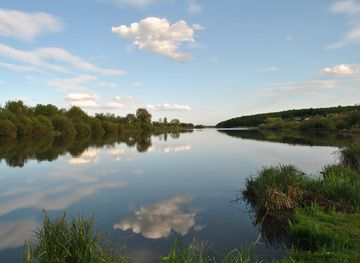


Neighbouring destination travel guides
Browse our curated selection of top destinations, scenic points, and must-visit spots in the area.

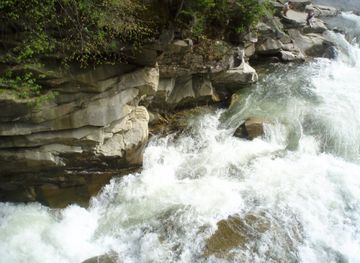


Your all‑in‑one travel companion app
Explore expert travel guides, compare and book tours, experiences, hotels, and more—all from the palm of your hand. Download now for seamless trip planning wherever your wanderlust takes you.


Explore More of Galicia

Looking beyond Ternopil Region? Discover Galicia for broader travel guides, local hot-spots, and regional highlights.
Explore GaliciaExplore More of Ukraine

Looking beyond Ternopil Region? Discover Ukraine for broader travel guides, local hot-spots, and regional highlights.
Explore UkraineTernopil Region in Photos
Browse through our photo collection highlighting the charm and character of the destination.





Ternopil Region: The Heart of Western Ukraine’s Natural Beauty and Historical Treasures
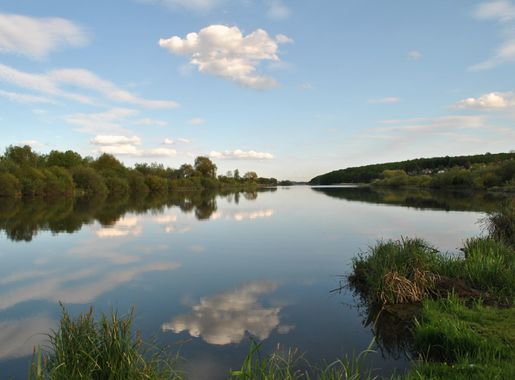
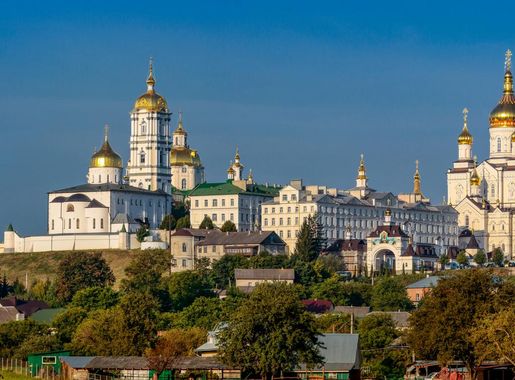
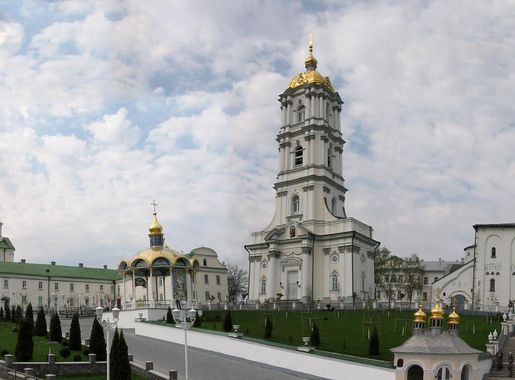
Ternopil Region, located in the heart of Western Ukraine, is a hidden gem filled with natural beauty, historical landmarks, and rich cultural heritage. The region is known for its picturesque landscapes, including rolling hills, lush forests, and pristine lakes. It’s an ideal destination for nature enthusiasts and adventure seekers alike. The region's capital, Ternopil city, is a charming place with a relaxed atmosphere and friendly locals. The city is home to the stunning Ternopil Lake, which is perfect for boating, fishing, and picnicking. The lake is surrounded by a scenic park, making it a great spot for a leisurely stroll or a bike ride. History buffs will be delighted by the region's numerous castles and fortresses. The Kremenets Castle, perched on a hill overlooking the town of Kremenets, offers breathtaking views and a glimpse into the region's medieval past. The Zbarazh Castle, with its well-preserved architecture and fascinating exhibits, is another must-visit site. For those interested in religious history and architecture, Ternopil Region boasts several beautiful churches and monasteries. The Pochayiv Lavra, one of the most important Orthodox monasteries in Ukraine, is a spiritual and architectural marvel that attracts pilgrims from all over the world. Nature lovers will find plenty to explore in the region’s many parks and nature reserves. The Dniester Canyon, one of the largest canyons in Europe, offers spectacular views and opportunities for hiking, kayaking, and wildlife spotting. The Sofiyivka Park, with its beautifully landscaped gardens and romantic atmosphere, is perfect for a peaceful escape. Ternopil Region is also known for its vibrant cultural scene. Throughout the year, the region hosts various festivals celebrating music, art, and traditional Ukrainian culture. Visitors can enjoy folk music performances, craft fairs, and delicious local cuisine, making for an unforgettable cultural experience.