

East Aquhorthies Stone Circle
Explore one of Scotland’s best-preserved recumbent stone circles with mystical views and ancient heritage near Inverurie.
East Aquhorthies Stone Circle, near Inverurie in Aberdeenshire, is one of Scotland’s best-preserved recumbent stone circles. Dating from the early Bronze Age, it features a nearly complete ring of pinkish porphyry stones, with a distinctive red granite recumbent stone flanked by grey granite pillars. Enclosed by a historic dry stone wall, the site offers a mystical atmosphere and panoramic views towards the iconic Bennachie range. It is freely accessible year-round with a small nearby car park.
A brief summary to East Aquhorthies Stone Circle
- Inverurie, GB
- +441316688600
- Visit website
- Duration: 0.5 to 1.5 hours
- Free
-
 Outdoor
- Mobile reception: 4 out of 5
- Monday 9 am-5 pm
- Tuesday 9 am-5 pm
- Wednesday 9 am-5 pm
- Thursday 9 am-5 pm
- Friday 9 am-5 pm
Local tips
- Visit from spring to autumn for the best weather and lighting conditions ideal for photography.
- Wear sturdy shoes as the final approach path can be uneven and muddy after rain.
- Respect the site by not climbing on the stones or disturbing the enclosure.
- Combine your visit with nearby attractions like the Maiden Stone or Bennachie hills for a full day of exploration.

For the on-the-go comforts that matter to you
- Restrooms
- Information Boards
- Seating Areas
- Trash Bins
Getting There
-
Car
Drive from Inverurie via the A96 and follow brown tourist signs to East Aquhorthies. Parking is limited to a small car park near the site that fits 4–5 cars. No coach or large vehicle parking is available. The journey takes about 10–15 minutes from Inverurie town center.
-
Public Transport and Walk
Take a bus or train to Inverurie, which is well connected by regional services. From Inverurie, a walk of approximately 5 km (about 1.5 hours) along rural roads and farm tracks leads to the stone circle. The path includes some uneven terrain, so suitable footwear and preparation are advised.
-
Walking
From the small car park located 275 meters north of the circle, a short walk on a tarmac road and farm track leads to the site. The walk is easy but can be muddy in wet conditions, so sturdy shoes are recommended.
East Aquhorthies Stone Circle location weather suitability
-
 Any Weather
-
 Rain / Wet Weather
-
 Clear Skies
-
 Mild Temperatures
-
 Windy Conditions
Discover more about East Aquhorthies Stone Circle
An Ancient Monument Unique to Northeast Scotland
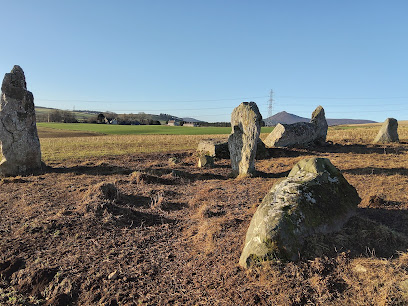
East Aquhorthies Stone Circle stands as a remarkable example of the recumbent stone circle type, a prehistoric monument found only in northeast Scotland. Dating back to the early Bronze Age, this nearly perfect circular formation measures approximately 19.5 meters in diameter. Its defining feature is the massive recumbent stone laid on its side, flanked by two upright grey granite pillars, positioned typically on the south or south-west side of the circle. The stones are predominantly pinkish porphyry, but the recumbent itself is crafted from red granite quarried near Bennachie, while one stone is red jasper, highlighting the deliberate selection of stones for their color and symbolism.Preservation and Surrounding Landscape
The circle is enclosed within a dry stone wall, known as a roundel, constructed in the mid-19th century to protect the monument. This enclosure gives the site a distinctive “dish-like” feel and helps preserve its structural integrity. The landscape around East Aquhorthies is gently rolling farmland with expansive views eastward, including the prominent Mither Tap, the highest peak of the Bennachie range. The site’s alignment and setting suggest a spiritual or ritual significance, possibly related to lunar or solar observations.Visitor Experience and Access
Visitors approach the circle via a short walk from a small car park located about 275 meters north of the site. The walk follows a mix of tarmac and farm tracks, which can be uneven or muddy depending on weather conditions, so sturdy footwear is recommended. The site is open year-round without an entrance fee, managed by Historic Environment Scotland, and features an information board that provides context about its history and significance. The small car park accommodates about 4–5 vehicles, and parking is limited, with no facilities for coaches or large vehicles.Historical and Cultural Significance
East Aquhorthies is considered one of the earliest recumbent stone circles in Aberdeenshire, reflecting sophisticated prehistoric engineering and ceremonial practices. The placement of the recumbent stone and its flankers likely framed important celestial events, such as the rising and setting of the moon, which would have been integral to the spiritual life of the ancient communities. The name "Aquhorthies" derives from a Gaelic term meaning "field of prayer," underscoring the site's long-standing ritual importance.Natural Beauty and Surrounding Attractions
The stone circle is nestled within a tranquil rural setting that invites reflection and connection with Scotland’s ancient past. Nearby, the Bennachie hills offer hiking trails and panoramic views, while other historic sites like the Maiden Stone enrich the cultural landscape. The area’s natural beauty changes with the seasons, with spring to autumn providing the clearest skies and best light for photography and sketching.Conservation and Respect for Heritage
As a scheduled monument, East Aquhorthies Stone Circle is protected by law. Visitors are urged to respect the site by not climbing on or moving the stones. The dry stone wall and fenced enclosure help safeguard the circle from damage, preserving it for future generations to study and appreciate. The site’s quiet ambience and evocative presence offer a unique window into Scotland’s prehistoric heritage.Iconic landmarks you can’t miss

Balquhain Stone Circle
3.3 km
Explore Balquhain Stone Circle, a rare Neolithic monument near Inverurie, revealing ancient ritual mysteries amidst Aberdeenshire’s serene landscape.
Barra Hill
8.5 km
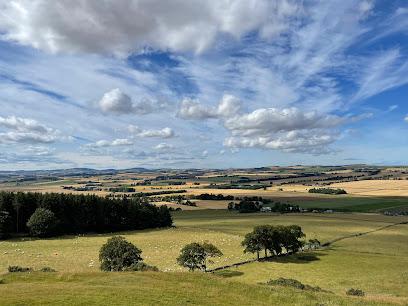
Explore Barra Hill near Inverurie, an ancient hillfort and historic battlefield offering panoramic views and a deep connection to Scotland’s past.
Dyce Standing Stones
14.8 km
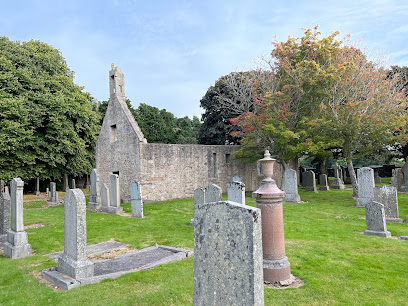
Mysterious Pictish stones bridging pagan and Christian worlds, carved over 1,400 years ago.
Stone 45
20.0 km
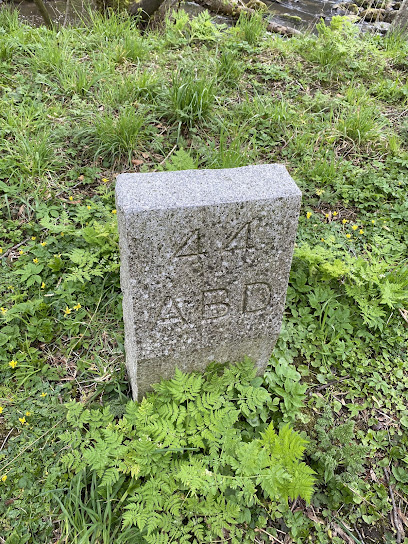
A historical landmark preserving Aberdeen's heritage in the heart of Bucksburn.
Workers' Memorial
21.1 km
A solemn granite obelisk in peaceful Persley Walled Garden, honoring Aberdeen’s industrial workers who lost their lives.
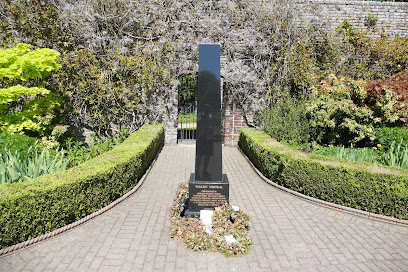
Piper Alpha Memorial Garden
22.3 km
A solemn bronze memorial honoring 167 lives lost in the world's deadliest offshore oil disaster.
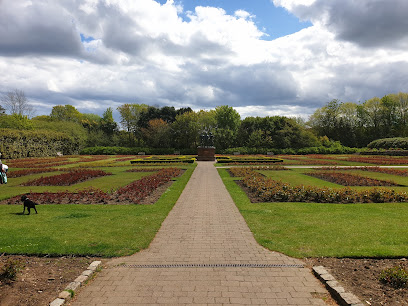
Keith's Tower
23.5 km
Discover Keith's Tower near Banchory, a striking 19th-century castellated landmark steeped in Scottish heritage and scenic charm.
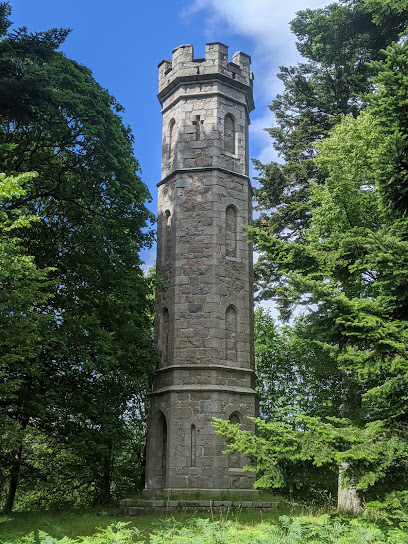
Forbes of Newe Obelisk
24.0 km
A noble stone memorial honouring a philanthropist's gift to Scottish mental health care
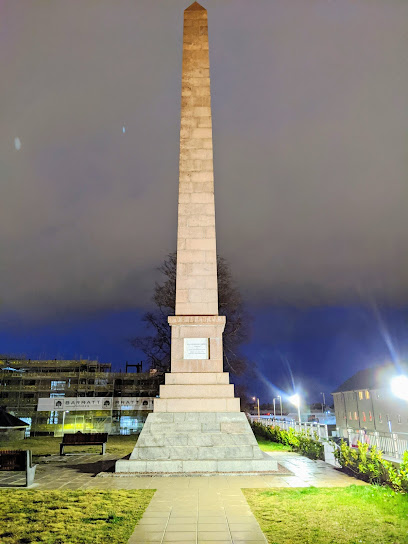
The Powis Gates
24.2 km
Twin towers of Turkish-inspired design, built with slavery compensation in 1834.
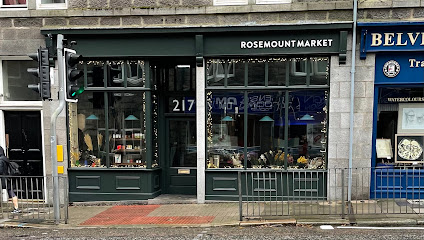
Rosemount Market
24.2 km
Discover Aberdeen’s Rosemount Market, a vibrant hub for sustainable shopping, local produce, and artisan crafts in a welcoming community setting.
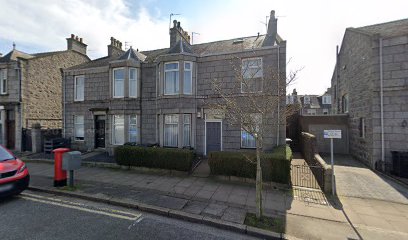
Edward VIII Post Box
24.3 km
Discover a rare Edward VIII post box in Aberdeen, a unique relic from the brief 1936 reign of a king who changed British history.
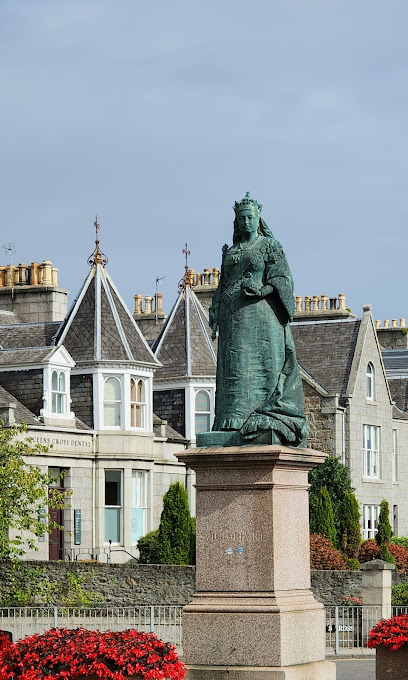
Queen Victoria Statue
24.3 km
Bronze tribute to a beloved monarch, marking Aberdeen's elegant West End and the city's royal heritage.
Rosemount Palace
24.3 km
A unique, budget-friendly B&B in a converted church offering practical comfort and central access in Aberdeen.

Blairs Museum
24.9 km
Explore Scotland’s Catholic heritage through centuries-old artifacts at Blairs Museum near Aberdeen, a unique cultural and spiritual treasure.
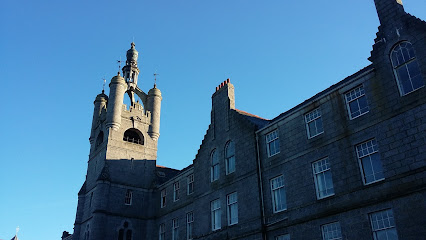
Gallows Hill
25.1 km
Gallows Hill in Aberdeen stands as a haunting reminder of centuries-old public executions and grim justice.
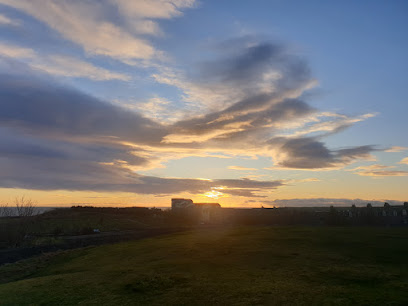
Unmissable attractions to see

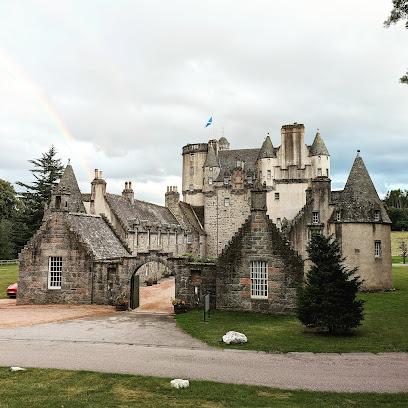
Castle Fraser, Garden & Estate
8.3 km
Explore one of Scotland’s grandest tower houses with secret staircases, vibrant gardens, and scenic woodland trails in Aberdeenshire.
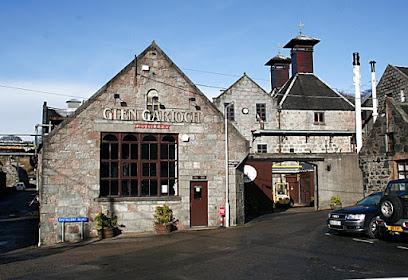
Glen Garioch Distillery
10.2 km
Explore Scotland’s historic Glen Garioch Distillery in Oldmeldrum, where centuries-old whisky craftsmanship meets authentic Highland charm.
Dunnydeer Castle
14.1 km
Explore Dunnydeer Castle, a historic site in Insch, offering stunning views and a glimpse into Scotland's medieval past amidst beautiful natural landscapes.
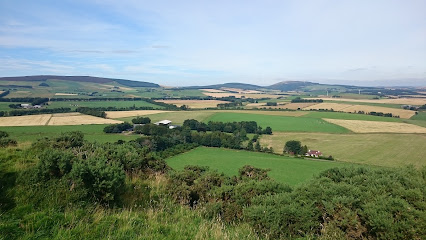
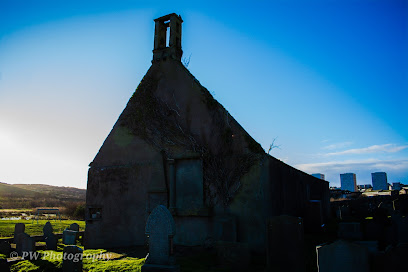
Dyce Symbol Stones
15.2 km
Explore the enigmatic Dyce Symbol Stones—ancient Pictish carvings nestled in the ruins of St Fergus's Chapel, revealing Scotland’s early medieval mysteries.
Kirkhill Forest
15.4 km
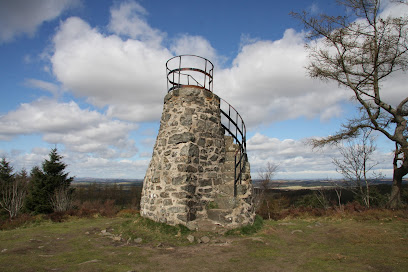
Explore Kirkhill Forest’s scenic trails, historic Tappie Tower, and vibrant woodlands just minutes from Aberdeen’s city limits.
Grampian Transport Museum
16.1 km
Explore Scotland’s rich motoring past at Grampian Transport Museum, a family-friendly seasonal attraction in scenic Aberdeenshire.
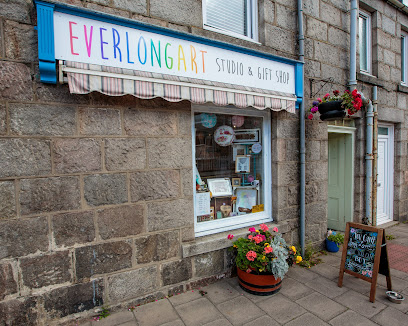
Everlongart Studio & Gift Shop
16.2 km
Discover original Scottish art and handcrafted gifts in a welcoming studio nestled in Alford’s charming Main Street.
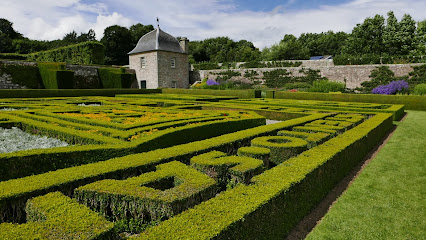
Pitmedden Garden & Museum of Farming Life
16.8 km
Discover a vibrant 17th-century Scottish Renaissance walled garden with colorful parterres, historic orchard, and a captivating Museum of Farming Life.
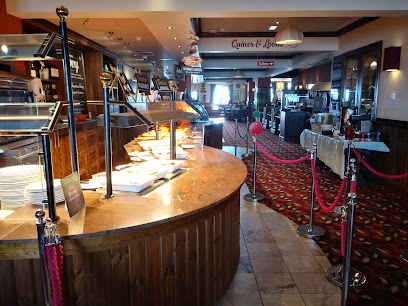
Dyce Farm - Dining & Carvery
17.1 km
Cozy British pub and carvery near Aberdeen Airport, offering hearty meals, family-friendly amenities, and a warm welcoming atmosphere.
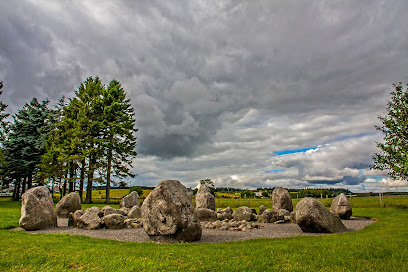
Cullerlie Stone Circle
17.3 km
Explore the rare Bronze Age Cullerlie Stone Circle, a unique cremation site nestled in Aberdeenshire’s tranquil valley landscape.
VisitAberdeenshire
18.4 km
Scotland's premier arena hosting world-class events, concerts, and conferences in a sustainable, state-of-the-art venue.
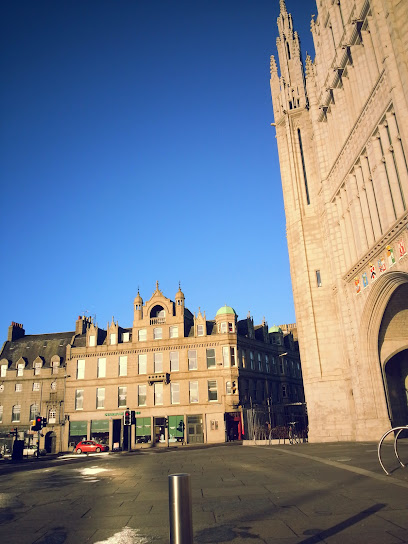
Fyvie Castle
18.8 km
Explore Fyvie Castle, an 800-year-old Scottish Baronial fortress rich in history, art, legends, and scenic grounds in Aberdeenshire.

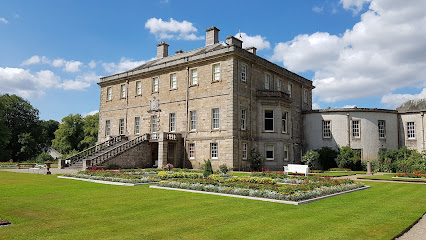
Haddo House
19.5 km
Explore Haddo House, a stunning Georgian Palladian mansion with Victorian interiors, historic gardens, and rich Scottish heritage near Ellon.
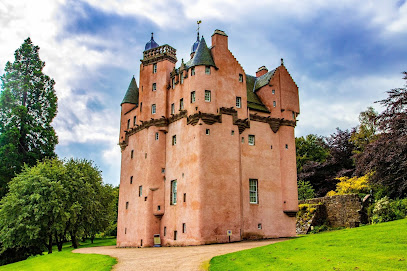
Craigievar Castle
20.0 km
Discover the enchanting pink Scottish castle that inspired Disney’s Cinderella, with authentic Jacobean interiors and tranquil woodland grounds.
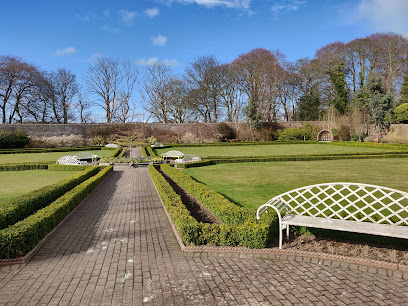
Persley Walled Garden
21.1 km
A serene Victorian walled garden in Aberdeen offering peaceful walks, vibrant plantings, and a poignant workers' memorial beside the River Don.
Essential places to dine

The Montgomerie Restaurant
3.0 km
A tranquil golf club restaurant in Inverurie serving excellent British cuisine with scenic course views and a welcoming atmosphere.
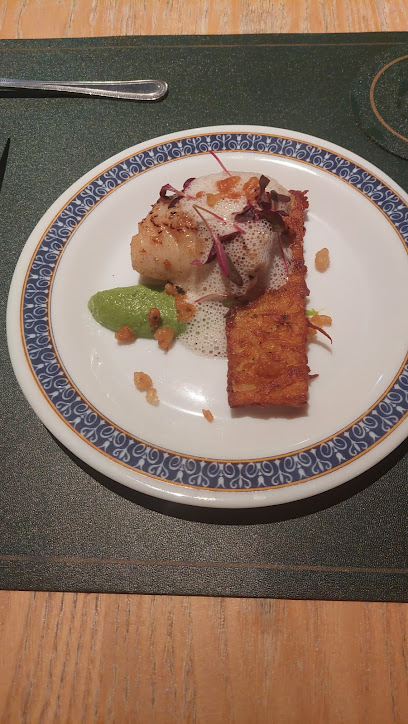
Fennel Restaurant
4.3 km
Modern European dining with fresh local ingredients in a relaxed, stylish setting at Inverurie’s Fennel Restaurant.
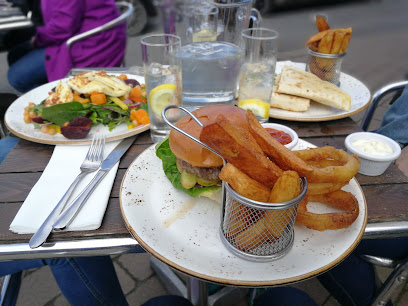
1236 Cave Bar at Meldrum House
11.5 km
Historic 800-year-old stone bar with award-winning whisky and casual Scottish dining at Meldrum House Country Hotel.
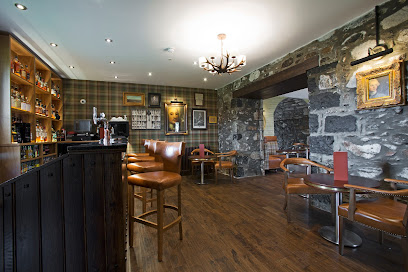
Beekie's Neuk
15.4 km
A beloved Newmachar pub serving hearty homemade Scottish classics in a relaxed, friendly atmosphere with generous portions and good value.
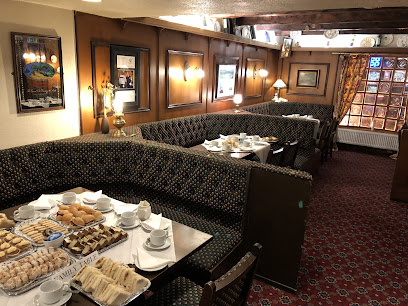
Eat On The Green
15.8 km
Experience refined Scottish dining with fresh local ingredients and impeccable service in the heart of Udny Green.
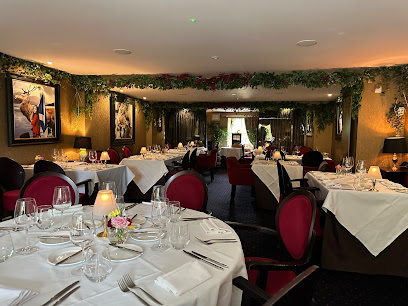
The Garlogie Inn
16.3 km
Discover family-friendly dining at The Garlogie Inn in Westhill, where delicious meals meet warm hospitality in a cozy pub setting.
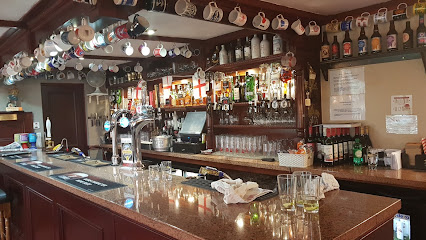
Luigi's
17.1 km
Experience authentic Italian flavors and cozy bar vibes at Luigi's, Westhill’s beloved spot for traditional pasta, pizza, and desserts.
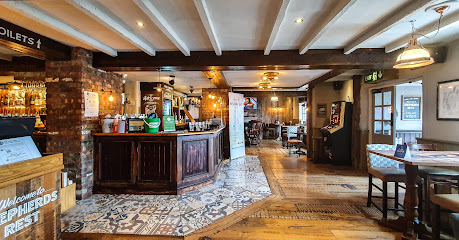
Shepherds Rest - Pub & Grill
17.4 km
A welcoming Westhill pub where rustic charm meets expert flame-grilled cooking in a family-friendly setting.
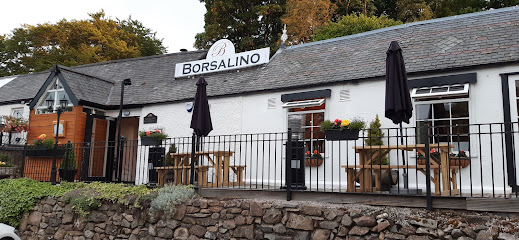
Borsalino
22.4 km
Experience authentic Italian cuisine with a modern twist in the warm, inviting atmosphere of Borsalino, Peterculter’s culinary gem.
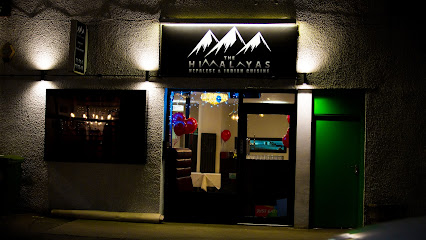
The Himalayas Restaurant
22.8 km
Authentic Nepalese and Indian flavors served with warm hospitality in the heart of Peterculter, Aberdeen.
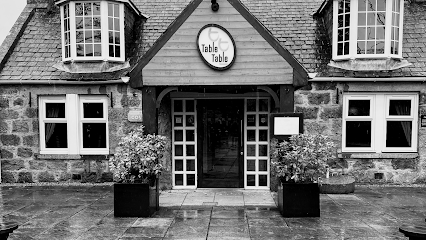
Mill Of Mundurno Table Table
22.9 km
Family-friendly pub dining in scenic Aberdeen farmland with hearty British classics and warm hospitality.
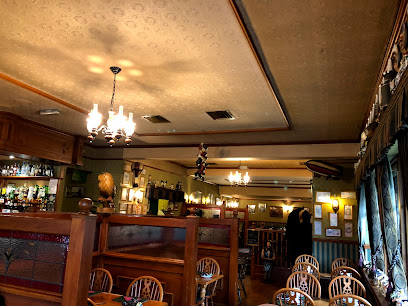
The Ploughman
23.0 km
A traditional Scottish pub and restaurant in Peterculter serving hearty local dishes with warm hospitality and a rich drinks selection.
The Cock & Bull
23.4 km
A beloved Scottish gastropub in Balmedie offering award-winning food, cozy accommodation, and a warm, welcoming atmosphere.
The Bieldside Inn
23.6 km
A contemporary English pub and restaurant in Aberdeen offering quality food, warm hospitality, and inviting spaces for every occasion.
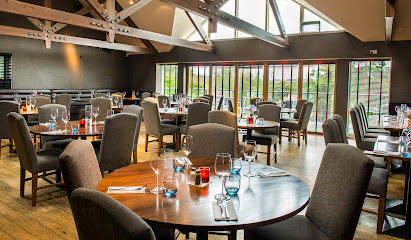
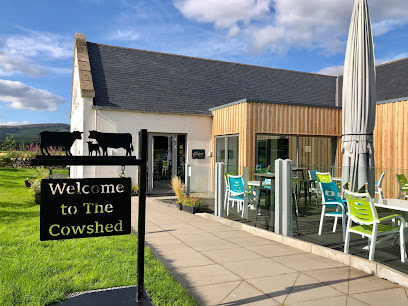
The Cowshed Restaurant & Takeaway
23.7 km
A family-owned haven in Aberdeenshire serving simple, seasonal Scottish cuisine with a popular fresh fish takeaway.
Markets, malls and hidden boutiques

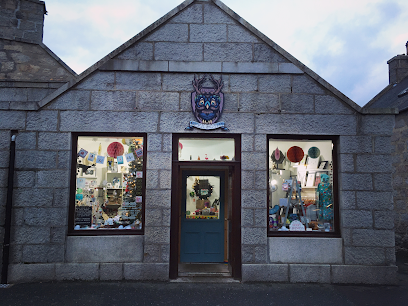
Geek Bothy Ltd
4.7 km
Award-winning gift shop celebrating local makers, quirky treasures, and creative community in rural Aberdeenshire.
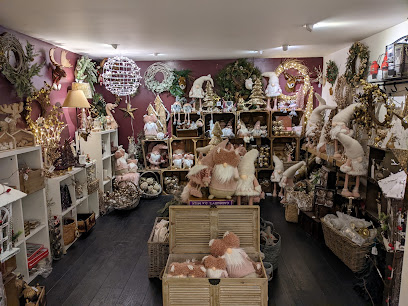
Treehouse
14.9 km
Discover unique gifts, home furnishings, and a cozy café experience in the charming Treehouse of Midmar near Inverurie.
EARTHSTORE.CO.UK
22.5 km
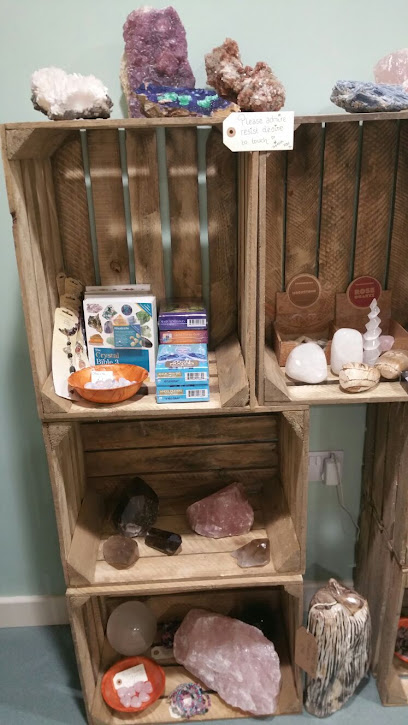
A small, curated gem and wellness emporium within Aberdeen’s Urban Wellness Hub, where crystals, lapidary work and calming gifts meet holistic therapies.
The Stock Shop Ltd.
23.0 km
Discover stylish clothing at The Stock Shop Ltd. in Aberdeen Royal Infirmary, where fashion meets convenience.

Made by Mums with Love
23.6 km
Discover heartfelt handmade gifts crafted by mums, supporting families through creativity and community in Aberdeen.
Joli Gifts
23.6 km
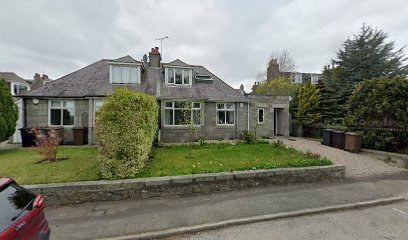
A cozy independent gift shop in Aberdeen filled with handmade treasures, local art, and thoughtful Scottish souvenirs.
The Bear Essentials
23.9 km
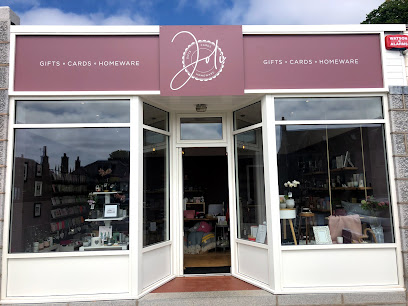
University pride in every stitch: Discover Aberdeen's Bear Essentials for branded gear and gifts in the historic Students' Union Hub.

ShopHub
23.9 km
Everyday essentials at the pulse of Aberdeen Uni campus – ShopHub fuels student life with groceries, snacks, and supplies in Old Aberdeen's historic heart.

The Owl at Number Two
24.0 km
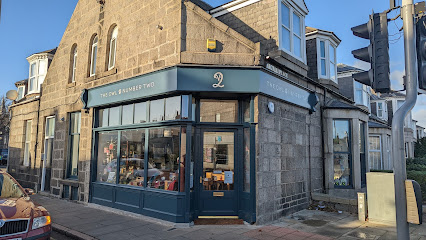
Discover unique Scottish gifts and local artistry in a warm, inviting boutique shop on Mid Stocket Road, Aberdeen.
Blackwell's Bookshop
24.0 km
Discover timeless tales and local lore amid the ancient stones of Old Aberdeen at this beloved independent bookshop haven.
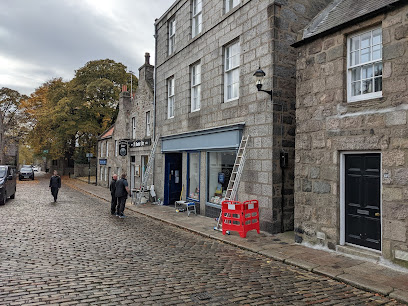
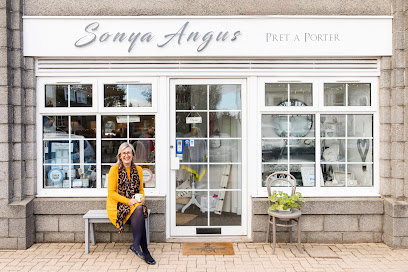
Sonya Angus: The Unique Boutique
24.1 km
Discover stylish gifts, rustic furniture, and fashion accessories in a warm, community-focused boutique nestled in Cults’ charming Courtyard.
Gifted
24.1 km
Discover unique and locally inspired gifts at Gifted, Aberdeen’s boutique treasure trove on Countesswells Road.
Àdùké Fashion House
24.2 km
Discover African vibrancy on Aberdeen's George Street: native wears, handmade bags, and cultural fusion fashion for all ages at affordable prices.

Malthurst Retail Ltd
24.2 km
A compact King Street convenience outlet serving Old Aberdeen’s students and residents with practical everyday essentials.
Treehouse Home Store
24.3 km
Discover whimsical homewares, stylish furnishings, and cozy cafe vibes at Aberdeen's Treehouse Home Store—a creative haven for design lovers and casual browsers alike.
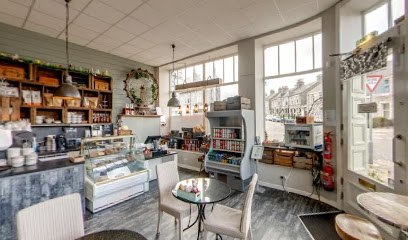
Essential bars & hidden hideouts

The Distilling House
16.8 km
A welcoming airport pub celebrating Scottish whisky heritage with classic food, craft beers, and expert spirit knowledge.
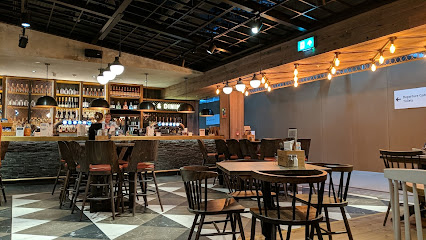
Spider's Web
17.2 km
A cozy and friendly pub in Dyce offering hearty meals, quality drinks, and a welcoming atmosphere near Dyce railway station.
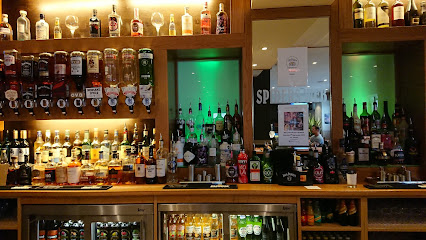
The Craft - off-licence and Bar
17.3 km
A cozy village wine bar and off-licence in Pitmedden offering craft drinks, community spirit, and award-winning hospitality.
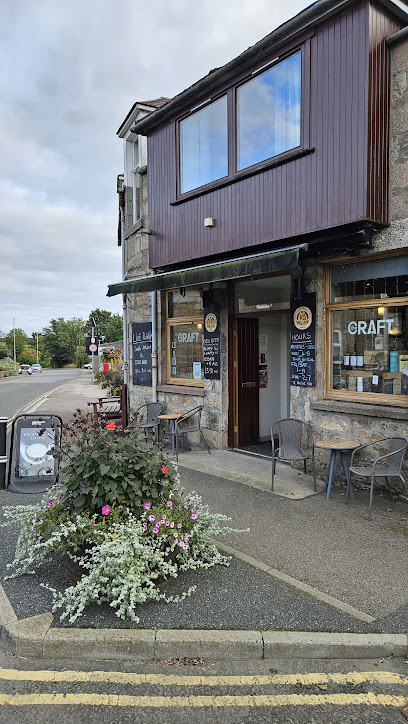
The Staging Post
19.9 km
A friendly and lively local pub in Bucksburn with great drinks, sports, and a family-friendly beer garden.
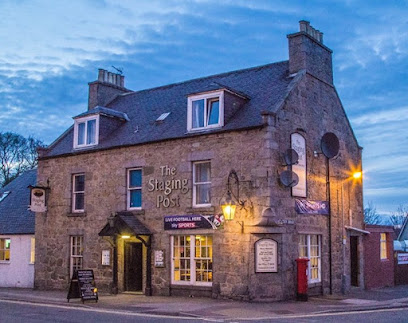
Mains of Scotstown
21.9 km
A welcoming British pub in Aberdeen offering classic dishes, craft drinks, live music, and a lively beer garden atmosphere.
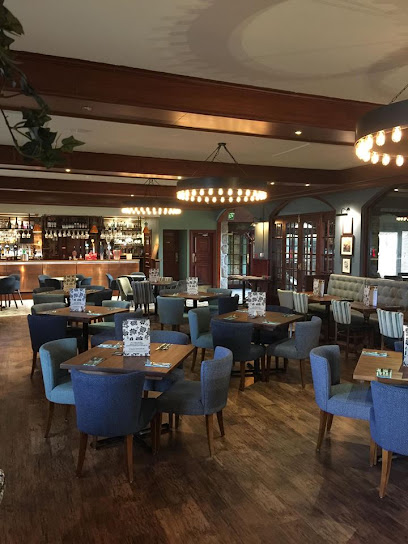
Murdos Bar
22.4 km
A vibrant community pub in Aberdeen offering great food, live sports on multiple screens, a welcoming atmosphere, and a spacious beer garden.
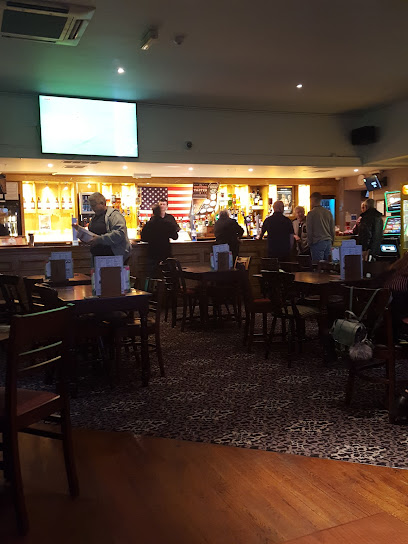
Croft & Cairns
22.4 km
A friendly and welcoming bar and restaurant in Aberdeen offering generous scratch-made meals and a versatile function room in a quiet, convenient setting.
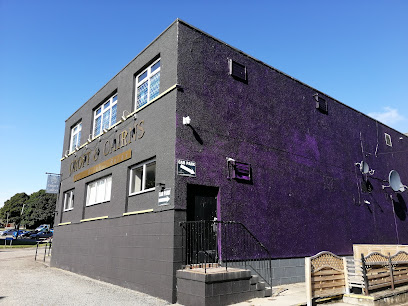
Black's Bar
22.7 km
Experience authentic Scottish hospitality and lively village pub charm at Black's Bar in Peterculter, Aberdeen.
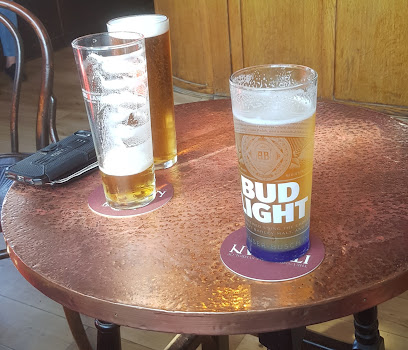
The Old Bank Bar Ltd
22.7 km
A charming former bank turned cozy bar and cafe, blending historic character with friendly service and hearty meals in Peterculter.
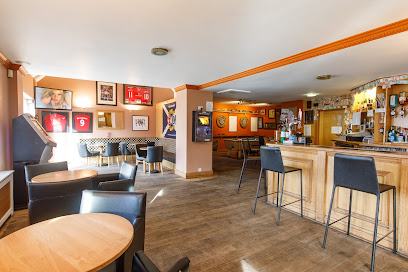
Black Dog
23.4 km
A friendly, lively pub in Aberdeen’s Bridge of Don serving hearty British classics with great entertainment and welcoming vibes.
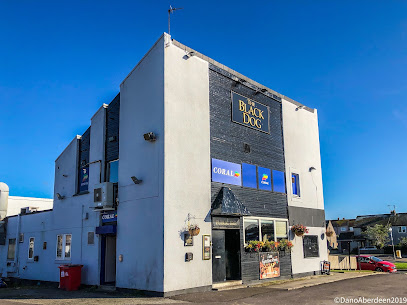
St. Machar Bar
24.0 km
Authentic Old Aberdeen pub with award-winning whiskies, local cask ales, historic brewery mirrors, and hearty pub grub in a student-favored historic spot.
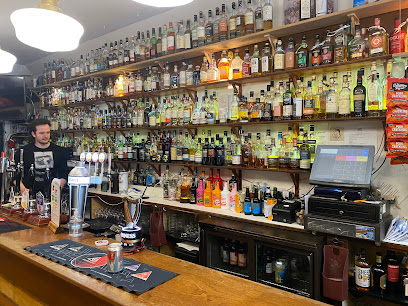
Rowan Tree Bar
24.3 km
Cozy Old Aberdeen pub pouring local ales, serving hearty Scottish dishes, and hosting lively events in a historic neighborhood gem.
The Queen Vic
24.3 km
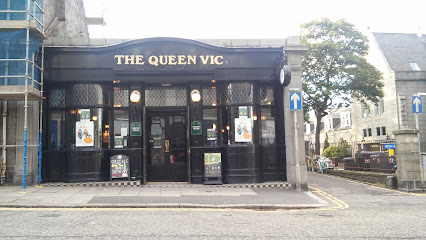
Aberdeen's hometown pub since 1996: pints, sports, and community spirit in cozy Rosemount.
The Bobbin
24.6 km
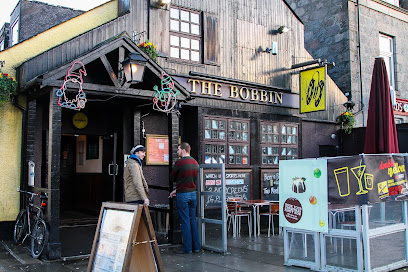
A lively, student-leaning King Street pub offering hearty pub grub, sports screens and good-value drinks from breakfast through late night.
Northern Bar
24.8 km
A vibrant Aberdeen pub blending heritage, live sports, hearty food, and community spirit in a welcoming setting.
Nightclubs & after hour spots

Venga
24.9 km
Dive into Aberdeen's electric nightlife at Venga, where retro beats, themed nights, and cocktails fuel unforgettable dances until dawn on vibrant Chapel Street.
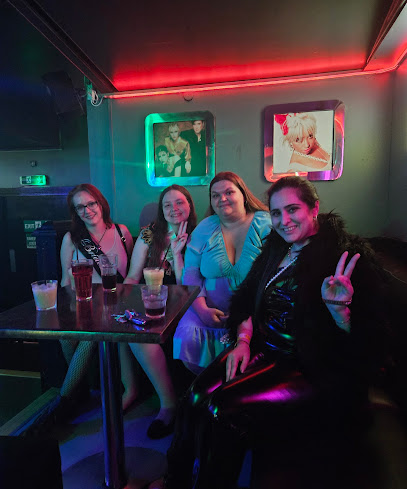
Club Tropicana & Venga
24.9 km
Compact retro nightclub on Chapel Street with neon kitsch, themed nights and a late‑night dancefloor for nostalgic hits and loud, energetic DJ sets.
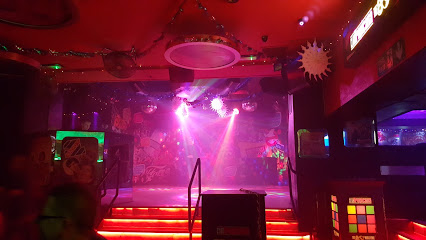
Babylon
25.0 km
Discover the pulse of Aberdeen's nightlife at Babylon, a premier nightclub and bar offering unforgettable nights filled with music and fun.
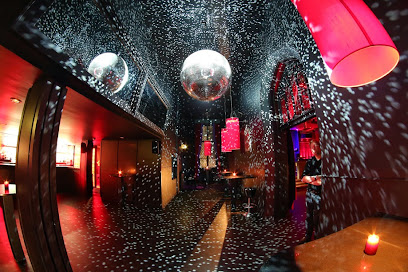
491 Union Street
25.0 km
Dive into Aberdeen's electric nightlife at this top-of-Union-Street hotspot, where killer beats, craft drinks, and epic events light up weekends until dawn.
Exodus
25.2 km
Experience Aberdeen’s vibrant nightlife and boozy brunches in a unique historic church setting at Exodus, The Triplekirks.
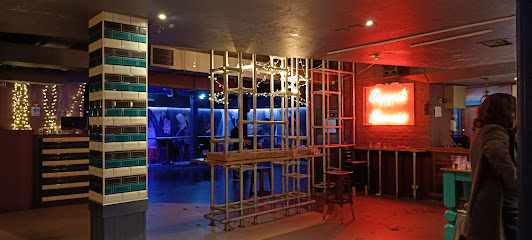
Number 7 Club
25.3 km
Aberdeen's intimate adult club on Crown Street: full-nude dances, drinks, and late-night energy from 9pm to 3am weekends.

The Underground Klub
25.4 km
A compact, bass-forward late-night club in central Aberdeen with booth seating, layered sound and an intimate underground vibe.
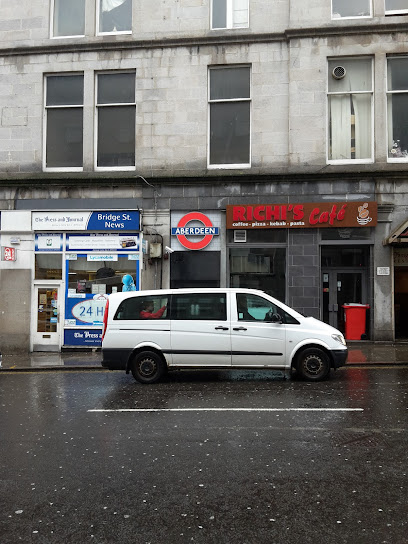
AURA Nightclub Aberdeen
25.4 km
Experience Aberdeen’s vibrant nightlife and nostalgic disco vibes at Aura Nightclub, the city’s premier venue for dynamic music and festive parties.
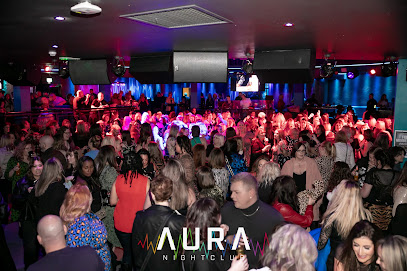
Private Eyes
25.4 km
Experience Aberdeen’s vibrant nightlife at Private Eyes, a stylish nightclub offering lively music, adult entertainment, and a welcoming city-center atmosphere.
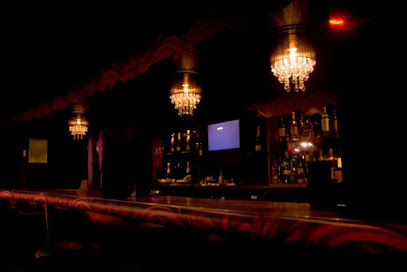
The Tunnels
25.4 km
Dive into Aberdeen’s underground nightlife at The Tunnels, where pulsating beats and intimate vibes create unforgettable nights.
The Mask Club
25.5 km
Aberdeen’s vibrant adult entertainment hotspot with professional dancers, lively music, and a dynamic late-night atmosphere.
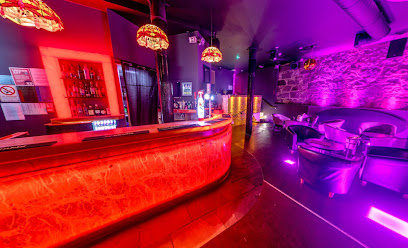
CHEERZ
25.5 km
Aberdeen's iconic LGBT bar and nightclub: dance, drink, and connect in a welcoming Exchange Street haven open late into the night.
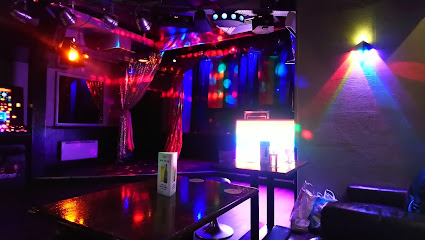
Market Arms
43.4 km
Experience the warmth and vibrancy of Market Arms in Banff, offering local brews, hearty meals, and a friendly atmosphere for every traveler.
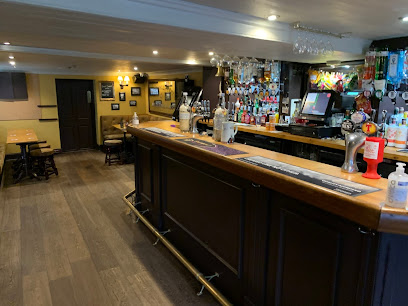
Banff Town & County Club
43.4 km
Discover the heart of Banff at the historic Town & County Club, a social hub that celebrates local culture and community spirit.
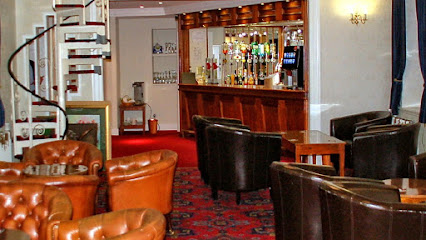
Deveronside Club
43.5 km
A warm and lively social club in Banff offering great events, affordable drinks, and a welcoming community atmosphere.
For the vibe & atmosphere seeker
- Tranquil
- Scenic
- Unique
- Relaxing
For the design and aesthetic lover
- Rustic Designs
For the architecture buff
- Historic
- Heritage Neighborhoods
For the view chaser and sunset hunter
- Iconic Views
- Panoramas
For the social media creator & influencer
- Instagrammable
- Photo Spots
For the eco-conscious traveler
- Protected Area
- Public-Transport Accessible
- Locally Managed
- Leave-No-Trace Critical
For the kind of experience you’re after
- Cultural Heritage
- Myth & Legends
- Nature Escape
- Day Trip
For how adventurous you want the journey to be
- Easy Access
Location Audience
- Family Friendly
- Senior Friendly
- Child Friendly
- Teen Friendly
- Wheelchair Access
- Pet Friendly
- Solo Friendly
- Couple Friendly
- Vegetarian Friendly
- Vegan Friendly


