
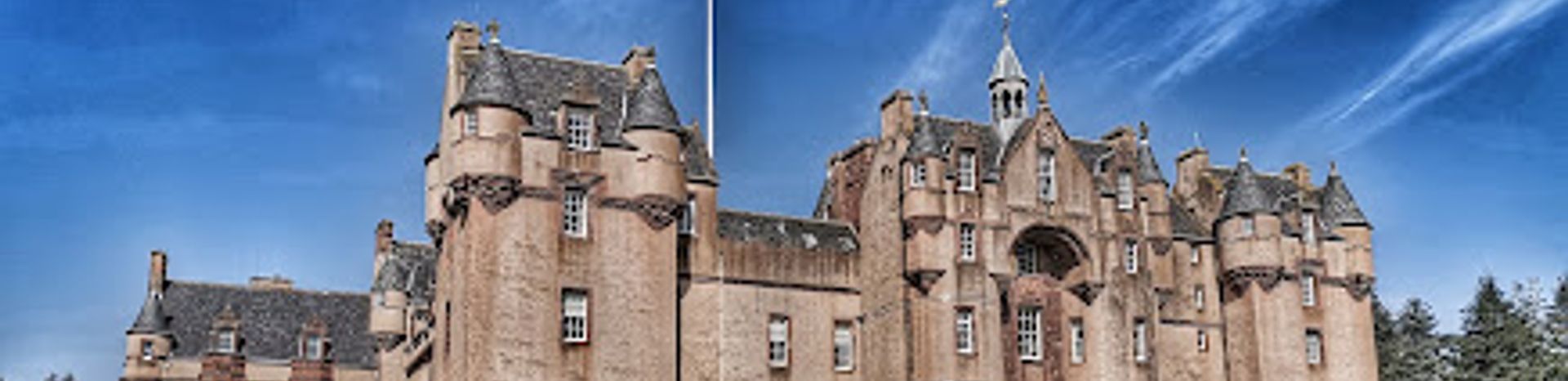
Fyvie Castle: An 800-Year Scottish Baronial Fortress Steeped in History and Legend
Explore Fyvie Castle, an 800-year-old Scottish Baronial fortress rich in history, art, legends, and scenic grounds in Aberdeenshire.
Fyvie Castle, located near Turriff in Aberdeenshire, Scotland, is an imposing 800-year-old fortress renowned for its Scottish Baronial architecture, rich history, and captivating legends. Built originally in the early 13th century, it evolved through five dynastic families who each added distinctive towers. The castle houses an impressive collection of portraits and antiquities, and its grounds feature picturesque landscapes and rare architectural features like a glass-roofed racquets court. Fyvie is also famed for its ghost stories and the mysterious curse of the three weeping stones.
A brief summary to Fyvie Castle
- Turriff, Fyvie, AB53 8JS, GB
- +441651891266
- Visit website
- Duration: 1.5 to 3 hours
- Mid ranged
-
 Outdoor
- Mobile reception: 4 out of 5
- Monday 10:30 am-3:30 pm
- Tuesday 10:30 am-3:30 pm
- Wednesday 10:30 am-3:30 pm
- Thursday 10:30 am-3:30 pm
- Friday 10:30 am-3:30 pm
- Saturday 10:30 am-3:30 pm
- Sunday 10:30 am-3:30 pm
Local tips
- Visit during the open season from April to October to experience the full castle interior and grounds.
- Don’t miss the impressive portrait collection featuring works by Raeburn and Gainsborough.
- Explore the castle’s grounds and walled gardens for picturesque walks and views of Fyvie Lake.
- Learn about the castle’s famous curse and ghost stories for a deeper sense of its mysterious heritage.
- Consider staying overnight in the Preston Tower for a unique historic lodging experience.

For the on-the-go comforts that matter to you
- Restrooms
- Drink Options
- Food Options
- Seating Areas
- Trash Bins
- Information Boards
- Visitor Center
Getting There
-
Train and Bus Combination
Take a train to Aberdeen (approximately 2.5 to 3 hours from Edinburgh or Glasgow). From Aberdeen, catch a local bus towards Turriff, which takes about 1 to 1.5 hours. From Turriff, a taxi or local bus can bring you to Fyvie Castle. Bus services may be limited on weekends and holidays. Total travel time ranges from 4 to 5 hours. Train fares vary from £20-£50, and bus fares around £5-£10.
-
Car Travel
Driving from Aberdeen to Fyvie Castle takes approximately 40 minutes over 30 miles via A96 and B9001. Parking is available on site for a £5 fee. Note that rural roads may be narrow and require cautious driving, especially in winter months.
-
Guided Tour Shuttle
Several tour operators in Aberdeen offer day trips to Fyvie Castle with shuttle transport included. These tours typically last 6 to 8 hours and cost between £50-£80 per person, including castle admission.
Fyvie Castle location weather suitability
-
 Any Weather
-
 Rain / Wet Weather
-
 Clear Skies
-
 Mild Temperatures
Discover more about Fyvie Castle
Foundations of a Royal Stronghold
Fyvie Castle’s origins trace back to the early 13th century, with its earliest mention between 1211 and 1214 during the reign of William the Lion. Originally a royal fortress, it served as a royal residence and administrative center where Robert the Bruce held open-air courts beneath the beech woods. The castle’s lands were once a royal hunting forest, lending Fyvie its Gaelic name meaning "Deer Hill." Over the centuries, Fyvie witnessed visits from Scottish monarchs and was a strategic site during key historical events, including Edward I’s incursions and the Cromwellian occupation.The Legacy of Five Families and Architectural Evolution
Fyvie Castle’s distinctive character arises from the successive ownership of five prominent families: Preston, Meldrum, Seton, Gordon, and Forbes-Leith. Each family contributed a tower, creating the castle’s iconic silhouette crowned by five majestic towers. The Preston Tower, dating from the late 14th to early 15th century, is the oldest. The Seton family, who acquired the castle in 1596, added the grand entrance tower and the remarkable wheel staircase. Later, the Gordon and Forbes-Leith families enhanced the estate with landscaping, new gates, and a rare glass-roofed racquets court, reflecting changing tastes and wealth through the centuries.Art, Armour, and Stories Within Stone Walls
Inside, Fyvie Castle is a treasure trove of history and art. Its walls display an exceptional collection of portraits by renowned painters such as Henry Raeburn, Pompeo Batoni, and Thomas Gainsborough. The castle also houses original arms and armour, alongside intriguing artifacts like the grisly death mask of a hanged murderer. These elements combine to evoke the atmosphere of a grand Scottish laird’s home, where history is palpable in every room. The castle’s library, galleries, and chambers reveal centuries of noble life, conflict, and culture.Legends, Ghosts, and the Curse of the Weeping Stones
Fyvie Castle is steeped in folklore, most famously the curse attributed to the 13th-century prophet Thomas the Rhymer. The curse decrees that until three "weeping stones" taken from the castle’s boundary markers are reunited, the firstborn sons of its owners will never inherit the estate. Only one stone has been found and is kept at the castle, while the others remain lost, perpetuating the castle’s mysterious aura. Visitors may also hear tales of the "Green Lady," a ghost said to be Dame Lilias Drummond, whose restless spirit is part of Fyvie’s enduring mystique.Enchanting Grounds and Contemporary Use
The castle’s grounds, landscaped in the 18th century by Colonel William Gordon, include a picturesque lake and several walled gardens where Scottish fruits are cultivated. The estate invites leisurely walks amid beech woods and along the loch, blending natural beauty with historical ambiance. Today, Fyvie Castle is managed by the National Trust for Scotland and welcomes visitors from April to October. It also serves as a unique venue for weddings and private events, allowing guests to immerse themselves in its grandeur and history.Preserving a Scottish Heritage Icon
Since its acquisition by the National Trust for Scotland in 1984, Fyvie Castle has been preserved as a vital cultural and architectural landmark. Efforts continue to restore features like the rare glass-roofed racquets court, ensuring the castle remains a living monument to Scotland’s layered past. Fyvie stands not only as a fortress but as a narrative of Scottish identity, noble lineage, and the interplay of history and legend that captivates all who visit.Iconic landmarks you can’t miss

Barra Hill
14.1 km
Explore Barra Hill near Inverurie, an ancient hillfort and historic battlefield offering panoramic views and a deep connection to Scotland’s past.
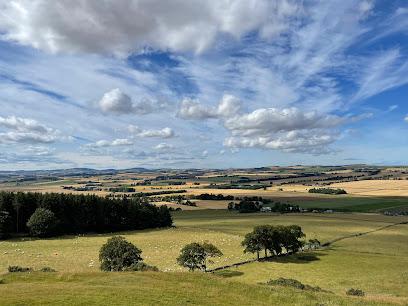
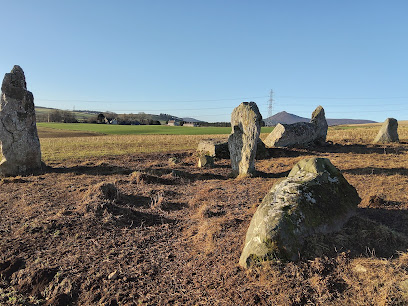
Balquhain Stone Circle
15.5 km
Explore Balquhain Stone Circle, a rare Neolithic monument near Inverurie, revealing ancient ritual mysteries amidst Aberdeenshire’s serene landscape.
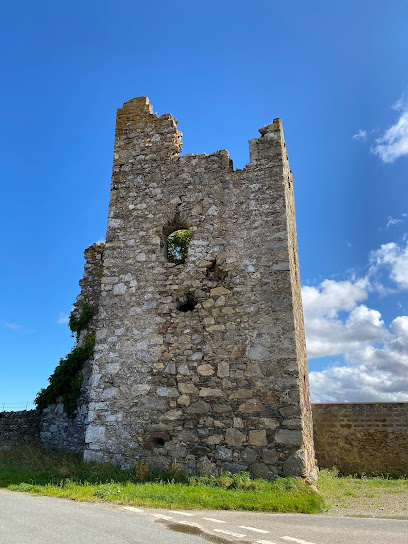
Eden Castle
20.5 km
Ruined Renaissance tower house overlooking river confluence, a scheduled ancient monument of Scottish gentry heritage.
Duff House Fishing Temple
24.6 km
An elegant 18th-century neoclassical fishing temple on the River Deveron, blending history, architecture, and tranquil riverside charm in Aberdeenshire.
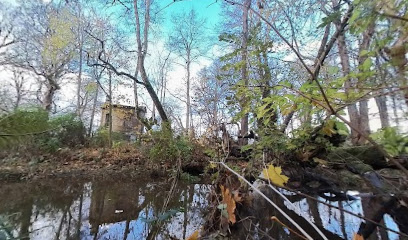
The Plainstones (Center of Banff, UK)
25.7 km
Discover Banff’s historic Plainstones, where centuries-old carvings and heraldic symbols tell the story of Scotland’s coastal heritage.
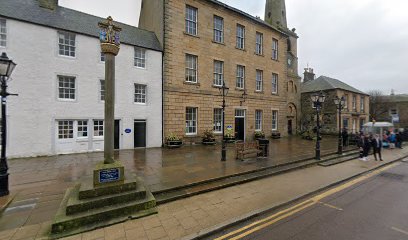
Dyce Standing Stones
27.7 km
Mysterious Pictish stones bridging pagan and Christian worlds, carved over 1,400 years ago.
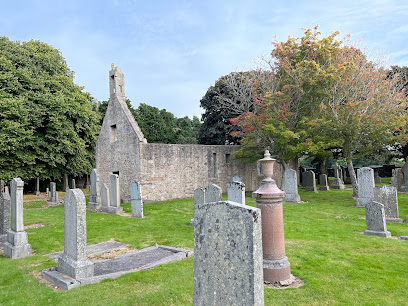
Durn Hill - Iron Age Fort
31.1 km
Explore Durn Hill, an ancient Iron Age fort with commanding views and rich archaeological heritage near Banff, Scotland.
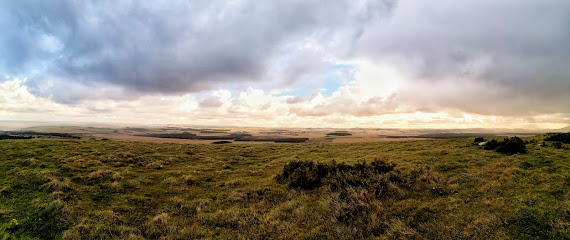
Stone 45
32.9 km
A historical landmark preserving Aberdeen's heritage in the heart of Bucksburn.
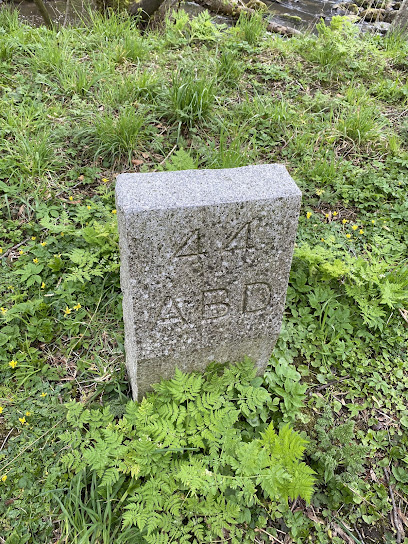
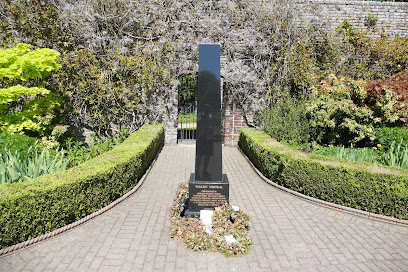
Workers' Memorial
33.2 km
A solemn granite obelisk in peaceful Persley Walled Garden, honoring Aberdeen’s industrial workers who lost their lives.
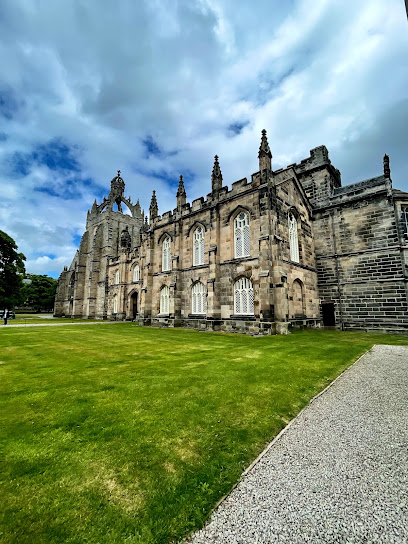
The Powis Gates
35.8 km
Twin towers of Turkish-inspired design, built with slavery compensation in 1834.
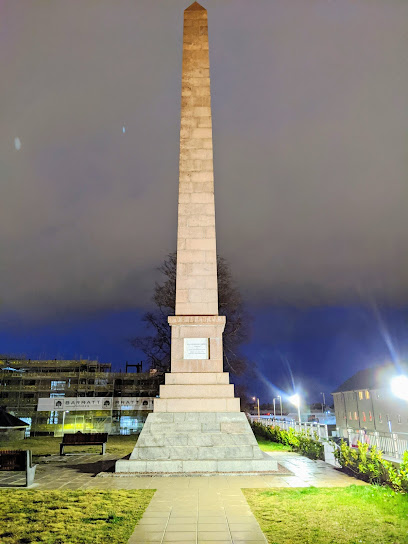
Forbes of Newe Obelisk
36.1 km
A noble stone memorial honouring a philanthropist's gift to Scottish mental health care
Hazlehead Park
36.3 km
Explore the lush landscapes of Hazlehead Park, Aberdeen's premier urban park, perfect for relaxation, outdoor activities, and family fun.
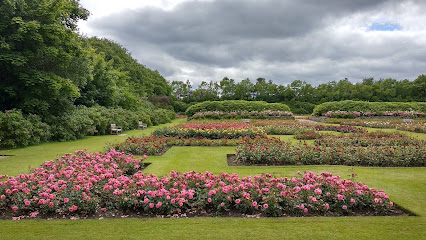
Countesswells
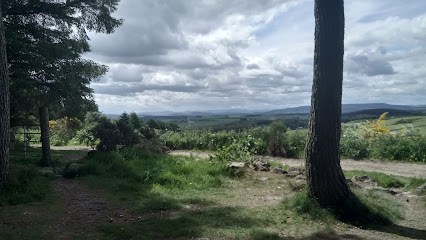
36.3 km
Experience the tranquility of Countesswells Nature Reserve, a hidden paradise near Aberdeen, perfect for nature lovers and outdoor enthusiasts.
Piper Alpha Memorial
36.3 km
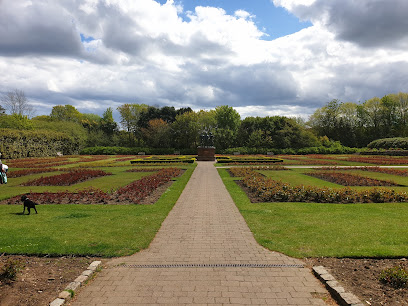
Explore the Piper Alpha Memorial in Aberdeen, a poignant tribute to resilience and remembrance of lives lost in one of the North Sea's most tragic oil rig disasters.

Piper Alpha Memorial Garden
36.3 km
A solemn bronze memorial honoring 167 lives lost in the world's deadliest offshore oil disaster.
Unmissable attractions to see

Haddo House
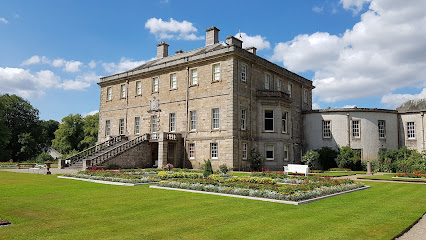
11.4 km
Explore Haddo House, a stunning Georgian Palladian mansion with Victorian interiors, historic gardens, and rich Scottish heritage near Ellon.
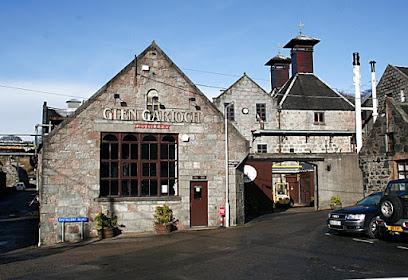
Glen Garioch Distillery
12.5 km
Explore Scotland’s historic Glen Garioch Distillery in Oldmeldrum, where centuries-old whisky craftsmanship meets authentic Highland charm.
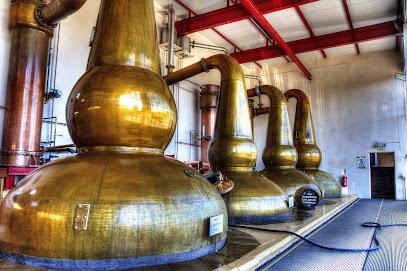
The Glendronach Distillery
14.5 km
Explore nearly 200 years of sherried single malt heritage in the scenic Valley of Forgue at The Glendronach Distillery.
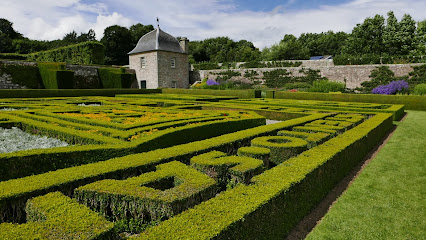
Pitmedden Garden & Museum of Farming Life
16.5 km
Discover a vibrant 17th-century Scottish Renaissance walled garden with colorful parterres, historic orchard, and a captivating Museum of Farming Life.
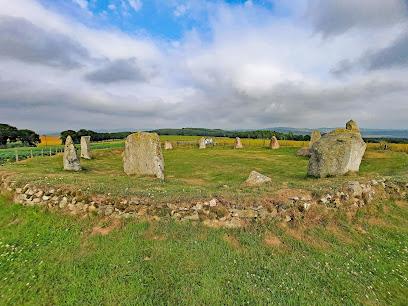
East Aquhorthies Stone Circle
18.8 km
Explore one of Scotland’s best-preserved recumbent stone circles with mystical views and ancient heritage near Inverurie.
Dunnydeer Castle
18.8 km
Explore Dunnydeer Castle, a historic site in Insch, offering stunning views and a glimpse into Scotland's medieval past amidst beautiful natural landscapes.
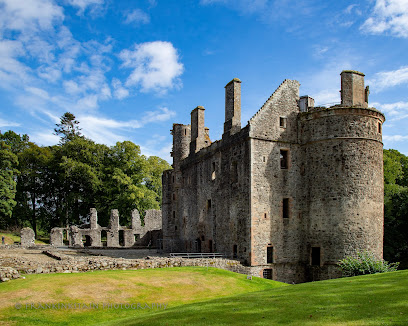
Huntly Castle
23.2 km
Explore the majestic ruins of Huntly Castle, a Renaissance masterpiece and historic seat of the powerful Gordons in scenic Aberdeenshire.
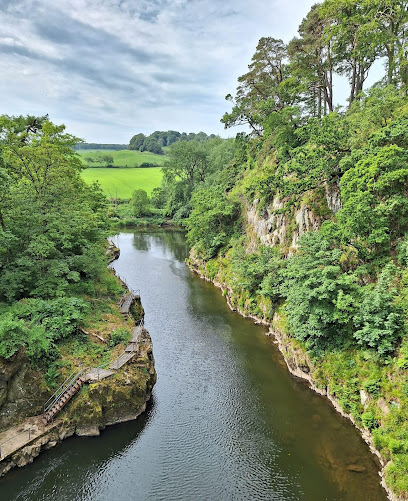
Bridge of Alvah
23.3 km
An 18th-century stone arch bridge soaring above a dramatic Scottish gorge, blending historic craftsmanship with wild natural beauty.
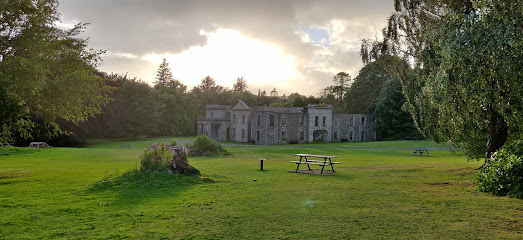
Aden Country Park
23.4 km
Explore 230 acres of natural beauty, historic ruins, and family-friendly fun at Aden Country Park in Aberdeenshire.
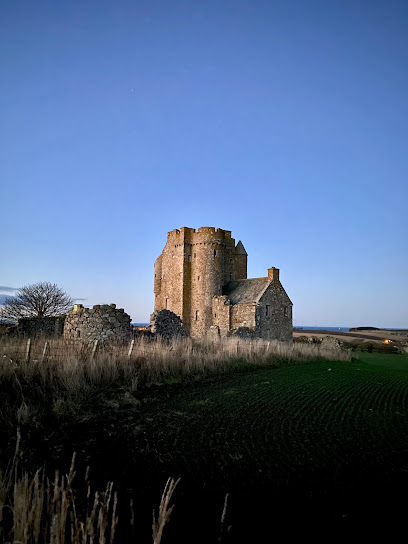
Inchdrewer Castle
23.9 km
Explore the hauntingly beautiful 16th-century Inchdrewer Castle near Banff, steeped in royal history, tragedy, and scenic coastal views.
Ice House
24.8 km
Georgian ice storage engineering: a cool glimpse into 18th-century aristocratic life
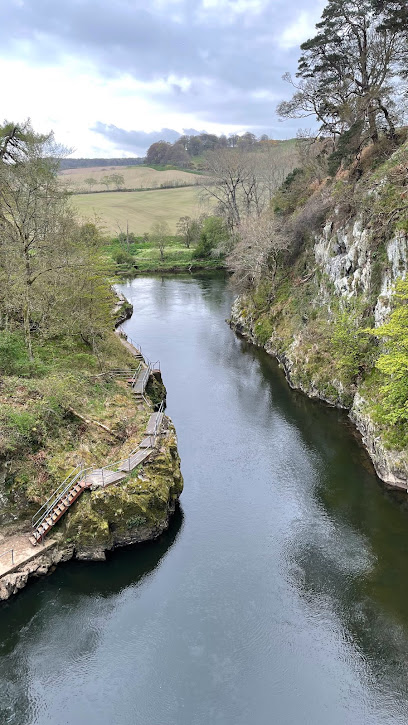
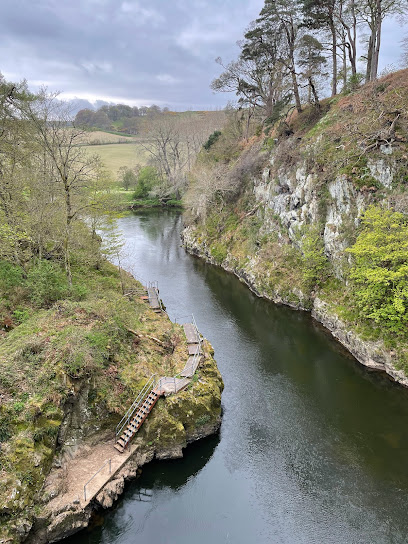
Duff House Mausoleum
24.9 km
A Gothic mausoleum near Duff House, steeped in family legacy, history, and haunting local legends overlooking the River Deveron.
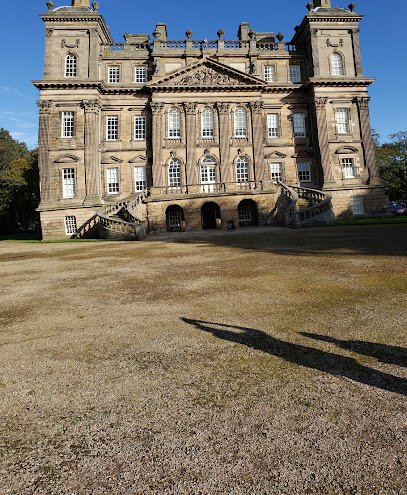
Duff House
25.1 km
Explore Duff House, a majestic Georgian mansion in Banff blending rich history, stunning art, and serene parkland in Scotland’s scenic northeast.
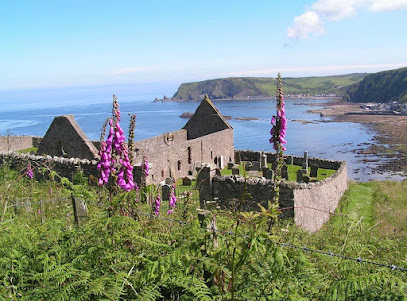
St. John's Church & Kirkyard
25.3 km
Historic cliffside ruins commemorating a legendary 11th-century battle with stunning coastal views near Banff.
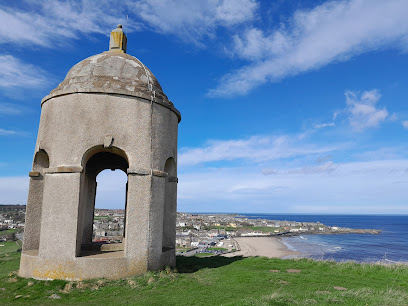
Temple of Venus
25.3 km
An elegant 18th-century folly with stunning panoramic views over Banff, Macduff, and the Moray Firth coastline.
Essential places to dine

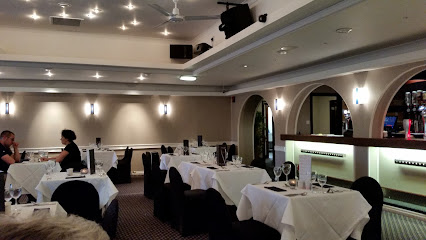
The Kastille
11.3 km
A vibrant blend of modern dining, lively bar, and nightclub experiences in the heart of Turriff.
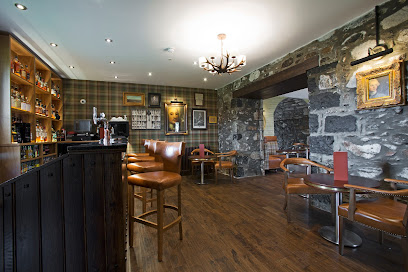
1236 Cave Bar at Meldrum House
11.4 km
Historic 800-year-old stone bar with award-winning whisky and casual Scottish dining at Meldrum House Country Hotel.
Eat On The Green
17.4 km
Experience refined Scottish dining with fresh local ingredients and impeccable service in the heart of Udny Green.
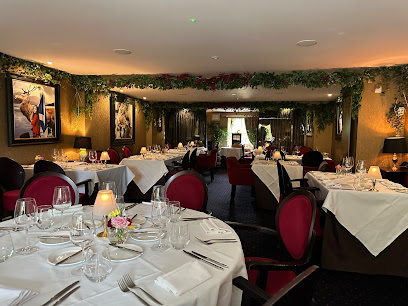
Fennel Restaurant
17.7 km
Modern European dining with fresh local ingredients in a relaxed, stylish setting at Inverurie’s Fennel Restaurant.
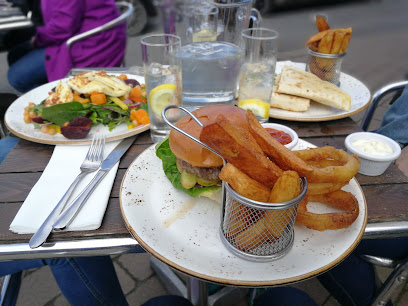
The Montgomerie Restaurant
18.1 km
A tranquil golf club restaurant in Inverurie serving excellent British cuisine with scenic course views and a welcoming atmosphere.
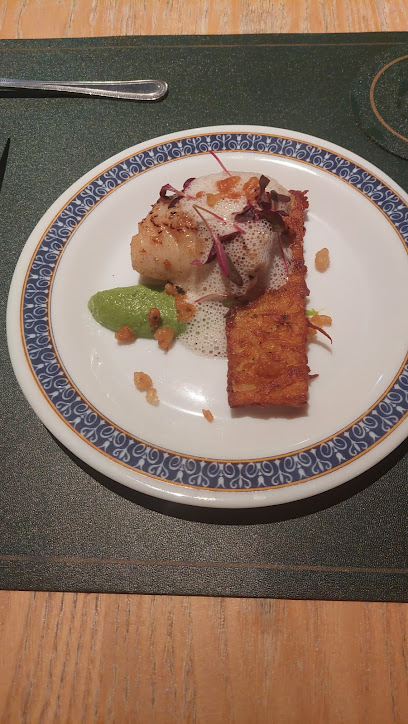
Blakeshouse Lounge Bar & Restaurant
18.8 km
Authentic Scottish flavors and local brews in a cozy lounge setting nestled in the scenic Fisherie area of Turriff.
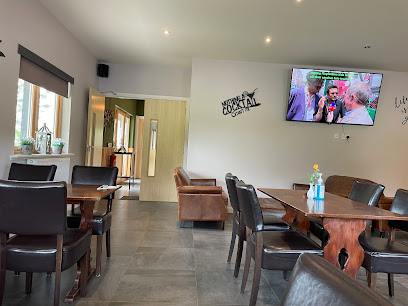
Beekie's Neuk
23.2 km
A beloved Newmachar pub serving hearty homemade Scottish classics in a relaxed, friendly atmosphere with generous portions and good value.
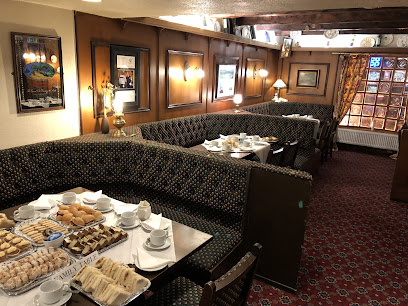
Fife Lodge Hotel
25.2 km
Charming 3-star country house hotel in Banff with friendly service, delicious dining, and beautiful garden views near scenic beaches and golf courses.
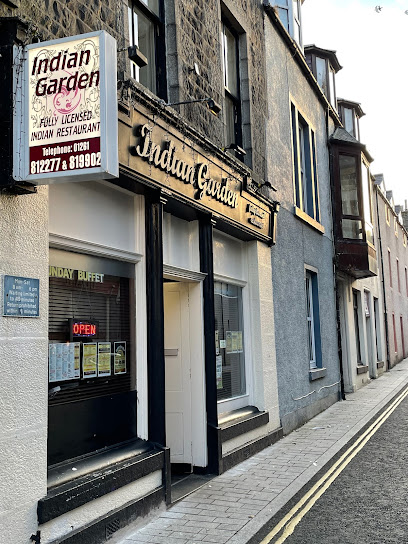
Indian Garden Restaurant and Takeaway
25.6 km
Authentic Indian flavours and warm hospitality await at Banff’s beloved Indian Garden Restaurant and Takeaway.
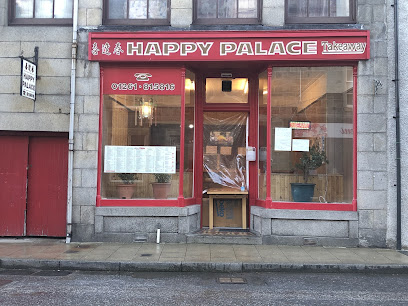
Happy Palace
25.6 km
Savor authentic Chinese flavors at Happy Palace in Banff - where every dish tells a story of culinary excellence.
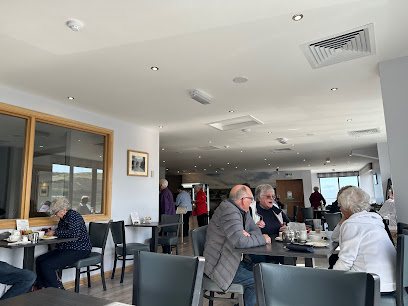
Bridgeview Restaurant
25.7 km
Bright and welcoming restaurant in Banff offering traditional Scottish dishes with scenic views and family-friendly accessibility.
LightHouse Fish Bar
25.7 km
Savor traditional British fish and chips with a diverse menu in Banff’s cozy and welcoming LightHouse Fish Bar.
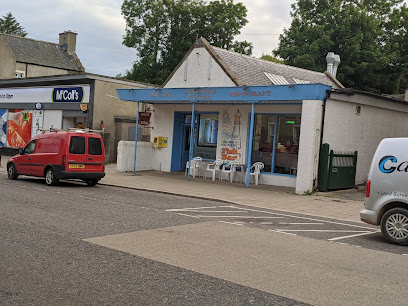
The Knowes Hotel, Restaurant and Function Suite
25.8 km
Charming coastal hotel in Macduff with stunning Moray Firth views, modern rooms, excellent dining, and versatile event spaces.
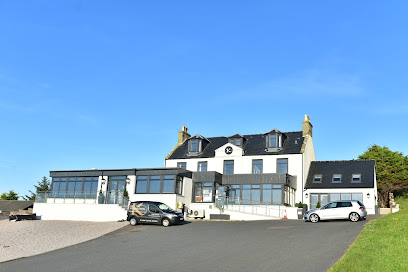
Market Arms
25.8 km
Experience the charm of Banff at Market Arms - where hearty meals meet local brews in a welcoming pub atmosphere.
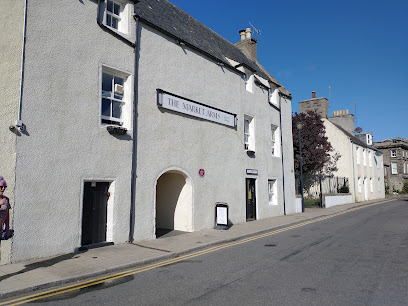
Rockfish
28.2 km
Savor sustainably sourced, fresh seafood in a cozy coastal setting with generous portions and friendly service at Rockfish, Whitehills.
Markets, malls and hidden boutiques

The Gift Alley
11.2 km
Discover unique handmade gifts and artisan treasures in the heart of Turriff’s charming Main Street.
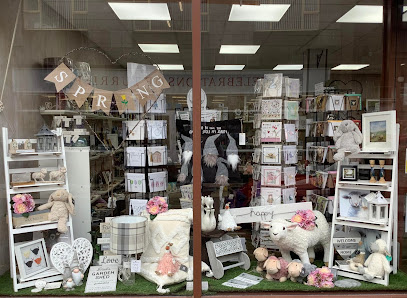
Quirky Gifts Emporium
21.0 km
Discover authentic Scottish treasures and unique gifts in this independent Ellon shop.
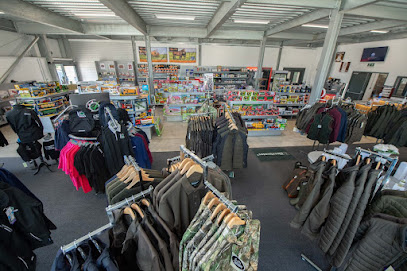
Powell's Country Store
22.8 km
A charming Banff store blending toys, clothing, and hardware for a unique local shopping experience.
The Friends Gift Shop
23.3 km
Handcrafted local treasures in a scenic country park courtyard.
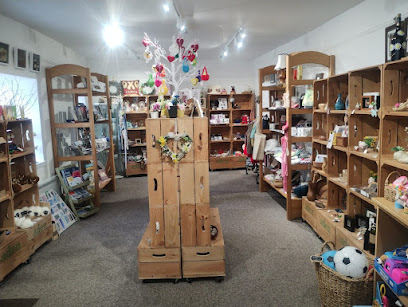
Ethical Gift Shop & Refillery
23.4 km
Discover unique handmade gifts and eco-friendly refills at Huntly’s vibrant Ethical Gift Shop & Refillery.
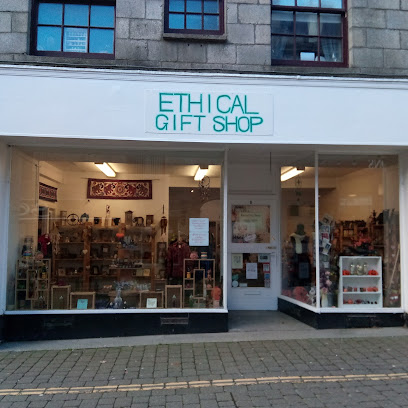
Geek Bothy Ltd
23.4 km
Award-winning gift shop celebrating local makers, quirky treasures, and creative community in rural Aberdeenshire.
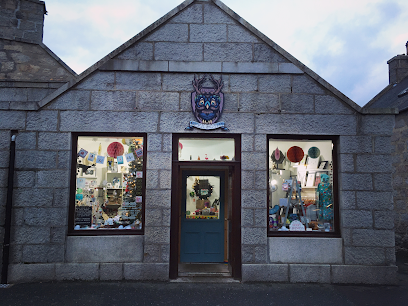
Co-op Food - Banff - Bridge Road
25.5 km
Conveniently located on Bridge Road, Co-op Food Banff offers fresh local produce and essentials daily from 7 AM to 10 PM.
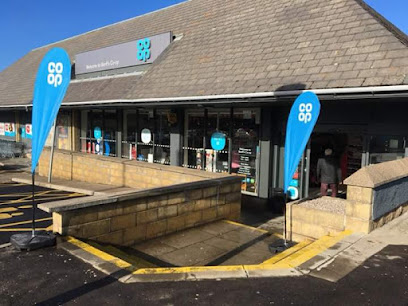
The Wee Shoppie
25.6 km
A friendly village shop in the heart of Gardenstown, perfect for essentials and a warm welcome on the Moray coast.
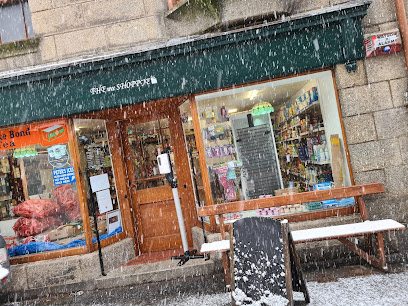
The Candy Box
25.6 km
A cozy family-run sweet shop in Banff famed for its diverse candies and exceptional ice cream treats.
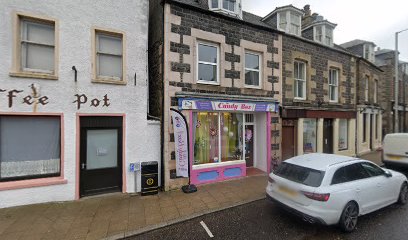
Tuleni
25.6 km
Explore Tuleni in Banff for a unique selection of stylish ladies' clothing, offering personalized shopping experiences in a charming boutique atmosphere.
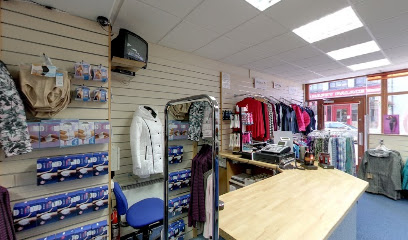
Oldanu
25.7 km
Discover a unique blend of local crafts and souvenirs at Oldanu, the charming gift shop in the heart of Banff, perfect for capturing your travel memories.
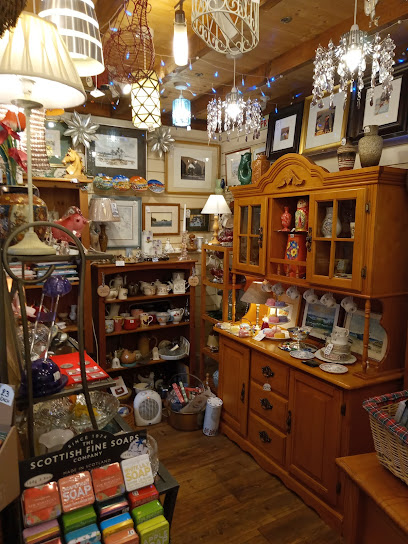
The Gift Box
25.7 km
Discover unique, locally inspired gifts in the charming heart of Banff, Scotland’s historic coastal town.
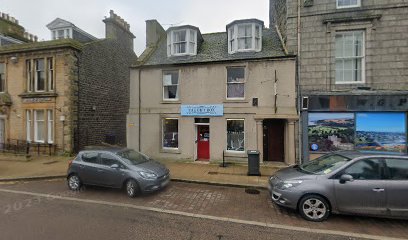
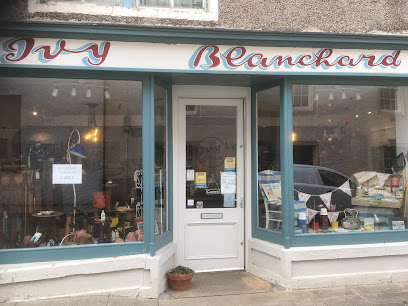
Ivy's Emporium
25.7 km
Discover timeless antiques and unique collectibles in the heart of Banff at Ivy's Emporium, a charming treasure trove for vintage lovers.
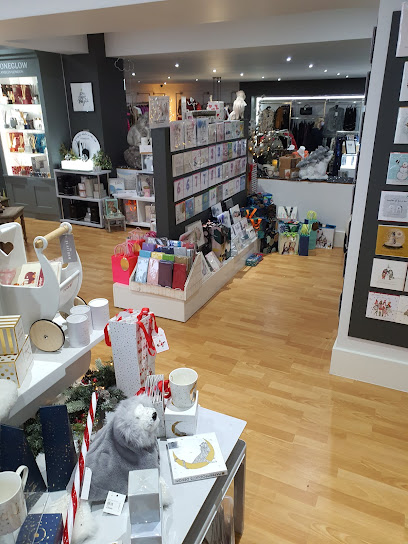
The Platform
25.7 km
Discover unique gifts, stylish fashion, and delightful café treats in Macduff’s charming old railway station turned lifestyle hub.
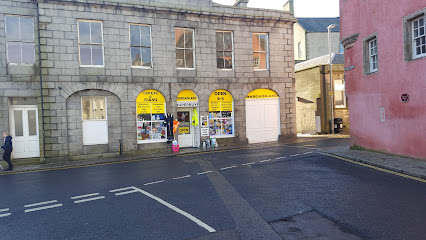
Bargainland
25.7 km
Discover stylish homewares and unbeatable bargains in Banff’s welcoming Bargainland, a must-visit for quality and charm.
Essential bars & hidden hideouts

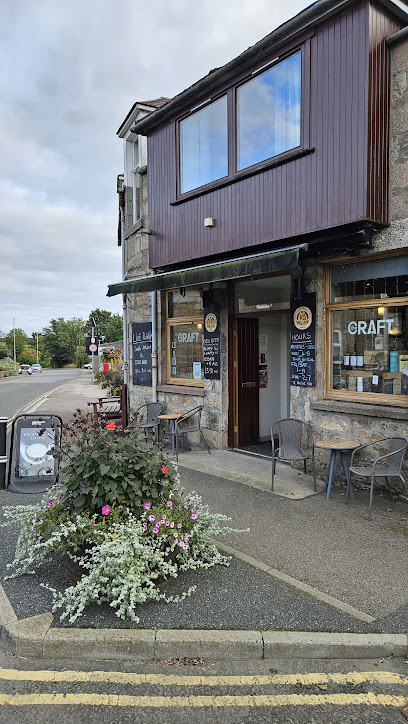
The Craft - off-licence and Bar
17.5 km
A cozy village wine bar and off-licence in Pitmedden offering craft drinks, community spirit, and award-winning hospitality.
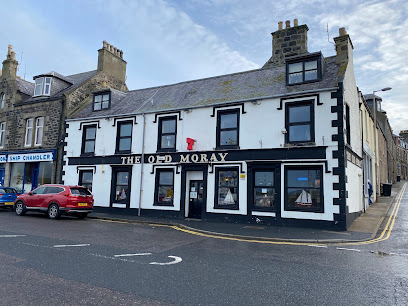
The Old Moray Ltd
26.0 km
Experience authentic Scottish hospitality and local ales at The Old Moray Ltd, a traditional harbour pub in the heart of Macduff.
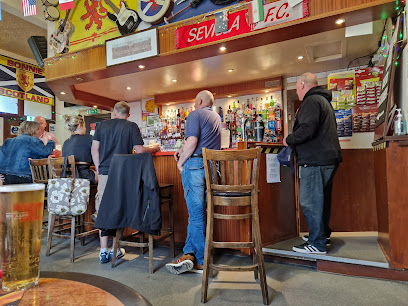
Castle Bar
26.1 km
Experience authentic Scottish hospitality and local ales in the cozy, historic setting of Castle Bar in Banff.
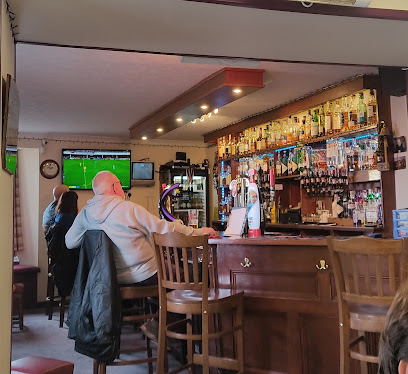
The Railway Inn
26.3 km
A traditional Scottish pub in Banff offering friendly hospitality, extensive whiskies, and stunning harbour views.
Banff Springs Hotel
26.4 km
Experience timeless luxury and breathtaking mountain vistas at the iconic Fairmont Banff Springs Hotel, the Castle in the Rockies.
Spider's Web
29.1 km
A cozy and friendly pub in Dyce offering hearty meals, quality drinks, and a welcoming atmosphere near Dyce railway station.
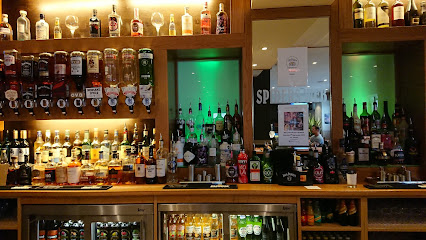
The Distilling House
29.3 km
A welcoming airport pub celebrating Scottish whisky heritage with classic food, craft beers, and expert spirit knowledge.
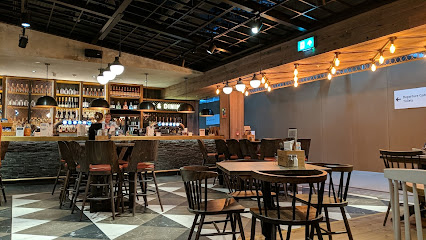
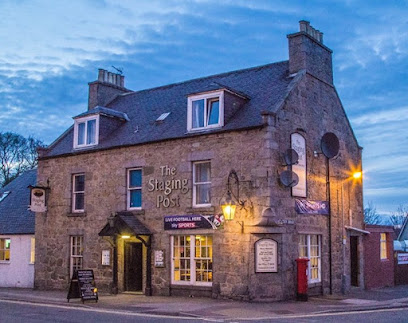
The Staging Post
32.5 km
A friendly and lively local pub in Bucksburn with great drinks, sports, and a family-friendly beer garden.
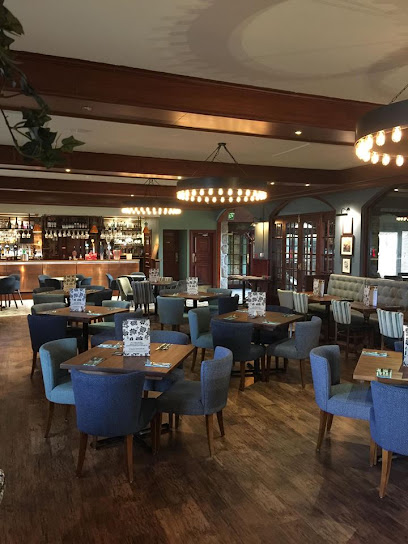
Mains of Scotstown
32.8 km
A welcoming British pub in Aberdeen offering classic dishes, craft drinks, live music, and a lively beer garden atmosphere.
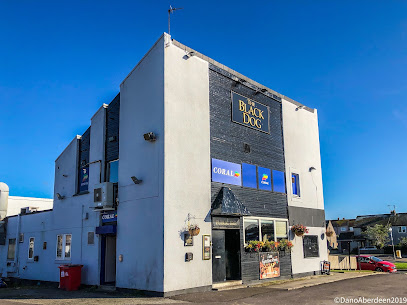
Black Dog
34.1 km
A friendly, lively pub in Aberdeen’s Bridge of Don serving hearty British classics with great entertainment and welcoming vibes.
Murdos Bar
34.9 km
A vibrant community pub in Aberdeen offering great food, live sports on multiple screens, a welcoming atmosphere, and a spacious beer garden.
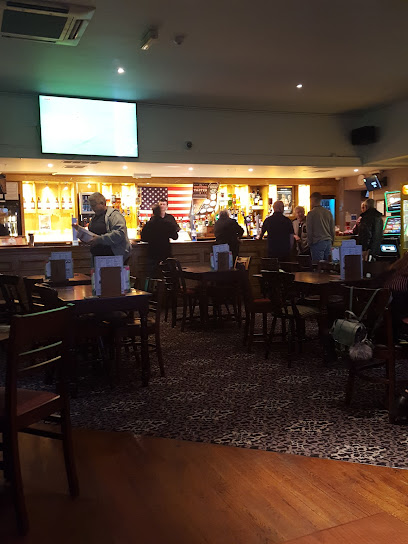
Croft & Cairns
35.2 km
A friendly and welcoming bar and restaurant in Aberdeen offering generous scratch-made meals and a versatile function room in a quiet, convenient setting.
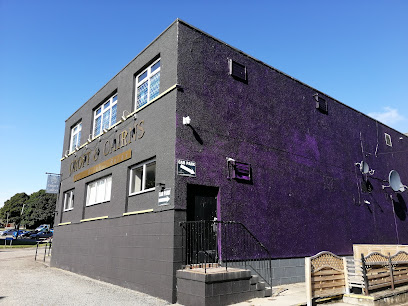
Rowan Tree Bar
35.4 km
Cozy Old Aberdeen pub pouring local ales, serving hearty Scottish dishes, and hosting lively events in a historic neighborhood gem.
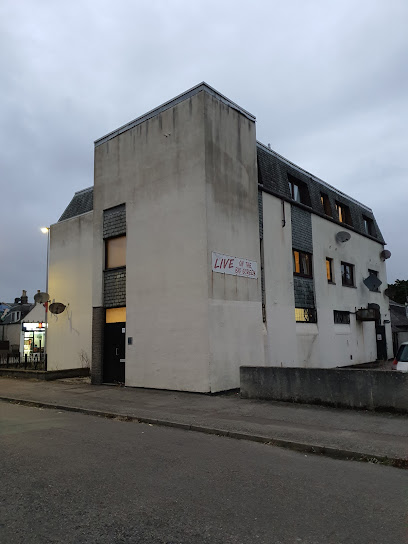
St. Machar Bar
35.4 km
Authentic Old Aberdeen pub with award-winning whiskies, local cask ales, historic brewery mirrors, and hearty pub grub in a student-favored historic spot.
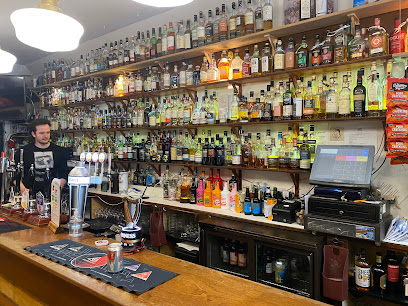
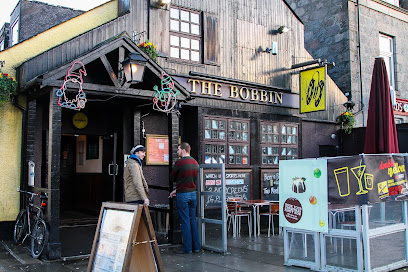
The Bobbin
36.0 km
A lively, student-leaning King Street pub offering hearty pub grub, sports screens and good-value drinks from breakfast through late night.
Nightclubs & after hour spots

Banff Town & County Club
25.8 km
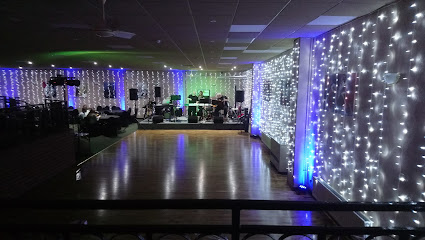
Discover the heart of Banff at the historic Town & County Club, a social hub that celebrates local culture and community spirit.
Deveronside Club
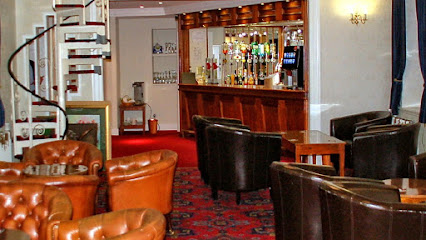
26.0 km
A warm and lively social club in Banff offering great events, affordable drinks, and a welcoming community atmosphere.
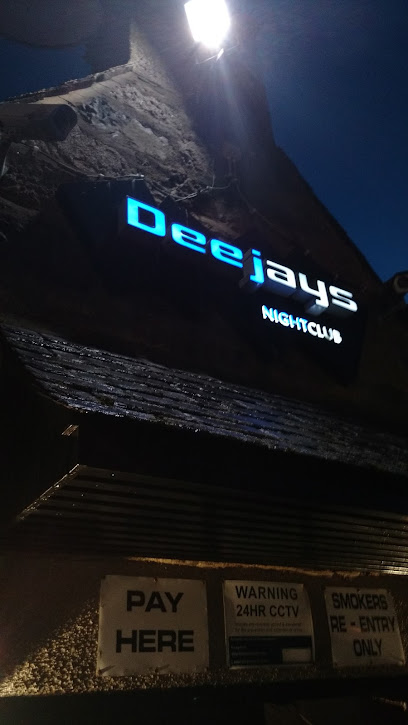
Deejays Nightclub
36.2 km
Fraserburgh’s revitalized nightlife hotspot offering vibrant music, dancing, and late-night fun on Denmark Street.
Venga
37.3 km
Dive into Aberdeen's electric nightlife at Venga, where retro beats, themed nights, and cocktails fuel unforgettable dances until dawn on vibrant Chapel Street.

Club Tropicana & Venga
37.3 km
Compact retro nightclub on Chapel Street with neon kitsch, themed nights and a late‑night dancefloor for nostalgic hits and loud, energetic DJ sets.

Exodus
37.3 km
Experience Aberdeen’s vibrant nightlife and boozy brunches in a unique historic church setting at Exodus, The Triplekirks.
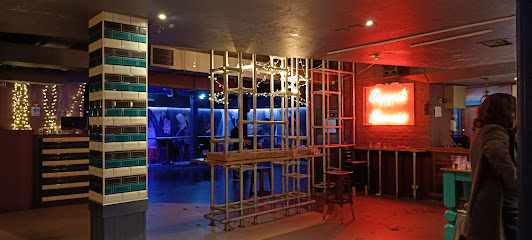
The Tunnels
37.5 km
Dive into Aberdeen’s underground nightlife at The Tunnels, where pulsating beats and intimate vibes create unforgettable nights.
Babylon
37.5 km
Discover the pulse of Aberdeen's nightlife at Babylon, a premier nightclub and bar offering unforgettable nights filled with music and fun.
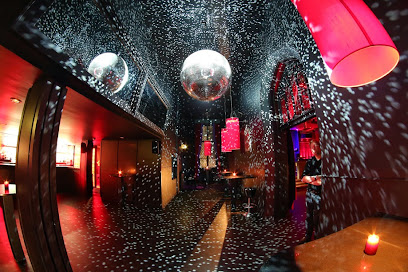
491 Union Street
37.5 km
Dive into Aberdeen's electric nightlife at this top-of-Union-Street hotspot, where killer beats, craft drinks, and epic events light up weekends until dawn.
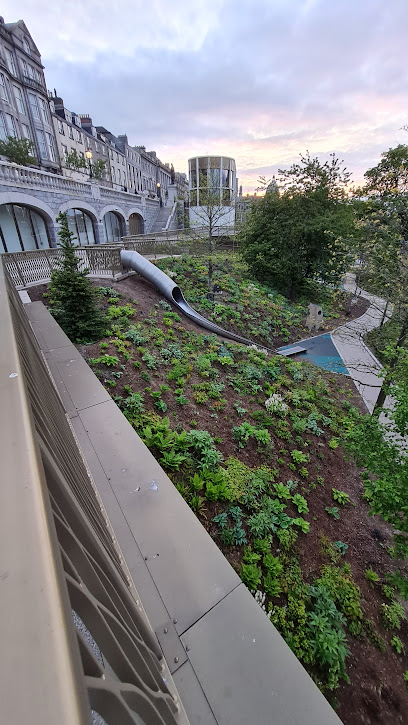
The Underground Klub
37.5 km
A compact, bass-forward late-night club in central Aberdeen with booth seating, layered sound and an intimate underground vibe.
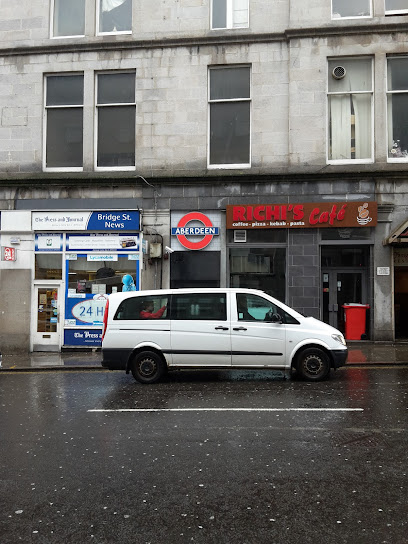
Number 7 Club
37.5 km
Aberdeen's intimate adult club on Crown Street: full-nude dances, drinks, and late-night energy from 9pm to 3am weekends.

CHEERZ
37.6 km
Aberdeen's iconic LGBT bar and nightclub: dance, drink, and connect in a welcoming Exchange Street haven open late into the night.
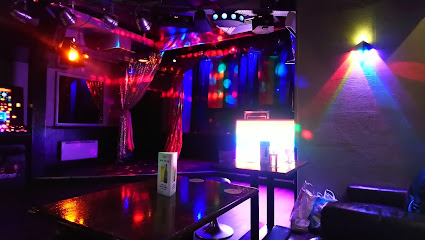
Private Eyes
37.6 km
Experience Aberdeen’s vibrant nightlife at Private Eyes, a stylish nightclub offering lively music, adult entertainment, and a welcoming city-center atmosphere.
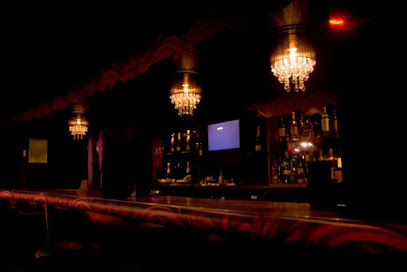
AURA Nightclub Aberdeen
37.6 km
Experience Aberdeen’s vibrant nightlife and nostalgic disco vibes at Aura Nightclub, the city’s premier venue for dynamic music and festive parties.
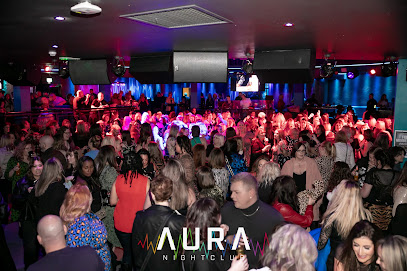
The Mask Club
37.7 km
Aberdeen’s vibrant adult entertainment hotspot with professional dancers, lively music, and a dynamic late-night atmosphere.
For the vibe & atmosphere seeker
- Scenic
- Relaxing
- Tranquil
- Unique
- Romantic
For the design and aesthetic lover
- Vintage Styles
- Rustic Designs
For the architecture buff
- Historic
- Landmarks
- Heritage Neighborhoods
For the view chaser and sunset hunter
- Iconic Views
- Panoramas
- Waterfront
- Sunset Spots
For the social media creator & influencer
- Instagrammable
- Photo Spots
- Selfie Spots
- Architectural Shots
For the eco-conscious traveler
- Public-Transport Accessible
- Locally Managed
For the kind of experience you’re after
- Cultural Heritage
- Myth & Legends
- Photowalk
- Day Trip
- Weekend Getaway
For how adventurous you want the journey to be
- Easy Access
Location Audience
- Family Friendly
- Senior Friendly
- Child Friendly
- Teen Friendly
- Wheelchair Access
- Pet Friendly
- Couple Friendly
- Solo Friendly
- Solo Female Friendly
- Vegetarian Friendly
- Vegan Friendly


