Stonehaven Tolbooth Museum: A Window into Scotland’s Judicial and Maritime Past
Explore Stonehaven’s oldest building, a 16th-century tolbooth turned museum revealing Scotland’s rich judicial and maritime heritage.
The Stonehaven Tolbooth Museum, housed in Stonehaven’s oldest building dating back to the late 16th century, offers a fascinating glimpse into the town’s history as a former courthouse and prison. Located on the picturesque harbour front, the museum displays a variety of artefacts related to Stonehaven’s maritime heritage and judicial past, including original prison cells and unique punishment devices. Entry is free, making it an accessible cultural treasure for visitors.
A brief summary to Tolbooth Museum
- 3 Old Pier, Stonehaven, AB39 2JU, GB
- Click to display
- Click to display
- Duration: 0.5 to 1.5 hours
- Free
-
 Indoor
- Mobile reception: 4 out of 5
- Saturday 12:30 pm-3:30 pm
- Sunday 12:30 pm-3:30 pm

Know before you go
Hi, I'm Eve. Here are a few practical things to know before exploring Tolbooth Museum.
- Visit on weekends during the open season, as the museum operates limited hours, typically Saturdays and Sundays from 12:30 to 15:30.
- Take time to view the original prison artefacts such as the Inverbervie stocks and the Crank to appreciate historical penal practices.
- Combine your visit with a stroll along Stonehaven’s harbour front to enjoy the scenic maritime atmosphere.
- Consider donating to support the museum’s volunteer-run operations and ongoing preservation efforts.
Do you manage this location?
Take control to get all the benefits, like improved information, better appearance, and stronger visibility across AI-powered discovery. Learn more
Activate your presenceOther nearby places you may find interesting
Getting There
-
Bus
Take the Stagecoach Bluebird bus service from Aberdeen city centre to Stonehaven, journey time approximately 45-60 minutes. Buses run frequently but check schedules, especially on weekends. From the bus stop, the Tolbooth Museum is a 10-minute walk along the harbour front. Tickets cost around £5-£7 one way.
-
Train
Board a ScotRail train from Aberdeen to Stonehaven station, taking about 25-30 minutes. Trains are regular throughout the day. From Stonehaven station, it is a 20-minute walk downhill to the harbour and the museum. Train fares typically range from £4 to £8.
-
Car
Driving from Aberdeen to Stonehaven takes about 30-40 minutes via the A90. Parking is available near the harbour but can be limited during peak times. Some parking areas may require payment, typically £1-£3 per hour. The museum is a short walk from most parking spots.
-
Walking
For those staying locally, walking to the Tolbooth Museum along the harbour front offers scenic views and takes approximately 10-15 minutes from Stonehaven town centre. The terrain is mostly flat but may be slippery when wet.
For the on-the-go comforts that matter to you
-
 Restrooms
-
 Drink Options
-
 Food Options
-
 Seating Areas
-
 Information Boards
Discover more about Tolbooth Museum
Historic Origins and Architectural Significance
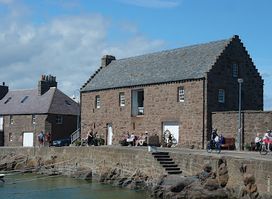
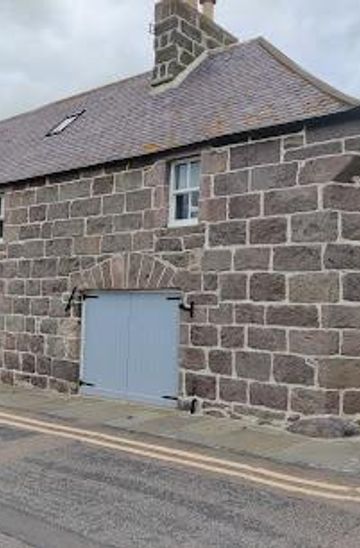
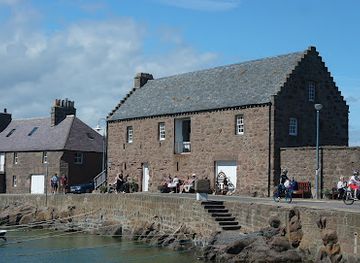
The Stonehaven Tolbooth Museum is situated in the oldest surviving building in Stonehaven, constructed in the late 1500s. Originally built as a storehouse by George Keith, 5th Earl Marischal, during the construction of nearby Dunnottar Castle, the building later became the administrative centre and tolbooth for the town in 1600. Made from locally quarried Old Red Sandstone, its rectangular structure with crow-stepped gables and a 17th-century north wing addition reflects typical Scottish architecture of the period. The building’s robust design accommodated its dual role as courthouse on the upper floor and prison on the ground floor until 1767.The Tolbooth’s Role in Justice and Punishment
For over a century and a half, the Tolbooth served as the seat of justice for Kincardineshire. The ground floor housed prisoners, with original features such as the Inverbervie stocks—one of the few seven-hole stocks in the UK—and the Crank, a punishment device that prisoners had to turn, tightening a screw to increase discomfort. The museum preserves these artefacts, offering a tangible connection to the harsh penal practices of the past. A notable episode in the Tolbooth’s history was the imprisonment of three Episcopalian clergymen in the winter of 1748–1749 for conducting services deemed illegal at the time, illustrating the building’s role in religious and political conflicts.Transformation into a Museum and Cultural Venue
After ceasing its judicial functions in 1767, the Tolbooth reverted to storage use but fell into disrepair by the mid-20th century. A major restoration was completed in 1963, officially reopened by Queen Elizabeth The Queen Mother. Since 1975, the ground floor has operated as a museum showcasing Stonehaven’s rich history, while the upper floor now houses a restaurant. The museum’s exhibits include maritime artefacts, local social history items, and objects related to the building’s prison past, creating a diverse and engaging visitor experience.Visitor Experience and Atmosphere
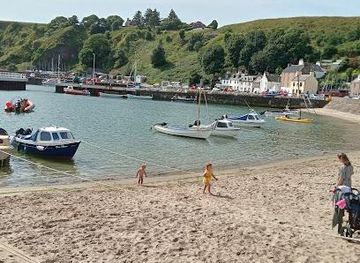
Set on Stonehaven’s scenic harbour front, the Tolbooth Museum offers an intimate and atmospheric visit. The preserved prison cells and historical artefacts evoke the building’s former life, while displays on fishing and local life highlight the town’s maritime heritage. Volunteer staff contribute to a welcoming environment, sharing stories and insights that bring the exhibits to life. Although compact, the museum’s collection is rich in local character and historical significance, making it ideal for those interested in Scotland’s judicial history and coastal culture.Community and Heritage Preservation
The Tolbooth Museum is managed with strong community involvement, reflecting local pride in Stonehaven’s heritage. It serves as a cultural hub that preserves and interprets the town’s past, from its role in county governance to its maritime traditions. The museum’s free entry policy encourages broad access, supported by donations, and its location within a historic building enhances its authenticity and educational value.Architectural Features and Surrounding Setting
The museum’s Old Red Sandstone construction and crow-stepped gables are characteristic of 16th and 17th-century Scottish architecture. The building’s position on the harbour front offers iconic views of Stonehaven Bay, complementing the historical experience with a picturesque maritime backdrop. Nearby plaques commemorate the Tolbooth’s history and restoration, enriching visitors’ understanding of its significance within the town’s urban fabric.Explore the best of what Tolbooth Museum has to offer















More about Aberdeenshire
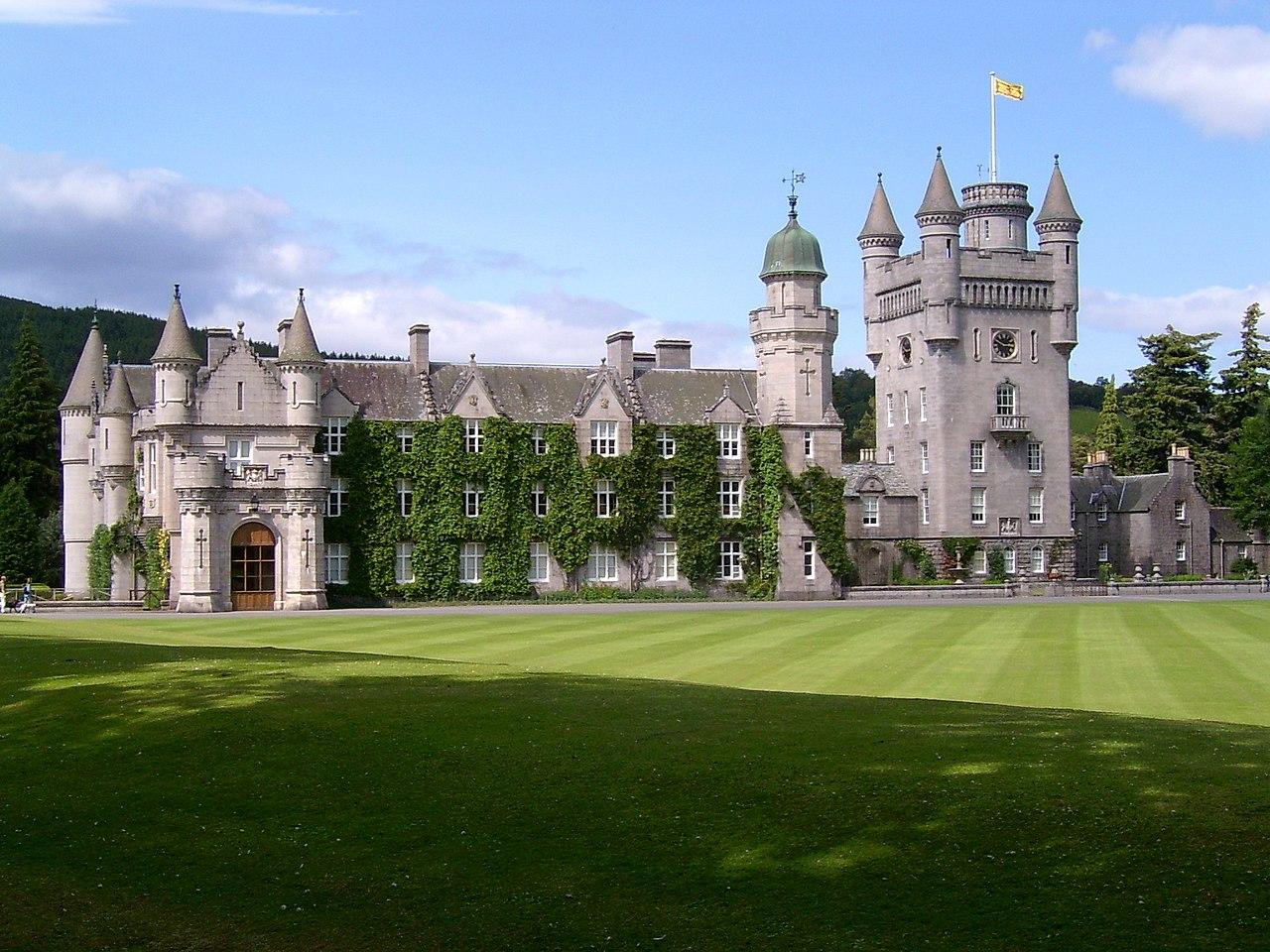
Discover Aberdeenshire: A land of castles, coastlines, and culinary delights in the heart of Scotland's stunning scenery.
Tell me more about Aberdeenshire