Crawton Bay, Kincardineshire Travel Guide
Experience breathtaking cliffs, vibrant seabird colonies, and coastal history at scenic Crawton Bay near Stonehaven.
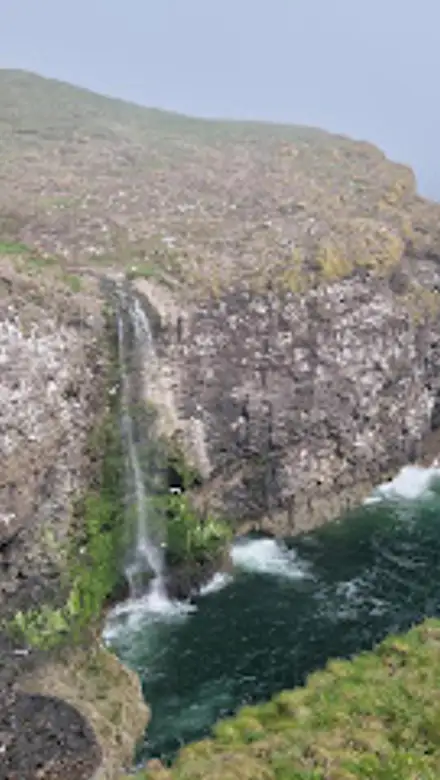
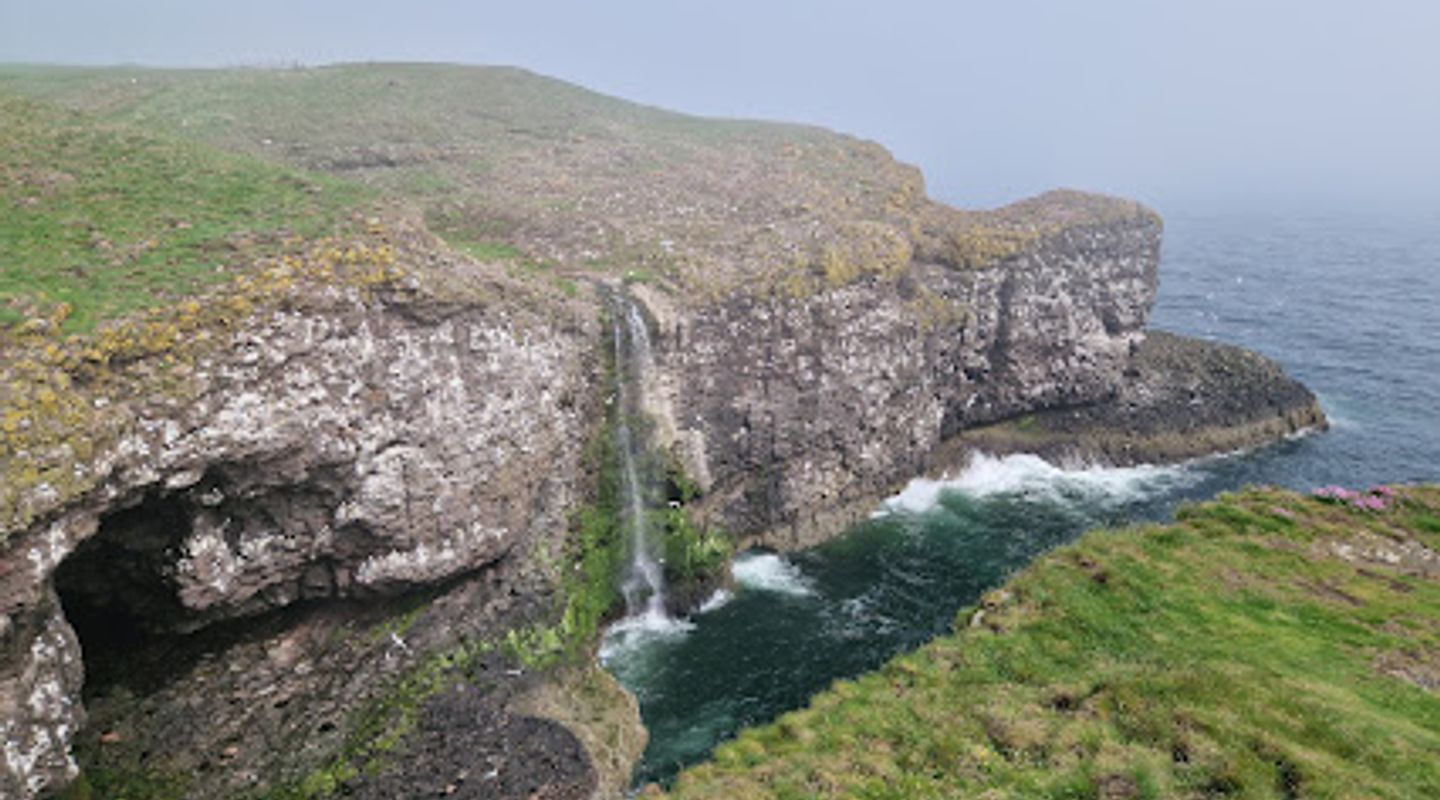
Crawton Bay, located near Stonehaven on Scotland’s Aberdeenshire coast, is a striking natural area famed for its rugged cliffs, seabird colonies, and the nearby Crawton Waterfall. This scenic coastal spot offers breathtaking views over the North Sea, rich wildlife including puffins and guillemots, and the remnants of a historic fishing community. It is a favored destination for walkers and nature lovers seeking tranquility and dramatic landscapes.
A brief summary to Crawton Bay
- Stonehaven, GB
- Duration: 1 to 3 hours
- Free
-
 Outdoor
- Mobile reception: 4 out of 5

Know before you go
Hi, I'm Eve. Here are a few practical things to know before exploring Crawton Bay.
- Wear sturdy walking shoes and be prepared for rapidly changing coastal weather.
- Stay on marked paths and supervise children closely near the cliffs for safety.
- Visit after rainfall to see the Crawton Waterfall at its most spectacular.
- Parking is limited; consider visiting early in the day to secure a spot.
- Combine your visit with a walk to Fowlsheugh reserve to observe seabird colonies.
Do you manage this location?
Take control to get all the benefits, like improved information, better appearance, and stronger visibility across AI-powered discovery. Learn more about listing your business on Evendo
Activate your presenceOther nearby places you may find interesting
The closest places of the same kind, if this one is not quite what you had in mind.


Explore Crawton Bay on the Map
A handpicked selection of must-see spots near Crawton Bay, mapped for you.
Getting There
-
Car
Driving from Stonehaven, take the A92 southbound for about 6 km and turn left at the Crawton sign. Parking near the bay is limited and unsuitable for large vehicles. Travel time is approximately 15 minutes. No parking fees apply.
-
Bus and Taxi
Take a bus from Stonehaven town center towards the southern routes on the A92. Since there is no direct public transport to Crawton Bay, a short taxi ride or a 30-minute walk from the nearest bus stop is required. Bus fares range from £3 to £6 depending on the route.
-
Walking
For active visitors, a scenic 1.5 to 2-hour walk along coastal paths from Stonehaven to Crawton Bay is possible. Terrain includes moderate inclines and uneven surfaces, so suitable footwear and good fitness are recommended.
For the on-the-go comforts that matter to you
-
 Restrooms
-
 Seating Areas
-
 Trash Bins
-
 Information Boards
Discover more about Crawton Bay
Geological and Natural Marvels of Crawton Bay
Crawton Bay is situated on the east coast of Aberdeenshire, approximately 6 kilometers south of Stonehaven. It is renowned as the type locality of the Crawton Volcanic Formation, a significant geological feature that reveals ancient volcanic activity shaping the rugged coastline. The bay is characterized by sheer cliffs rising 30 to 60 meters above the North Sea, providing a dramatic backdrop to the natural environment.Seabird Colonies and Wildlife Spectacle
Crawton Bay forms part of the Fowlsheugh Special Protection Area, hosting one of the largest mainland seabird colonies on Scotland’s east coast. During spring and summer, the cliffs teem with over 130,000 breeding seabirds including common guillemots, razorbills, kittiwakes, and a small number of Atlantic puffins. Offshore waters are frequented by seals, dolphins, and other marine mammals, enhancing the area's ecological value and appeal to wildlife enthusiasts.Historic Fishing Community and Cultural Legacy
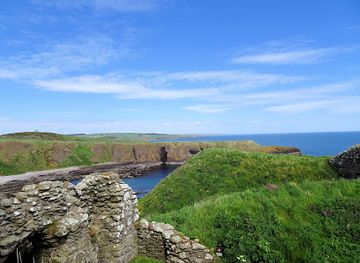
The bay is near the site of Crawton, a former fishing village abandoned in 1927. The remnants of this once-thriving community evoke a sense of Scotland’s coastal heritage and the challenging life of fishermen. Visitors can explore the old fishermen’s track descending to the bay, which connects the natural beauty with human history and offers a poignant glimpse into the past.Scenic Walks and the Enchanting Crawton Waterfall
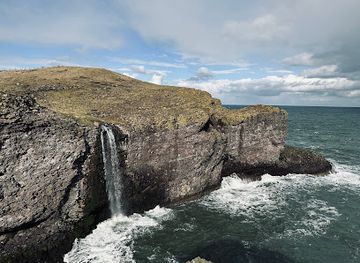
Walking trails around Crawton Bay provide accessible routes along the clifftops, delivering panoramic views of the sea and the seabird colonies. One highlight is the Crawton Waterfall, a picturesque cascade that plunges directly into the North Sea. This waterfall is especially impressive after rainfall and is a popular spot for photographers and nature lovers. The terrain is generally moderate, making it suitable for most walkers prepared for coastal weather.Conservation and Visitor Experience
As part of a designated Site of Special Scientific Interest (SSSI), Crawton Bay is protected for its unique geology and wildlife. Visitors are encouraged to stay on marked paths to preserve the delicate cliff ecosystems and ensure safety. Limited parking and the absence of direct public transport to the bay mean planning ahead is advisable. The area’s tranquility and natural spectacle make it a rewarding destination for those seeking an immersive coastal experience.Seasonal Highlights and Practical Considerations
The best time to visit Crawton Bay is during the warmer months when seabird colonies are most active and the weather is milder. Coastal conditions can change rapidly, so appropriate clothing and footwear are essential. While the cliffs offer stunning vistas, caution is necessary near edges, particularly with children. The bay’s combination of natural beauty, wildlife, and historic resonance provides a memorable encounter with Scotland’s east coast heritage.












Your all‑in‑one travel companion app
Explore expert travel guides, compare and book tours, experiences, hotels, and more—all from the palm of your hand. Download now for seamless trip planning wherever your wanderlust takes you.


Explore More of Kincardineshire
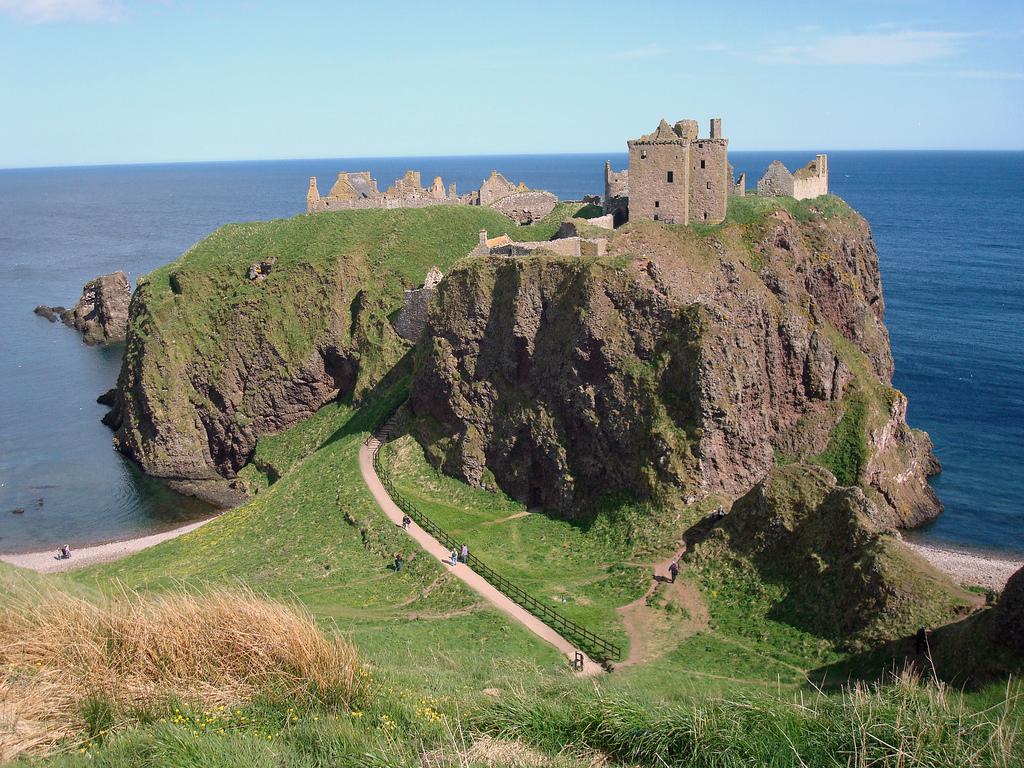
Looking beyond Crawton Bay? Discover Kincardineshire for broader travel guides, local hot-spots, and regional highlights.
Explore Kincardineshire
A family-run garden centre and award-winning restaurant offering stunning landscaped grounds, local produce, and expert gardening advice in Royal Deeside.
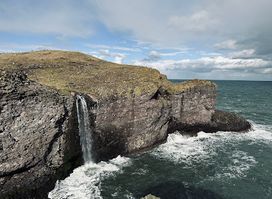
Discover the tranquil beauty of Crawton Waterfall, a coastal gem near Stonehaven where history meets stunning sea views and serene nature.