William Wallace Statue, Aberdeen
A striking bronze tribute in Aberdeen honoring William Wallace’s heroic fight for Scottish freedom and identity.
Erected in 1888, the William Wallace Statue in Aberdeen is a commanding bronze sculpture honoring Scotland's national hero who led resistance against English rule. Crafted by William Grant Stevenson, the statue stands on a red granite plinth in Union Terrace, symbolizing Scottish independence and valor. It features inscriptions reflecting Wallace's defiance and legacy, making it a poignant cultural landmark in the city center.
A brief summary to William Wallace Statue
- Union Terrace, Aberdeen, AB10 1NP, GB
- Click to display
- Duration: 0.5 to 1.5 hours
- Free
-
 Outdoor
- Mobile reception: 4 out of 5

Know before you go
Hi, I'm Eve. Here are a few practical things to know before exploring William Wallace Statue.
- Visit during daylight hours to fully appreciate the detailed inscriptions on all sides of the statue’s pedestal.
- Combine your visit with a walk through nearby Union Terrace Gardens for a fuller cultural experience.
- Bring a camera to capture the statue’s dramatic stance against the backdrop of Aberdeen’s city center.
- Read the inscriptions closely to gain insight into Wallace’s speeches and the historical context of the Wars of Scottish Independence.
Do you manage this location?
Take control to get all the benefits, like improved information, better appearance, and stronger visibility across AI-powered discovery. Learn more
Activate your presenceOther nearby places you may find interesting
Getting There
-
Bus
Take the local bus routes serving Aberdeen city center, which stop near Union Terrace Gardens. Buses run frequently every 10-20 minutes, with fares around £1.80-£2.50. The stop is a short walk from the statue, but note that services may be less frequent on weekends.
-
Train and Walk
Arrive at Aberdeen Railway Station, approximately 1.5 km from the statue. From there, enjoy a 20-25 minute walk through the city center, passing shops and cultural sites. The walk is mostly flat and accessible, suitable for most travelers.
-
Taxi
Taxis are readily available throughout Aberdeen and can take you directly to Union Terrace. The trip from the railway station or airport takes about 10-15 minutes, costing approximately £8-£15 depending on traffic.
For the on-the-go comforts that matter to you
-
 Restrooms
-
 Drink Options
-
 Food Options
-
 Seating Areas
-
 Trash Bins
-
 Information Boards
Discover more about William Wallace Statue
A Monument to Scottish Defiance
The William Wallace Statue was unveiled in 1888 in Aberdeen, Scotland, as a tribute to the legendary Scottish knight and patriot who played a pivotal role during the Wars of Scottish Independence. Sculpted by William Grant Stevenson, the statue depicts Wallace in a heroic stance, sword raised, symbolizing his leadership and unyielding spirit against English domination. The bronze figure rests on a red granite pedestal, combining two of Aberdeen’s renowned resources: its metalworking industry and locally quarried granite.Historical Significance and Inscriptions
This monument is more than a sculpture; it is a narrative carved in bronze and stone. Each side of the pedestal bears inscriptions that recount key moments and speeches from Wallace’s life. These include his defiant reply to English friars before the Battle of Stirling Bridge, his speech during his mock trial in London, and a proverb imparted by his uncle emphasizing liberty as the greatest treasure. These texts deepen the statue’s role as a symbol of Scotland’s struggle for freedom and Wallace’s enduring legacy.Location and Urban Context
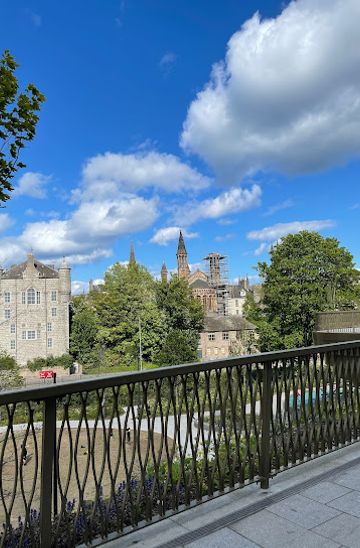
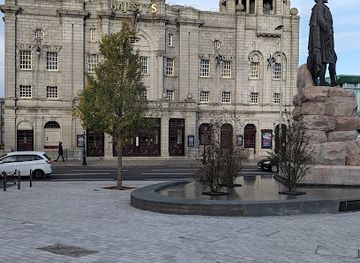
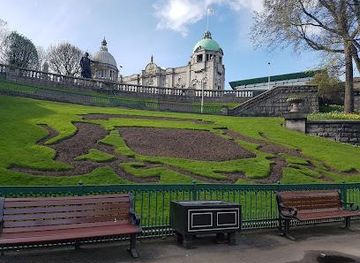
Situated in Union Terrace, the statue faces His Majesty's Theatre and overlooks Union Terrace Gardens, placing it at the heart of Aberdeen’s cultural and social life. The area around the statue is a mix of historic and modern urban elements, though some note that the surrounding cityscape could benefit from revitalization. Despite this, the statue remains a focal point for locals and visitors alike, offering a contemplative space amid the bustle of the city center.Artistic Craftsmanship and Materials
William Grant Stevenson’s craftsmanship is evident in the detailed rendering of Wallace’s figure, capturing both strength and nobility. The choice of bronze for the statue and granite for the plinth reflects Aberdeen’s industrial heritage and natural resources. This combination not only anchors the monument physically but also culturally, linking Wallace’s story to the city’s identity.Symbolism and Cultural Heritage
The statue stands as a timeless emblem of Scottish pride and resistance. It commemorates Wallace’s valiant efforts to defend Scotland’s independence during the late 13th and early 14th centuries, a period marked by conflict and betrayal. The monument invites reflection on themes of loyalty, sacrifice, and national identity, resonating deeply within Scotland’s historical narrative.Visitor Experience and Surroundings
Visitors to the William Wallace Statue can appreciate its imposing presence and the rich historical context it embodies. The nearby gardens and theatre add to the cultural atmosphere, while the statue itself offers a powerful visual and emotional connection to Scotland’s past. Though the immediate surroundings show signs of needing updates, the statue remains a proud landmark and a must-see for those interested in Scottish history and heritage.Explore the best of what William Wallace Statue has to offer













More about Aberdeen
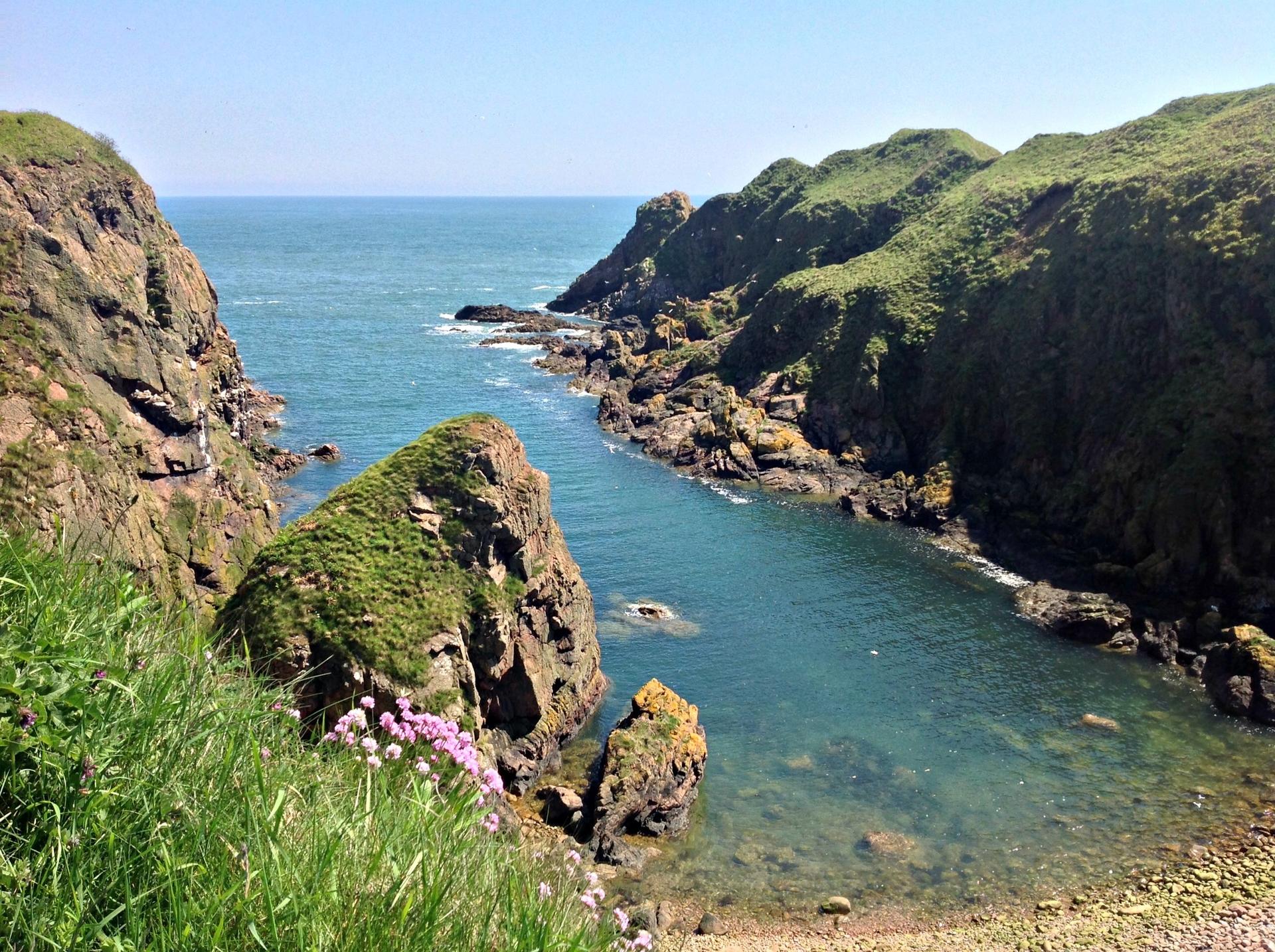
Discover Aberdeen, the Granite City of Scotland, where rich history, modern culture, and stunning coastal beauty come together for an unforgettable experience.
Tell me more about Aberdeen