
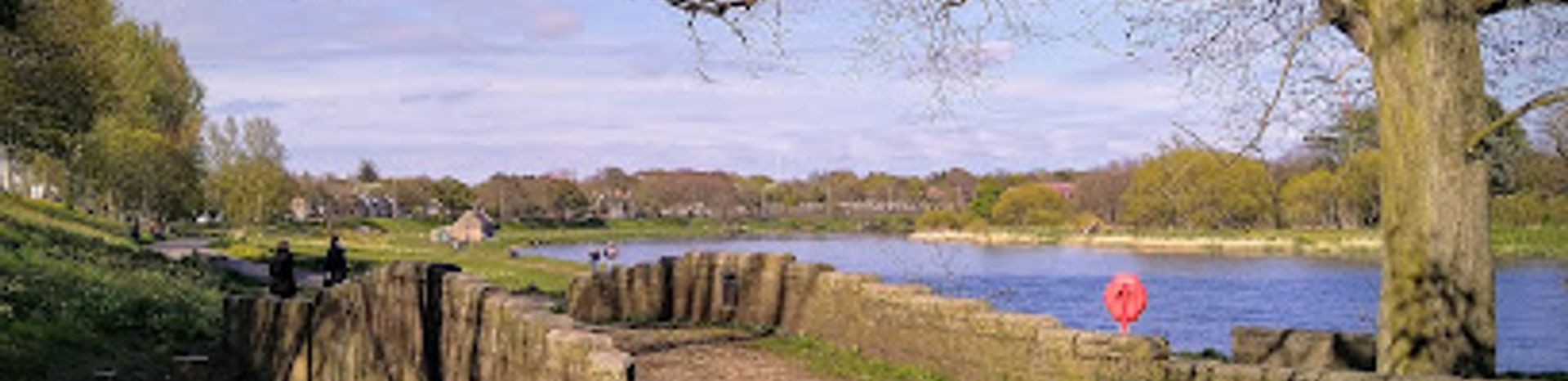
Bridge of Dee: Aberdeen’s Historic Stone Arch Marvel
A majestic 16th-century stone bridge in Aberdeen, blending medieval heritage with 19th-century engineering across the scenic River Dee.
The Bridge of Dee in Aberdeen, Scotland, is a remarkable 16th-century stone arch bridge spanning the River Dee. Initiated in the early 1500s with significant contributions from Bishop Elphinstone, it has witnessed centuries of history including Civil War battles and extensive restorations. Its elegant arches, coats of arms, and granite construction reflect both medieval craftsmanship and 19th-century engineering enhancements, making it a treasured landmark and scenic spot in Aberdeen.
A brief summary to Bridge of Dee
- 7JP, Stonehaven Rd, Aberdeen, GB
- Visit website
- Duration: 0.5 to 2 hours
- Free
-
 Outdoor
- Mobile reception: 4 out of 5
Local tips
- Visit during daylight hours to fully appreciate the intricate stonework and coats of arms on the bridge.
- Bring a camera for scenic views of the River Dee and the surrounding natural landscape.
- Explore nearby walking paths along the river to enjoy the tranquil atmosphere around the bridge.
- Look for the sundial inscription commemorating Alexander Watson, the master of bridge works from 1719.

For the on-the-go comforts that matter to you
- Seating Areas
- Information Boards
- Trash Bins
Getting There
-
Bus
Take the local bus service from Aberdeen city center to Stonehaven Road, with a journey time of approximately 25-35 minutes. Buses run frequently during the day, but check schedules for evening or weekend services. A single fare costs around £2-£3 GBP.
-
Taxi
A taxi ride from Aberdeen city center to the Bridge of Dee takes about 15-20 minutes depending on traffic. This option offers door-to-door convenience but costs approximately £10-£15 GBP.
-
Walking
For those staying nearby, the bridge is accessible on foot via well-maintained paths along Stonehaven Road. The walk involves gentle terrain and takes 30-45 minutes from central Aberdeen, suitable for most fitness levels.
Bridge of Dee location weather suitability
-
 Any Weather
-
 Rain / Wet Weather
-
 Clear Skies
-
 Mild Temperatures
-
 Windy Conditions
Discover more about Bridge of Dee
Origins and Early Construction
The Bridge of Dee’s story begins in the early 16th century, rooted in the pressing need to replace inconvenient ferry crossings over the River Dee. The project gained momentum when Bishop Elphinstone bequeathed a substantial sum in the early 1500s, although actual construction did not commence until after his death. Stones quarried from Moray were transported by sea to Aberdeen, marking the beginning of a significant architectural endeavor. Bishop Gavin Dunbar later took charge, pushing the project forward to completion.Historical Significance and Conflict
This bridge has been more than a crossing; it has been a strategic military asset. In 1639, during the first battle of the Civil War, Royalist forces occupied the bridge but were overwhelmed by Covenanter troops. Despite the conflict, the townsfolk were spared harsh consequences due to a concurrent treaty. The bridge’s role in these turbulent times underscores its importance in Aberdeen’s history as both a vital infrastructure and a symbol of resilience.Architectural Features and Restorations
The Bridge of Dee is a masonry masterpiece with multiple arches and robust granite construction. Notably, it features coats of arms from key historical figures such as Bishops Elphinstone and Dunbar, and the City of Aberdeen. The bridge underwent extensive repairs starting in 1719, including a major widening in 1840 led by city architect John Smith. This work preserved the original style while adding structural support, including additional ribs beneath the deck and carefully reconstructed turrets and parapets.Design Details and Artistic Elements
Distinctive elements include refuges rising above each cutwater, splayed wing walls, and buttresses adorned with iron railings. The bridge’s sundial bears inscriptions commemorating the master builder Alexander Watson and various phases of construction and repair. These artistic and functional details contribute to the bridge’s character, blending utility with historical artistry.Modern Context and Visitor Experience
Today, the Bridge of Dee remains a pedestrian-friendly landmark, offering scenic views of the River Dee and its surroundings. Its preservation as an early 16th-century structure, despite later modifications, provides visitors with a tangible connection to Aberdeen’s past. The bridge’s setting invites leisurely strolls and photography, allowing visitors to appreciate both its engineering and the natural beauty of the area.Legacy and Cultural Importance
As one of Scotland’s oldest masonry bridges, the Bridge of Dee stands as a testament to centuries of Scottish history, architecture, and community life. Its endurance through war, decay, and restoration highlights the dedication to preserving cultural heritage. The bridge continues to inspire admiration for its blend of medieval origins and 19th-century ingenuity, securing its place as a cherished icon in Aberdeen’s landscape.Iconic landmarks you can’t miss

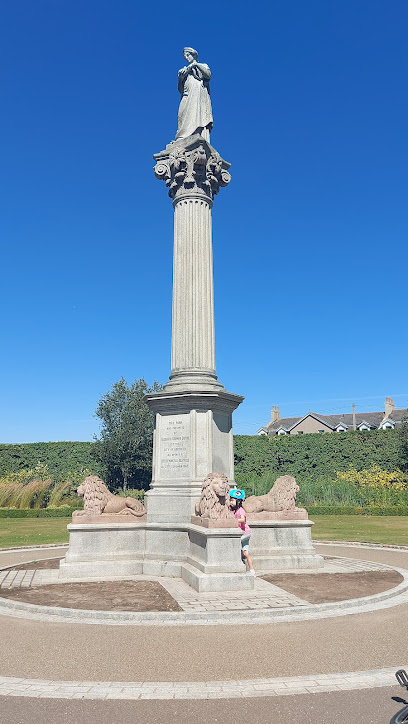
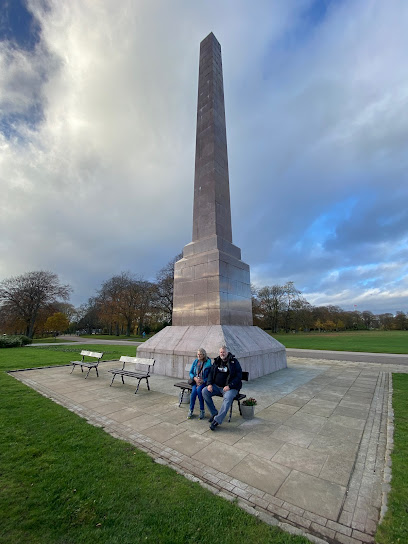
McGrigor Memorial Obelisk
1.1 km
A polished pink granite obelisk in Duthie Park honoring Sir James McGrigor, father of modern military medicine and a key figure in Aberdeen’s history.
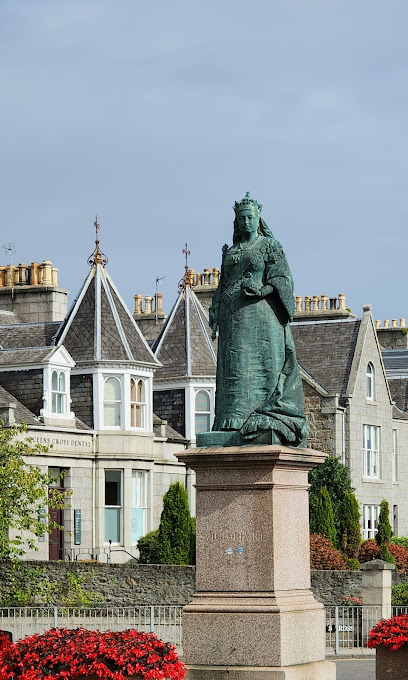
Queen Victoria Statue
2.3 km
Bronze tribute to a beloved monarch, marking Aberdeen's elegant West End and the city's royal heritage.
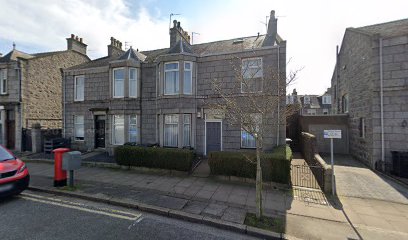
Edward VIII Post Box
2.6 km
Discover a rare Edward VIII post box in Aberdeen, a unique relic from the brief 1936 reign of a king who changed British history.
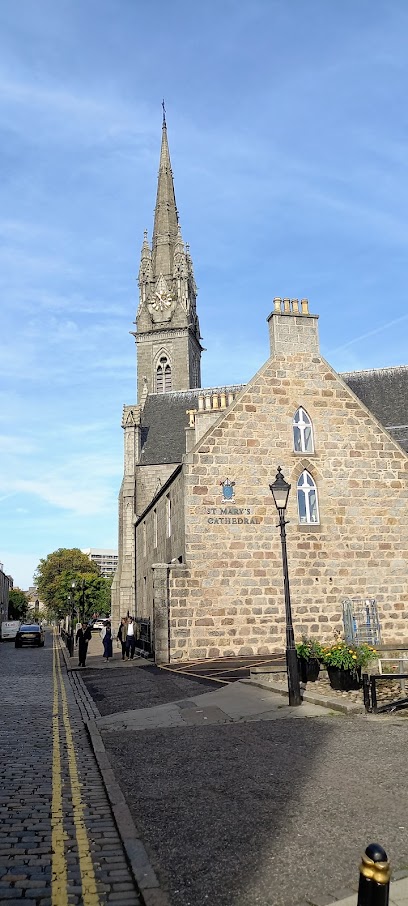
St Mary of the Assumption Cathedral, Aberdeen
2.6 km
Aberdeen’s Roman Catholic cathedral, a Gothic Revival gem with daily worship, Polish and Spanish Masses, and a peaceful Lady Chapel.
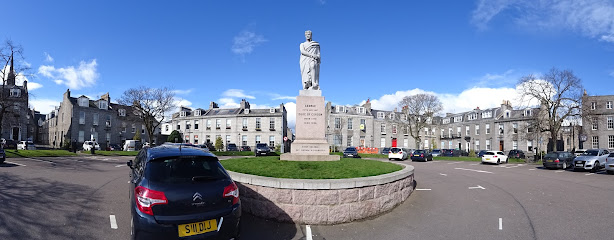
Duke Of Gordon Monument
2.7 km
A monumental granite statue in Aberdeen honoring the 5th Duke of Gordon’s military and civic legacy in a historic city square.
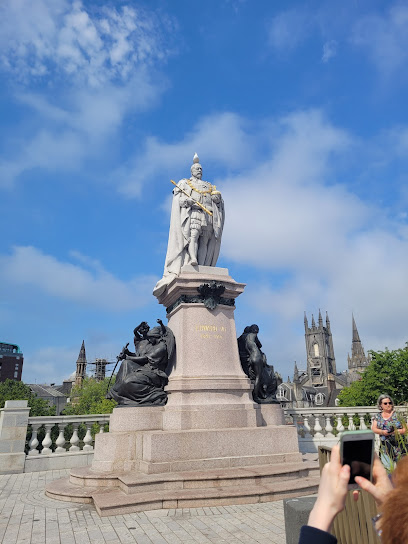
Edward VII Statue
2.7 km
Aberdeen’s grand Edward VII Statue stands in full ceremonial robes, a striking granite and bronze tribute to the British monarch at the heart of the city.
Aedie's House site
2.8 km
Step into Aberdeen’s past at the site of Aedie’s House, a 16th‑century townhouse whose memory lives on in stone, street names, and local history.
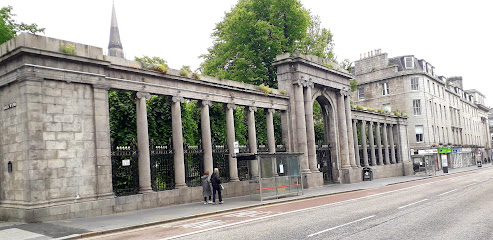
The Kirk of St. Nicholas Colonnade
2.9 km
An elegant neoclassical gateway marking the historic Kirk of St. Nicholas kirkyard in the heart of Aberdeen’s city centre.
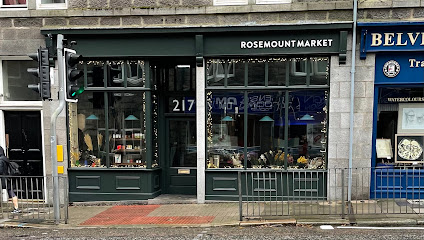
Rosemount Market
2.9 km
Discover Aberdeen’s Rosemount Market, a vibrant hub for sustainable shopping, local produce, and artisan crafts in a welcoming community setting.
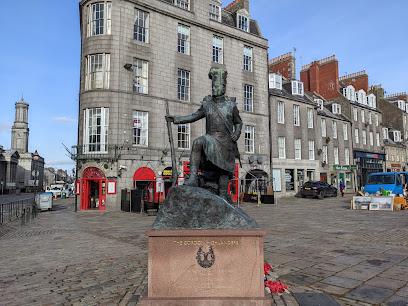
Castlegate
3.1 km
Medieval square where castle gates once stood, now home to Aberdeen's oldest building and iconic Mannie fountain.
Greyfriars Church
3.2 km
Five centuries of faith and architecture in the heart of historic Aberdeen
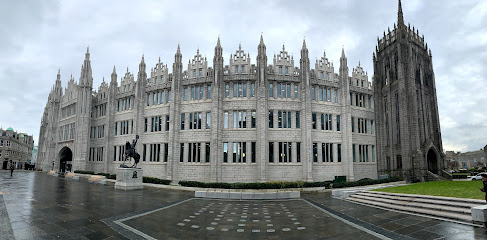
Marischal College
3.2 km
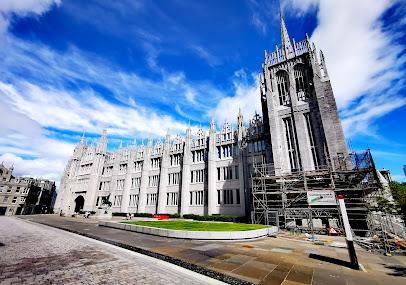
Scotland's second-largest granite building and an architectural masterpiece blending Victorian Gothic grandeur with civic purpose.
Gordon Highlanders Statue
3.2 km
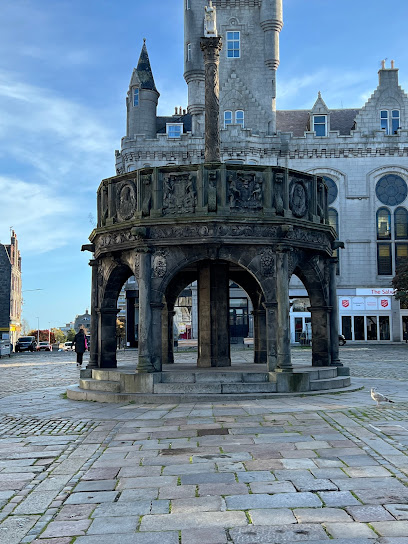
A striking bronze tribute in Aberdeen honoring the valor and legacy of the historic Gordon Highlanders regiment.
Balnagask Motte
3.2 km
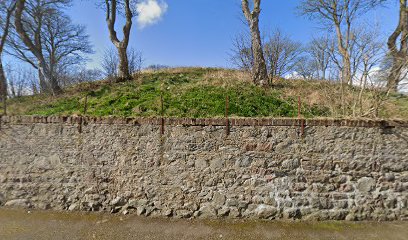
Medieval earthen mound marking an early wooden castle, shrouded in mystery and local legend.
Rosemount Palace
3.4 km
A unique, budget-friendly B&B in a converted church offering practical comfort and central access in Aberdeen.

Unmissable attractions to see

Kincorth Hill Local Nature Reserve
1.2 km
Explore diverse habitats and enjoy sweeping panoramic views over Aberdeen at Kincorth Hill Local Nature Reserve.
Flagpole Hill
1.3 km
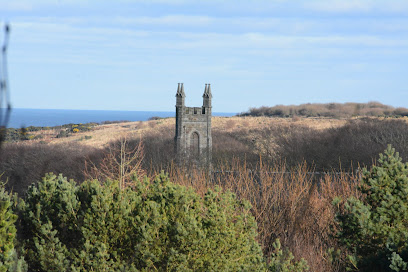
A historic Victorian park in Aberdeen with stunning gardens, family-friendly play areas, and scenic riverside tranquility.
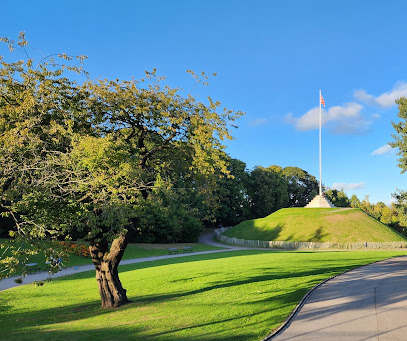
Duthie Park
1.3 km
A Victorian-era urban park in Aberdeen featuring the stunning David Welch Winter Gardens, family-friendly play areas, boating ponds, and lush green spaces.
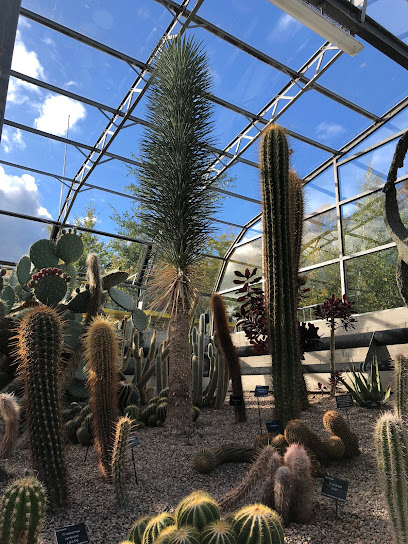
David Welch Winter Gardens
1.3 km
Explore one of Europe’s largest indoor botanical gardens nestled in Aberdeen’s historic Duthie Park, a year-round tropical oasis with free entry.
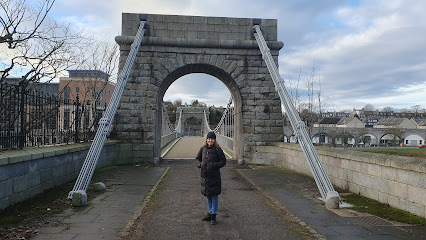
Wellington Suspension Bridge
2.0 km
Historic 19th-century suspension bridge over the River Dee, blending engineering heritage with scenic riverside charm in Aberdeen.
City of Aberdeen Distillery
2.2 km
Discover Aberdeen’s first distillery in nearly 80 years, crafting small-batch Scottish gins with immersive tours, tastings, and a hands-on Gin School.
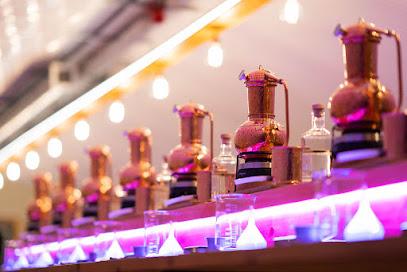
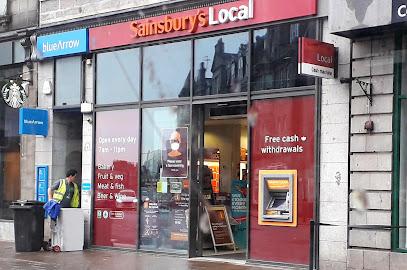
Sainsbury's Local
2.3 km
Your convenient city centre supermarket on Aberdeen’s Union Street, open daily with fresh essentials and quick shopping solutions.
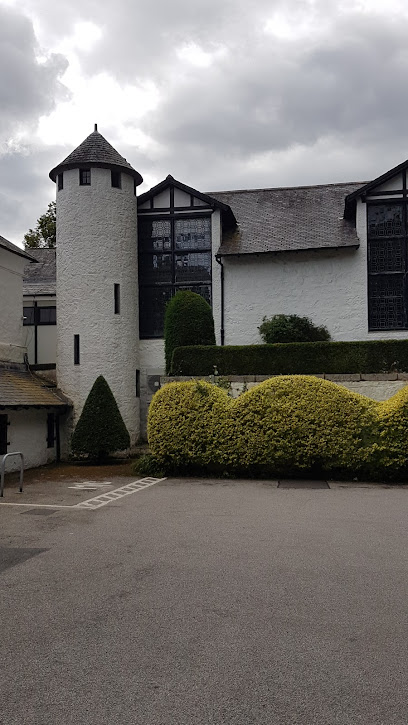
The Gordon Highlanders Museum
2.3 km
Explore 200 years of heroic history at The Gordon Highlanders Museum, featuring immersive WWI trenches, rare medals, and serene Victorian gardens in Aberdeen.
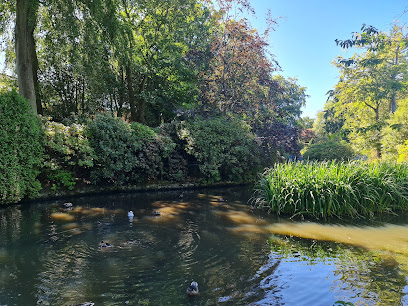
Johnston Gardens
2.3 km
A serene, romantic garden in Aberdeen’s West End, with streams, waterfalls, a rustic bridge, and seasonal blooms – a peaceful escape in the city.
Union Square
2.6 km
Union Square Aberdeen offers a dynamic blend of shopping, dining, and entertainment in a spacious, modern city-centre setting.
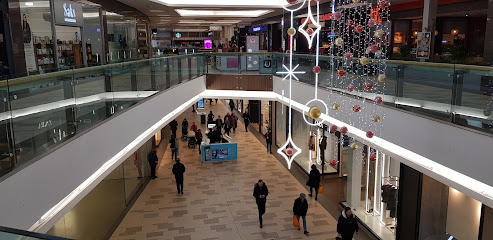
The Stairs Leading to Bridge Street
2.6 km
Explore the stunning Stairs Leading to Bridge Street in Aberdeen, a gateway to culture, history, and vibrant city life.
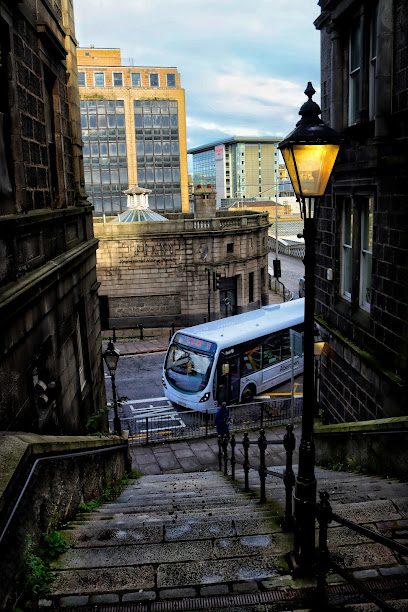
union square shopping centre
2.7 km
Aberdeen’s vibrant shopping and leisure destination with over 80 stores, 30 eateries, and the city’s largest cinema all under one roof.
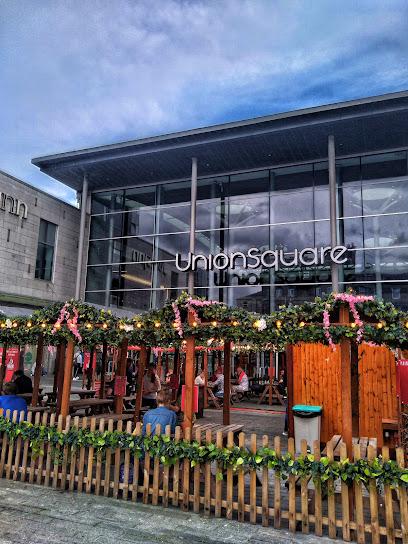
Huntfun Aberdeen
2.7 km
Discover Aberdeen’s city center through an exciting, interactive treasure hunt along Union Street that blends fun, learning, and adventure.
The Grn
2.8 km
Historic granite square in Aberdeen blending medieval heritage with vibrant cafes and artistic charm.
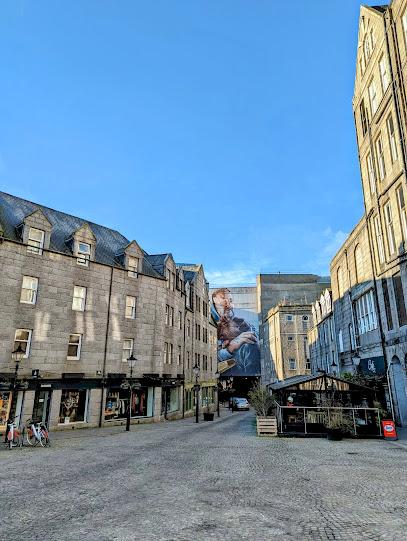
Union Terrace Gardens
2.8 km
Historic sunken gardens in Aberdeen’s heart, blending Victorian charm with modern design for a vibrant city green space.
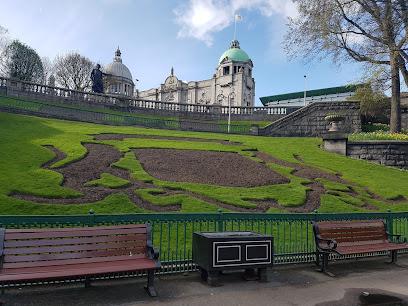
Essential places to dine

Harvester Ghillies Lair Aberdeen
0.1 km
Family-friendly British bar and grill with unlimited salad, riverside views, and a welcoming atmosphere near Aberdeen’s Bridge of Dee.
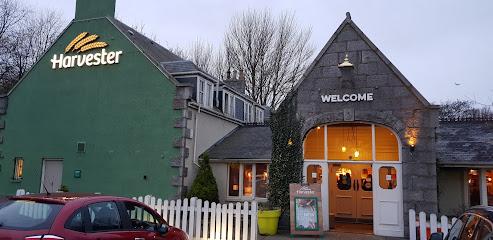
Rendezvous | Nargile
1.9 km
Experience authentic Turkish and Mediterranean cuisine in a warm, family-friendly setting with contemporary charm in Aberdeen.
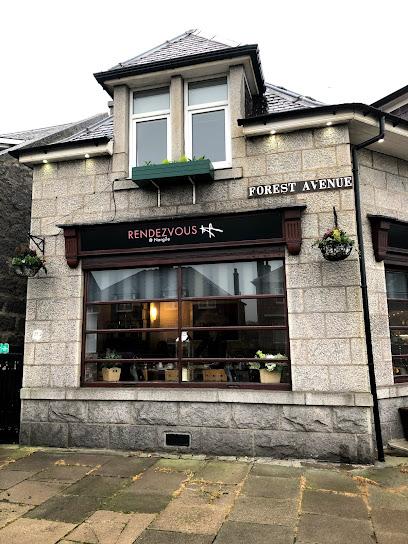
The Bothy Restaurant
2.0 km
Authentic Scottish dining with traditional flavours and warm hospitality in the heart of Aberdeen’s Palm Court Hotel.
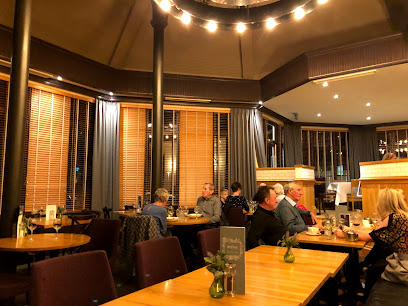
The Albyn
2.2 km
Experience Aberdeen’s vibrant hospitality at The Albyn, blending lively bar culture with hearty dining in a historic family-run setting.
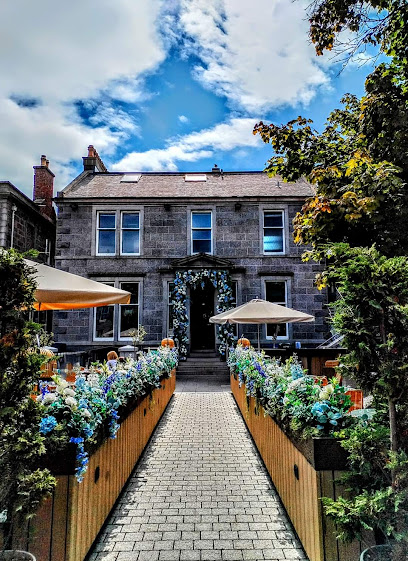
Da Vinci Italian Restaurant
2.2 km
Experience authentic Italian dining with fresh, vibrant flavors in a cozy family-run restaurant in the heart of Aberdeen.
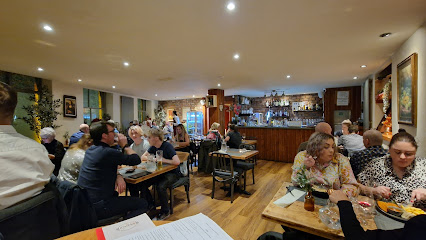
Malmaison Bar & Grill Aberdeen
2.2 km
Sophisticated British-French fusion dining with prime grills and stylish cocktails in the heart of Aberdeen.
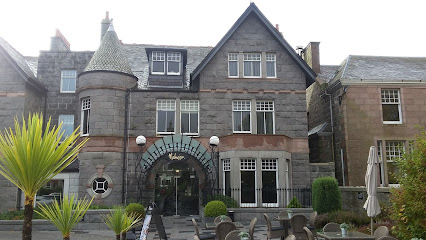
Travancore Restaurant Aberdeen
2.2 km
Experience authentic Kerala-inspired South Indian cuisine in a cozy, welcoming setting at Travancore Restaurant Aberdeen.
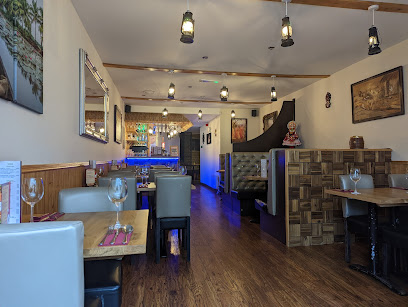
The Conservatory Restaurant and Drawing Room Bar | The Marcliffe
2.3 km
Elegant British dining in a historic Aberdeen mansion with refined cuisine, live music, and warm hospitality.
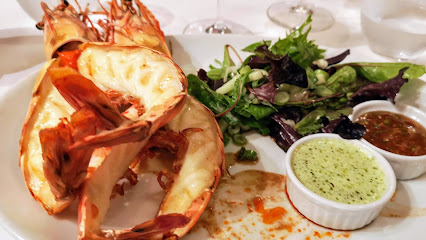
Amuse by Kevin Dalgleish
2.3 km
Modern Scottish cuisine with French flair, served in a warm, elegant setting at the heart of Aberdeen.
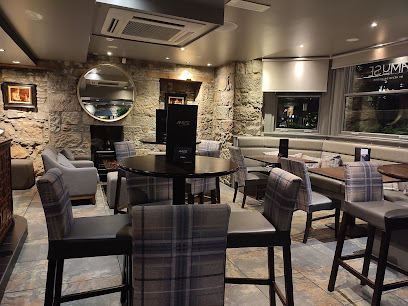
No.10 Bar and Restaurant
2.3 km
A sophisticated subterranean venue in Aberdeen offering modern British cuisine, an extensive whiskey bar, and a cozy, stylish atmosphere.
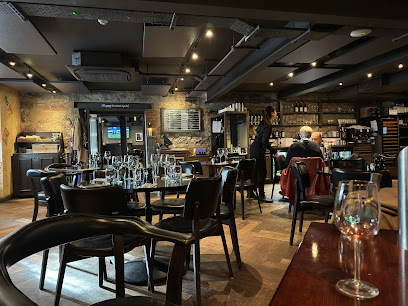
The Marcliffe Hotel and Spa
2.3 km
Luxurious Victorian country house hotel with elegant rooms, fine dining, and a tranquil spa set in peaceful gardens near Aberdeen.
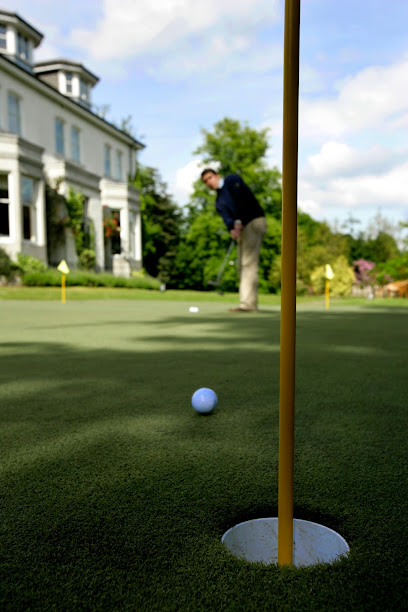
Cafe Harmony
2.3 km
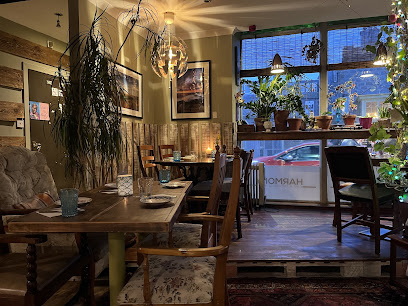
Experience authentic Mediterranean warmth and vibrant flavors in a cozy, welcoming setting at Cafe Harmony in Aberdeen.
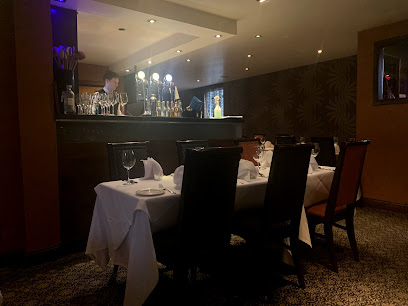
The Jewel in the Crown Aberdeen Indian Restaurant
2.3 km
Authentic Indian flavors and warm hospitality at Aberdeen’s beloved Jewel in the Crown, offering a rich culinary journey in a welcoming setting.
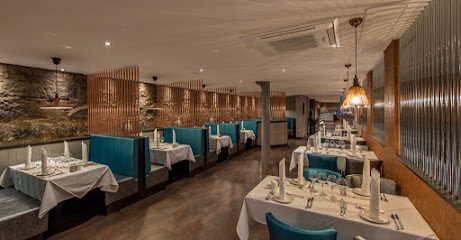
Wild Ginger Restaurant
2.4 km
Contemporary Indian dining with rich flavors and generous portions in the heart of Aberdeen’s Union Street.
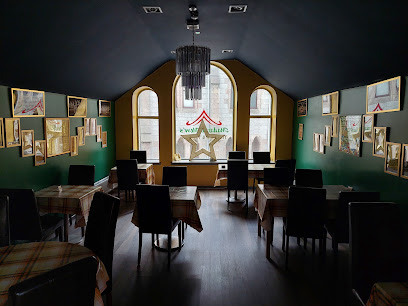
Madame Mew's
2.4 km
Experience authentic Thai flavors and vibrant atmosphere with generous portions and great value in the heart of Aberdeen.
Markets, malls and hidden boutiques

Country Ways Aberdeen
2.0 km
Northeast Scotland's premier destination for country, lifestyle, and equestrian wear since 1978.
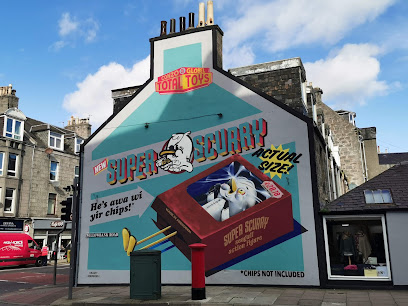
Gifted
2.0 km
Discover unique and locally inspired gifts at Gifted, Aberdeen’s boutique treasure trove on Countesswells Road.
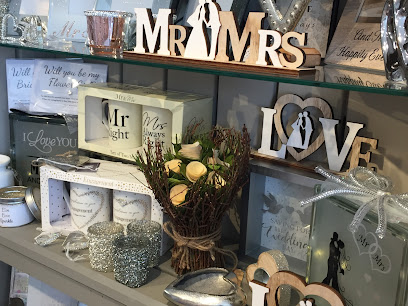
Kafka Mercantile
2.3 km
Independent Aberdeen retailer since 1990, curating artisanal clothing and footwear from distinctive international brands.
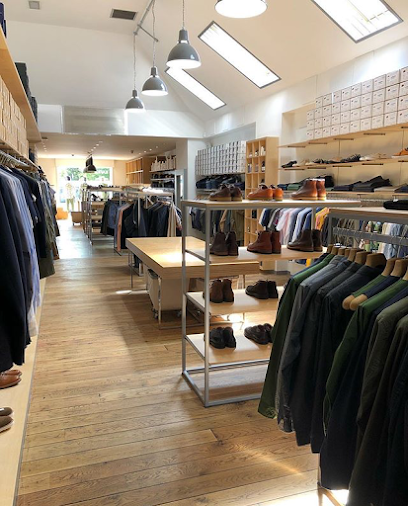
Sirene Boutique Aberdeen
2.4 km
Discover timeless style and vibrant prints at Sirene Boutique Aberdeen, a unique ladies’ fashion destination on Union Street.
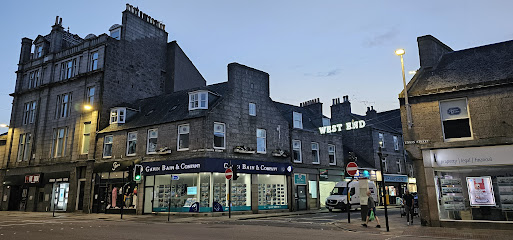
Surreal Journey
2.4 km
Discover Surreal Journey, Aberdeen’s boutique clothing shop where fashion meets imaginative artistry in a truly unique retail experience.
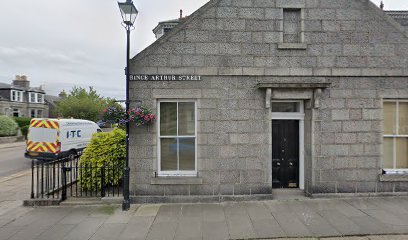
Colin Wood Antiques
2.4 km
Discover rare Scottish maps, vintage furniture, and timeless collectibles in the heart of Aberdeen’s antique scene.
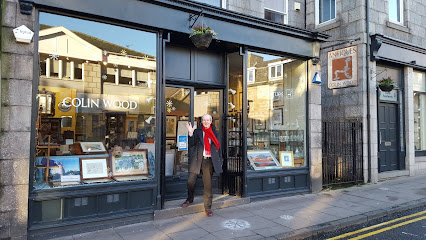
Tiger Lily Boutique
2.4 km
Elegant women's boutique on Aberdeen's Chapel Street, curating versatile dresses and chic separates for effortless day-to-night style in a historic setting.
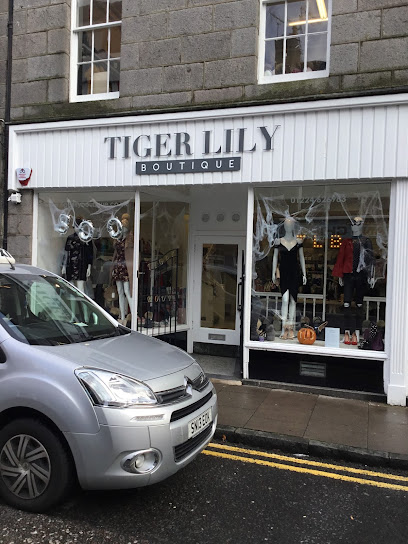
Copper & Grey
2.4 km
Bright independent gift shop on Aberdeen's Chapel Street, brimming with unique cards, jewellery, stationery, and local maker treasures for every occasion.
No 18 Gifts & Cards
2.4 km
Discover unique greeting cards, stylish accessories, and thoughtful gifts at No 18 Gifts & Cards, a charming boutique in Aberdeen’s Chapel Street.
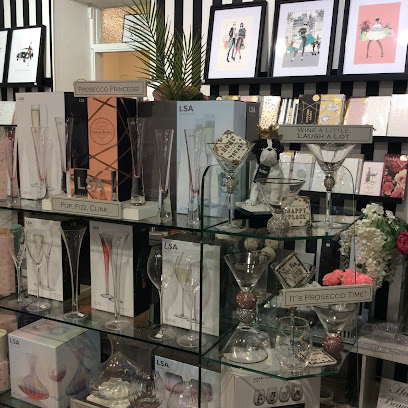
LUXE
2.5 km
Discover unique gifts and local artisan treasures at LUXE, a charming gift shop in Cove Bay, Aberdeen, that captures the essence of Scotland.
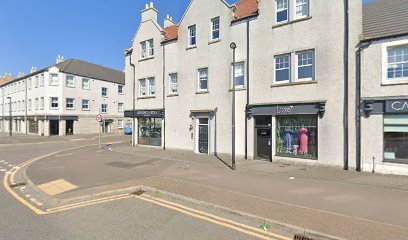
Joli Gifts
2.5 km
A cozy independent gift shop in Aberdeen filled with handmade treasures, local art, and thoughtful Scottish souvenirs.
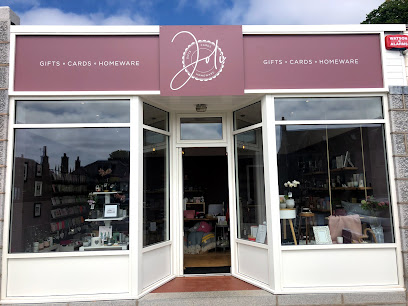
Treehouse Home Store
2.5 km
Discover whimsical homewares, stylish furnishings, and cozy cafe vibes at Aberdeen's Treehouse Home Store—a creative haven for design lovers and casual browsers alike.
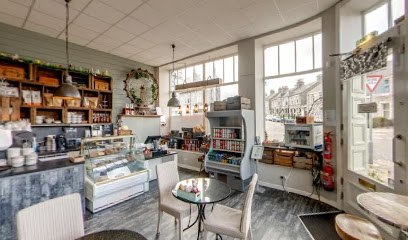
Fernweh UK
2.6 km
Wanderlust-infused accessories from Aberdeen's harbourfront artist studios—discover handcrafted jewelry and scarves amid makers' workshops.

Frantiques
2.6 km
Waterfront antique shop brimming with maritime treasures and eclectic vintage finds.
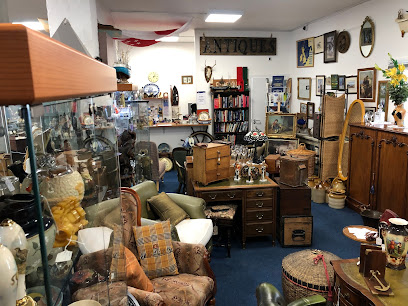
The Edinburgh Woollen Mill
2.6 km
Discover authentic Scottish knitwear and unique gifts steeped in heritage at The Edinburgh Woollen Mill in Aberdeen’s vibrant Union Street.
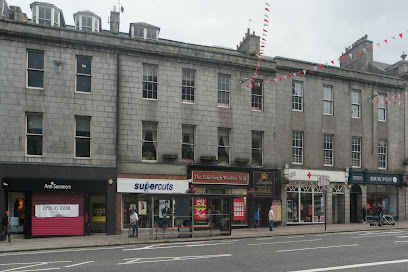
Essential bars & hidden hideouts

Brig O Dee Bar
0.2 km
Traditional Aberdeen pub with cozy charm, local craft beers, live music, and a welcoming atmosphere on Holburn Street.
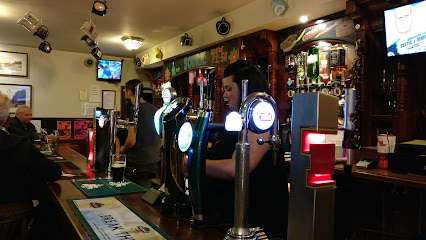
Abergeldie Bar
0.8 km
Abergeldie Bar blends cozy charm and vibrant nightlife in Aberdeen’s city centre with quality drinks and welcoming vibes.
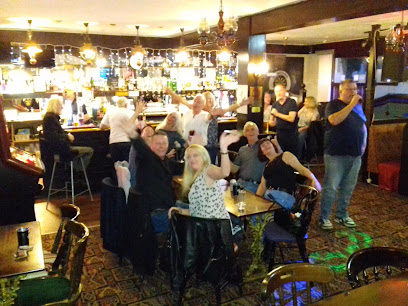
Holburn Bar
1.7 km
A lively and welcoming pub in Aberdeen offering great food, drinks, and entertainment for locals and visitors alike.
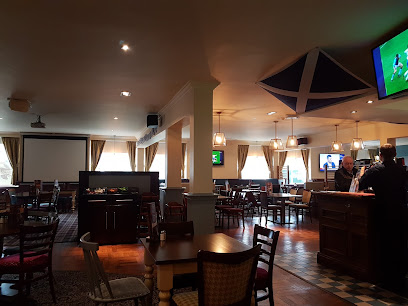
Foundry aberdeen
2.2 km
Lively Aberdeen pub blending live sports, great food, and vibrant entertainment in a warm, modern setting.
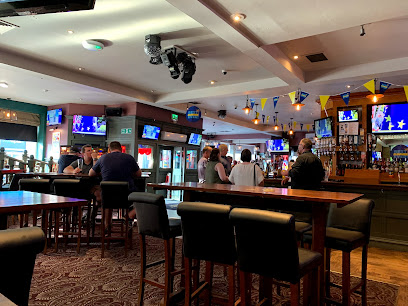
The Glentanar Bar
2.2 km
A stylish, dog-friendly independent bar in Aberdeen’s West End, known for local food vendors, live music, and a welcoming atmosphere.
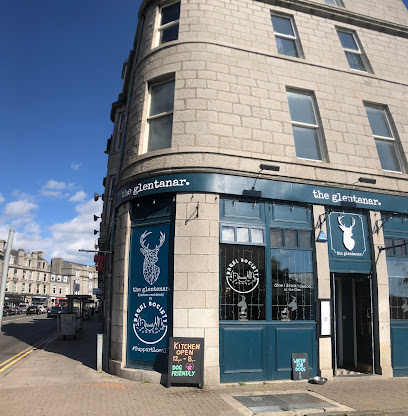
College Bar
2.2 km
Aberdeen’s vibrant sports and cocktail bar with live music, state-of-the-art viewing, and versatile event spaces in a historic granite building.
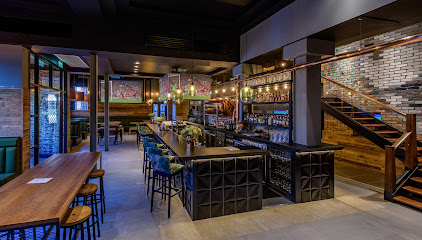
The Spiritualist Aberdeen
2.3 km
Discover vibrant cocktails and stylish dining in the heart of Aberdeen at The Spiritualist, where creativity meets chic atmosphere.
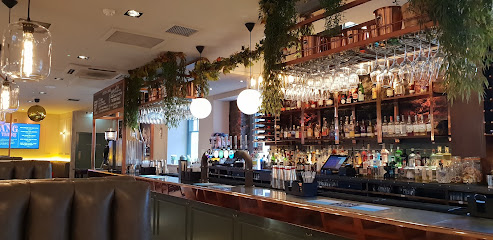
Orchid Cocktails
2.4 km
Aberdeen’s stylish cocktail bar offering expertly crafted drinks, immersive tastings, and a relaxed yet sophisticated atmosphere.
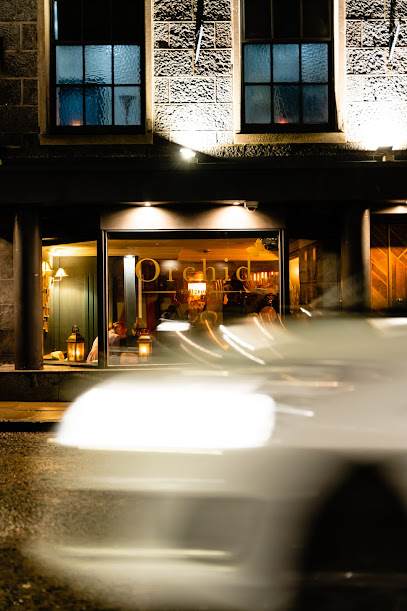
Dusk Cocktail Bar
2.4 km
Intimate and stylish cocktail lounge in Aberdeen’s West End, renowned for expertly crafted drinks and a welcoming atmosphere.
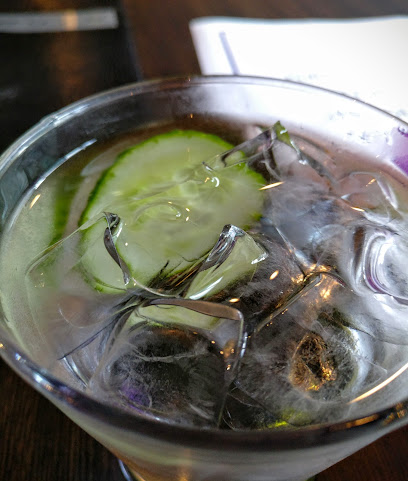
Grape & Grain
2.4 km
Luxurious wine bar in Aberdeen's west end, where curated wines, craft drinks, and gourmet nibbles create intimate evenings of flavor and finesse.
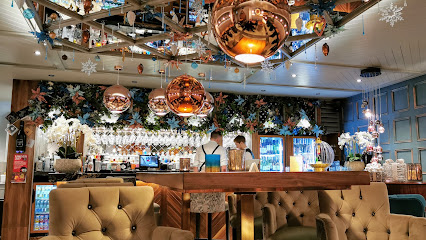
Prohibition
2.4 km
Energetic late-night bar and nightclub in Aberdeen’s city centre, known for vibrant music, lively crowds, and affordable drinks.

Motif
2.4 km
A lively Union Street bar blending historic stained glass and organ echoes with neon, cocktails, games and live events for a sociable night out.
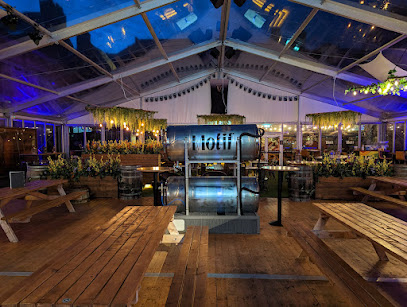
Soul
2.5 km
A vibrant cocktail bar and restaurant in Aberdeen’s city center, blending contemporary dining with a lively social atmosphere.
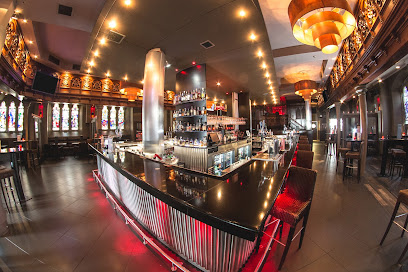
The Stag
2.6 km
A lively and welcoming city-centre pub in Aberdeen, offering great drinks, entertainment, and a friendly atmosphere every day from noon to midnight.
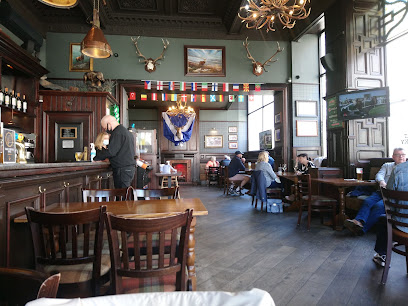
Under the Hammer
2.8 km
A cosy, characterful basement bar in Aberdeen offering well-made cocktails, a collected interior and an intimate, friendly evening atmosphere.
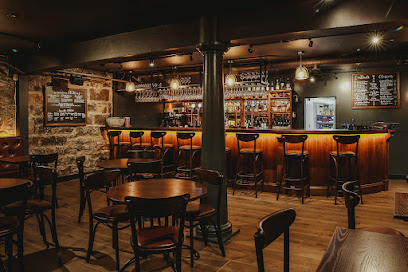
Nightclubs & after hour spots

Babylon
2.2 km
Discover the pulse of Aberdeen's nightlife at Babylon, a premier nightclub and bar offering unforgettable nights filled with music and fun.
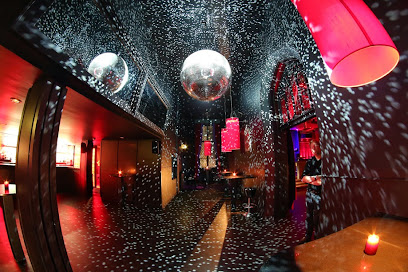
491 Union Street
2.3 km
Dive into Aberdeen's electric nightlife at this top-of-Union-Street hotspot, where killer beats, craft drinks, and epic events light up weekends until dawn.
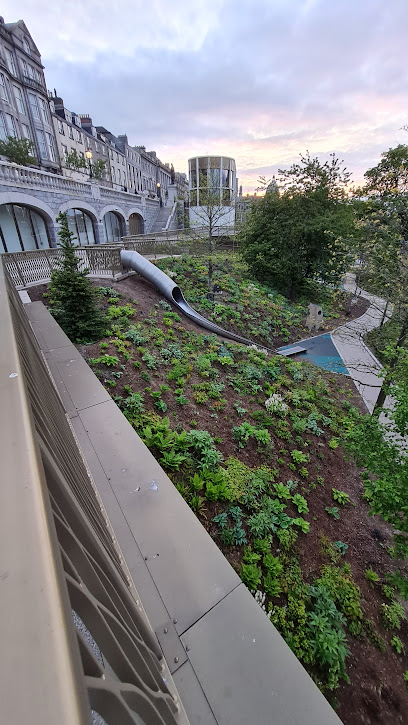
Club Tropicana & Venga
2.6 km
Compact retro nightclub on Chapel Street with neon kitsch, themed nights and a late‑night dancefloor for nostalgic hits and loud, energetic DJ sets.

Venga
2.6 km
Dive into Aberdeen's electric nightlife at Venga, where retro beats, themed nights, and cocktails fuel unforgettable dances until dawn on vibrant Chapel Street.

AURA Nightclub Aberdeen
2.6 km
Experience Aberdeen’s vibrant nightlife and nostalgic disco vibes at Aura Nightclub, the city’s premier venue for dynamic music and festive parties.
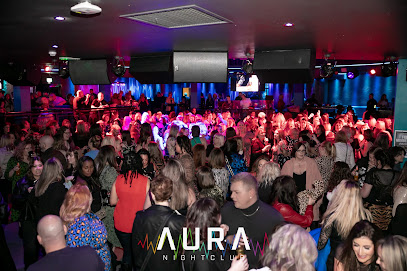
Number 7 Club
2.6 km
Aberdeen's intimate adult club on Crown Street: full-nude dances, drinks, and late-night energy from 9pm to 3am weekends.

The Mask Club
2.6 km
Aberdeen’s vibrant adult entertainment hotspot with professional dancers, lively music, and a dynamic late-night atmosphere.
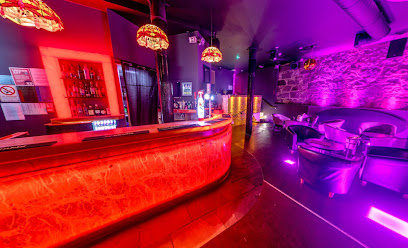
Private Eyes
2.6 km
Experience Aberdeen’s vibrant nightlife at Private Eyes, a stylish nightclub offering lively music, adult entertainment, and a welcoming city-center atmosphere.
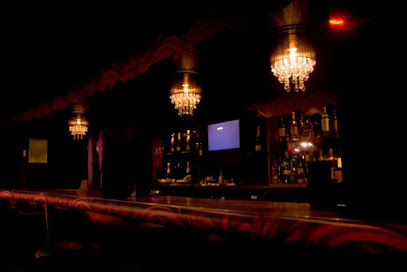
The Underground Klub
2.7 km
A compact, bass-forward late-night club in central Aberdeen with booth seating, layered sound and an intimate underground vibe.
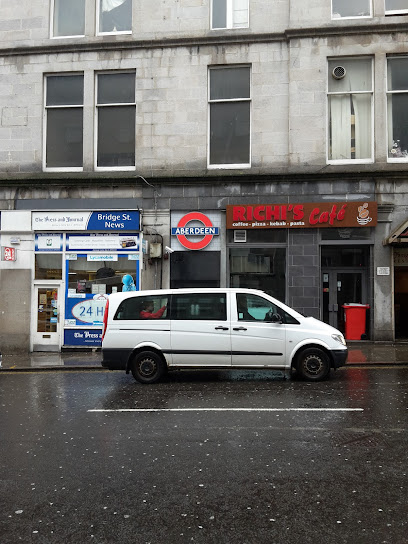
CHEERZ
2.9 km
Aberdeen's iconic LGBT bar and nightclub: dance, drink, and connect in a welcoming Exchange Street haven open late into the night.
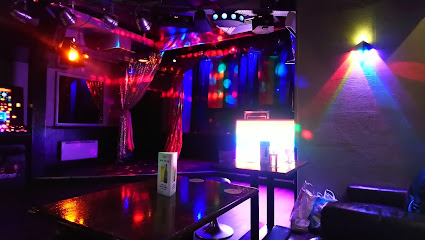
Exodus
2.9 km
Experience Aberdeen’s vibrant nightlife and boozy brunches in a unique historic church setting at Exodus, The Triplekirks.
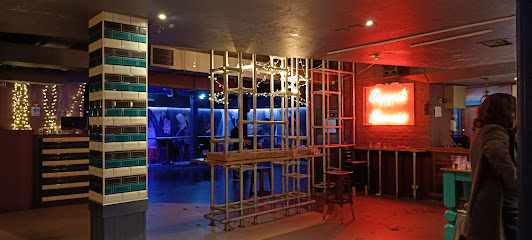
Utopia Nightclub Montrose
50.7 km
Experience Montrose’s vibrant weekend nightlife at Utopia Nightclub, where music, dancing, and community spirit come alive after dark.
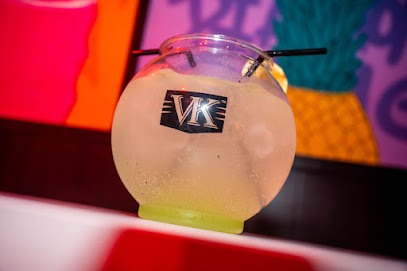
Deejays Nightclub
63.9 km
Fraserburgh’s revitalized nightlife hotspot offering vibrant music, dancing, and late-night fun on Denmark Street.

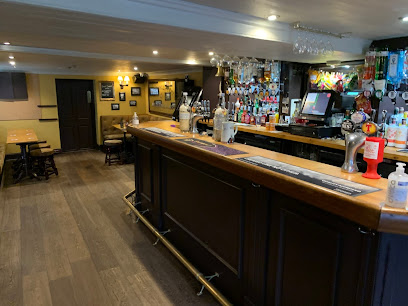
Market Arms
64.9 km
Experience the warmth and vibrancy of Market Arms in Banff, offering local brews, hearty meals, and a friendly atmosphere for every traveler.
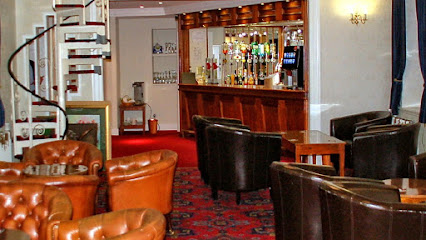
Banff Town & County Club
65.0 km
Discover the heart of Banff at the historic Town & County Club, a social hub that celebrates local culture and community spirit.
For the vibe & atmosphere seeker
- Scenic
- Relaxing
- Tranquil
- Historic
- Unique
For the design and aesthetic lover
- Rustic Designs
- Vintage Styles
For the architecture buff
- Historic
- Landmarks
For the view chaser and sunset hunter
- Iconic Views
- Panoramas
- Waterfront
For the social media creator & influencer
- Instagrammable
- Photo Spots
- Architectural Shots
For the eco-conscious traveler
- Protected Area
- Public-Transport Accessible
- Locally Managed
For the kind of experience you’re after
- Cultural Heritage
- Photowalk
- Nature Escape
- Day Trip
For how adventurous you want the journey to be
- Easy Access
Location Audience
- Family Friendly
- Senior Friendly
- Child Friendly
- Teen Friendly
- Wheelchair Access
- Pet Friendly
- Solo Friendly
- Couple Friendly


