
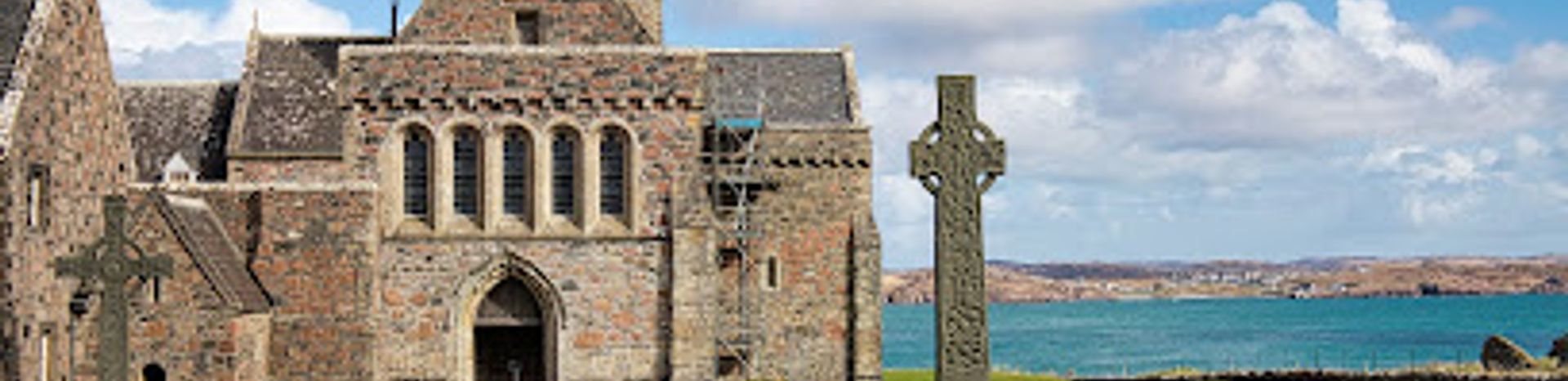
Iona Abbey and Nunnery
Scotland's most sacred island: 1,450 years of Christian pilgrimage, medieval artistry, and spiritual renewal.
One of Scotland's most sacred Christian sites, Iona Abbey stands on the island where St Columba founded his monastery in AD 563. This medieval Benedictine abbey features restored church architecture, four iconic high crosses, and Scotland's finest collection of early medieval carved stones. The adjacent Augustinian nunnery ruins and atmospheric grounds offer profound spiritual significance and historical depth. Accessible by ferry from Mull, it remains an active place of worship and pilgrimage after 1,450 years of continuous Christian tradition.
A brief summary to Iona Abbey and Nunnery
- Isle of Iona, PA76 6SQ, GB
- +441681700512
- Visit website
- Duration: 2 to 4 hours
- Mid ranged
-
 Outdoor
- Mobile reception: 3 out of 5
Local tips
- Book tickets online in advance during summer (April–September) for the best price and guaranteed entry. Winter tickets (October–March) are purchased on-site only with no pre-booking available.
- Allow at least 2–3 hours to explore the abbey, nunnery, museum, and grounds properly. Many visitors wish they had allocated more time to absorb the historical and spiritual significance of the site.
- Check ferry schedules and weather conditions before travelling, as adverse weather can disrupt the Fionnphort–Iona crossing. The island's exposure means conditions can change rapidly.
- Wear sturdy footwear with good grip; the nunnery ruins and surrounding grounds feature uneven terrain and can be muddy or slippery, especially after rain.
- Bring a picnic or plan to eat at one of the island's cafés, as dining options are limited. The Heritage Centre Garden Café offers home-baking and soups in a peaceful setting.

For the on-the-go comforts that matter to you
- Restrooms
- Drink Options
- Food Options
- Seating Areas
- Picnic Areas
- Trash Bins
- Information Boards
- Visitor Center
Getting There
-
Ferry from Fionnphort (Isle of Mull)
The primary access to Iona is via the passenger ferry from Fionnphort on the Isle of Mull. The crossing takes approximately 10 minutes. Ferries operate multiple times daily year-round, with increased frequency during summer months (April–September). Summer timetable typically offers departures every 30–60 minutes from early morning until evening. Winter service (October–March) runs less frequently, with the last ferry at 6:00 PM available by request with 24 hours' notice. Adult return fare is approximately £6–8 per person. No vehicles are permitted on the ferry; it is foot passengers only. The ferry terminal at Fionnphort is accessible by car or bus from Craignure (approximately 45 minutes by road).
-
Bus from Craignure (Isle of Mull)
Reach Fionnphort ferry terminal by local bus service from Craignure, the main ferry port on Mull. The journey takes approximately 45–50 minutes. Buses operate several times daily to connect with ferry sailings. A single bus fare costs approximately £3–5. This option is ideal if arriving by ferry from Oban on the Scottish mainland (approximately 45 minutes crossing). Combined journey time from Oban to Iona is typically 2–2.5 hours including the bus connection.
-
Guided tour operators from Mull or mainland
Numerous tour operators offer day trips to Iona from the Isle of Mull or from the Scottish mainland, typically departing from Oban. These packages usually include ferry crossings, guided tours of the abbey and nunnery, and sometimes lunch. Tour duration ranges from 6–8 hours. Prices typically range from £45–80 per person depending on the operator and inclusions. Tours often depart early morning and return by late afternoon, making them suitable for visitors with limited time. Some packages include admission to the abbey; confirm details when booking.
-
Private boat charter
Private boat charters can be arranged from Fionnphort or other nearby ports for visitors seeking flexibility or group travel. Charter costs vary significantly based on boat size and duration, typically ranging from £200–600 for a small group. This option allows customised departure times and can accommodate larger parties. Advance booking is essential, particularly during peak summer season.
Iona Abbey and Nunnery location weather suitability
-
 Any Weather
-
 Clear Skies
-
 Mild Temperatures
Discover more about Iona Abbey and Nunnery
Fourteen Centuries of Sacred Christian Heritage
Iona Abbey stands as one of western Europe's oldest and most sacred religious sites, founded by St Columba and his Irish followers in AD 563 on this windswept island off the Isle of Mull. For over 1,450 years, this tiny island has remained a vibrant centre of Christian worship, pilgrimage, and spiritual renewal. St Columba's original monastery survived centuries of Viking raids until the late 12th century, when the sons of Somerled, styled 'King of the Isles', rebuilt the site around 1200 and invited the Benedictine community to establish themselves here. The monastery thrived until the Protestant Reformation of 1560 ended monastic life, yet worship never ceased. In 1938, the Iona Community was founded by Rev Dr George MacLeod, reviving the abbey's ancient traditions of work, worship, and teaching that continue to this day.Medieval Architecture and Artistic Treasures
The abbey church itself spans architectural styles from the 13th to 16th centuries, with the most significant restoration completed in 1910 by the Iona Cathedral Trust. The restored structure now functions as an active place of worship, its stone walls echoing with daily services that welcome guests, staff, and visitors from around the world. Within the abbey grounds stand four iconic high crosses, powerful symbols of Iona's enduring role as a beacon of Christianity. The Abbey Museum houses Scotland's finest collection of early medieval carved stones and crosses, magnificently redisplayed to mark the 1,450th anniversary of Columba's arrival. These remarkable artefacts, some dating back 1,400 years, represent extraordinary craftsmanship and spiritual devotion. Scholars believe the world-famous Book of Kells was created here, testament to Iona's role as a centre of artistic and intellectual achievement in the early medieval world.Exploring the Sacred Landscape
Visitors can walk the Street of the Dead, a medieval route still flanked by St Martin's Cross and a replica of St John's Cross, connecting the spiritual heart of the island to its ancient burial grounds. St Oran's Chapel and Reilig Odhráin, the royal burial ground, hold the graves of ancient Scottish kings and remain places of profound reverence. Tòrr an Aba, the small hill above the abbey, is traditionally believed to be where St Columba had his writing hut, offering contemplative views across the island. The vallum—a boundary ditch and earthen bank—represents the only upstanding evidence of Columba's original 6th-century monastery, a humbling reminder of how much has been lost to time yet how much endures.The Augustinian Nunnery and Monastic Community
Adjacent to the abbey stands the Augustinian nunnery, founded in 1203 and representing the most complete nunnery complex to survive in Scotland. Though now in ruins, its layout and remaining structures reveal the sophisticated organisation of medieval religious life for women. The nunnery's peaceful setting, just minutes from the ferry terminal, invites quiet reflection on centuries of devotion and community life. The Iona Community, which occupies the restored monastic buildings, continues to welcome guests and visitors seeking spiritual renewal, offering accommodation, meals prepared from seasonal and locally sourced ingredients, and a rhythm of daily worship that mirrors the practices established by Columba himself.Atmosphere and Spiritual Significance
The island's serene atmosphere permeates every corner, from the abbey's stone cloisters to the windswept nunnery ruins and the gentle slopes of the surrounding landscape. Morning and evening worship services, held daily throughout the year, invite all visitors to participate in the living tradition of Christian prayer and contemplation. The combination of architectural beauty, historical depth, artistic treasures, and the island's natural tranquility creates a uniquely powerful spiritual experience. Whether approaching as a pilgrim, historian, or seeker of peace, visitors find themselves stepping into a landscape saturated with 1,450 years of unbroken Christian witness and devotion.Iconic landmarks you can’t miss

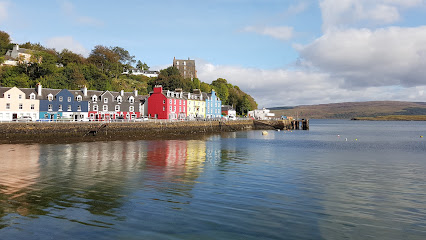
Tobermory Clock Tower
37.7 km
Historic granite clock tower memorializing local heritage, standing proudly by Tobermory’s colourful harbour on the Isle of Mull.
Monument to Irish immigrants aboard the Exmouth Castle
54.0 km
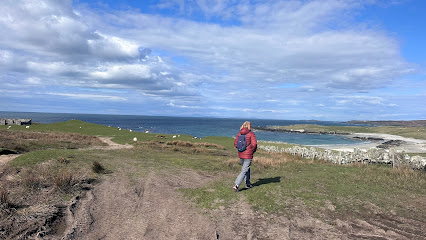
A solemn tribute on Islay’s rugged coast honoring 241 Irish emigrants lost in the 1847 Exmouth Castle shipwreck.
Islay Ferry Terminal
57.0 km
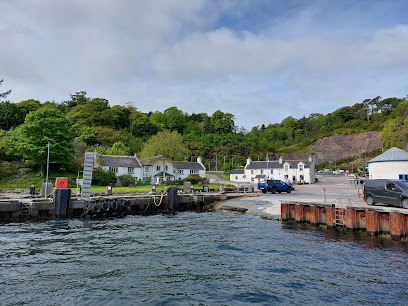
Scenic ferry gateway on Islay connecting to Jura and the Scottish mainland, blending maritime heritage with stunning coastal views.
Oban War & Peace Museum
57.2 km
Explore the Oban War & Peace Museum: A captivating journey through local history and heritage, set against the stunning backdrop of Oban's coastal beauty.
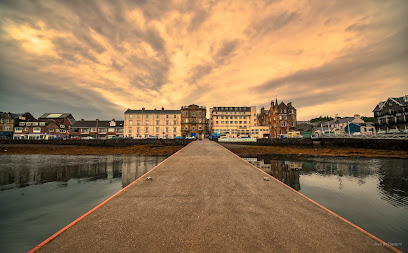
Old Oban Times Bldg
57.2 km
Discover the historic Old Oban Times Building, a landmark reflecting the rich heritage of Oban along the scenic Corran Esplanade.
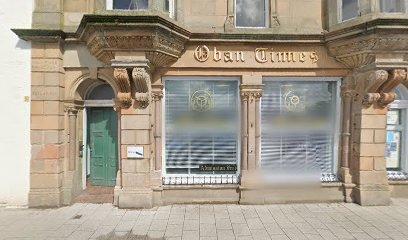
Argyll Square
57.2 km
Experience the vibrant atmosphere and local charm of Argyll Square in Oban, the perfect destination for shopping, dining, and stunning coastal views.
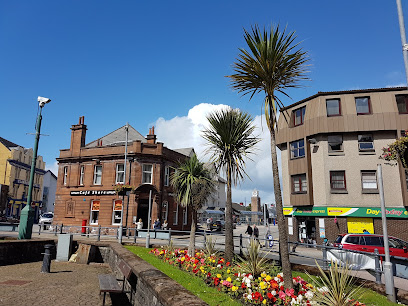
St John's Scottish Episcopal Cathedral : Oban
57.3 km
An unfinished masterpiece where Gothic ambition meets industrial-age engineering in Scotland's most unusual cathedral.
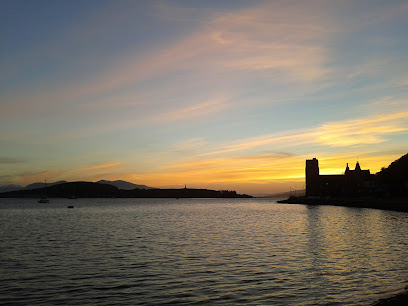
Ardconnel Terrace
57.4 km
Discover the scenic beauty and historic charm of Ardconnel Terrace in Oban, a perfect spot for relaxation and stunning coastal views.
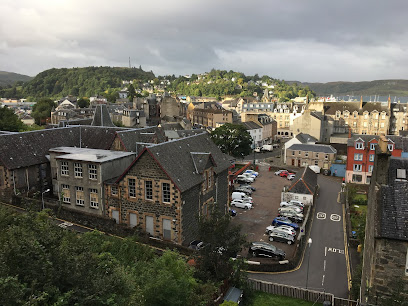
McCaig's Tower & Battery Hill
57.5 km
Explore Oban’s iconic McCaig's Tower, a Colosseum-inspired folly with stunning views and tranquil gardens atop Battery Hill.

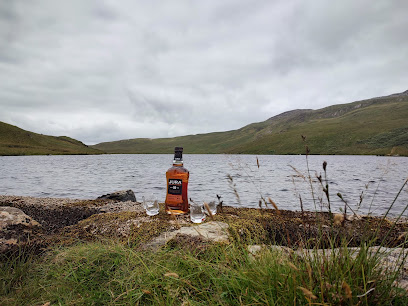
Jura Guided
57.8 km
Explore the breathtaking landscapes of Jura Guided, the ultimate destination for nature lovers and adventurers seeking the beauty of the Scottish Highlands.
Ganavan Sands
57.9 km
Experience the natural splendor of Ganavan Sands, a picturesque beach in Oban, Scotland, perfect for relaxation and scenic coastal walks.
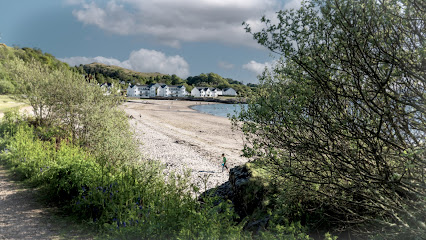
Kilmeny Church [Church Of Scotland] : Islay
59.6 km
Historic 1828 B-listed Parliamentary Church nestled in scenic northern Islay, embodying Scotland’s rich ecclesiastical heritage.
Nether Largie Mid Cairn
60.1 km
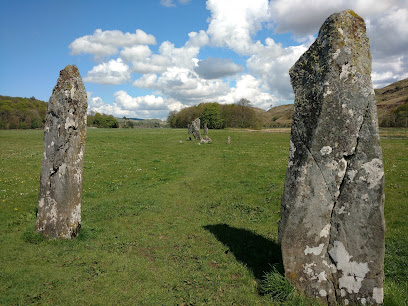
Bronze Age burial cairn at the heart of Scotland's most significant prehistoric landscape, carved with rare axehead symbols.
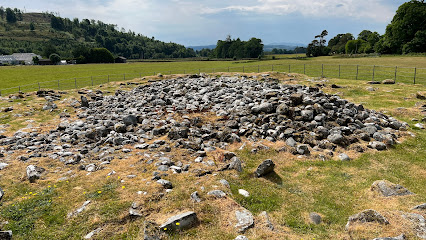
Nether Largie South Cairn
60.1 km
Explore the ancient mysteries of Nether Largie South Cairn, a captivating historical landmark in Lochgilphead, Scotland, surrounded by breathtaking landscapes.
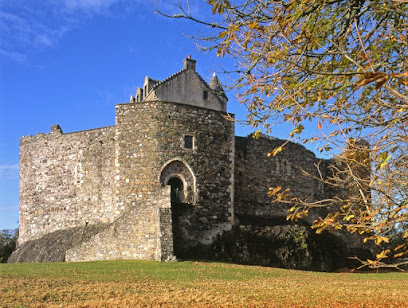
Dunstaffnage Castle and Chapel
60.2 km
Uncover the medieval magic of Dunstaffnage Castle and Chapel, a historic landmark offering stunning views and rich Scottish heritage.
Unmissable attractions to see

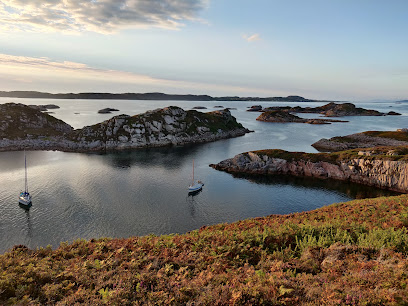
Tinkers Hole
4.8 km
Discover the serene and sheltered anchorage of Tinkers Hole, a hidden coastal gem on Scotland’s Isle of Mull.
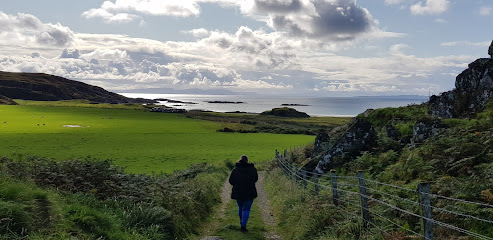
Ardalanish bay
10.0 km
Discover Ardalanish Bay’s pristine sands, rare habitats, and ancient geology on the scenic Isle of Mull’s tranquil southern coast.
Ross Of Mull Historical Centre
10.1 km
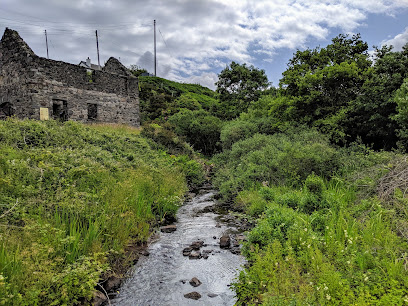
Discover the rich heritage of Ross of Mull at this charming cottage museum nestled beside the Old Corn Mill ruins in Bunessan.
Ardalanish Beach
10.5 km
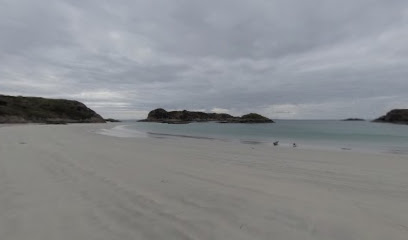
Discover the tranquil white sands and rich wildlife of Ardalanish Beach, a serene coastal gem on the Isle of Mull’s Ross of Mull.
Rubh’ Ardalanish
11.0 km
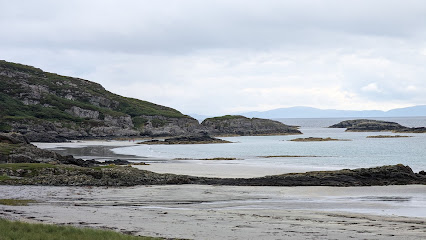
A pristine white sand beach on Mull’s southern coast, rich in wildlife, wildflowers, and cultural heritage.
Fingal's Cave
11.1 km
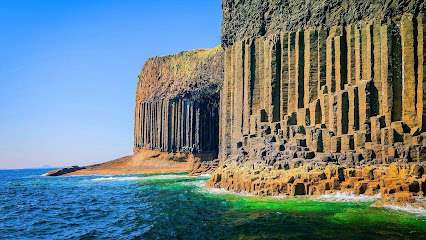
Discover the mesmerizing basalt columns and echoing acoustics of Fingal’s Cave on Staffa, a volcanic island steeped in myth and natural beauty.
Fossil Tree
12.0 km
Discover a 12-meter fossilized tree embedded in volcanic cliffs on a dramatic coastal hike in the Isle of Mull’s wild Ardmeanach Peninsula.
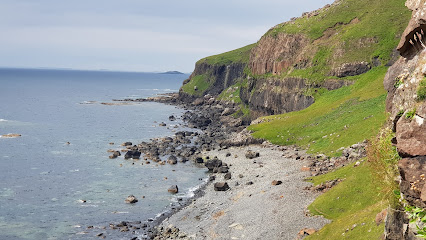
Kilvickeon Beach
13.5 km
Discover Kilvickeon Beach, a tranquil white sand escape framed by rugged rocks and rolling hills on Scotland’s Isle of Mull.
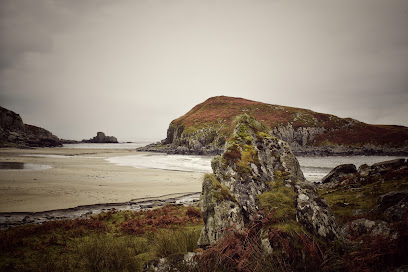
Burg
13.8 km
Experience the wild Atlantic power and serene beauty of Burg, a rugged nature reserve on Mull’s remote southwestern peninsula.
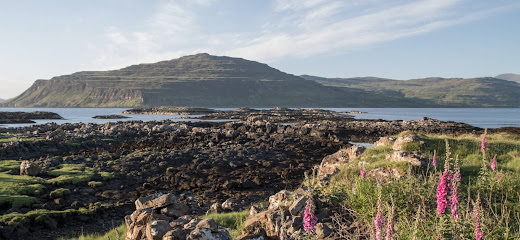
Mackinnon’s Cave
17.2 km
Explore the Isle of Mull’s deepest sea cave, steeped in legend and volcanic geology, where history and myth intertwine along rugged coastal cliffs.
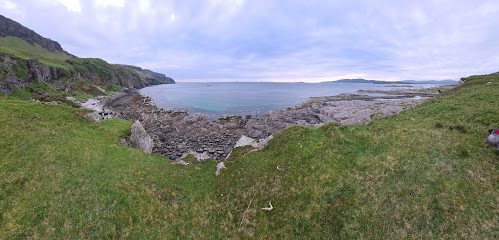
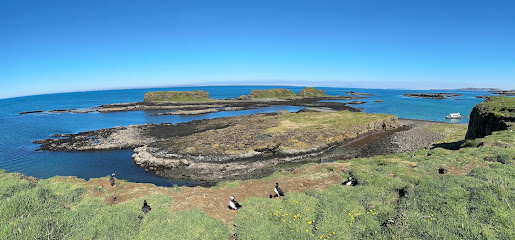
Lunga, Treshnish Isles
17.8 km
Discover Lunga, the largest Treshnish Isle, a remote sanctuary famed for puffins, rugged cliffs, and pristine Hebridean wilderness.
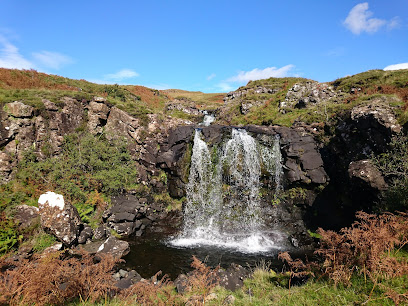
Allt Chreaga Dubha Waterfall
19.5 km
A serene and scenic waterfall nestled in the wild landscapes of the Isle of Mull, perfect for nature lovers and hikers.
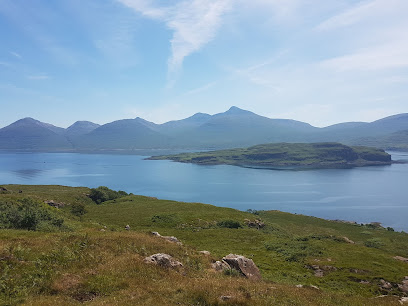
Viewpoint
23.5 km
Discover breathtaking vistas over three serene lochs and rugged Mull mountains at this tranquil viewpoint on the Isle of Mull.
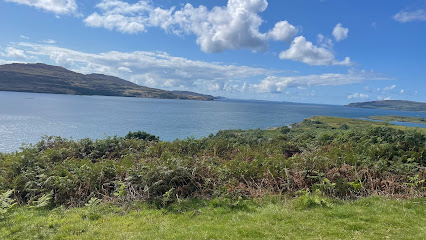
CazzieMarc Viewpoint
23.6 km
Discover serene panoramic views and untouched natural beauty at CazzieMarc Viewpoint on the Isle of Mull.
Eas Fors Waterfall
23.8 km
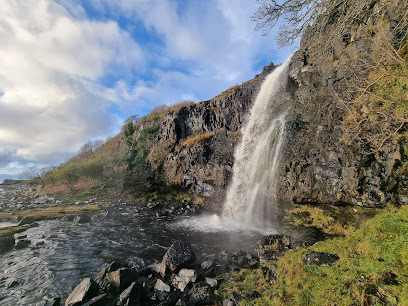
Discover the wild beauty of Eas Fors Waterfall, a dramatic triple cascade plunging into the sea on Mull’s rugged west coast.
Essential places to dine

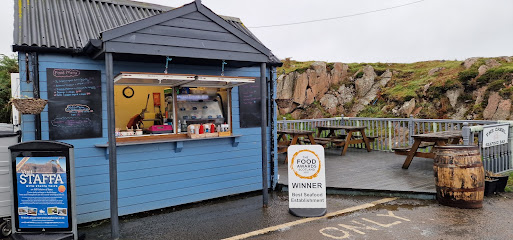
The Creel Seafood Bar
1.7 km
Fresh, locally caught seafood served with friendly charm near the ferry to Iona on the scenic Isle of Mull.
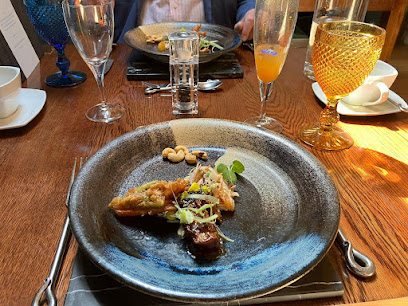
Ninth Wave Restaurant
2.1 km
Intimate seafood dining in a historic croft on the Isle of Mull, blending local flavors with refined culinary artistry.
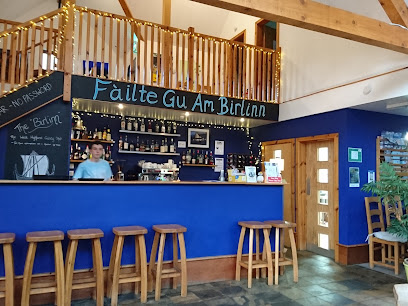
Am Birlinn
30.3 km
Rustic charm meets fresh seafood in a cozy, contemporary setting on the scenic Isle of Mull.
Hebridean Lodge
36.8 km
A charming coastal restaurant near Tobermory serving fresh local seafood with stunning island views and warm hospitality.
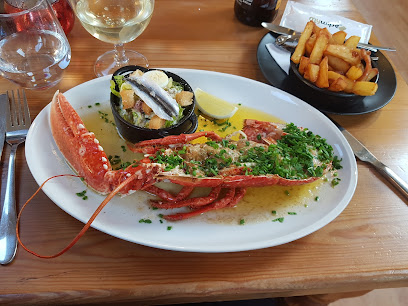
Macgochans
37.4 km
Waterfront gastropub with stunning bay views, fresh Scottish seafood, and warm Hebridean hospitality.
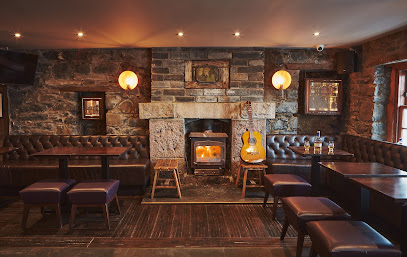
The Galleon Bistro Tobermory
37.6 km
Family-run harbour-side bistro in Tobermory offering fresh local seafood, Scottish classics, and a warm, accessible dining experience on the Isle of Mull.
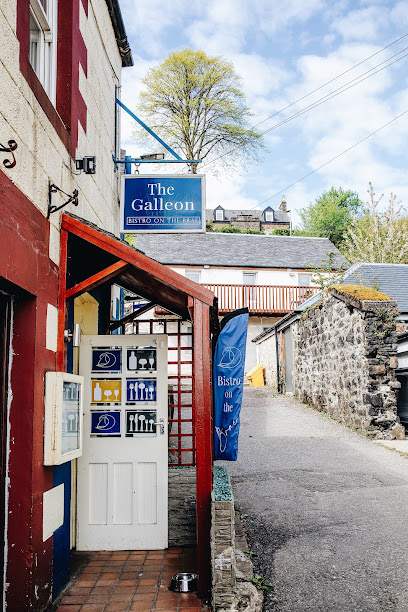
Spice of Mull
37.7 km
Experience authentic Indian, Bangladeshi, Thai, and Chinese flavors in a cozy Tobermory setting with stunning harbor views.
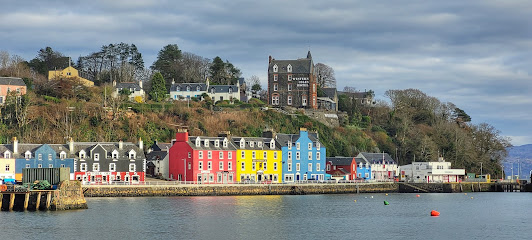
An Cala Ciuin
37.8 km
Traditional Scottish hospitality with harbour views and hearty fare in the heart of Tobermory’s historic Mishnish Hotel.
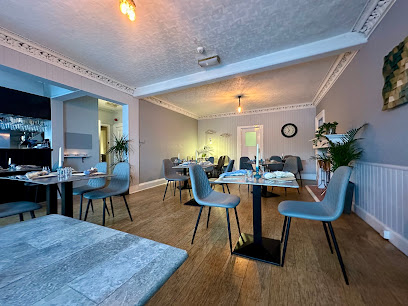
Cafe Fish, Upper Floor, The Pier, Tobermory
37.8 km
Experience Tobermory’s freshest seafood with stunning harbour views at the acclaimed Cafe Fish on the Isle of Mull.
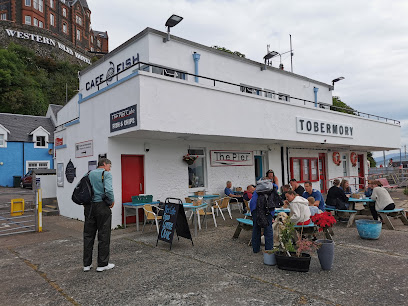
The Whitehouse Restaurant
43.9 km
An intimate fine dining haven in Lochaline serving innovative Scottish cuisine with fresh, local, and foraged ingredients in a historic coastal setting.
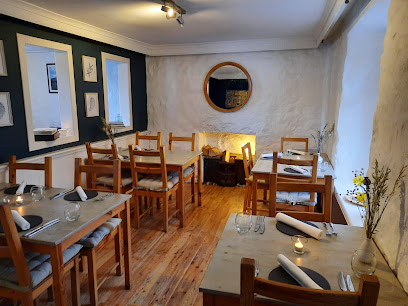
Tigh An Truish
49.8 km
Charming inn and acclaimed restaurant with stunning views of the iconic Clachan Bridge, offering exquisite local cuisine and cozy accommodations.
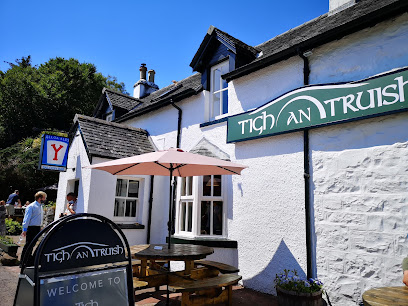
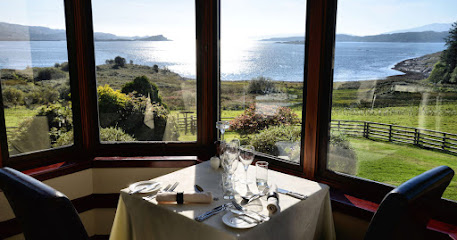
Restaurant at Loch Melfort Hotel
52.8 km
Savor inventive Scottish cuisine with stunning sea loch views at the acclaimed Restaurant at Loch Melfort Hotel in Arduaine.
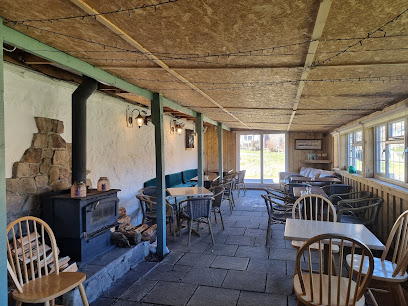
The Barn Bar
56.5 km
A rustic country pub at Cologin offering seasonal Scottish fare, cozy log fires, and lively local music near Oban.
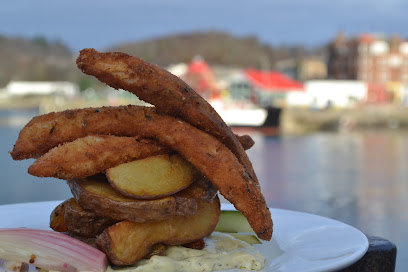
Food From Argyll at the Pier
57.0 km
A vibrant café at Oban’s ferry terminal serving fresh, locally sourced Argyll produce with stunning waterfront views.
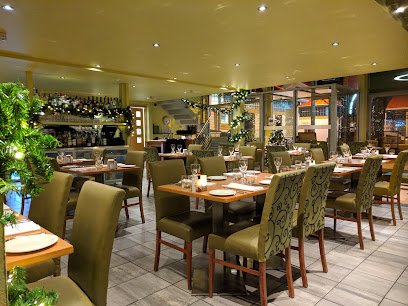
EE-USK
57.1 km
Fresh, locally sourced seafood served with panoramic harbor views on Oban’s historic North Pier.
Markets, malls and hidden boutiques

Fingal Arts & Crafts
1.9 km
A charming craft shop in Fionnphort, showcasing handmade jewellery, textiles, ceramics and art inspired by the wild beauty of the Hebrides and Iona.
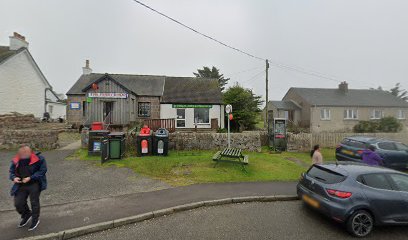
The Ferry Shop
1.9 km
Your essential stop for groceries, island produce, and local services in Fingal on the Isle of Mull.
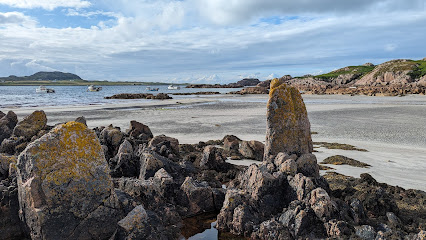
Island Castaways
9.9 km
Discover unique thrift treasures and support local causes at Island Castaways, Mull’s spotless and community-driven charity shop in Craignure.
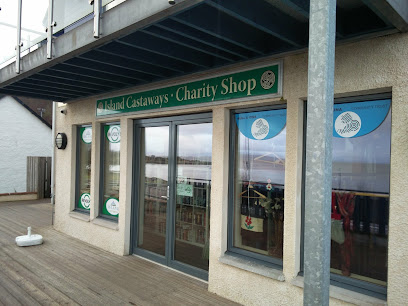
Fingal's Cave Gift Shop
9.9 km
Discover unique Hebridean crafts and souvenirs inspired by the legendary Fingal's Cave at this charming Isle of Mull gift shop.
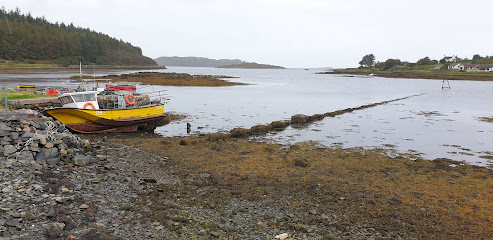
Bookshed
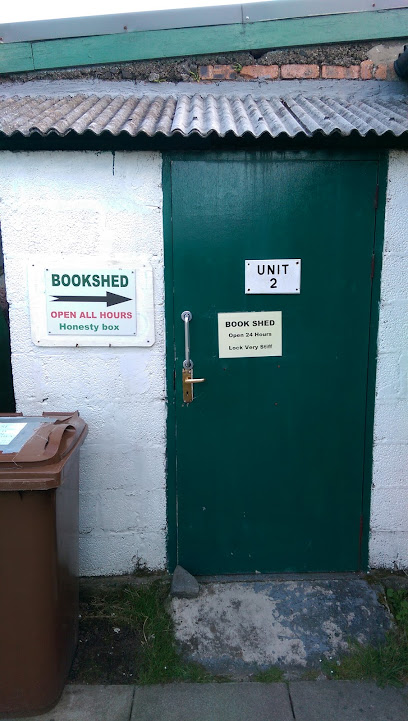
9.9 km
Discover a charming charity bookshop in Bunessan, Isle of Mull, offering diverse second-hand books and supporting local community causes.
Spar Bunessan
9.9 km
Your friendly local convenience store and post office in Bunessan, Isle of Mull, offering essentials and community connection in a scenic village setting.
Premier
31.0 km
Your friendly local Premier store on Mull’s Main Street, offering groceries, postal services, and community warmth in Dervaig village.

Christine's Den
31.9 km
Explore the charm of the Isle of Colonsay at Christine's Den, your go-to gift shop for local treasures and unique souvenirs.
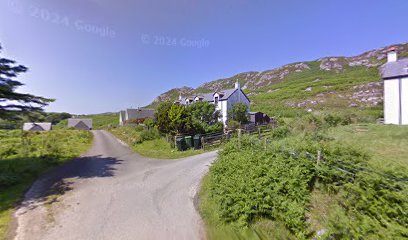
The Island Shop - Isle of Colonsay
32.0 km
The Island Shop in Scalasaig: Your essential local store for fresh produce, island specialties, and warm community spirit on Colonsay.
Glengorm Gardens and Florist
35.9 km
Discover the serene Victorian walled gardens and artisan florist of Glengorm Estate, a floral and horticultural gem on the Isle of Mull’s rugged northern coast.
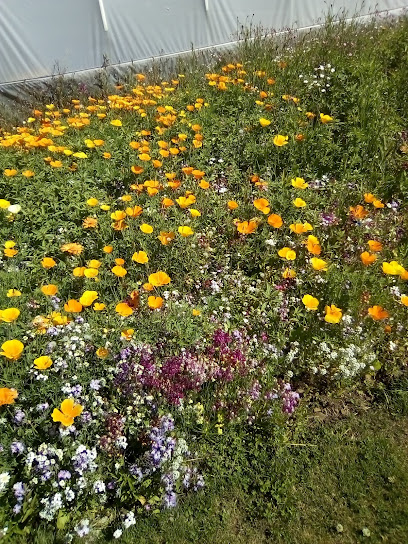
Hasn Candle Company
36.9 km
Discover handcrafted candles inspired by the natural beauty and seasonal scents of the Isle of Mull in Tobermory’s welcoming artisan shop.
Seafare
37.4 km
Tobermory’s trusted chandlery since 1977, offering essential marine safety gear and supplies in the heart of the Isle of Mull’s harbor town.
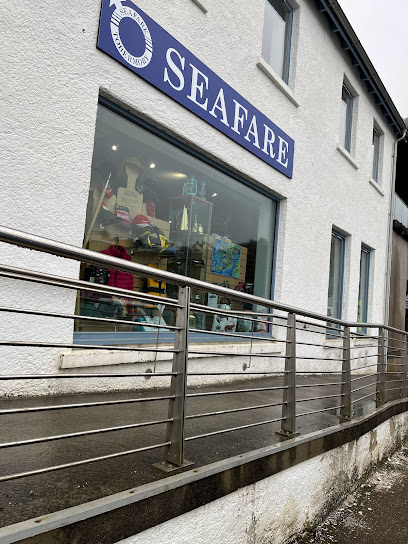
Trekomory Breeze
37.4 km
Trekomory Breeze offers practical outdoor clothing and accessories in Tobermory, blending local charm with quality gear for every adventurer.
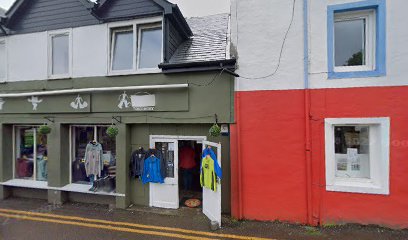
Tobermory Stores
37.5 km
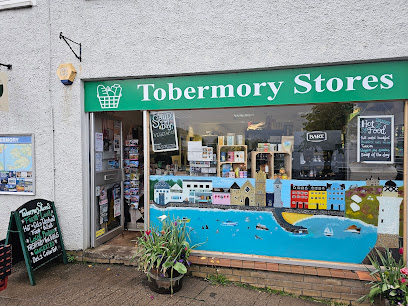
Tobermory Stores offers essential shopping with local charm in the heart of Isle of Mull’s colorful main street.
Island Crafts
37.5 km
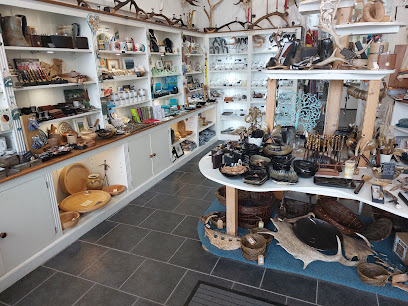
Discover authentic Isle of Mull artistry and handcrafted treasures in the heart of Tobermory’s vibrant craft scene.
Essential bars & hidden hideouts

Snack Bar
1.7 km
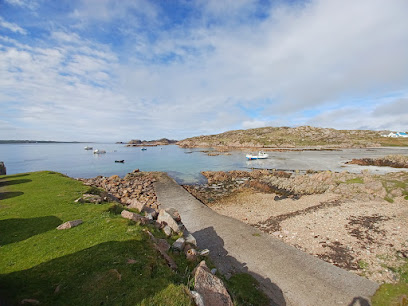
Experience the charm of the Isle of Mull at the Snack Bar, where delightful bites and stunning views create unforgettable memories.
The Keel Row
2.0 km
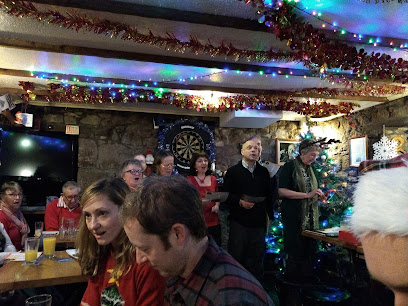
Cozy pub and restaurant in Fionnphort offering hearty Scottish dishes, scenic bay views, and a warm, welcoming atmosphere on the Isle of Mull.
Bunessan Inn
9.9 km
Historic Isle of Mull pub and inn offering hearty food, local whiskies, cozy rooms, and stunning loch views in a warm community setting.
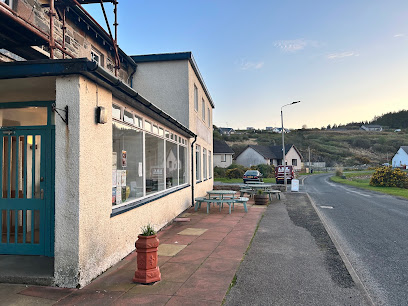
Colonsay Pub
32.0 km
Experience authentic island hospitality and local brews at Colonsay Pub, the vibrant social hub of the Isle of Colonsay.
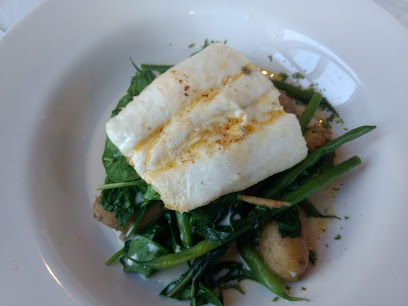
The Tobermory Hotel
37.5 km
Historic boutique hotel with stunning Tobermory Bay views, local cuisine, and warm Highland hospitality on the Isle of Mull’s vibrant waterfront.
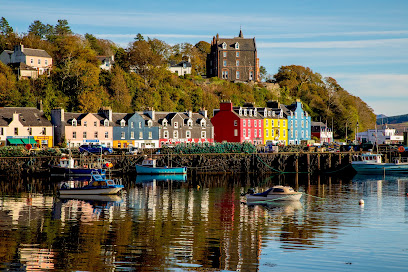
Mishnish
37.8 km
A traditional Scottish hotel and bar in Tobermory, famed for cosy harbour views, live folk music, and warm island hospitality.
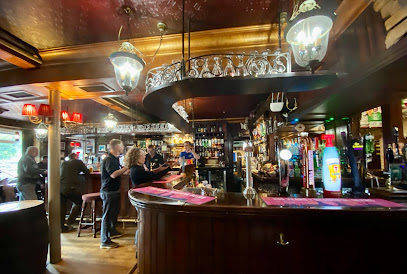
Western Isles Hotel
37.9 km
Historic hotel with breathtaking Tobermory Bay views, classic charm, and warm hospitality on the scenic Isle of Mull.
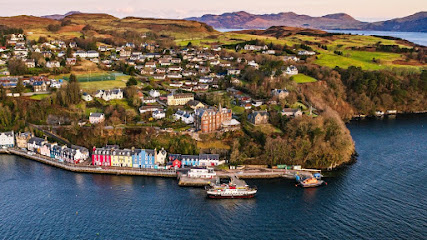
Auld Mull Bar
37.9 km
Experience warm island hospitality and local flavors at Auld Mull Bar, a cozy family-run retreat in Tobermory’s charming harbor village.
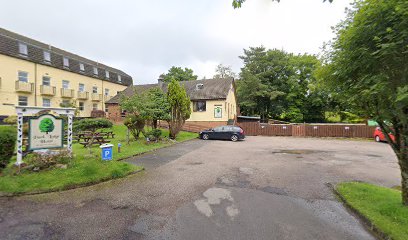
Isle of Mull Hotel & Spa
44.5 km
A welcoming coastal retreat on the Isle of Mull, blending scenic views, spa relaxation, and warm Scottish hospitality.
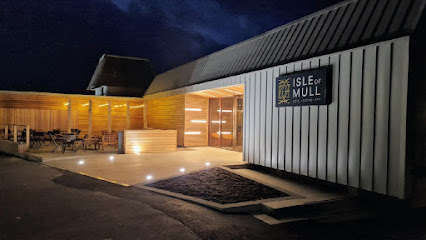
Craignure Inn
45.0 km
A cozy, dog-friendly pub and inn in Craignure offering hearty fare, comfortable rooms, and a warm welcome on the Isle of Mull.
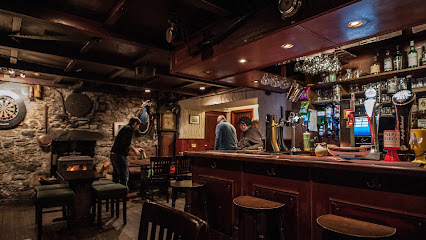
The Oyster Bar
46.0 km
A charming seafood haven in historic Ellenabeich, offering fresh oysters, scenic coastal views, and warm Scottish hospitality.
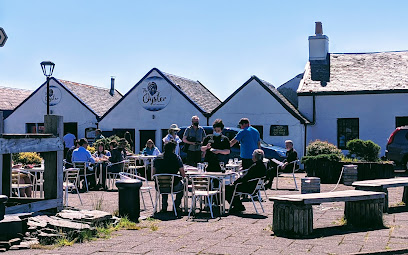
Markie Dans
57.2 km
Family-run pub in Oban offering vast single malts, hearty food, live music, and stunning bay views in a welcoming, lively atmosphere.
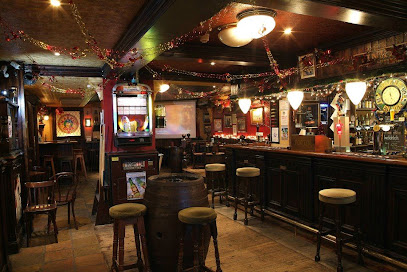
Cellar Bar
57.2 km
Cozy and traditional Scottish pub on Oban’s waterfront, famed for local whiskies, live music, and warm hospitality.
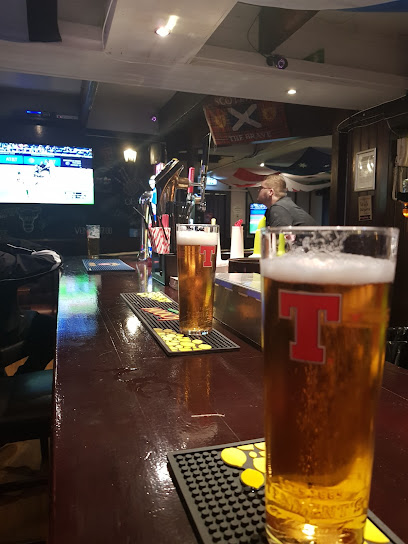
The Tartan Tavern
57.3 km
Experience authentic Scottish hospitality and traditional charm at The Tartan Tavern, a cozy and lively pub in the heart of Oban.
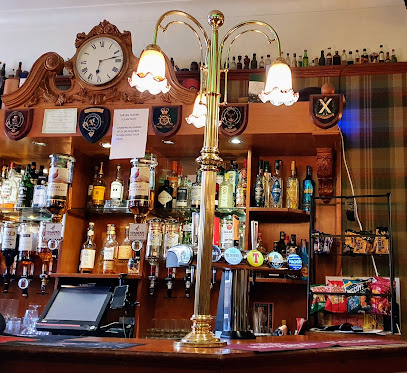
Lorne Bar
57.4 km
Experience authentic Scottish hospitality, fresh local seafood, and a warm, welcoming atmosphere in the heart of Oban at The Lorne Bar.
Nightclubs & after hour spots

For the vibe & atmosphere seeker
- Romantic
- Spiritual / Energy Spot
- Tranquil
- Scenic
- Unique
For the design and aesthetic lover
- Historic
- Rustic Designs
For the architecture buff
- Historic
- Landmarks
- Sacred Sites
- Heritage Neighborhoods
For the view chaser and sunset hunter
- Iconic Views
- Panoramas
- Scenic
For the social media creator & influencer
- Instagrammable
- Photo Spots
- Architectural Shots
For the eco-conscious traveler
- Protected Area
- Locally Managed
- Wildlife Habitat
For the kind of experience you’re after
- Mindfulness
- Meditation Spot
- Spiritual / Energy Spot
- Myth & Legends
- Cultural Heritage
- Photowalk
- Nature Escape
- Day Trip
- Weekend Getaway
For how adventurous you want the journey to be
- Easy Access
- Requires Hike
- Remote
Location Audience
- Family Friendly
- Senior Friendly
- Child Friendly
- Wheelchair Access
- Solo Friendly
- Couple Friendly
- Solo Female Friendly


