
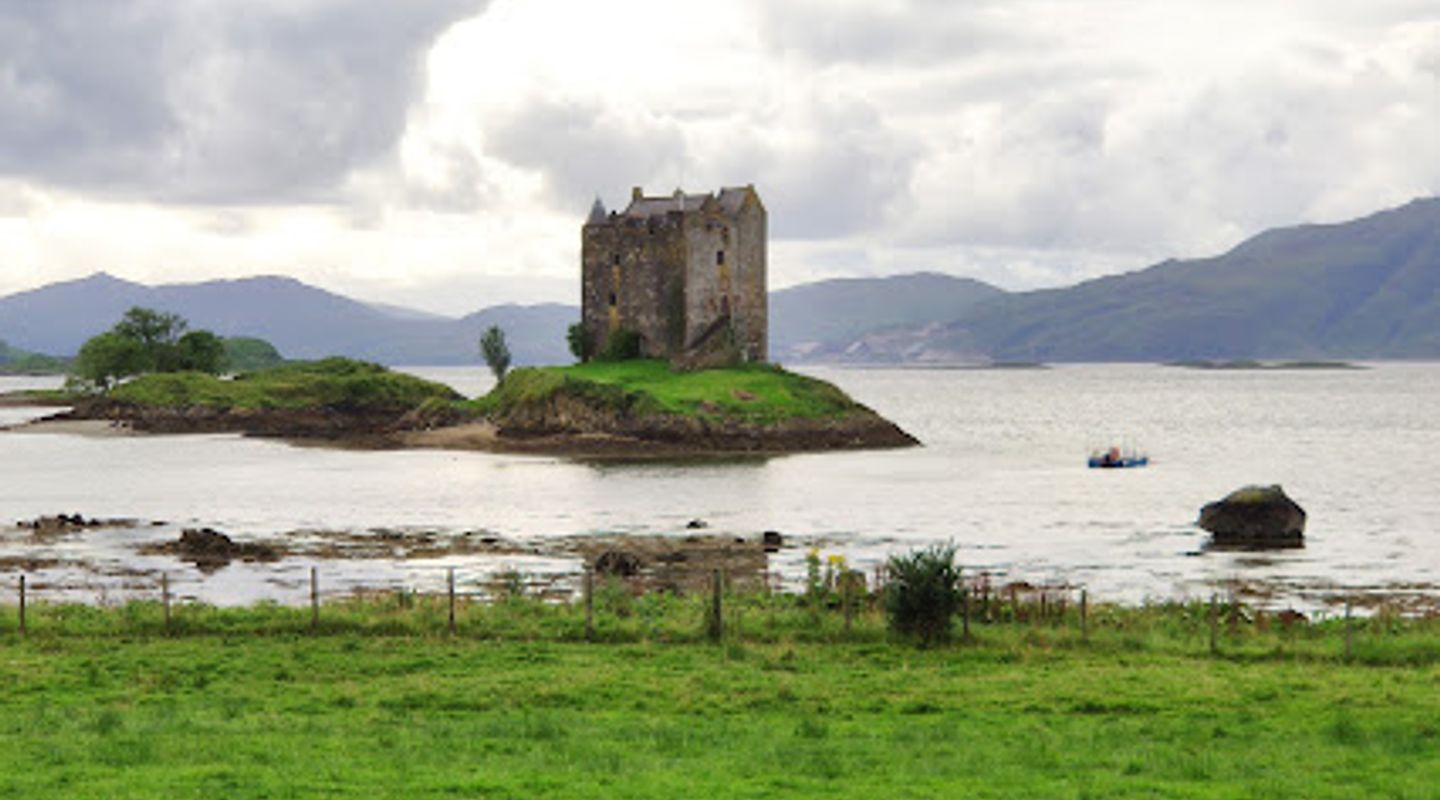
Castle Stalker, Argyllshire Travel Guide
A captivating medieval tower house on a tidal islet, steeped in clan history and scenic beauty on Scotland’s west coast.
Castle Stalker is a striking four-story medieval tower house perched on a small tidal islet in Loch Laich near Appin, Argyll, Scotland. Built originally around 1320 by the MacDougalls and later rebuilt in the 15th century by the Stewarts, it served as a hunting lodge and strategic stronghold. Known for its dramatic history of clan conflicts and its picturesque setting, Castle Stalker is one of Scotland’s best-preserved tower houses and a celebrated cultural landmark.
A brief summary to Castle Stalker
- Castle Stalker, Appin, PA38 4BL, GB
- Click to display
- Click to display
- Duration: 1 to 2 hours
- Mid ranged
-
 Outdoor
- Mobile reception: 4 out of 5

Know before you go
Hi, I'm Eve. Here are a few practical things to know before exploring Castle Stalker.
- Visit during summer months when limited tours are available by prior arrangement, as the castle is privately owned and closed in winter.
- Check tide times before planning a visit, as the islet is accessible only at low tide and can be difficult to reach otherwise.
- Bring a camera to capture the castle’s iconic silhouette against the dramatic west coast landscape, especially at sunset.
- Learn about the rich clan history and Jacobite connections to fully appreciate the castle’s turbulent past.
Do you manage this location?
Take control to get all the benefits, like improved information, better appearance, and stronger visibility across AI-powered discovery. Learn more about listing your business on Evendo
Activate your presenceOther nearby places you may find interesting
The closest places of the same kind, if this one is not quite what you had in mind.

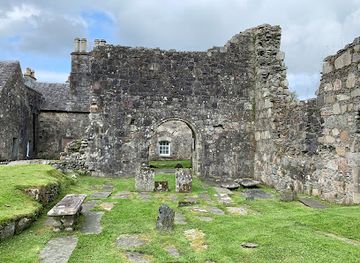
Explore Castle Stalker on the Map
A handpicked selection of must-see spots near Castle Stalker, mapped for you.
Unlock the Best of Castle Stalker
Buy tickets
-
No tickets available
Book tours with entry


Getting There
-
Car
Drive from Oban to Port Appin via the A828, a scenic route taking approximately 40 to 50 minutes. Parking is available near the shoreline, but access to the castle itself requires a short walk and timing with the tides.
-
Bus
Take a regional bus service from Oban to Port Appin, which runs several times daily with a journey time of around 1 hour. From Port Appin, a walk of about 20 minutes along uneven terrain leads to views of the castle; tide conditions affect access.
-
Boat Tour
Join a guided boat tour departing from nearby harbors such as Oban, offering close-up views of Castle Stalker from the water. Tours typically last 2 to 3 hours and provide historical commentary; bookings are recommended in advance.
For the on-the-go comforts that matter to you
-
 Restrooms
-
 Drink Options
-
 Food Options
-
 Seating Areas
-
 Information Boards
Discover more about Castle Stalker
A Storied Fortress Rising from the Waters
Castle Stalker stands majestically on a rocky tidal islet where Loch Laich meets Loch Linnhe, about 2.5 km northeast of Port Appin. Its Gaelic name, Caisteal an Stalcaire, translates as "Castle of the Falconer" or "Hunter," reflecting its origins as a hunting lodge built for King James IV in the early 16th century. The castle’s thick stone walls and compact four-story tower house design exemplify classic Scottish medieval defensive architecture, with the Great Hall occupying the first floor and private chambers above.Clan Rivalries and Turbulent History
The site originally hosted a small fortified structure built circa 1320 by the MacDougall clan, then Lords of Lorn. After shifting hands through clan warfare and political upheaval, the Stewarts of Appin acquired the castle in the late 14th century and substantially rebuilt it in the 1440s. The castle witnessed violent episodes, including the ambush and murder of Sir John Stewart in 1463 and the Battle of Stalc in 1468, where the Stewarts defeated their rivals. Ownership later passed to the Campbells in 1620 following a drunken wager, though the Stewarts briefly regained it during the Jacobite risings before losing it again. The castle was used strategically during the 1745 Jacobite uprising, serving as a government stronghold.Decline and Revival in the 20th Century
By the early 19th century, Castle Stalker had fallen into ruin after the Campbells abandoned it, and its roof collapsed. In 1908, Charles Stewart of Achara purchased the castle and began preservation efforts, though full restoration was not completed until Lieutenant Colonel D. R. Stewart Allward acquired it in 1965. Over a decade, Allward meticulously restored the castle to its former medieval glory, preserving its historic fabric while making it habitable once again.Cultural Significance and Scenic Splendor
Castle Stalker’s dramatic silhouette against the backdrop of the Scottish west coast has made it one of the most photographed castles in Britain. It gained international fame as the "Castle of Aaargh" in the 1975 film Monty Python and the Holy Grail. The castle’s romantic setting on a tidal islet, accessible only at low tide, adds to its allure. It remains privately owned but opens for limited tours during summer months, allowing visitors to experience its unique blend of history, architecture, and natural beauty.Architectural Features and Setting
The castle’s four floors include the Great Hall with a large fireplace, private chambers for the king, and defensive battlements. Its compact footprint and thick walls reflect its original purpose as a fortified hunting lodge and stronghold. The islet’s tidal nature means the castle appears to float on water, enhancing its fairy-tale appearance. The surrounding Lynn of Lorn National Scenic Area offers stunning views of the Highlands and coastline.Legacy of Clan Stewarts and Preservation Efforts
Castle Stalker remains a symbol of the Stewart clan’s historical power and resilience in the Highlands. The Allward family, who restored the castle in the 20th century, continue to own it, preserving its legacy for future generations. The castle’s survival through centuries of clan warfare, political change, and neglect stands as a testament to Scotland’s rich medieval heritage and ongoing commitment to conservation.












Your all‑in‑one travel companion app
Explore expert travel guides, compare and book tours, experiences, hotels, and more—all from the palm of your hand. Download now for seamless trip planning wherever your wanderlust takes you.


Explore More of Argyllshire
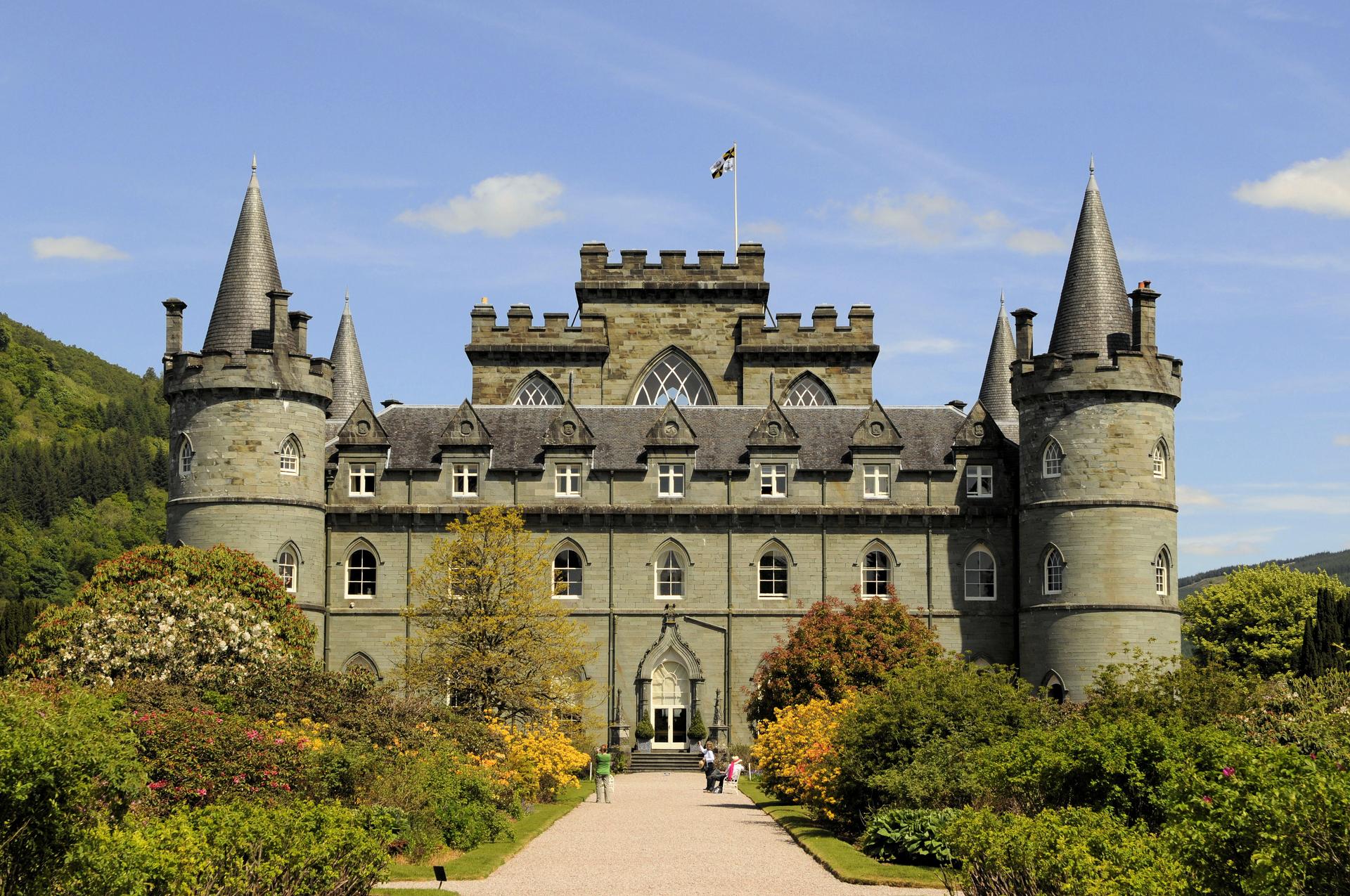
Looking beyond Castle Stalker? Discover Argyllshire for broader travel guides, local hot-spots, and regional highlights.
Explore Argyllshire
Discover Rudh-a-Chruidh, a tidal island sanctuary near Oban with stunning coastal views, rich wildlife, and a sleek modern home blending nature and luxury.
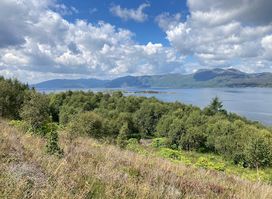
A unique Highland nature reserve where conservation meets community, offering scenic woodland walks and a chance to connect with Scotland’s wild landscape.
