
Dunadd Fort: Ancient Seat of Gaelic Kings in Kilmartin Glen
Explore Dunadd Fort, ancient royal seat of Dál Riata, where history, legend, and panoramic views converge in the heart of Argyll’s Kilmartin Glen.
Dunadd Fort, perched on a rocky outcrop near Lochgilphead in Argyll, Scotland, was the ancient capital of the Gaelic kingdom of Dál Riata from the 6th to 9th centuries. This hillfort, known for its carved footprint stone used in royal inaugurations, offers panoramic views of Kilmartin Glen and stands as a powerful symbol of early medieval Scottish history, blending archaeological significance with stunning natural scenery.
A brief summary to Dunadd Fort
- A816, Lochgilphead, PA31 8SU, GB
- Visit website
- Duration: 1 to 2.5 hours
- Budget
-
 Outdoor
- Mobile reception: 4 out of 5
- Monday 12 am-12 am
- Tuesday 12 am-12 am
- Wednesday 12 am-12 am
- Thursday 12 am-12 am
- Friday 12 am-12 am
- Saturday 12 am-12 am
- Sunday 12 am-12 am
Local tips
- Wear sturdy footwear as the climb to the summit involves uneven terrain and rocky paths.
- Visit during clear weather to fully appreciate the panoramic views over Kilmartin Glen.
- Bring a camera to capture the unique carved footprint and basin stones near the summit.
- Combine your visit with a trip to the nearby Kilmartin Museum for deeper historical context.
- Check opening times and parking availability in advance, especially during peak tourist seasons.

For the on-the-go comforts that matter to you
- Restrooms
- Seating Areas
- Information Boards
- Parking
Getting There
-
By Car
Driving from Lochgilphead, Dunadd Fort is approximately a 15-minute journey via the A816. Parking is available near the site, though spaces may be limited during peak times. There may be a small parking fee. The route is straightforward but involves rural roads.
-
By Public Transport
Take a local bus service from Lochgilphead to the Crinan Canal Centre area, followed by a 20-minute walk to Dunadd Fort. The nearest train station is in Ardrishaig, about 5 km away, from which local buses or taxis can be taken. Bus services may be infrequent, so check schedules in advance.
-
By Foot
For hiking enthusiasts, Dunadd Fort is accessible via the Kilmartin Glen walking trails. The walk involves uneven terrain and moderate elevation gain, taking approximately 45 minutes from the nearest parking area. Suitable footwear and weather-appropriate clothing are recommended.
Dunadd Fort location weather suitability
-
 Any Weather
-
 Clear Skies
-
 Rain / Wet Weather
-
 Windy Conditions
-
 Mild Temperatures
Discover more about Dunadd Fort
Historical Heart of Dál Riata
Dunadd Fort was the political and ceremonial centre of the Gaelic kingdom of Dál Riata, which spanned parts of western Scotland and northeast Ireland between the 6th and 9th centuries. Positioned strategically on a rocky hilltop, it controlled access to the surrounding lands and waterways, including the River Add, facilitating trade and communication. The site is renowned for its carved footprint and basin stones, believed to have been used in the inauguration ceremonies of kings, symbolizing the monarch's dominion over the land. Dunadd’s prominence in early Scottish history is underscored by its mention in early medieval chronicles and its role as a seat of royal power and ritual.Archaeological and Cultural Significance
Excavations have revealed Dunadd as a multifaceted settlement, combining military, political, and artisanal functions. The fort’s complex layout includes multiple defensive ramparts and terraces, with remains of stone walls and a summit enclosure that once housed a monumental roundhouse. Artefacts uncovered include weapons, tools, imported pottery, and moulds for fine metalwork, indicating a wealthy and sophisticated community. The presence of ogham inscriptions and Pictish-style carvings, such as a boar, reflect the cultural interactions and conflicts of the era. Dunadd’s archaeological richness provides invaluable insights into early medieval Scottish society.Natural Defenses and Landscape
Dunadd’s location atop a steep rocky outcrop made it naturally defensible, with narrow approaches and commanding views over Kilmartin Glen and the surrounding moorland. Historical sea-level changes suggest the hill may once have been an island or promontory, enhancing its strategic isolation. Visitors today can appreciate the panoramic vistas that once allowed the Gaelic kings to survey their kingdom. The surrounding landscape, part of the broader Kilmartin Glen area, is rich in prehistoric and historic sites, situating Dunadd within an ancient ritual and cultural landscape.Legacy and Visitor Experience
Though now a ruin, Dunadd Fort remains a potent symbol of Scotland’s early formation and the legacy of the Gaelic kings. Walking the terraces and viewing the carved stones connects visitors to a time of kingship, ceremony, and conflict. The site is cared for by Historic Environment Scotland and is accessible via a short hike from nearby parking. The rugged terrain and exposed hilltop demand sturdy footwear but reward visitors with a tangible sense of history and spectacular scenery. Dunadd’s blend of archaeology, legend, and landscape makes it a compelling destination for history enthusiasts and nature lovers alike.Modern Context and Conservation
Today, Dunadd Fort is protected as an important archaeological site and forms part of the Kilmartin Glen heritage area, which includes numerous other ancient monuments. Conservation efforts focus on preserving the fragile stonework and landscape while facilitating public access. Interpretive information is available nearby, enhancing understanding of Dunadd’s historical significance. The site’s remote yet accessible location near Lochgilphead makes it an ideal day trip for those exploring Argyll and Bute’s rich cultural heritage.Symbolism and Myth
The carved footprint at Dunadd has inspired myths about its mystical power to recognize the rightful king, embodying the spiritual connection between ruler and land. This symbolism highlights the fort’s role beyond military might—as a sacred space where political authority was legitimized through ritual. Such elements deepen the visitor’s appreciation of Dunadd as a place where history, legend, and landscape intertwine to tell the story of Scotland’s earliest kingdom.Iconic landmarks you can’t miss

Nether Largie Mid Cairn
4.8 km
Bronze Age burial cairn at the heart of Scotland's most significant prehistoric landscape, carved with rare axehead symbols.
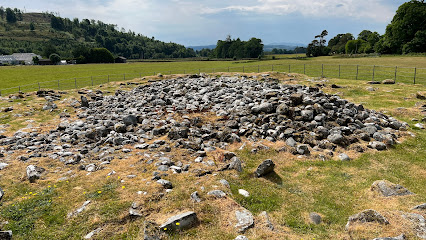
Kilmartin Museum
5.3 km
Discover 12,000 years of history at Kilmartin Museum, where ancient artefacts meet the stunning prehistoric landscape of Kilmartin Glen.
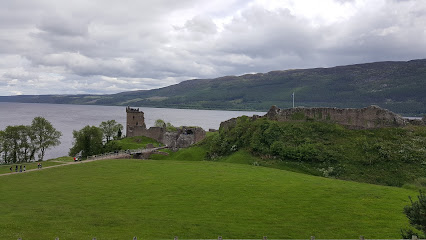
About Argyll Walking Holidays
25.0 km
Explore Argyll’s stunning landscapes with expert guided walking holidays from Cairndow’s trusted outdoor activity organizer.
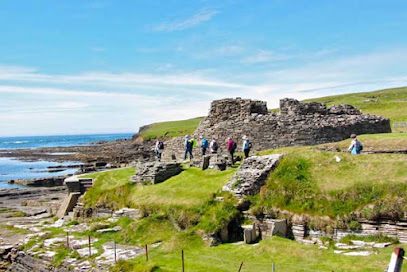
The Argyll Papers, Inveraray Castle
29.9 km
Explore over 700 years of Scottish history through the Campbell family’s extensive archive at Inveraray Castle.
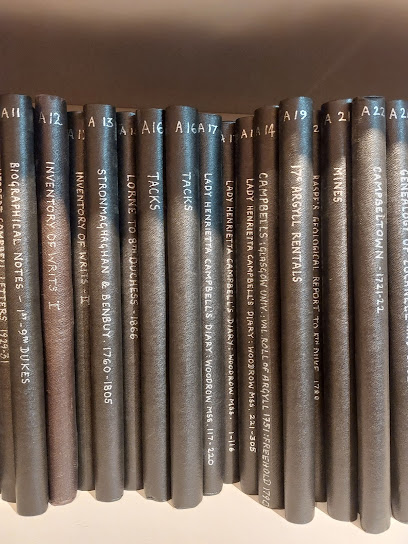
The Tinkers Heart
35.2 km
A heart-shaped quartz monument near Cairndow honoring the Scottish Traveller community’s heritage with stunning views over Loch Fyne.
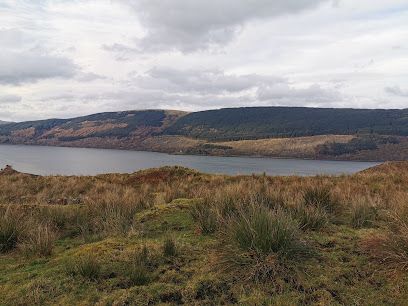
McCaig's Tower & Battery Hill
36.7 km
Explore Oban’s iconic McCaig's Tower, a Colosseum-inspired folly with stunning views and tranquil gardens atop Battery Hill.

St John's Scottish Episcopal Cathedral : Oban
36.8 km
An unfinished masterpiece where Gothic ambition meets industrial-age engineering in Scotland's most unusual cathedral.
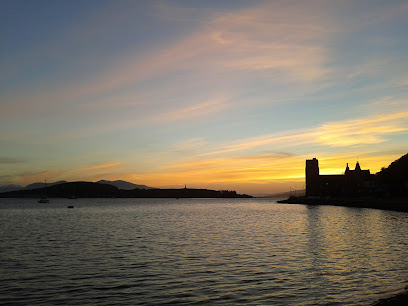
The Whisky Island Gallery & Studio
40.6 km
Explore The Whisky Island Gallery & Studio for breathtaking art and photography that captures the spirit of the stunning Isle of Jura.
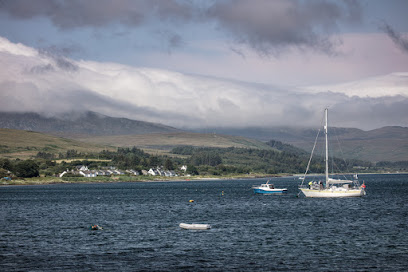
Dunstaffnage Castle and Chapel
41.1 km
Uncover the medieval magic of Dunstaffnage Castle and Chapel, a historic landmark offering stunning views and rich Scottish heritage.
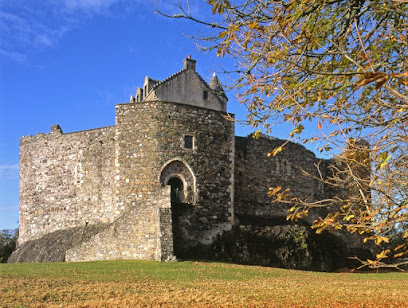
Stone Head
42.9 km
Experience the breathtaking Stone Head on the Isle of Mull, a stunning coastal attraction offering panoramic views and rich cultural heritage.
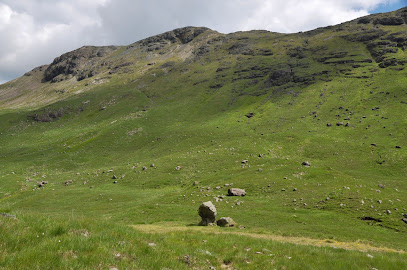
Granny Kempock Stone
43.2 km
Explore the enchanting Granny Kempock Stone in Gourock, a historical landmark that blends folklore with breathtaking coastal views, ideal for every traveler.
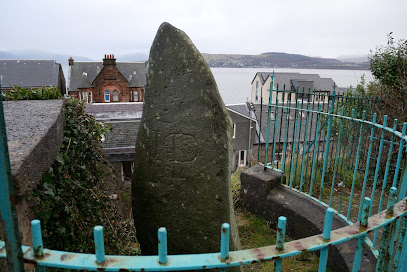
Colonsay Whale
43.2 km
A wild coastal formation where Scotland's seabirds and marine life meet rugged Atlantic beauty.
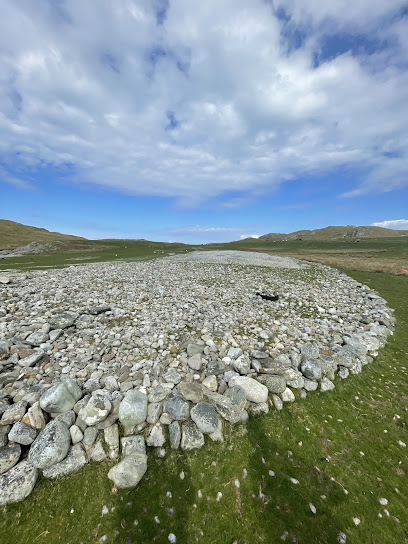
St Conan’s Kirk
43.3 km
Discover St Conan’s Kirk, a unique architectural gem blending styles and history on the tranquil shores of Loch Awe.
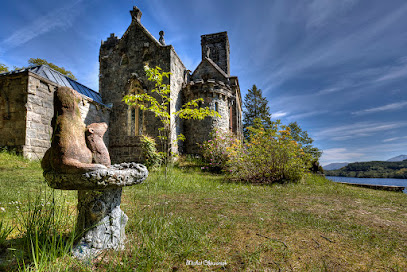
Ardchattan Priory
43.4 km
Explore the historic Ardchattan Priory, a serene blend of ancient ruins and botanical beauty near Oban, Scotland.
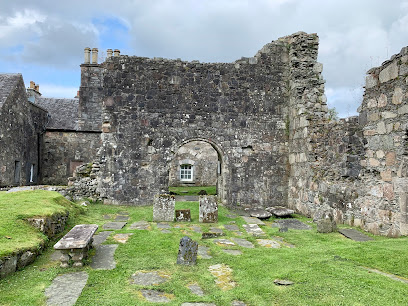
Ruvaal Lighthouse
43.4 km
Victorian lighthouse guarding the Sound of Islay, designed by the legendary Stevenson engineers in 1859.
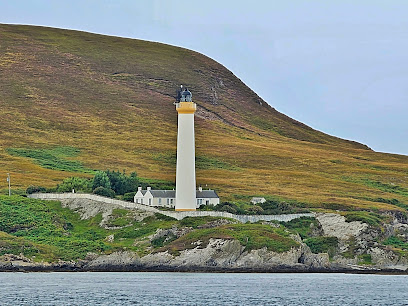
Unmissable attractions to see

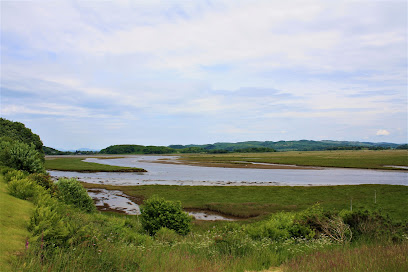
Moine Mhor National Nature Reserve
1.9 km
Explore Scotland’s ancient peat bog sanctuary, where wildlife thrives and 5,000 years of natural history unfold amid tranquil trails and wetlands.
Dunchraigaig Cairn
3.2 km
Explore Scotland’s ancient Dunchraigaig Cairn, home to the earliest known prehistoric animal carvings and a unique Bronze Age burial site.
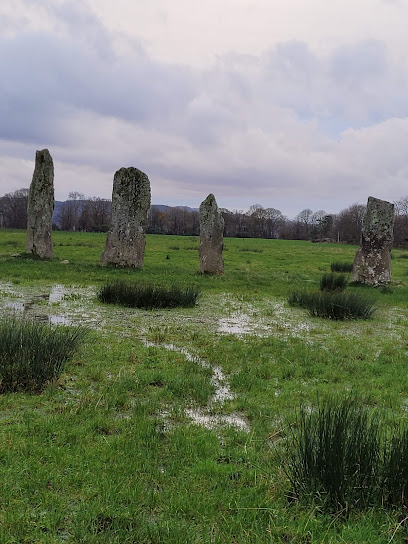
Nether Largie Standing Stones
4.1 km
Discover the ancient mystique of the Nether Largie Standing Stones, towering megaliths steeped in Neolithic mystery amidst Scotland’s lush Kilmartin Glen.
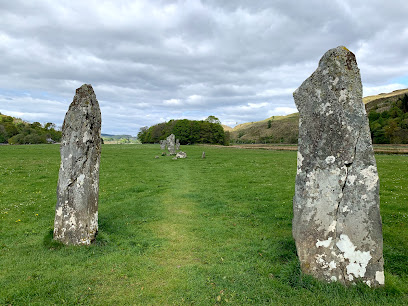
Cairn from Auchoish
4.2 km
Explore the ancient chambered cairn of Auchoish near Lochgilphead, a serene window into Scotland’s Neolithic past.
Nether Largie South Cairn
4.4 km
Explore the oldest chambered cairn in Kilmartin Glen, a 5,000-year-old prehistoric burial site rich with ancient history and ritual significance.
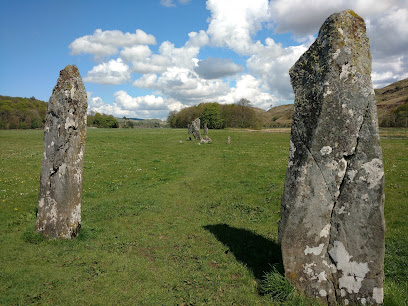
Knapdale Scottish Beaver Trail
5.3 km
Discover Scotland’s pioneering beaver reintroduction project along an accessible trail through tranquil woodlands and lochs near Lochgilphead.
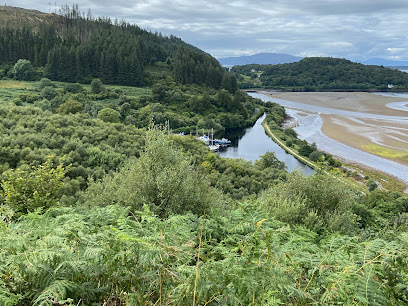
Heart of Argyll Tourism Alliance
6.0 km
Your essential gateway to exploring the rich heritage, stunning landscapes, and vibrant community of the Heart of Argyll region.
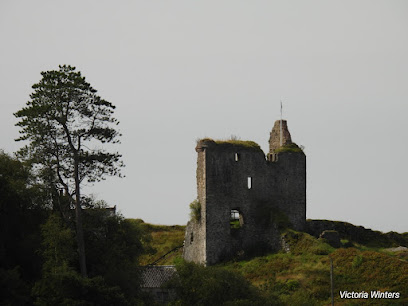
Craignish Point
10.0 km
A tranquil coastal headland offering breathtaking panoramic views and rich wildlife on Scotland’s scenic Craignish peninsula.
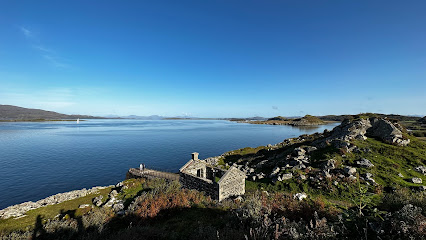
Glas Eilean
10.8 km
Historic lighthouse on Scalpay Island, a beacon of Scotland’s maritime heritage with striking red bands and rugged coastal charm.
Phare de Ruadh Sgeir
11.6 km
Experience the scenic beauty and historical significance of Phare de Ruadh Sgeir, a breathtaking lighthouse on Scotland's rugged coast.
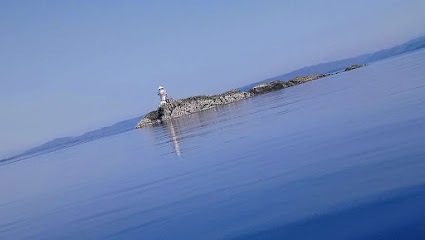
Carsaig Beach
11.7 km
A secluded Hebridean cove with dramatic arches, fossil-rich shores, and sweeping island views.
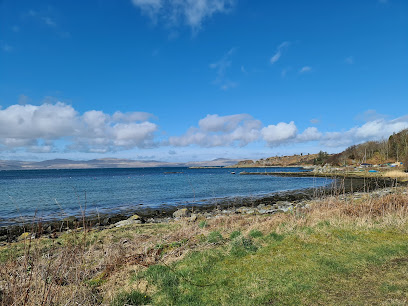
Taynish National Nature Reserve
13.6 km
Ancient oakwoods, mossy glades and lochside trails in one of Scotland’s finest temperate rainforests.
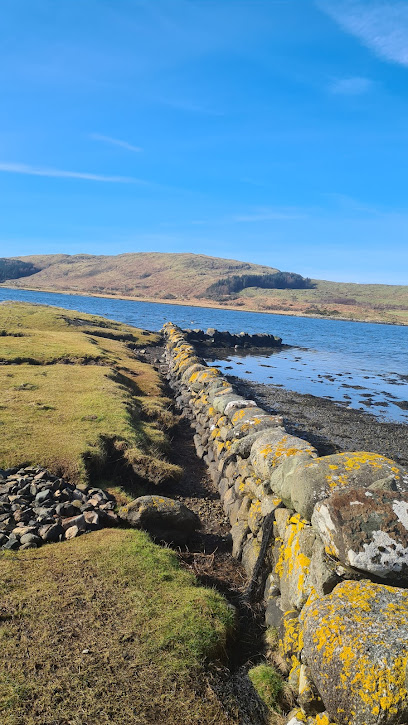
Barnhill
13.6 km
Explore Barnhill, a historical landmark on the Isle of Jura, where nature meets literary history in a breathtaking Scottish landscape.
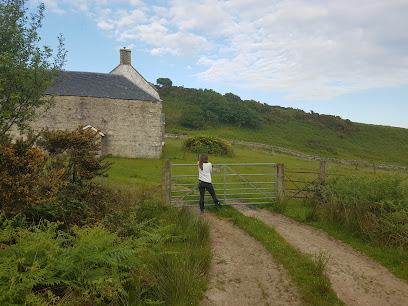
Kinuachdrachd Harbour
14.0 km
A remote Hebridean bay at the end of Jura’s only road, where wild coastlines meet the Sound of Jura and the legendary Corryvreckan whirlpool.
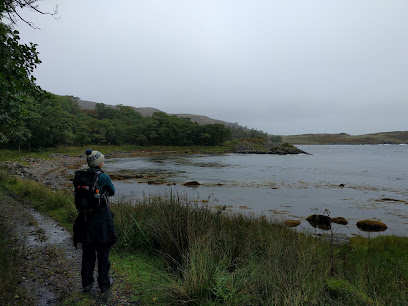
Crarae Garden
15.3 km
Discover Crarae Garden’s tranquil Himalayan-style woodland with waterfalls, champion trees, and vibrant seasonal blooms in scenic Argyll.
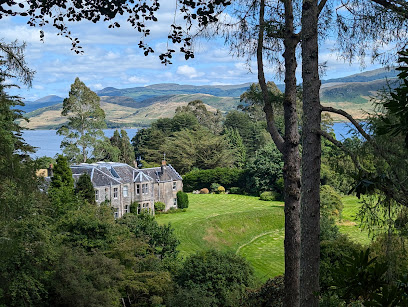
Essential places to dine

The Smiddy Bistro
6.1 km
A cozy bistro in Lochgilphead serving homemade cakes, hearty lunches, and excellent coffee with vegan and gluten-free options in a friendly atmosphere.
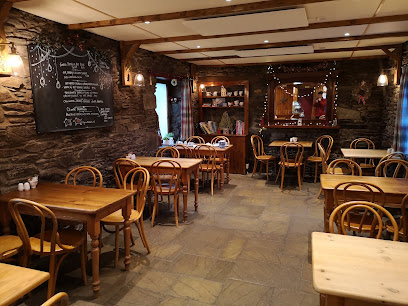
The Tayvallich Inn
11.0 km
A charming seafood inn nestled on Loch Sween’s shores, blending local flavors with stunning harbour views and warm Scottish hospitality.
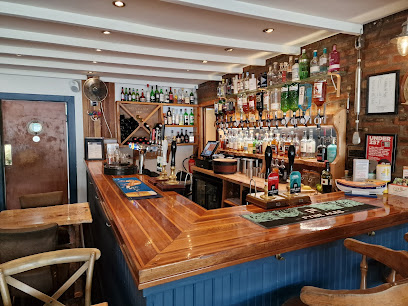
The Oystercatcher
13.0 km
A charming seafood restaurant on Loch Fyne’s shore, serving fresh local catches in a relaxed, scenic setting in Otter Ferry.
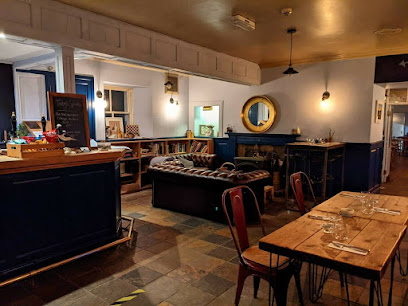
Inver Restaurant & Rooms
17.0 km
Discover a refined Scottish dining experience with fresh local ingredients and cozy rooms on the tranquil shores of Loch Fyne.
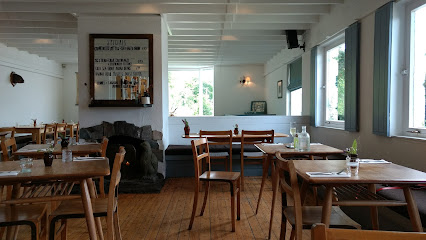
Restaurant at Loch Melfort Hotel
17.2 km
Savor inventive Scottish cuisine with stunning sea loch views at the acclaimed Restaurant at Loch Melfort Hotel in Arduaine.
The Anchorage Bistro
25.1 km
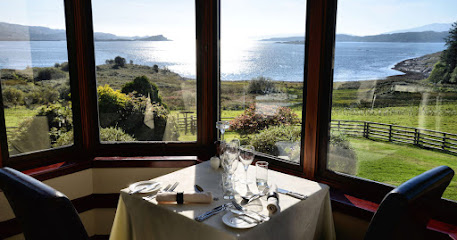
Experience fresh Scottish seafood in a cozy bistro setting on Tarbert’s charming Harbour Street, where local flavors meet modern cuisine.
Marine Bistro
25.1 km
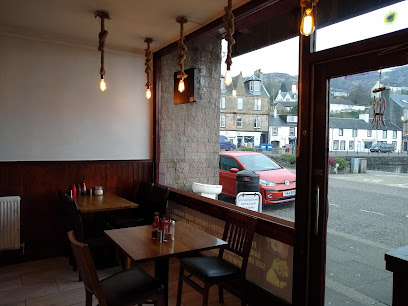
Experience fresh local cuisine with stunning views at Marine Bistro in Tarbert - a must-visit culinary destination.
Tigh An Truish
26.6 km
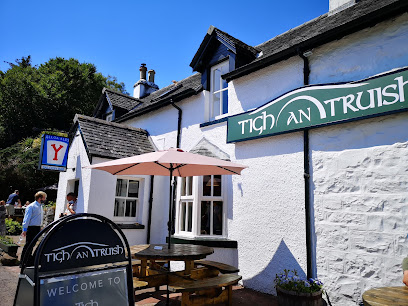
Charming inn and acclaimed restaurant with stunning views of the iconic Clachan Bridge, offering exquisite local cuisine and cozy accommodations.
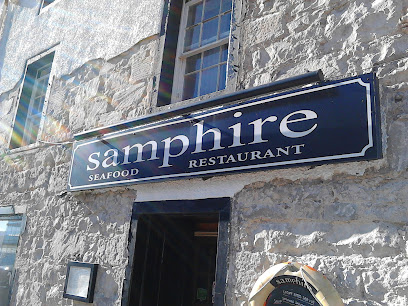
Samphire
29.7 km
Exquisite fresh seafood in a charming historic setting, Samphire offers a refined dining experience in the heart of Inveraray.
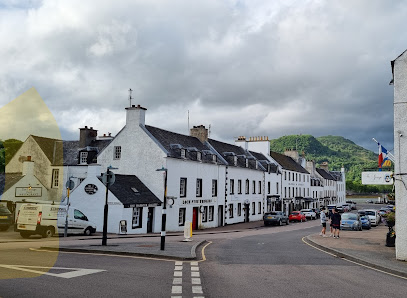
Cottage Restaurant
29.8 km
Cozy and charming dining in Inveraray with fresh local ingredients and warm, attentive service on Main Street West.
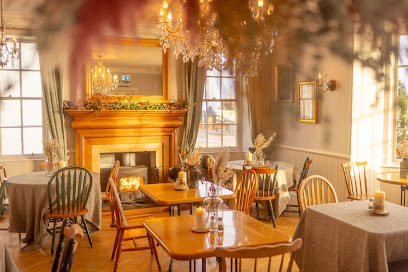
Ocho Inveraray
29.9 km
Unpretentious, flavorful dining in the heart of historic Inveraray with a warm, welcoming atmosphere.
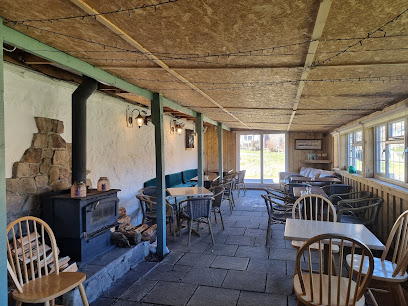
The Barn Bar
32.4 km
A rustic country pub at Cologin offering seasonal Scottish fare, cozy log fires, and lively local music near Oban.
Ettrick Bay Tea Room
33.5 km
A historic seaside tea room offering stunning bay views, homemade treats, and warm hospitality on the Isle of Bute.
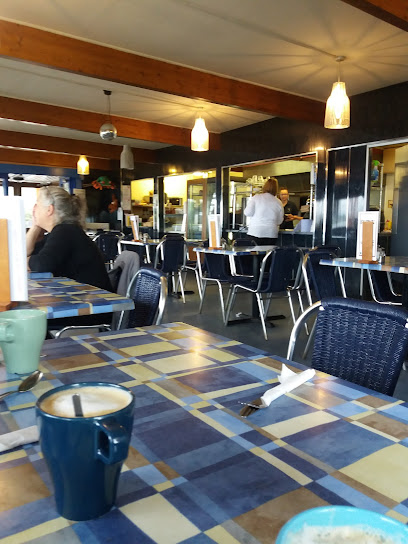
Caledonia Bistro & Deli
35.3 km
A cozy bistro and deli on Isle of Bute’s waterfront, serving fresh local dishes and wines in a warm, inviting atmosphere.
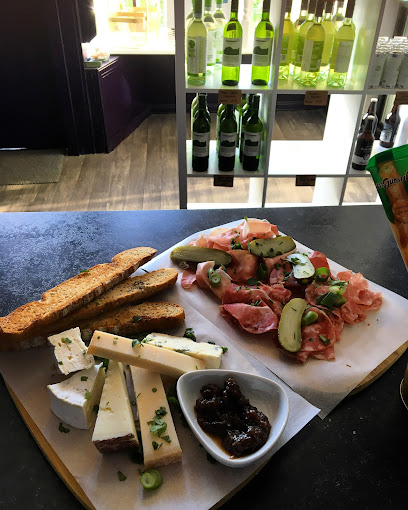
Kilchrenan Inn
35.4 km
A cozy Highland inn blending rustic charm, hearty cuisine, and warm hospitality in peaceful Kilchrenan.
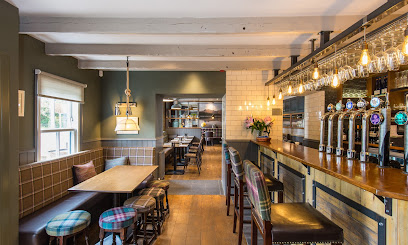
Markets, malls and hidden boutiques

Bluestone Gift Shop
6.0 km
A charming independent gift shop in Lochgilphead, offering Scottish-made cards, jewellery, and souvenirs with a personal touch.

The Square Peg Gift Shops
6.1 km
Discover unique gifts and local Scottish charm at The Square Peg, Lochgilphead’s beloved creative gift shop in Colchester Square.
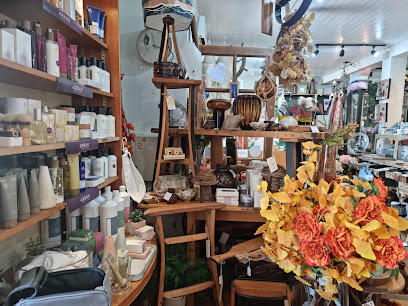
Argyll Gift Co
6.2 km
Discover authentic Scottish gifts and handmade treasures at Argyll Gift Co in Lochgilphead, your gateway to local culture and craftsmanship.
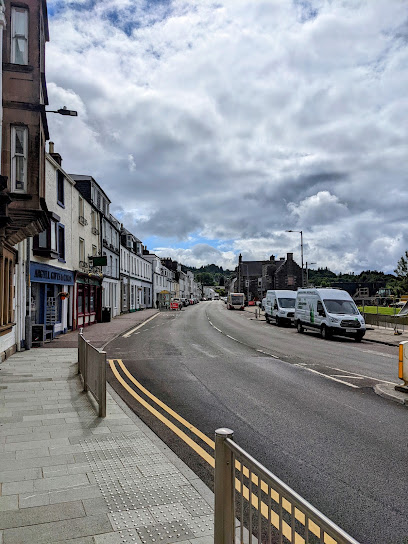
Ardfern Village Store
11.2 km
Charming village store offering local Scottish produce, essentials, and warm hospitality in the heart of Ardfern near Lochgilphead.
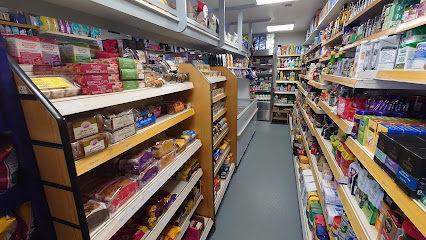
Tayvallich Village Shop
11.4 km
A welcoming village store offering local flavors and essentials in the heart of scenic Tayvallich, Scotland.
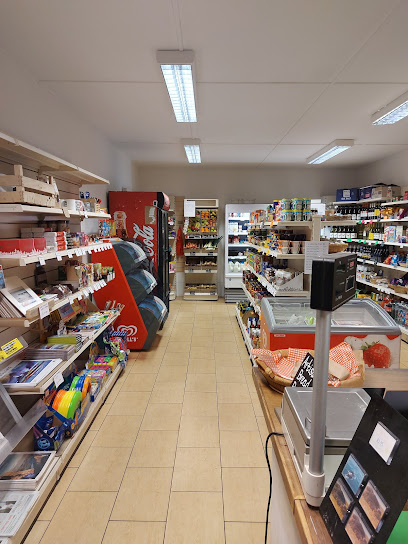
The Argyll Gift Co
25.1 km
Discover authentic Scottish crafts and unique local gifts in the cozy charm of Tarbert’s Argyll Gift Co.
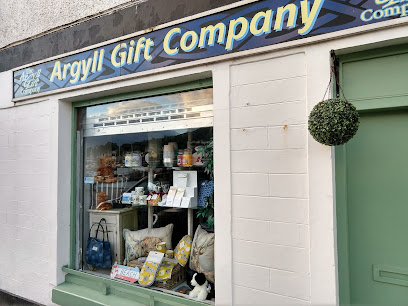
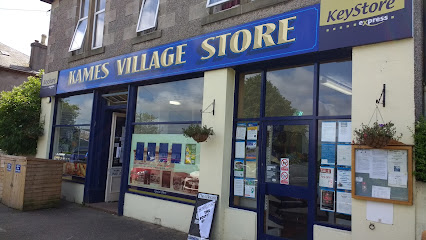
Kames Village Store
26.0 km
A friendly, well-stocked village store in scenic Kames, offering fresh produce and local specialties amid coastal charm.
Sid’s Vintage
29.8 km
Discover timeless vintage fashion treasures in the heart of Inveraray at Sid’s Vintage, where every piece tells a story.

Bonnie Argyll - Bespoke gifts and crafts from Scotland
29.8 km
Discover authentic Scottish craftsmanship and bespoke gifts in the heart of historic Inveraray at Bonnie Argyll.
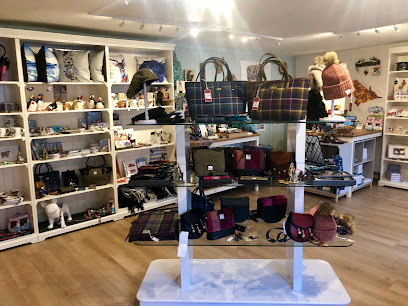
The House Of Scotland
29.9 km
Discover authentic Scottish gifts and craftsmanship in the heart of Inveraray’s historic Main Street.
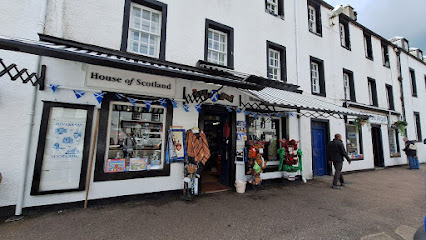
Made in Argyll
36.3 km
Discover handcrafted jewellery, ceramics, textiles and art from Argyll’s makers in a bright, harbour-side craft shop in Oban.
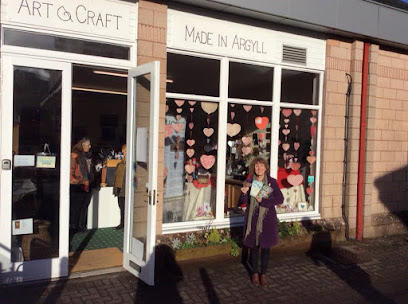
McCaig's Warehouse
36.3 km
Discover quality Scottish clothing and unique gifts at McCaig's Warehouse, a welcoming boutique nestled in Oban’s Heritage Centre.
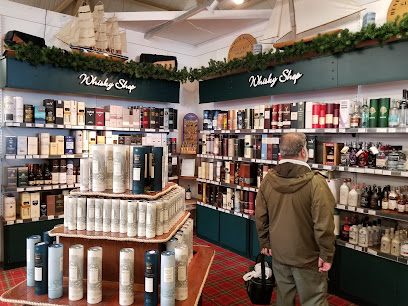
Highland Experience
36.5 km
Explore Highland Experience in Oban for unique Scottish clothing and accessories that reflect the rich culture and craftsmanship of the Highlands.
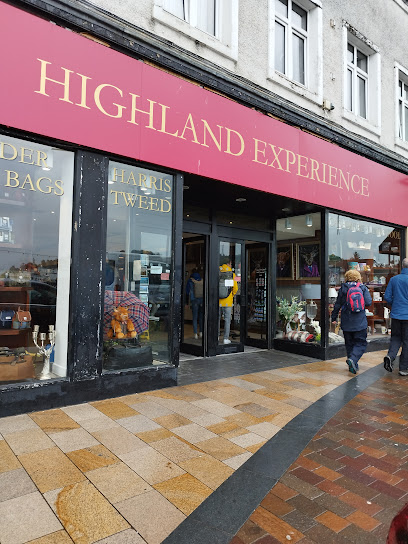
The Modern Croft
36.6 km
A bright, contemporary homewares and gift shop in Oban, showcasing beautiful craft and design from Scotland and beyond.
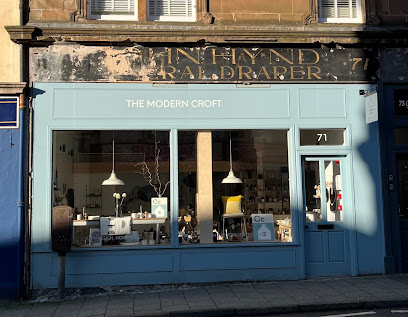
Bolliwood to the Smiddy
36.7 km
A warm, welcoming gift shop in Oban filled with handcrafted Scottish souvenirs and local crafts – perfect for meaningful keepsakes after exploring the coast.
Essential bars & hidden hideouts

The Anderson Lounge
2.8 km
A cozy, rustic bar in Cairnbaan offering local craft beers and a welcoming atmosphere for travelers exploring the Scottish Highlands.
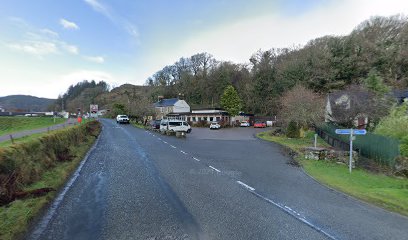
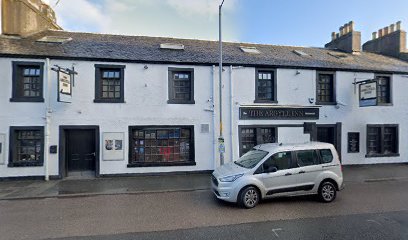
The Argyll Inn
6.3 km
A cozy local bar in Lochgilphead offering traditional Scottish hospitality and a welcoming atmosphere every day from noon to late evening.
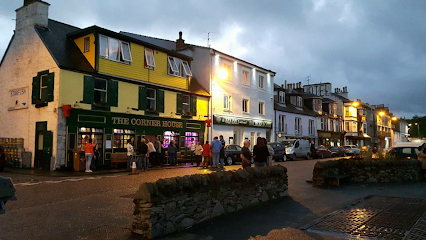
The Corner House
25.1 km
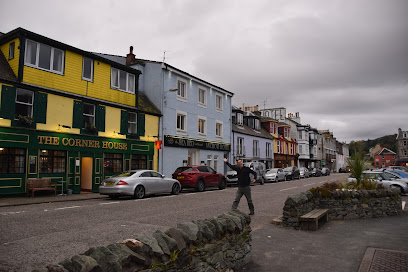
A cozy and lively pub on Tarbert’s Harbour Street, famed for warm welcomes, quality drinks, and a true taste of Scottish coastal life.
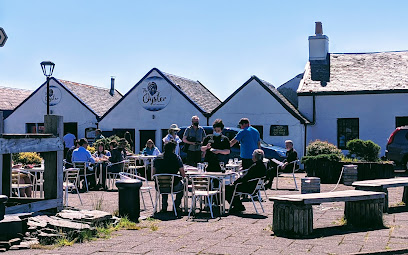
The Oyster Bar
25.5 km
A charming seafood haven in historic Ellenabeich, offering fresh oysters, scenic coastal views, and warm Scottish hospitality.
The Clachan Bar
27.0 km
Experience authentic Scottish village hospitality and cozy charm at The Clachan Bar in picturesque Strachur.
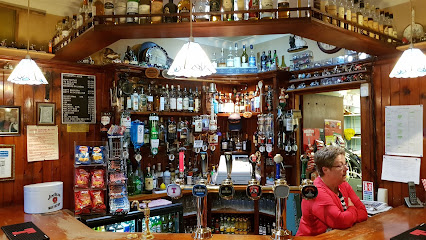
The Anchor Tavern & Hub
35.3 km
A welcoming community-owned pub and social hub with scenic coastal views in the heart of Port Bannatyne, Isle of Bute.
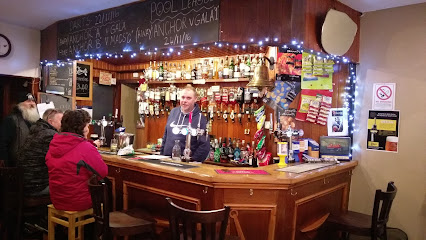
Lorne Bar
36.3 km
Experience authentic Scottish hospitality, fresh local seafood, and a warm, welcoming atmosphere in the heart of Oban at The Lorne Bar.
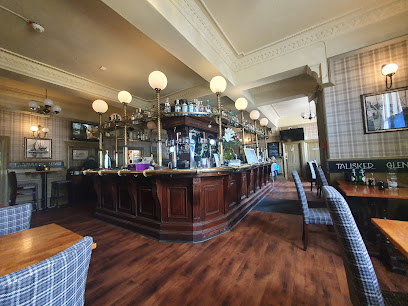
Cellar Bar
36.6 km
Cozy and traditional Scottish pub on Oban’s waterfront, famed for local whiskies, live music, and warm hospitality.
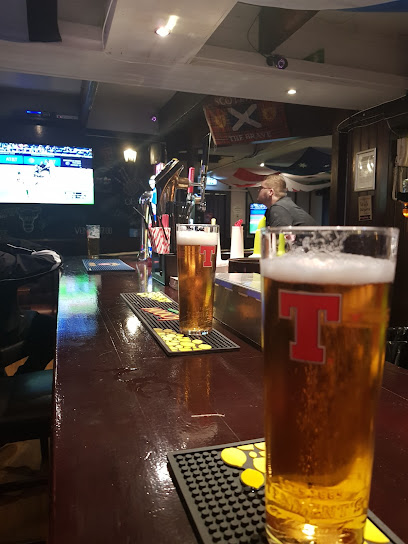
The Tartan Tavern
36.8 km
Experience authentic Scottish hospitality and traditional charm at The Tartan Tavern, a cozy and lively pub in the heart of Oban.
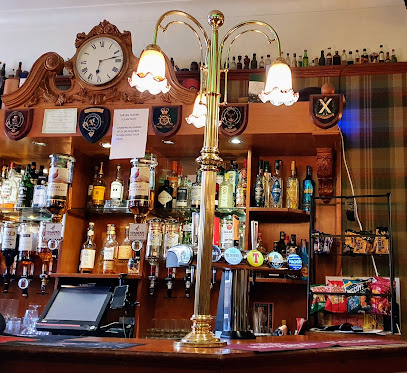
Markie Dans
37.0 km
Family-run pub in Oban offering vast single malts, hearty food, live music, and stunning bay views in a welcoming, lively atmosphere.
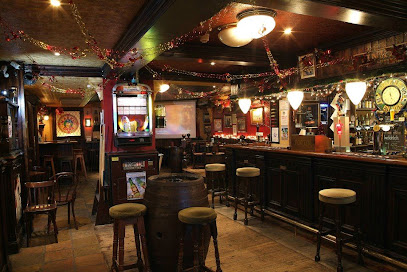
Argyll’s Social Club
37.3 km
Experience the lively heart of Dunoon’s social scene at Argyll’s Social Club, where local culture and entertainment come alive.

The Burgh Bar
37.5 km
Experience Dunoon’s vibrant social scene with local ales, lively events, and welcoming charm at The Burgh Bar on Queen Street.
Sinbad's
37.5 km
A lively, affordable pub in Dunoon with music, pool, and friendly locals in a casual, welcoming atmosphere.
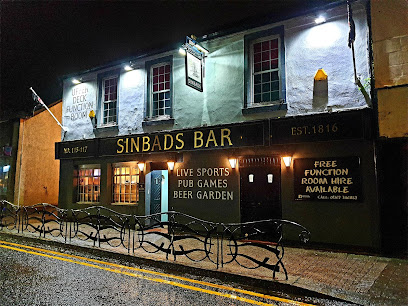
The Clansman Bar
37.5 km
A vibrant and welcoming pub in Dunoon, famed for its real ales, sunny beer garden, and lively weekend atmosphere.
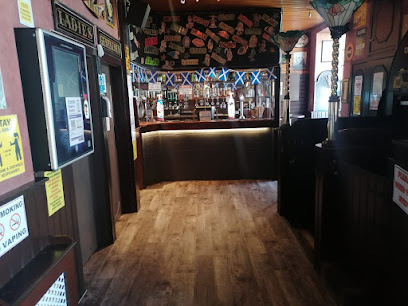
The Victoria Bar
37.6 km
A charming and affordable pub in Dunoon offering warm hospitality and a cozy atmosphere for relaxed evenings.
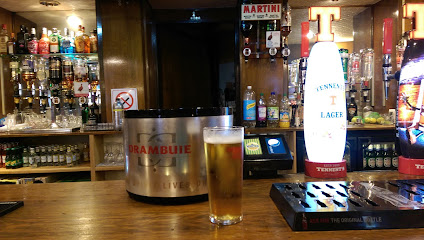
Nightclubs & after hour spots

Jura Brewery
40.0 km
Discover Jura Brewery: A Craft Beer Experience in the Heart of the Isle of Jura, Where Tradition Meets Nature's Bounty.
Word Up
47.0 km
Experience Greenock's revitalized nightlife at Word Up, a modern nightclub with vibrant energy and a welcoming atmosphere.

Red
47.6 km
Experience Greenock’s vibrant nightlife at Red Nightclub, where intimate vibes meet lively dance floors and affordable fun every weekend.

Isle of Mull Rugby Club
49.6 km
Discover the Isle of Mull Rugby Club: A vibrant community hub where sports and local culture come together amidst stunning Scottish scenery.
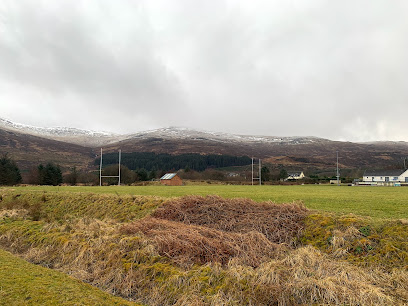
Desire Nightclub
56.2 km
Experience Balloch’s vibrant nightlife at Desire Nightclub, where energetic music and welcoming vibes create unforgettable evenings.
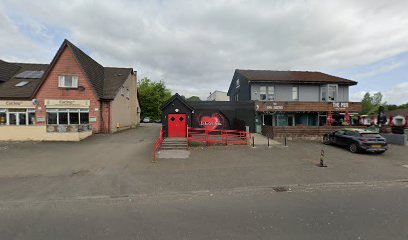
Ormidale Hotel
60.3 km
Charming family-run Victorian hotel and pub with en suite rooms, lively bar, and scenic views on the Isle of Arran.
The Keel Row
61.0 km
Experience local flavors and breathtaking views at The Keel Row, a beloved pub and restaurant in Fionnphort, perfect for food lovers.
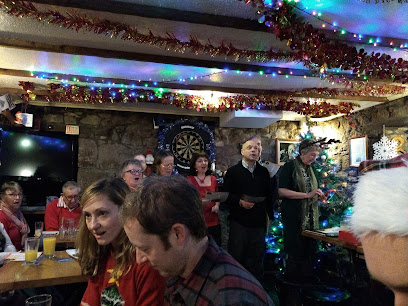
Snack Bar
61.2 km
Discover the cozy Snack Bar on the Isle of Mull, where delicious food meets stunning landscapes in a friendly atmosphere.
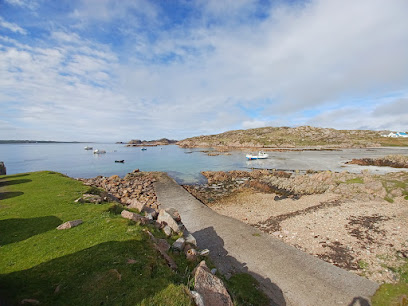
DUFFIE'S BAR
62.2 km
Discover the cozy ambiance of Duffie's Bar in Bowmore, Isle of Islay; a perfect spot for whisky lovers and relaxation amidst beautiful surroundings.
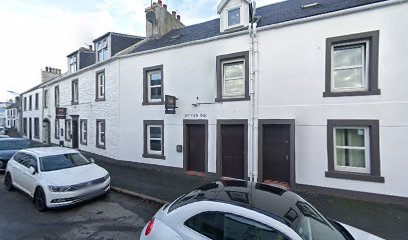
The Lochside Hotel & Restaurant
62.2 km
Discover the beauty and flavors of the Isle of Islay at The Lochside Hotel & Restaurant, where comfort meets local charm in a stunning setting.
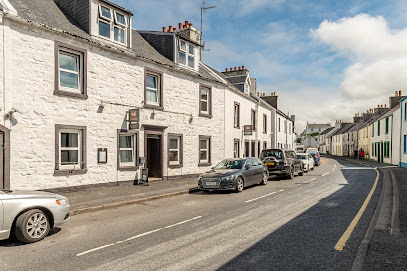
Duncan's On The Green
64.4 km
Experience the charm of Duncan's On The Green, where stunning views and local flavors combine for an unforgettable bar experience on the Isle of Arran.
Drift Inn
65.0 km
Discover Drift Inn on the Isle of Arran: a cozy restaurant with a stunning beer garden and delightful local cuisine.
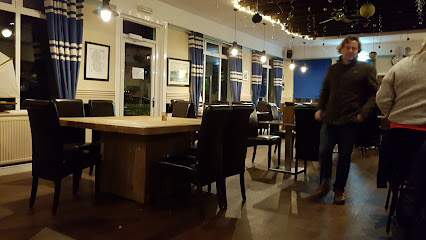
Pierhead Tavern
65.1 km
Discover the warmth and flavors of the Isle of Arran at Pierhead Tavern, a cozy pub and restaurant in Lamlash offering stunning views and local cuisine.
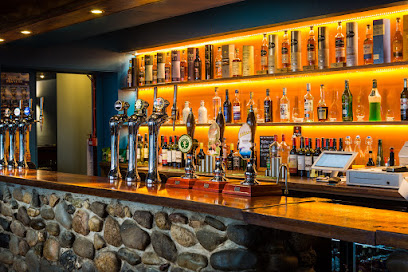
The Box Night Club
66.4 km
Discover Saltcoats' nightlife at The Box Night Club, where vibrant music and a welcoming atmosphere create unforgettable nights out.
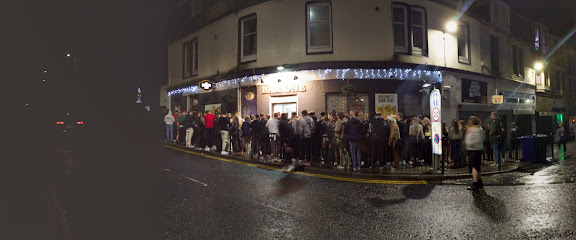
The Ardview Inn
67.2 km
Experience the warm hospitality and local flavors at The Ardview Inn, a charming pub in Port Ellen, Isle of Islay, perfect for unwinding after your travels.
For the vibe & atmosphere seeker
- Scenic
- Tranquil
- Historic
- Unique
For the design and aesthetic lover
- Rustic Designs
For the architecture buff
- Historic
- Landmarks
- Heritage Neighborhoods
For the view chaser and sunset hunter
- Iconic Views
- Panoramas
- Sunrise Spots
- Sunset Spots
For the social media creator & influencer
- Instagrammable
- Photo Spots
- Selfie Spots
- Architectural Shots
For the eco-conscious traveler
- Eco-Friendly
- Protected Area
- Public-Transport Accessible
- Leave-No-Trace Critical
- Locally Managed
For the kind of experience you’re after
- Cultural Heritage
- Myth & Legends
- Photowalk
- Day Trip
- Nature Escape
For how adventurous you want the journey to be
- Easy Access
Location Audience
- Family Friendly
- Senior Friendly
- Child Friendly
- Teen Friendly
- Solo Friendly
- Couple Friendly
- Vegetarian Friendly
- Vegan Friendly


