Electric Brae, Ayrshire Travel Guide
Where gravity plays tricks on the eye—a quarter-mile of pure optical illusion on Scotland's scenic coast.
Electric Brae is a famous gravity hill near Maybole in South Ayrshire, Scotland, where a quarter-mile stretch of road creates a powerful optical illusion. When you release your vehicle's handbrake, it appears to roll uphill against gravity, though the road actually slopes downward. This natural phenomenon has captivated visitors for generations and remains one of Scotland's most intriguing roadside attractions, offering stunning views of the Ayrshire coast and the Isle of Arran.
A brief summary to Electric Brae
- A719, Maybole, KA19 8JR, GB
- Duration: 0.5 to 2 hours
- Free
-
 Outdoor
- Mobile reception: 4 out of 5

Know before you go
Hi, I'm Eve. Here are a few practical things to know before exploring Electric Brae.
- Visit during daylight hours for the best visibility and to capture clear photographs of the illusion and surrounding landscape.
- Bring a picnic to enjoy in the scenic surroundings while marveling at the phenomenon and taking in views of the Isle of Arran.
- Test the illusion with a ball or other small object to see it roll uphill, and take turns experiencing the effect from different positions.
- Check weather conditions beforehand, as clear visibility enhances the visual impact of the surrounding landscape and the illusion itself.
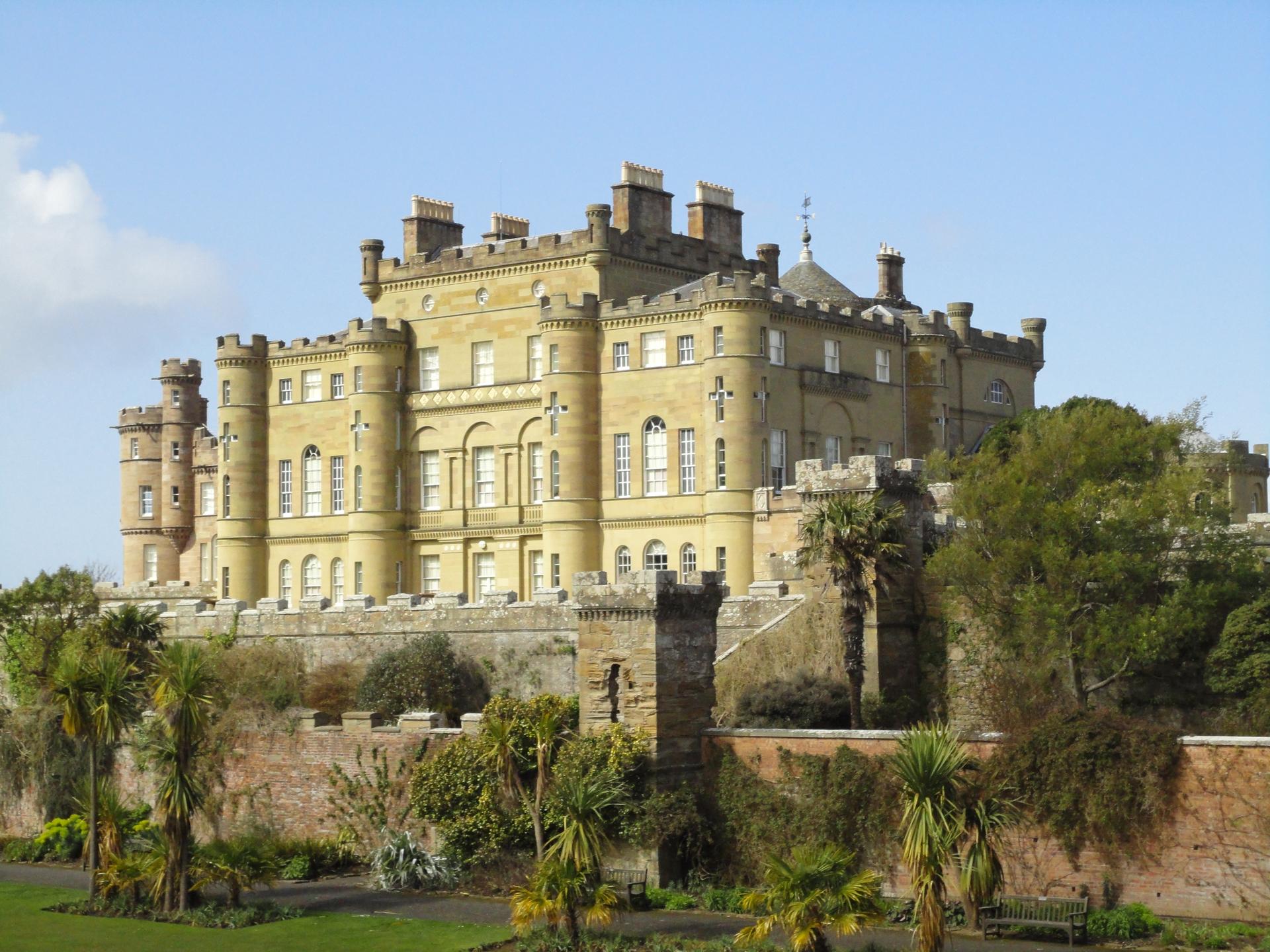
- Combine your visit with nearby attractions such as Culzean Castle, Dunure village, and the coastal scenery of the Ayrshire coast.
Do you manage this location?
Take control to get all the benefits, like improved information, better appearance, and stronger visibility across AI-powered discovery. Learn more about listing your business on Evendo
Activate your presenceOther nearby places you may find interesting
The closest places of the same kind, if this one is not quite what you had in mind.
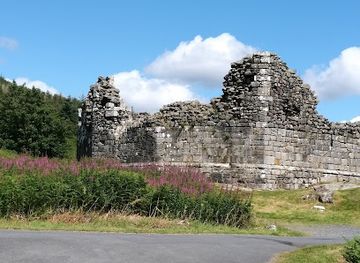
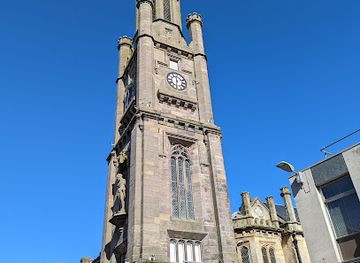
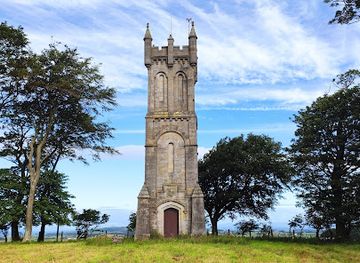
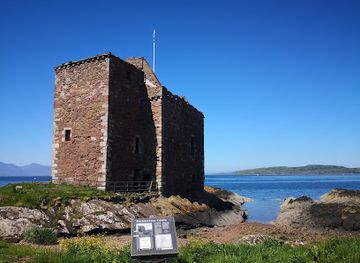
Explore Electric Brae on the Map
A handpicked selection of must-see spots near Electric Brae, mapped for you.
Getting There
-
Car from Ayr
From Ayr, take the A77 road heading south toward Maybole. Continue on the A77 until reaching the roundabout near Maybole, then exit onto the A719 toward the coast. Follow the A719 for approximately 3 miles south. Electric Brae is located on the right side of the road along this scenic coastal route, marked by a layby and stone information marker. Journey time is approximately 20–25 minutes. Parking is available in the dedicated layby.
-
Bus from Ayr
From Ayr town center, take Stagecoach bus service 6 or 7 heading toward Maybole or Girvan. The journey takes approximately 30–40 minutes. Request the driver to stop at the Electric Brae stop along the A719, which is clearly marked. From the bus stop, the attraction is immediately visible and accessible. Service runs regularly throughout the day, though frequency may be reduced on Sundays.
-
Train and Bus from Ayr
Take a train from Ayr station to Maybole station, a journey of approximately 10–15 minutes. Exit Maybole station and catch a local bus service 6 or 7 that runs along the A719 toward the coast. Disembark at the Electric Brae stop, approximately 5–10 minutes from Maybole station. The attraction is within walking distance of the bus stop. This option is ideal for those without a vehicle.
-
Walking from Dunure
If visiting the nearby village of Dunure, Electric Brae is accessible via a scenic walking route along minor roads and coastal paths. The walk from Dunure village center to Electric Brae takes approximately 30–40 minutes depending on the exact route chosen. The terrain is generally manageable but includes some road walking along the A719, which has limited verges in places. This option offers excellent views of the Ayrshire coastline.
For the on-the-go comforts that matter to you
-
 Seating Areas
-
 Information Boards
-
 Trash Bins
-
 Picnic Areas
Discover more about Electric Brae
The Illusion That Defies Perception
Electric Brae is a gravity hill located on the A719 between Dunure and Maybole in South Ayrshire, Scotland. The quarter-mile stretch of road, known locally as Croy Brae, creates one of the most bewildering optical illusions in the world. When you stop your vehicle on the road and release the handbrake, the car appears to roll slowly uphill, as if pulled by some invisible force. This phenomenon has puzzled and delighted visitors for over a century, creating an experience that remains genuinely strange even when you understand the science behind it.The illusion is remarkably powerful and can even be captured in photographs. The road actually slopes upward at a gradient of 1 in 86 from the coastal bend overlooking Croy railway viaduct to the wooded Craigencroy Glen inland, gaining approximately 17 feet in elevation. However, the configuration of the surrounding landscape—the slopes of nearby fields and distant hillsides—creates a visual context that makes the road appear to slope in the opposite direction. Your brain interprets the landscape as the true reference point, causing the actual uphill slope to appear downhill and vice versa.A Name Born from Victorian Wonder
The term "Electric Brae" originated during the Victorian era when electricity was a new and mysterious phenomenon. Early visitors, unable to explain the strange behavior of their vehicles, attributed it to electrical or magnetic forces emanating from the nearby Isle of Arran. The Lowland Scots word "brae" simply means a hill-slope or hillside. As scientific understanding advanced, the true cause of the illusion became clear, yet the evocative name persisted. During World War II, General Dwight D. Eisenhower, who maintained a residence at nearby Culzean Castle, famously brought visitors to witness the phenomenon, introducing it to American military personnel stationed at Prestwick airbase.Landscape and Coastal Setting
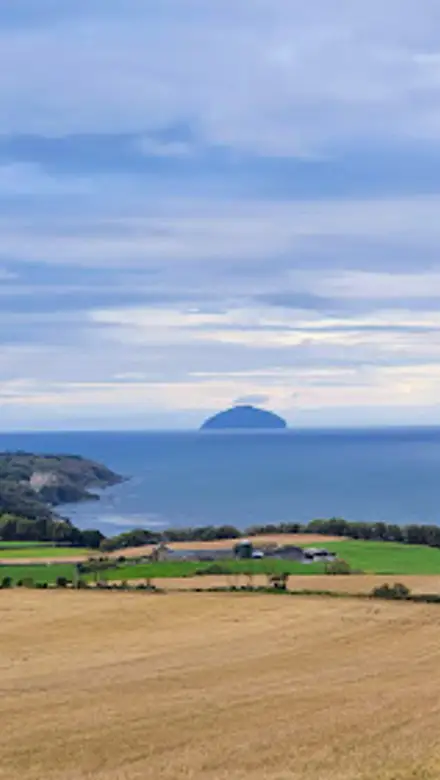
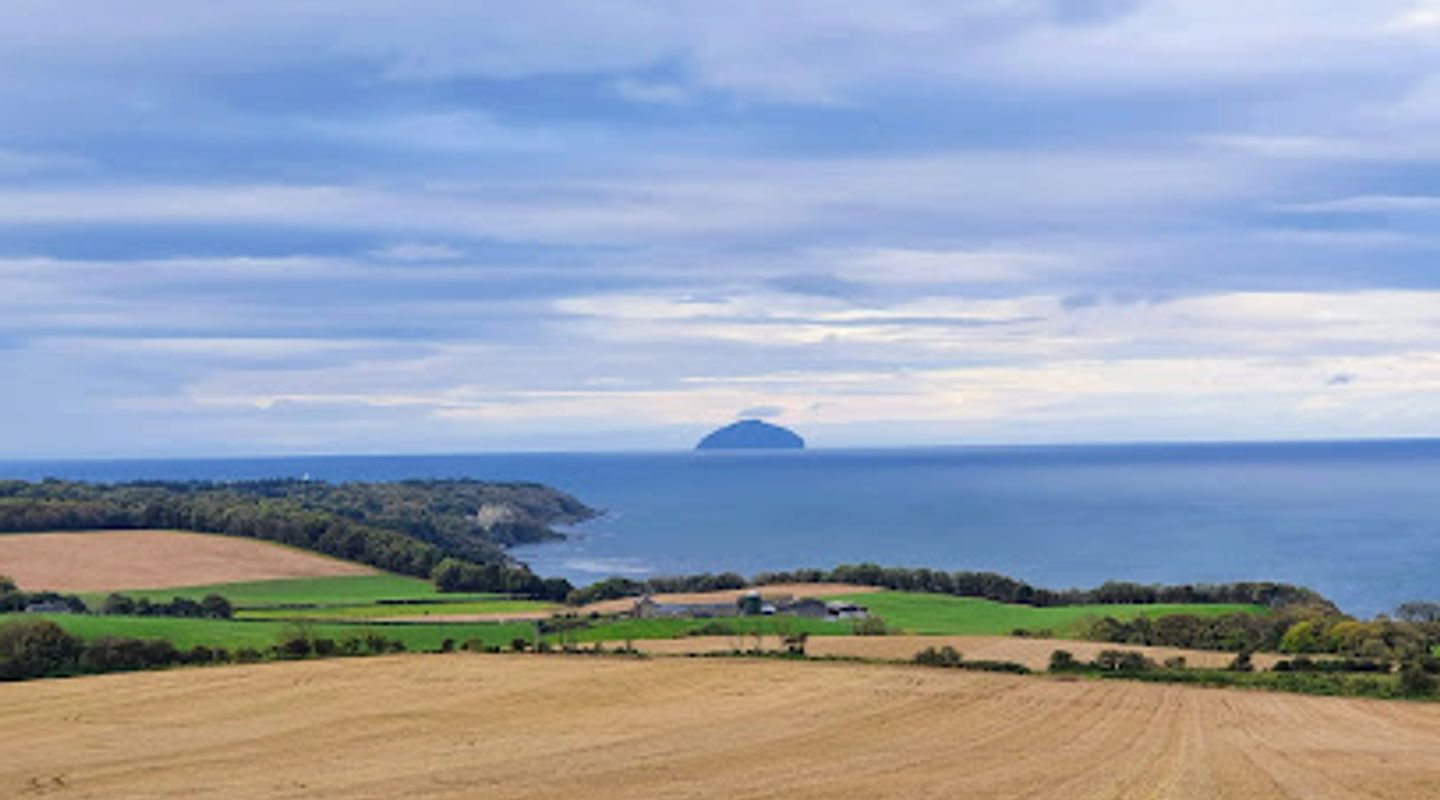
Electric Brae sits within one of Scotland's most scenic regions. The A719 approaches from the south, offering magnificent views across Culzean Bay toward Culzean Castle perched on the cliffs. The road turns sharply inland at the famous corner, and from this vantage point, visitors can see the distant silhouette of the Isle of Arran and Ailsa Craig rising from the Firth of Clyde. The surrounding countryside is characterized by lush green fields, wooded glens, and the dramatic Croy railway viaduct visible to the west. The tranquil setting invites visitors to linger, breathe in the fresh coastal air, and appreciate the natural beauty that frames this remarkable optical illusion.Understanding the Science
Electric Brae belongs to a category of natural phenomena known as gravity hills, of which hundreds exist worldwide. The illusion operates on the same principle as the famous Ames room, in which visual perception can be manipulated by the arrangement of surrounding objects and surfaces. The human brain relies heavily on environmental context to judge slope and elevation. When the landscape on either side of the road slopes in a particular way, it can override the actual gradient of the road itself, creating a powerful perceptual reversal. This makes Electric Brae a fascinating study in how our eyes and brains interpret spatial relationships.A Roadside Experience
A layby has been thoughtfully constructed by South Ayrshire Council to allow visitors to safely stop and experience the phenomenon without blocking traffic. A stone marker at the site explains the optical illusion in detail, replacing earlier metal signs that were frequently taken by visitors as souvenirs. The experience is simple yet memorable: park your vehicle, release the handbrake, and watch as your car appears to defy gravity. Many visitors enjoy testing the illusion with balls or other objects, or photographing the bewildered expressions of companions experiencing the effect for the first time. The location has become a beloved pit stop on Scottish road trips, combining natural wonder with accessible entertainment.












Your all‑in‑one travel companion app
Explore expert travel guides, compare and book tours, experiences, hotels, and more—all from the palm of your hand. Download now for seamless trip planning wherever your wanderlust takes you.


Explore More of Ayrshire
Looking beyond Electric Brae? Discover Ayrshire for broader travel guides, local hot-spots, and regional highlights.
Explore Ayrshire