

Twerton Park, Bath Travel Guide
Free Guide: Historic football stadium in Bath, home to Bath City FC since 1932, known for its classic stands and passionate local atmosphere.


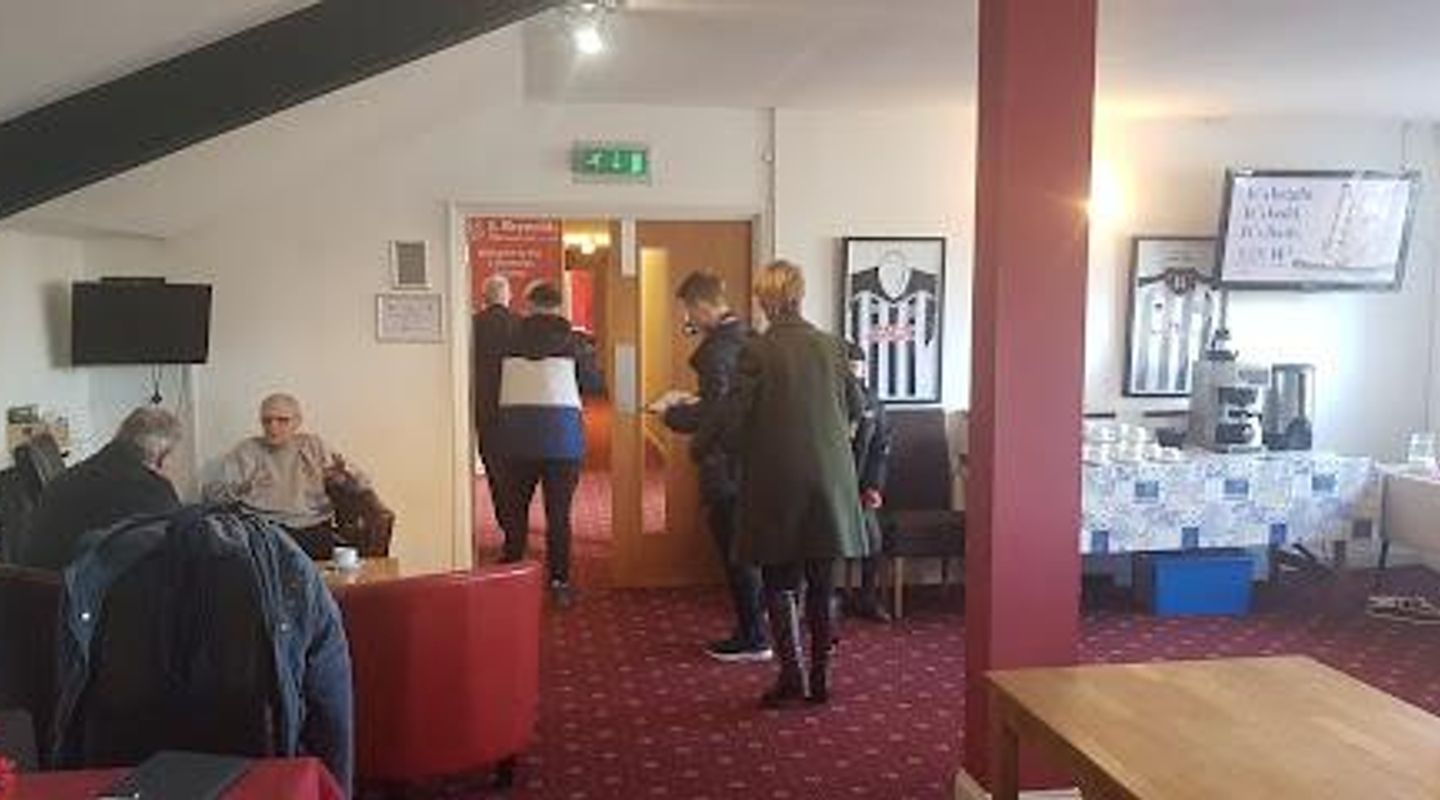
A brief summary of Twerton Park
Historic football stadium in Bath, home to Bath City FC since 1932, known for its classic stands and passionate local atmosphere.
Twerton Park, located at 105 High St, Twerton, Bath, is the iconic football stadium of Bath City FC since 1932. With a capacity of around 8,840 (restricted to 3,528 for safety), it features classic stands, terraces, and a grass pitch. Known for its rich football heritage, including a record attendance of 18,020 in 1960, Twerton Park offers a nostalgic atmosphere steeped in local sporting culture.
On-site amenities
 Restrooms
 Drink options
 Food options
 Seating areas
 Trash bins
 Information boards
- Address
- 105 High St, Twerton, Bath BA2 1DB
- Phone
Getting there
Bus
Taxi
Walking
Car
Discover more about Twerton Park
Origins and Early Development
Twerton Park was officially opened in 1909 on land donated by Thomas Carr and became the home of Bath City FC in 1932. Originally known as Innox Park, the site was a flat grassy area before the club invested in building a 1,000-seat stand that marked the beginning of its transformation into a dedicated football stadium. The move to Twerton Park was a pivotal moment for Bath City, anchoring the club in the heart of the Twerton district and providing a permanent venue for its growing fanbase.
Architectural Character and Stadium Layout
The stadium retains a classic and somewhat vintage football ground feel, characterized by its steeply angled Main Stand with covered seating raised above a small terrace and team dugouts. Opposite the Main Stand is a quaint covered terrace favored by home supporters, while the Bristol End offers a large open terrace with a noticeable slope on the pitch descending towards it. The Family Stand, a more modern seated and covered structure, is allocated to away fans. Four traditional floodlights stand at each corner, completing the traditional football ground aesthetic.
Historic Moments and Sporting Legacy
Twerton Park has witnessed many memorable events, most notably the record attendance of 18,020 spectators during the FA Cup Third Round match against Brighton & Hove Albion in January 1960. This match remains a highlight in Bath City's history, symbolizing the club’s ability to draw passionate crowds and compete fiercely. The stadium also played host to Bath City’s Southern League triumph in the 1959-60 season and memorable Anglo-Italian Cup finals in the 1970s, underscoring its importance in regional football heritage.
Community and Atmosphere
The atmosphere at Twerton Park is renowned for its local charm and vibrant crowd, with home fans often gathering on the covered terraces to create a lively and engaging environment. The stadium’s character is enhanced by its traditional design and intimate setting, fostering a strong connection between the club and its supporters. Despite challenges related to maintenance and modernization, Twerton Park remains a cherished landmark in Bath’s sporting landscape.
Facilities and Capacity Constraints
While the stadium’s physical capacity is approximately 8,840, current safety certificates restrict attendance to around 3,528, including 1,006 seated places. The pitch is natural grass, and the stadium offers a mix of covered and uncovered terraces. The club continues to work within these constraints, balancing heritage preservation with the need for modern amenities.
Significance in Bath’s Sporting Culture
Twerton Park is more than just a stadium; it is a symbol of Bath City FC’s enduring presence and the city’s footballing tradition. Hosting semi-professional football in the National League South, it serves as a focal point for community pride and sporting passion. The ground’s history, atmosphere, and distinctive features make it a unique destination for football enthusiasts and visitors interested in the cultural fabric of Bath.
Evendo Review Centre
 Google
Guest reviews
Best time to go
Quietest: Jun, Jul & Aug · before 8am
Busy times are Evendo estimates for a typical year, to help you plan. Actual crowds vary with events, school holidays and the weather.
Explore Twerton Park on the map
A handpicked selection of must-see spots near Twerton Park, mapped for you.
Get your free copy of our complete guide to Twerton Park, delivered straight to you.
Everything on this page, from opening hours and how to get there to Eve’s tips and the best time to go, in one PDF you can read offline, print or share.
Already have an account? Sign in
Your Twerton Park guide is ready.
We'll send it to · Not you? Sign out

Getting your guide ready…
We are putting together a fresh copy of the Twerton Park guide. This can take up to a minute.
This can take a few moments. If your browser asks, choose Allow so the download can start. You'll find the guide in your Downloads folder.
Nothing happened? Download it again
Sorry, the guide is taking longer than usual. Please try again in a minute, or get it by email instead.
Other nearby places you may find interesting
The closest places of the same kind, if this one is not quite what you had in mind.
-
-
-
-
-


Swipe for more places
More to explore near Twerton Park

 Best experiences near Twerton Park
 Best hotels near Twerton Park
 Best landmarks near Twerton Park
 Best attractions near Twerton Park
 Best shops near Twerton Park
 Best restaurants near Twerton Park
 Best bars near Twerton Park
Do you manage this location?
Take control to get all the benefits, like improved information, better appearance, and stronger visibility across AI-powered discovery.
Explore more

Explore more of Bath
Discover Bath: A harmonious blend of Roman history, Georgian elegance, and natural beauty in the heart of England's countryside.
Explore Bath
Explore more of United Kingdom
Discover the United Kingdom: A blend of rich history, stunning landscapes, and vibrant cities, offering a unique travel experience for every visitor.
Explore United Kingdom
