Bristol And Bath Railway Path, Bath Travel Guide
Free Guide: A scenic, 13-mile traffic-free trail linking Bristol and Bath, perfect for cycling, walking, and exploring historic railway heritage.


A brief summary of Bristol And Bath Railway Path
A scenic, 13-mile traffic-free trail linking Bristol and Bath, perfect for cycling, walking, and exploring historic railway heritage.
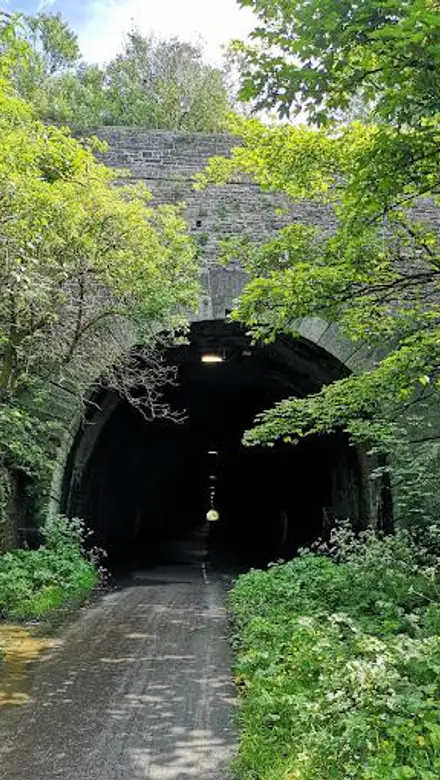
The Bristol and Bath Railway Path is a 13-mile (21 km) traffic-free, off-road cycleway and walking route connecting the historic cities of Bristol and Bath. Built on the former Midland Railway Mangotsfield and Bath branch line, it features a smooth tarmacked surface and passes through scenic countryside, charming former railway stations, and wildlife corridors. Popular for leisure, commuting, and nature appreciation, the path offers a safe, mostly flat route ideal for cyclists, walkers, and wheelchair users.
On-site amenities
 Restrooms
 Drink options
 Food options
 Seating areas
 Trash bins
 Information boards
- Address
- Bristol And Bath Railway Path
Getting there
Train
Bus
Cycling
Walking
Discover more about Bristol And Bath Railway Path
A Historic Route Reimagined for Recreation
The Bristol and Bath Railway Path traces the former Midland Railway Mangotsfield and Bath branch line, which ceased passenger operations in the 1960s. Between 1979 and 1986, this disused railway corridor was transformed into a 13-mile shared-use trail, now part of the National Cycle Network Route 4. The path connects central Bristol near Lawrence Hill to the edge of Bath, following a largely flat and straight route ideal for cycling and walking. Its smooth, 3-metre-wide tarmacked surface invites users of all abilities, including wheelchair users and families with strollers.
Scenic Countryside and Wildlife Corridors
The path winds through a mix of urban fringes, suburban neighborhoods, and peaceful countryside. Along the way, it crosses the picturesque Avon Valley multiple times, offering views of meandering rivers, flood meadows, and the distant Cotswold escarpment. The route serves as an important wildlife corridor, where visitors may spot kingfishers, woodpeckers, herons, and cormorants. The greenway's natural setting provides a tranquil escape from city life, with opportunities for mindful walks and nature observation.
Historic Stations and Cultural Highlights
Several former railway stations along the path have been repurposed as cafes, shops, or heritage sites, adding cultural interest to the journey. Notable stops include Mangotsfield Station, once a major junction with six platforms, and Bitton Station, home to the heritage Avon Valley Railway steam trains. Sculptures and artworks placed along the route enhance the experience, including a modern sculptured seat at Staple Hill station. The path’s history as a former rail line enriches its character and appeal.
Accessibility and User Experience
Designed for ease of use, the path is almost entirely traffic-free and well signposted, making navigation straightforward. It is suitable for cyclists, walkers, runners, and occasionally horse riders on a designated section near Mangotsfield. The mostly flat terrain allows for a leisurely pace, with the full route typically taking 4 to 6 hours to walk or 2 to 3 hours to cycle. Numerous access points along the way enable shorter excursions. Rest stops, pubs, and cafes near former stations provide refreshment options.
Connectivity and Sustainable Transport
The path integrates well with public transport options. Bristol Temple Meads and Bath Spa railway stations lie near the path’s termini, allowing easy train access. Buses serve points along the route, and cycling is encouraged with bike-friendly train services. The path exemplifies sustainable transport by repurposing historic infrastructure into a vital commuting and leisure corridor that reduces reliance on cars.
Seasonal Use and Safety Considerations
Open year-round and accessible 24/7, the path is best enjoyed during daylight hours for safety and to appreciate the surroundings. Spring through early autumn offers the most pleasant weather and open rest facilities. Users are advised to be considerate of others, keep dogs under control, and exercise caution on uneven sections. The path’s popularity with locals and tourists alike creates a lively yet peaceful atmosphere throughout the seasons.
Evendo Review Centre
 Google
Guest reviews
Best time to go
Quietest: Jan, Feb & Dec · before 6am or at 10pm
Busy times are Evendo estimates for a typical year, to help you plan. Actual crowds vary with events, school holidays and the weather.
Explore Bristol And Bath Railway Path on the map
A handpicked selection of must-see spots near Bristol And Bath Railway Path, mapped for you.
Get your free copy of our complete guide to Bristol And Bath Railway Path, delivered straight to you.
Everything on this page, from opening hours and how to get there to Eve’s tips and the best time to go, in one PDF you can read offline, print or share.
Already have an account? Sign in
Your Bristol And Bath Railway Path guide is ready.
We'll send it to · Not you? Sign out

Getting your guide ready…
We are putting together a fresh copy of the Bristol And Bath Railway Path guide. This can take up to a minute.
This can take a few moments. If your browser asks, choose Allow so the download can start. You'll find the guide in your Downloads folder.
Nothing happened? Download it again
Sorry, the guide is taking longer than usual. Please try again in a minute, or get it by email instead.
Unlock the best of Bristol And Bath Railway Path
Skip-the-line tickets, guided tours with entry, and walking tours of the area, booked in a few clicks.

Other nearby places you may find interesting
The closest places of the same kind, if this one is not quite what you had in mind.
-
-
-
-
-


Swipe for more places
More to explore near Bristol And Bath Railway Path
-
 Best experiences near Bristol And Bath Railway Path
-
 Best hotels near Bristol And Bath Railway Path
-
 Best landmarks near Bristol And Bath Railway Path
-
 Best attractions near Bristol And Bath Railway Path
-
 Best shops near Bristol And Bath Railway Path
-
 Best restaurants near Bristol And Bath Railway Path
-
 Best bars near Bristol And Bath Railway Path


Do you manage this location?
Take control to get all the benefits, like improved information, better appearance, and stronger visibility across AI-powered discovery.
Explore more

Explore more of Bath
Discover Bath: A harmonious blend of Roman history, Georgian elegance, and natural beauty in the heart of England's countryside.
Explore Bath
Explore more of United Kingdom
Discover the United Kingdom: A blend of rich history, stunning landscapes, and vibrant cities, offering a unique travel experience for every visitor.
Explore United Kingdom