Milltown Cemetery, Belfast Travel Guide
Free Guide: Discover Belfast’s Milltown Cemetery, a profound site of history, memory, and community rooted in Catholic heritage and the Troubles.


A brief summary of Milltown Cemetery
Discover Belfast’s Milltown Cemetery, a profound site of history, memory, and community rooted in Catholic heritage and the Troubles.
Milltown Cemetery, established in 1869 on Belfast’s Falls Road, is a vast Roman Catholic burial ground rich in history and symbolism. Known for its New Republican Plot, it holds the graves of prominent IRA volunteers including Bobby Sands, alongside ordinary Catholics and war victims. The cemetery reflects Belfast’s complex past, from the Spanish flu victims to the Troubles, and remains an active, community-rooted site.
On-site amenities
 Information boards
 Seating areas
 Trash bins
Opening hours
- Every day9 am–3:30 pm
Opening hours as listed on the venue’s Google Business Profile. Hours can change for services and special events, so check with the venue before you go.
- Address
- 546 Falls Rd, Belfast BT12 6EQ
- Phone
- Website
Getting there
Bus
Taxi
Walking
Discover more about Milltown Cemetery
A Testament to Belfast’s Catholic Heritage
Milltown Cemetery opened in 1869 as a dedicated burial ground for Belfast’s growing Catholic population, following disputes over interdenominational burial arrangements. Spanning some 50 acres, it was established under the episcopal leadership of Bishop Patrick Dorrian of the Diocese of Down and Connor. The cemetery’s grounds include a variety of headstones and memorials reflecting the cultural fabric of Belfast’s Catholic community, including Gaelic revival motifs and memorials to the city’s Italian immigrants.
The New Republican Plot and the Troubles
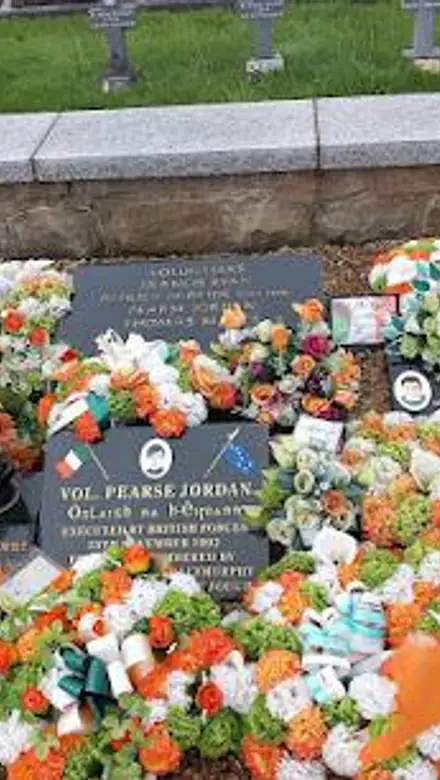
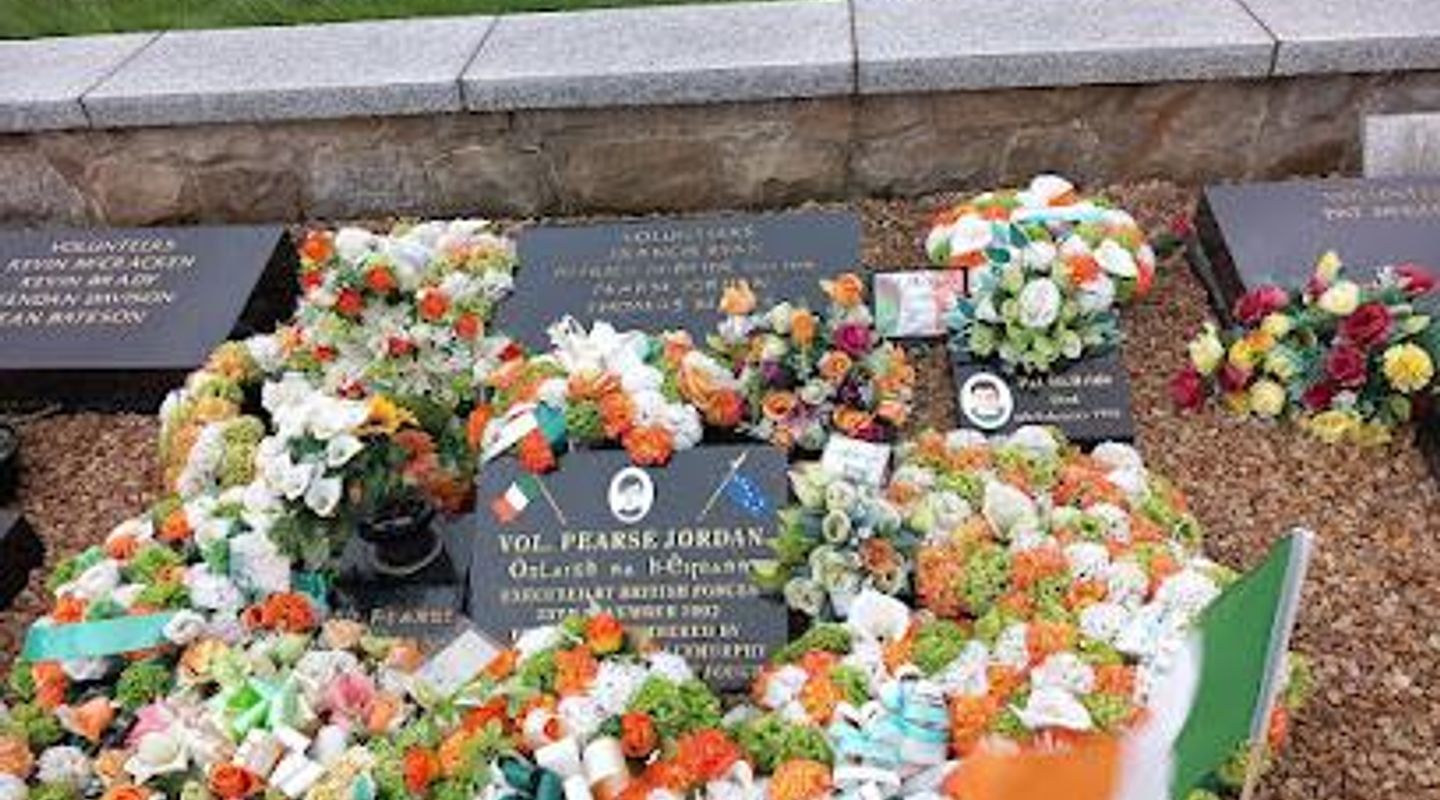
A defining feature of Milltown Cemetery is its New Republican Plot, inaugurated in 1972 and reserved for Irish Republican Army volunteers who died on active service, in prison, or through assassination. This plot contains graves of 77 IRA members, including hunger strikers like Bobby Sands, whose grave has become an iconic pilgrimage site. The cemetery also witnessed tragic violence during the Troubles, notably the 1988 Milltown Cemetery attack where loyalist paramilitary Michael Stone killed mourners at an IRA funeral.
Historical Layers Beyond Conflict
Beyond its association with Republicanism, Milltown Cemetery holds the remains of thousands of ordinary Catholics, including over 80,000 buried in its “poor grounds,” many victims of the 1919 Spanish flu pandemic. It also contains war graves from both World Wars, representing a broad spectrum of Belfast’s history and its people. The cemetery’s memorials reflect a complex narrative, including graves of Royal Irish Constabulary men who were shot by the IRA, illustrating the intertwined and often painful histories of the city.
Symbolism and Community Connection
Milltown Cemetery is rich in symbolism, with monuments such as the Proclamation of the Provisional Government of Ireland and memorials dedicated to socialist workers’ party members. The site is actively maintained, with groups like the National Graves Association caring for Republican graves. Despite its political associations, the cemetery remains a living space, still active for burials and deeply connected to the local community, embodying Belfast’s layered and multifaceted history.
A Place of Reflection and Memory
Visitors to Milltown Cemetery encounter a landscape of remembrance that transcends political divides. The juxtaposition of graves from opposing sides of Northern Ireland’s conflict speaks to the complexity of its past. Walking through the grounds, one experiences a poignant reminder of the city’s struggles and resilience, with every headstone telling a story of personal and collective history.
Future and Preservation Challenges
After more than 150 years of use, Milltown Cemetery is nearing capacity, with limited space for new burials. Preservation efforts focus on maintaining the historical integrity of the site while respecting its ongoing role as a community cemetery. Its significance as both a heritage site and a place of active remembrance ensures that Milltown Cemetery will continue to be a vital part of Belfast’s cultural landscape for years to come.
Evendo Review Centre
 Google
Guest reviews
Best time to go
Quietest: Jan, Feb & Mar · before 7am or at 7pm
Busy times are Evendo estimates for a typical year, to help you plan. Actual crowds vary with events, school holidays and the weather.
Explore Milltown Cemetery on the map
A handpicked selection of must-see spots near Milltown Cemetery, mapped for you.
Get your free copy of our complete guide to Milltown Cemetery, delivered straight to you.
Everything on this page, from opening hours and how to get there to Eve’s tips and the best time to go, in one PDF you can read offline, print or share.
Already have an account? Sign in
Your Milltown Cemetery guide is ready.
We'll send it to · Not you? Sign out

Getting your guide ready…
We are putting together a fresh copy of the Milltown Cemetery guide. This can take up to a minute.
This can take a few moments. If your browser asks, choose Allow so the download can start. You'll find the guide in your Downloads folder.
Nothing happened? Download it again
Sorry, the guide is taking longer than usual. Please try again in a minute, or get it by email instead.
Unlock the best of Milltown Cemetery
Skip-the-line tickets, guided tours with entry, and walking tours of the area, booked in a few clicks.


Other nearby places you may find interesting
The closest places of the same kind, if this one is not quite what you had in mind.
-
-
-
-
-


Swipe for more places
More to explore near Milltown Cemetery

 Best experiences near Milltown Cemetery
 Best hotels near Milltown Cemetery
 Best landmarks near Milltown Cemetery
 Best attractions near Milltown Cemetery
 Best shops near Milltown Cemetery
 Best restaurants near Milltown Cemetery
 Best bars near Milltown Cemetery
Do you manage this location?
Take control to get all the benefits, like improved information, better appearance, and stronger visibility across AI-powered discovery.
Explore more

Explore more of Belfast
Discover Belfast, a city of history, culture, and modern charm, where the legacy of the Titanic meets vibrant street life and stunning natural beauty.
Explore Belfast
Explore more of United Kingdom
Discover the United Kingdom: A blend of rich history, stunning landscapes, and vibrant cities, offering a unique travel experience for every visitor.
Explore United Kingdom