

Best Landmarks in Berwickshire
Planning a trip to Berwickshire? Discover the best landmarks in Berwickshire with history, expert tips, and routes. Free on web or the Evendo app.


The best landmarks in Berwickshire
- Top rated
- Closest to the centre
- Price level: low to high
- Time to spend: shortest first
- A–Z
34 landmarks
-
Monument4.7★4,771 reviews
Scott Monument
The Scott Monument, standing 200 feet tall in East Princes Street Gardens, is the world's largest monument dedicated to a writer. This Victorian Gothic spire honors Scottish novelist Sir Walter Scott and features intricate carvings, 64 statues of his characters, and a marble statue of Scott with his dog Maida. Visitors can climb 287 narrow spiral steps to multiple viewing platforms offering panoramic views of Edinburgh’s skyline, including Edinburgh Castle and Arthur’s Seat.
Daily 10:00–12:30, 13:45–16:30Price level $$Time to spend 0.5–1.2 hrs
-
Historical landmark4.8★3,783 reviews
Arthur's Seat
Arthur's Seat, the highest point in Holyrood Park, Edinburgh, is an extinct volcano rising 251 meters above sea level. This dramatic hill offers panoramic 360-degree views over Edinburgh, the Firth of Forth, and the surrounding Lothians. Visitors can explore a variety of hiking routes ranging from moderate to steep climbs, passing historic ruins and tranquil lochs along the way. The natural and cultural heritage of Arthur's Seat makes it a must-visit landmark blending geology, history, and stunning vistas.
Open 24 hoursTime to spend 1–3 hrs
-
Tourist attraction4.5★2,552 reviews
Jedburgh Abbey
One of Scotland's four great Border abbeys, Jedburgh Abbey stands as a magnificent testament to 12th-century Augustinian architecture. Founded by King David I in 1138, this striking ruin showcases an unusual blend of Romanesque and early Gothic styles, with remarkably intact stonework that conveys the abbey's original grandeur. The visitor centre displays exceptional medieval artefacts, including the celebrated Jedburgh comb, while the recreated cloister garden invites peaceful reflection on monastic life.
Daily 9:30–17:00Price level $Time to spend 1–2 hrs
-
Monument4.6★2,004 reviews
Nelson Monument
The Nelson Monument, perched atop Calton Hill in Edinburgh, is a striking commemorative tower built between 1807 and 1815 to honor Admiral Lord Nelson’s victory and death at the Battle of Trafalgar. Its distinctive upturned telescope design houses a historic time ball, lowered daily at one o’clock in sync with Edinburgh Castle’s One O’Clock Gun. Visitors can explore a museum at its base and enjoy panoramic views of Edinburgh’s skyline and surrounding landmarks.
Daily 10:00–13:00, 14:00–16:30Price level $$Time to spend 0.5–2 hrs
-
Museum4.5★702 reviews
Jedburgh Castle Jail & Museum
Jedburgh Castle Jail & Museum, located in the Scottish Borders town of Jedburgh, offers a unique glimpse into 19th-century prison life within a building designed to resemble a medieval castle. Built in the 1820s on the site of the original Jedburgh Castle, this former model prison features preserved Victorian cells, interactive exhibits, and a town museum showcasing Jedburgh’s rich history and notable figures. Visitors can also enjoy panoramic views over the town and surrounding countryside. Admission is free, with donations encouraged.
Mon–Sat 10:00–16:00 · Sun 10:00–15:00Time to spend 1–2 hrs
-
Bridge4.7★501 reviews
Royal Border Bridge
An iconic Grade I listed railway viaduct spanning the River Tweed at Berwick-upon-Tweed, designed by Robert Stephenson and opened by Queen Victoria in 1850. This magnificent Victorian engineering feat features 28 stone arches and stands 37 metres above the river, carrying the East Coast Main Line between London and Edinburgh. Still in active use today, the bridge is one of the most recognisable landmarks in Northumberland and offers stunning views from the riverside walk below.
Open 24 hoursTime to spend 0.5–2 hrs
-
Bridge4.7★393 reviews
Union Bridge
Spanning the River Tweed near Berwick-upon-Tweed, the Union Suspension Bridge is a graceful 19th-century ironwork crossing that links England and Scotland. Built in 1820, it’s one of the oldest suspension bridges in the UK still carrying road traffic, offering scenic views of the river and surrounding countryside. The bridge is a quiet, atmospheric spot for a short walk, especially at sunrise or sunset, and serves as a subtle reminder of the historic border between two nations.
Open 24 hoursTime to spend 0.5–2 hrs
-
Historical landmark4.6★337 reviews
Berwick Lighthouse
Berwick Lighthouse, completed in 1826, stands at the end of Berwick Pier, a historic 19th-century breakwater guarding the River Tweed’s entrance. This iconic red-and-white lighthouse is a major landmark in Berwick-upon-Tweed, offering picturesque coastal views and a glimpse into the town’s maritime heritage. Though not open for public access, the lighthouse is a popular destination for a scenic walk along the 877-metre pier, with panoramic vistas of the North Sea and the town.
Open 24 hoursTime to spend 0.5–2 hrs
-
Holiday park4.3★339 reviews
Scoutscroft Leisure Park | Verdant Leisure
Scoutscroft Leisure Park is a charming holiday park near Coldingham Beach on the Berwickshire coast, offering self-catering caravans, lodges, and camping pods. With pet-friendly facilities, a bar, restaurant, and indoor mini golf, it provides a relaxing coastal escape just 46 miles from Edinburgh, ideal for families and couples seeking nature and comfort.
Price level $$Time to spend 1–72 hrs
-
Historical landmark4.7★210 reviews
Berwick Town Walls
The Berwick Elizabethan Town Walls, constructed in 1558, are the only complete Elizabethan town walls in Britain and among the best-preserved examples of 16th-century military architecture in Europe. These bastioned fortifications surround Berwick-upon-Tweed, offering visitors a 45-minute walk with panoramic views over the Tweed Estuary and the North Sea. The walls showcase Italian-inspired design, water-filled ditches, and strategic bastions built to defend against Scottish forces.
Open 24 hoursTime to spend 0.8–1.5 hrs


Town Hall
Berwick Town Hall, located at 16 Marygate, is a Grade I listed neoclassical building in Berwick-upon-Tweed, England. Constructed between 1754 and 1760 to replace an earlier tolbooth, it features a prominent 150-foot clock tower and belfry. The hall historically served as the borough council headquarters and houses an assembly hall, council chamber, and former prison cells. Today, it remains a cultural and historic focal point with guided tours showcasing its rich past.
Open 24 hoursPrice level $Time to spend 1–2 hrs

Winter's Gibbet
Winter's Gibbet near Morpeth, Northumberland, stands as a grim historical landmark recalling the 1792 execution and public display of William Winter, a convicted murderer. The site features a replica gibbet and wooden mannequin, symbolizing the macabre practice of gibbeting executed criminals to deter crime. Set amidst open moorland, it offers haunting views and a tangible connection to 18th-century justice and local legend.
Open 24 hoursTime to spend 0.5–2 hrs

The Witches Well
The Witches' Well is a cast iron memorial fountain located just outside Edinburgh Castle, commemorating the thousands accused and executed for witchcraft in Scotland between the 15th and 18th centuries. Designed by artist John Duncan in 1894 and commissioned by Sir Patrick Geddes, the well features symbolic carvings reflecting the dual nature of witchcraft beliefs. Despite its small size and discreet location, it stands as a poignant reminder of a dark chapter in Scottish history.
Daily 10:00–18:00Time to spend 0.2–1 hr

Berwick Bridge
Berwick Bridge, also known locally as the Old Bridge, is a magnificent 17th-century sandstone structure spanning the River Tweed in Berwick-upon-Tweed. Built between 1611 and 1624, this Grade I listed bridge features 15 arches and was a vital crossing on the Great North Road connecting London and Edinburgh. Today, it remains open to pedestrians and traffic, showcasing centuries of engineering heritage and offering scenic views of the river and town.
Open 24 hoursTime to spend 0.5–2 hrs

Coxon's Tower
Coxon's Tower stands as one of the last surviving medieval towers on Berwick-upon-Tweed’s famous Elizabethan walls. This historic fortification, heavily modified over centuries, offers visitors a glimpse into the town’s turbulent past as a strategic border stronghold between England and Scotland. Perched overlooking the River Tweed estuary, the tower combines medieval architecture with later 16th- and 18th-century military adaptations, making it a captivating landmark rich in history and scenic views.
Open 24 hoursTime to spend 0.5–1.5 hrs

Repentance Tower
Perched atop Trailtrow Hill near Hoddom in Lockerbie, Repentance Tower is a rare mid-16th-century watchtower built by John Maxwell, 4th Lord Herries. This historic landmark, inscribed with the word 'Repentance,' offers panoramic views of the Solway Firth and surrounding countryside. Once a beacon against English invasions, the tower now stands as a poignant monument entwined with local legend and history, accessible by a scenic short climb.
Open 24 hoursTime to spend 0.5–2 hrs

Brow Well
Brow Well is a historic mineral spring near Dumfries, Scotland, famed for its iron-rich waters once believed to have healing powers. Immortalized by the poet Robert Burns, who sought its curative benefits in 1796, the well offers a tranquil retreat surrounded by lush greenery and scenic countryside. Visitors can explore the well’s quaint structure, enjoy peaceful walks along Brow Burn, and reflect on its cultural and literary significance in Scottish heritage.
Time to spend 0.5–2 hrs

St Cuthbert's Island
St Cuthbert's Island, also known as Hobthrush, is a tidal islet located just off Holy Island in Northumberland. Accessible only during low tide, this sacred site holds medieval chapel ruins and deep spiritual significance as the legendary retreat of Saint Cuthbert, one of England's most venerated saints. The island becomes completely separated from Holy Island as the tide rises, creating a unique and isolated spiritual sanctuary steeped in 1,400 years of Christian history.
Open 24 hoursTime to spend 1–3 hrs

Jacob's Ladder
Jacob's Ladder is a steep, historic stairway in Edinburgh connecting Calton Road to Regent Road atop Calton Hill. Dating back to at least 1784, it was originally a funeral procession route to the Old Calton Burial Ground. Today, its 140 stone steps offer a challenging climb rewarded with panoramic views of Edinburgh’s Old Town, Castle, and Waverley Station. Recently refurbished with LED lighting and restored stonework, it serves as a unique shortcut and a glimpse into the city's layered history.
Open 24 hoursTime to spend 0.2–1 hr

Marjoribanks Monument
The Marjoribanks Monument is a towering stone column crowned with a statue, erected in 1829 near Coldstream in the Scottish Borders. It commemorates Charles Albany Marjoribanks, a prominent local MP known for his political influence and public service. The monument offers panoramic views of the surrounding countryside and stands as a resilient symbol, having been rebuilt after lightning damage in 1873.
Open 24 hoursTime to spend 0.5–1.5 hrs

Lord's Mount
Lord's Mount is a remarkable 16th-century artillery fortification located at the north-east angle of Berwick-upon-Tweed's medieval defences. Built under King Henry VIII’s reign, it features massive walls nearly 6 meters thick and was designed to withstand artillery attacks. Today, visitors can explore its surviving lower floor with casemates for swivel guns, living quarters, and a kitchen, while enjoying panoramic views of the historic town and River Tweed.
Open 24 hoursTime to spend 1–2 hrs

Lamberton Skerrs
Lamberton Skerrs, near Berwick-upon-Tweed, is a rugged coastal landmark known for the ruins of the Smuggler's Bothy, a historic 18th-century smuggling hideout. Set on dramatic cliffs overlooking the North Sea, it offers visitors a glimpse into maritime history amid stunning natural scenery, with rocky bays, weathered fishing relics, and panoramic sea views.
Open 24 hoursTime to spend 1–3 hrs

Sunderland Hall
Sunderland Hall is a historic Scottish Baronial mansion set within expansive grounds near Galashiels in the Scottish Borders, featuring 19th-century architecture, terraced gardens, and riverside walks along the Tweed and Ettrick Water. The estate encompasses both the main house and the modernist High Sunderland residence, offering visitors a blend of heritage architecture and natural landscape beauty ideal for walking, photography, and exploring Scotland's architectural legacy.
Time to spend 1.5–4 hrs

Hirendean Castle
Perched high on a ridge in the Moorfoot Hills near Heriot, Hirendean Castle is a haunting 16th-century peel tower ruin with a dark and mysterious past. Once a stronghold of the Kerr family, the site now stands as a windswept tangle of ancient stone, offering dramatic views over the River South Esk valley and a powerful sense of Scotland’s turbulent history. Exploring the remains, visitors walk among crumbling walls and overgrown mounds, where local legend speaks of a noble suicide and a witchcraft trial that still echoes through the hills.
Time to spend 0.5–2 hrs

Broad Shiel
Broad Shiel is a historic landmark located on the banks of the River Tweed in Berwick-upon-Tweed, England. This site offers a glimpse into the region’s rich fishing heritage and its strategic importance near the Anglo-Scottish border. Surrounded by scenic river views and close to the town’s Elizabethan walls and iconic Royal Border Bridge, Broad Shiel stands as a quiet yet evocative reminder of the area's cultural and historical legacy.
Mon–Fri 9:00–17:00 · Sat 10:00–16:00Time to spend 0.5–1.5 hrs

Newton Tower
Newton Tower is a striking early 17th-century ruined square church tower located in Dalkeith, Midlothian. With its four stages, rubble and sandstone construction, and ashlar dressings, it stands as a unique architectural landmark reflecting Scotland’s ecclesiastical heritage. Surrounded by old gravestones and tranquil greenery, it offers a glimpse into the region’s past amid a peaceful setting.
Time to spend 0.5–1.5 hrs

Little Dalton Kirk
Little Dalton Kirk is a captivating historical landmark near Lockerbie, Scotland, featuring roofless medieval ruins set in a tranquil rural landscape. Dating from the 13th to 17th centuries, the kirk reflects centuries of local history, including its abandonment in the 1600s and Victorian-era romantic restoration. Visitors can explore the atmospheric site surrounded by memorials and enjoy peaceful walks along well-marked paths through the scenic countryside.
Open 24 hoursTime to spend 0.5–2 hrs

Royal Tweed Bridge
The Royal Tweed Bridge is a striking 1920s concrete arch bridge spanning the River Tweed in Berwick-upon-Tweed. Built between 1925 and 1928 to divert traffic from the historic Old Bridge, it was opened by Edward, Prince of Wales. Once part of the main A1 route from London to Edinburgh, it remains a significant landmark offering scenic river views and a glimpse into early 20th-century engineering innovation.
Open 24 hoursTime to spend 0.5–1.5 hrs

Frenchland Tower
Frenchland Tower, located near Moffat in Dumfriesshire, Scotland, is a ruined 16th-century L-shaped tower house originally built by the French family, tenants of the Bruces. This historical landmark offers visitors a glimpse into Scotland’s feudal past and commanding views over the surrounding valley and town. The tower’s ruins, perched above the Frenchland Burn, evoke the medieval heritage of the region and the legacy of the Frenches as local landowners.
Open 24 hoursTime to spend 0.5–2 hrs

Bow Castle
Bow Castle is an Iron Age broch—a distinctive circular stone tower unique to Scotland—perched on a hilltop above the Gala Water near Galashiels in the Scottish Borders. Dating back approximately 2,000 years, this ancient fortified dwelling offers panoramic views across the valley and represents one of only three brochs surviving in the borderlands. Though substantially ruined, the site remains an evocative window into Iron Age settlement and Roman-era occupation.
Open 24 hoursTime to spend 1–2.5 hrs

Dunmore Hill Fort
Dunmore Hill Fort is a prehistoric Iron Age hillfort perched on a prominent summit overlooking Callander in Stirling, Scotland. Defended by the remains of four substantial stone ramparts, this Pictish stronghold commands sweeping views across the Trossachs landscape. The fort's name derives from Celtic-Pictish roots—'dun' meaning fort and 'more' referring to its elevated position. A relatively accessible walk leads to this atmospheric archaeological site, offering both historical significance and panoramic vistas.
Time to spend 1.5–3 hrs

Cumberland Bastion
The Cumberland Bastion is a key element of Berwick-upon-Tweed’s historic Elizabethan ramparts, one of Europe’s best-preserved bastioned fortifications. Built in the late 16th century and named after the Duke of Cumberland, this bastion features distinctive gun chambers called flankers, protective orillons, and raised gun platforms known as cavaliers. It offers insight into centuries of military architecture and the turbulent Anglo-Scottish border history.
Time to spend 0.5–2 hrs

Over Ancrum
Over Ancrum is a historic landmark near Jedburgh, Scotland, set amidst rolling hills and lush greenery. Known for its medieval roots and proximity to the site of the pivotal 1545 Battle of Ancrum Moor, this tranquil area offers visitors a blend of rich history and natural beauty. Remnants of ancient structures and peaceful walking trails invite exploration and reflection in a serene countryside setting.
Time to spend 1–3 hrs

Raecleugh Head Prehistoric Fort
Raecleugh Head Prehistoric Fort is an ancient hillfort located near Choicelee, Duns, in the Scottish Borders. Dating from the Late Bronze Age to the Iron Age, it features substantial earthworks including double ditches and a medial rampart. Perched on a hillock around 230 meters above sea level, the fort offers scenic views and insights into prehistoric defensive architecture, reflecting the rich archaeological heritage of Berwickshire.
Open 24 hoursTime to spend 0.5–2 hrs
Explore Berwickshire on the map
A handpicked selection of must-see spots in Berwickshire, mapped for you.
More about Berwickshire
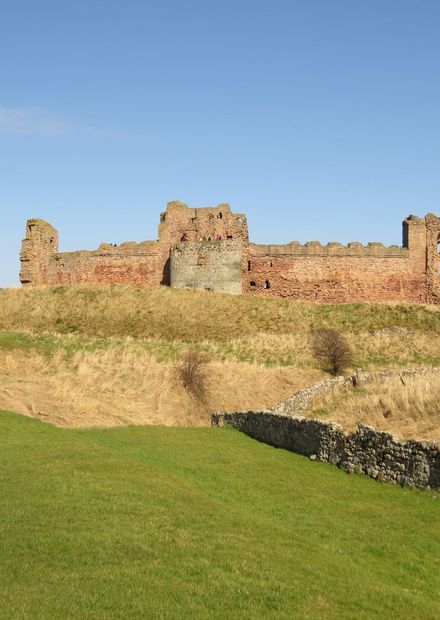
Berwickshire travel guide
Explore Berwickshire in the Scottish Borders for sea cliffs, fishing harbours, historic houses, market towns and wide Lammermuir landscapes.
Tell me more about BerwickshireMore to explore in Berwickshire

 Best attractions in Berwickshire

 Best shops in Berwickshire

 Best bars in Berwickshire

 Best restaurants in Berwickshire

 Best nightclubs in Berwickshire

 Best experiences in Berwickshire

 Best hotels in Berwickshire
Explore more

Explore more of United Kingdom
Discover the United Kingdom: A blend of rich history, stunning landscapes, and vibrant cities, offering a unique travel experience for every visitor.
Explore United Kingdom
Getting your guide ready…
We are putting together a fresh copy of the Berwickshire guide. This can take up to a minute.
This can take a few moments. If your browser asks, choose Allow so the download can start. You'll find the guide in your Downloads folder.
Nothing happened? Download it again
Sorry, the guide is taking longer than usual. Please try again in a minute, or get it by email instead.

