

St Abb's Head Travel Guide
Free Guide: Dramatic Scottish cliffs and vibrant seabird colonies meet wild coastal beauty at St Abb's Head National Nature Reserve.


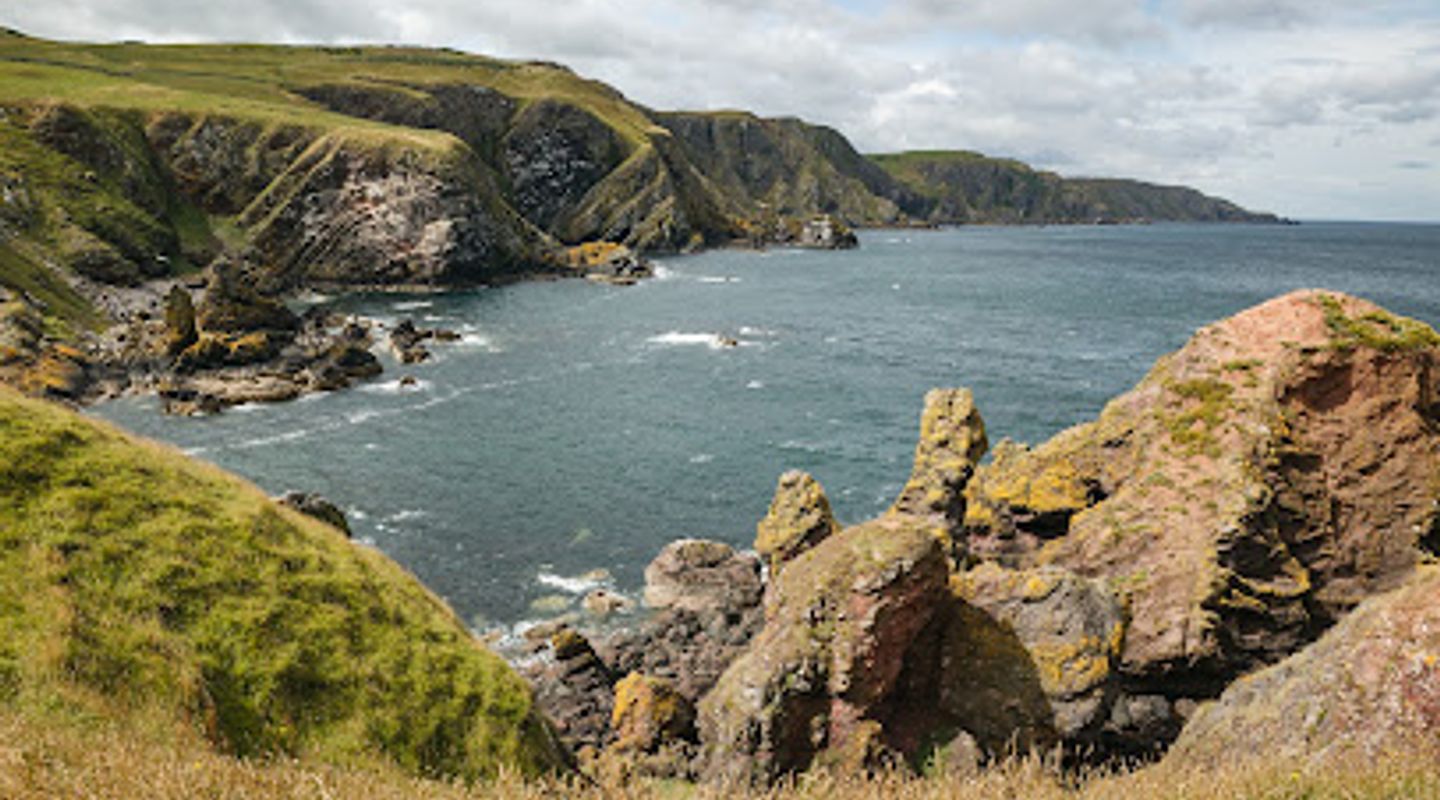
A brief summary of St Abb's Head
Dramatic Scottish cliffs and vibrant seabird colonies meet wild coastal beauty at St Abb's Head National Nature Reserve.
St Abb's Head is a breathtaking coastal headland on the southeast coast of Scotland, famed for its dramatic cliffs and vibrant seabird colonies. This rugged nature reserve offers spectacular cliff-top views over crystal-clear waters and is a haven for wildlife enthusiasts. Visitors can explore diverse habitats including grasslands carpeted with wildflowers and the tranquil Mire Loch, home to swans and butterflies. Easily accessible yet wild and remote, St Abb's Head is a must-visit for nature lovers and birdwatchers alike.
On-site amenities
 Restrooms
 Seating areas
 Trash bins
 Information boards
 Visitor centre
Opening hours
- Every dayOpen 24 hours
Opening hours as listed on the venue’s Google Business Profile. Hours can change for services and special events, so check with the venue before you go.
- Address
- Eyemouth TD14 5QG
- Website
Getting there
Car
Bus
Train and Taxi
Discover more about St Abb's Head
A Coastal Sanctuary for Seabirds and Wildlife
St Abb's Head National Nature Reserve is renowned for its dramatic cliffs that rise steeply from the North Sea, creating an awe-inspiring landscape. The reserve is often called a ‘seabird city’ due to the astonishing number of seabirds—over 60,000 in summer—that nest on its rugged cliffs. Species such as puffins, guillemots, razorbills, and kittiwakes thrive here, making it one of the most important seabird colonies in Scotland. The cliffs provide exceptional vantage points for observing these feathered residents in their natural habitat.
Flora and Inland Habitats
Beyond the cliffs, the reserve features a rich tapestry of wildflowers and grassland. Visitors can spot sea pinks, rock rose, wild thyme, and purple milk vetch carpeting the landscape in vibrant colors during the warmer months. The Mire Loch, a freshwater body inland from the cliffs, offers a peaceful contrast and is a habitat for swans, ducks, damselflies, and butterflies. This diversity of flora and fauna adds to the ecological richness of the reserve.
Geological and Historical Significance
The geology of St Abb's Head is as striking as its wildlife. The cliffs reveal ancient rock formations that tell a story of Scotland’s natural history, shaped by millennia of coastal erosion and geological activity. Historically, the area has been significant for local communities, with the nearby village of St Abbs serving as a traditional fishing port. The reserve’s landscape reflects this blend of natural and cultural heritage.
Visitor Experience and Nature Centre
Visitors to St Abb's Head can enjoy fresh sea air and rugged coastal scenery that feels remote despite the reserve’s proximity to the A1 road. The Nature Centre, though currently closed, typically offers educational exhibits on the wildlife, geology, and history of the area. Walking trails lead to cliff-top viewpoints, providing immersive experiences for birdwatchers, photographers, and hikers. The reserve encourages respectful wildlife observation to protect its delicate ecosystems.
Accommodation and Local Amenities
The nearby village of St Abbs offers charming accommodation options including guesthouses, holiday cottages, and self-catering lodges, some with stunning sea views. Facilities cater to a range of visitors, from couples seeking tranquility to families and adventure seekers. The village atmosphere complements the natural beauty of the reserve, providing a welcoming base for exploration.
Conservation and Sustainable Tourism
St Abb's Head is managed with a strong focus on conservation, aiming to protect its seabird colonies and habitats. Visitors are encouraged to follow guidelines that minimize impact, such as staying on marked paths and avoiding disturbance of nesting birds. The reserve exemplifies sustainable tourism, balancing public enjoyment with the preservation of its unique natural environment.
Evendo Review Centre
 Google
Guest reviews
Best time to go
Quietest: Jan, Feb & Dec · before 6am or at 9pm
Busy times are Evendo estimates for a typical year, to help you plan. Actual crowds vary with events, school holidays and the weather.
Explore St Abb's Head on the map
A handpicked selection of must-see spots near St Abb's Head, mapped for you.
Get your free copy of our complete guide to St Abb's Head, delivered straight to you.
Everything on this page, from opening hours and how to get there to Eve’s tips and the best time to go, in one PDF you can read offline, print or share.
Already have an account? Sign in
Your St Abb's Head guide is ready.
We'll send it to · Not you? Sign out

Getting your guide ready…
We are putting together a fresh copy of the St Abb's Head guide. This can take up to a minute.
This can take a few moments. If your browser asks, choose Allow so the download can start. You'll find the guide in your Downloads folder.
Nothing happened? Download it again
Sorry, the guide is taking longer than usual. Please try again in a minute, or get it by email instead.
Other nearby places you may find interesting
The closest places of the same kind, if this one is not quite what you had in mind.
-
-
-
-
-


Swipe for more places
More to explore near St Abb's Head

 Best experiences near St Abb's Head
 Best hotels near St Abb's Head
 Best landmarks near St Abb's Head
 Best attractions near St Abb's Head
 Best shops near St Abb's Head
 Best restaurants near St Abb's Head
 Best bars near St Abb's Head
Do you manage this location?
Take control to get all the benefits, like improved information, better appearance, and stronger visibility across AI-powered discovery.
Explore more
Explore more of Berwickshire
Discover Berwickshire: A blend of coastal beauty, historic landmarks, and charming villages in Scotland's serene southeastern corner.
Explore Berwickshire
Explore more of United Kingdom
Discover the United Kingdom: A blend of rich history, stunning landscapes, and vibrant cities, offering a unique travel experience for every visitor.
Explore United Kingdom
