Jacob's Ladder Travel Guide
Free Guide: A steep historic stairway linking Edinburgh’s Old and New Towns with breathtaking city views atop Calton Hill.


A brief summary of Jacob's Ladder
A steep historic stairway linking Edinburgh’s Old and New Towns with breathtaking city views atop Calton Hill.
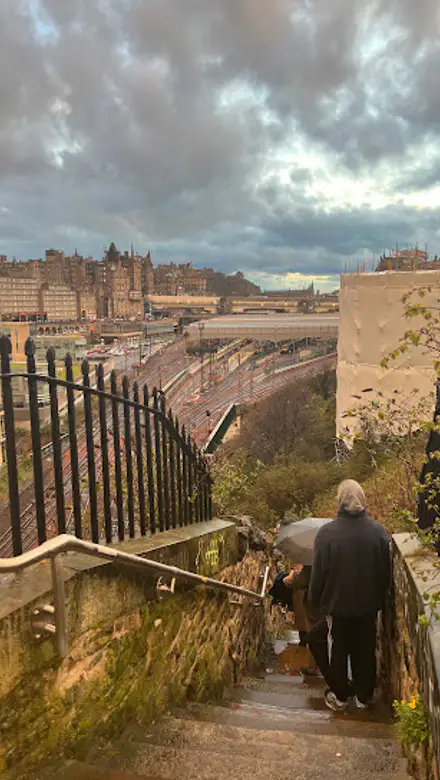
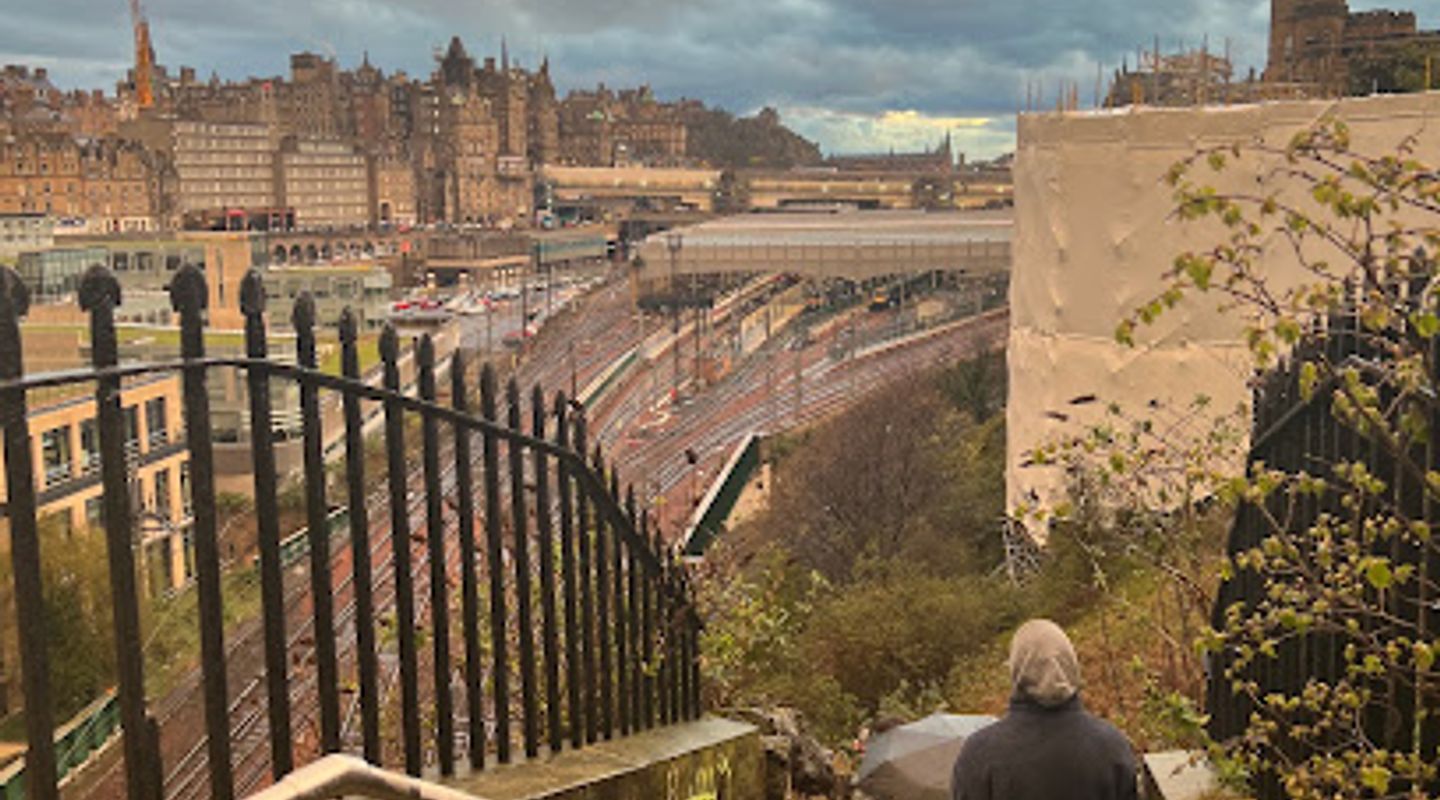
Jacob's Ladder is a steep, historic stairway in Edinburgh connecting Calton Road to Regent Road atop Calton Hill. Dating back to at least 1784, it was originally a funeral procession route to the Old Calton Burial Ground. Today, its 140 stone steps offer a challenging climb rewarded with panoramic views of Edinburgh’s Old Town, Castle, and Waverley Station. Recently refurbished with LED lighting and restored stonework, it serves as a unique shortcut and a glimpse into the city's layered history.
On-site amenities
 Seating areas
 Information boards
Opening hours
- Every dayOpen 24 hours
Opening hours as listed on the venue’s Google Business Profile. Hours can change for services and special events, so check with the venue before you go.
- Address
- Jacob's Ladder, Edinburgh EH1 3DG
Getting there
Public Bus
Train
Walking
Discover more about Jacob's Ladder
Origins and Historical Significance
Jacob's Ladder is a steep stone stairway carved into the volcanic rock of Calton Hill in Edinburgh. Its first known appearance on maps dates to 1784, though its use likely predates this, serving as a vital pedestrian route between the Old and New Towns before modern bridges existed. Historically, it was used as a funeral procession path leading mourners to the Old Calton Burial Ground, and possibly as a route for prisoners heading to the former Bridewell Jail. The biblical name references Jacob’s dream of a ladder to heaven, symbolizing the stairway’s steep ascent and spiritual associations.
Physical Challenge and Visitor Experience
The stairway comprises approximately 140 steps, making it a notably steep climb that demands a good level of fitness. Visitors often describe the ascent as physically demanding but rewarding, with spectacular views unfolding as you reach the top. The climb offers a unique perspective over Edinburgh’s skyline, including sights of Edinburgh Castle, North Bridge, the Old Town, and the bustling Waverley Station below. The path is also a practical shortcut connecting Calton Road and Regent Road, frequently used by locals and tourists alike.
Recent Restoration and Safety Enhancements
In 2018 and 2019, Jacob's Ladder underwent a significant £150,000 refurbishment led by Edinburgh World Heritage and local partners. The restoration included repairing stonework, repointing walls, and clearing overgrown vegetation to enhance safety and accessibility. A key feature of the upgrade is the installation of 120 meters of LED handrail lighting, which illuminates the stairway at night, improving visibility and deterring illicit activities that had previously plagued the area. The lighting creates a striking visual effect, resembling a glowing white snake winding down the hill.
Atmosphere and Surroundings
The stairway is nestled within the vibrant urban fabric of Edinburgh, linking the historic Calton Hill park area with the city’s central thoroughfares. The climb immerses visitors in a mix of natural volcanic rock formations and historic stone masonry. At the top, visitors find themselves near prominent monuments on Calton Hill, including the National Monument and the Nelson Monument, adding cultural depth to the experience. The area is lively during the day but can feel more secluded after dark, despite the lighting improvements.
Practical Tips and Visitor Considerations
Due to its steepness, Jacob's Ladder is best attempted by those with reasonable fitness and mobility. The steps can become slippery when wet, so caution is advised in rainy weather. It is recommended to carry water and take breaks if needed during the climb. While the stairway is open year-round and accessible at all hours, some visitors prefer to avoid it at night for safety reasons, despite the LED lighting. The pathway is free to access and does not have formal opening hours.
Jacob's Ladder in Edinburgh's Urban Landscape
Jacob's Ladder remains a distinctive feature of Edinburgh’s topography, embodying the city’s blend of natural geology and layered history. It provides a tangible link between the Old and New Towns and serves as a physical and symbolic ascent within the city. For those exploring Calton Hill and its monuments, the stairway offers both a practical route and a memorable experience, combining exercise, history, and panoramic urban views.
Evendo Review Centre
 Google
Guest reviews
Best time to go
Quietest: Jan, Feb & Dec · before 6am
Busy times are Evendo estimates for a typical year, to help you plan. Actual crowds vary with events, school holidays and the weather.
Explore Jacob's Ladder on the map
A handpicked selection of must-see spots near Jacob's Ladder, mapped for you.
Get your free copy of our complete guide to Jacob's Ladder, delivered straight to you.
Everything on this page, from opening hours and how to get there to Eve’s tips and the best time to go, in one PDF you can read offline, print or share.
Already have an account? Sign in
Your Jacob's Ladder guide is ready.
We'll send it to · Not you? Sign out

Getting your guide ready…
We are putting together a fresh copy of the Jacob's Ladder guide. This can take up to a minute.
This can take a few moments. If your browser asks, choose Allow so the download can start. You'll find the guide in your Downloads folder.
Nothing happened? Download it again
Sorry, the guide is taking longer than usual. Please try again in a minute, or get it by email instead.
Other nearby places you may find interesting
The closest places of the same kind, if this one is not quite what you had in mind.
-
-
-
-
-


Swipe for more places
More to explore near Jacob's Ladder

 Best experiences near Jacob's Ladder
 Best hotels near Jacob's Ladder
 Best landmarks near Jacob's Ladder
 Best attractions near Jacob's Ladder
 Best shops near Jacob's Ladder
 Best restaurants near Jacob's Ladder
 Best bars near Jacob's Ladder
Do you manage this location?
Take control to get all the benefits, like improved information, better appearance, and stronger visibility across AI-powered discovery.
Explore more
Explore more of Berwickshire
Discover Berwickshire: A blend of coastal beauty, historic landmarks, and charming villages in Scotland's serene southeastern corner.
Explore Berwickshire
Explore more of United Kingdom
Discover the United Kingdom: A blend of rich history, stunning landscapes, and vibrant cities, offering a unique travel experience for every visitor.
Explore United Kingdom