
St Cuthbert's Island, Berwickshire Travel Guide
A tidal hermitage steeped in medieval spirituality and the legendary refuge of Saint Cuthbert.
St Cuthbert's Island, also known as Hobthrush, is a tidal islet located just off Holy Island in Northumberland. Accessible only during low tide, this sacred site holds medieval chapel ruins and deep spiritual significance as the legendary retreat of Saint Cuthbert, one of England's most venerated saints. The island becomes completely separated from Holy Island as the tide rises, creating a unique and isolated spiritual sanctuary steeped in 1,400 years of Christian history.
A brief summary to St Cuthbert's Island
- Duration: 1 to 3 hours
- Free
-
 Outdoor
- Mobile reception: 3 out of 5

Know before you go
Hi, I'm Eve. Here are a few practical things to know before exploring St Cuthbert's Island.
- Always check official tide times before visiting. The island is accessible only during low tide, and the safe crossing window is shorter than for Holy Island's causeway. Plan to arrive at or just before low tide for the safest and most comfortable experience.
- Wear sturdy, waterproof footwear with good grip. The tidal flats can be muddy and slippery, and the rocks on the island are uneven and weathered. Bring a torch or headlamp if visiting in winter months when daylight is limited.
- Combine your visit with Holy Island's other attractions—Lindisfarne Priory, Lindisfarne Castle, and the St Cuthbert's Centre—to fully appreciate the region's rich Christian heritage and the interconnected spiritual landscape.
- Bring binoculars for birdwatching. The island and surrounding waters are home to eider ducks, seabirds, and other wildlife that reflect the ecological sanctuary Cuthbert himself protected over 1,300 years ago.
- Allow extra time for photography and contemplation. The island's isolation and the surrounding seascape create exceptional opportunities for both artistic and spiritual reflection, particularly during golden hour light.
Do you manage this location?
Take control to get all the benefits, like improved information, better appearance, and stronger visibility across AI-powered discovery. Learn more about listing your business on Evendo
Activate your presenceOther nearby places you may find interesting
The closest places of the same kind, if this one is not quite what you had in mind.

Explore St Cuthbert's Island on the Map
A handpicked selection of must-see spots near St Cuthbert's Island, mapped for you.
Getting There
-
Walking from Holy Island
From Holy Island village, walk toward the eastern shore and follow the marked path across the tidal flats toward St Cuthbert's Island. The walk takes approximately 15–25 minutes depending on tide level and terrain conditions. This route is free and accessible only during low tide; consult official tide tables before departing. The exposed sand can be muddy and slippery, so wear waterproof footwear with good grip. Allow extra time if the tide is not at its lowest point.
-
Guided walking tour from Holy Island
Several local operators offer guided walks across the tidal flats to St Cuthbert's Island, departing from Holy Island village. Tours typically last 2–3 hours and include historical interpretation. Guides ensure safe timing with the tides and provide insights into the island's spiritual and archaeological significance. Prices generally range from £12–20 per person. Tours operate year-round but are weather-dependent; advance booking is recommended, particularly during peak summer months.
-
Vehicle access to Holy Island causeway
Drive across the tidal causeway from the mainland to Holy Island (approximately 3 kilometers, 10–15 minutes depending on traffic). The causeway is open twice daily between low tides; check safe crossing times before departing. Parking is available on Holy Island near the village center. From there, walk to the eastern shore to access St Cuthbert's Island on foot. Causeway crossing is free; parking may incur a small fee during peak season.
-
Public transport to Holy Island
Bus services operate from nearby towns including Berwick-upon-Tweed (approximately 12 kilometers away, 20–30 minutes by bus) and Newcastle (approximately 120 kilometers away, 2–2.5 hours by bus). Services are less frequent in winter months. From the bus stop on Holy Island, walk to the eastern shore to access St Cuthbert's Island. Fares vary by operator and distance; typical costs range from £3–12 per journey. Always coordinate arrival times with official tide tables.
Discover more about St Cuthbert's Island
A Sacred Hermitage in the Tides
St Cuthbert's Island, locally known as Hobthrush, sits just offshore from Holy Island in Northumberland, England. This small tidal islet holds profound spiritual significance as the legendary retreat of Saint Cuthbert, one of the most venerated saints in medieval England. According to historical accounts preserved by the Venerable Bede, Cuthbert would escape to this rocky outcrop to find solitude away from the monastic community at Lindisfarne. The island's isolation—cut off completely by the rising tide—made it an ideal sanctuary for contemplative prayer and spiritual retreat. Today, visitors who time their visit carefully during low tide can walk across the exposed sands to experience the same sense of separation and peace that drew Cuthbert here over 1,300 years ago.Medieval Ruins and Archaeological Significance
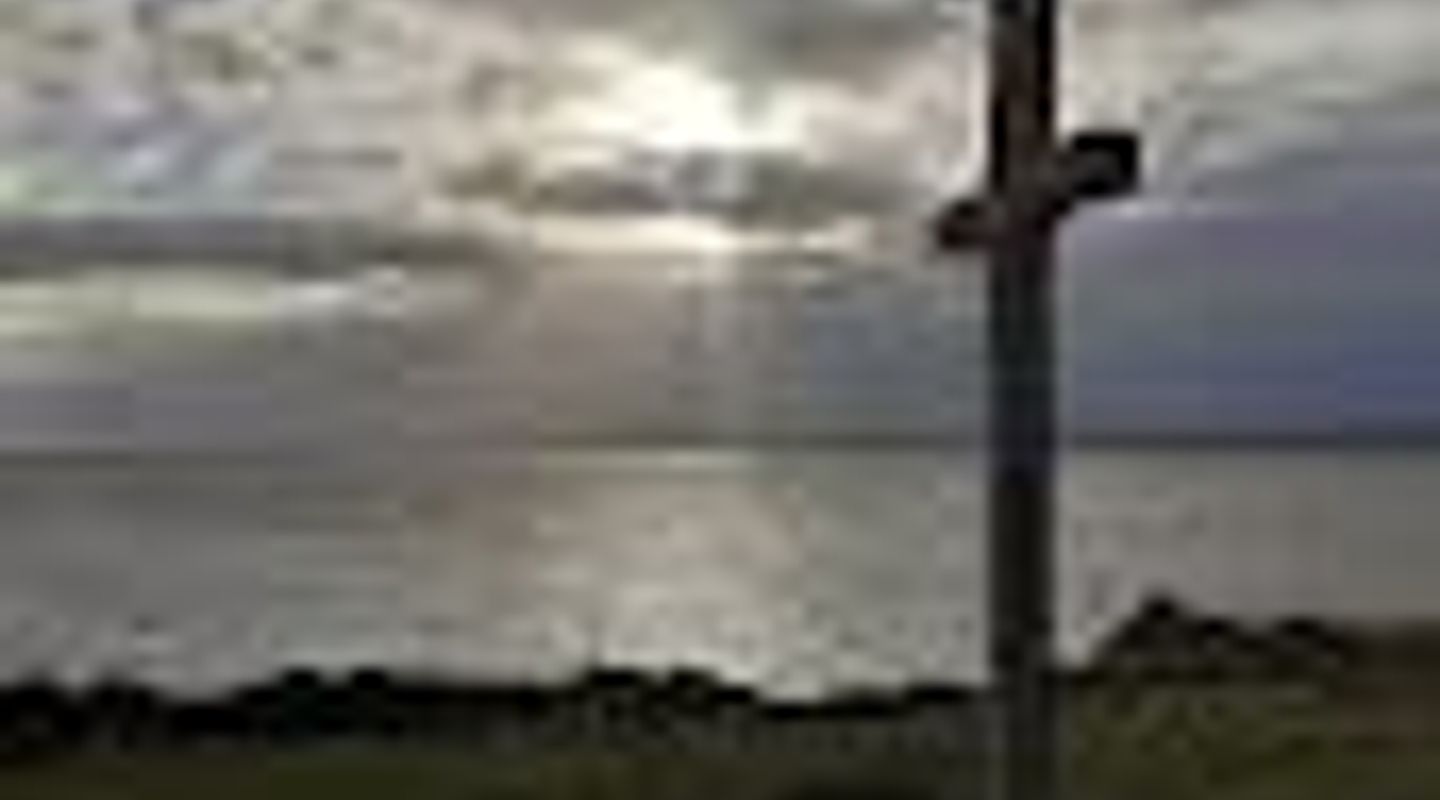
The most visible feature on St Cuthbert's Island is the remains of a post-Norman Conquest medieval chapel, a stone structure that stands as a testament to centuries of pilgrimage and devotion. Though not from Cuthbert's own era in the 7th century, this chapel represents the enduring reverence for the saint and the island's continued importance as a place of worship. The ruins were partially excavated in 1888 by Sir William Crossman, revealing fragments of the island's religious history. A large cross now marks the site, serving as a beacon visible from Holy Island and a symbol of the Christian faith that has anchored this location for over a thousand years. The chapel's stones, weathered by salt spray and Atlantic winds, tell stories of monks, pilgrims, and seekers who journeyed here seeking spiritual connection and healing.The Legend of Saint Cuthbert
Saint Cuthbert's life embodies the spiritual ideals of early Celtic Christianity. Born in the 7th century, he joined the monastery at Lindisfarne and eventually became its prior and later bishop. Despite his ecclesiastical duties, Cuthbert's heart remained drawn to solitary contemplation. He spent considerable time on St Cuthbert's Island before eventually moving to the even more remote Inner Farne, where he lived as a hermit surrounded by the creatures of the sea. Medieval texts describe miraculous encounters during his time on these islands—otters warming his feet after night-long vigils of prayer in the freezing sea, and divine provision of food when hunger threatened. Cuthbert's compassion extended to wildlife; he became known as a protector of eider ducks, which are still called cuddy ducks in the region, a name derived from his. His death in 687 marked the beginning of a saint's cult that would transform Lindisfarne into one of medieval Christendom's greatest pilgrimage destinations.Tidal Access and Visitor Experience
Visiting St Cuthbert's Island requires careful planning and respect for the tides that define this landscape. The island is accessible only during low tide, and the window of opportunity is considerably shorter than the causeway access to Holy Island itself. Visitors must consult official tide tables and follow the council's safe crossing times to avoid being stranded. The safest approach is to visit at the point of low tide or within the hour before it, when the sands are fully exposed and firm underfoot. The walk across the tidal flats offers a meditative experience—the sound of seabirds, the vast expanse of sand and shallow water, and the sense of stepping into a landscape that has remained largely unchanged for centuries. The tide rises swiftly once it turns, so timing and awareness are essential. This natural barrier that once protected Cuthbert's solitude now creates an adventure for modern pilgrims seeking to connect with the island's spiritual heritage.Landscape and Natural Setting
The island's rocky outcrops and windswept terrain reflect the harsh beauty of the Northumberland coast. Surrounded by the North Sea, St Cuthbert's Island experiences the full force of Atlantic weather—salt-laden winds, dramatic tidal movements, and the constant sound of waves. The landscape supports a rich variety of seabirds and marine life, continuing the ecological significance that Cuthbert himself recognized and protected. On clear days, views extend across the tidal flats to Holy Island's castle and priory ruins, creating a panorama that connects the island's spiritual geography. The exposed geology reveals layers of time, while the sparse vegetation adapted to salt spray speaks to the island's unforgiving environment. This is a place where nature's power is palpable and humbling.Pilgrimage and Modern Visitation
Today, St Cuthbert's Island remains part of a broader pilgrimage landscape that includes the 62-mile St Cuthbert's Way long-distance footpath, which begins in Melrose, Scotland, and concludes on Holy Island. The island attracts visitors seeking spiritual renewal, historical connection, and the unique experience of walking across tidal sands to reach a place of ancient devotion. Whether approached as a religious pilgrimage, a historical exploration, or simply an adventure into a remarkable landscape, the island offers a tangible link to medieval Christianity and the life of one of England's greatest saints. The combination of archaeological remains, natural beauty, and spiritual resonance makes St Cuthbert's Island a destination that rewards those willing to plan their visit around the rhythms of the tide.












Your all‑in‑one travel companion app
Explore expert travel guides, compare and book tours, experiences, hotels, and more—all from the palm of your hand. Download now for seamless trip planning wherever your wanderlust takes you.


Explore More of Berwickshire
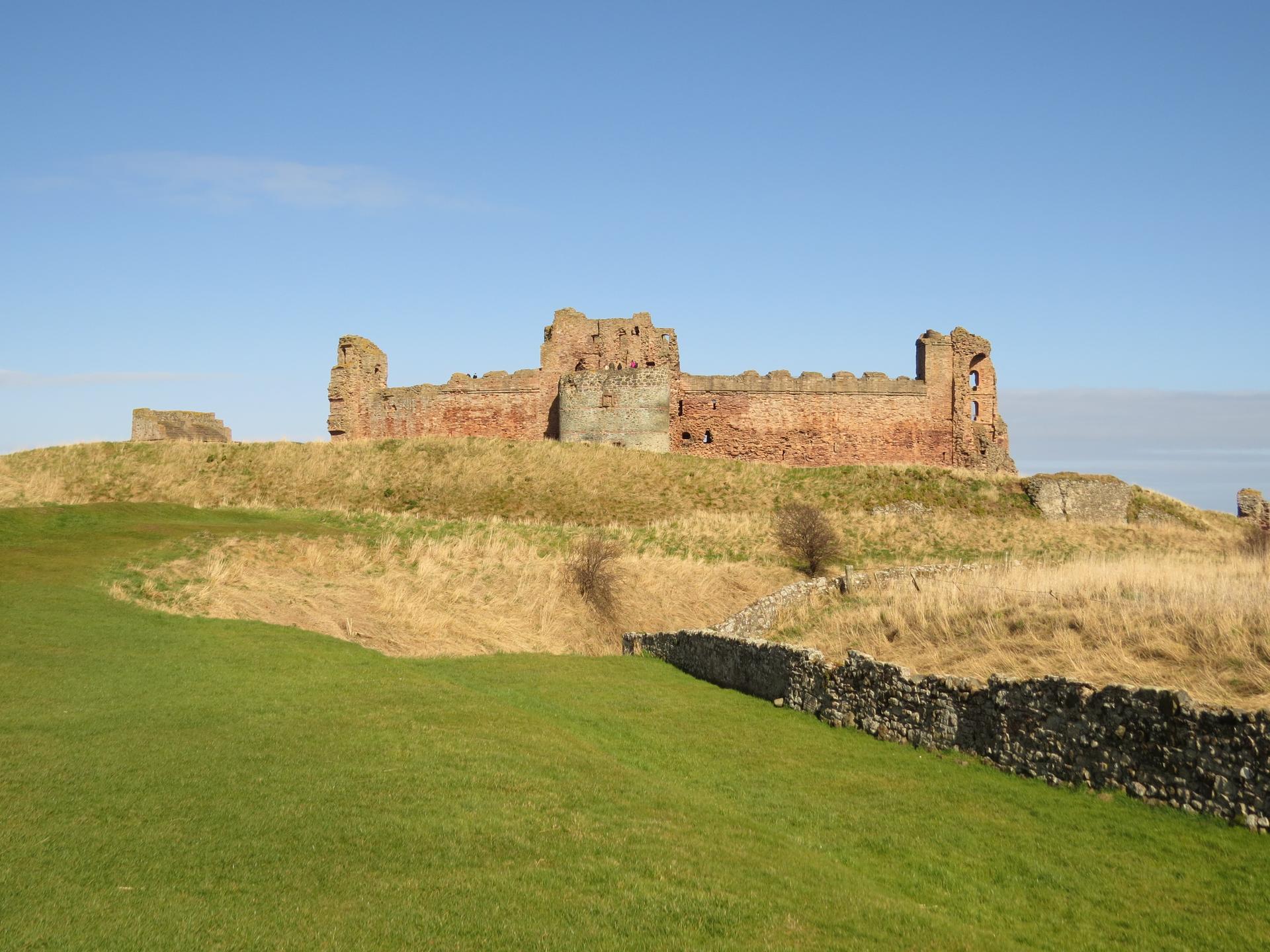
Looking beyond St Cuthbert's Island? Discover Berwickshire for broader travel guides, local hot-spots, and regional highlights.
Explore Berwickshire
Explore the evocative ruins of Littledean Tower, a 16th-century border fortress steeped in history, legend, and haunting tales along the River Tweed.
Historic 19th-century lighthouse at Berwick Pier’s end, offering stunning coastal views and a glimpse into Berwick-upon-Tweed’s maritime heritage.
