Glastonbury Abbey, Somerset Travel Guide
Explore the mystical ruins of Glastonbury Abbey, where history, legend, and spirituality intertwine in peaceful Somerset parkland.
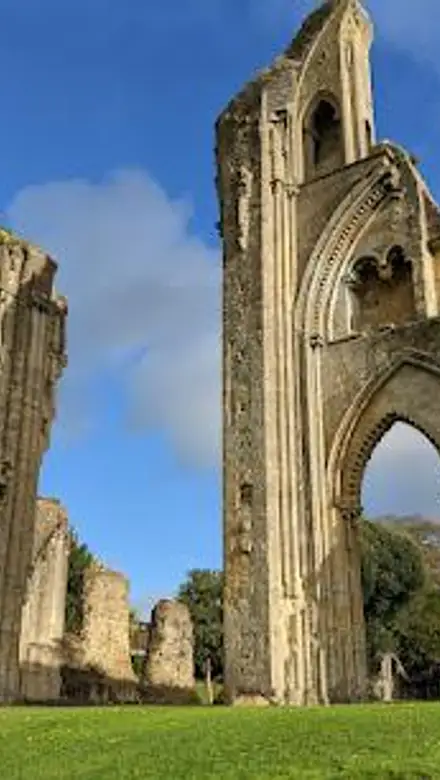
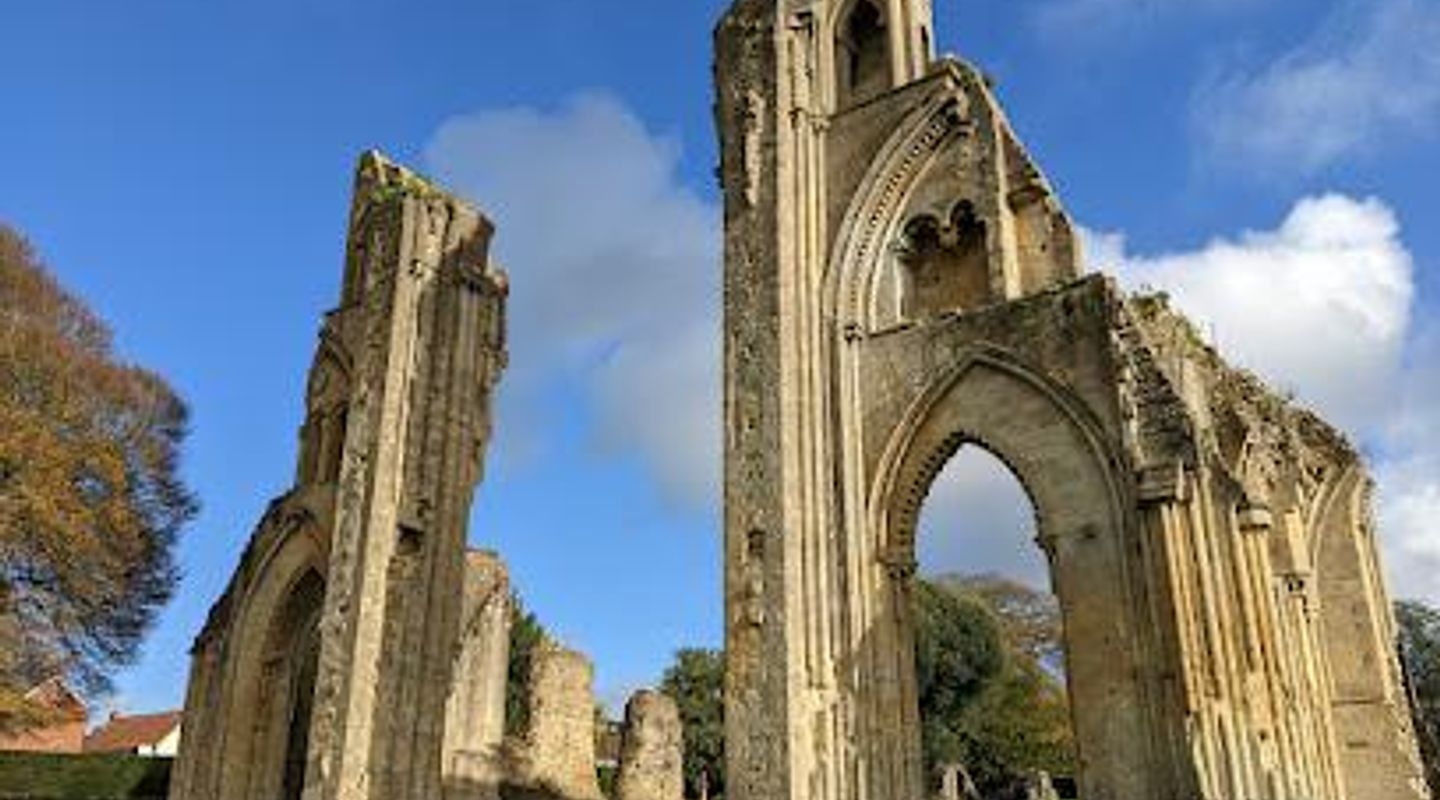
Glastonbury Abbey, located on Magdalene Street in Glastonbury, Somerset, is one of England’s most historically significant and legendary religious sites. Dating back to at least the 7th century with roots in earlier Christian traditions, the abbey is famed for its medieval ruins, connections to King Arthur and Joseph of Arimathea, and its role as a major pilgrimage destination. Set within 36 acres of tranquil parkland, visitors explore evocative ruins, a museum, and a visitor centre that bring its rich past to life.
A brief summary to Glastonbury Abbey
- Magdalene St, Glastonbury, BA6 9EL, GB
- Click to display
- Click to display
- Duration: 1 to 2 hours
- Mid ranged
-
 Outdoor
- Mobile reception: 4 out of 5
- Monday 10 am-4 pm
- Tuesday 10 am-4 pm
- Wednesday 10 am-4 pm
- Thursday 10 am-4 pm
- Friday 10 am-4 pm
- Saturday 10 am-4 pm
- Sunday 10 am-4 pm

Know before you go
Hi, I'm Eve. Here are a few practical things to know before exploring Glastonbury Abbey.
- Visit the award-winning museum inside the Visitor Centre to see a detailed model of the abbey as it was in 1539.
- Allow 1 to 2 hours to fully explore the 36 acres of grounds, ruins, and exhibits.
- Check the abbey’s event calendar for special guided tours and seasonal activities.
- Under 16s get free entry year-round, making it a great family-friendly destination.
Do you manage this location?
Take control to get all the benefits, like improved information, better appearance, and stronger visibility across AI-powered discovery. Learn more about listing your business on Evendo
Activate your presenceOther nearby places you may find interesting
The closest places of the same kind, if this one is not quite what you had in mind.


Explore Glastonbury Abbey on the Map
A handpicked selection of must-see spots near Glastonbury Abbey, mapped for you.
Unlock the Best of Glastonbury Abbey
Buy tickets
-
No tickets available
Book tours with entry


Getting There
-
Train and Bus
Take a train to Castle Cary station (approximately 30-40 minutes from Bristol or Bath), then catch the hourly bus service to Glastonbury town centre; total journey time around 1.5 to 2 hours. Bus stops are within walking distance of the abbey. Tickets cost approximately £8-£15.
-
Car
Driving from Bristol or Bath takes about 45-60 minutes via the A37 or A361. Parking is available near Glastonbury town centre but can be limited during peak times. Parking fees typically range from £3 to £6 for a day.
-
Local Bus
Frequent local bus services connect Glastonbury with nearby towns such as Street and Wells. Buses run approximately every 30 minutes during weekdays, with fares around £3-£5. The abbey is a short walk from the main bus stops.
For the on-the-go comforts that matter to you
-
 Restrooms
-
 Drink Options
-
 Food Options
-
 Seating Areas
-
 Information Boards
-
 Visitor Center
-
 Trash Bins
Discover more about Glastonbury Abbey
Ancient Origins and Early Christian Roots
Glastonbury Abbey’s history stretches back to the early medieval period, with archaeological evidence of a Saxon church built around 670–690 CE. Local legend holds that the site was originally founded in the 1st century by Joseph of Arimathea, who is said to have brought Christianity to Britain and established the first Christian sanctuary here. This tradition, alongside the abbey’s claim as the earliest Christian foundation in England, has made it a place of spiritual significance for centuries.Medieval Grandeur and Architectural Evolution
The abbey flourished during the Middle Ages, becoming one of England’s wealthiest and most powerful monasteries. After a devastating fire in 1184 destroyed the original structures, a grand rebuilding effort led to the consecration of the Great Church in 1213. The abbey’s architecture evolved over time, with notable additions such as the Lady Chapel and Abbot’s Kitchen, one of only three surviving medieval kitchens worldwide. The site’s extensive grounds and buildings reflected its religious importance and the abbot’s considerable influence.Legends of King Arthur and Spiritual Mystique
Glastonbury Abbey is famously linked to the legend of King Arthur and Queen Guinevere. In 1191, monks claimed to have discovered their tombs within the abbey grounds, a discovery that reinforced Glastonbury’s status as the mystical Isle of Avalon. This connection, along with the Joseph of Arimathea legend and stories of the Holy Grail, has imbued the abbey with a unique blend of history and myth that continues to captivate visitors.The Dissolution and Decline
The abbey’s fortunes waned during the 16th century with the Dissolution of the Monasteries under King Henry VIII. The last abbot, Richard Whiting, was executed in 1539 for resisting the king’s reforms, marking a violent end to the abbey’s religious life. The site was stripped of valuables and fell into ruin, but its legendary status and historical importance endured.Modern-Day Experience and Preservation
Today, Glastonbury Abbey is a protected historic site open to the public year-round. Visitors can explore the evocative ruins spread across 36 acres of peaceful parkland, visit the award-winning museum with detailed models and exhibits, and enjoy the recently redeveloped Abbey Yard with its café and gift shop. The abbey offers a serene atmosphere enriched by its deep spiritual and cultural heritage.Spiritual and Cultural Significance
Beyond its architectural and historical value, Glastonbury Abbey remains a place of pilgrimage and spiritual reflection. Its intertwining of Christian tradition with Arthurian legend creates a unique cultural tapestry. The abbey’s story is also linked to English literary and musical heritage, including connections to William Blake’s “Jerusalem” and the coronation rituals of British monarchs.












Your all‑in‑one travel companion app
Explore expert travel guides, compare and book tours, experiences, hotels, and more—all from the palm of your hand. Download now for seamless trip planning wherever your wanderlust takes you.


Explore More of Somerset
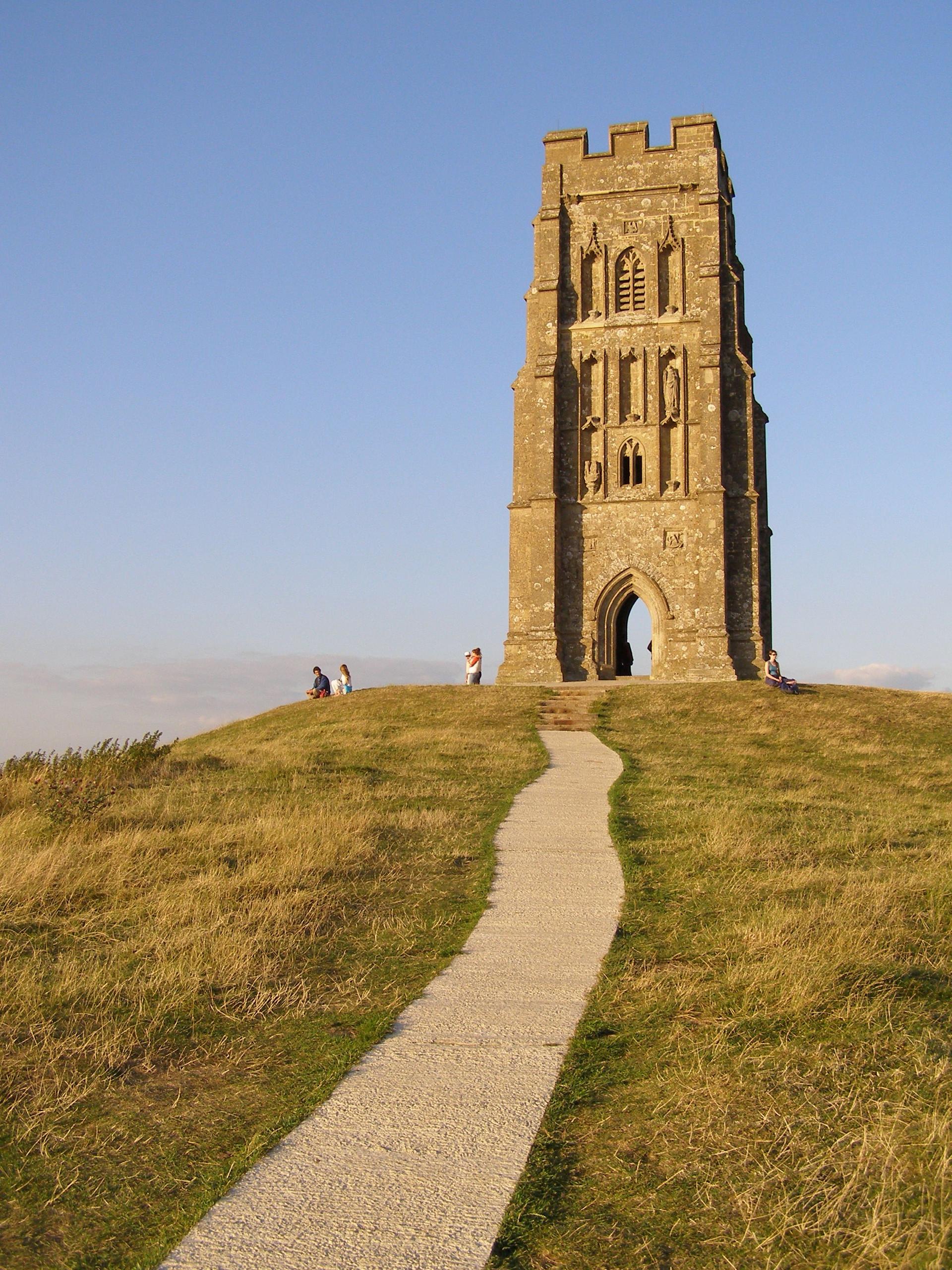
Looking beyond Glastonbury Abbey? Discover Somerset for broader travel guides, local hot-spots, and regional highlights.
Explore Somerset