

Twerton Park: Historic Home of Bath City FC
Historic football stadium in Bath, home to Bath City FC since 1932, known for its vibrant atmosphere and memorable matches.
Twerton Park is a historic football stadium in the Twerton suburb of Bath, England, serving as the home ground of Bath City FC since 1932. With a current capacity of 8,840, including 1,006 seats, it has witnessed memorable matches such as the record attendance of 18,020 in the 1960 FA Cup. The stadium features four distinct stands and remains a central hub for local football culture and community spirit.
A brief summary to Twerton Park
- 105 High St, Bath, Twerton, BA2 1DB, GB
- +441225423087
- Duration: 1 to 3 hours
- Budget
-
 Outdoor
- Mobile reception: 4 out of 5
Local tips
- Check match schedules in advance as the stadium hosts Bath City FC and occasionally other local teams.
- Arrive early to soak in the lively local atmosphere and explore the distinct stands.
- Wear comfortable footwear as some terraces are uncovered and the stadium has older infrastructure.
- Engage with local fans to learn about the club’s rich history and community significance.

For the on-the-go comforts that matter to you
- Restrooms
- Drink Options
- Food Options
- Seating Areas
- Trash Bins
- Information Boards
Getting There
-
Bus
Local bus services connect Bath city centre to Twerton Park in approximately 15-25 minutes. Buses run frequently during match days but check schedules as frequency reduces in the evenings. A single fare costs around £2.50 GBP.
-
Train and Walk
Bath Spa railway station is about 2.5 km from Twerton Park. From there, a 30-minute walk or a short taxi ride (around 10 minutes) can take you to the stadium. Taxi fares typically range from £7 to £12 GBP.
-
Car
Driving to Twerton Park is possible with parking available in nearby streets, though spaces are limited on match days. Travel times from Bath city centre range from 10 to 20 minutes depending on traffic. Parking is free but subject to local restrictions.
Twerton Park location weather suitability
-
 Any Weather
-
 Rain / Wet Weather
-
 Clear Skies
-
 Mild Temperatures
Discover more about Twerton Park
Origins and Early Development of Twerton Park
Twerton Park originally opened as Innox Park in 1909 on land donated by Thomas Carr, but it was not until 1932 that it was transformed into a football stadium. Bath City FC moved to Twerton Park that year, marking a significant milestone in the club’s history. The initial construction included The Grandstand, the first of four stands, and the site required extensive work to become a proper football ground, lacking any cover or spectator facilities at the outset.Architectural Layout and Capacity
The stadium currently holds a physical capacity of 8,840, with 1,006 seated places. It is divided into four stands: the Grandstand, the Bath End, the Popular Side, and the Bristol End. Historically, the stadium could accommodate up to 20,000 spectators, with the highest recorded attendance being 18,020 during a 1960 FA Cup match against Brighton & Hove Albion. Over the years, modifications such as terracing and pitch repositioning have enhanced spectator space and safety.Significant Matches and Club Legacy
Twerton Park has been the backdrop for many memorable moments in Bath City FC’s history. The 1960 FA Cup third-round tie against Brighton & Hove Albion remains legendary for its record crowd and electrifying atmosphere. The stadium also hosted Bristol Rovers from 1986 to 1996 and became the home ground for Bristol City Women in 2020. Bath City’s successes, including Southern League triumphs and Anglo-Italian Cup finals in the 1970s, are intertwined with the stadium’s identity.The Stadium’s Role in the Community
Beyond football, Twerton Park serves as a community landmark in Bath’s Twerton suburb. The local crowd and atmosphere contribute to its charm, making it a gathering place for sports fans and residents alike. Despite financial challenges and the need for redevelopment, the stadium remains a symbol of local heritage and sporting passion.Current Status and Facilities
Today, Twerton Park operates with a safety certificate restricting attendance to around 3,528, reflecting ongoing concerns about the stadium’s condition. The playing surface is natural grass, and some stands offer covered terraces while others remain open. The club maintains a programme for matches, and the stadium retains its traditional black and white striped colors, emblematic of Bath City FC’s nickname, The Romans.Future Prospects and Challenges
Twerton Park faces challenges including aging infrastructure and financial constraints limiting redevelopment. Discussions about potential new stadium sites or major renovations continue, reflecting the club’s ambition to secure a sustainable future. However, the stadium’s rich history and deep roots in Bath’s sporting culture ensure it remains a cherished venue for football and community events.Iconic landmarks you can’t miss

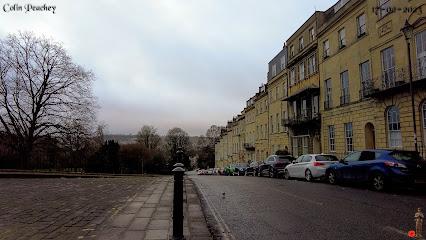
Marlborough Buildings
2.0 km
Georgian elegance in a Grade II listed terrace, where Bath's architectural ambition meets refined 18th-century townhouse design.
Green Park Station
2.0 km
Historic railway station turned vibrant market hub offering fresh local produce, unique crafts, lively eateries, and cultural events in Bath.
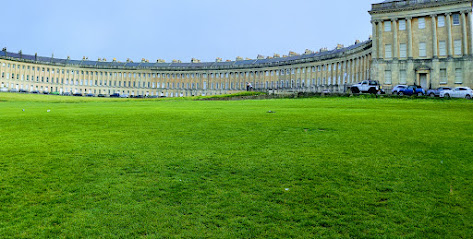
Royal Cres
2.1 km
Experience Bath’s Royal Crescent, a stunning Georgian crescent with iconic Ionic columns, historic charm, and sweeping parkland views.
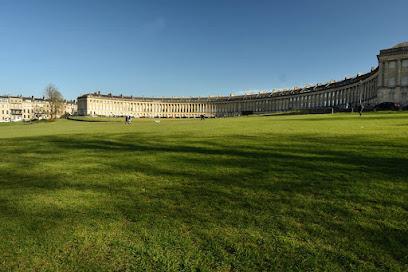
The Royal Crescent
2.1 km
Georgian perfection in stone: 150 metres of architectural harmony overlooking Bath's parkland landscape.

Bath Quays Waterside
2.2 km
A vibrant, sustainable waterside regeneration reconnecting Bath’s city centre with its historic river heritage and green public spaces.
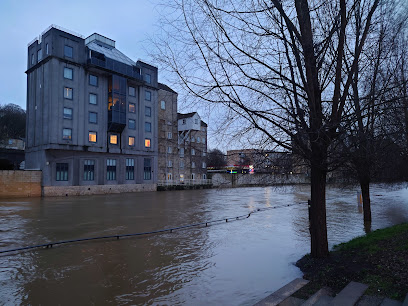
Part of the mediaeval wall of the City of Bath
2.4 km
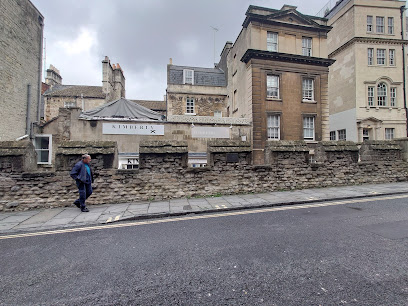
Explore a rare surviving fragment of Bath’s medieval city walls, a stone sentinel guarding centuries of history at 13 Trim Street.
The Pump Room Restaurant
2.5 km
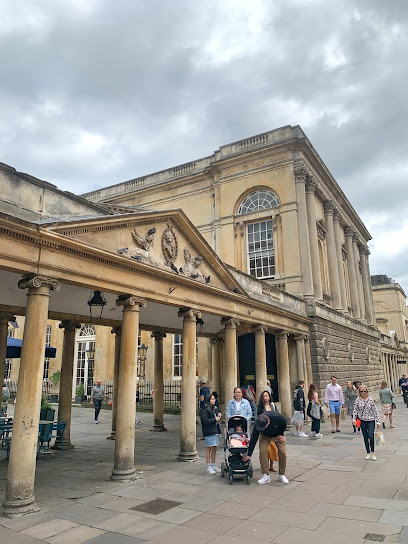
Experience exquisite British and European cuisine in a historic setting at The Pump Room Restaurant, a must-visit gem in Bath.
Archway
2.5 km
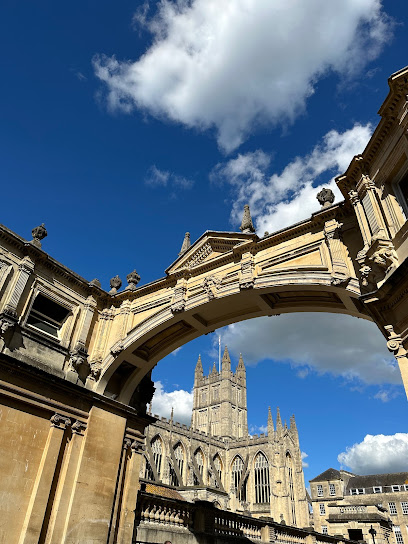
Discover Bath’s elegant Victorian Archway, a historic stone bridge carrying spa waters across York Street in the city’s UNESCO heritage heart.
Parte de la muralla medieval de la ciudad de Bath
2.6 km
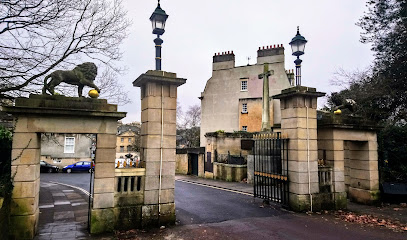
Explore a rare surviving fragment of Bath’s medieval city wall, a gateway to the city’s rich Roman and medieval heritage.
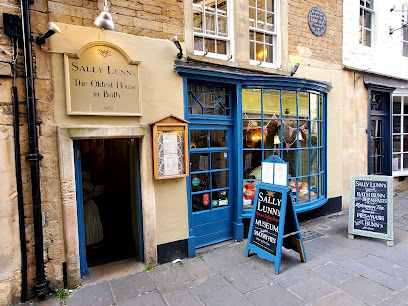
Sally Lunn’s Historic Eating House & Museum
2.6 km
Experience the rich history and delectable flavors at Sally Lunn’s Historic Eating House & Museum in Bath, where tradition meets taste.
Victoria Art Gallery
2.6 km
Explore the Victoria Art Gallery in Bath, where diverse art collections and serene ambiance come together for an unforgettable cultural experience.
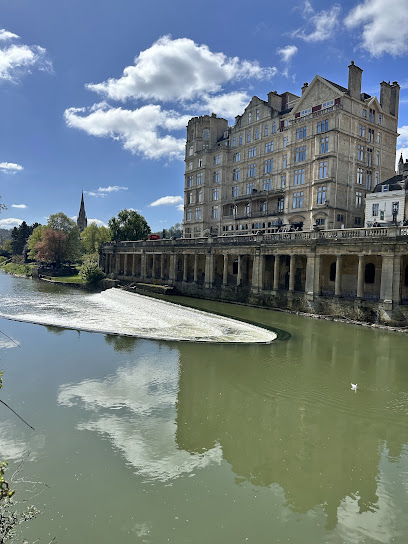
Museum of Bath Architecture
2.6 km
Explore Bath’s architectural evolution from medieval roots to Georgian grandeur in a compact, richly detailed museum setting.
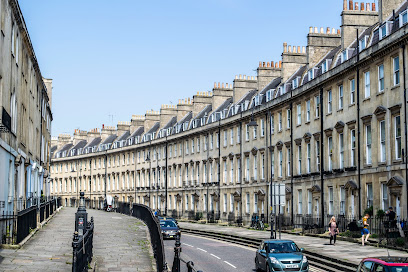
In and Beyond Bath
2.6 km
Experience the rich history and stunning architecture of Bath with personalized tours from In and Beyond Bath, your expert local travel guide.
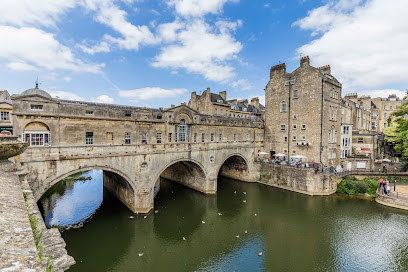
Old Theatre Royal
2.6 km
Discover the historic Old Theatre Royal in Bath, a cultural hub blending stunning architecture and vibrant events for an unforgettable experience.
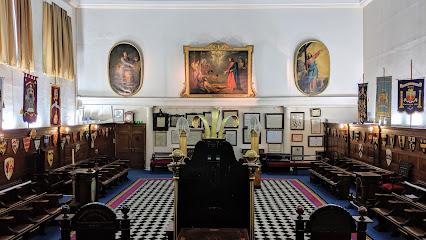
Bath Masonic Hall
2.6 km
Discover the hidden history and architectural beauty of Bath Masonic Hall, a unique tourist attraction that unveils the secrets of Freemasonry.
Unmissable attractions to see

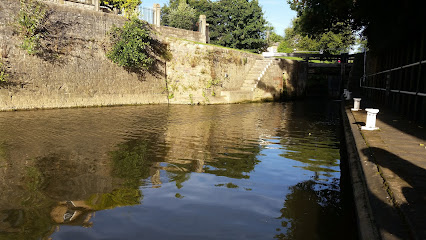
Weston Lock
0.4 km
Historic and tranquil canal lock in Bath, blending heritage, nature, and urban charm along the Kennet & Avon Canal.
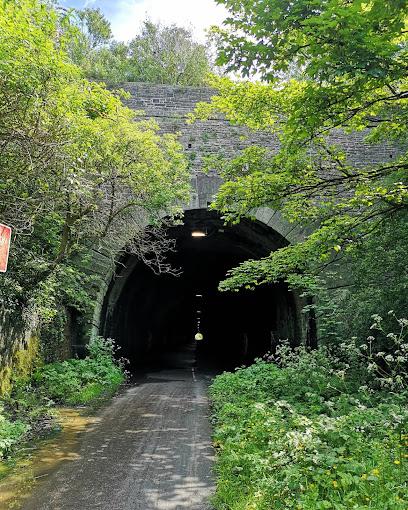
Bristol And Bath Railway Path
1.1 km
A scenic, 13-mile traffic-free trail linking Bristol and Bath, perfect for cycling, walking, and exploring historic railway heritage.
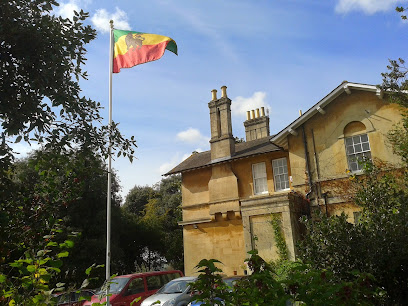
Fairfield House
1.3 km
Discover the inspiring legacy of Emperor Haile Selassie I at Fairfield House, a historic cultural hub in Bath blending heritage, community, and history.
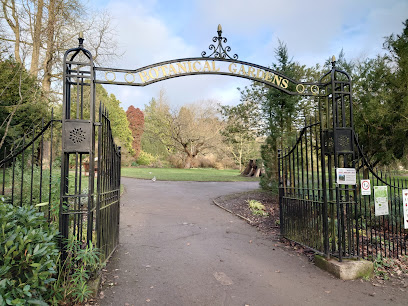
Botanical Gardens
1.5 km
A historic and tranquil nine-acre botanical oasis in Bath’s Royal Victoria Park, blending rich plant collections with cultural heritage and serene woodland walks.
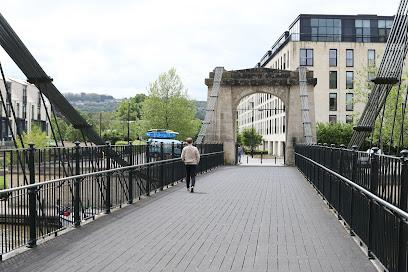
Victoria Bridge
1.6 km
Explore Victoria Bridge, a pioneering Victorian suspension bridge blending engineering innovation with Bath’s historic riverside charm.
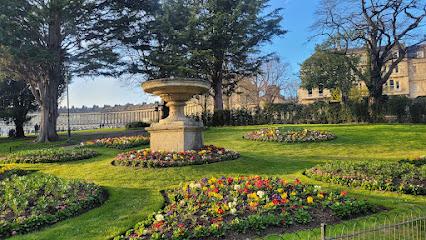
Royal Victoria Park Bath
1.9 km
Historic 57-acre urban park in Bath with botanical gardens, playgrounds, tennis courts, and seasonal events beneath the iconic Royal Crescent.
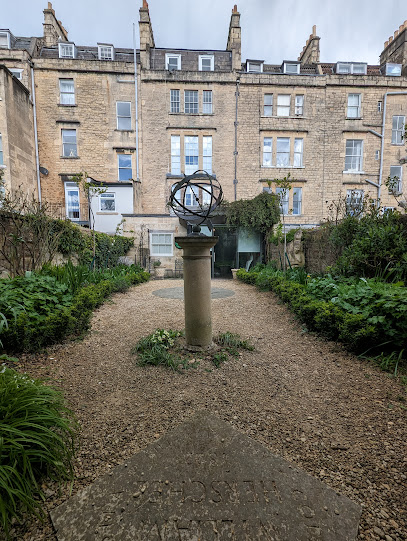
Herschel Museum of Astronomy
2.0 km
Explore the birthplace of Uranus’s discovery in a charming Georgian townhouse blending astronomy, music, and history in Bath.
Royal Crescent
2.0 km
Experience the grandeur of Georgian architecture and history at Bath’s iconic Royal Crescent, a sweeping terrace of elegant 18th-century homes.
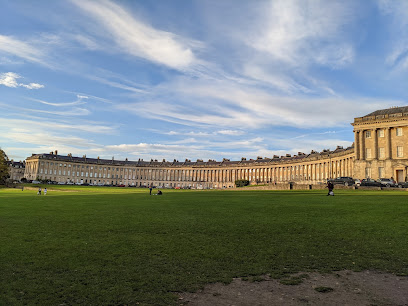
Royal Avenue Bath
2.1 km
A peaceful, tree-lined promenade in Royal Victoria Park with live music, café comforts, and stunning views of Bath’s historic landmarks.
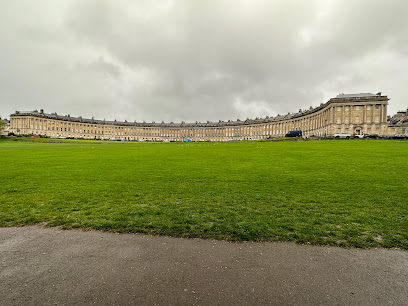
Victoria Falls Adventure Golf
2.1 km
An enchanting 18-hole adventure golf course in Bath, blending scenic gardens and playful challenges for all ages.
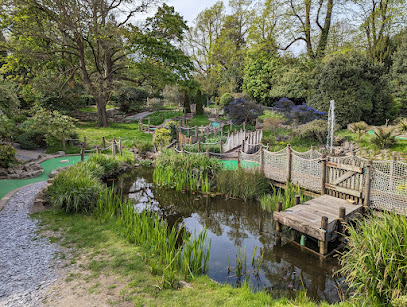
Ginger Bird Explores
2.1 km
Discover Bath’s rich history and vibrant food scene on intimate walking tours led by a passionate local guide.
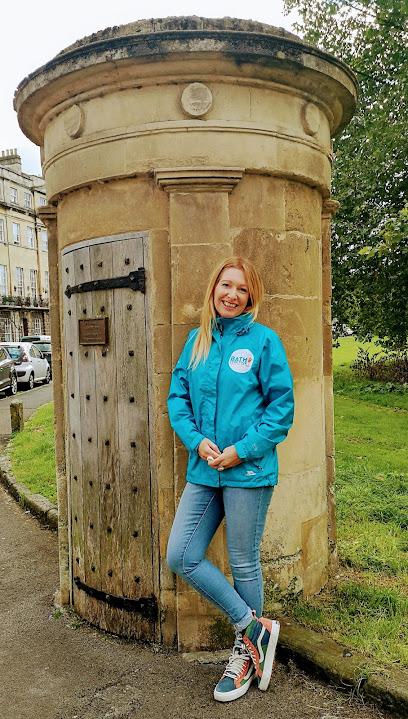
No. 1 Royal Crescent
2.1 km
Step back into Georgian elegance at No. 1 Royal Crescent, Bath’s iconic townhouse museum showcasing 18th-century aristocratic life in stunning detail.
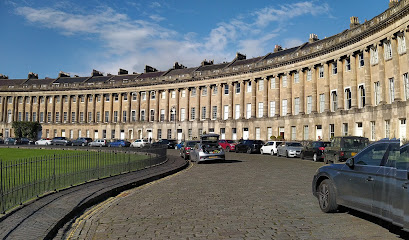
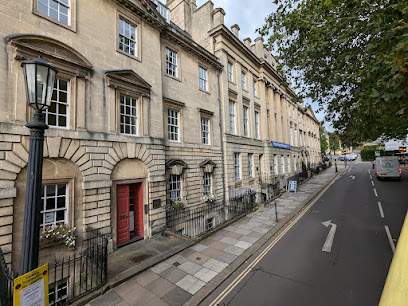
Bath Royal Literary and Scientific Institution
2.2 km
A historic Georgian venue in Bath inspiring minds with science, literature, and art for over 200 years.
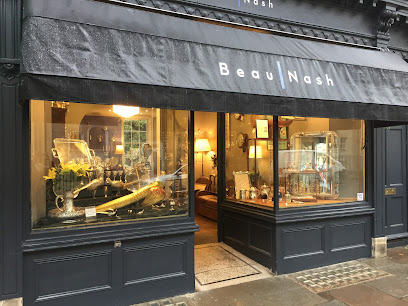
Beau Nash
2.2 km
Discover exquisite antique furniture in Bath’s historic district at Beau Nash, where timeless craftsmanship meets elegant heritage.
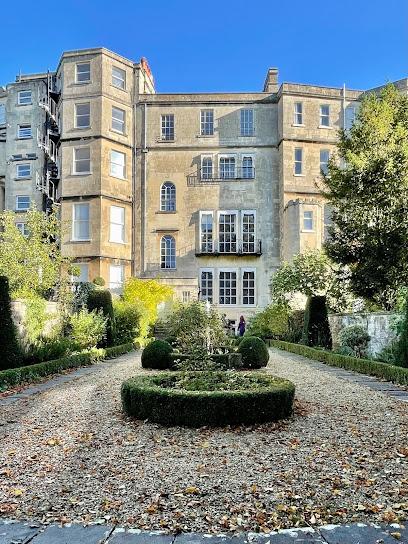
Georgian Garden
2.2 km
Step into Bath’s Georgian Garden, a serene, historically restored 18th-century town garden nestled between iconic Georgian landmarks.
Essential places to dine

Bouvardia Restaurant
1.0 km
Experience Bath’s finest fine dining with exquisite British and European cuisine in an elegant, luxurious setting at Bouvardia Restaurant.
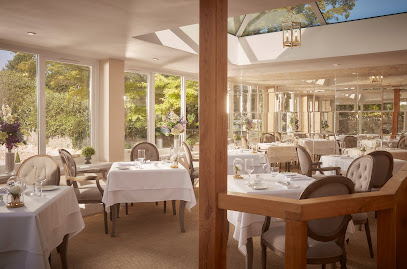
The Bath Priory
1.5 km
Elegant 5-star country house hotel in Bath offering fine dining, award-winning gardens, spa, and a serene escape near the city centre.
Restaurant at The Bath Priory
1.6 km
Elegant French and British dining in a charming country house setting with exquisite cuisine and a superb wine list in historic Bath.
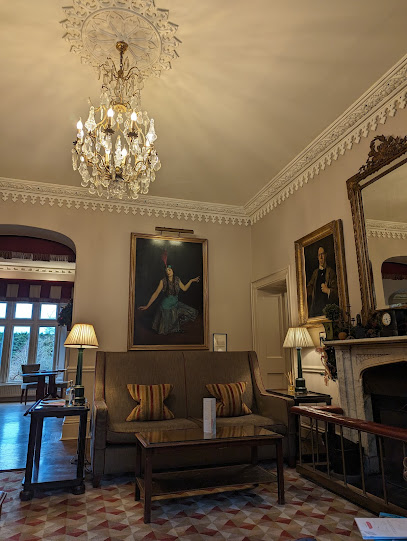
Green Park Brasserie
2.0 km
Historic railway charm meets live jazz and seasonal local cuisine in Bath’s vibrant Green Park Brasserie.
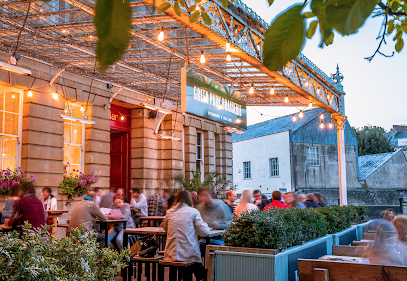
Montagu's Mews
2.1 km
Contemporary British fine dining in a Georgian setting, where seasonal ingredients and technical mastery meet genuine hospitality.
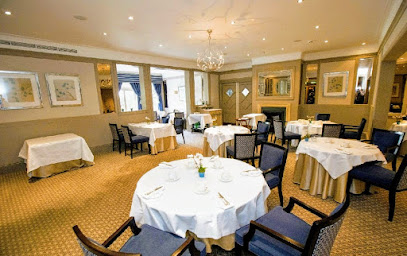
Bar + Block Steakhouse Bath
2.1 km
Experience expertly hand-cut steaks and vibrant British flavors in the heart of Bath at Bar + Block Steakhouse.
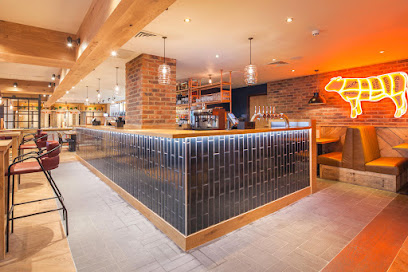
Corkage Bath
2.2 km
Award-winning wine bar and restaurant serving creative Mediterranean small plates in a charming Bath city-centre setting.
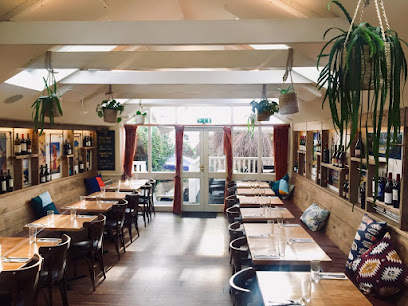
Crescent Restaurant & Bar Bath
2.2 km
A cozy, family-run restaurant near Bath’s Royal Crescent serving fresh, seasonal dishes with local ingredients in a warm, inviting setting.
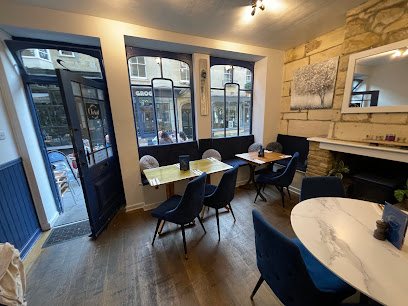
The Circus Restaurant
2.3 km
Classic Georgian charm meets seasonal European cuisine in a warm, relaxed setting between Bath’s iconic Circus and Royal Crescent.
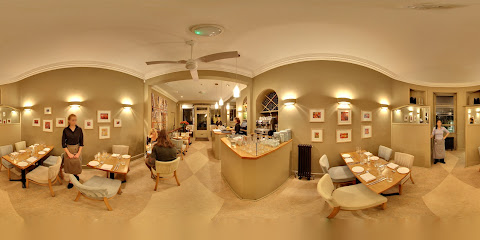
Boho Marché
2.3 km
Experience vibrant Moroccan-Mediterranean fusion cuisine in Bath’s eclectic Boho Marché, where bold flavors meet whimsical décor.
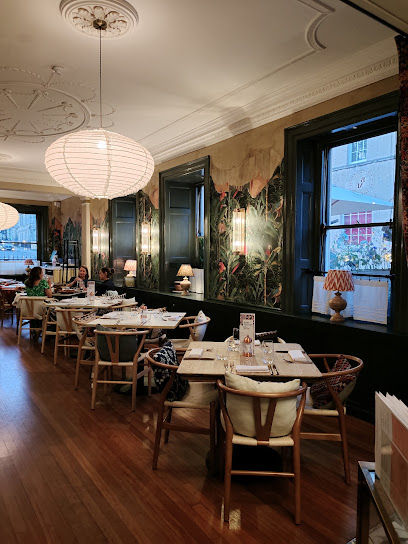
Las Iguanas - Bath
2.3 km
Experience bold Latin American flavors and vibrant cocktails in the heart of Bath’s lively Seven Dials district.
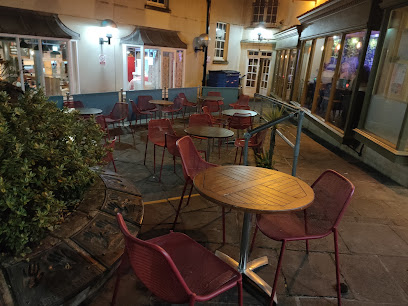
Thai Balcony Restaurant
2.3 km
Authentic Thai dining with a charming balcony view in the heart of Bath’s vibrant Seven Dials district.
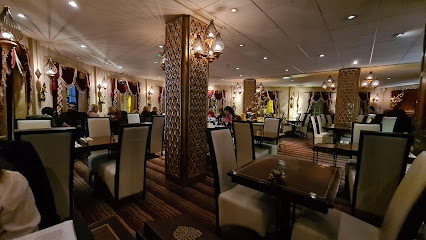
Pintxo de Bath
2.3 km
Authentic Basque tapas and sherry bar in Bath’s theatre district with a sunny garden and vibrant Spanish flavors.
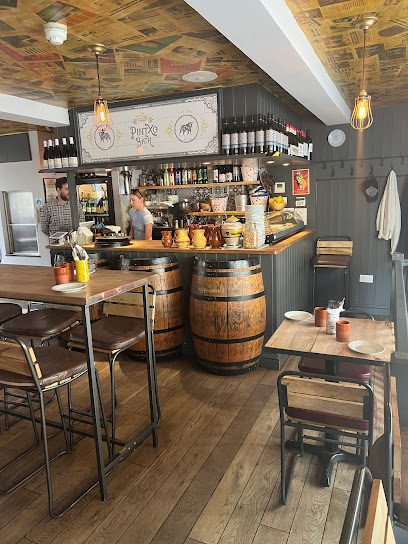
Amarone Restaurant
2.3 km
Experience authentic Italian cuisine and elegant ambiance in the heart of historic Bath at Amarone Restaurant.
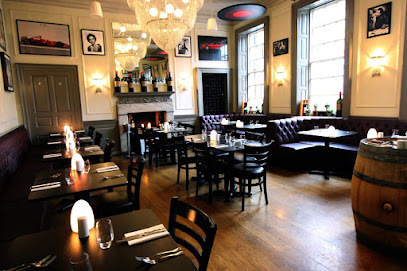
Raphael Restaurant
2.3 km
A relaxed, wine-focused restaurant in a Georgian townhouse, serving modern British dishes with seasonal, local ingredients in the heart of Bath.
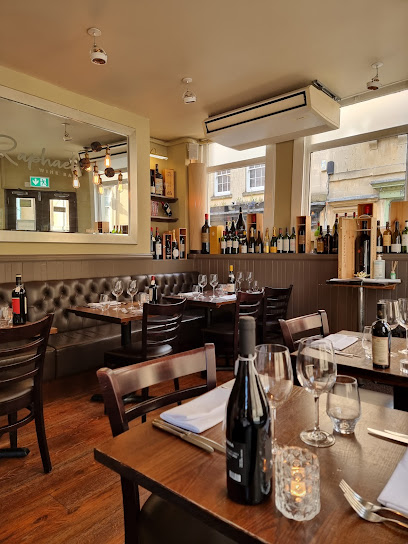
Markets, malls and hidden boutiques

The Bath Independent Market
2.0 km
Discover Bath’s vibrant independent makers beneath the iconic glass roof of Green Park Station every Sunday.
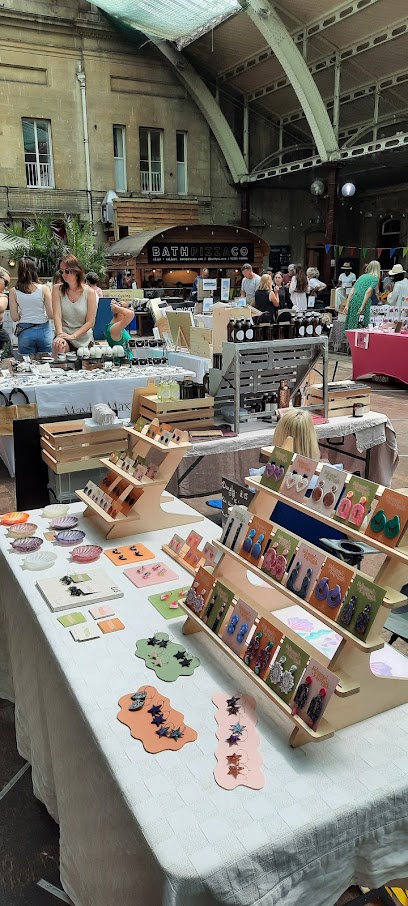
Grace & Mabel Ltd
2.4 km
Discover timeless British and European fashion with a sustainable focus at Grace & Mabel, Bath’s family-run boutique gem.
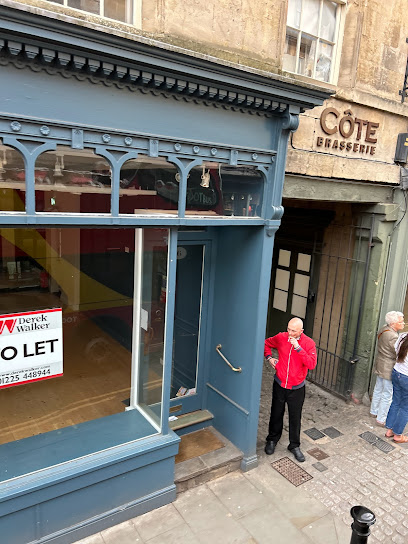
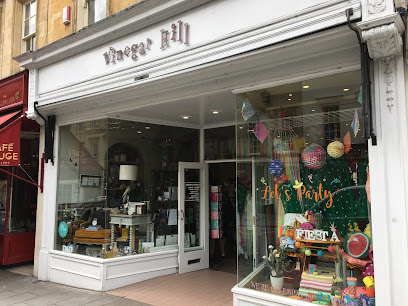
Vinegar Hill
2.4 km
Discover quirky gifts and unique homewares in the heart of Bath’s historic Milsom Street at Vinegar Hill.
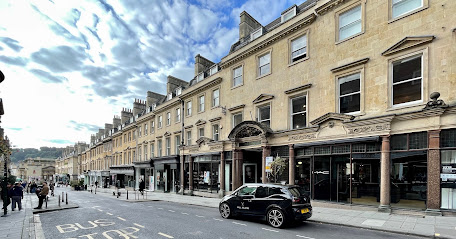
House of Fraser
2.4 km
Historic department store blending heritage and modern retail in the heart of Bath’s shopping district.
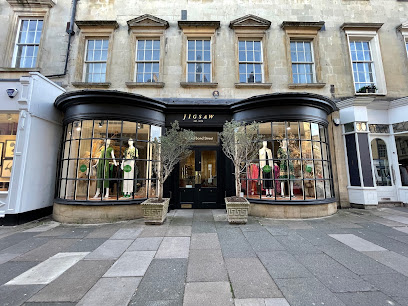
Jigsaw
2.4 km
Elegant ladies’ fashion and accessories boutique offering refined style and attentive service in the heart of Bath’s historic Old Bond Street.
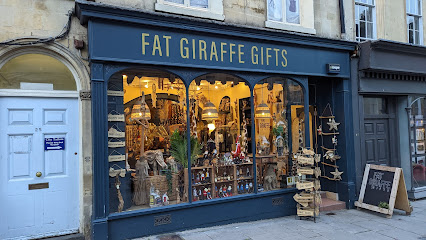
Fat Giraffe Gifts
2.4 km
Discover unique, handcrafted wooden gifts with a sustainable heart at Bath’s welcoming Fat Giraffe Gifts on Milsom Street.
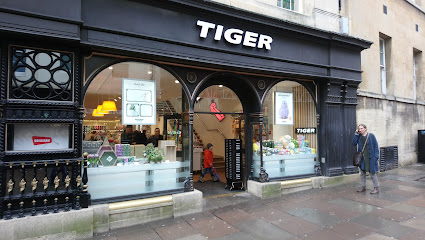
Flying Tiger Copenhagen
2.4 km
Discover playful Scandinavian design and affordable creative gifts at Flying Tiger Copenhagen in Bath’s vibrant Union Street.
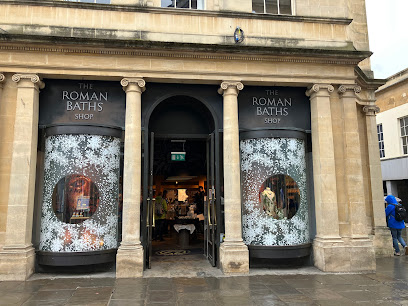
The Roman baths shop
2.4 km
Discover unique Roman-inspired gifts and souvenirs in the heart of Bath’s historic city center.
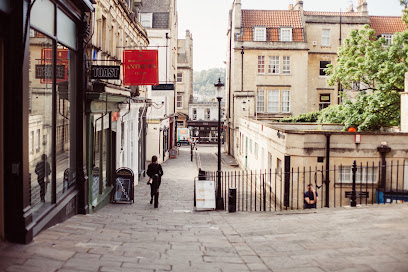
BIBICO
2.4 km
Discover timeless, ethically made women’s fashion at BIBICO, Bath’s pioneering boutique for sustainable and artisan-crafted clothing.
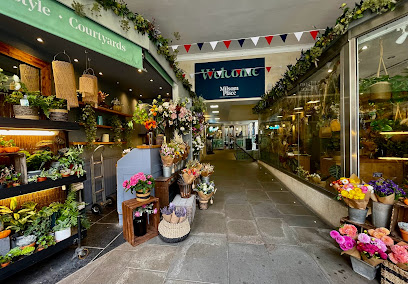
Milsom Place
2.4 km
Discover Bath’s elegant Georgian shopping and dining oasis nestled within tranquil courtyards on fashionable Milsom Street.
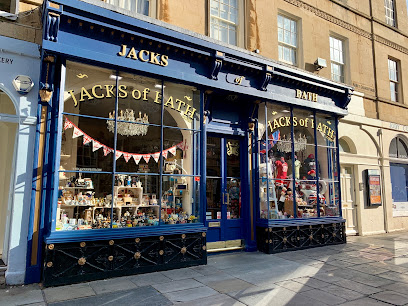
Jacks of Bath
2.5 km
Discover authentic Bath souvenirs in a charming boutique nestled in the historic Abbey Churchyard, perfect for unique gifts and keepsakes.
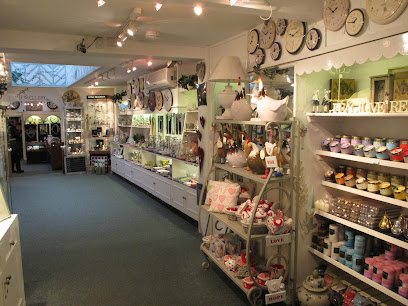
The Silver Shop Of Bath
2.5 km
Discover Bath’s longest-established silver jewellery shop, offering unique gifts and expert craftsmanship in a charming historic setting.
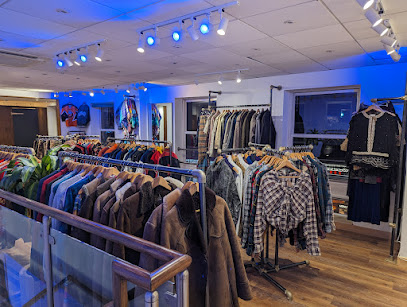
Firefly Vintage Bath
2.5 km
Discover unique vintage gems and timeless style at Firefly Vintage Bath, a cozy boutique for curated vintage clothing in the heart of Bath.
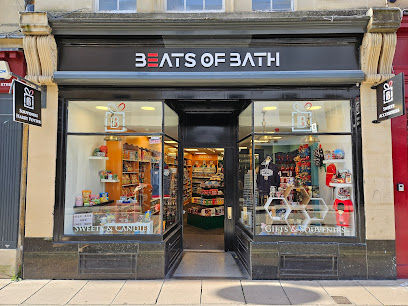
Beats Of Bath
2.5 km
Discover unique gifts and artisan treasures in the heart of Bath’s historic Cheap Street at Beats Of Bath.
Always Sunday
2.5 km
A vibrant Bath boutique blending vintage charm, artisan homewares, and creative community spirit in a colorful, maximalist setting.
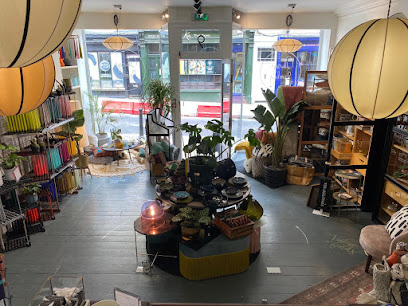
Essential bars & hidden hideouts

Saint James Wine Vaults
2.2 km
Authentic Bath pub blending historic charm with vibrant live music and creative community spaces.
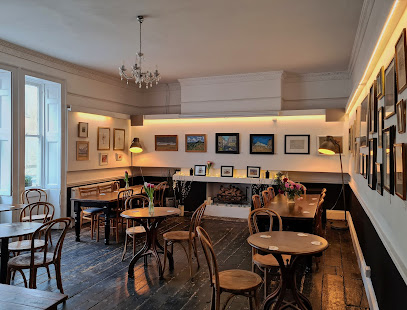
The Dark Horse
2.2 km
Discover Bath’s moody, intimate cocktail bar with inventive drinks, warm service, and a hidden underground charm.
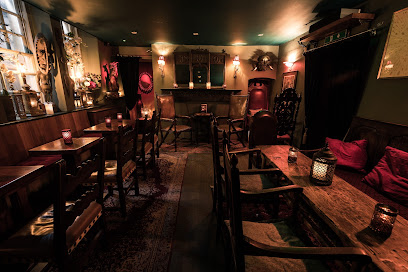
Vino Vino
2.3 km
Sophisticated yet relaxed wine and cocktail bar in Bath with artisan sharing plates and a vibrant al fresco terrace.
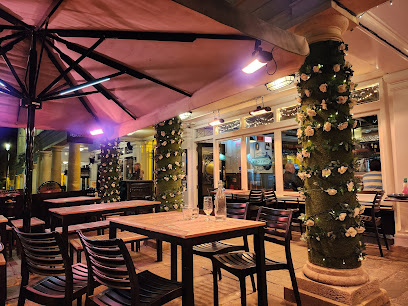
Hall & Woodhouse Bath
2.3 km
Historic multi-floor pub and restaurant in Bath offering classic ales, diverse menu, and rooftop city views.
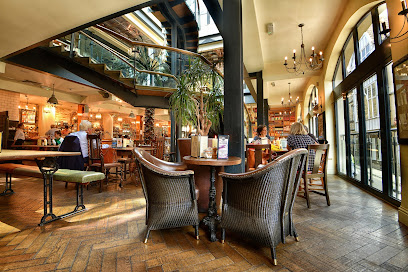
The Grapes
2.3 km
A historic Bath pub blending traditional charm with lively music, craft ales, and a welcoming atmosphere in the city’s heart.
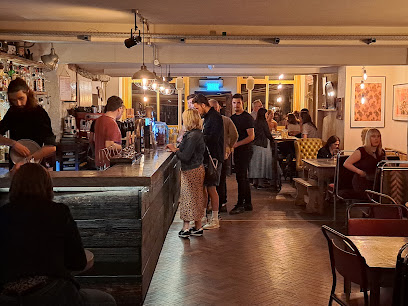
Circo - Cellar Bar
2.4 km
Discover Bath’s elegant cellar bar with a circular centerpiece, Michelin-starred cocktails, and a vibrant late-night atmosphere.
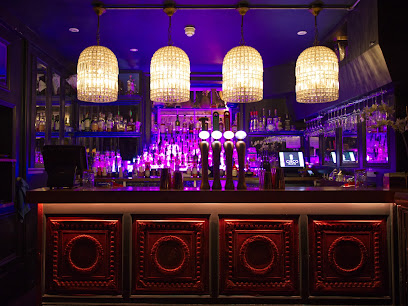
Fidel Rum Bar
2.4 km
Discover Bath’s cozy rum sanctuary with expert cocktails, a global rum collection, and a warm, inviting atmosphere at Fidel Rum Bar.
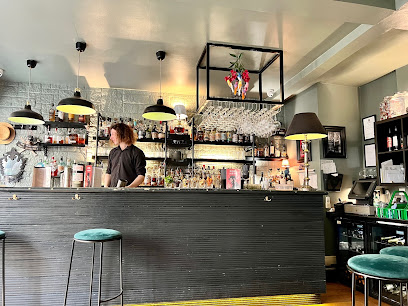
The Bath Distillery Gin Bar
2.4 km
Discover Bath’s historic gin revival in a vibrant Georgian bar with exclusive small-batch gins and expertly crafted cocktails.
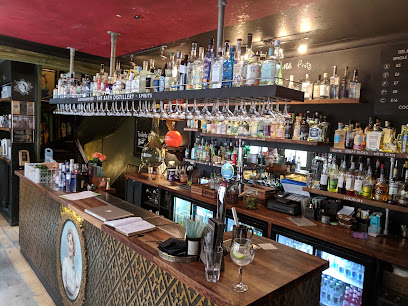
Bath Stag & Hen
2.4 km
Tailored stag and hen party planning in Bath’s historic George Street, blending vibrant nightlife with expert local service for unforgettable celebrations.
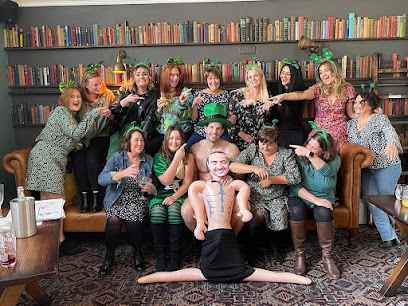
Slug & Lettuce - Bath
2.4 km
Lively cocktail bar and British restaurant in Bath with stylish interiors, a secluded garden, and celebrated bottomless brunch experiences.
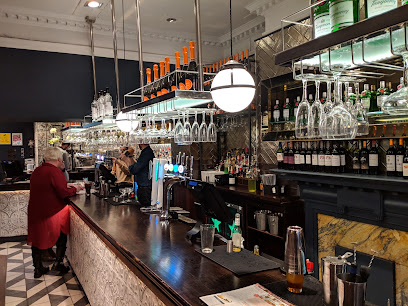
The Botanist Bath
2.4 km
A botanical haven in Bath blending historic charm, seasonal menus, award-winning cocktails, and live music across three vibrant floors.
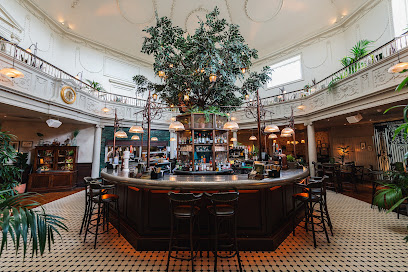
Revolution Bath
2.4 km
Lively cocktail bar in Bath’s city centre offering creative drinks, American-inspired eats, and vibrant nightlife until the early hours.
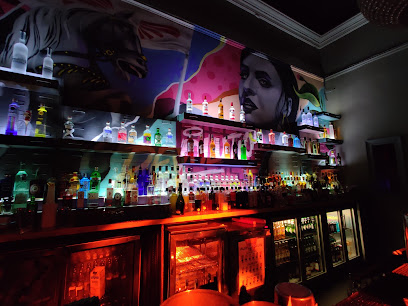
The Old Green Tree
2.5 km
A cozy and historic Bath pub with quality ales, warm wood interiors, and a welcoming, timeless atmosphere.
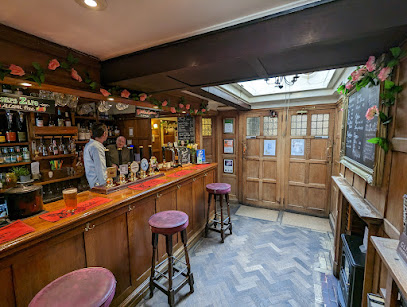
Mandalyns Bath
2.5 km
Bath’s oldest gay bar, Mandalyns offers vibrant LGBTQ+ nightlife with drag shows, karaoke, and a welcoming atmosphere in historic Fountain Buildings.
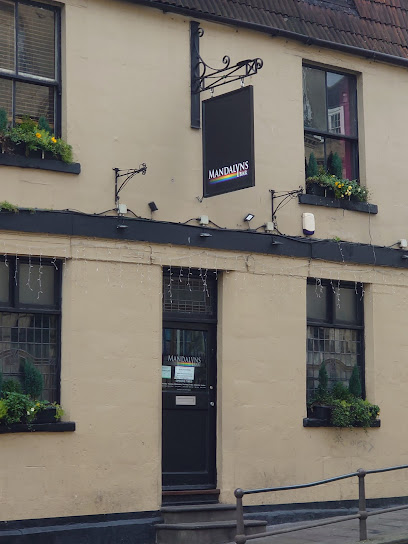
Belushi's Bath
2.5 km
A lively sports bar and live music venue in Bath offering great food, cocktails, and an energetic atmosphere near the city’s historic heart.
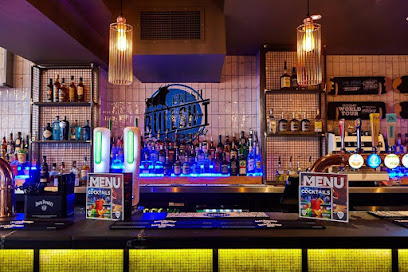
Nightclubs & after hour spots

Komedia
2.3 km
Bath’s vibrant community-owned venue offering comedy, live music, cabaret, and more in a beautifully restored historic cinema.
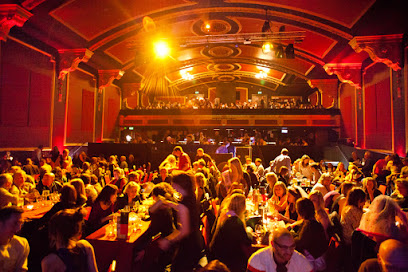
Sub 13
2.4 km
Bath’s award-winning cocktail bar and nightclub offering masterclasses, vibrant nightlife, and a heated terrace in a stylish three-floor venue.
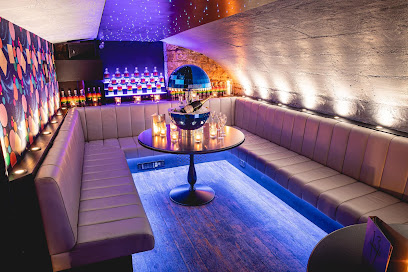
Zero / Zero
2.5 km
Experience Bath’s vibrant nightlife at Zero / Zero, a cozy nightclub and cocktail lounge with a lively atmosphere and late-night beats.
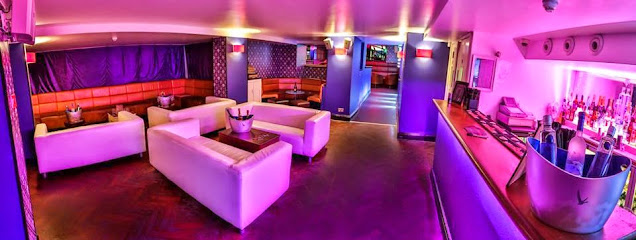
Lomah
2.6 km
Experience Bath’s industrial-chic nightlife at Lomah, a stylish underground club with hip hop beats and a laidback vibe for 21+ guests.
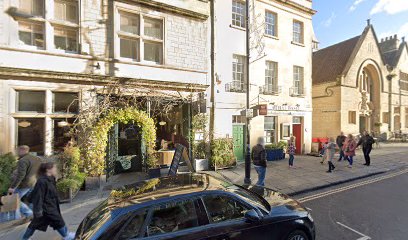
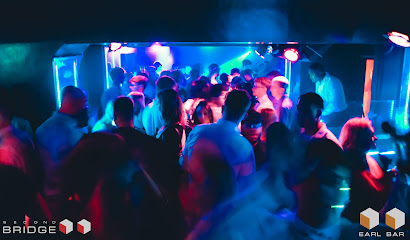
Second Bridge
2.6 km
A lively nightclub in Bath offering cocktails, shisha, and a buzzing beer garden for vibrant nightlife experiences.
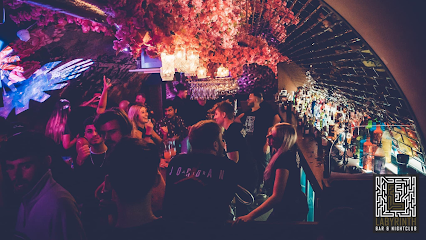
Labyrinth Bar & Nightclub
2.7 km
Experience Bath’s vibrant nightlife at Labyrinth Bar & Nightclub with four unique rooms, eclectic music, and a lively social atmosphere.
The Tub
4.7 km
A vibrant student nightclub on University of Bath campus, perfect for dancing, socializing, and late-night fun in a lively, welcoming atmosphere.
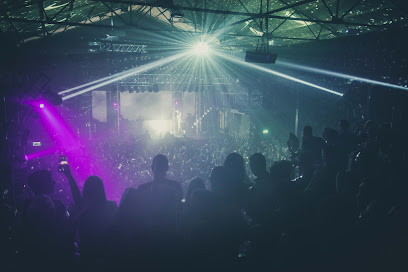
Motion
14.8 km
Bristol’s iconic warehouse nightclub, Motion, pulses with underground beats and community spirit, celebrating decades of electronic music culture.
Dare to Club
14.9 km
Experience Bristol’s vibrant, inclusive nightlife at Dare to Club, where diverse music and welcoming vibes create unforgettable nights.
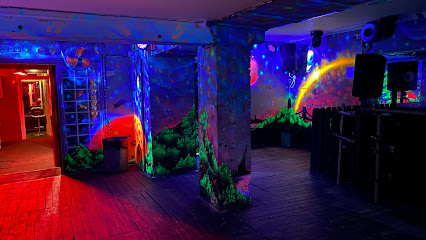
The Loco Klub
15.2 km
An atmospheric subterranean arts venue in Brunel’s Temple Meads arches, where tunnels, brick vaults and intimate soundscapes host club nights, theatre and live music.
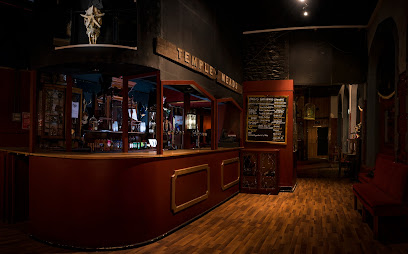
Thekla
15.9 km
A converted cargo ship transformed into Bristol’s compact, industrial live-music venue and late-night club, famed for close-up shows and throbbing club nights.
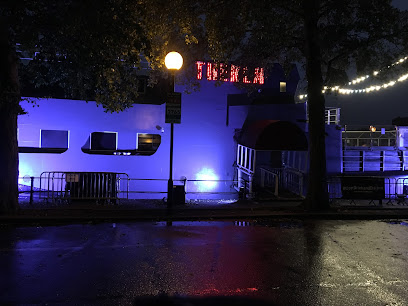
Popworld - Bristol
16.2 km
Dance to 90s and 00s pop anthems under neon lights at Bristol's ultimate nostalgic nightclub, where cheesy hits and POPTAIL cocktails fuel epic nights out.
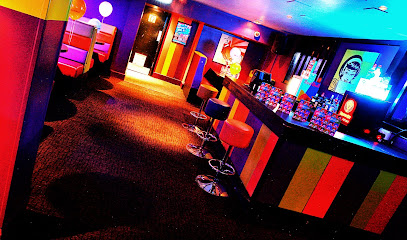
Forró Bristol
16.2 km
Ignite your night with Brazilian forró rhythms: partner dances, live bands, and sweaty joy in Bristol's beating heart.
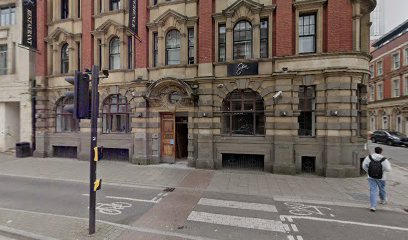
PRYZM
16.2 km
Experience Bristol’s vibrant nightlife at PRYZM, a multi-room club with themed music floors, student deals, and a lively party atmosphere.
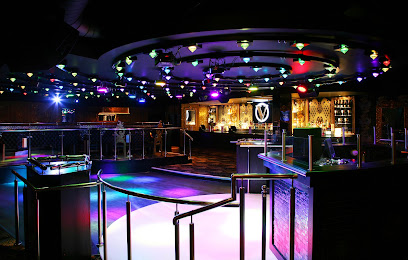
Lakota
16.3 km
Bristol's gritty heartbeat: underground raves, thunderous bass, and nights that blur into dawn at this St Paul's legend.
For the vibe & atmosphere seeker
- Lively
- Fun-filled
- Unique
- Casual
For the design and aesthetic lover
- Vintage Styles
For the architecture buff
- Historic
- Landmarks
For the view chaser and sunset hunter
- Iconic Views
For the social media creator & influencer
- Photo Spots
- Selfie Spots
For the eco-conscious traveler
- Public-Transport Accessible
For the kind of experience you’re after
- Cultural Heritage
- Photowalk
- Day Trip
For how adventurous you want the journey to be
- Easy Access
Location Audience
- Family Friendly
- Senior Friendly
- Child Friendly
- Teen Friendly
- Solo Friendly
- Couple Friendly
- Vegetarian Friendly
- Vegan Friendly


