
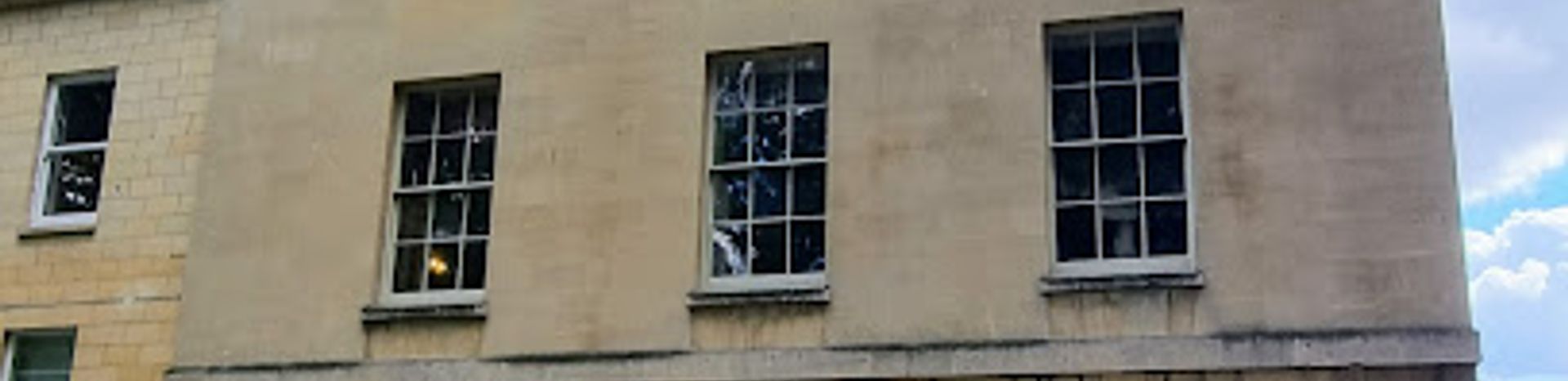
The Georgian House Museum, Bristol
Explore an authentic late 18th-century Bristol townhouse with rich history, elegant rooms, and a powerful story of slavery and legacy.
Step back into late 18th-century Bristol at The Georgian House Museum, a beautifully restored townhouse built for John Pinney, a wealthy sugar merchant and slave owner. Explore 11 rooms across four floors, showcasing authentic period furnishings, elegant formal rooms, servant quarters, and a poignant exhibition on the history of slavery connected to the house. Free entry and a glimpse into Georgian life await in this intimate, historically rich museum.
A brief summary to The Georgian House Museum
- 7 Great George St, Bristol, BS1 5RR, GB
- +441179211362
- Visit website
- Duration: 1 to 2 hours
- Free
-
 Indoor
- Mobile reception: 4 out of 5
- Monday 11 am-4 pm
- Tuesday 11 am-4 pm
- Saturday 11 am-4 pm
- Sunday 11 am-4 pm
Local tips
- Book timed tickets online in advance to secure entry, especially on weekends and busy days.
- Allow 1 to 2 hours to fully explore the 11 rooms and exhibitions.
- Be prepared for limited accessibility due to narrow staircases and multiple floors.
- Visit the basement kitchen and plunge pool to see the servants’ working quarters.
- Take time to reflect on the slavery exhibition and the story of Pero Jones, the enslaved servant.

For the on-the-go comforts that matter to you
- Restrooms
- Information Boards
- Visitor Center
Getting There
-
Bus
Multiple city bus routes serve stops near Great George Street. Travel times from Bristol Temple Meads station range from 10 to 20 minutes. Buses run frequently during the day, with standard single fares around £2.50. Note that some routes may have reduced service on weekends.
-
Walking
The Georgian House Museum is approximately a 15-minute walk from Bristol Temple Meads railway station via mostly flat urban terrain. The route passes through the city centre with paved sidewalks, suitable for most visitors, though some narrow streets may require caution.
-
Car
There is no dedicated parking at the museum. Nearby public car parks are available within a 5 to 10-minute walk, with typical city centre parking rates of £2–£4 per hour. Parking can be limited during peak times.
The Georgian House Museum location weather suitability
-
 Any Weather
-
 Rain / Wet Weather
-
 Mild Temperatures
Discover more about The Georgian House Museum
A Window into Georgian Bristol's Elite Life
The Georgian House Museum stands as a remarkable example of a late 18th-century urban townhouse, constructed between 1788 and 1791 for John Pinney, a prosperous sugar merchant with ties to the West Indies. Designed by architect William Paty, the house reflects the tastes and social standing of Bristol’s affluent merchant class during the Georgian era. Visitors can wander through 11 rooms spread over four floors, including formal reception rooms, a library with built-in bookshelves, and a grand drawing room where guests were entertained. The architecture and interior decoration capture the restrained elegance typical of the period, with authentic furnishings and carefully recreated domestic scenes.Life Above and Below Stairs
The museum offers a vivid contrast between the lives of the wealthy family and their servants. The basement houses the kitchen, pantry, housekeeper’s room, and even a cold water plunge pool once used by John Pinney himself. Upstairs, the bedrooms and formal rooms reveal the comforts enjoyed by the family, including a four-poster bed and period-appropriate decor. The attic rooms were occupied by servants, including Pero Jones, Pinney’s personal valet and enslaved African who lived and worked in the house for over three decades. This division of space offers a tangible understanding of social hierarchy during the Georgian period.A Sobering Reflection on Slavery and Legacy
The museum does not shy away from the darker aspects of its history. A dedicated exhibition explores John Pinney’s involvement in the sugar trade and his ownership of slaves on his Caribbean plantation. The story of Pero Jones is particularly significant, commemorated locally by Pero’s Bridge in Bristol. This narrative provides visitors with a crucial context about Bristol’s role in the transatlantic slave trade and invites reflection on its lasting impact.An Intimate and Educational Experience
Though relatively small, The Georgian House Museum offers an immersive and educational visit. The house is maintained by Bristol City Council’s Museums Service, ensuring its preservation and accessibility. Knowledgeable volunteers often provide insightful commentary, bringing the history and atmosphere of the house to life. The museum’s free entry policy encourages exploration, though booking timed tickets in advance is recommended during busy periods. Accessibility may be limited due to the historic layout, including narrow staircases.Setting and Surroundings
Located at 7 Great George Street in Bristol’s city centre, the museum is close to the vibrant Park Street shopping area and other cultural landmarks. The house’s position once overlooked the city from its hilltop, though modern views are less dramatic. The museum’s garden and period-appropriate window treatments contribute to the authentic Georgian ambiance.Preserving Bristol’s Heritage
The Georgian House Museum plays a vital role in preserving and interpreting Bristol’s Georgian heritage. It offers a focused lens on the city’s mercantile past, architectural style, and complex social history. Visitors leave with a deeper understanding of the era’s lifestyle, the economic foundations of Bristol’s wealth, and the human stories intertwined with this historic home.Iconic landmarks you can’t miss

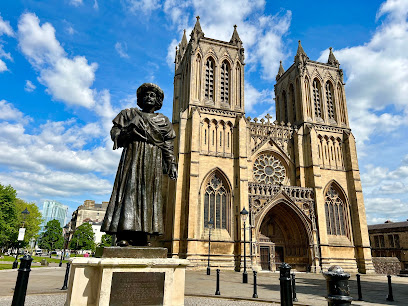
Statue of Ram Mohan Roy
0.3 km
A dignified bronze tribute in Bristol honoring Ram Mohan Roy’s legacy as a pioneering Indian reformer and visionary.
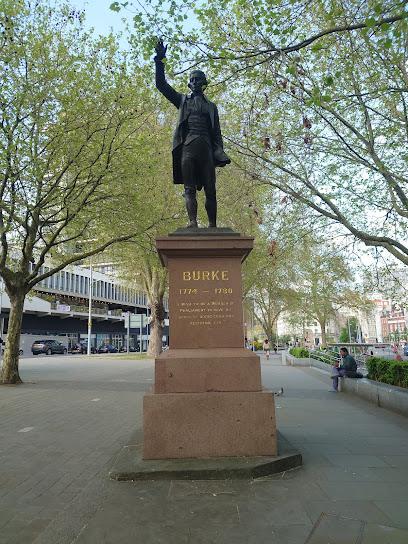
Statue of Edmund Burke
0.4 km
A bronze tribute to Edmund Burke on Bristol’s waterfront, where 18th-century ideals meet modern city life.
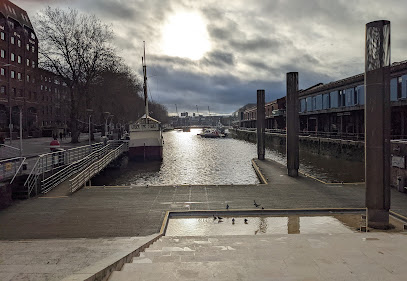
Cascade Steps
0.4 km
Historic Cascade Steps in Bristol offer scenic waterfront views and a tranquil urban retreat steeped in maritime heritage.
King George V Memorial Fountain
0.5 km
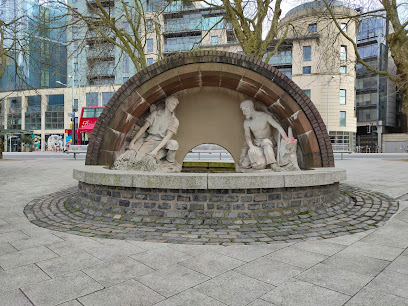
Lutyens-designed waterfront memorial honouring King George V with monumental sculptural figures.
Statue of Cary Grant
0.5 km
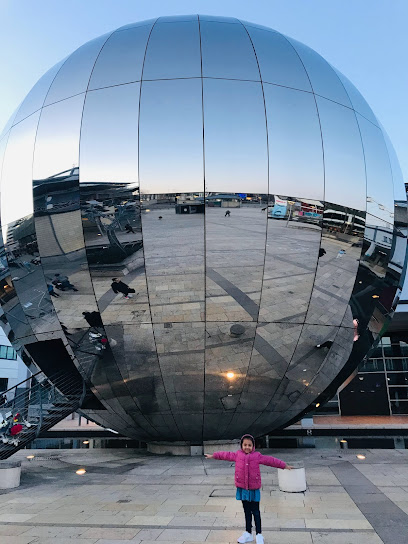
Celebrate Hollywood legend Cary Grant with a lifelike bronze statue in Bristol’s vibrant Millennium Square, capturing his timeless charm and local roots.
Old Post Office
0.6 km
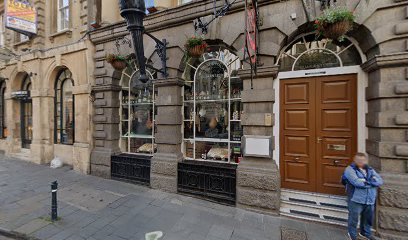
Discover Bristol’s 18th-century Old Post Office, a preserved Georgian landmark blending rich history with vibrant city life at Corn Street.
The Nails
0.7 km
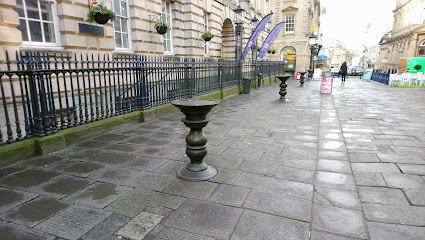
Historic iron nails in Bristol’s Corn Street where medieval merchants sealed their deals, embodying the city’s rich trading heritage.
Queen Square
0.7 km
Experience the serene beauty and historical charm of Queen Square, a stunning green oasis in the heart of Bristol, perfect for relaxation and cultural exploration.
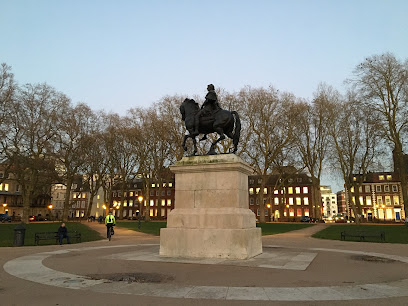
Bristol Ferry
0.7 km
Discover the scenic beauty of Bristol from the water with Bristol Ferry, a delightful ferry service showcasing the city's stunning waterfront and rich history.
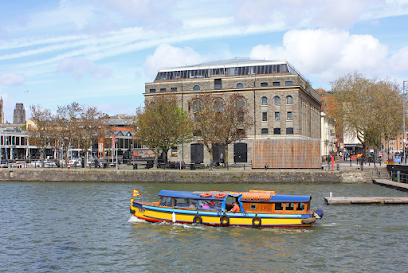
Prince Street Bridge
0.7 km
A working Victorian swing bridge over Bristol’s Floating Harbour, connecting the city centre with the Cumberland Road area and offering quiet views of boats and quays.
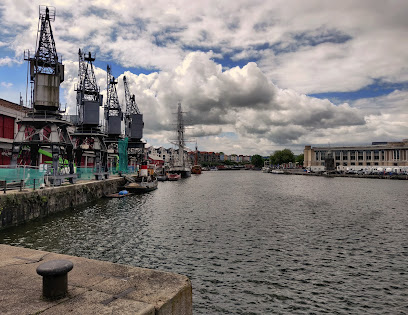
The Matthew of Bristol
0.8 km
Explore Bristol's maritime heritage aboard The Matthew, a historic ship offering breathtaking views and engaging tours of the city's vibrant harbor.
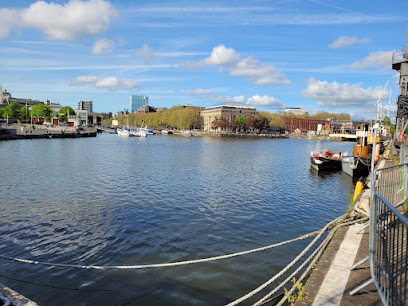
M Shed
0.8 km
Explore Bristol's maritime past at M Shed, a vibrant museum with engaging exhibits, a delightful cafe, and a unique gift shop on the waterfront.
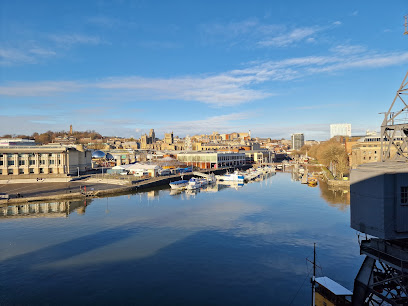
Bristol Harbour Railway
0.8 km
Experience the historic charm of Bristol Harbour Railway, a heritage railway offering scenic rides through Bristol's vibrant docks and maritime history.
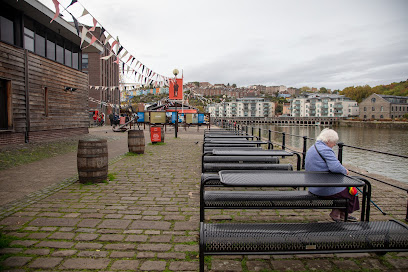
Medieval Vaults
0.8 km
Explore Bristol’s hidden medieval cellars beneath High Street, where Gothic vaults tell tales of centuries past beneath the city’s modern bustle.
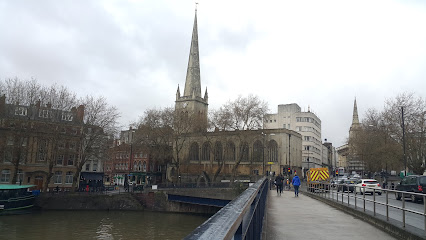
Floating Harbour
0.8 km
Experience the beauty and culture of Bristol at the Floating Harbour, a captivating marina filled with history, dining, and artistic treasures.
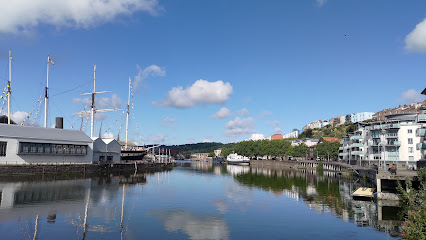
Unmissable attractions to see

St George's Bristol
0.1 km
Historic Georgian church turned world-class concert hall with superb acoustics and a vibrant cultural programme in the heart of Bristol.
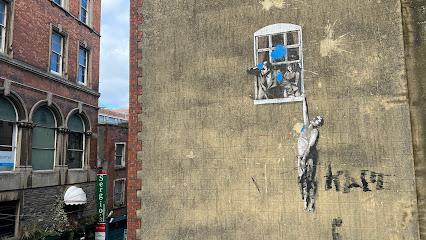
Banksy’s Well Hung Lover
0.2 km
Discover Banksy’s cheeky and iconic Well Hung Lover mural, Bristol’s first legal street art and a symbol of urban culture and defiance.
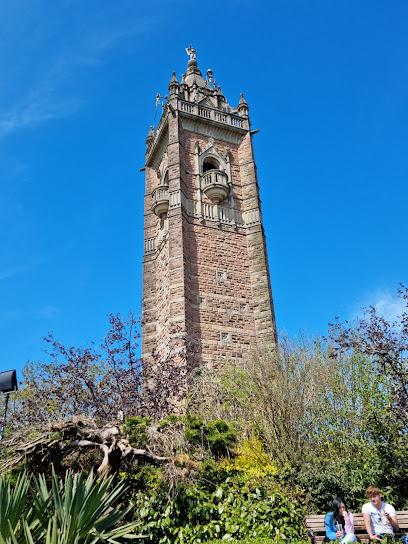
Cabot Tower
0.2 km
Discover the historic Cabot Tower in Brandon Hill Park, an iconic landmark offering stunning views and a glimpse into Bristol's maritime heritage.
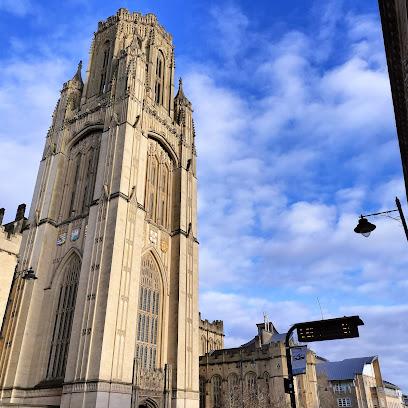
Wills Memorial Building
0.3 km
A towering neo-Gothic icon of Bristol and the heart of the University of Bristol’s academic and ceremonial life.
haunted and hidden bristol walking tour
0.3 km
Discover Bristol’s spooky secrets and cinematic history on this award-winning haunted walking tour led by a charismatic local guide.
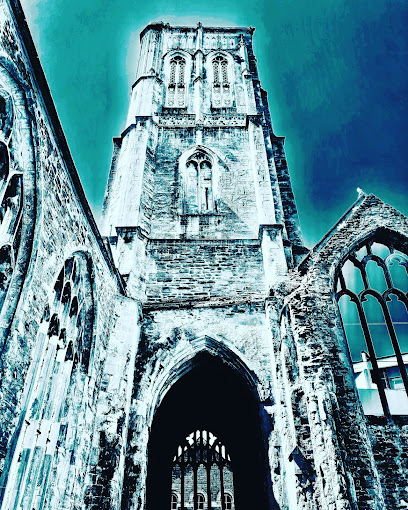
Brandon Hill
0.3 km
Bristol’s oldest park with panoramic city views, a nature reserve, and family-friendly spaces just minutes from the city centre.
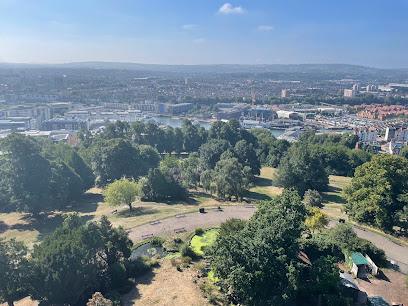
Guided Walking Tour - From Blackbeard to Banksy
0.3 km
Explore Bristol’s rich history and iconic Banksy street art on a captivating guided walking tour from College Green.
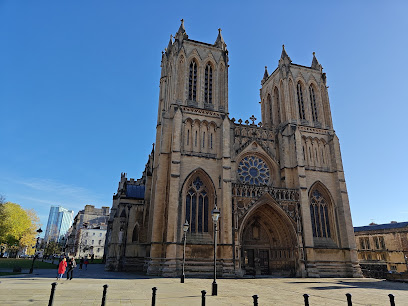
The Red Lodge Museum
0.3 km
Step behind a red door into a 16th-century Tudor lodge and discover 400 years of Bristol’s history, from merchant grandeur to Victorian reform, in a free, atmospheric city-centre museum.
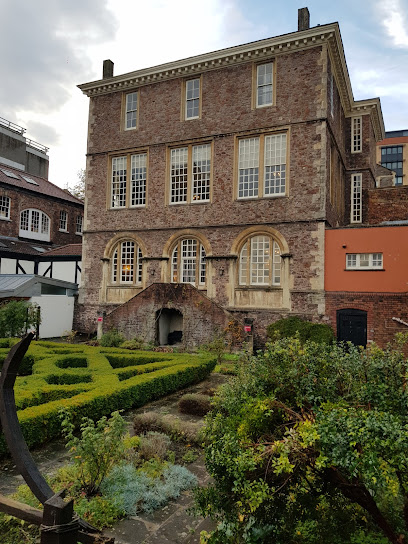
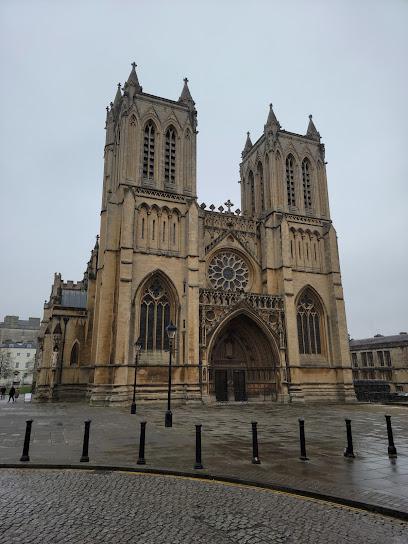
Bristol Cathedral
0.3 km
Explore Bristol Cathedral’s majestic medieval hall church with soaring vaults, Gothic Revival nave, and centuries of rich history in the city’s heart.
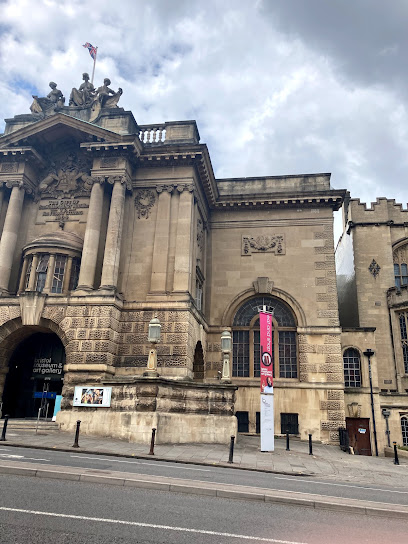
Bristol Museum & Art Gallery
0.3 km
Explore Bristol’s rich heritage and art treasures in a stunning Edwardian Baroque museum with free entry and diverse exhibits.
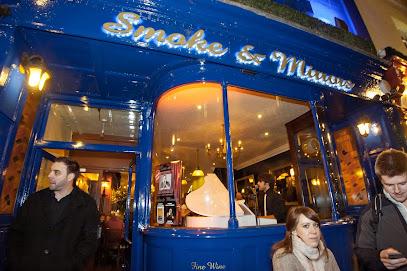
Smoke & Mirrors
0.3 km
Bristol’s intimate boutique magic theatre pub blending comedy, live music, and classic ales in a cozy, theatrical setting.
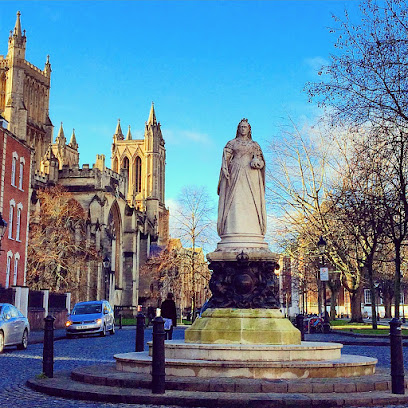
Statue of Queen Victoria
0.3 km
Explore the grandeur of the Statue of Queen Victoria in Bristol, a stunning historical landmark that embodies the city's royal heritage and charm.
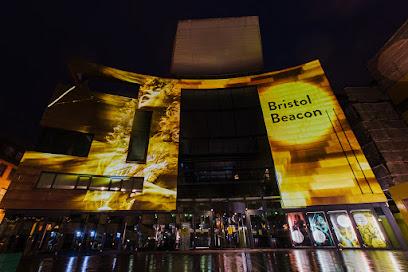
Bristol Beacon
0.4 km
Bristol Beacon: Where historic charm meets vibrant live music and cultural celebration in the heart of Bristol.
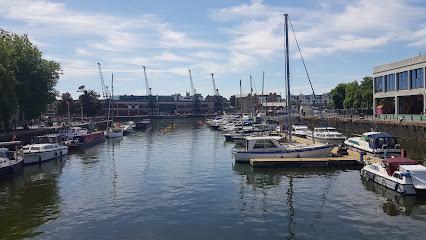
Harbourside
0.4 km
Discover Bristol Harbourside, where rich maritime history meets vibrant culture, waterside dining, and lively urban charm.
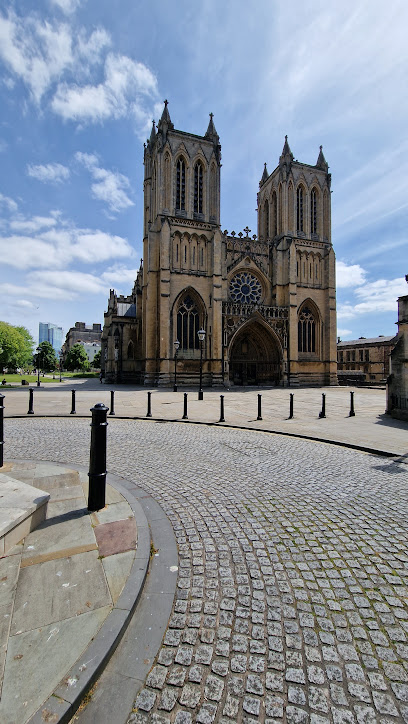
The Centre
0.4 km
The Centre, Bristol: where history, transport, and culture converge in a vibrant urban open space.
Essential places to dine

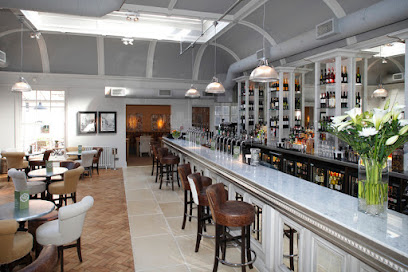
Botanist Bristol
0.3 km
Plant-filled gastropub celebrating seasonal British cuisine, craft cocktails, and live music in Bristol's City Centre.
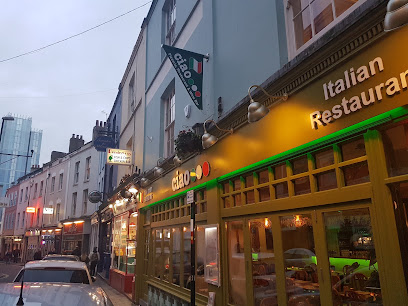
Ciao Amici Restaurant
0.3 km
Authentic Italian dining with handmade pizzas and a warm, inviting atmosphere in the heart of Bristol’s cultural scene.
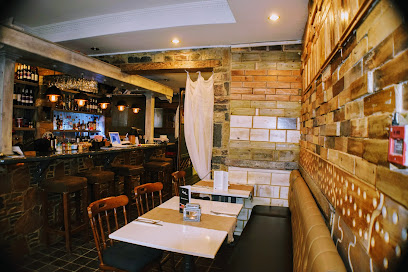
Hat Bistro
0.3 km
Experience authentic Greek cuisine and warm hospitality at Hat Bistro, Bristol’s cozy Mediterranean gem with locally sourced flavors.
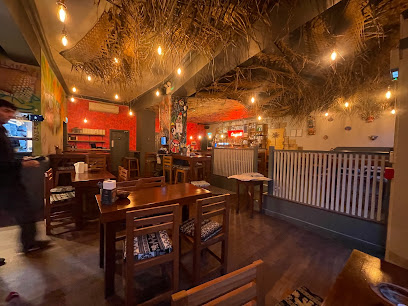
The Coconut Tree Bristol, Clifton Triangle
0.4 km
Experience vibrant Sri Lankan tapas and tropical cocktails in Bristol’s lively Clifton Triangle, where bold flavours meet colourful charm.
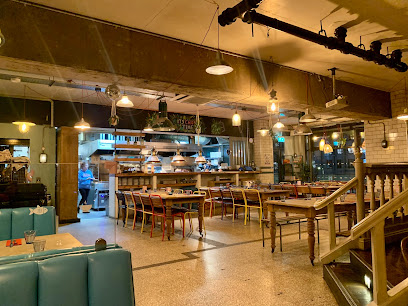
Bambalan
0.4 km
Vibrant Mediterranean dining with rooftop views, lively DJs, and a spirited social scene in the heart of Bristol.
No.1 Harbourside
0.4 km
Bristol's independent waterside gem serving bold burgers, local drinks, and genuine hospitality.
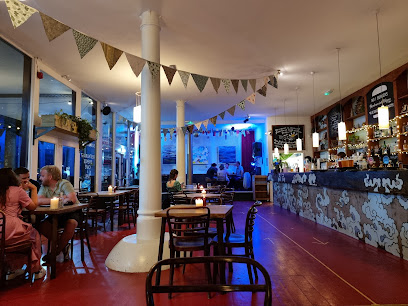
The Bristol Stable
0.4 km
Sourdough pizzas, West Country ciders, and lively Harbourside vibes combine at The Bristol Stable for a quintessential Bristol dining experience.
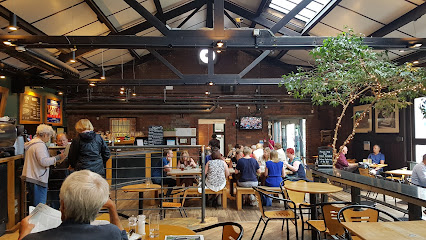
Pieminister
0.5 km
Award-winning British pies, piled high with mash, peas and gravy, in a lively harbourside restaurant with views of Bristol’s fountains and waterfront.
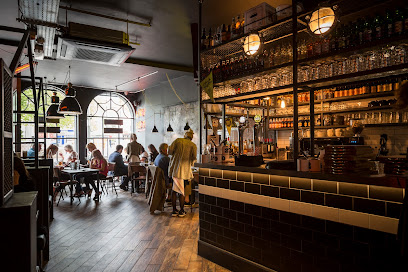
Under the Stars
0.5 km
Discover exquisite tapas and crafted cocktails at Under the Stars in Bristol's scenic waterfront area – where culinary delight meets vibrant ambiance.
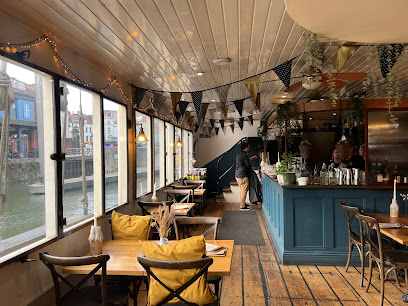
Turtle Bay Bristol Broad Quay
0.5 km
Experience authentic Caribbean cuisine, tropical cocktails, and lively reggae vibes in Bristol’s vibrant Broad Quay district.
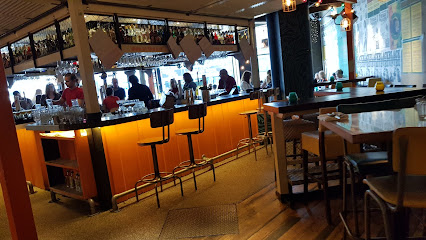
Steak of the Art
0.5 km
A bold Bristol steakhouse where art, design and expertly cooked meat come together in a vibrant Harbourside setting.
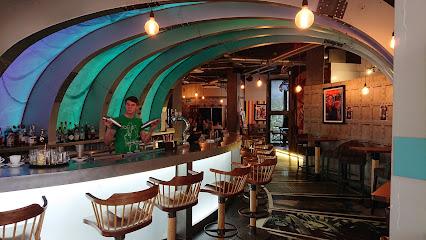
Las Iguanas - Bristol - Harbourside
0.5 km
Lively Latin American dining and cocktails with vibrant vibes by Bristol’s picturesque Harbourside waterfront.
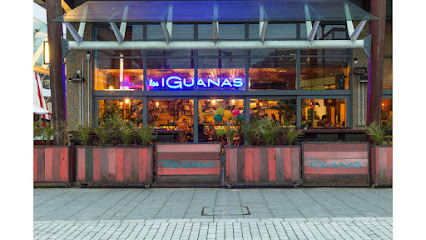
Lost & Found Bristol
0.5 km
Theatrical cocktails and creative cuisine in Clifton's most Instagram-worthy venue.
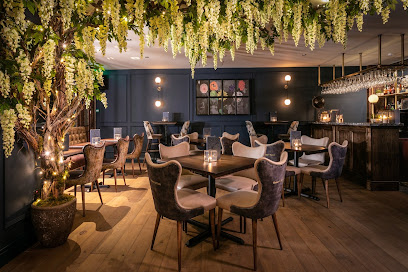
Four Wise Monkeys
0.6 km
Lively pan-Asian fusion dining with retro Tokyo vibes and bold flavours in Bristol’s city centre.
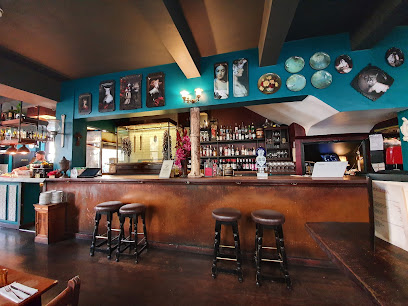
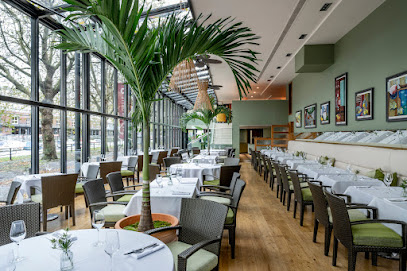
The River Grille
0.6 km
Elegant Harbourside fine dining with West Country steaks, fresh seafood, and panoramic waterfront views.
Markets, malls and hidden boutiques

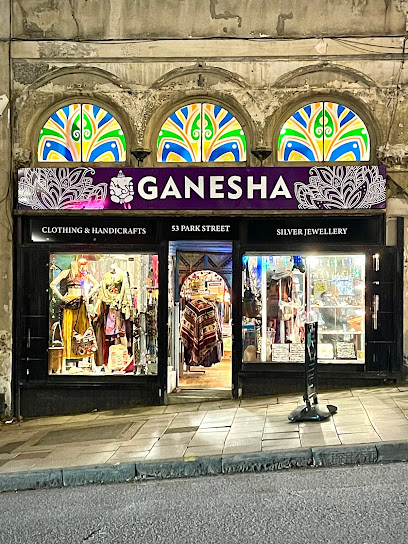
Ganesha
0.1 km
Discover unique gifts, clothing, and handicrafts at Ganesha, Bristol's treasure trove of artistic creations and local craftsmanship.
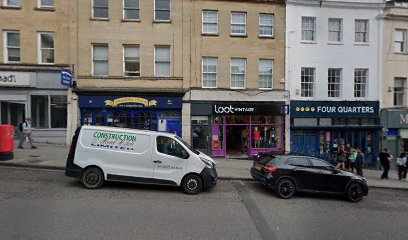
Alices Secret Empourium
0.1 km
Uncover Bristol's quirk-filled gift haven on Park Street, where eclectic treasures and whimsical wonders await every curious explorer.
Uncle Sam's Vintage
0.1 km
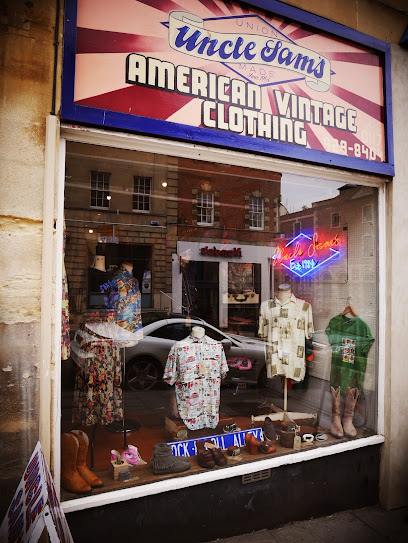
Bristol's legendary American vintage superstore, curating authentic mid-century treasures since 1984.
Zhyper
0.4 km
Trendy threads and accessories in Bristol's Harbourside hub, where personal style meets waterfront vibrancy and urban creativity.
Orendo
0.5 km
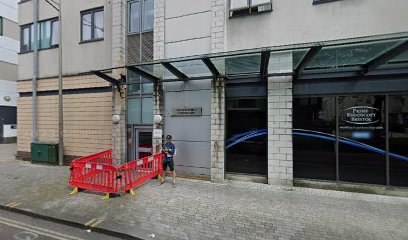
Discover unique ladies' fashion at Orendo, a chic clothes shop in Bristol that embodies the city's vibrant style and trends.
my a2space
0.5 km
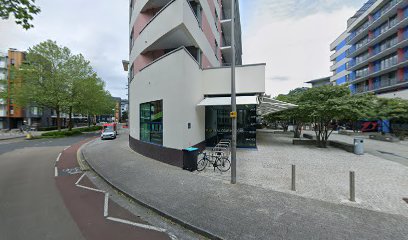
A compact Harbourside shop showcasing locally made prints, gifts and artisan wares from Bristol’s creative community.
Blaze
0.5 km
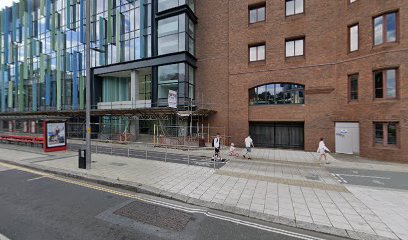
Unique gifts and artisanal treasures in Bristol's creative heart—perfect for discovering one-of-a-kind souvenirs on Colston Street.
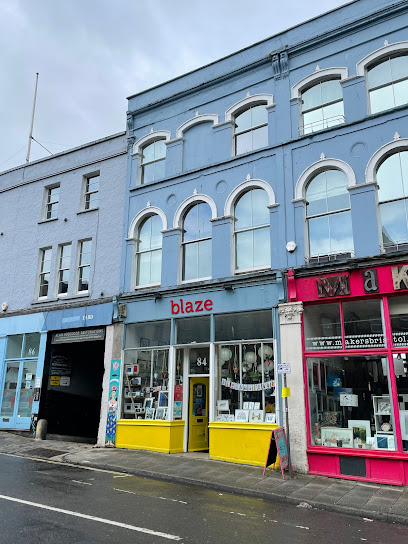
Will's doss pit
0.6 km
Dive into Bristol's quirky underbelly at Will's Doss Pit, where vintage treasures and bohemian finds await in historic Queen Square.
Memories
0.7 km
Explore 'Memories' in Bristol for unique gifts and local treasures that capture the spirit of your visit.
Quadrant Trading
0.7 km
Discover handcrafted Bristol treasures at Quadrant Trading in the historic Corn Exchange—a shopper's delight of local artistry and unique souvenirs.
Japonicat
0.7 km
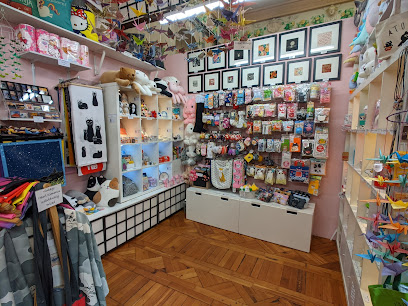
Discover unique Japanese gifts and charming collectibles at Japonicat, nestled in Bristol’s historic St Nicholas Market.
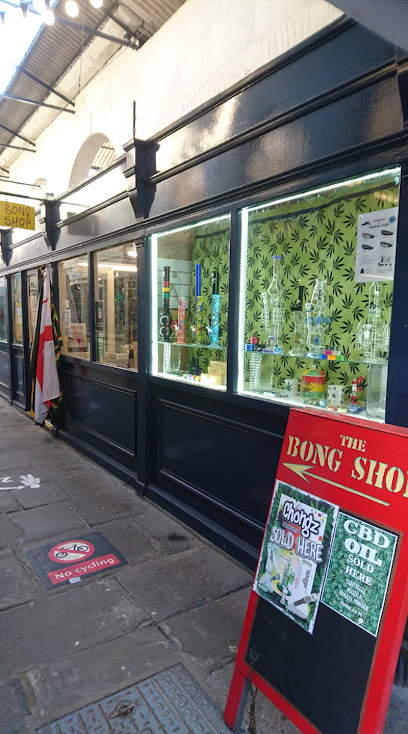
Riff Raff Gifts The Bong Shop
0.7 km
Specialist smoking accessories retailer in historic St Nicholas Market's Covered Market.
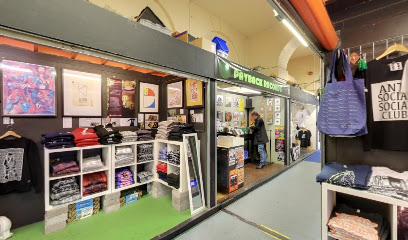
uchi clothing co
0.7 km
Discover stylish, sustainable fashion in Bristol’s historic Corn Exchange at Uchi Clothing Co, where quality meets contemporary design.
This Feeling
0.7 km
Trendy threads in Bristol's historic market heart—independent fashion amid Georgian charm and bustling stalls.
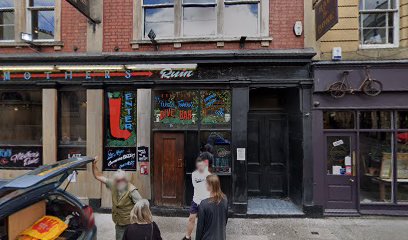
Urban Fox
0.7 km
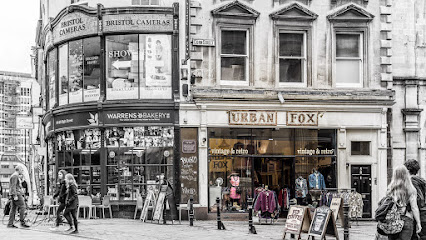
Unearth retro gems at Urban Fox, Bristol's vintage clothing nook in vibrant St Nicholas Market—quality finds with 25 years of expertise.
Essential bars & hidden hideouts

Hyde & Co
0.3 km
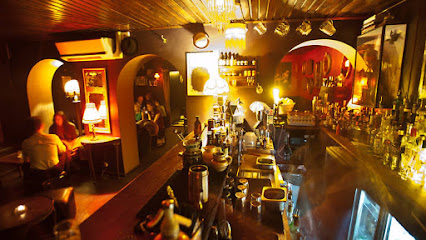
Discover Bristol’s secretive speakeasy with expertly crafted cocktails and a cozy vintage ambiance in the heart of Clifton.
Be At One - Bristol
0.4 km
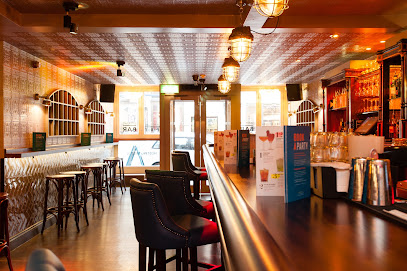
Energetic cocktail bar in Clifton, Bristol, serving over 100 expertly crafted drinks with vibrant vibes and unbeatable happy hour deals.
The Brass Pig
0.4 km
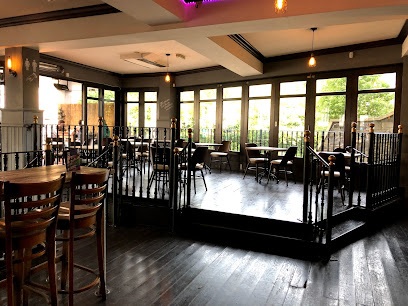
Clifton's two-floor nightlife gem: cocktails from £3.50, DJ weekends, terrace vibes, and student deals in Bristol's Triangle hub.
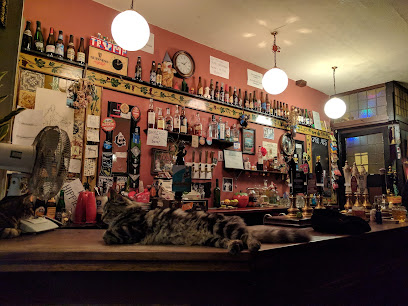
Bag of Nails
0.4 km
A quirky Bristol pub where hand-drawn art, local ales, and friendly cats create an unforgettable and cozy atmosphere.
The Cocktail Club - Triangle Bristol
0.4 km
Step into Bristol’s Neverland-inspired Cocktail Club for expertly crafted drinks, quirky décor, and nights that never want to end.

Loose Cannon Cocktail Bar - Bristol
0.4 km
Quirky harbourside haven blending pop culture cocktails, local art, and Bristol's playful vibe in a waterfront independent gem.
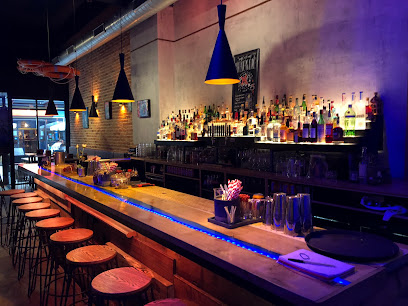
Slug & Lettuce - Harbourside Bristol
0.5 km
Bristol harbourside cocktail haven with 2-for-1 drinks, bottomless brunches, and waterfront terrace vibes for unforgettable nights out.
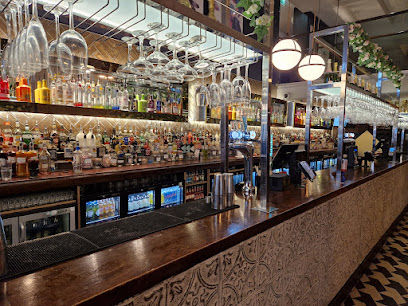
Mackenzies Bar & Kitchen
0.5 km
A relaxed, all-day cafe-bar in the W Shed offering casual meals and drinks beside Bristol’s harbourside.
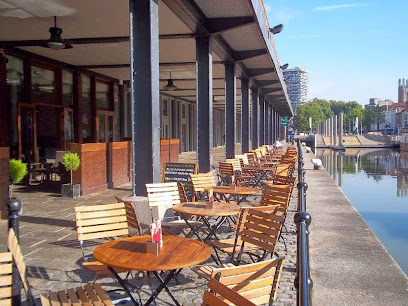
Steinbeck and Shaw
0.5 km
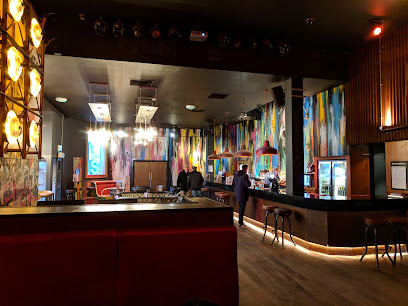
Bristol's graffiti-glazed cocktail haven where masterclasses, happy hours, and late-night vibes collide in historic style.
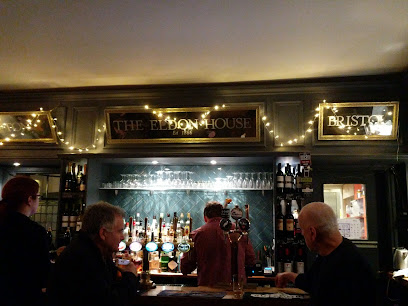
The Eldon House
0.5 km
Historic Victorian pub in Clifton, Bristol, known for craft beers, live music, and a cozy, vibrant atmosphere.
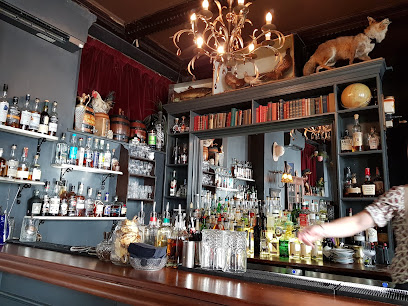
The Milk Thistle
0.5 km
Bristol's multi-level speakeasy masterpiece: inventive cocktails, taxidermy charm, and intimate lounges in a historic townhouse—pure nightlife alchemy.
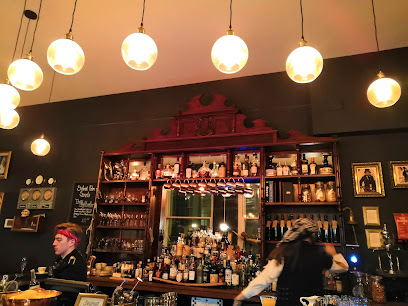
The Clockwork Rose
0.6 km
Bristol's steampunk speakeasy where airship captain's cocktails blend Victorian flair, fantastical lore, and masterful mixology into unforgettable evenings.
Brozen Bar - Bristol
0.6 km
Discover Bristol’s Brozen Bar, where inventive frozen cocktails and a cosy atmosphere create a unique, must-visit cocktail experience.
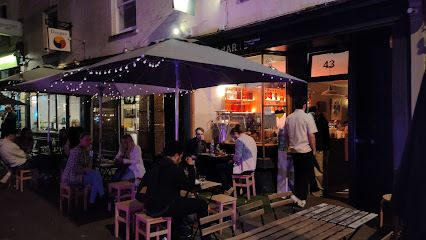
The Cocktail Club - Corn Street Bristol
0.6 km
Experience Bristol’s vibrant nightlife with expertly crafted cocktails, galactic-themed interiors, and an unforgettable party atmosphere at The Cocktail Club Corn Street.
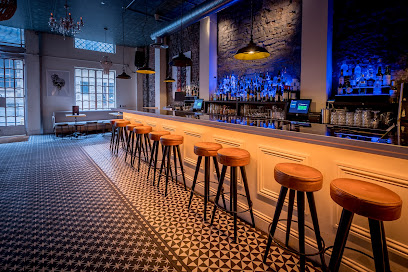
Flight Club Bristol
0.6 km
Experience the thrill of Social Darts® and vibrant cocktails in Bristol’s lively, carnival-inspired cocktail bar on historic Corn Street.
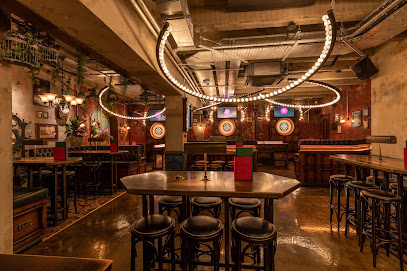
Nightclubs & after hour spots

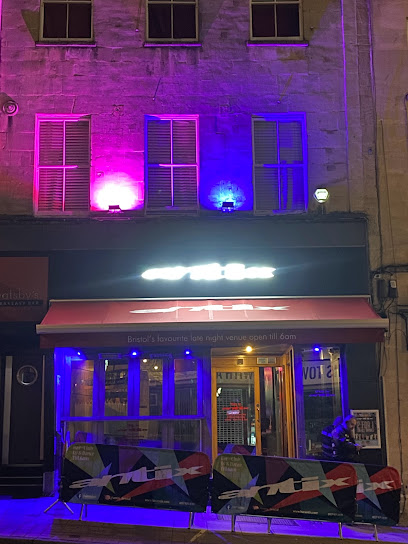
Antix
0.1 km
Bristol's enduring late-night haven on Park Street: cocktails till 1am, DJ beats till 6am, dancing into dawn with house, R&B, and reggaeton vibes.
Silk Nightclub
0.1 km
Experience Bristol’s vibrant nightlife at Silk Nightclub, where energetic beats and a lively crowd create unforgettable nights in the city center.
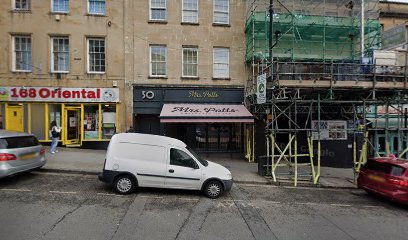
Marquee Cocktail Bar & Nightclub
0.1 km
From refined cocktails to dawn-dancing beats, Marquee delivers Bristol's ultimate nightlife evolution in one stylish venue.
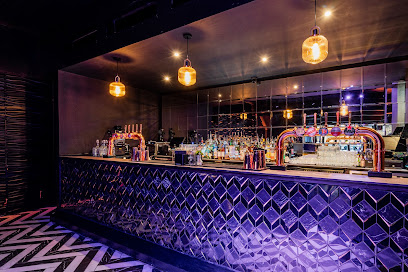
OMG
0.1 km
Southwest's biggest gay club: massive dance floor, killer sound, themed nights, and inclusive vibes until dawn in Bristol's heart.
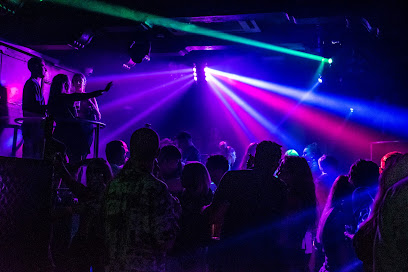
Queenshilling - Bristol Bar and Nightclub
0.2 km
Bristol's iconic LGBTQ+ haven: dance, drag, and drinks in an intimate Frogmore Street gem fueling the city's electric nightlife.
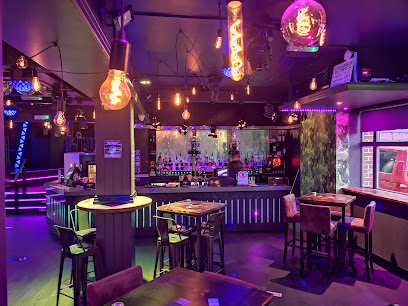
Basement 45
0.2 km
Experience Bristol’s underground nightlife at Basement 45, where eclectic music, intimate vibes, and vibrant events come alive until the early hours.
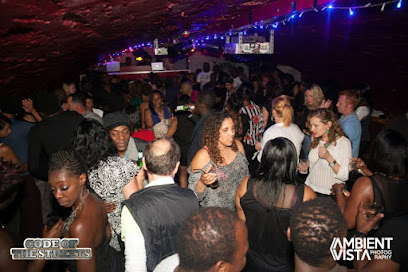
La Rocca
0.4 km
A lively Clifton nightclub blending classic tunes, affordable drinks, and a vibrant social scene in Bristol’s dynamic nightlife district.
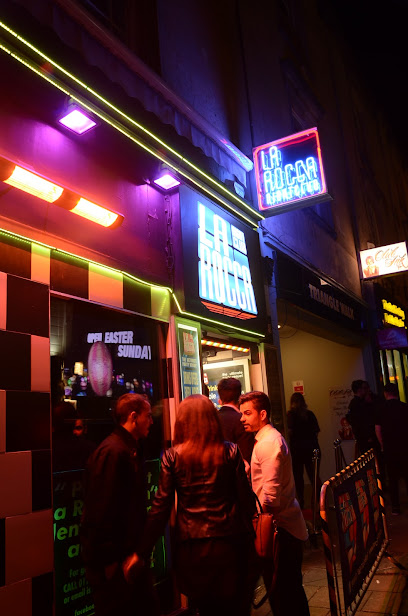
The Pearl NightClub
0.4 km
Bristol's intimate Clifton nightclub where fire DJs ignite weekend dance floors from 10pm till dawn—pure energy in a compact, electric space.
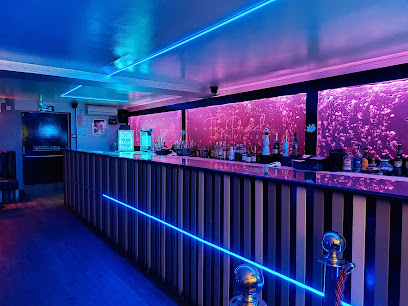
Bristol Lola Lo
0.4 km
An intimate, vintage‑Tiki nightclub in Clifton with neon cocktails, paper lanterns and a compact dancefloor for themed late‑night parties.
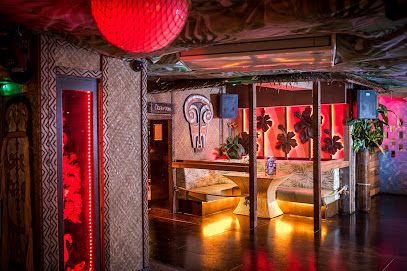
Lizard Lounge
0.4 km
A small, loud student nightclub on Queens Road famed for cheap drinks, DJ nights and a packed, party-first atmosphere.
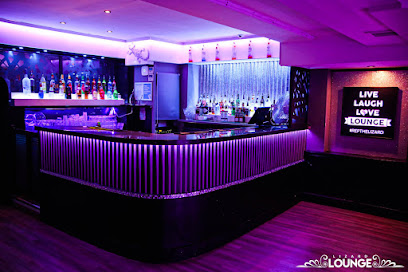
PRYZM
0.5 km
Experience Bristol’s vibrant nightlife at PRYZM, a multi-room club with themed music floors, student deals, and a lively party atmosphere.
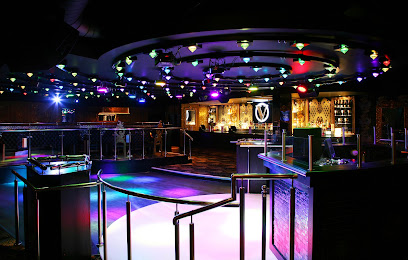
Popworld - Bristol
0.5 km
Dance to 90s and 00s pop anthems under neon lights at Bristol's ultimate nostalgic nightclub, where cheesy hits and POPTAIL cocktails fuel epic nights out.
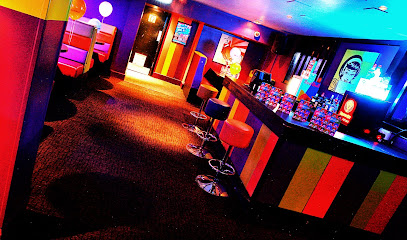
Forró Bristol
0.5 km
Ignite your night with Brazilian forró rhythms: partner dances, live bands, and sweaty joy in Bristol's beating heart.
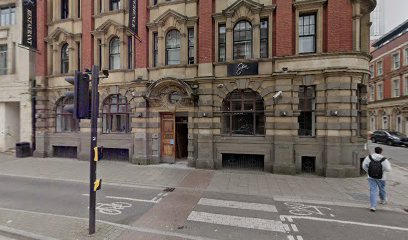
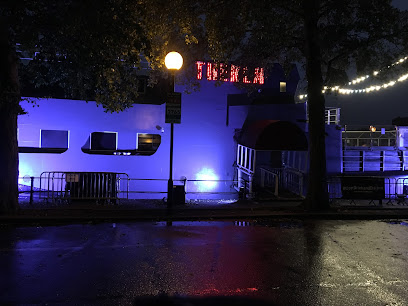
Thekla
0.8 km
A converted cargo ship transformed into Bristol’s compact, industrial live-music venue and late-night club, famed for close-up shows and throbbing club nights.
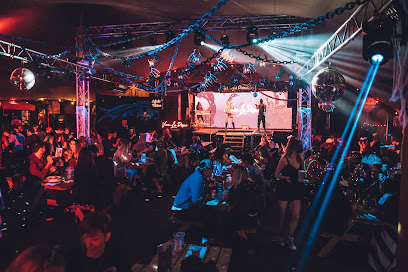
Lakota
1.3 km
Bristol's gritty heartbeat: underground raves, thunderous bass, and nights that blur into dawn at this St Paul's legend.
For the vibe & atmosphere seeker
- Tranquil
- Scenic
- Unique
- Casual
For the design and aesthetic lover
- Vintage Styles
- Rustic Designs
For the architecture buff
- Historic
- Landmarks
- Heritage Neighborhoods
For the view chaser and sunset hunter
- Iconic Views
For the social media creator & influencer
- Instagrammable
- Photo Spots
- Architectural Shots
For the eco-conscious traveler
- Public-Transport Accessible
- Locally Managed
For the kind of experience you’re after
- Cultural Heritage
- Myth & Legends
- Day Trip
- Weekend Getaway
- Photowalk
For how adventurous you want the journey to be
- Easy Access
Location Audience
- Family Friendly
- Senior Friendly
- Child Friendly
- Teen Friendly
- Wheelchair Access
- Solo Friendly
- Couple Friendly
- Solo Female Friendly
- Vegetarian Friendly
- Vegan Friendly


