
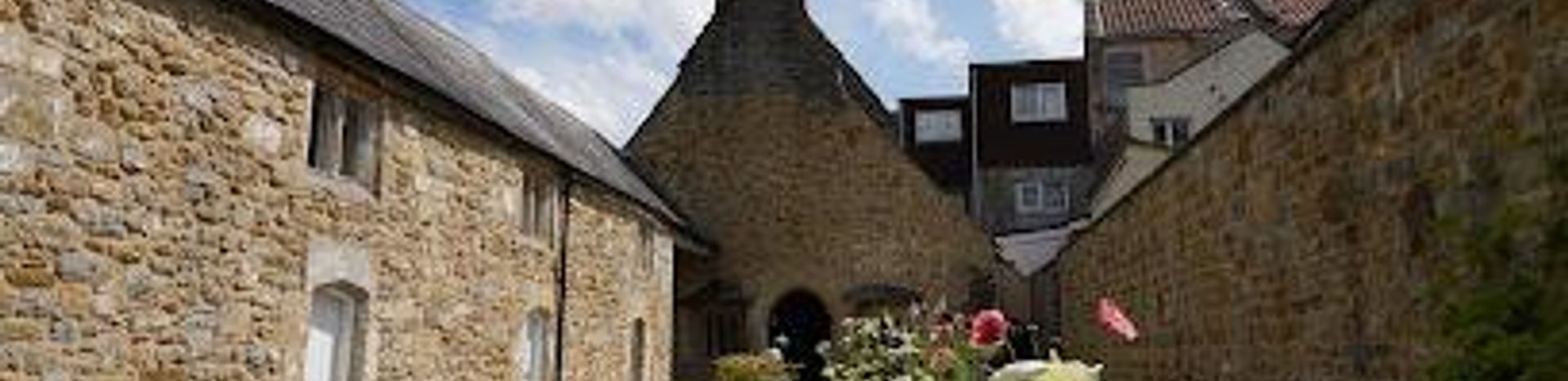
St Margaret's Chapel and Magdalene Almshouses
Medieval sanctuary where pilgrims once found healing, now a peaceful retreat for prayer and artistic creation.
A hidden sanctuary in the heart of Glastonbury, St Margaret's Chapel and the Magdalene Almshouses form a Grade II* listed complex dating back to the 11th century. Originally established as a hospital for pilgrims visiting Glastonbury Abbey, this peaceful retreat features a restored 1444 chapel, surviving 16th-century almshouses, and beautifully maintained gardens. The site remains a place of quiet contemplation, with artist workshops and a small museum showcasing medieval life. Tucked away off Magdalene Street, it offers visitors a serene escape steeped in centuries of spiritual and social history.
A brief summary to St Margaret's Chapel
- Magdalene St, Glastonbury, BA6 9EJ, GB
- Visit website
- Duration: 0.75 to 2 hours
- Free
-
 Mixed
Mixed
- Mobile reception: 4 out of 5
Local tips
- The site is deliberately hidden from the main street; look for the small passageway beside number 38 Magdalene Street with an arched doorway entrance. Allow time to explore the gardens and appreciate the scale of the original hospital from the West garden viewpoint.
- Visit during spring or summer to see the gardens in full bloom and potentially observe iconographers at work in the almshouses. Check the noticeboard outside for exact opening dates, as hours vary seasonally.
- The chapel is maintained as a plain, peaceful space for private prayer and quiet contemplation. Respect the meditative atmosphere and keep voices low when visiting.
- The site is marked as number 19 on the Glastonbury Town Millennium Trail, making it an excellent addition to a walking tour of the town's historical and spiritual landmarks.
- Ancient paving throughout the complex may be uneven or slippery, particularly after rain. Wear sturdy footwear and take care, especially if mobility is limited, though disabled access facilities are available.

For the on-the-go comforts that matter to you
- Restrooms
- Seating Areas
- Information Boards
- Sheltered Areas
Getting There
-
By Car
From the M5 motorway (Junction 23), take the A39 towards Glastonbury. Alternatively, use the A303 junction with A372, or the A337/A39 from Bath to Bristol. Once in Glastonbury town centre, follow signs to Magdalene Street. Parking is available nearby in town car parks; the site itself is pedestrian-only. Travel time from Bristol is approximately 45 minutes; from Bath, approximately 50 minutes.
-
By Train and Bus
The nearest railway stations are Bridgewater, Castle Cary, or Bristol Temple Meads. From Bristol Temple Meads, Taunton, or Bath, take a rail-bus link to Glastonbury. Direct bus services operate from Bristol, Yeovil, Taunton, Wells, and London. Journey times vary from 1.5 to 3 hours depending on origin. Once in Glastonbury, the site is a 10-minute walk from the town centre.
-
On Foot from Town Centre
From Glastonbury High Street, proceed left into Market Place, then continue into Magdalene Street. Pass the Catholic Church and the Abbot's Kitchen. Look for a small passageway on the right beside shop window number 38, marked by an arched doorway. The walk takes approximately 10 minutes from the High Street and is on level paved surfaces.
-
Accessibility Information
A ramp and handrail are provided at the entrance for disabled access. The site includes a disabled access WC installed in 2012. However, pathways within the complex feature ancient paving that may be uneven or slippery. Visitors with mobility concerns should contact the site in advance via the website for specific accessibility advice.
St Margaret's Chapel location weather suitability
-
 Any Weather
-
 Mild Temperatures
Discover more about St Margaret's Chapel
A Hospital Born from Royal Charity
St Margaret's Chapel and the Magdalene Almshouses occupy a secluded site in Glastonbury's conservation area, their origins reaching back to the 11th century when Queen Margaret of Scotland funded the establishment of a hospital to care for sick pilgrims visiting the great Abbey. The Hospital of St Mary Magdalene, as it was originally known, provided shelter, food, and care to weary travellers who journeyed to Glastonbury to view the Abbey's renowned shrines and relics. The hospital consisted of a long infirmary hall with cubicles lining either side, where monks from the Abbey tended to the needs of the sick and exhausted. This charitable foundation reflected the spiritual significance of Glastonbury as a major pilgrimage destination during the medieval period, when the town drew visitors from across Christendom seeking healing and spiritual renewal.The Chapel's Construction and Sacred Purpose
The chapel itself was constructed in 1444, built as a place of prayer attached to the existing hospital complex. Dedicated to St Margaret, a Scottish queen and Saxon princess, the chapel features a distinctive barrel roof and a fully restored bell-cote. The building is Grade II* listed, reflecting its architectural and historical significance. The chapel was deliberately designed as a plain, unadorned space, maintaining an atmosphere of simplicity and contemplation that has endured through the centuries. This austere aesthetic creates an intimate environment for private prayer and quiet reflection, inviting visitors to experience the spiritual tranquility that has characterised the site since its medieval foundation.Transformation Through the Centuries
Following the Reformation, the hospital was destroyed, but the site was not abandoned. In the 16th century, two rows of five almshouses replaced the original hospital structure, providing housing for poor men of the town. These modest dwellings represented a shift in the site's purpose, from acute care to long-term charitable support. One row of almshouses was demolished in the 1960s, though its foundations remain visible beneath the garden, serving as a tangible reminder of the site's layered history. The surviving row of five almshouses has been carefully preserved and restored, offering visitors a window into domestic life during the Tudor period. One almshouse is open to the public as a museum, furnished and interpreted to convey the modest conditions in which residents lived, while others now serve as artist and iconographer workshops, continuing the site's tradition of providing space for creative and spiritual work.Modern Restoration and Community Stewardship
The Mary and Margaret Charity, established to advance Christian faith and preserve the site's architectural and historical significance, undertook a comprehensive restoration programme in 2012. This work included the construction of a new stone courtyard wall, installation of disabled access facilities, and creation of a new West garden. These improvements have enhanced accessibility and visitor experience while respecting the site's ancient character. The complex is now administered by volunteers and staff dedicated to maintaining the chapel and almshouses as a sacred space open to both pilgrims and visitors. The beautifully tended gardens provide a peaceful setting for contemplation, with views from the West garden revealing the impressive scale of the original 12th-century hospital structure. During summer months, iconographers work in one of the almshouses, their artistic practice echoing centuries of spiritual creativity at the site.A Living Testament to Medieval Charity
The site stands as a remarkable example of how medieval institutions evolved to meet changing social needs. From its origins as a hospital for pilgrims to its transformation into almshouses for the poor, St Margaret's Chapel and the Magdalene Almshouses demonstrate the enduring commitment to charitable care that characterised Glastonbury's religious community. The chapel remains open daily for private prayer and contemplation, welcoming visitors seeking spiritual solace or historical understanding. The integration of artist workshops and museum displays ensures that the site continues to serve creative and educational purposes, maintaining its role as a space where people gather to nurture both body and spirit, much as they did nearly a thousand years ago.Iconic landmarks you can’t miss

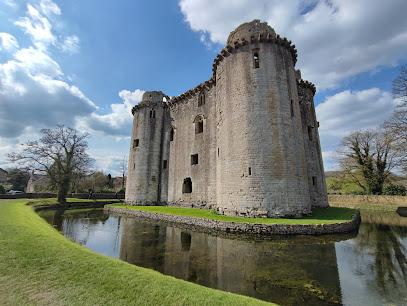
Nunney Castle
24.7 km
A French-influenced medieval fortress where a Hundred Years' War veteran built his legacy in stone.
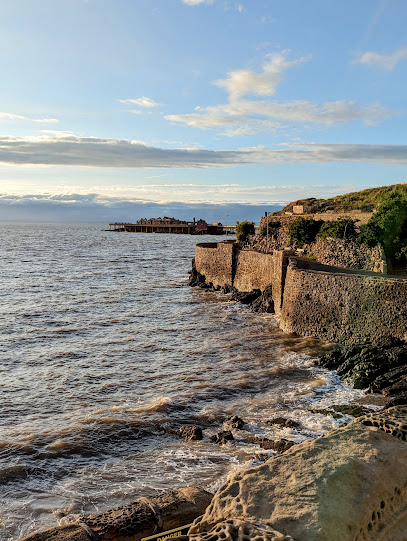
Birnbeck Pier, Weston-super-Mare
30.4 km
Explore Birnbeck Pier, the unique Victorian pier linking mainland to island, rich with history, wartime secrets, and seaside charm.
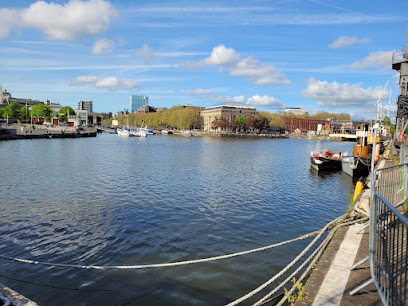
The Matthew of Bristol
34.6 km
Explore Bristol's maritime heritage aboard The Matthew, a historic ship offering breathtaking views and engaging tours of the city's vibrant harbor.
Being Brunel
34.7 km
Discover the legacy of Isambard Kingdom Brunel at Being Brunel, an interactive museum celebrating the genius of British engineering in Bristol.
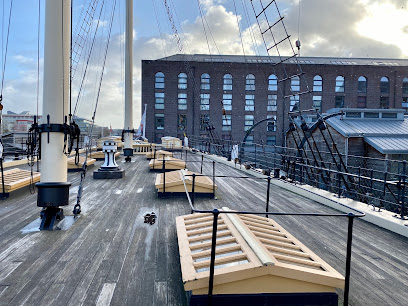
Bristol Harbour Railway
34.7 km
Experience the historic charm of Bristol Harbour Railway, a heritage railway offering scenic rides through Bristol's vibrant docks and maritime history.
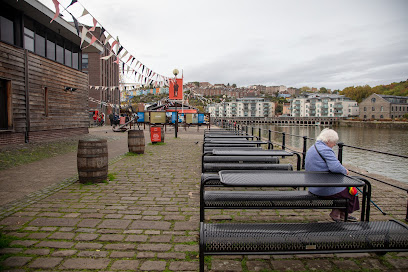
Capricorn Place
34.8 km
Explore the architectural beauty of Capricorn Place in Bristol, a hidden gem that showcases the city's rich heritage and stunning landscapes.
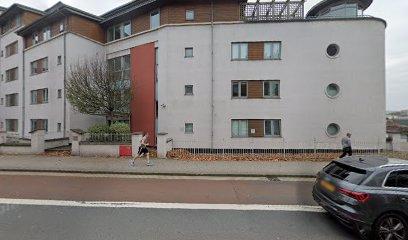
Prince Street Bridge
34.8 km
A working Victorian swing bridge over Bristol’s Floating Harbour, connecting the city centre with the Cumberland Road area and offering quiet views of boats and quays.
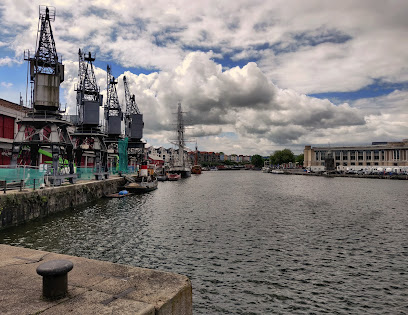
The Paragon
34.8 km
Elegant Georgian townhouse in Clifton with exclusive gardens and stunning views of Bristol’s iconic landmarks.
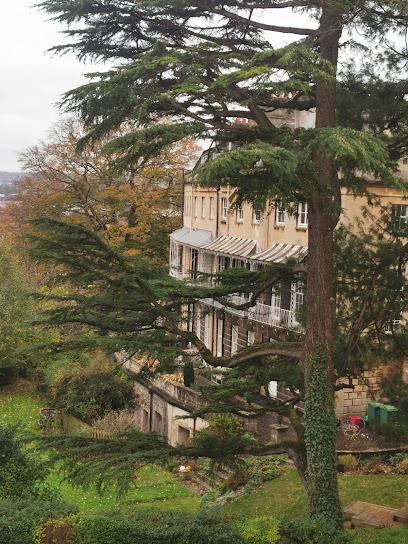
Redcliffe Caves
34.8 km
Explore the enchanting Redcliffe Caves in Bristol, a breathtaking tourist attraction filled with stunning rock formations and vibrant art installations.
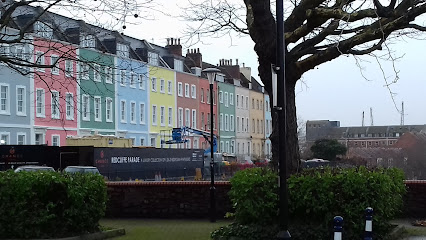
Statue of Cary Grant
34.9 km
Celebrate Hollywood legend Cary Grant with a lifelike bronze statue in Bristol’s vibrant Millennium Square, capturing his timeless charm and local roots.

Millennium Square
34.9 km
Experience the lively atmosphere and cultural richness of Millennium Square, Bristol's premier urban park and social hub.
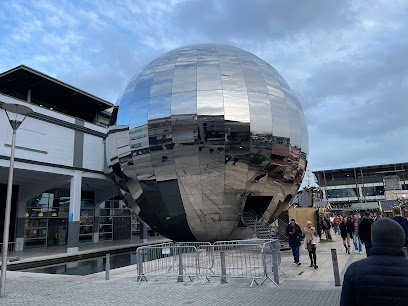
Clifton Suspension Bridge Visitor Centre (Free Entry)
34.9 km
Explore the breathtaking Clifton Suspension Bridge Visitor Centre in Bristol, where history, engineering, and stunning views come together for an unforgettable experience.
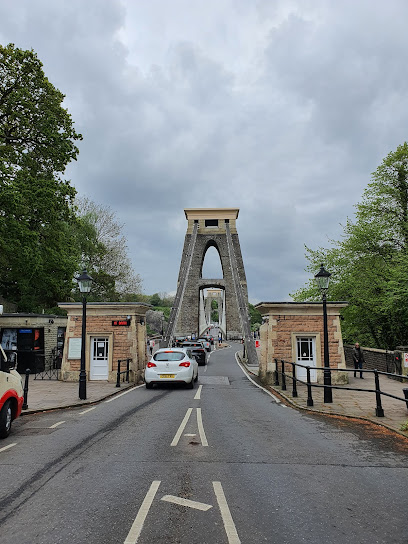
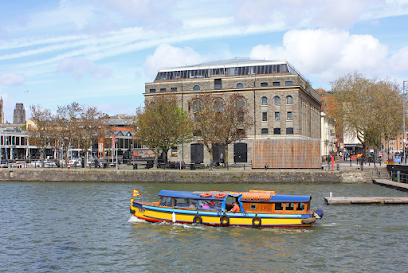
Bristol Ferry
34.9 km
Discover the scenic beauty of Bristol from the water with Bristol Ferry, a delightful ferry service showcasing the city's stunning waterfront and rich history.
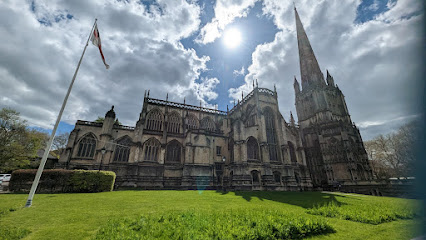
St Mary Redcliffe Church
34.9 km
Medieval Gothic masterpiece and eight centuries of Bristol's maritime heritage in stone
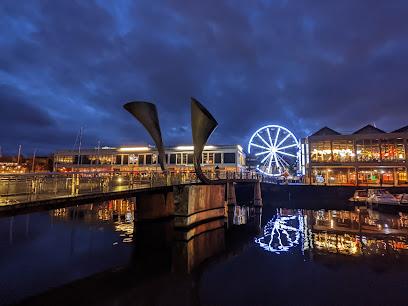
Pero's Bridge
34.9 km
A striking pedestrian bridge honoring an enslaved man's memory and Bristol's complex past with the slave trade.
Unmissable attractions to see

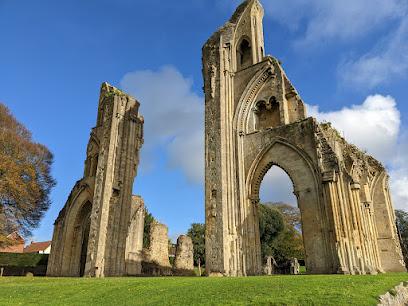
Glastonbury Abbey
0.2 km
Explore the evocative ruins of Glastonbury Abbey, where history, myth, and spirituality converge in England’s richest medieval monastery.
Glastonbury
0.3 km
Glastonbury: Where ancient legends, spiritual mystique, and vibrant festival culture converge in the heart of Somerset.

Chalice Well
0.8 km
Discover the ancient, iron-rich red spring of Chalice Well in Glastonbury—a timeless sanctuary of healing, legend, and spiritual harmony.
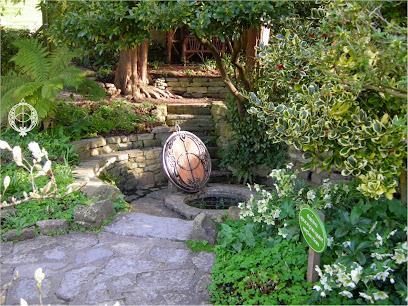
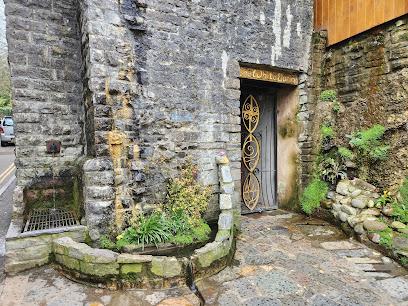
White Spring
0.9 km
A mystical Victorian water temple at Glastonbury Tor, honoring sacred calcite-rich waters with shrines, healing pools, and timeless spiritual energy.
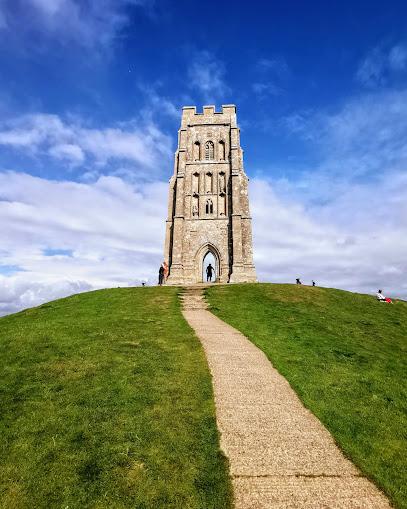
Glastonbury Tor
1.3 km
An iconic hill of myth, legend, and breathtaking views, Glastonbury Tor invites you to step into England’s mystical past and spiritual heart.
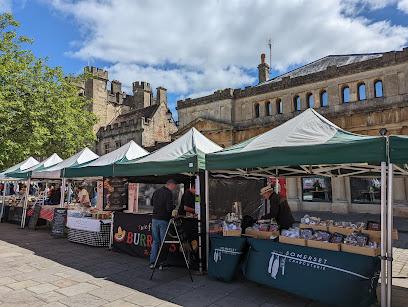
Wells Market
8.8 km
Experience the vibrant charm of Wells Market, a historic twice-weekly hub of local produce, crafts, and community events in the heart of Somerset.
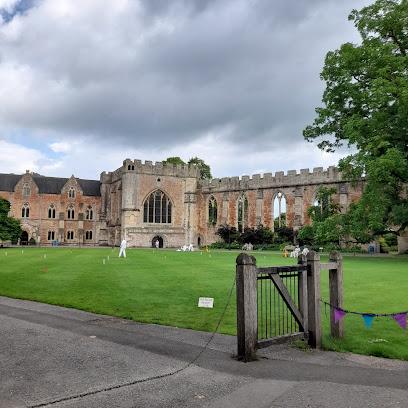
The Bishop's Palace & Gardens
8.8 km
Explore 800 years of medieval history, stunning gardens, and tranquil moats at The Bishop's Palace & Gardens in the heart of Wells.
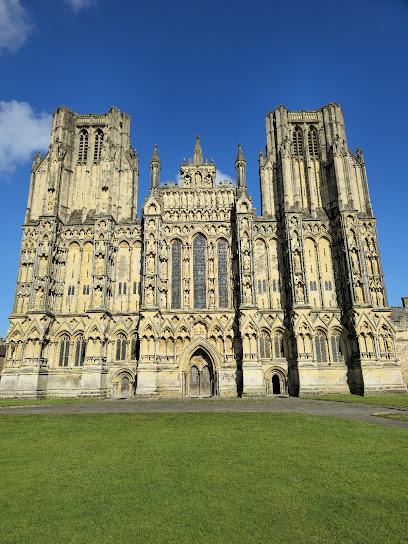
Wells Cathedral
8.9 km
Discover Wells Cathedral, England’s pioneering Gothic masterpiece with its iconic West Front, stunning scissor arches, and rich medieval heritage.
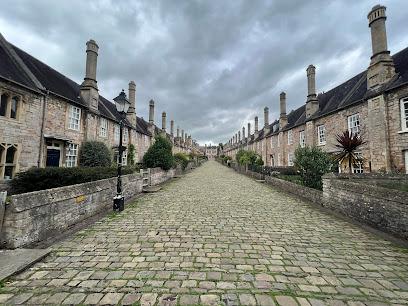
Vicar's Cl
9.0 km
Step into Vicars' Close, Wells—the oldest intact medieval residential street in Europe, where history lives in every limestone house and cobbled stone.
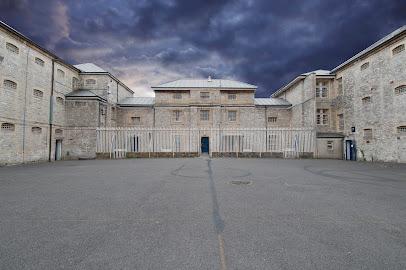
Shepton Mallet Prison
13.2 km
Step inside England’s oldest prison for immersive tours, escape rooms, and ghost hunts steeped in over 400 years of history and haunting tales.
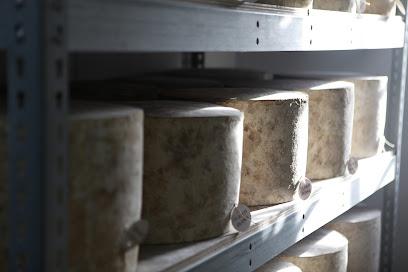
Cheddar Gorge Cheese Company
15.5 km
Discover authentic, award-winning Cheddar cheese crafted in the heart of Cheddar Gorge by a family-owned artisan dairy.
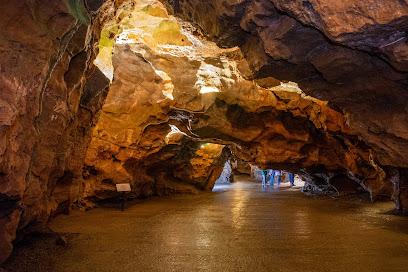
Cheddar Gorge and Caves
15.6 km
Explore the dramatic cliffs, ancient caves, and rich prehistoric heritage of Cheddar Gorge, Somerset’s iconic natural landmark.
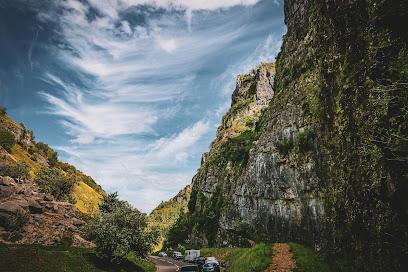
Cheddar Gorge
16.0 km
Explore England’s largest limestone gorge with stunning cliffs, ancient caves, and rich prehistoric heritage in the heart of Somerset.
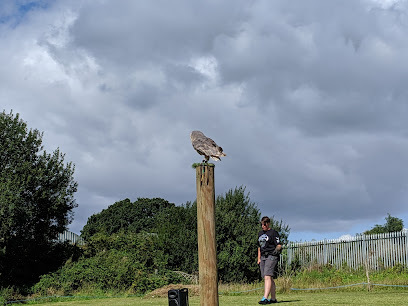
North Somerset Bird Of Prey Centre
26.6 km
Experience hands-on encounters with majestic birds of prey and reptiles in a dedicated conservation centre nestled in the heart of Somerset.
Pensford Viaduct
27.6 km
Explore the majestic 19th-century Pensford Viaduct, a stunning historic railway bridge soaring above the scenic Chew Valley in Somerset.
Essential places to dine

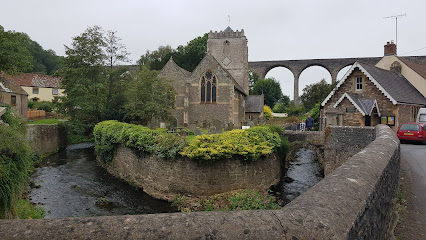
COR Restaurant
33.8 km
Vibrant Mediterranean small plates served in a stylish, intimate setting at Bedminster’s acclaimed COR Restaurant.
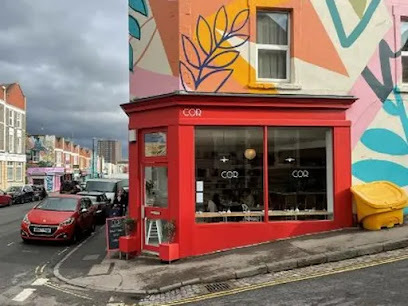
Souk Kitchen
33.8 km
Experience vibrant Middle Eastern and Mediterranean mezze dishes in a lively Southville setting, perfect for sharing and savoring bold flavours.
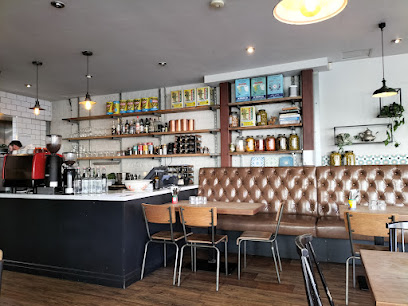
The Chef's Table
34.3 km
An intimate fine dining experience in Bristol’s historic docks, serving innovative modern British cuisine with expert wine pairings.
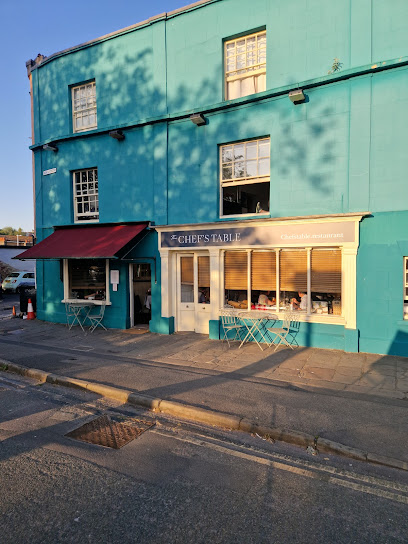
The Pump House
34.4 km
Historic waterfront gastropub in Bristol’s Hotwells, blending heritage architecture with fine British dining and scenic harbour views.
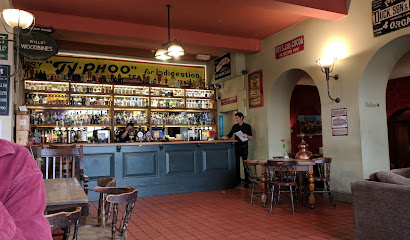
BOX-E
34.6 km
A tiny 14-seat restaurant in Bristol’s Wapping Wharf shipping containers, serving inventive Modern British tasting menus and seasonal dishes in an intimate, industrial-chic setting.
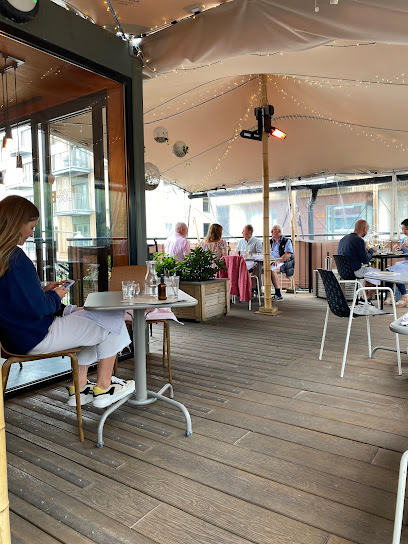
The Olive Shed
34.6 km
Mediterranean tapas and seafood with stunning harbour views in a cozy, waterside Bristol setting.
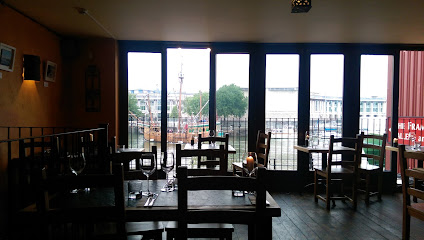
Root
34.6 km
A pioneering vegetable-focused restaurant in Bristol’s waterfront Cargo, blending seasonal flavors with a unique shipping container setting.
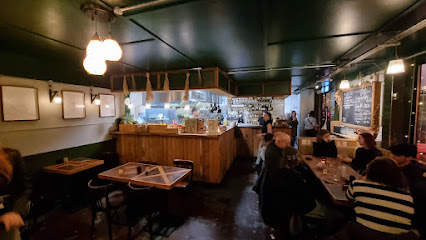
Gambas
34.6 km
A vibrant Spanish tapas bar in a harbourside shipping container, serving excellent seafood and classic small plates with great views over Bristol Harbour.
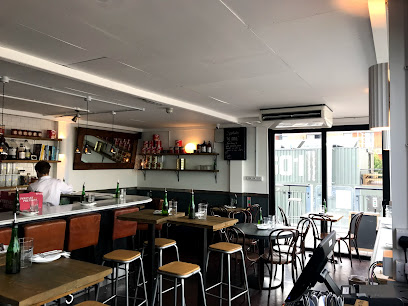
Harbour & Browns
34.6 km
Contemporary fusion dining in stylish shipping containers with harbour views at Bristol’s vibrant Wapping Wharf.
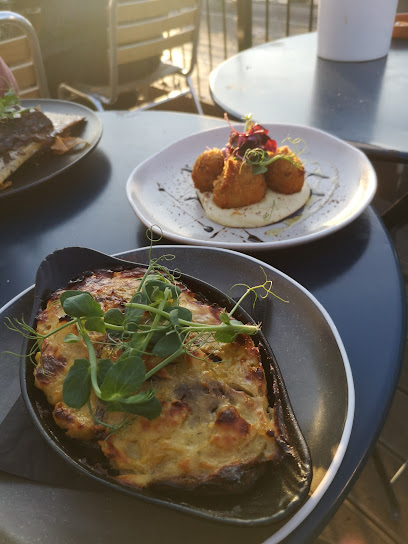
Tare Restaurant
34.6 km
Experience vibrant modern European cuisine in a stylish, relaxed setting overlooking Bristol’s Floating Harbour.
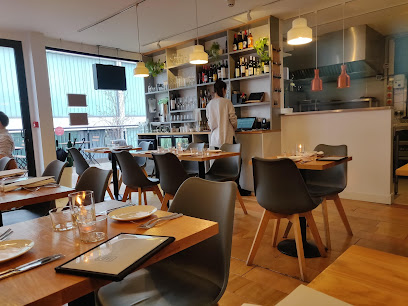
Casa Bristol
34.7 km
Refined Italian cuisine with a contemporary twist in Bristol’s historic Redcliffe harbourside, blending tradition and innovation.
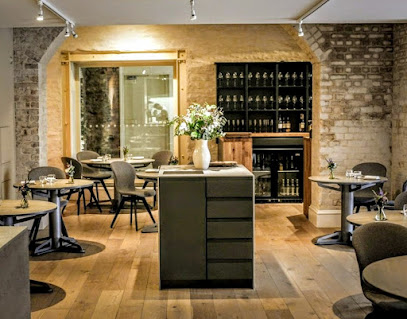
New MoOn On The Quay
34.7 km
Eclectic tapas and global flavors served in a quirky riverside setting with garden charm and inclusive menus in Bristol’s Floating Harbour.
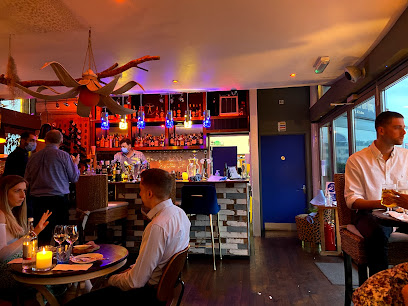
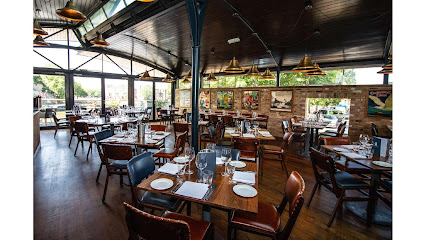
Steak of the Art
34.8 km
A bold Bristol steakhouse where art, design and expertly cooked meat come together in a vibrant Harbourside setting.
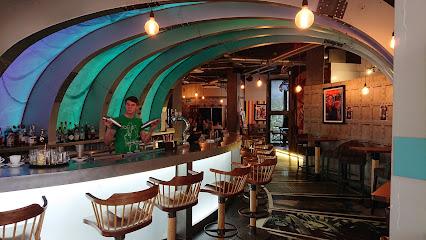
Riverstation
34.9 km
Stylish harbourside dining in Bristol with dry-aged steaks, fresh seafood, and panoramic river views from a smart, nautical-inspired restaurant and bar.
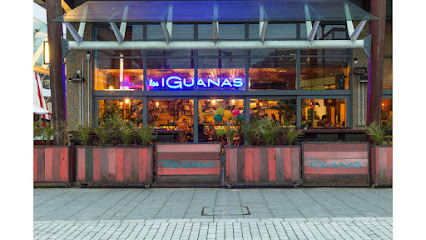
Las Iguanas - Bristol - Harbourside
34.9 km
Lively Latin American dining and cocktails with vibrant vibes by Bristol’s picturesque Harbourside waterfront.
Markets, malls and hidden boutiques

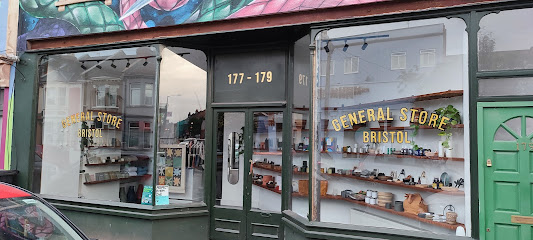
Bristol General Store
33.7 km
Independent boutique celebrating local creativity and curated global design in Bedminster.
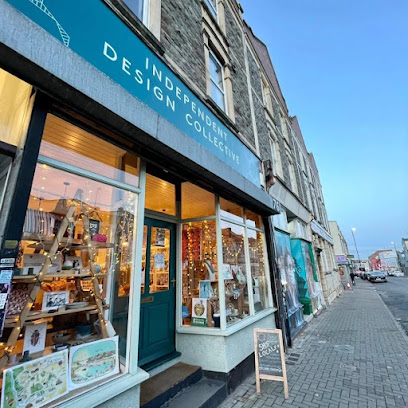
Independent Design Collective
33.8 km
Discover unique artisan gifts and crafts from Bristol’s vibrant local artists at Independent Design Collective in Southville.
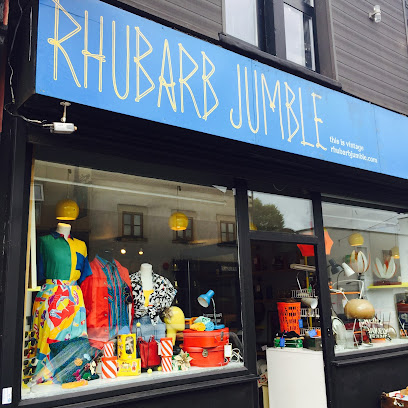
Rhubarb Jumble
33.9 km
Discover timeless vintage fashion and unique home treasures in the heart of Bristol’s vibrant Southville neighborhood.
Home Grown Pop Up Gift Shop at Windmill Hill City Farm
34.2 km
Discover unique handmade gifts by Bristol artists at the vibrant Home Grown Pop Up Gift Shop within Windmill Hill City Farm.
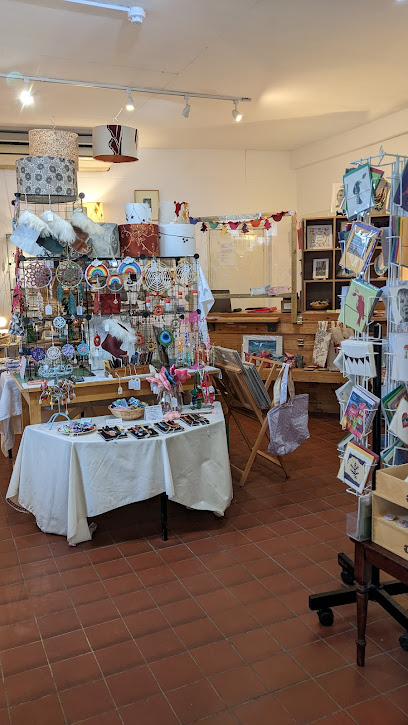
Fig1
34.6 km
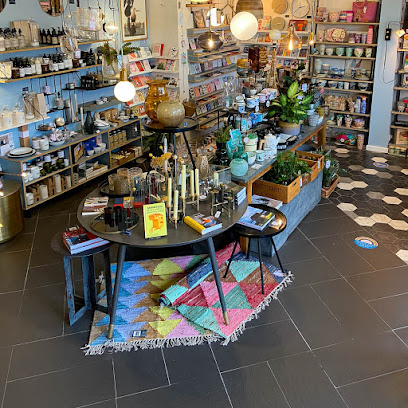
Discover Scandinavian-inspired homewares and unique gifts at this independent Bristol gem, where clean lines meet creative curation in the heart of Wapping Wharf.
Something Elsie
34.6 km
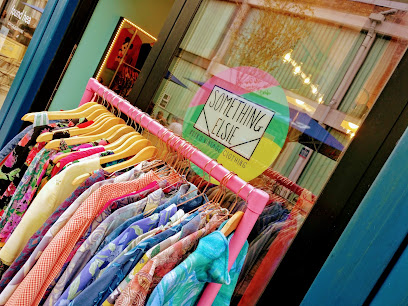
Discover vibrant 80s and 90s vintage fashion, dazzling jewellery, and quirky gifts in Bristol’s colorful Something Elsie shop at Cargo 2.
Orendo
34.8 km
Discover unique ladies' fashion at Orendo, a chic clothes shop in Bristol that embodies the city's vibrant style and trends.
Zhyper
34.8 km
Trendy threads and accessories in Bristol's Harbourside hub, where personal style meets waterfront vibrancy and urban creativity.
Movement Boutique
35.1 km
Discover curated designer fashion, jewellery, and homewares in the stylish heart of Clifton, Bristol’s charming historic district.
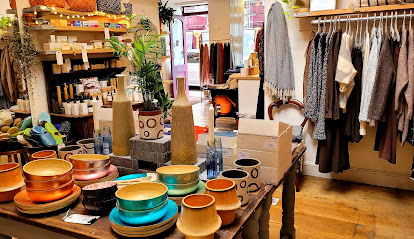
my a2space
35.1 km
A compact Harbourside shop showcasing locally made prints, gifts and artisan wares from Bristol’s creative community.
Will's doss pit
35.1 km
Dive into Bristol's quirky underbelly at Will's Doss Pit, where vintage treasures and bohemian finds await in historic Queen Square.
About Face
35.1 km
Discover curated gifts and artisanal treasures in Clifton's charming village heart, where unique finds meet personal service in a cozy Bristol gem.
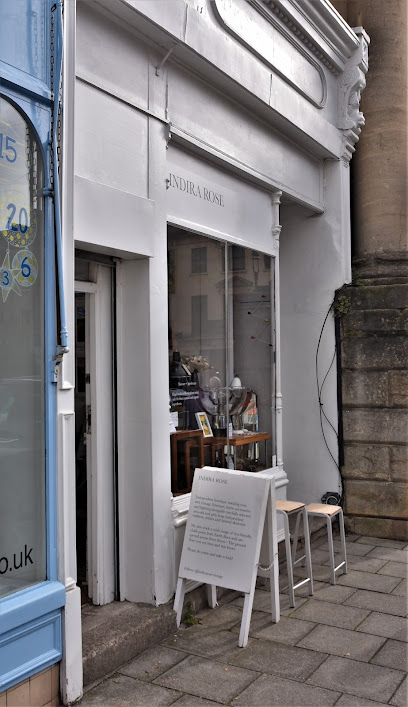
Indira Rose Vintage
35.1 km
Discover mid-century magic across three floors in Clifton's chic village—timeless antiques and vintage furniture await in Bristol's premier trove.
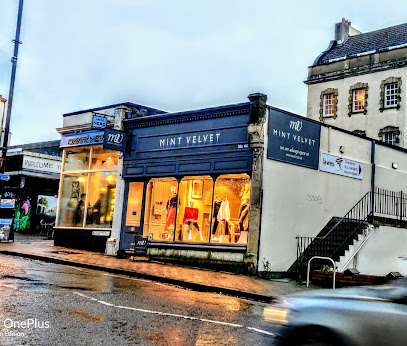
Mint Velvet Bristol
35.1 km
Discover relaxed glamour and personalized style at Mint Velvet Bristol, a chic ladies' boutique in Clifton's fashionable Regent Street.
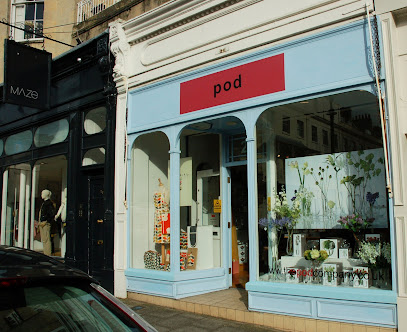
The Pod Company
35.2 km
Discover cutting-edge wellness with The Pod Company’s innovative ice baths and sauna pods in the heart of Clifton, Bristol.
Essential bars & hidden hideouts

Royal Oak
32.2 km
A beloved Nailsea pub blending traditional charm with lively sports and hearty fare in a welcoming community setting.
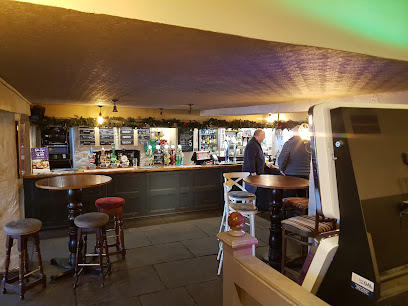
The Cottage Inn, Bristol
34.3 km
Historic harbourside pub offering modern British classics, craft ales, and scenic waterfront vibes in the heart of Bristol.
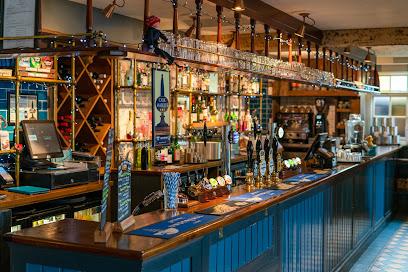
Slug & Lettuce - Harbourside Bristol
34.8 km
Bristol harbourside cocktail haven with 2-for-1 drinks, bottomless brunches, and waterfront terrace vibes for unforgettable nights out.
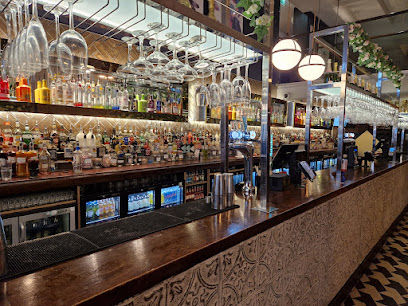
Loose Cannon Cocktail Bar - Bristol
34.9 km
Quirky harbourside haven blending pop culture cocktails, local art, and Bristol's playful vibe in a waterfront independent gem.
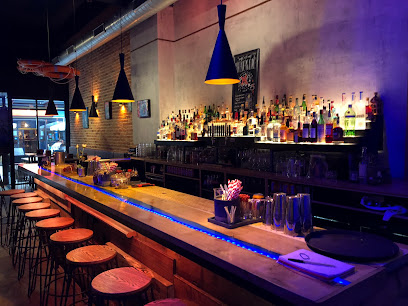
Bag of Nails
34.9 km
A quirky Bristol pub where hand-drawn art, local ales, and friendly cats create an unforgettable and cozy atmosphere.
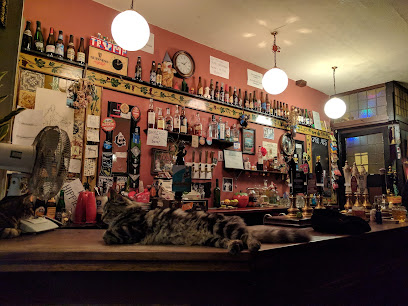
Shakespeare Tavern
34.9 km
Waterside Bristol pub pouring cask ales, pub classics, and community cheer in a dog-friendly haven with garden vibes.
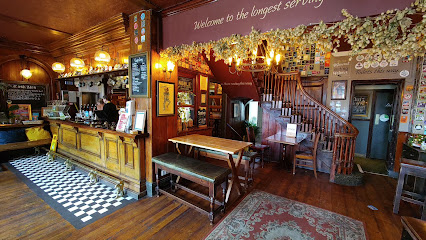
The Architect
34.9 km
Art deco café-bar on Bristol's Floating Harbour: coffees by day, cocktails by night, with terrace views of ferries and quayside life.
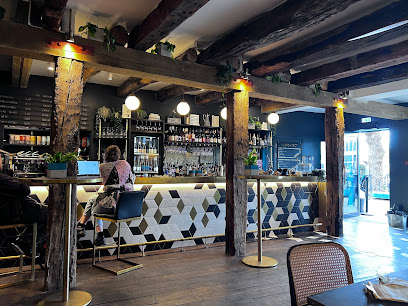
Steinbeck and Shaw
34.9 km
Bristol's graffiti-glazed cocktail haven where masterclasses, happy hours, and late-night vibes collide in historic style.
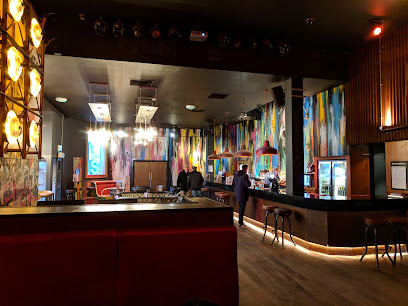
The Old Crown Inn
34.9 km
A charming traditional British pub near Bath offering hearty fare, real ales, and a warm, welcoming atmosphere in historic Kelston.
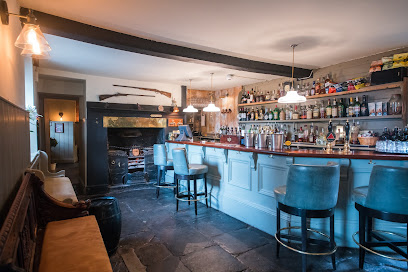
The Last Word Clifton Village Bristol
35.0 km
Quirky Clifton cocktail haven spanning three cozy floors, perfect for masterful mixes and intimate evenings in Bristol's upscale village.
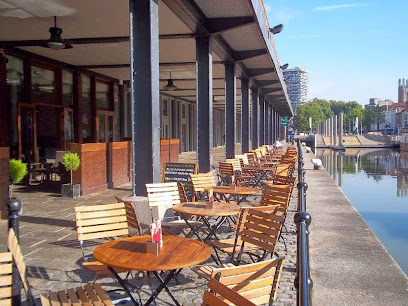
Mackenzies Bar & Kitchen
35.0 km
A relaxed, all-day cafe-bar in the W Shed offering casual meals and drinks beside Bristol’s harbourside.
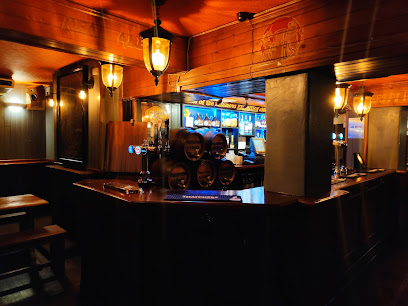
The Coronation Tap
35.1 km
Bristol's legendary ciderhouse near Clifton Suspension Bridge, famed for potent Exhibition scrumpy, live tunes, and timeless tavern vibes in cozy Clifton.
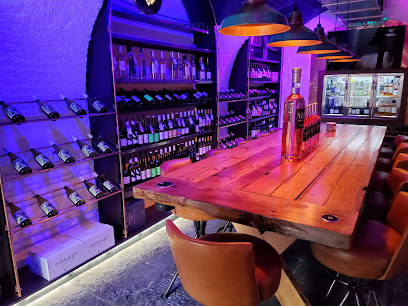
22 Clifton
35.1 km
A vaulted Clifton wine cellar mixing Georgian bones with a modern wine-bar programme, tastings and sharing plates in an intimate setting.
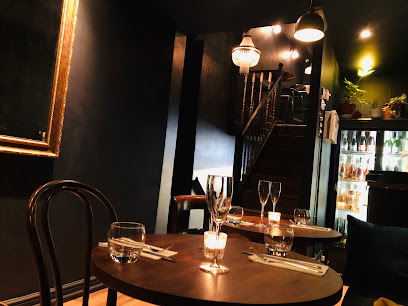
The Quadrant
35.1 km
Cosy Clifton wine bar with a curated drinks list, small plates and buzzy window seats in the heart of the village.
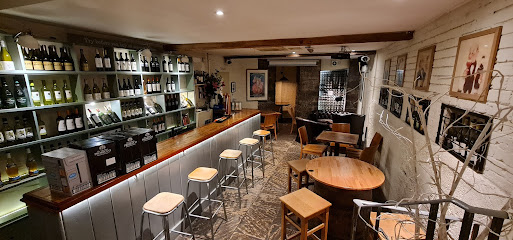
Small Bar
35.2 km
Bristol's compact craft beer gem: sample microbrew masterpieces in rustic intimacy amid King Street's historic buzz.
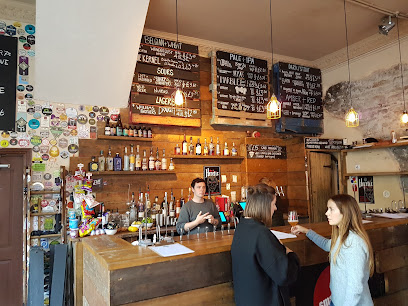
Nightclubs & after hour spots

Thekla
34.9 km
A converted cargo ship transformed into Bristol’s compact, industrial live-music venue and late-night club, famed for close-up shows and throbbing club nights.
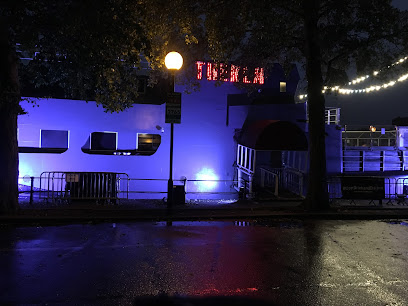
PRYZM
34.9 km
Experience Bristol’s vibrant nightlife at PRYZM, a multi-room club with themed music floors, student deals, and a lively party atmosphere.
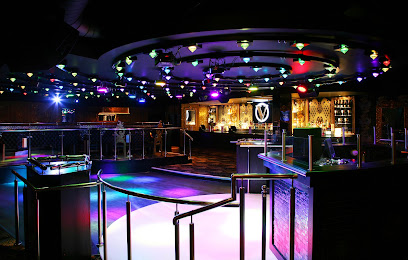
The Loco Klub
35.1 km
An atmospheric subterranean arts venue in Brunel’s Temple Meads arches, where tunnels, brick vaults and intimate soundscapes host club nights, theatre and live music.
OMG
35.2 km
Southwest's biggest gay club: massive dance floor, killer sound, themed nights, and inclusive vibes until dawn in Bristol's heart.
Motion
35.2 km
Bristol’s legendary warehouse nightclub, Motion, pulses with underground electronic music and community spirit in an iconic industrial setting.
Basement 45
35.3 km
Experience Bristol’s underground nightlife at Basement 45, where eclectic music, intimate vibes, and vibrant events come alive until the early hours.
Queenshilling - Bristol Bar and Nightclub
35.3 km
Bristol's iconic LGBTQ+ haven: dance, drag, and drinks in an intimate Frogmore Street gem fueling the city's electric nightlife.
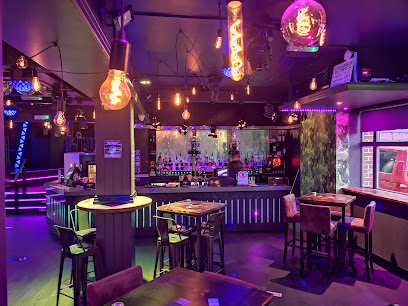
Popworld - Bristol
35.3 km
Dance to 90s and 00s pop anthems under neon lights at Bristol's ultimate nostalgic nightclub, where cheesy hits and POPTAIL cocktails fuel epic nights out.
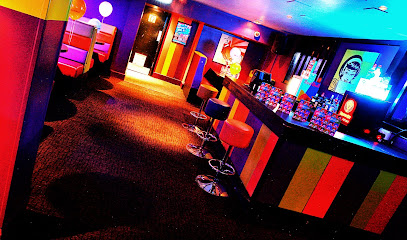
Forró Bristol
35.3 km
Ignite your night with Brazilian forró rhythms: partner dances, live bands, and sweaty joy in Bristol's beating heart.
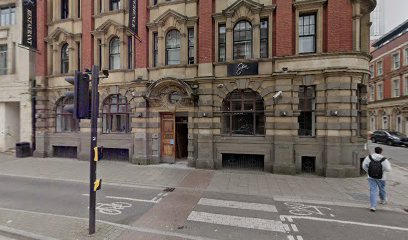
Antix
35.3 km
Bristol's enduring late-night haven on Park Street: cocktails till 1am, DJ beats till 6am, dancing into dawn with house, R&B, and reggaeton vibes.
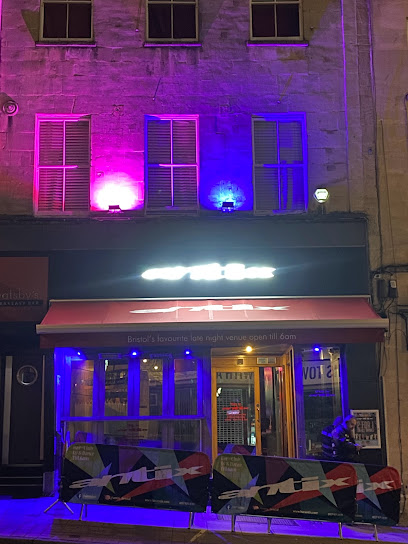
Silk Nightclub
35.3 km
Experience Bristol’s vibrant nightlife at Silk Nightclub, where energetic beats and a lively crowd create unforgettable nights in the city center.
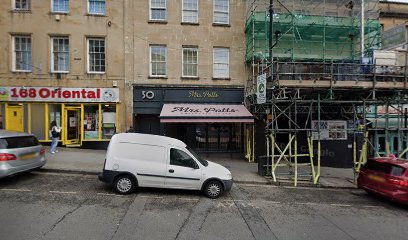
Marquee Cocktail Bar & Nightclub
35.4 km
From refined cocktails to dawn-dancing beats, Marquee delivers Bristol's ultimate nightlife evolution in one stylish venue.
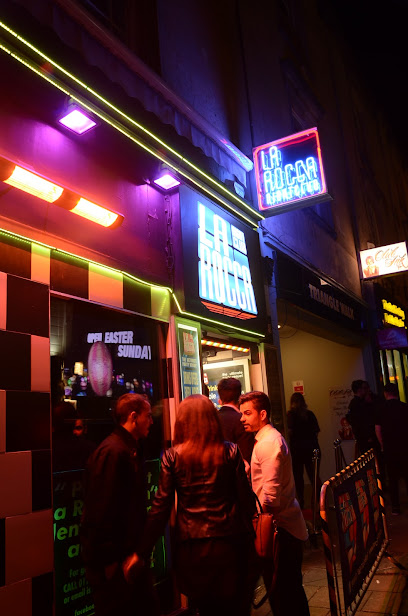
La Rocca
35.4 km
A lively Clifton nightclub blending classic tunes, affordable drinks, and a vibrant social scene in Bristol’s dynamic nightlife district.
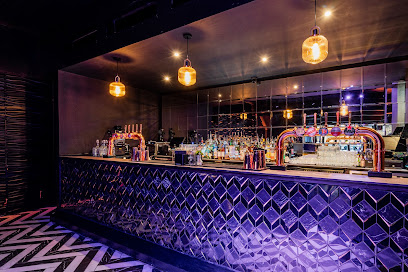
The Pearl NightClub
35.4 km
Bristol's intimate Clifton nightclub where fire DJs ignite weekend dance floors from 10pm till dawn—pure energy in a compact, electric space.
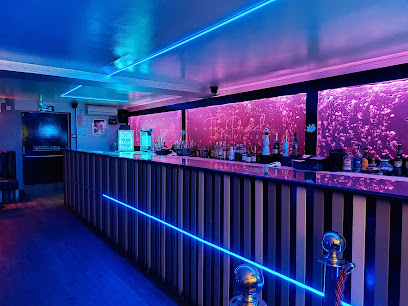
Bristol Lola Lo
35.5 km
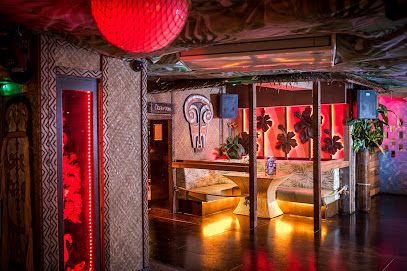
An intimate, vintage‑Tiki nightclub in Clifton with neon cocktails, paper lanterns and a compact dancefloor for themed late‑night parties.
For the vibe & atmosphere seeker
- Tranquil
- Zen
- Spiritual / Energy Spot
- Romantic
- Unique
For the design and aesthetic lover
- Minimalist Designs
- Vintage Styles
- Rustic Designs
For the architecture buff
- Historic
- Heritage Neighborhoods
- Sacred Sites
For the view chaser and sunset hunter
- Iconic Views
For the social media creator & influencer
- Photo Spots
- Aesthetic Corners
- Architectural Shots
For the eco-conscious traveler
- Locally Managed
- Protected Area
For the kind of experience you’re after
- Spiritual / Energy Spot
- Cultural Heritage
- Meditation Spot
- Mindfulness
- Day Trip
For how adventurous you want the journey to be
- Easy Access
Location Audience
- Family Friendly
- Senior Friendly
- Wheelchair Access
- Solo Friendly
- Couple Friendly
- Solo Female Friendly


