Lybster Harbour Travel Guide
Free Guide: A windswept Caithness fishing harbour with dramatic sea views, historic charm, and a quiet, authentic Highland atmosphere.


A brief summary of Lybster Harbour
A windswept Caithness fishing harbour with dramatic sea views, historic charm, and a quiet, authentic Highland atmosphere.
Nestled on the rugged northeast coast of Scotland, Lybster Harbour is a historic fishing port with a dramatic cliffside setting and a rich maritime past. Once a bustling herring hub, today it offers a peaceful, windswept charm with sweeping sea views, a working pier, and a quiet, authentic Highland atmosphere. The harbour is easily accessible on foot from the village and is ideal for a scenic stroll, photography, or simply watching the waves crash against the breakwater. It’s a place where history, nature, and community life quietly converge.
On-site amenities
 Seating areas
 Trash bins
 Information boards
Opening hours
- Every dayOpen 24 hours
Opening hours as listed on the venue’s Google Business Profile. Hours can change for services and special events, so check with the venue before you go.
- Address
- Lybster KW3 6AH
- Website
Getting there
On foot from Lybster village
By car from Wick
By bus from Wick
Discover more about Lybster Harbour
A Working Harbour with a Historic Heart
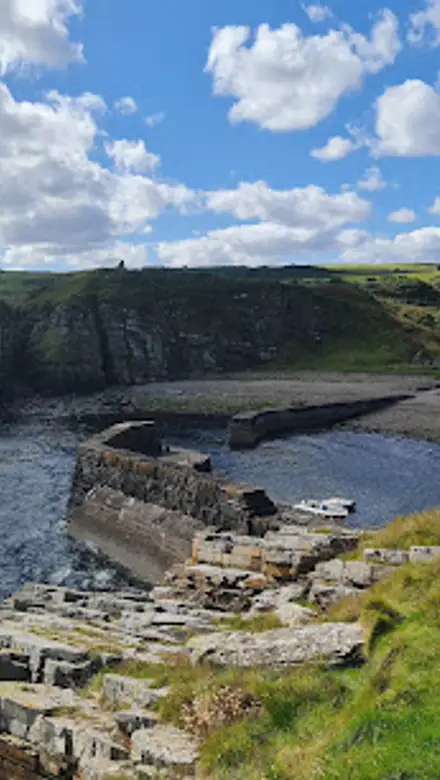
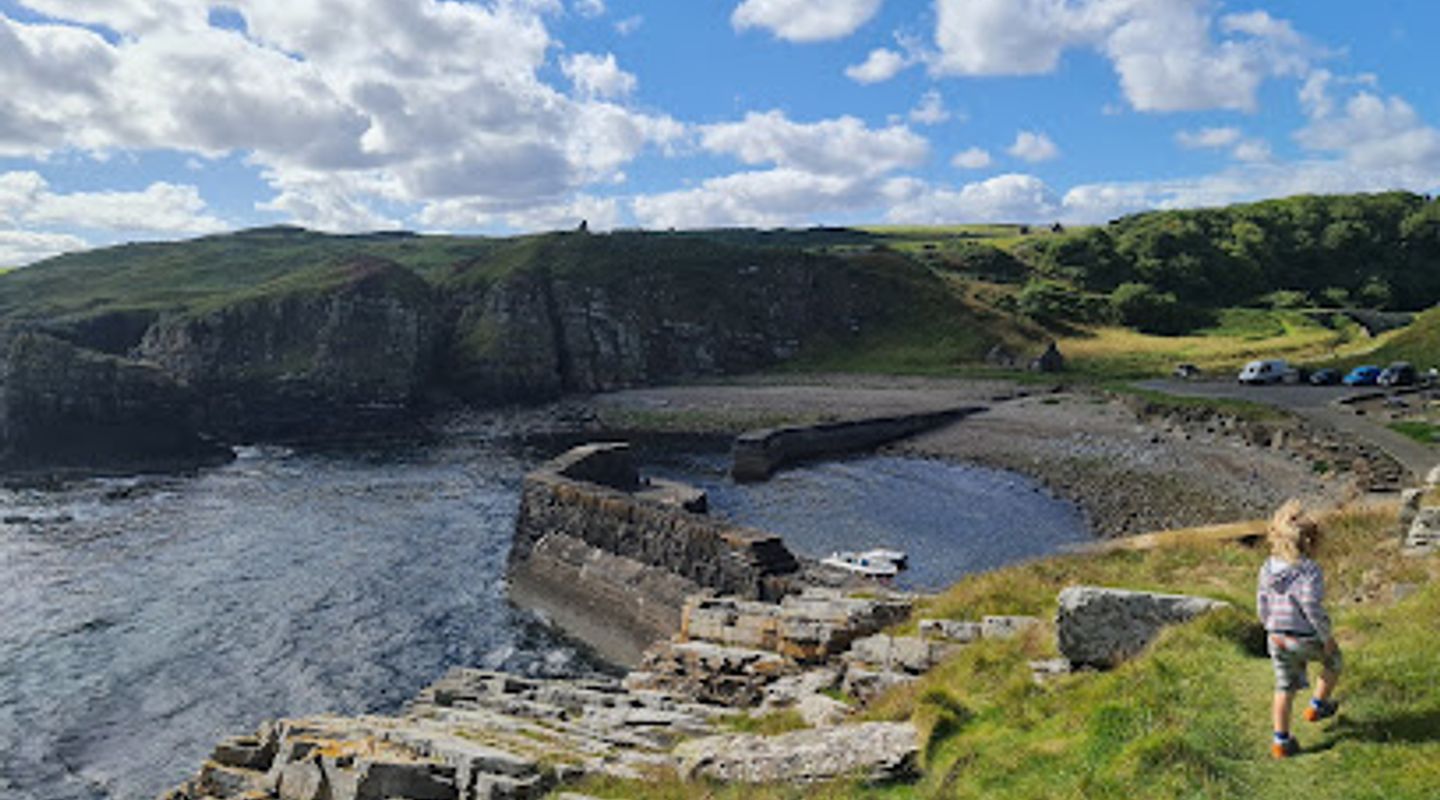
Lybster Harbour sits on the wild Caithness coast, where the North Sea meets the cliffs in a timeless dance of wind and water. Built in the early 19th century, the harbour was once a major herring port, its quays thronged with boats and workers during the great herring boom. Today, it remains a working fishing harbour, though on a much quieter scale, with small boats still launching from the stone pier. The harbour’s layout, with its curved breakwater and stone walls, reflects its practical origins, designed to shelter vessels from the often fierce North Sea gales.
Atmosphere and Setting
The atmosphere here is one of quiet resilience. The sea is never far from the senses: the smell of salt and seaweed, the cry of gulls overhead, and the constant rhythm of waves against the stone. On clear days, the views stretch out over the open sea, while in rough weather, the harbour becomes a dramatic stage for crashing waves and spray. The surrounding cliffs and grassy slopes add to the sense of being on the edge of the world, a place shaped by the elements as much as by people.
What to See and Do
A visit to Lybster Harbour is best enjoyed at a slow pace. Walk along the quayside to watch the boats, perhaps chat with a local fisherman, or simply find a spot to sit and take in the view. The harbour wall and breakwater offer excellent vantage points for photography, especially at sunrise or sunset when the light plays across the water and stone. The nearby village of Lybster provides a handful of basic amenities, and the harbour itself is a natural focal point for a short coastal walk or a longer exploration of the surrounding coastline.
History and Community
Lybster’s identity has long been tied to the sea. The harbour was central to the village’s growth, supporting not only fishing but also related industries like curing and net-making. While the herring trade has long since faded, the harbour remains a symbol of the community’s maritime heritage. Local stories and memories are woven into the stones and the sea, and the harbour continues to serve as a practical and symbolic link between the village and the wider world beyond the coast.
Practicalities for Visitors
The harbour is freely accessible at all hours, with no entrance fee or formal opening times. It is best visited in daylight, when the views and atmosphere are at their most vivid. Wear sturdy footwear and a windproof layer, as the exposed location can be wet and blustery even on otherwise fine days. There are no extensive visitor facilities directly at the harbour, so it’s wise to come prepared with water, snacks, and any essentials. The nearby village has a few places to eat and stay, making it easy to combine a harbour visit with an overnight stay in the area.
Evendo Review Centre
 Google
Guest reviews
Best time to go
Quietest: Jan, Feb & Nov · before 3am
Busy times are Evendo estimates for a typical year, to help you plan. Actual crowds vary with events, school holidays and the weather.
Explore Lybster Harbour on the map
A handpicked selection of must-see spots near Lybster Harbour, mapped for you.
Get your free copy of our complete guide to Lybster Harbour, delivered straight to you.
Everything on this page, from opening hours and how to get there to Eve’s tips and the best time to go, in one PDF you can read offline, print or share.
Already have an account? Sign in
Your Lybster Harbour guide is ready.
We'll send it to · Not you? Sign out

Getting your guide ready…
We are putting together a fresh copy of the Lybster Harbour guide. This can take up to a minute.
This can take a few moments. If your browser asks, choose Allow so the download can start. You'll find the guide in your Downloads folder.
Nothing happened? Download it again
Sorry, the guide is taking longer than usual. Please try again in a minute, or get it by email instead.
Other nearby places you may find interesting
The closest places of the same kind, if this one is not quite what you had in mind.
-
-
-
-
-


Swipe for more places
More to explore near Lybster Harbour

 Best experiences near Lybster Harbour
 Best hotels near Lybster Harbour
 Best landmarks near Lybster Harbour
 Best attractions near Lybster Harbour
 Best shops near Lybster Harbour
 Best restaurants near Lybster Harbour
 Best bars near Lybster Harbour
Do you manage this location?
Take control to get all the benefits, like improved information, better appearance, and stronger visibility across AI-powered discovery.
Explore more

Explore more of Caithness
Discover Caithness, Scotland's northern gem, where rugged coastlines, ancient history, and vibrant wildlife come together in a breathtakingly beautiful landscape.
Explore Caithness
Explore more of United Kingdom
Discover the United Kingdom: A blend of rich history, stunning landscapes, and vibrant cities, offering a unique travel experience for every visitor.
Explore United Kingdom