
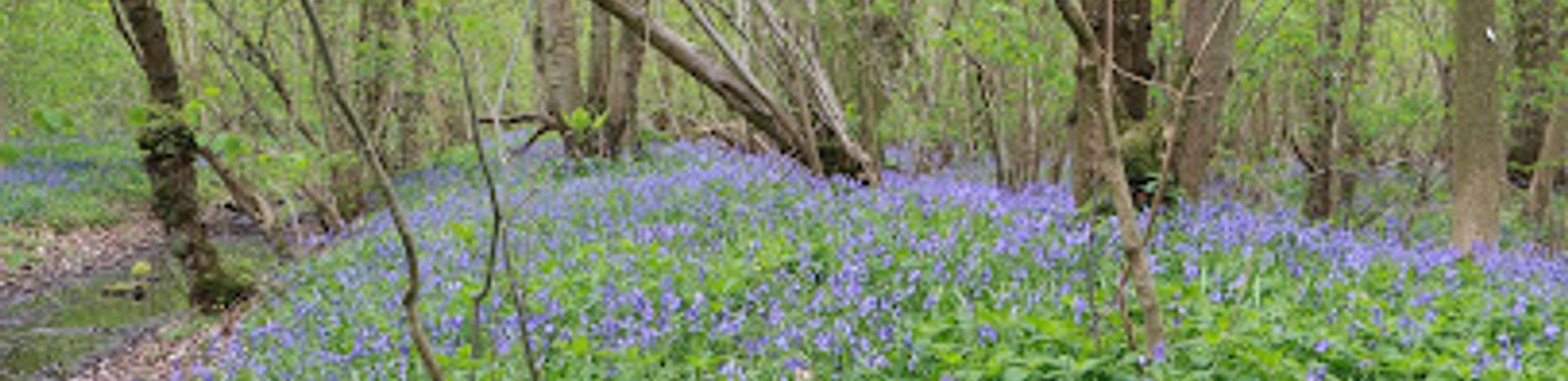
Hayley Wood Nature Reserve
Explore ancient coppiced woodland rich in spring flowers and wildlife, preserved in tranquil Hayley Wood Nature Reserve near Cambridge.
Hayley Wood Nature Reserve, near Little Gransden in Cambridgeshire, is a 51.7-hectare ancient woodland renowned for its rich biodiversity and traditional woodland management. This tranquil reserve features ancient coppice-with-standards, vibrant spring flowers such as oxlip and wood anemone, and a variety of wildlife including woodpeckers and deer. Managed by the Wildlife Trust for Bedfordshire, Cambridgeshire and Northamptonshire, it offers a peaceful escape into nature with historical and ecological significance.
A brief summary to Hayley Wood Nature Reserve
- Cambridge, Little Gransden, GB
- +447894599020
- Visit website
- Duration: 1 to 3 hours
- Free
-
 Outdoor
- Mobile reception: 3 out of 5
- Monday 12 am-12 am
- Tuesday 12 am-12 am
- Wednesday 12 am-12 am
- Thursday 12 am-12 am
- Friday 12 am-12 am
- Saturday 12 am-12 am
- Sunday 12 am-12 am
Local tips
- Visit in spring to see the spectacular display of oxlip, bluebells, and wood anemones in bloom.
- Use the information shelter at the Roundabout to learn about the reserve’s history and management.
- Wear sturdy footwear as some paths can be muddy or uneven due to natural woodland terrain.
- Bring binoculars for birdwatching; species like woodpeckers and treecreepers are commonly spotted.

For the on-the-go comforts that matter to you
- Information Boards
- Seating Areas
- Trash Bins
Getting There
-
Bus and Walking
Take the bus from Cambridge to Longstowe, then walk approximately 1.5 miles (about 30 minutes) along rural paths and Hayley Lane to reach Hayley Wood. The walk is on uneven terrain and may be muddy in wet weather. Bus fares typically range from £3 to £5 one way.
-
Car
Drive from Cambridge via the A428 and A1198 roads to the B1046 near Little Gransden. Parking is available on the verge opposite Hayley Lane, about 300 meters from the reserve entrance. Note that parking is limited and on-road only, so early arrival is recommended. No parking fees apply.
-
Cycling
Cyclists can reach Hayley Wood from Cambridge via country lanes, covering roughly 10 miles. The route includes quiet rural roads with some gentle hills. Secure bike parking is not provided at the reserve, so bring a lock. Suitable for experienced cyclists comfortable with mixed road conditions.
Hayley Wood Nature Reserve location weather suitability
-
 Any Weather
-
 Rain / Wet Weather
-
 Clear Skies
-
 Mild Temperatures
Discover more about Hayley Wood Nature Reserve
Ancient Woodland with Deep Roots
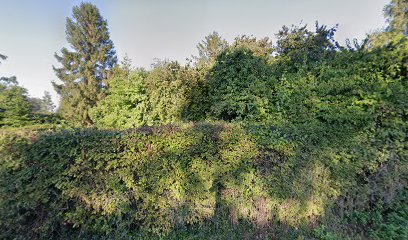
Hayley Wood is one of the largest and most ecologically significant ancient woodlands in Cambridgeshire, covering approximately 51.7 hectares (128 acres). Located near Little Gransden, it has been continuously managed by humans for centuries, with coppicing practices dating back to at least the 13th century. The woodland’s soil is heavy clay, creating waterlogged conditions on the flat hilltop, which supports a unique mix of flora and fauna. The wood is surrounded by an ancient hedge alongside Hayley Lane, estimated to be over 800 years old, adding to the site's historical richness.Flora and Fauna in a Living Landscape
The woodland’s structure is characterized by coppice-with-standards, including species such as field maple, ash, hazel, hawthorn, and a canopy dominated by pedunculate oak. Many oaks date from the late 18th to early 19th centuries, making them some of the oldest in the region. The reserve is especially noted for its spring wildflowers, including one of Britain’s largest oxlip populations, wood anemone, bluebell, yellow archangel, early purple orchid, and bird’s-nest orchid. The diversity of plants supports a rich insect life, which in turn attracts numerous bird species such as woodpeckers, nuthatches, chiffchaffs, and occasionally treecreepers and spotted flycatchers. In winter, flocks of redwing and fieldfare feed on the abundant berries.Traditional Management and Conservation Efforts
Coppicing, a traditional woodland management technique involving the periodic cutting back of trees to ground level to promote new growth, was revived at Hayley Wood in 1964 after ceasing in the 1920s. The reserve is divided into 14 one-acre coppice plots, cut sequentially each winter to maintain habitat diversity. Dead wood is deliberately left to support liverworts and woodpeckers, while rides and glades are mown to reduce nutrient levels and encourage wildflower diversity. A high deer fence installed in 1972 protects the woodland from overgrazing, helping to sustain the oxlip population and other sensitive species.Historical and Ecological Significance
Hayley Wood was the first site acquired by the Cambridgeshire and Isle of Ely Naturalists' Trust, now the Wildlife Trust for Bedfordshire, Cambridgeshire and Northamptonshire. The wood’s northern edge once bordered the Varsity railway line between Bedford and Cambridge, now dismantled but still visible as a flower-rich strip. The reserve is a Nature Conservation Review site, Grade 1, reflecting its national importance. It also inspired the renowned woodland scholar Oliver Rackham, who documented its ecology and history.Visitor Experience and Atmosphere
Visitors to Hayley Wood can enjoy peaceful walks through ancient woodland paths lined with wildflowers and mature trees. The reserve’s mosaic of dense woodland, open rides, and glades creates varied habitats and scenic views. The ‘Roundabout’ area, historically used for timber extraction, now hosts an information shelter detailing the reserve’s ecology and management. Wildlife watchers may spot deer, badgers, foxes, and a wide variety of birds, while the seasonal changes bring vibrant displays of color and life.Access and Surroundings
Access to Hayley Wood is via Hayley Lane from the B1046 road, with parking available on the verge opposite the entrance. The reserve lies about 17 km southwest of Cambridge and is part of the West Cambridgeshire Hundreds Living Landscape Scheme, which aims to connect and conserve local nature reserves. It is open at all times, inviting visitors to explore its natural and historical treasures throughout the year.Iconic landmarks you can’t miss

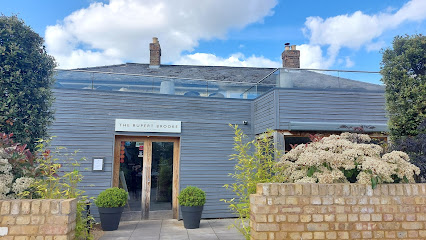
The Rupert Brooke
14.0 km
Experience the best of British cuisine at The Rupert Brooke in Grantchester, a charming restaurant celebrated for its seasonal dishes and elegant ambiance.
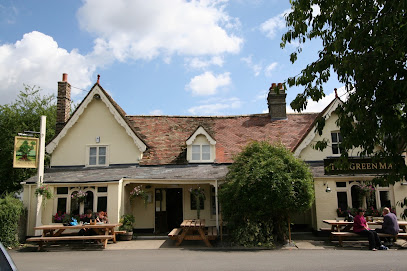
The Grantchester Green Man
14.1 km
A charming gastro pub in Grantchester offering classic British fare, a welcoming garden terrace, and warm village hospitality.
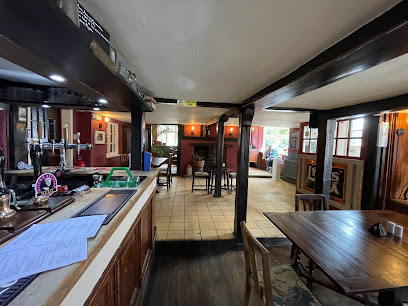
Lord Byron Inn
15.0 km
Cozy Trumpington pub-inn with hearty meals, quiet garden rooms, and easy Cambridge access—authentic English hospitality awaits.
Westminster College
16.0 km
Historic theological college blending Victorian architecture with contemporary faith education in Cambridge's academic heart.
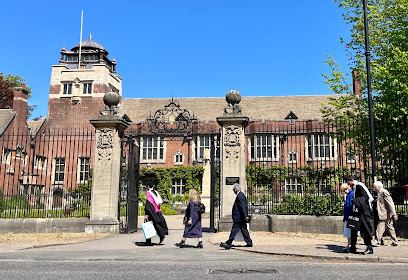
Castle Park
16.0 km
Historic green space featuring the Norman Cambridge Castle Mound with panoramic city views and tranquil parkland near the city centre.
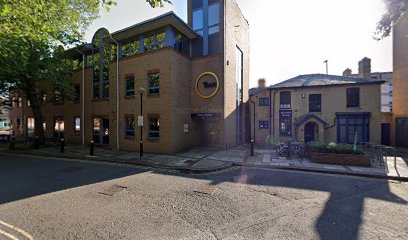
The Old Schools
16.1 km
Historic university landmark at Trinity Lane, blending Gothic and classical architecture at the heart of Cambridge's academic tradition.
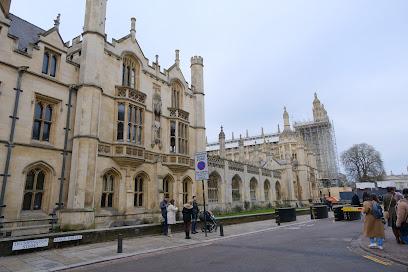
Bridge of Sighs
16.1 km
A Victorian Gothic covered bridge spanning the River Cam, linking history and beauty at St John's College, Cambridge.
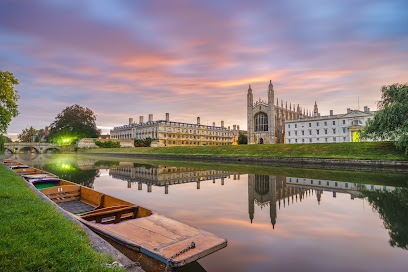
Kettle's Yard
16.1 km
Discover Kettle's Yard, Cambridge's unique art museum blending contemporary art with a serene home-like setting perfect for inspiration.
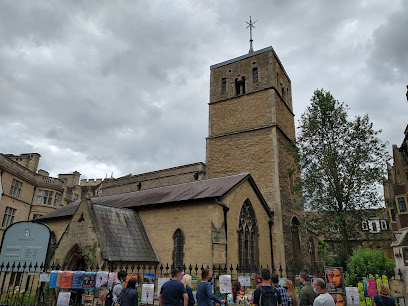
St Bene’t’s Church
16.1 km
Discover St Bene't's Church, Cambridge's oldest structure, rich in history and architectural beauty, inviting tourists to explore its serene ambiance and cultural significance.
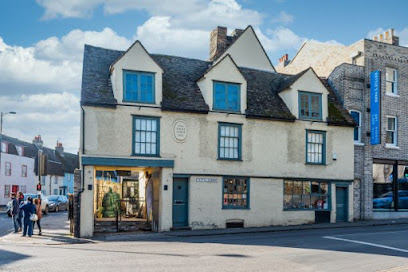
Museum of Cambridge
16.2 km
Explore the Museum of Cambridge, where local history comes alive through fascinating artifacts and engaging exhibits that tell the story of this historic city.
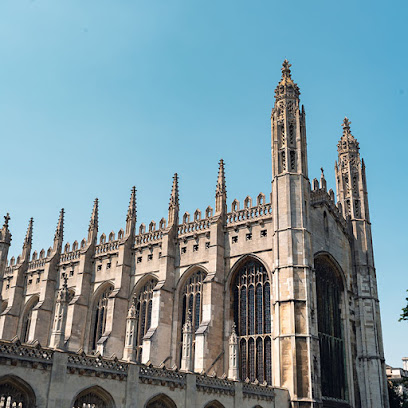
Remember Cambridge
16.2 km
Explore the historic city of Cambridge with Remember Cambridge's guided walking tours, uncovering hidden gems and iconic sights in this charming university town.
Senate House Hill
16.2 km
Historic Senate House Hill in Cambridge offers stunning views, iconic architecture, and a vibrant academic atmosphere at the heart of the university city.

Map of Cambridge
16.2 km
Explore the artistic heart of Cambridge with a visit to the iconic sculpture at St Mary's Passage, a perfect blend of history and creativity.
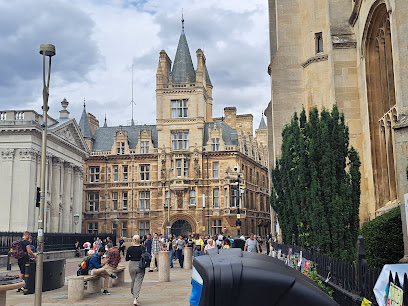
Great St Mary's
16.2 km
Discover the architectural beauty and historical significance of Great St Mary's, the University Church in Cambridge, a must-visit landmark for tourists.
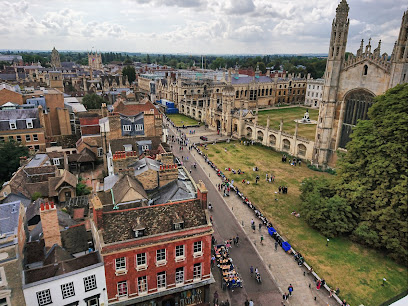
Castle Mound
16.2 km
Experience the stunning views and rich history at Castle Mound, a must-visit historic site in the heart of Cambridge.
Unmissable attractions to see

National Trust - Wimpole Estate
4.8 km
A 3,000-acre Georgian masterpiece blending stately architecture, Capability Brown landscapes, and a working rare-breed farm.
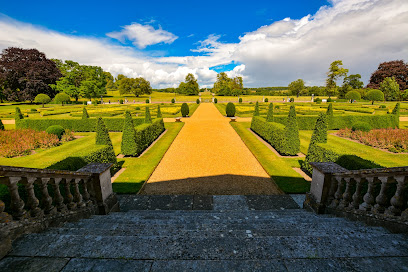
Bourn Windmill
4.9 km
Discover England’s oldest surviving windmill, a beautifully restored 16th-century post mill nestled in Cambridgeshire’s tranquil countryside.
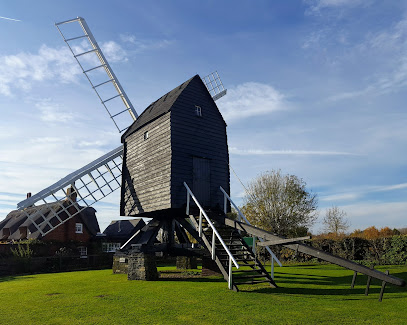
Terrible Tours
10.8 km
Discover Cambridge’s spooky secrets with Terrible Tours’ uniquely entertaining ghost walks blending history, humor, and haunted tales.
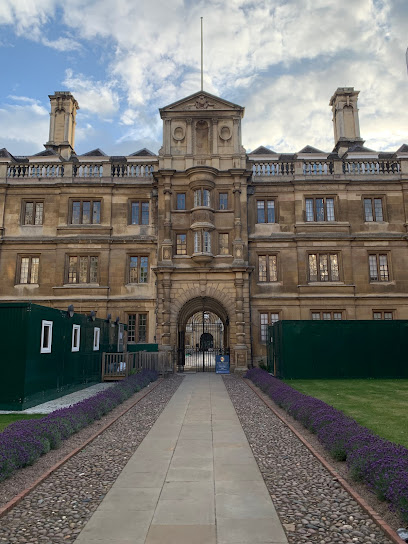
RSPB The Lodge
11.4 km
Explore Bedfordshire’s largest heathland sanctuary, home to rare birds, diverse habitats, and immersive nature trails at RSPB The Lodge.
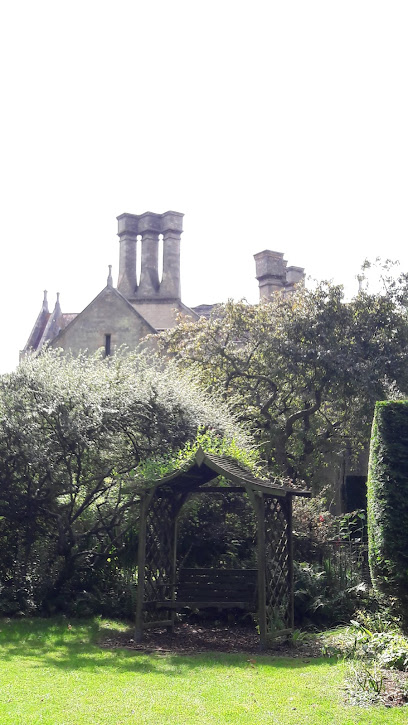
Cambridge American Cemetery and Memorial
12.7 km
A solemn and beautifully maintained World War II American military cemetery near Cambridge, honoring thousands with serene grounds and a reflective chapel.
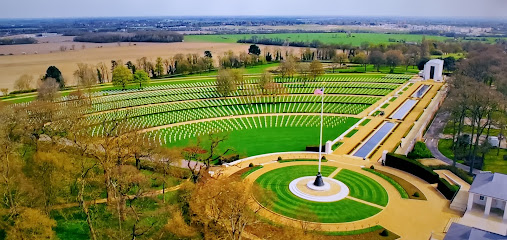
Hilton Maze
12.8 km
Discover the tranquil charm of Hilton Maze, a rare historic turf labyrinth offering a peaceful journey through centuries of English tradition.
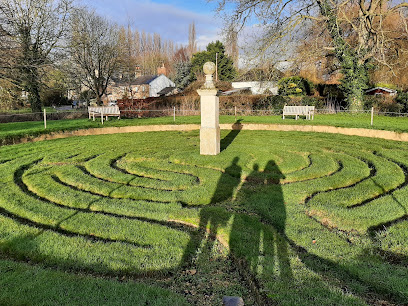
Things to do in Cambridge - The Online Guide
12.8 km
Historic charm meets modern comfort in this immaculate, welcoming house nestled in the peaceful village of Buckden near St Neots.
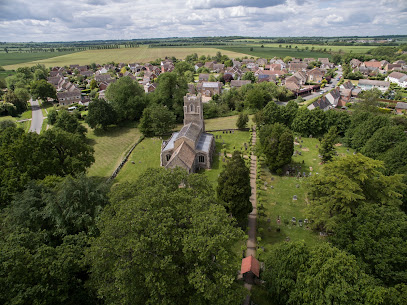
RSPB Fowlmere
13.7 km
A serene chalk-stream sanctuary where Kingfishers dart and Barn Owls nest among restored wetlands.
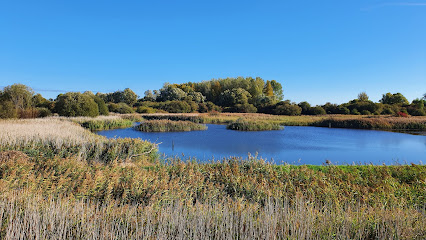
Paxton Pits Nature Reserve
13.7 km
Explore 77 hectares of lakes, meadows, and woodlands teeming with wildlife at Paxton Pits Nature Reserve, a tranquil haven near St Neots.
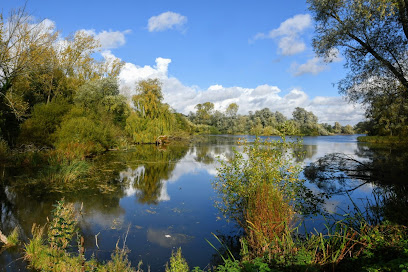
Grantchester Recreation Ground
13.8 km
A safe, fully fenced village park with a modern playground, exercise equipment, and picnic spots perfect for families and outdoor relaxation.
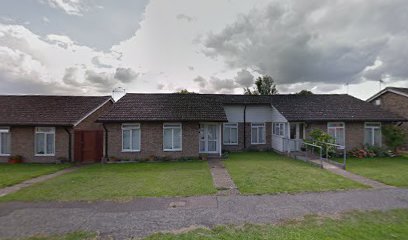
Grantchester
14.0 km
Experience the serene beauty and historic charm of Grantchester, a picturesque village near Cambridge, perfect for a leisurely escape into the English countryside.
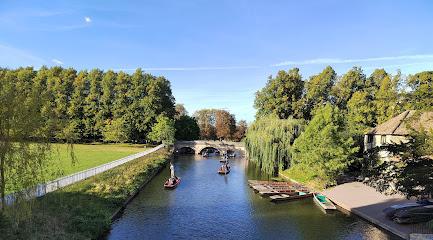
Grantchester Village Hall
14.0 km
A charming community hub in Grantchester village, hosting vibrant local events and cultural gatherings in a historic rural setting.
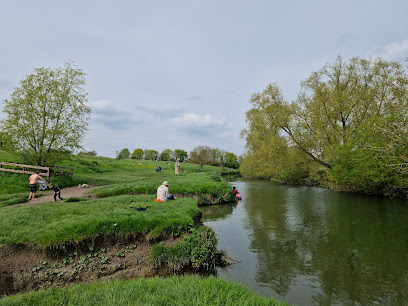
Cambridge Distillery
14.0 km
Discover the art of gin blending and taste award-winning spirits crafted with botanical inspiration in the idyllic village of Grantchester.
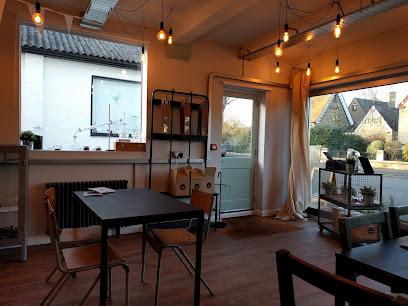
Grantchester Tours
14.0 km
Discover the charm and history of Grantchester village on a private guided tour through iconic TV locations and scenic riverside landscapes.
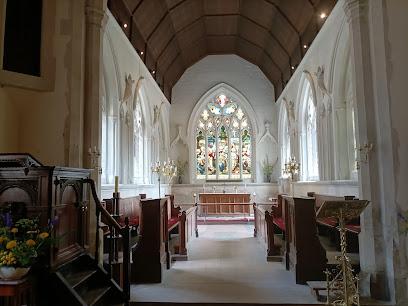
The Church of Saint Andrew and Saint Mary Grantchester
14.1 km
A medieval gem in Grantchester, blending centuries of history, architecture, and literary heritage in a tranquil village setting.
Essential places to dine

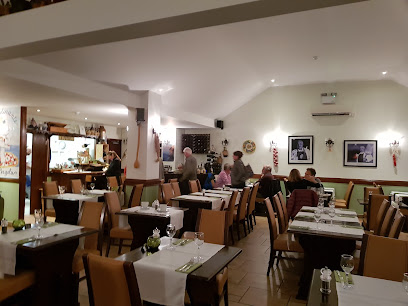
La Pergola
8.4 km
Experience authentic Italian flavors and warm hospitality in the charming village setting of La Pergola, Cambridge’s beloved family-run restaurant.
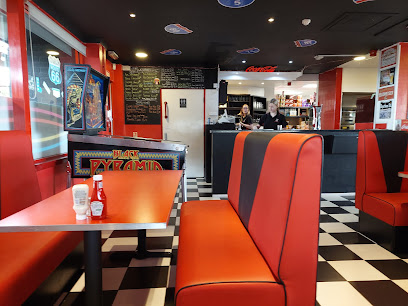
Herbie's American Diner
13.8 km
Experience classic American diner charm and hearty comfort food in a lively, family-friendly setting just outside Cambridge.
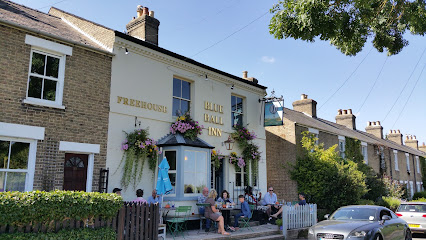
The Blue Ball Inn
14.0 km
Charming historic pub and cozy B&B in Grantchester offering local flavors, roaring fires, and scenic countryside ambiance.
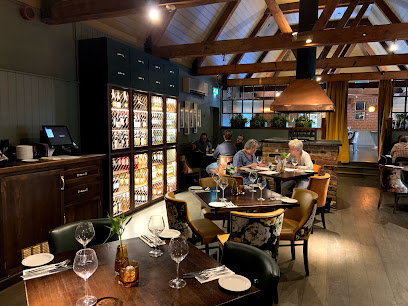
The Astronomer
14.8 km
Modern British dining meets warm hospitality in Cambridge’s stylish Eddington village beneath the Hyatt Centric Hotel.
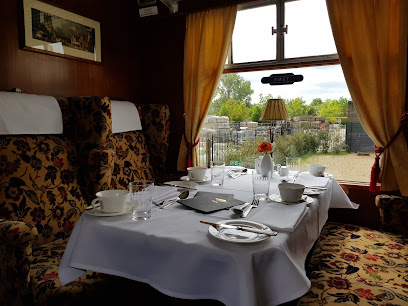
Carriages of Cambridge
14.8 km
Step aboard Carriages of Cambridge for a charming vintage afternoon tea journey in beautifully restored railway carriages near Cambridge.
Green Man Cambridge
15.2 km
Timbered Trumpington gem serving modern British plates, cask ales, and village warmth just beyond Cambridge's spires—perfect for roasts, pints, or family feasts.
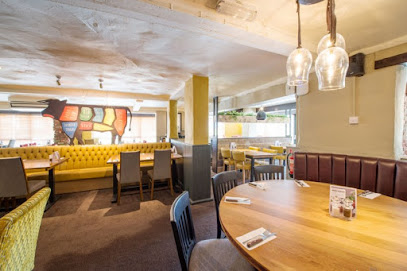
Travellers Rest Beefeater
15.3 km
Traditional British pub and grill offering hearty steaks, breakfast, and a welcoming atmosphere in Cambridge’s Girton district.
Rice Boat Cambridge
15.7 km
Experience authentic Kerala cuisine with fragrant spices and freshly made breads in a warm, contemporary setting at Rice Boat Cambridge.
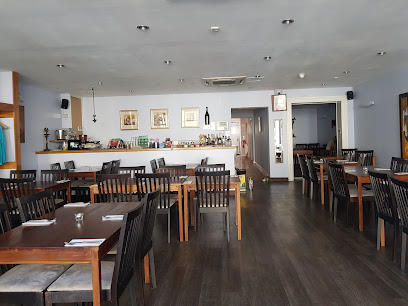
Sala Thong
15.7 km
Authentic Thai cuisine with vibrant flavors and generous portions in a cozy Cambridge setting.
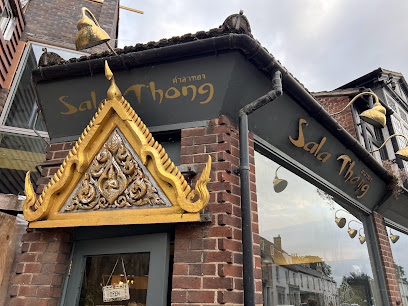
Granta
15.7 km
A charming historic pub on Cambridge’s River Cam offering classic British fare, riverside views, and a welcoming community atmosphere.
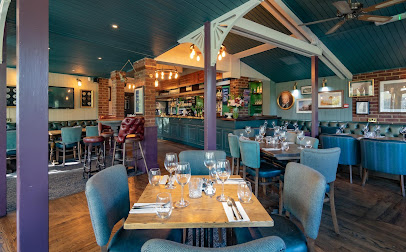
MillWorks
15.7 km
Historic watermill transformed into a vibrant modern brasserie with riverside views and charcoal-grilled British cuisine in Cambridge.
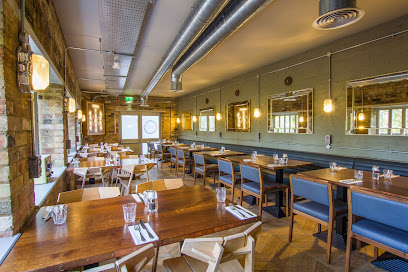
Garden House
15.9 km
Seasonal grill-focused dining with riverside views in a stylish, sustainable setting at Graduate Cambridge.
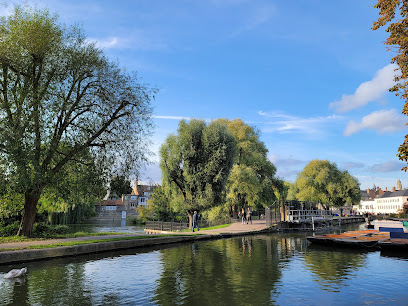
The Punter
16.0 km
A cozy gastropub blending classic British fare with quirky charm and a welcoming atmosphere in the heart of Cambridge.
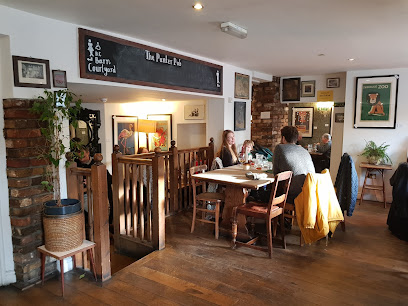
The Architect
16.1 km
Cambridge’s vibrant gastropub serving classic fish & chips and pies with a modern, inclusive twist in a welcoming setting.
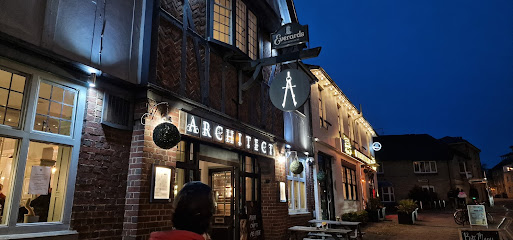
The Cambridge Chop House
16.1 km
Classic British steakhouse with locally sourced ingredients, historic charm, and stunning views opposite King's College Chapel in Cambridge.
Markets, malls and hidden boutiques

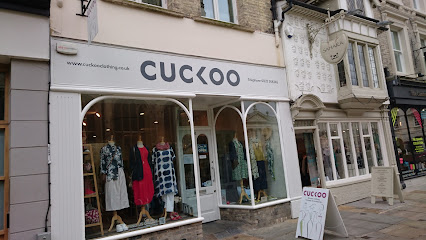
Cuckoo Clothing
11.7 km
Discover unique, contemporary women's fashion in a charming boutique nestled within the rustic elegance of Burwash Manor Barns, Cambridge.
A1 Personalised Gifts
12.6 km
Explore A1 Personalised Gifts in Biggleswade for unique, custom-made souvenirs that capture your travel memories beautifully.

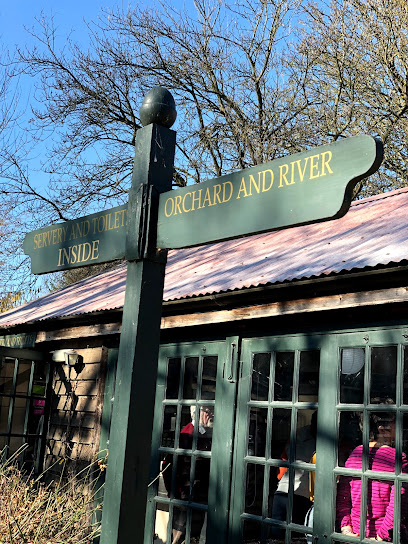
The Orchard Tea Garden
14.1 km
Discover the charm of The Orchard Tea Garden in Grantchester, where delightful teas and scenic beauty come together for a perfect afternoon escape.
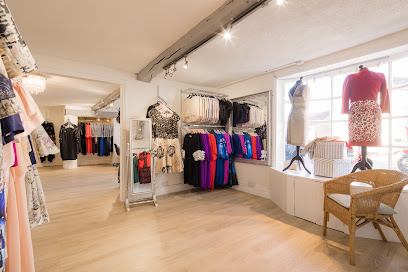
Cream Rose
15.1 km
Elegant ladies’ boutique in Fenstanton offering designer dresses and personalized service for special occasions in a relaxed atmosphere.
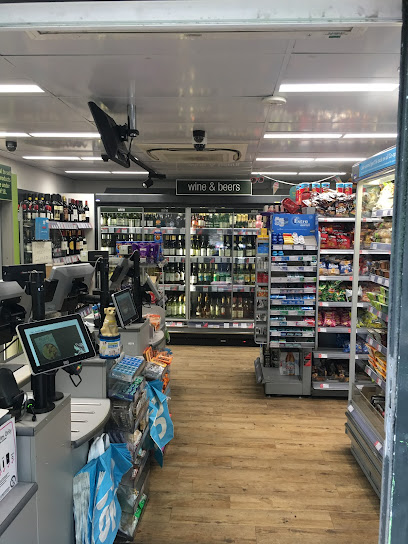
Co-op Food - Grantchester Street - Newnham
15.4 km
Cambridge's Newnham convenience cornerstone: fresh local bites, quick services, and co-op community spirit since 1912.
Greaterskies
15.9 km
Cambridge studio and shop for personalised, astronomically accurate star‑map prints and tasteful gift items.
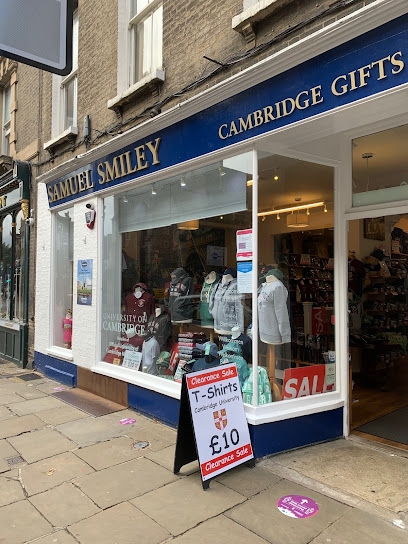
Samuel Smiley
16.1 km
A charming gift shop on Cambridge’s historic Trumpington Street, offering unique local treasures and a warm shopping atmosphere.
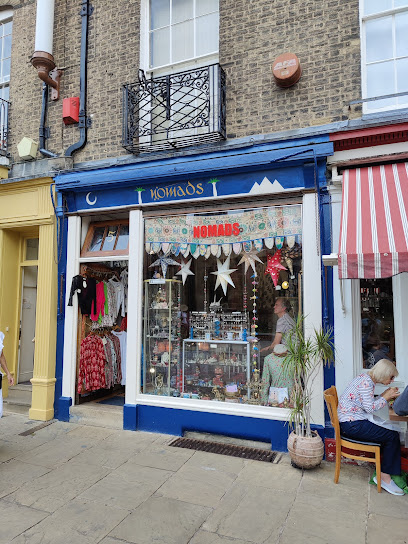
Nomads
16.1 km
Discover authentic handmade jewelry, textiles, and artisan crafts at Nomads, Cambridge’s vibrant gift shop celebrating global and local craftsmanship.
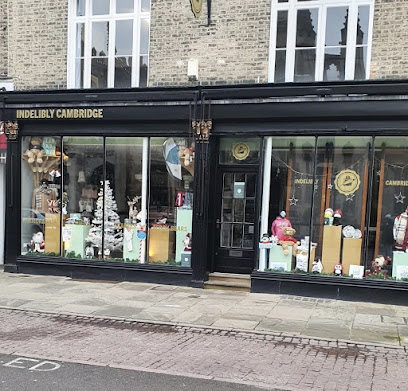
Indelibly Cambridge
16.1 km
A compact, well-curated King’s Parade shop for Cambridge-themed gifts, prints and locally made keepsakes—perfect for quick souvenirs with local character.
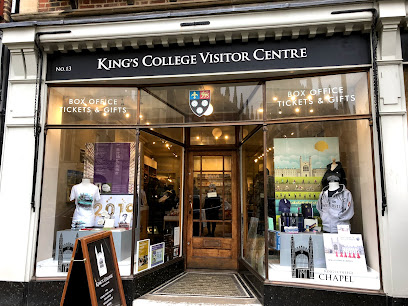
King's College Visitor Centre
16.1 km
Explore unique gifts and rich heritage at King's College Visitor Centre, a charming destination in the heart of Cambridge.
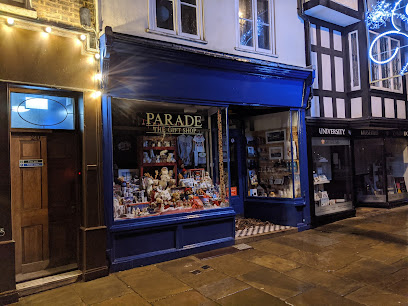
Parade
16.1 km
Discover unique Cambridge souvenirs at Parade Gift Shop, perfectly located on historic King's Parade with stunning views of King's College.
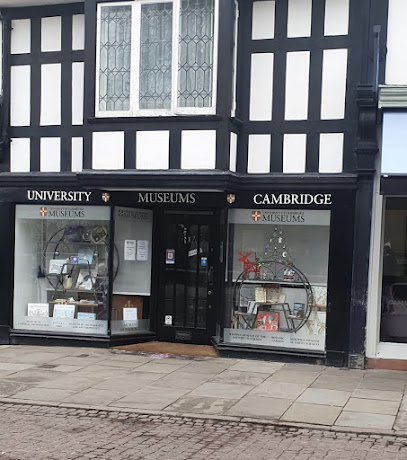
University of Cambridge Museums Shop
16.2 km
Explore the University of Cambridge Museums Shop for unique gifts and souvenirs celebrating the rich heritage of one of the world's most prestigious universities.
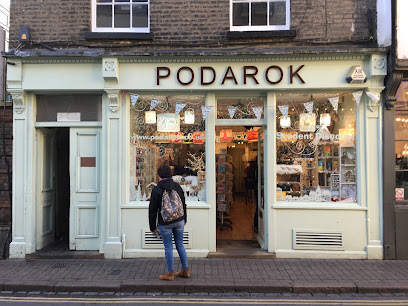
Podarok
16.2 km
Discover unique gifts, quirky handbags, and beautiful jewellery at Podarok, Cambridge’s independent boutique in the Arts Quarter.
Fridge
16.2 km
Discover timeless designer vintage fashion and expert service at Fridge, Magdalene Street’s iconic boutique in Cambridge.

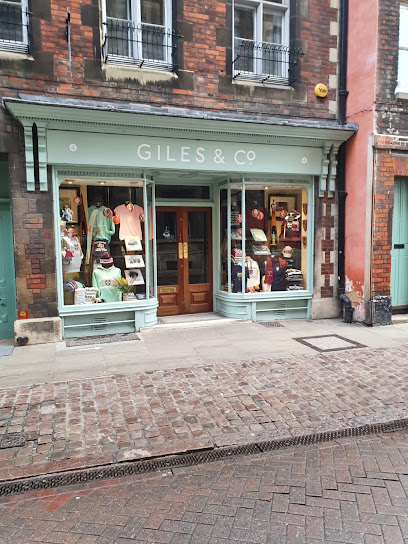
Giles & Co
16.2 km
Compact Trinity Street giftshop specialising in Cambridge-branded clothing, personalised keepsakes and locally sourced presents with friendly, knowledgeable service.
Essential bars & hidden hideouts

The Royal Oak
10.3 km
Historic 16th-century pub in Barrington with classic food, cosy interiors, and scenic views over England’s longest village green.
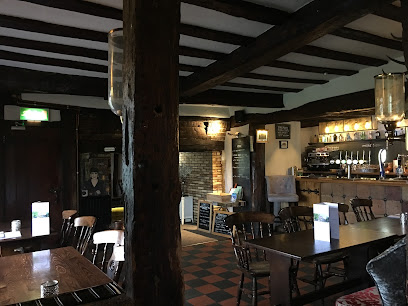
The Poacher
10.4 km
A welcoming 17th-century village pub in Elsworth offering home-cooked food, award-winning gardens, and a cozy, dog-friendly atmosphere.
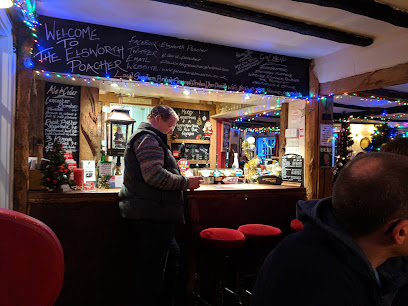
The Three Horseshoes
12.4 km
Charming thatched gastropub in Madingley offering award-winning Modern British fare, local ales, and a warm, traditional atmosphere near Cambridge.
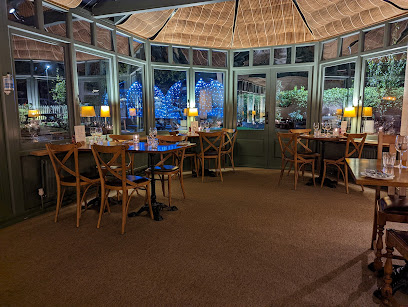
The River Mill
13.2 km
A welcoming traditional pub and vibrant events venue in Eaton Socon, blending classic charm with modern hospitality.
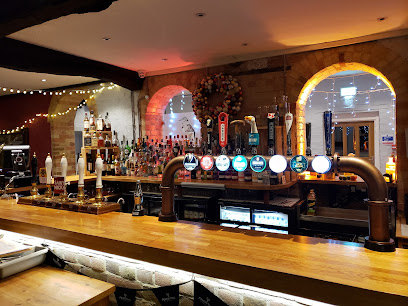
The Fox Bar Hill
13.5 km
A welcoming traditional pub in Bar Hill offering hearty British classics, friendly service, and a relaxed community atmosphere.
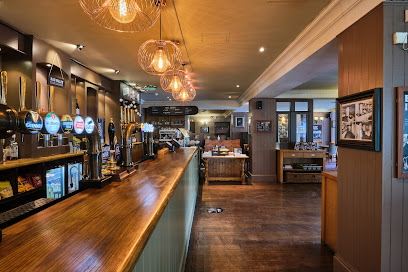
The Iris Bar
15.4 km
Modern cafe buzz in historic Newnham College: exceptional coffee, fresh bakes, and student energy amid Cambridge's academic gardens.
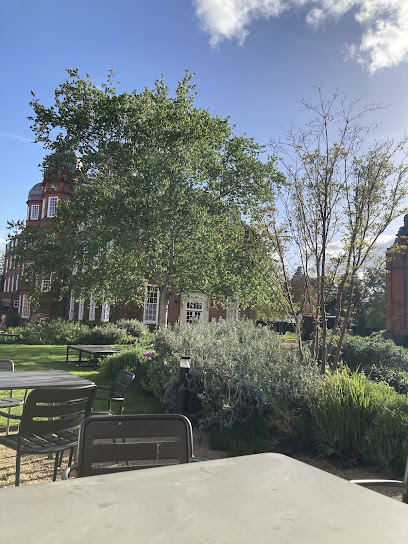
The Guinea
15.8 km
Historic 18th-century village pub in Moggerhanger with cozy charm, hearty homemade food, and a welcoming community atmosphere.
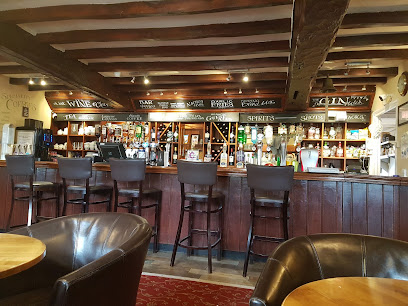
The Anchor
15.9 km
Charming historic riverside pub in Cambridge offering classic British fare, craft beers, and live jazz in a lively yet relaxed setting.
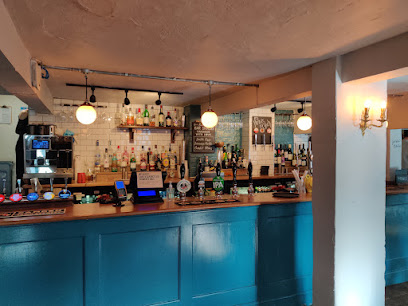
The Mill
15.9 km
Cozy 19th-century riverside pub in Cambridge offering real ales, hearty British fare, and a warm, music-filled atmosphere.
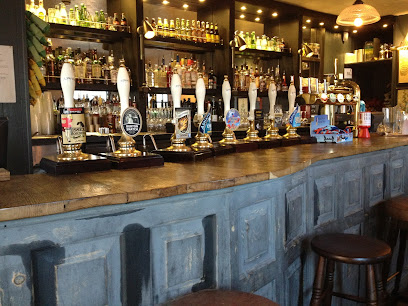
Sir Isaac Newton
16.1 km
A friendly, dog‑friendly Castle Street pub named for Cambridge’s famed scientist — casual food, sports screens and a neighbourhood atmosphere.
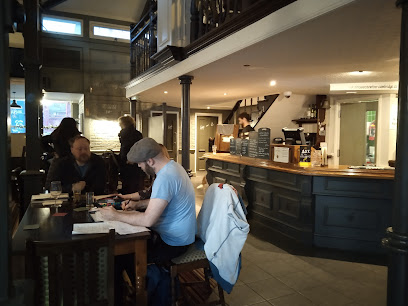
The Castle Inn
16.1 km
Traditional Cambridge pub on Castle Street serving classic British fare, local ales, and cozy vibes in the shadow of historic landmarks—a perfect pitstop for explorers.
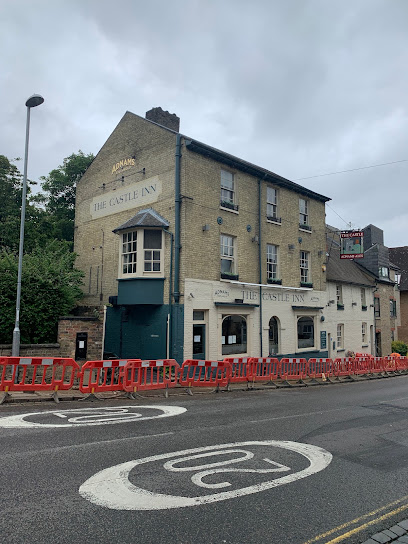
Eagle
16.1 km
Historic Cambridge pub where DNA’s double helix was announced, blending scientific legacy with classic British charm and lively atmosphere.
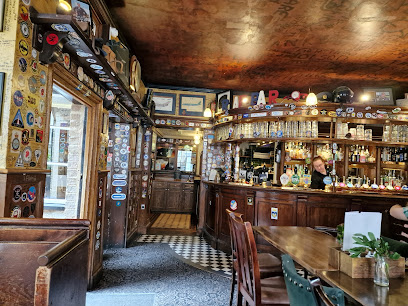
Bath House
16.2 km
Historic 17th-century Cambridge pub pouring Greene King cask ales and classic grub in a dog-friendly, family-welcoming spot steps from university landmarks.
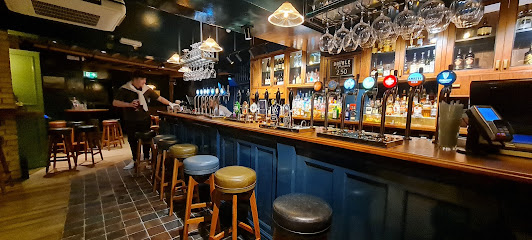
BrewDog Cambridge
16.2 km
Experience bold craft beers and innovative food in the heart of historic Cambridge at BrewDog’s lively and welcoming bar.
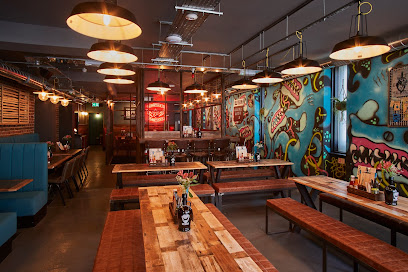
Pickerel
16.2 km
Cambridge's oldest pub pours history from 15th-century beams: real ales, riverside garden, and classic grub near Magdalene College.
Nightclubs & after hour spots

Cambridge Lola Lo
16.3 km
Step into Cambridge Lola Lo, a vibrant tiki-themed nightclub with tropical vibes, lively dance floors, and a stunning rooftop terrace in the city centre.

High Five
16.3 km
Cambridge's electrifying gay nightclub where themed nights, drag glamour, and inclusive dance floors ignite unforgettable evenings in the city heart.
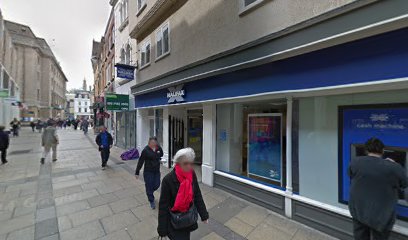
MASH
16.3 km
Cambridge’s vibrant independent nightclub offering themed music nights and a welcoming, safe party atmosphere until the early hours.

Vinyl Cambridge
16.4 km
Dance through decades on a glowing LED floor at Vinyl Cambridge's throwback haven—2-for-1 drinks, VIP vibes, and non-stop retro anthems await in the city center.

The LAB
16.6 km
Discover The LAB in Cambridge, a cocktail bar where creativity meets flavor, perfect for unwinding after a day of exploration.

80s karaoke bar
16.7 km
Neon-lit, 80s-themed karaoke on Hills Road—compact, group-friendly singalongs from the early evening into the night.

The Calling
16.8 km
Discover the vibrant nightlife at The Calling, Cambridge's premier event management venue, perfect for unforgettable experiences and fun times.
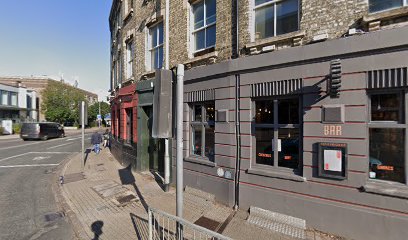
The Free Press
17.0 km
Cozy Cambridge backstreet pub serving seasonal fusion dishes, real ales, and timeless charm in a phone-free haven with a sunny beer garden.
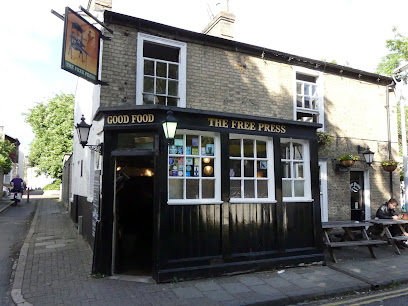
Cambridge Junction
17.0 km
Discover the heart of Cambridge's nightlife at Cambridge Junction, a dynamic venue for live music, comedy, and unforgettable performances.

Fort St George
17.0 km
Historic riverside pub on Cambridge's Midsummer Common, serving hearty ales and classics with unbeatable Cam views and garden vibes. (162 characters)
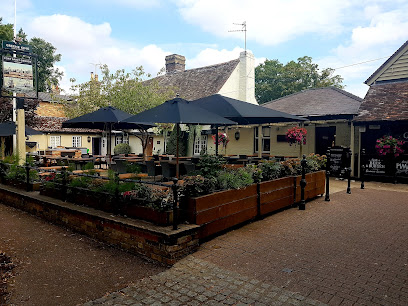
Sing Dizzy
17.1 km
Sing Dizzy offers Cambridge a lively karaoke bar experience with costumes, props, and an extensive song list for unforgettable nights of fun and music.

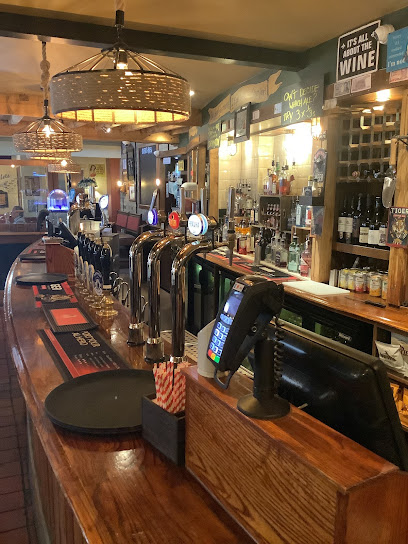
The Tram Depot
17.1 km
Discover the lively ambiance of The Tram Depot in Cambridge, where great food, local ales, and music nights create unforgettable experiences.
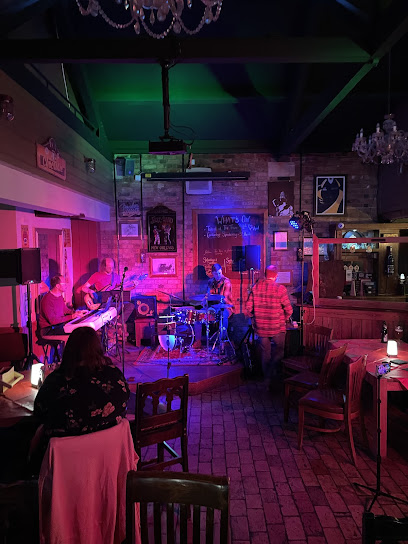
Cambridge Pop-up Speakeasy Jazz
17.1 km
Free live jazz pop-ups in a historic Cambridge pub: intimate sets, diverse musicians, speakeasy vibes on select Wednesdays at 7:30pm.
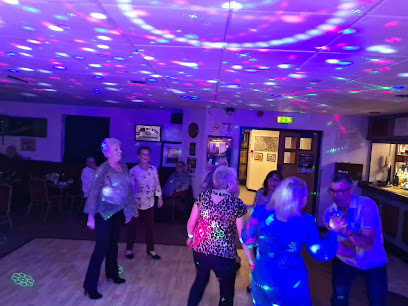
Cambridge Working Mens Club
17.4 km
Discover the lively ambiance of Cambridge Working Mens Club, a perfect blend of local culture, music, and community spirit.
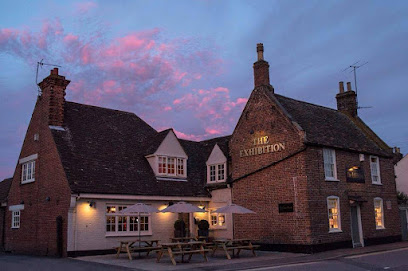
The Exhibition
17.4 km
A warm, family-run pub and restaurant in Godmanchester offering quality food, real ales, and a lively community atmosphere.
For the vibe & atmosphere seeker
- Relaxing
- Tranquil
- Scenic
- Unique
For the design and aesthetic lover
- Rustic Designs
- Vintage Styles
For the architecture buff
- Historic
- Parks & Gardens
For the view chaser and sunset hunter
- Iconic Views
- Panoramas
For the social media creator & influencer
- Instagrammable
- Photo Spots
For the eco-conscious traveler
- Sustainable
- Eco-Friendly
- Protected Area
- Locally Managed
- Public-Transport Accessible
For the kind of experience you’re after
- Nature Escape
- Cultural Heritage
- Day Trip
- Weekend Getaway
- Photowalk
For how adventurous you want the journey to be
- Easy Access
Location Audience
- Family Friendly
- Senior Friendly
- Child Friendly
- Teen Friendly
- Solo Friendly
- Couple Friendly
- Vegetarian Friendly
- Vegan Friendly


