Bourn Windmill: England’s Oldest Surviving Windmill and Historic Landmark
Explore England’s oldest surviving windmill, a beautifully restored 16th-century post mill nestled in Cambridgeshire’s tranquil countryside.
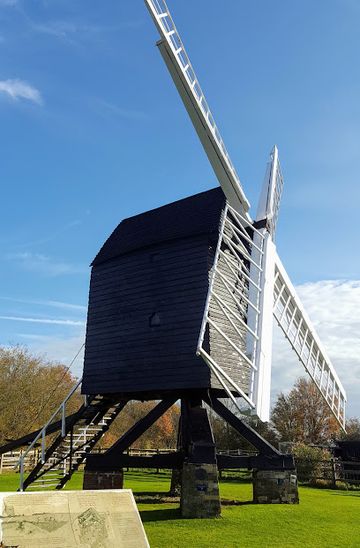
Bourn Windmill, perched in the picturesque countryside west of Cambridge, is the oldest surviving windmill in England, dating back to at least 1636. This Grade I listed open trestle post mill, designated as a Scheduled Ancient Monument, recently reopened after essential restoration. Visitors can explore its unique timber structure and experience the mill in action during special open days, gaining insight into centuries of milling history amid tranquil rural surroundings.
A brief summary to Bourn Windmill
- Caxton Rd, Cambridge, Bourn, Caxton, CB23 2SU, GB
- Click to display
- Click to display
- Duration: 1 to 2 hours
- Budget
-
 Outdoor
- Mobile reception: 4 out of 5
- Saturday 2 pm-4:30 pm
- Sunday 2 pm-4:30 pm

Know before you go
Hi, I'm Eve. Here are a few practical things to know before exploring Bourn Windmill.
- Visit during one of the five open Sundays from May to September to see the mill in operation and access the interior.
- Wear sturdy footwear as access involves climbing steep ladders inside the mill.
- Bring a camera to capture scenic views of the surrounding Cambridgeshire countryside.
- Check the weather forecast before visiting, as the mill is outdoors and paths may be grassy or uneven.
- Support the mill’s preservation by joining Cambridge Past, Present & Future as a member or patron.
Do you manage this location?
Take control to get all the benefits, like improved information, better appearance, and stronger visibility across AI-powered discovery. Learn more
Activate your presenceOther nearby places you may find interesting
Getting There
-
Car
Driving from central Cambridge takes approximately 25-35 minutes via A428 and local roads. A small car park is available near the mill off Caxton Road, open from dawn to dusk. Parking is limited, so plan accordingly, especially on open days.
-
Bus
Stagecoach bus services run from Cambridge to nearby villages such as Bourn and Caxton, with travel times around 40-60 minutes depending on route. From the village, expect a 20-30 minute walk along rural footpaths to the mill. Bus schedules vary, so check current timetables in advance.
-
Walking
For those staying in Cambourne or Bourn, scenic countryside footpaths connect to the mill. Walking times range from 30 to 60 minutes depending on starting point. Paths are grassy and may be uneven, so suitable footwear is recommended.
For the on-the-go comforts that matter to you
-
 Restrooms
-
 Seating Areas
-
 Information Boards
Discover more about Bourn Windmill
An Enduring Symbol of Early Industrial Heritage
Bourn Windmill stands as a remarkable testament to England’s milling past, with its earliest documented record dating from 1636. Scientific analysis of its main oak post reveals the timber was felled between 1513 and 1549, suggesting the mill’s origins may reach back to the early 16th century or even earlier. This open trestle post mill design, where the entire body rotates around a central post supported by a wooden trestle, has remained largely unchanged since medieval times, making Bourn Windmill a rare and invaluable relic of early industrial architecture.Architectural Features and Mechanical Ingenuity
The mill’s structure is supported by four brick piers and a trestle framework composed of horizontal cross trees and angled quarter bars. Its sails must be manually turned to face the wind, a task requiring skill and strength, reflecting the hands-on nature of traditional milling. Inside, visitors encounter steep ladders leading to the milling floors, where wooden gears and mechanisms once ground grain into flour. The mill’s wooden construction demands careful maintenance to prevent fire hazards and structural decay, challenges addressed through recent restoration efforts.Historical Context and Changing Landscape
Over centuries, Bourn Windmill has witnessed profound changes in its surroundings. Initially serving medieval open fields, the landscape transformed in 1806 with the enclosure movement, creating smaller hedged fields. More recently, the development of the Cambourne community has introduced a modern element to the historic rural setting. The mill’s ownership passed through many hands, from early millers like John Cook and the Bishop family to its last commercial operator, George Papworth, before ceasing operation in 1927.Preservation, Restoration, and Community Involvement
Purchased for preservation in 1931, Bourn Windmill has been cared for by Cambridge Past, Present & Future, a local charity dedicated to protecting Cambridgeshire’s heritage. After facing serious structural issues in 2020, a major restoration replaced the decayed wooden trestle with seasoned oak, securing the mill’s future. Volunteers play a vital role in maintaining the site and hosting open days, where visitors can see the mill in action and learn about its history. The mill also features an eco-toilet available during open events.Visitor Experience and Access
The mill is accessible via a grass path from a nearby car park off Caxton Road. Visitors can explore the exterior at any time, while interior access is limited to special open days held five Sundays between May and September. The climb inside involves steep ladders totaling around 30 steps, which may challenge some visitors. The surrounding countryside offers scenic walks linking Bourn Windmill to nearby villages and Cambourne, enriching the visit with a tranquil rural atmosphere.Significance and Legacy
Bourn Windmill’s designation as a Grade I listed building and Scheduled Ancient Monument underscores its national importance. It connects visitors to centuries of agricultural and industrial history, embodying traditional craftsmanship and community heritage. Its survival and restoration illustrate the value of local stewardship and the enduring fascination with England’s rural past.Explore the best of what Bourn Windmill has to offer













More about Cambridgeshire
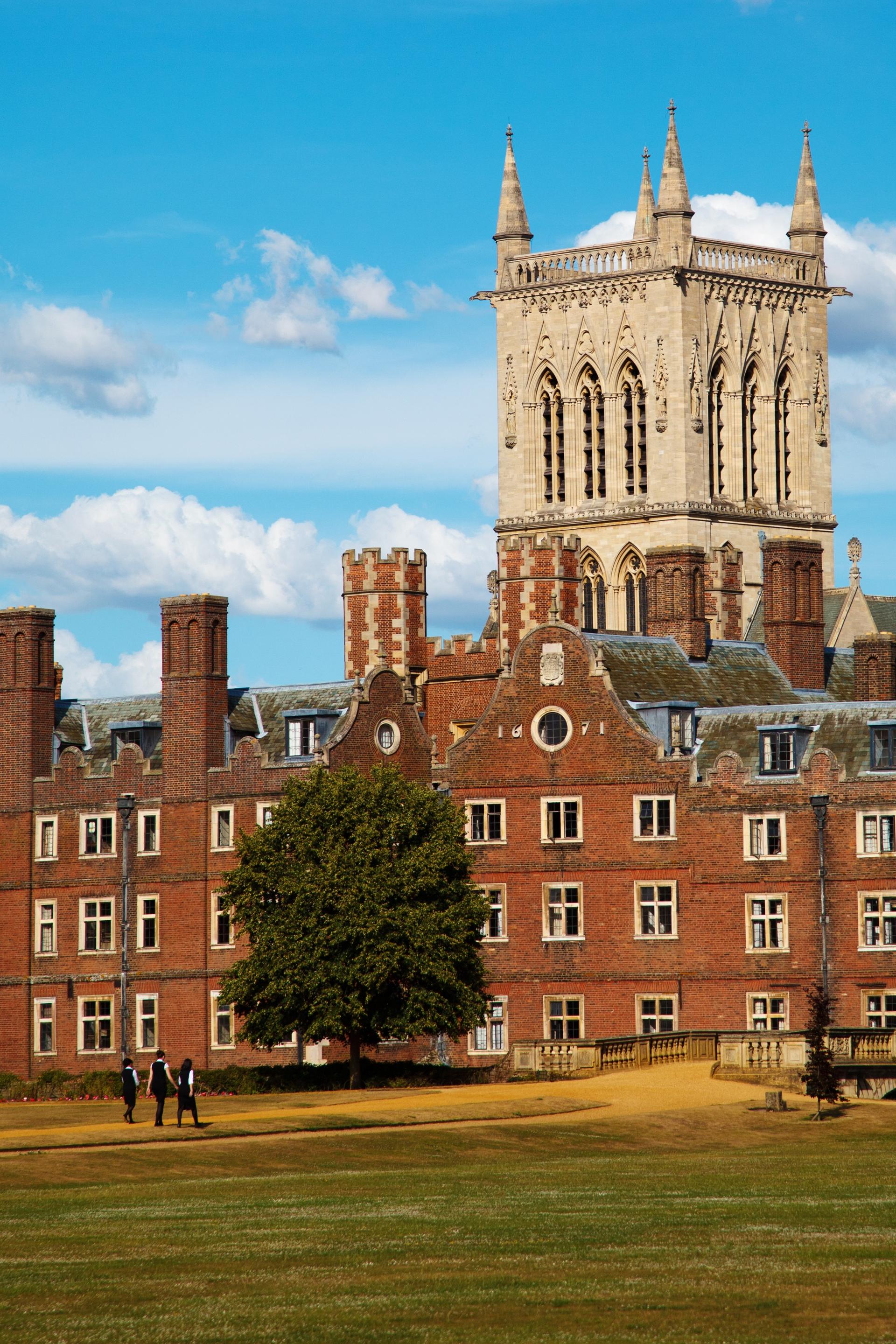
Discover the historic charm and natural beauty of Cambridgeshire, a picturesque county in the UK known for its prestigious university, scenic countryside, and cultural festivals.
Tell me more about Cambridgeshire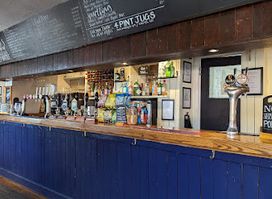
A friendly Newnham pub by the River Cam serving pizzas, changing ales and a sunny waterside terrace for warm days.
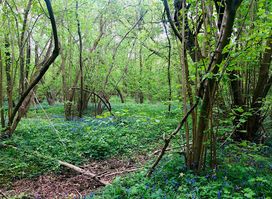
Explore Hayley Wood, a tranquil ancient woodland in Cambridgeshire rich with rare plants, historic coppicing, and vibrant wildlife habitats.