

Roman South East Corner Tower, Chester
Explore the ancient Roman South East Corner Tower, a cornerstone of Chester’s historic fortress and a window into Britain’s Roman military past.
The Roman South East Corner Tower in Chester is a significant remnant of the ancient fortress of Deva Victrix, marking the south-east corner of the Roman legionary fort. This Grade I listed historical landmark reveals the strategic military architecture of Roman Britain, with its stone walls and corner towers forming part of Chester’s original defensive circuit. Situated near Pepper Street and the Roman amphitheatre, it offers a glimpse into Chester’s Roman past within the city’s medieval walls.
A brief summary to Roman South East Corner Tower
- City Walls, Chester, Chester, CH1 1SB, GB
- Duration: 0.5 to 1.5 hours
- Free
-
 Outdoor
- Mobile reception: 4 out of 5
Local tips
- Visit in daylight hours to fully appreciate the tower remains and the surrounding city walls.
- Combine your visit with nearby Roman sites like the amphitheatre and the city walls walk for a comprehensive historical experience.
- Wear comfortable shoes as the area involves walking on uneven grass and historic paths.
- Read the onsite information boards to understand the tower’s role within the original Roman fortress layout.

For the on-the-go comforts that matter to you
- Information Boards
- Seating Areas
- Trash Bins
Getting There
-
Bus
Take Chester’s city bus services to the city centre; from there, the Roman South East Corner Tower is a 10-15 minute walk. Bus fares typically range from £2 to £4 depending on the route and ticket type.
-
Train
Arrive at Chester Railway Station, which is about 1.5 km from the tower. From the station, a 20-minute walk through the city centre or a short taxi ride costing around £5 will get you there.
-
Walking
From Chester city centre, a 10-15 minute walk on mostly paved and historic paths leads to the tower. Terrain includes some gentle slopes and grassed areas; suitable for most visitors with moderate mobility.
Roman South East Corner Tower location weather suitability
-
 Any Weather
-
 Clear Skies
-
 Mild Temperatures
Discover more about Roman South East Corner Tower
Foundations of Roman Military Might in Chester
The Roman South East Corner Tower stands as a testament to Chester’s origins as Deva Victrix, a major Roman legionary fortress established in the mid-1st century AD. This tower marked the south-east angle of the fortress, which was laid out in a distinctive 'playing card' rectangular shape with rounded corners. The fortress walls, originally timber and earthworks, were soon rebuilt in robust sandstone, with strategically placed towers at each corner and intervals along the walls to defend the garrison and the settlement within.Architectural Legacy and Defensive Strategy
The tower’s remains lie just below the later medieval city walls, which were constructed by reusing the Roman fortifications as a foundation. The Roman wall here was positioned slightly forward of the medieval wall line, reflecting changes in urban development and defense needs over centuries. The south-east tower was part of a complex defensive system, guarding the fortress’s vulnerable corner and controlling access along the southern wall, which extended along what is now Pepper Street and White Friars.Context Within Chester’s Roman and Medieval Landscape
Near the tower lie other notable Roman and medieval features, including the Roman amphitheatre just outside the fortress’s south-east corner, and medieval gates such as the Newgate and Wolfgate. The amphitheatre, once the largest in Roman Britain, reflects the social and military life of the legionaries. The medieval walls expanded beyond the original Roman perimeter, integrating and preserving the Roman tower’s remains within the city’s defensive circuit, highlighting Chester’s continuous occupation and adaptation through the ages.Historical Significance and Preservation
Designated as a Grade I listed building, the South East Angle Tower is recognized for its exceptional historical and architectural importance. It offers valuable insights into Roman military engineering and urban planning. Archaeological investigations have revealed the tower’s structure and its relationship with the fortress walls, contributing to the understanding of Roman Chester’s layout and defensive capabilities.Visitor Experience and Surroundings
Today, the tower’s remains are accessible on a grassed area near Pepper Street, allowing visitors to appreciate the scale and sophistication of Roman fortifications. Information boards provide historical context, and the proximity to the city walls walk offers panoramic views of Chester’s layered history. The site’s urban setting blends ancient ruins with medieval and modern Chester, creating a rich tapestry of heritage for exploration.Enduring Symbol of Chester’s Roman Heritage
The Roman South East Corner Tower remains a powerful symbol of Chester’s origins as a strategic military base and provincial capital in Roman Britain. Its survival beneath the medieval walls exemplifies the city’s unique continuity from antiquity to the present day, inviting reflection on the enduring legacy of Roman engineering and urbanism in the British landscape.Iconic landmarks you can’t miss

Roman South East Corner Tower
0.0 km
Explore the enduring Roman South East Corner Tower, a sentinel of Chester’s ancient fortress and a testament to Roman military engineering.
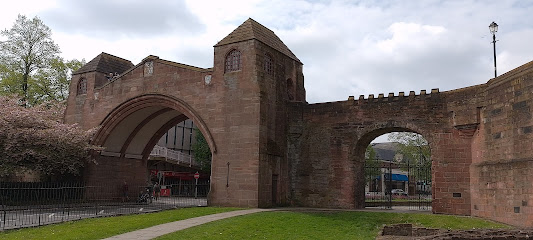
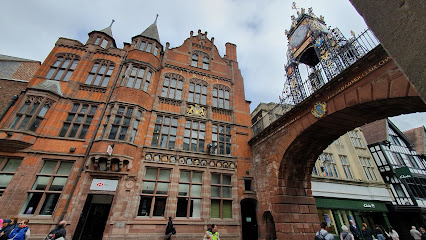
Eastgate Clock
0.2 km
A Victorian clock atop a Roman gateway, Eastgate Clock is Chester’s most iconic meeting point and one of England’s most photographed timepieces.
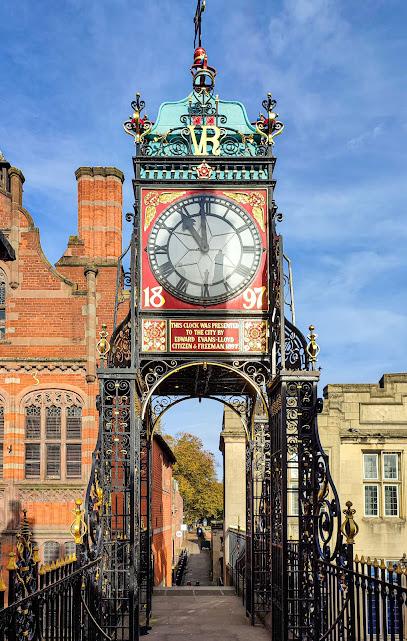
Crypt Chambers
0.2 km
Medieval crypt meets Victorian Gothic Revival in Chester's most architecturally significant commercial building.
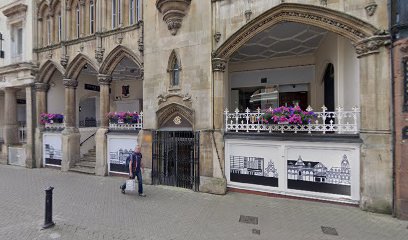
Wishing Steps
0.2 km
Historic stone steps at Chester’s medieval walls where wishes come true through a charming local tradition.
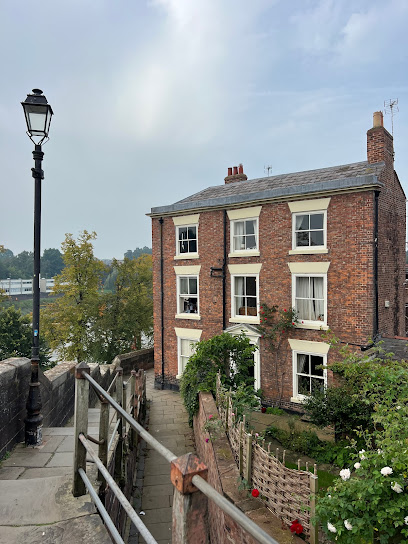
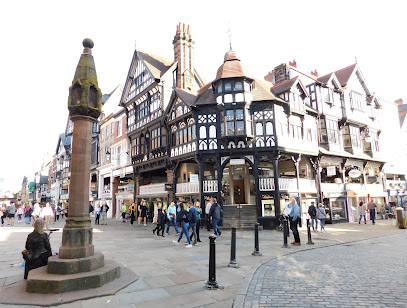
Chester Cross
0.3 km
Medieval heart of Chester where Roman streets meet Tudor architecture and civic tradition.
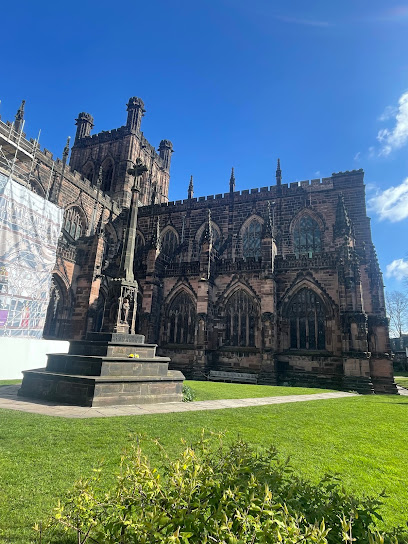
Chester War Memorial
0.3 km
A solemn neo-medieval tribute to fallen soldiers, unveiled in 1922 within Chester Cathedral's historic grounds.
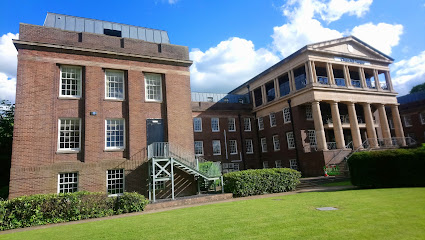
Churchill House
0.4 km
A vibrant academic landmark on Chester’s Queen’s Park campus, blending historic charm with modern learning and scenic riverside views.
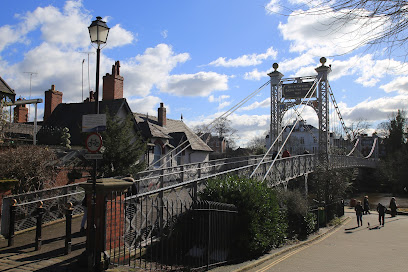
Bridge Gate and Old Dee Bridge
0.4 km
Historic medieval gateway and ancient stone bridge spanning the scenic tidal River Dee in Chester’s charming riverside setting.
Chester Visitor Information Centre
0.4 km
Explore Chester's rich history and vibrant culture at the Visitor Information Centre, your essential resource for navigating this historic city.
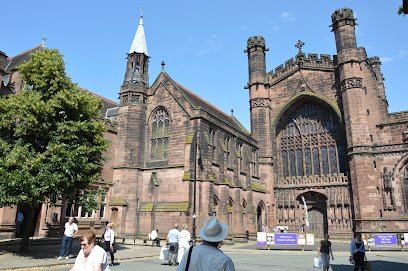
Chester Town Hall
0.4 km
A stunning Victorian Gothic Revival landmark, Chester Town Hall is the historic heart of Chester’s civic and cultural life.
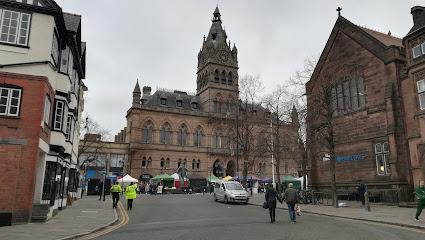
Ancient Roman Columns, Chester
0.4 km
Roman column bases marking Chester's legacy as a major legionary fortress and potential capital of Britannia.
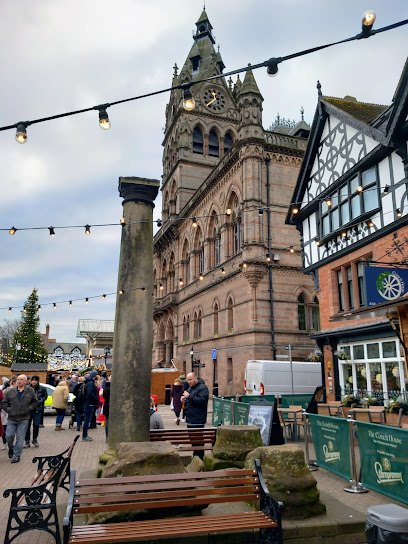
Bridge Of Sighs
0.6 km
A haunting 1793 stone bridge where condemned prisoners took their final steps before execution—Chester's most poignant historical crossing.
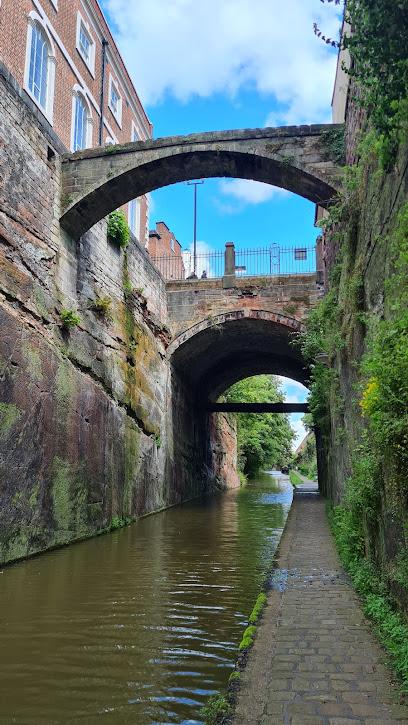
Pemberton's Parlour
0.7 km
Explore Pemberton's Parlour, a striking red sandstone tower on Chester’s historic city walls, revealing centuries of medieval and Victorian heritage.
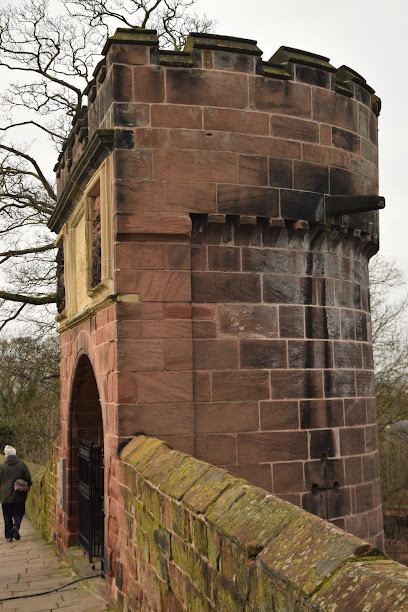
Uffington House, Chester
0.7 km
Victorian literary landmark where author Thomas Hughes built his Chester residence in 1885.
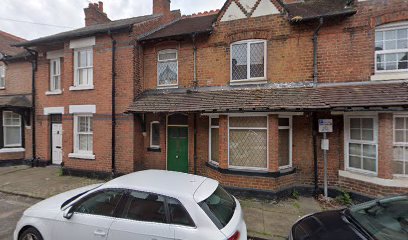
Bonewaldesthorne's Tower
0.8 km
Medieval gatehouse controlling Chester's western defenses, standing sentinel on Britain's most complete city walls.
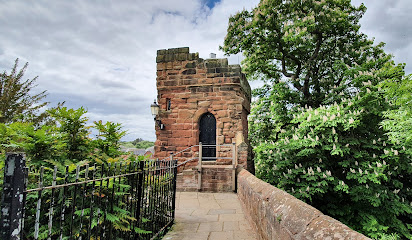
Unmissable attractions to see

The Nine Houses
0.1 km
Discover Chester’s rare 17th-century almshouses—six beautifully restored timber-framed cottages steeped in history and architectural charm.
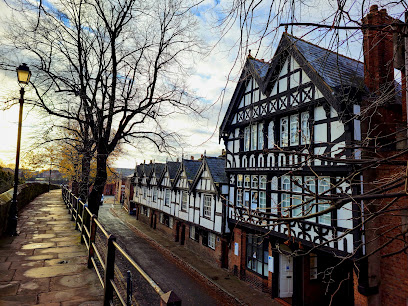
Chester Roman Gardens
0.1 km
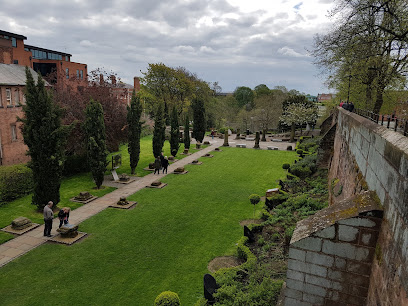
Explore Chester’s serene Roman Gardens, where ancient ruins blend with lush greenery alongside historic city walls.
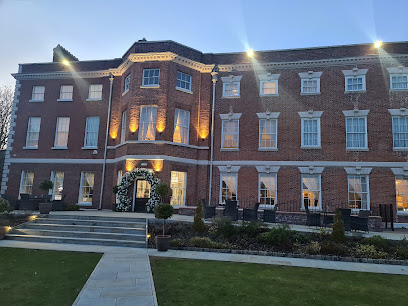
Old Palace Chester
0.1 km
Historic Georgian palace with riverside elegance, 23 bedrooms, and exclusive-use sophistication for unforgettable celebrations.
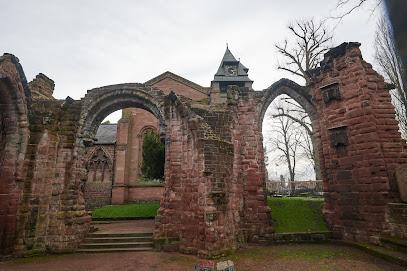
Parish Church of St John the Baptist, Chester
0.2 km
Discover Chester’s ancient Norman church, once a cathedral, rich in history, medieval architecture, and spiritual heritage.
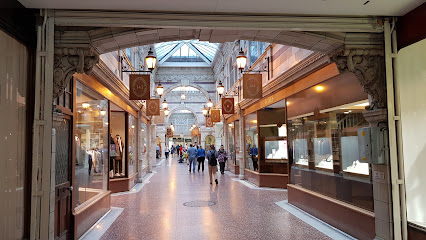
Grosvenor Shopping Centre
0.2 km
Chester's premier shopping destination blending 70 diverse retailers with historic charm and modern convenience.
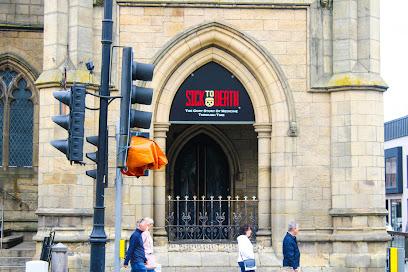
Sick To Death
0.2 km
Explore Chester’s unique interactive museum revealing the gruesome history of medicine, disease, and healthcare through immersive exhibits and dark humor.
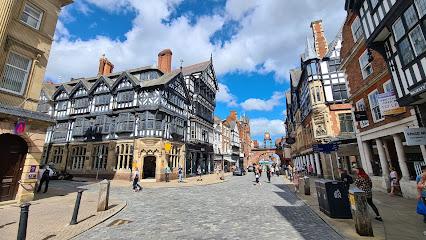
Eastgate St
0.2 km
Walk through history on Eastgate Street, Chester’s vibrant Roman-rooted street famed for its medieval Rows and captivating local legends.
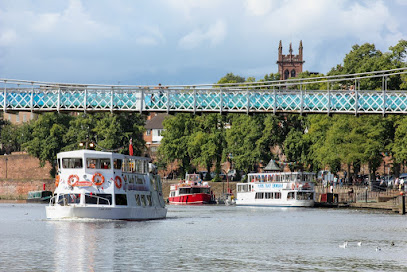
ChesterBoat
0.2 km
Experience the beauty of Chester from the water with ChesterBoat's scenic cruises along the historic River Dee.
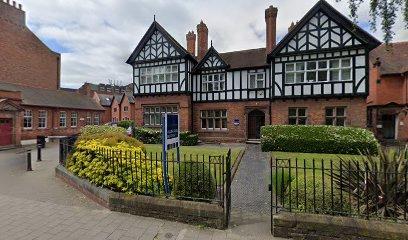
Chester Rows Cafe
0.2 km
A cozy coffee spot nestled in Chester Visitor Centre, offering a welcoming pause amidst the city’s historic Rows and vibrant heritage.
Deva Roman Experience
0.3 km
Immerse yourself in Chester's Roman past with interactive exhibits, live actors, and authentic ruins beneath the city streets.
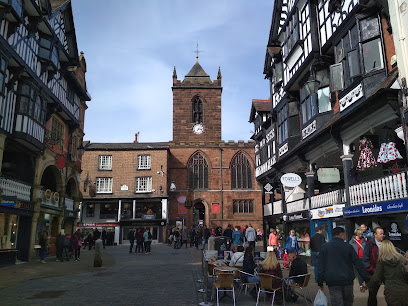
Ye Olde King's Head Hotel, Chester
0.3 km
Historic Tudor inn in Chester famed for its rich heritage, cozy charm, and renowned paranormal activity with immersive ghost-hunting experiences.
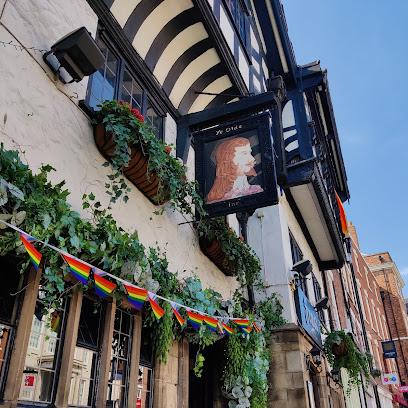
Garden of the Honourable Cheshire Regiment
0.3 km
A tranquil memorial garden in Chester Cathedral’s precincts honoring the valor and sacrifice of the Cheshire Regiment’s soldiers.
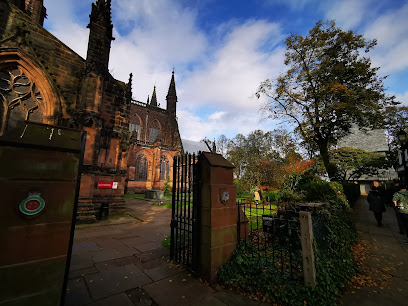
Queens Park Bridge
0.3 km
Explore the stunning Queens Park Bridge in Chester, an architectural marvel offering breathtaking views of the River Dee and a glimpse into the city's rich history.
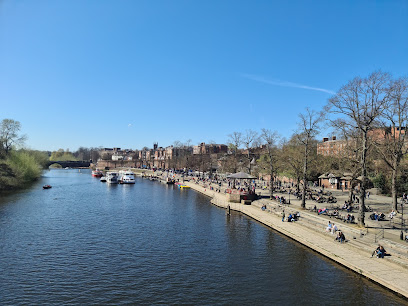
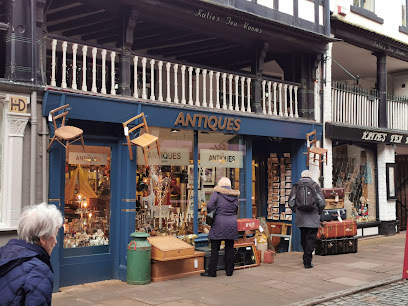
The Antiques Shop
0.3 km
Explore centuries of British history and craftsmanship in a rare medieval town house filled with genuine antiques in Chester’s historic Rows.
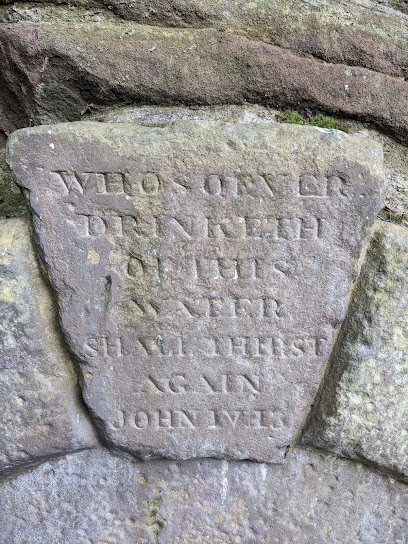
John Ivies' Fountain
0.3 km
A serene historic fountain in Chester blending Victorian artistry with urban charm and quiet reflection.
Essential places to dine

Rio Brazilian Steakhouse
0.0 km
Authentic Brazilian churrascaria with premium meats, vibrant atmosphere, and exceptional service in the heart of Chester.
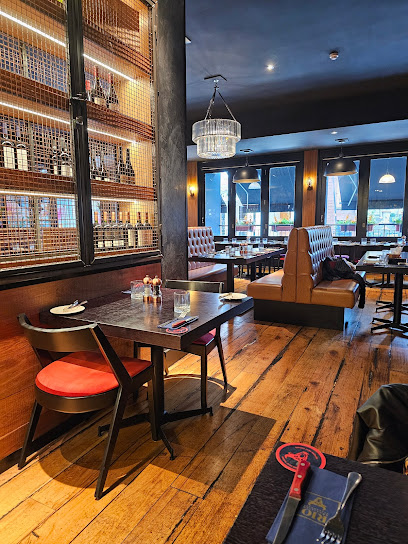
Piccolino Chester
0.1 km
Stylish Italian dining with vibrant prosecco bar and alfresco terrace in Chester’s lively city centre.
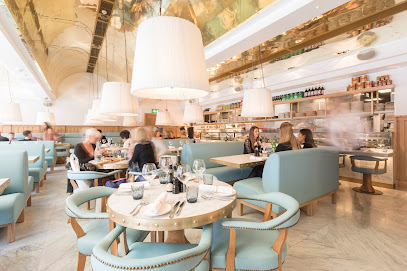
Artezzan Restaurant & Bar
0.1 km
Vibrant Mediterranean dining with fresh, honest flavors and handcrafted drinks in Chester’s lively Pepper Street venue.
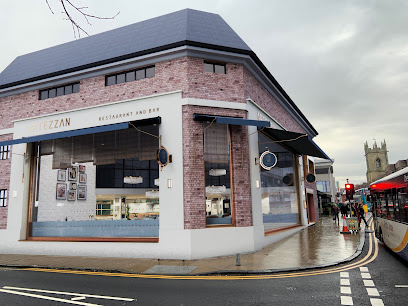
Opera Restaurant Bar & Grill
0.1 km
Grand Grade II listed grill with live music, a rooftop terrace, and an internationally inspired steakhouse menu in the heart of Chester.
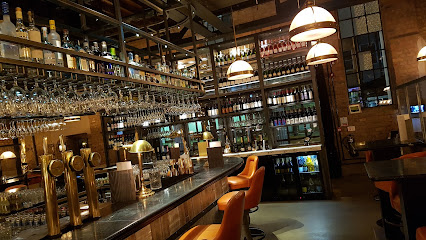
Six One Six Restaurant & Bar
0.1 km
A stylish Chester restaurant blending historic inspiration with modern elegance, exceptional food, and a vibrant social scene.
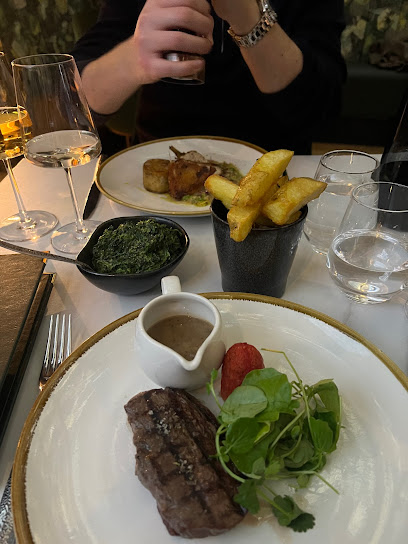
Chef's Table
0.1 km
Discover inventive modern British cuisine in a bright, welcoming setting at Chef's Table, Chester’s acclaimed seasonal dining destination.
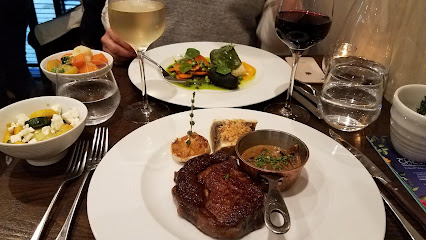
Arkle
0.2 km
Discover refined British fine dining with seasonal tasting menus and impeccable service at Arkle, Chester’s premier luxury restaurant.
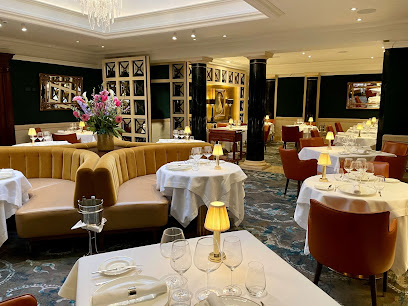
La Brasserie at The Chester Grosvenor
0.2 km
Experience vibrant modern European dining and a glamorous Champagne bar in the heart of historic Chester at La Brasserie, The Chester Grosvenor.
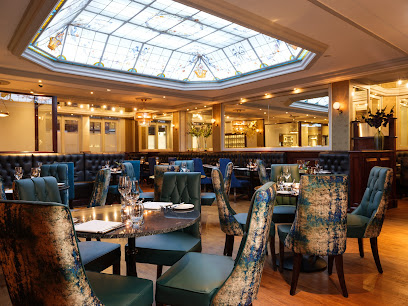
Da Noi Chester
0.2 km
Experience authentic Piedmontese Italian cuisine with exquisite wine pairings in Chester’s intimate Michelin-recognized Da Noi.
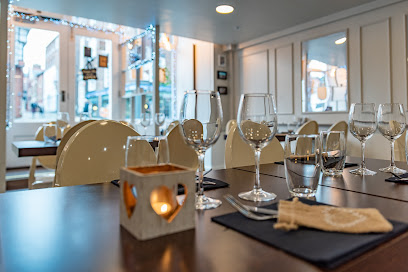
Hickory's Smokehouse Chester
0.2 km
Savor authentic American barbecue and smoky brisket in a lively riverside setting at Hickory's Smokehouse Chester.
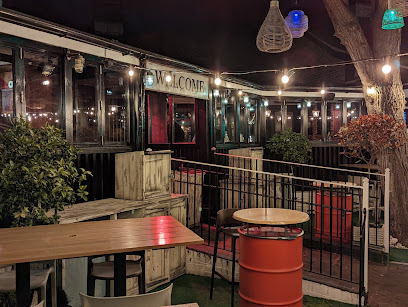
Carbonara at No 49
0.2 km
Experience authentic Roman Italian flavors in Chester’s historic Bridge Street setting, blending tradition, warmth, and local produce.
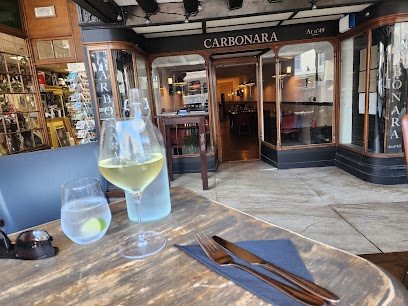
Bella Italia - Chester
0.2 km
Classic Italian dining with authentic flavors in a charming historic building at Chester’s vibrant Eastgate Street.
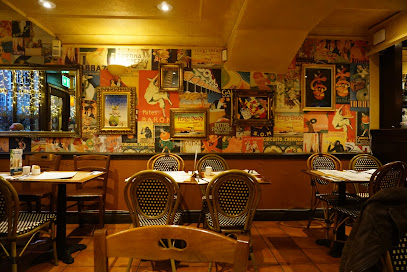
La Fattoria
0.2 km
Experience vibrant Southern Italian dining with authentic flavors, generous portions, and a lively atmosphere in the heart of Chester.
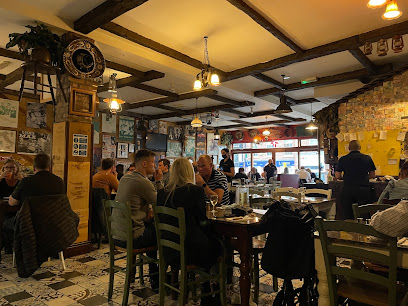
Ruan Orchid
0.2 km
Experience authentic Thai cuisine with a vibrant atmosphere and welcoming service in the heart of Chester’s historic center.
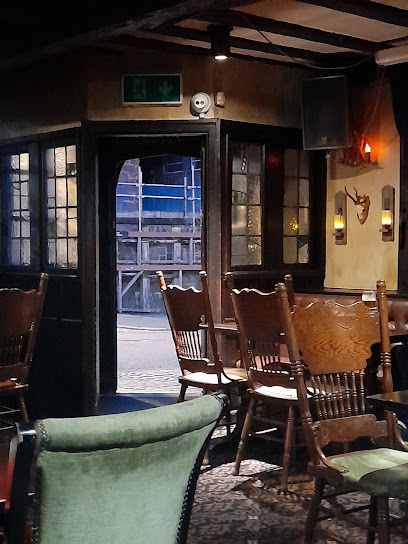
Urbano 32
0.2 km
Authentic sourdough pizzas from a wood-fired clay oven in the heart of Chester, served in a stylish urban-chic pizzeria and bar.
Markets, malls and hidden boutiques

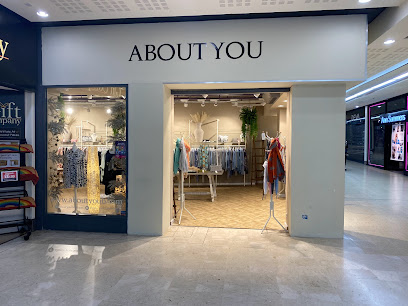
About you
0.1 km
Contemporary clothing store at Chester’s Grosvenor Shopping Centre, blending modern fashion with historic city charm.
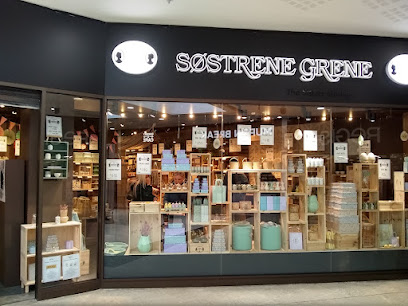
Søstrene Grene
0.1 km
Discover Scandinavian-inspired home décor, crafts, and gifts at Søstrene Grene Chester, a charming and affordable treasure trove in the city center.
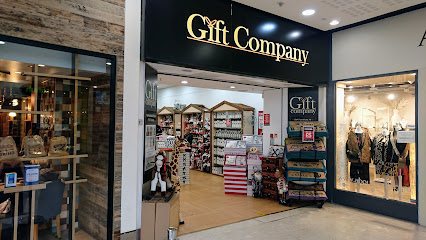
Gift Company CHESTER
0.1 km
Discover eclectic gifts and stylish homewares in Chester’s charming Grosvenor Precinct at Gift Company Chester.
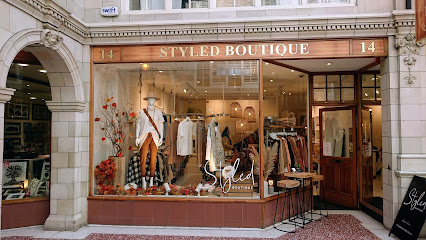
Styled Boutique
0.2 km
A warm, independent women’s boutique in Chester’s historic centre, offering easy-to-wear fashion and a personal, friendly shopping experience.
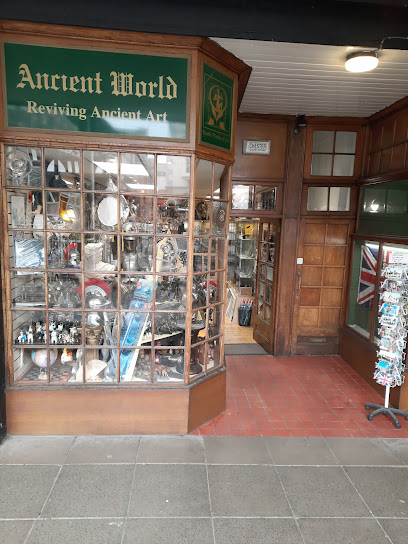
Ancient World
0.2 km
Discover unique antiques and curiosities steeped in history at Ancient World, Chester’s charming vintage treasure shop on Bridge Street.
Church Gifts Shop
0.2 km
Discover meaningful religious gifts in Chester’s historic heart at the welcoming Church Gifts Shop on Eastgate Street.
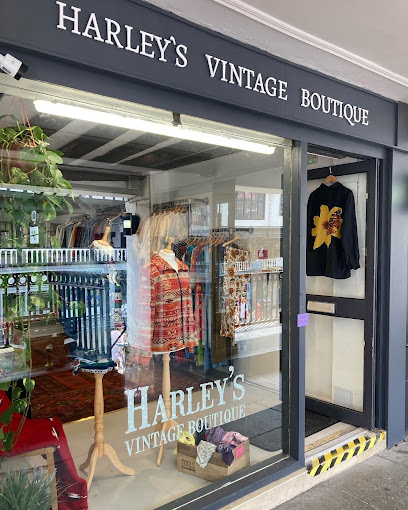
Harley’s Vintage Boutique
0.2 km
Discover timeless vintage fashion and expert styling in Chester’s charming Harley’s Vintage Boutique on Bridge Street Row.
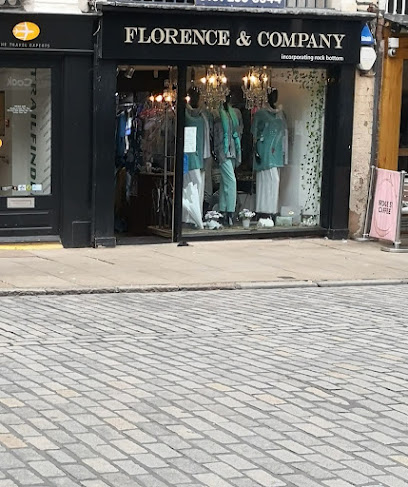
Rock Bottom / Florence & Company
0.2 km
Chester’s vibrant ladies' boutique offering fresh fashion, unique jewelry, and stylish scarves in a welcoming city center setting.
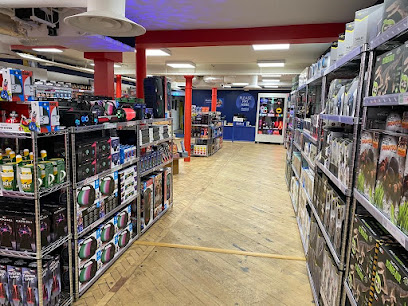
Menkind
0.2 km
Discover quirky gifts, gadgets, and tech accessories for men and boys in the heart of Chester’s historic shopping district.
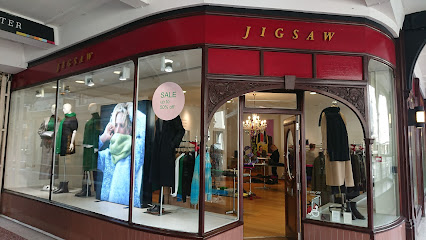
Jigsaw
0.2 km
Upscale women's fashion boutique blending timeless style with Chester’s historic charm on Bridge Street.
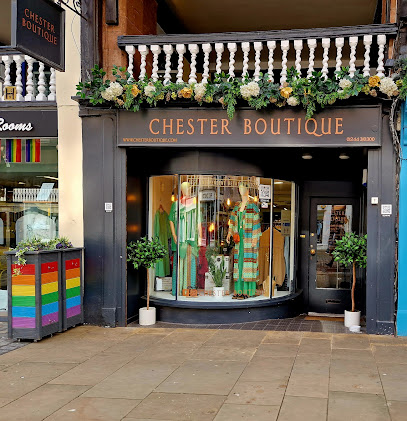
Chester Boutique
0.2 km
Discover curated contemporary fashion in Chester’s vibrant Bridge Street boutique, blending style with historic charm.
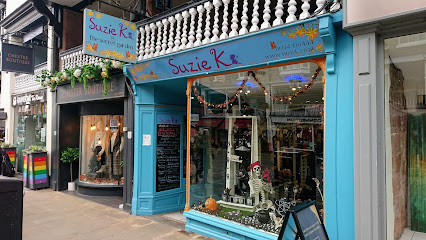
Suzie K
0.2 km
Discover Chester’s magical alternative gift shop blending unique fashion, crystals, and holistic services in a warm, welcoming atmosphere.
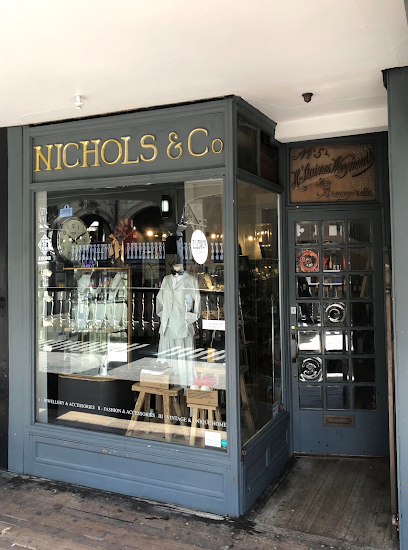
NICHOLS
0.2 km
Discover Nichols, Chester’s quirky boutique blending unique ladies’ fashion with antique treasures in a charming historic setting.
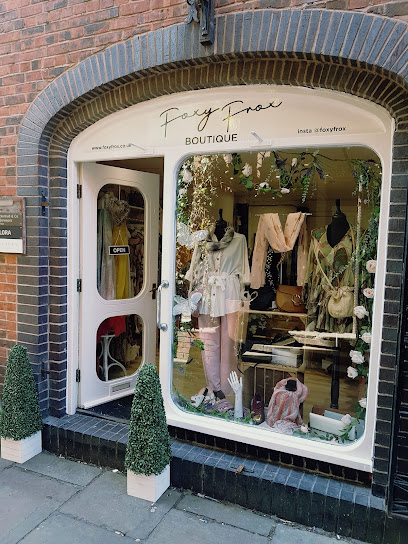
Foxy Frox Boutique
0.3 km
A stylish women’s clothing boutique in Chester’s historic center, offering contemporary fashion with a personal touch and a relaxed, independent vibe.
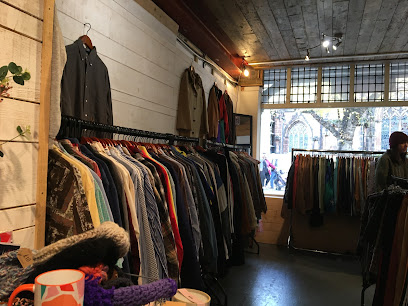
Lily Vintage Boutique
0.3 km
Discover timeless style and unique vintage fashion at Lily Vintage Boutique in Chester’s historic St Werburgh Street.
Essential bars & hidden hideouts

All Bar One Chester
0.1 km
Stylish wine bar in Chester’s city center offering expertly crafted drinks and a vibrant social atmosphere.
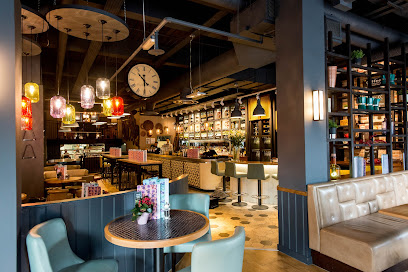
The Church Chester Bar & Restaurant
0.1 km
Historic church turned vibrant bar and restaurant in Chester, blending classic charm with modern dining and lively atmosphere.
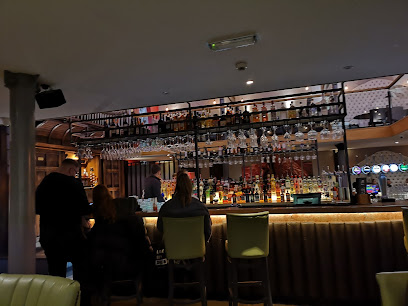
Red Door
0.1 km
Vibrant late-night cocktail bar and restaurant in Chester’s city center, known for creative drinks and lively music.
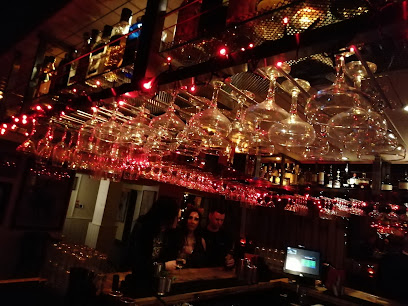
The Cavern of the Curious Gnome
0.2 km
A cozy upstairs bar in Chester famed for its curated Belgian ales, continental lagers, and British craft beers paired with classic comfort food.
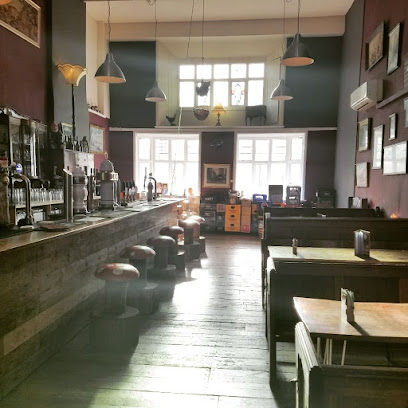
Paysan
0.2 km
Chester’s cozy wine bar with 200+ wines downstairs and a vibrant beer cellar upstairs, perfect for relaxed evenings and casual gatherings.
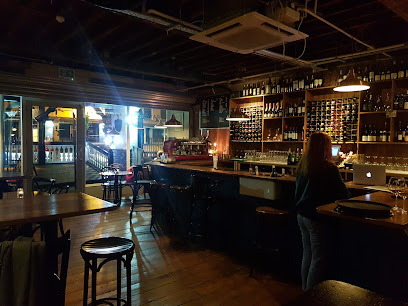
Slug & Lettuce - Chester
0.2 km
Lively cocktail bar and restaurant on Chester’s historic Bridge Street, blending vibrant social vibes with diverse food and drink offerings.
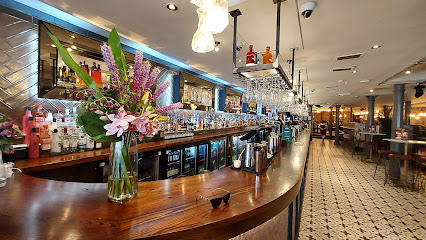
Kings Head Chester
0.3 km
Historic 17th-century pub in Chester with classic British fare, a haunted reputation, and a cosy, welcoming atmosphere.
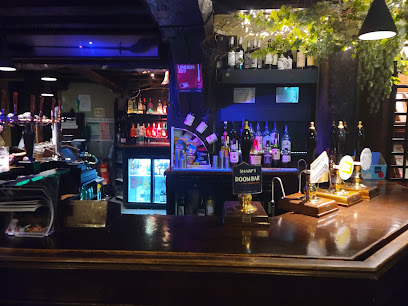
Metronome Jazz Bar
0.3 km
Chester’s intimate jazz bar with live piano, vinyl classics, and a warm, candlelit atmosphere for a perfect night out.
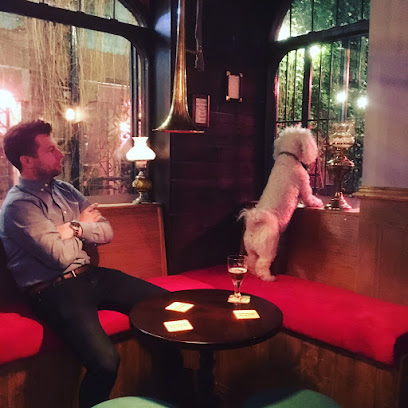
Commonhall Street Social
0.3 km
A cozy, dog-friendly bar with craft beers, delicious food, and a lively outdoor terrace in the heart of Chester’s city centre.
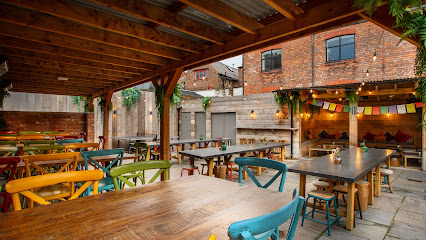
Music Hall Tap
0.3 km
Chester’s lively craft beer pub with rustic charm, live sports, and a vibrant social scene in the heart of the city.
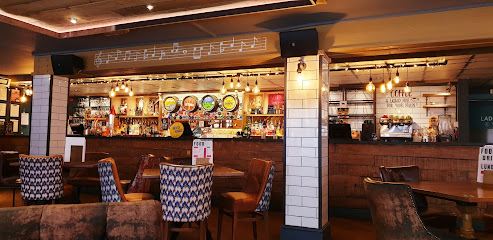
Watergates Bar
0.3 km
Historic medieval crypt pub in Chester city centre with vaulted ceilings, classic British fare, real ales, and a lively yet family-friendly vibe.
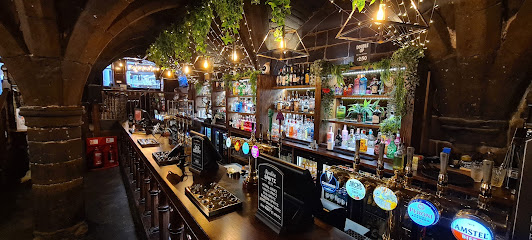
Brewhouse & Kitchen - Chester
0.3 km
Chester’s vibrant brewpub serving award-winning craft beers, hearty British classics, and a lively community atmosphere on Love Street.
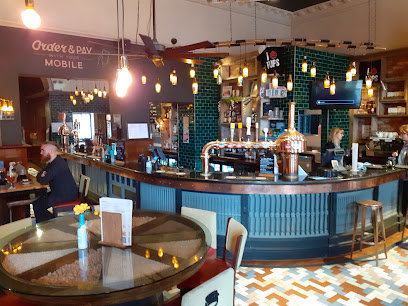
Palm Cocktail Bar & Eatery
0.3 km
Chester’s vibrant cocktail bar with expertly crafted drinks, lively atmosphere, and friendly service on historic Watergate Street.
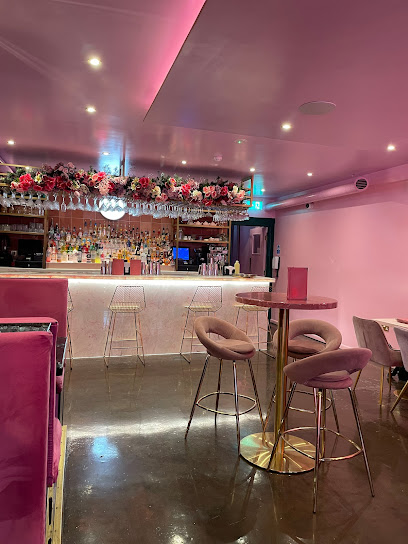
City Tavern
0.3 km
Historic Chester pub blending traditional charm with lively entertainment, great food, and a vibrant community atmosphere.
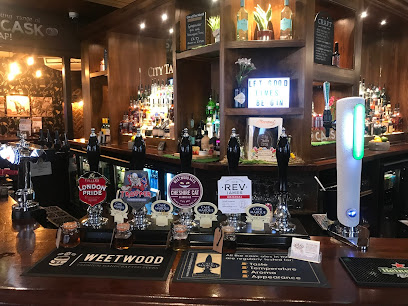
Havana Chester
0.4 km
Lively Cuban-inspired bar and restaurant on Chester’s historic Watergate Street, offering vibrant music, tapas, and creative cocktails.
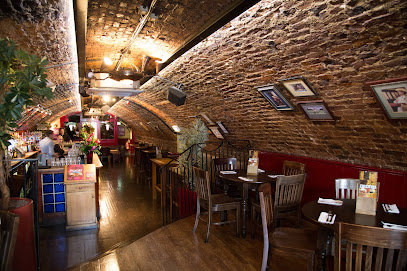
Nightclubs & after hour spots

BONOBO Bar & Canteen
0.0 km
A vibrant two-floor bar and canteen in Chester blending American eats, cocktails, video games, and lively music for a unique nightlife experience.
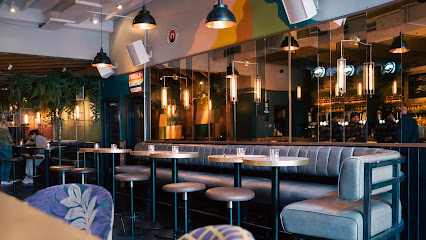
Cruise
0.1 km
A multi-floor nightclub in Chester offering vibrant music, premium drinks, and lively nightlife across seven bars.
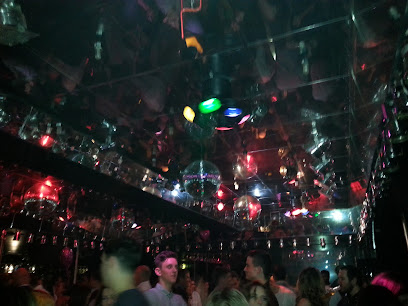
Rosies - Chester
0.3 km
Experience Chester’s vibrant nightlife at Rosies, a multiroom club with rooftop terrace, VIP lounges, and cutting-edge sound over three lively floors.
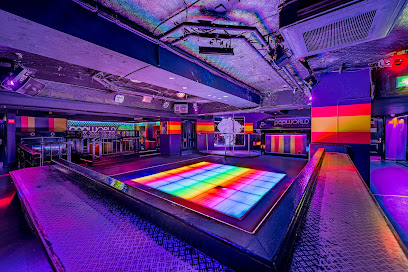
Chester City Club
0.4 km
Experience Chester’s vibrant nightlife at City Club, where modern beats meet historic charm in the heart of St Peters Churchyard.
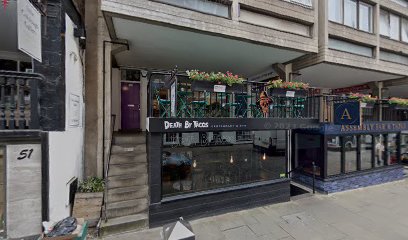
The Live Rooms
0.9 km
Discover Chester's vibrant nightlife at The Live Rooms, where live music, comedy, and unforgettable experiences await.
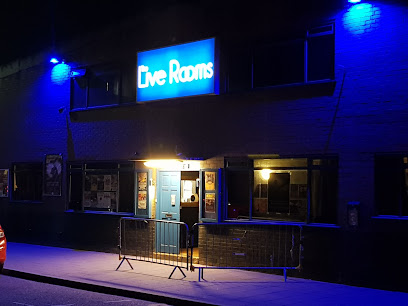
Mandy & Graham’s
2.5 km
Experience Chester’s vibrant nightlife at Mandy & Graham’s, where pulsating beats and lively crowds create unforgettable party nights.
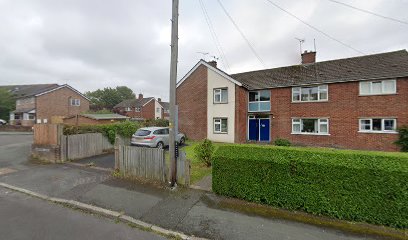
Ewloe Social and Community Club Ltd
11.2 km
Experience the heart of Deeside at Ewloe Social and Community Club, where fun, games, and community spirit come together.
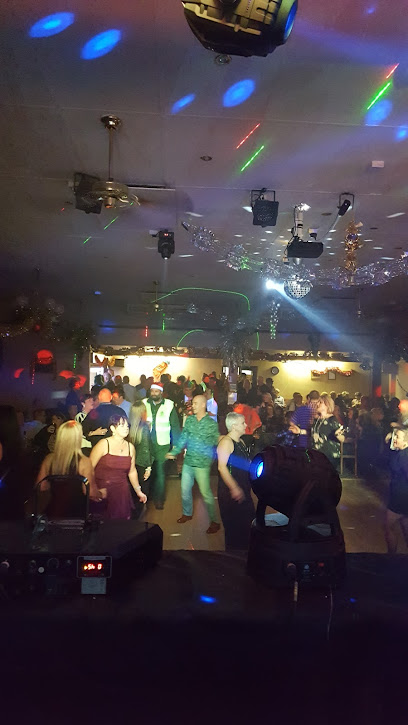
Bryn Griffiths W M Social Club
17.2 km
Discover the vibrant community spirit at Bryn Griffiths W M Social Club in Mold, where fun meets fellowship and local culture thrives.
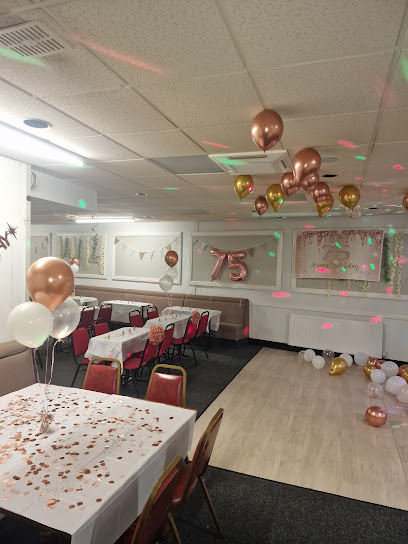
North Wales Celebrations Wedding & Party Disco DJ
17.2 km
Elevate your celebrations with North Wales Celebrations - the premier mobile disco DJ service for unforgettable weddings and parties.
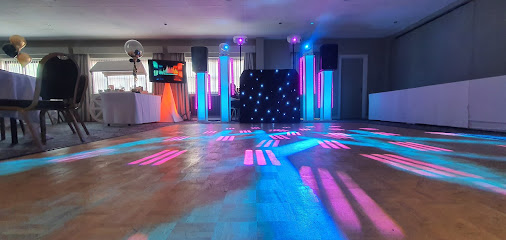
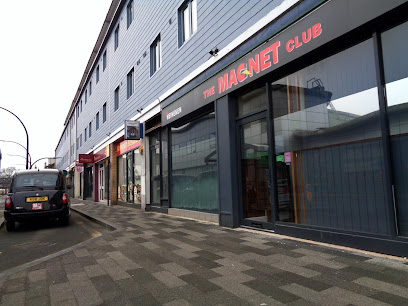
The Magnet Club
17.3 km
Wrexham’s independent venue since 1984, The Magnet Club blends live music, sports, and social games in a welcoming, refurbished space on King Street.
Flint Royal British Legion Social Club
17.7 km
A welcoming social hub in Flint supporting veterans and community through camaraderie, remembrance, and local events.
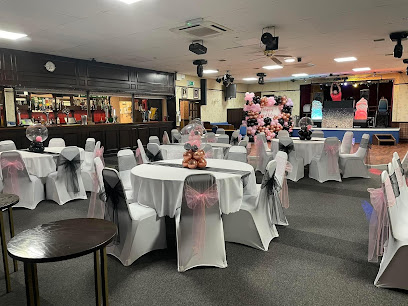
The Establishment
21.8 km
A vibrant Widnes nightclub offering lively events, friendly staff, and a spacious venue for unforgettable nights out.
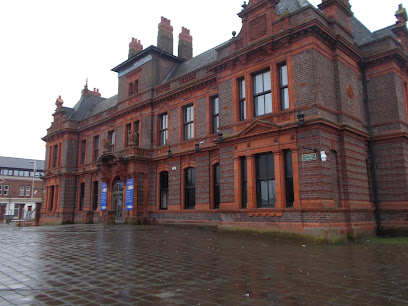
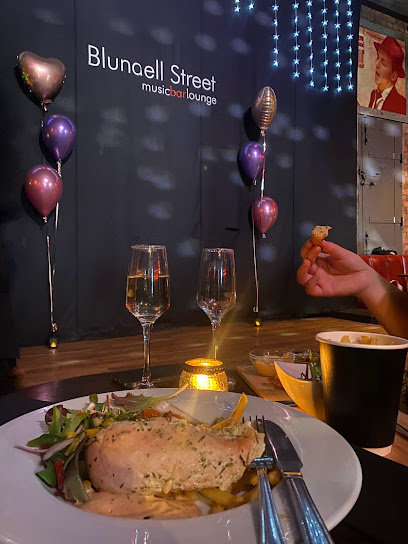
Supper Club at Blundell Street
23.9 km
Liverpool's ultimate supper club: fuel up on hearty meals, then dance the night away to drag shows, tributes, and non-stop hits near Echo Arena.
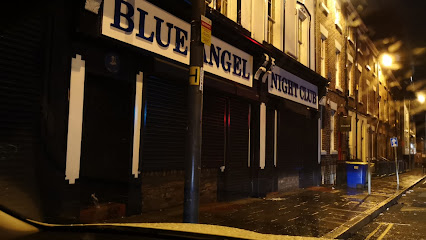
The Blue Angel Nightclub
24.3 km
Liverpool's dingy dive for 60s rock legends, dirt-cheap drinks, and sweaty throwback dances—where The Beatles once rocked and students still rage till dawn.
Cool It
24.4 km
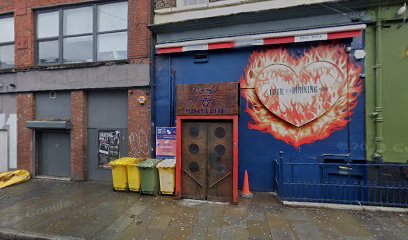
A multi-level, student-friendly nightclub on Seel Street offering loud DJ nights, bargain entry and packed late‑night dancefloors.
For the vibe & atmosphere seeker
- Historic
- Scenic
- Tranquil
For the design and aesthetic lover
- Rustic Designs
For the architecture buff
- Historic
- Landmarks
For the view chaser and sunset hunter
- Iconic Views
For the social media creator & influencer
- Photo Spots
- Architectural Shots
For the eco-conscious traveler
- Protected Area
- Public-Transport Accessible
- Leave-No-Trace Critical
For the kind of experience you’re after
- Cultural Heritage
- Photowalk
- Day Trip
For how adventurous you want the journey to be
- Easy Access
Location Audience
- Family Friendly
- Senior Friendly
- Child Friendly
- Teen Friendly
- Wheelchair Access
- Solo Friendly
- Couple Friendly


