Goodison Park: Historic Home of Everton FC
Goodison Park: Everton FC’s historic football fortress with over 130 years of iconic matches and pioneering stadium innovations.
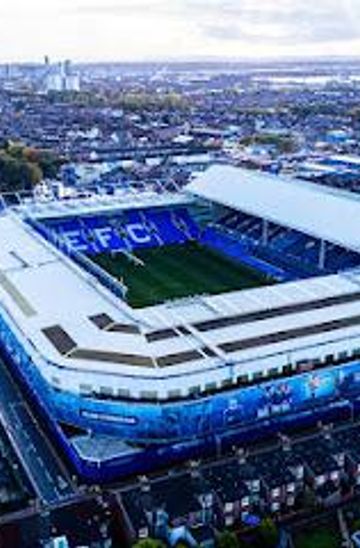
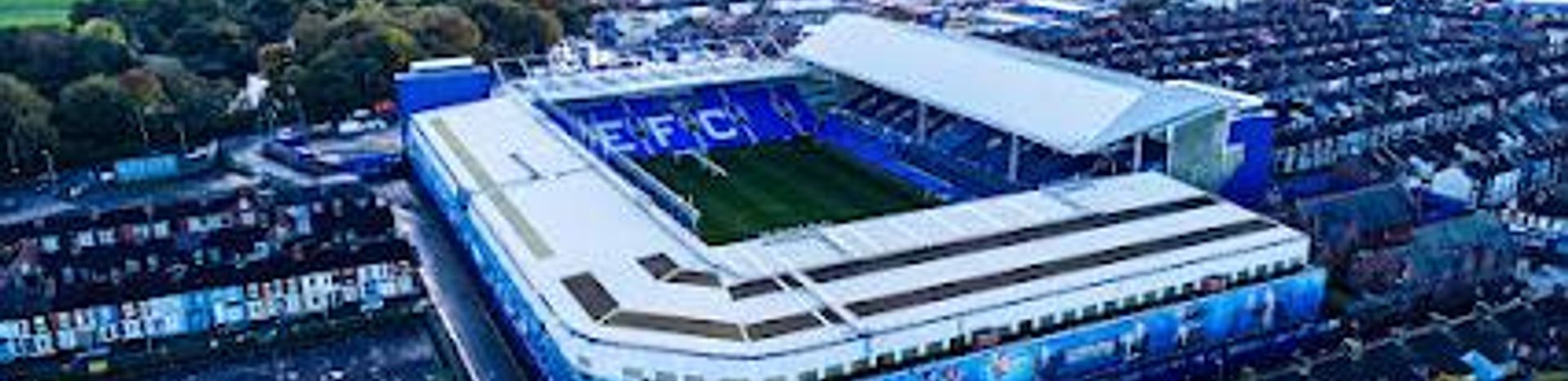
Goodison Park, located on Goodison Road in Liverpool, is one of England’s oldest and most iconic football stadiums. Opened in 1892, it has been the home of Everton FC for over 130 years. Known for its rich football heritage, architectural significance, and record-breaking attendances, Goodison Park has witnessed historic matches, including World Cup fixtures and memorable local derbies. The stadium’s classic double-decker stands and traditional atmosphere make it a revered landmark in British football.
A brief summary to Goodison Park
- Goodison Rd, Liverpool, L4 4EL, GB
- Click to display
- Click to display
- Duration: 1 to 3 hours
- Mid ranged
-
 Outdoor
- Mobile reception: 4 out of 5

Know before you go
Hi, I'm Eve. Here are a few practical things to know before exploring Goodison Park.
- Explore the stands designed by Archibald Leitch, a key figure in early football stadium architecture.
- Visit on matchdays to experience the passionate atmosphere of a traditional English football ground.
- Check out the museum and club shop near the stadium for Everton memorabilia and history.
- Learn about Goodison Park’s role in the 1966 World Cup, including the semi-final it hosted.
Do you manage this location?
Take control to get all the benefits, like improved information, better appearance, and stronger visibility across AI-powered discovery. Learn more
Activate your presence
Getting There
-
Train
Take a train to Liverpool Lime Street Station, approximately 3.5 km from Goodison Park. From there, a taxi or local bus can reach the stadium in 15-25 minutes. Train fares range from £3 to £7 depending on the origin.
-
Bus
Several local bus routes serve Goodison Park directly from Liverpool city centre, with journey times around 20-30 minutes. Single fares cost about £2.50. Services run frequently on matchdays but check schedules for off-peak times.
-
Taxi or Rideshare
Taxis and rideshare services provide convenient door-to-door access from central Liverpool, typically taking 15-20 minutes. Expect fares in the £8-£15 range depending on traffic.
-
Walking
For the adventurous, walking from Liverpool city centre to Goodison Park is approximately 4 km and takes about 45-60 minutes. The route is urban, mostly flat, and accessible but not recommended for those with mobility issues.
For the on-the-go comforts that matter to you
-
 Restrooms
-
 Drink Options
-
 Food Options
-
 Seating Areas
-
 Information Boards
-
 Visitor Center
Discover more about Goodison Park
Origins and Early Development
Goodison Park officially opened on 24 August 1892, following Everton FC’s departure from Anfield due to a rent dispute. The site, previously a rough field near Mere Green, was transformed rapidly into a football ground with stands on three sides and a playing area measuring approximately 384 by 255 feet. The opening event featured athletics and a fireworks display, with the first football match played shortly after, where Everton defeated Bolton Wanderers 4-2. Early facilities included covered seating and uncovered terraces, making it one of the finest grounds in the country at the time.Architectural Evolution and Innovations
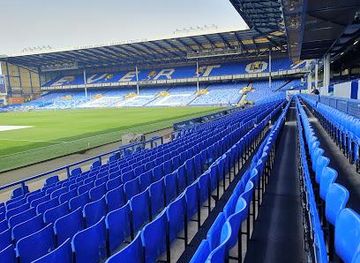
In the early 20th century, Goodison Park underwent significant expansions, including the construction of several double-decker stands designed by notable architects such as Archibald Leitch. The Park End stand was built in 1907, followed by the large Goodison Road Stand in 1909, which housed club offices and player facilities. The Bullens Road Stand and the Gwladys Street End, completed in 1926 and 1938 respectively, completed the four double-decker stands, a unique feature in Britain. Goodison Park was also a pioneer in stadium innovations, introducing the first dug-outs in England inspired by Aberdeen FC and installing undersoil heating, enhancing the playing conditions.Historic Matches and Cultural Significance
Goodison Park has hosted numerous landmark football events, including the 1894 FA Cup final and matches during the 1966 FIFA World Cup, such as a quarter-final and a semi-final—the only league ground in England to host a World Cup semi-final. The stadium’s record attendance of 78,299 was set during a fiercely contested Everton vs. Liverpool derby in 1948. Over the decades, the ground has been a stage for legendary players and moments, contributing deeply to Liverpool’s sporting culture and football history.Modern Changes and Future Prospects
The stadium saw major redevelopment in the 1970s with the replacement of the Goodison Road Stand by a three-tiered main stand, once the largest in Britain. Following safety reforms after the Hillsborough disaster, Goodison Park was converted into an all-seater stadium in the 1990s, reducing its capacity to around 40,000. In recent years, Everton FC has pursued plans for a new waterfront stadium, aiming to move from Goodison Park to the Bramley-Moore Dock Stadium, reflecting the club’s ambitions for modern facilities while honoring its historic roots.Atmosphere and Visitor Experience
Despite its age, Goodison Park retains a traditional football atmosphere cherished by fans. Its compact design, steep stands, and passionate supporter base create an intense and authentic matchday experience. The stadium’s architectural charm, combined with its storied past, offers visitors a glimpse into the heritage of English football. The surrounding area reflects Liverpool’s vibrant community spirit, making Goodison Park not just a sports venue but a cultural landmark.Legacy and Enduring Importance
As one of the oldest purpose-built football stadiums in England, Goodison Park stands as a testament to the evolution of the sport and stadium design. Its pioneering features influenced stadiums nationwide, and its continuous use for over a century underscores its significance. While Everton FC prepares for a future beyond Goodison, the stadium’s legacy as the “Grand Old Lady” endures, symbolizing tradition, innovation, and the enduring passion of football in Liverpool.Explore the best of what Goodison Park has to offer













More about Lancashire
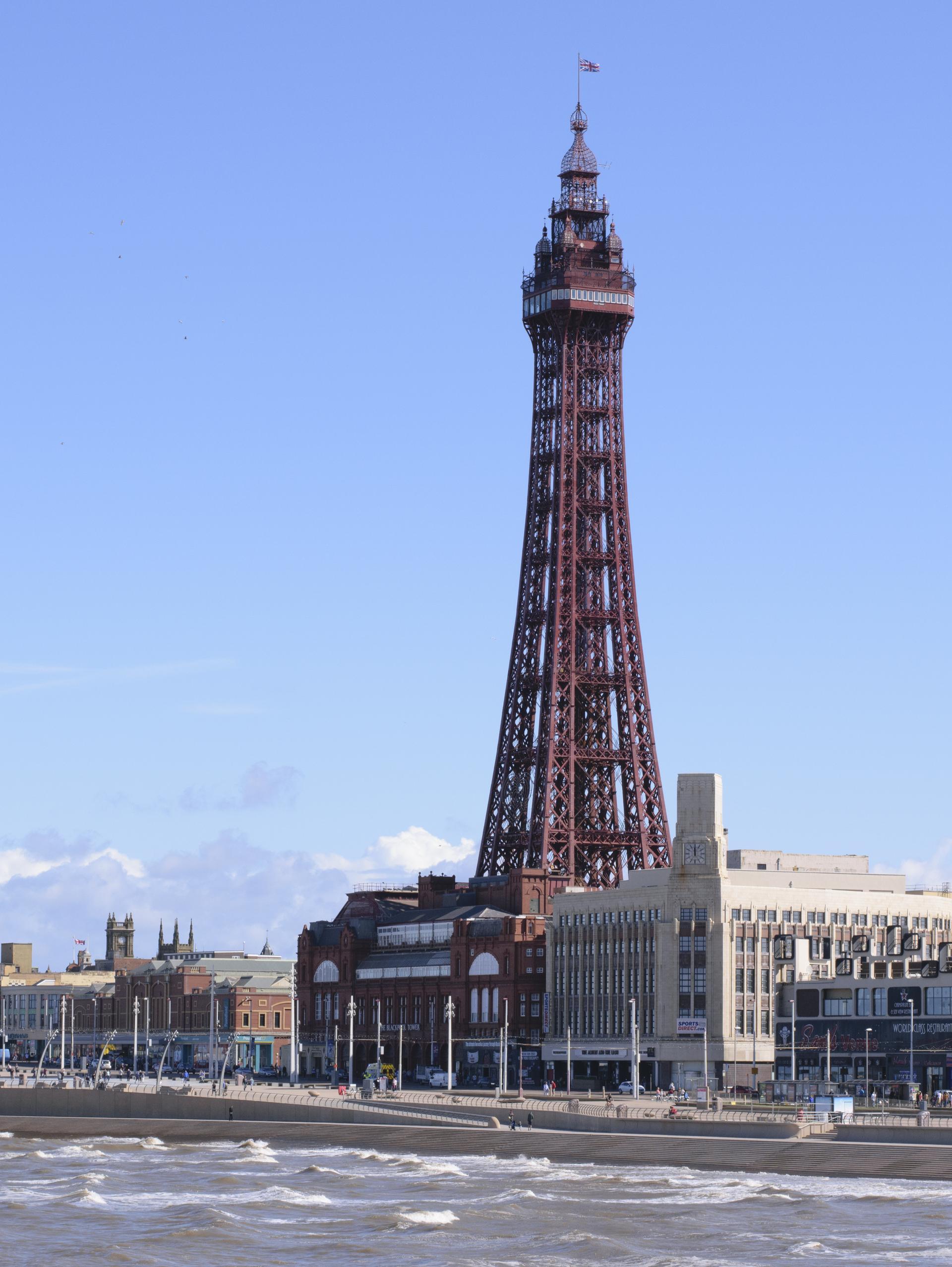
Discover Lancashire: A perfect blend of stunning landscapes, rich history, and vibrant culture in the heart of England's northwest.
Tell me more about Lancashire
Explore centuries of art masterpieces and decorative treasures at Liverpool’s iconic Walker Art Gallery, a cultural gem with free entry and family-friendly spaces.
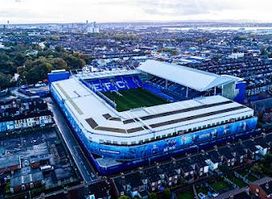
Experience the historic heart of Everton FC at Goodison Park, England’s pioneering football stadium steeped in tradition and iconic moments.