

Bibury Village Travel Guide
Free Guide: Discover Bibury, the enchanting Cotswold village famed for its historic Arlington Row cottages and serene riverside charm.


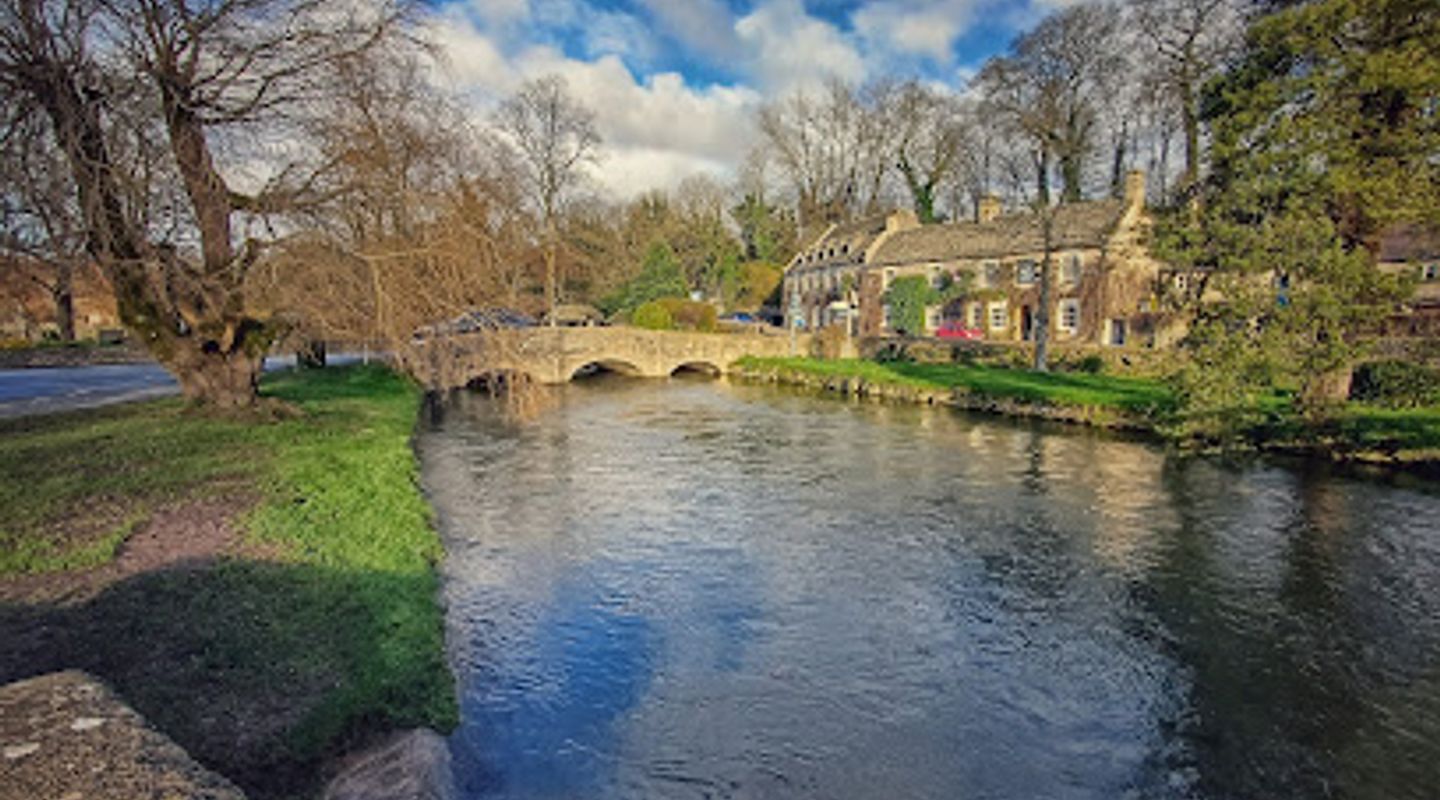
A brief summary of Bibury Village
Discover Bibury, the enchanting Cotswold village famed for its historic Arlington Row cottages and serene riverside charm.
Bibury is a quintessential Cotswold village in Gloucestershire, England, famed for its honey-colored 17th-century stone cottages, especially the iconic Arlington Row. Nestled on the banks of the River Coln, the village offers scenic water meadows, historic architecture, and a peaceful rural atmosphere. Bibury’s rich history spans from Iron Age settlements to Roman villas and Saxon heritage, making it a captivating destination for history lovers and nature enthusiasts alike.
On-site amenities
 Restrooms
 Drink options
 Food options
 Seating areas
 Trash bins
 Information boards
- Address
- The Square, Bibury, Cirencester GL7 5NS
Getting there
Bus
Car
Walking
Discover more about Bibury Village
Historic Roots and Architectural Heritage
Bibury’s history stretches back to at least the Iron Age, with visible remains of a hill fort overlooking the village. The Romans settled here as well, evidenced by the discovery of a Roman villa east of Bibury Mill. The village name, recorded as Becheberie in the Domesday Book of 1086, evolved through Saxon times and was held by religious institutions until the Reformation. The local St Mary’s Church, a Grade I listed building, contains Saxon origins and features remarkable 17th- and 18th-century carved tombs and a rare canonical sundial, reflecting Bibury’s deep historical layers.
Arlington Row: Icon of Rural England
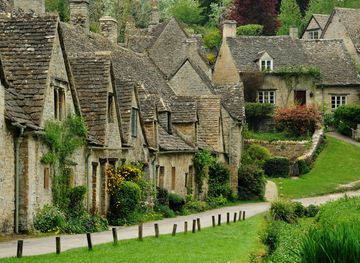
The village’s most famous landmark, Arlington Row, consists of a row of tenanted 17th-century weavers’ cottages originally built around 1380 as a monastic wool store. These cottages, constructed from honey-colored Cotswold stone with steep pitched roofs, are owned by the National Trust and remain private homes except for two holiday cottages. Arlington Row’s picturesque charm, set beside the River Coln and overlooking the boggy water meadow known as Rack Isle, has made it a symbol of English rural beauty and a popular subject for photographers and artists.
Natural Beauty and Wildlife Habitats
Bibury is set along the gentle River Coln, a Thames tributary, which flows through the village, dividing Bibury and Arlington. The surrounding landscape includes Rack Isle, a protected boggy water meadow once used to dry wool on wooden racks after processing at the nearby Arlington Mill. This area is rich in wildlife and managed by the National Trust, offering tranquil walking paths and opportunities to observe native brown trout, supported by the nearby Bibury Trout Farm, which has stocked local rivers since 1902.
Village Life and Cultural Significance
The village maintains its traditional character with historic buildings like Bibury Court, a 17th-century manor house now a private residence, and local pubs such as The Swan Hotel and The Catherine Wheel, known for serving locally sourced produce including trout from the farm. Bibury’s cultural heritage is enriched by tales and anecdotes, such as a local folk story about a clever student at The Swan, and its recognition by notable figures like William Morris, who called it "the most beautiful village in England."
Visitor Experience and Preservation
While Bibury attracts many visitors drawn by its scenic beauty and heritage, the village remains a living community with residents in Arlington Row cottages and careful National Trust stewardship to preserve its character. Visitors are encouraged to respect the privacy of residents and the natural environment, enjoying the village’s peaceful ambiance, historic charm, and scenic walks without disturbing the homes or wildlife.
Legacy and Modern Appeal
Bibury continues to inspire with its timeless appeal, blending centuries of history with natural beauty. Its iconic views have featured in films and remain a staple image of the English countryside. The village’s blend of heritage, landscape, and community offers a unique glimpse into rural life in the Cotswolds, making it a must-visit destination for travelers seeking authenticity and tranquility.
Evendo Review Centre
 Google
Guest reviews
Best time to go
Quietest: Jan, Feb & Dec · before 6am or from 11pm
Busy times are Evendo estimates for a typical year, to help you plan. Actual crowds vary with events, school holidays and the weather.
Explore Bibury Village on the map
A handpicked selection of must-see spots near Bibury Village, mapped for you.
Get your free copy of our complete guide to Bibury Village, delivered straight to you.
Everything on this page, from opening hours and how to get there to Eve’s tips and the best time to go, in one PDF you can read offline, print or share.
Already have an account? Sign in
Your Bibury Village guide is ready.
We'll send it to · Not you? Sign out

Getting your guide ready…
We are putting together a fresh copy of the Bibury Village guide. This can take up to a minute.
This can take a few moments. If your browser asks, choose Allow so the download can start. You'll find the guide in your Downloads folder.
Nothing happened? Download it again
Sorry, the guide is taking longer than usual. Please try again in a minute, or get it by email instead.
Other nearby places you may find interesting
The closest places of the same kind, if this one is not quite what you had in mind.
-
-
-
-
-


Swipe for more places
More to explore near Bibury Village

 Best experiences near Bibury Village
 Best hotels near Bibury Village
 Best landmarks near Bibury Village
 Best attractions near Bibury Village
 Best shops near Bibury Village
 Best restaurants near Bibury Village
 Best bars near Bibury Village
Do you manage this location?
Take control to get all the benefits, like improved information, better appearance, and stronger visibility across AI-powered discovery.
Explore more
Explore more of Cotswolds
Discover the idyllic beauty of the Cotswolds, where timeless villages and rolling hills create a perfect escape into England's pastoral heartland.
Explore Cotswolds
Explore more of United Kingdom
Discover the United Kingdom: A blend of rich history, stunning landscapes, and vibrant cities, offering a unique travel experience for every visitor.
Explore United Kingdom
