
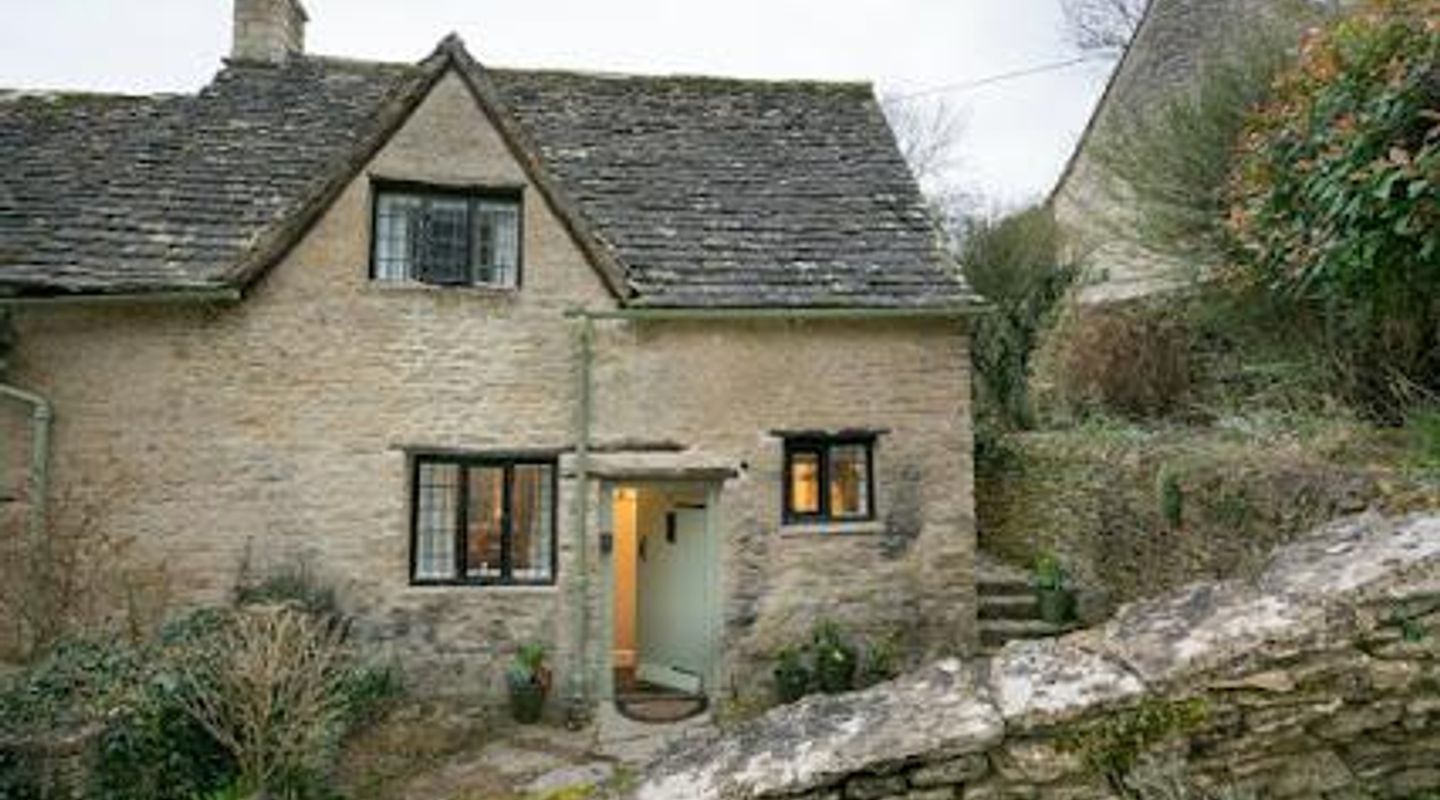
9 Arlington Row, Gloucestershire Travel Guide
Discover Arlington Row, Bibury’s iconic 14th-century cottages, a timeless symbol of Cotswold heritage and England’s most photographed street.
Arlington Row in Bibury is a picturesque row of honey-colored, Grade I-listed cottages originally built in 1380 as a monastic wool store. Converted into weavers' cottages in the 17th century, these iconic stone dwellings with their cruck slate roofs and gabled fronts are among England’s most photographed scenes. Owned by the National Trust, Arlington Row reflects centuries of local wool industry history and remains a beloved symbol of Cotswold heritage.
A brief summary to 9 Arlington Row
- 9 Arlington Row, Cirencester, Bibury, GL7 5NJ, GB
- Click to display
- Click to display
- Duration: 0.5 to 2 hours
- Mid ranged
-
 Outdoor
- Mobile reception: 4 out of 5

Know before you go
Hi, I'm Eve. Here are a few practical things to know before exploring 9 Arlington Row.
- Visit early in the morning or late afternoon to avoid crowds and capture the best natural light for photography.
- Respect the privacy of residents; do not knock on doors or peer through windows as these cottages are private homes.
- Explore the nearby Rack Isle meadow to understand the traditional wool drying process that took place here.
- Consider renting the holiday let cottage managed by the National Trust for a unique overnight experience.
Do you manage this location?
Take control to get all the benefits, like improved information, better appearance, and stronger visibility across AI-powered discovery. Learn more about listing your business on Evendo
Activate your presenceOther nearby places you may find interesting
The closest places of the same kind, if this one is not quite what you had in mind.

Explore 9 Arlington Row on the Map
A handpicked selection of must-see spots near 9 Arlington Row, mapped for you.
Getting There
-
Bus
Take the Stagecoach bus service from Cirencester to Bibury, which runs approximately every 1-2 hours. The journey takes about 30-40 minutes. From the bus stop in Bibury village center, Arlington Row is a 10-minute walk. Tickets cost around £5-£7 one way.
-
Car
Driving from Cirencester to Arlington Row takes about 20 minutes via the A417 and local roads. Parking is limited and can be busy during peak times; roadside parking is available near the village but may require a short walk. Parking charges apply in designated areas, typically £2-£4 for a few hours.
-
Taxi
A taxi from Cirencester to Bibury takes approximately 20 minutes and costs around £25-£35. This option is convenient for flexible timing but may be limited outside regular hours.
For the on-the-go comforts that matter to you
-
 Restrooms
-
 Drink Options
-
 Food Options
-
 Seating Areas
-
 Trash Bins
-
 Information Boards
Discover more about 9 Arlington Row
Historic Origins and Wool Industry Legacy
Arlington Row dates back to 1380 when it was constructed as a monastic wool store by the monks of Osney Abbey. This building served as a key facility in Bibury’s prosperous medieval wool trade, storing yarn produced by local weavers. In the 17th century, the structure was converted into a row of cottages for weavers, who lived and worked here producing woollen cloth. The cloth was then hung out to dry on wooden racks across the adjacent marshy meadow known as Rack Isle before being sent to Arlington Mill for degreasing. This transformation from industrial storage to residential use highlights the evolving economic and social fabric of the Cotswolds over centuries.Architectural Features and Conservation
The cottages are constructed from the famed honey-colored Cotswold limestone, featuring two stories with gabled fronts and distinctive cruck slate roofs. The uneven, slightly crooked facades and undulating roofs give Arlington Row its quintessentially charming and storybook appearance. Recognized for its architectural and historic significance, the row is a Grade I listed building and was preserved by the Royal Society of Arts in 1929. The National Trust undertook restoration efforts in the 1970s and continues to maintain the cottages, leasing most to private tenants while offering one as a holiday let. Arlington Row’s conservation ensures the survival of this iconic example of rural English heritage.Cultural Significance and Famous Visitors
Arlington Row has drawn visitors worldwide, becoming one of the most photographed streets in England. Its fame was boosted by notable visitors such as Emperor Hirohito of Japan, who stayed here as a prince in 1921 and described his time as one of his best experiences. American industrialist Henry Ford was so captivated by Arlington Row that he attempted to purchase the entire row to relocate it to Michigan, though this plan never materialized. The cottages have also appeared in films like "Stardust" and "Bridget Jones's Diary," further cementing their place in popular culture.Setting and Visitor Experience
Nestled beside the gentle River Coln and overlooked by the medieval stone bridge, Arlington Row is set within the idyllic village of Bibury, often described as the most beautiful village in England. Visitors can enjoy tranquil riverside walks, admire floral displays and ivy adorning the cottages, and soak in the timeless atmosphere. The surrounding Rack Isle meadow, once used for drying wool, adds to the pastoral charm. While the cottages are private homes, the area remains accessible for photography and quiet contemplation of England’s rural heritage.Preservation and Modern Day Importance
The National Trust’s stewardship has ensured Arlington Row remains a protected and cherished landmark. Its inclusion on the inside cover of UK passports symbolizes its national importance. The cottages exemplify traditional Cotswold architecture and the village’s historical connection to the wool industry. Arlington Row continues to inspire artists, photographers, and visitors, serving as a living link to England’s medieval past and the enduring beauty of the Cotswold countryside.Nearby Attractions and Village Character
Bibury itself offers additional attractions such as St Mary’s Church, a Grade I listed Anglo-Saxon church dating back to the 11th century, and Bibury Trout Farm, where visitors can catch and cook their own fish. The village’s blend of historic buildings, scenic river views, and peaceful ambiance makes it a perfect destination for leisurely exploration and appreciation of English rural life.












Your all‑in‑one travel companion app
Explore expert travel guides, compare and book tours, experiences, hotels, and more—all from the palm of your hand. Download now for seamless trip planning wherever your wanderlust takes you.


Explore More of Gloucestershire
Looking beyond 9 Arlington Row? Discover Gloucestershire for broader travel guides, local hot-spots, and regional highlights.
Explore Gloucestershire
A vibrant organic farm shop and cafe offering fresh, farm-grown produce and wholesome meals in a tranquil Cotswolds setting.
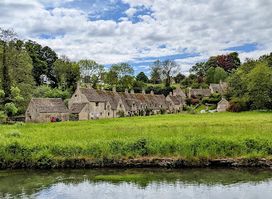
Discover Arlington Row, Bibury’s iconic 14th-century cottages nestled by the River Coln, a timeless symbol of Cotswold heritage and beauty.
