
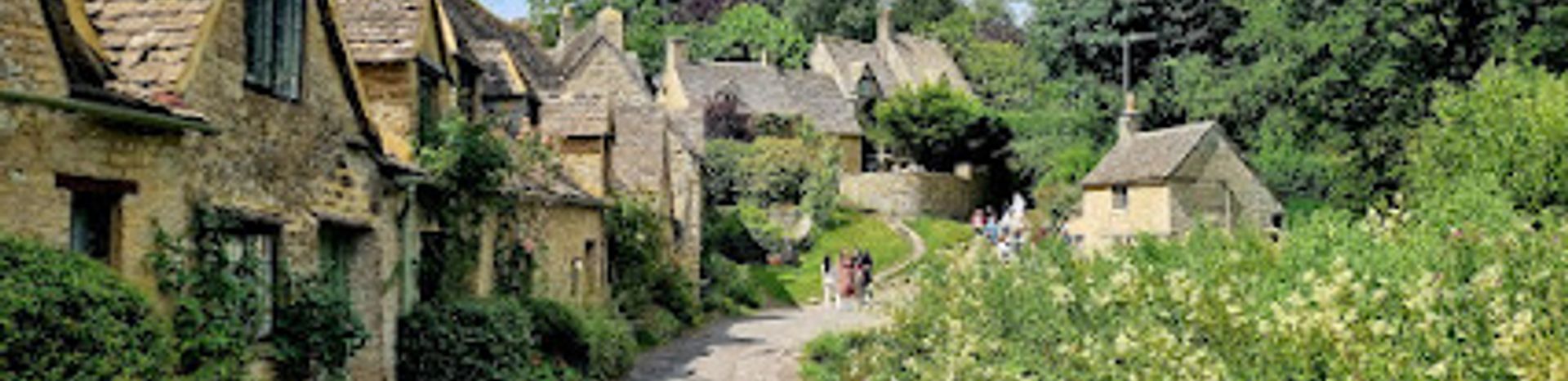
Arlington Row, Bibury: Iconic Cotswold Weavers' Cottages
Timeless 14th-century weavers' cottages beside the River Coln, embodying the charm and history of the Cotswolds’ wool trade heritage.
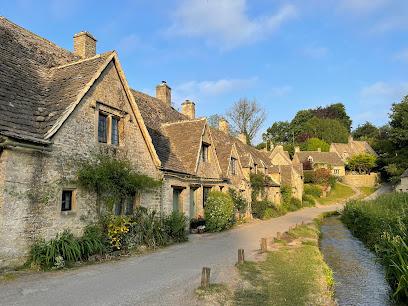
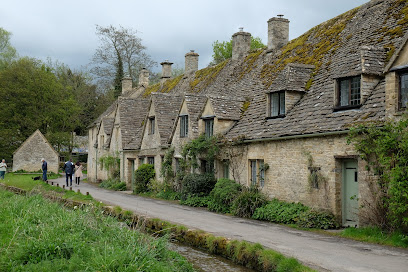
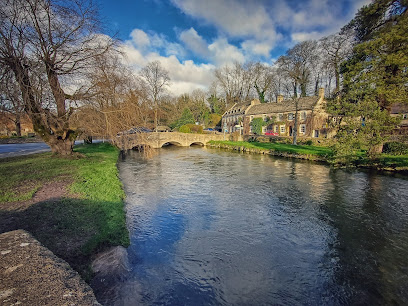
Arlington Row in Bibury is a picturesque row of 14th-century limestone cottages originally built as a monastic wool store and converted into weavers' cottages in the 17th century. Set beside the River Coln and overlooking the wildlife-rich Rack Isle meadow, this Grade I listed site is one of the most photographed and beloved landmarks in the Cotswolds, celebrated for its timeless charm and historic architecture.
A brief summary to Bridge and footpath to Arlington Row
- 7 The St, Cirencester, Bibury, GL7 5NP, GB
- Duration: 0.5 to 2 hours
- Free
-
 Outdoor
- Mobile reception: 4 out of 5
Local tips
- Respect the privacy of residents by not knocking on doors or peering through windows.
- Visit early morning or late afternoon for the best light and fewer crowds for photography.
- Explore the nearby Rack Isle meadow for wildlife spotting, including kingfishers and dragonflies.
- Combine your visit with a stop at Bibury Trout Farm or the historic St Mary’s Church.

For the on-the-go comforts that matter to you
- Restrooms
- Drink Options
- Food Options
- Seating Areas
- Information Boards
Getting There
-
Car
Driving from Cirencester to Bibury takes about 25–35 minutes. Parking is limited; roadside parking is available near Arlington Row but can be busy during peak times. There is a small residents’ car park accessed via Awkward Hill, a steep single-lane road without footpaths.
-
Bus
Local bus services connect Cirencester and Bibury with a journey time of approximately 40–50 minutes. Service frequency is limited, so check schedules in advance. The bus stop in Bibury is a short walk from Arlington Row.
-
Walking
For walkers staying nearby, a scenic 30–45 minute walk from Bibury village center to Arlington Row follows gentle terrain along the River Coln and is accessible for most fitness levels.
Bridge and footpath to Arlington Row location weather suitability
-
 Any Weather
-
 Clear Skies
-
 Rain / Wet Weather
-
 Mild Temperatures
Discover more about Bridge and footpath to Arlington Row
Medieval Origins and Wool Trade Heritage
Arlington Row dates back to 1380 when it was constructed as a monastic wool store. In the 17th century, it was transformed into a row of cottages for weavers who produced woollen cloth, a key industry in the area. The cloth was hung to dry on wooden racks across the adjacent Rack Isle meadow before being sent to Arlington Mill for degreasing. This connection to the wool trade underpins the historical significance of Arlington Row, reflecting the economic and social fabric of medieval and early modern Bibury.Architectural Charm and Conservation
The cottages are built from honey-colored Cotswold limestone with steep gabled roofs covered in traditional slate. Their two-storey structures feature classic cruck roof frames and blackened timber beams inside. Arlington Row is a Grade I listed building and a nationally notable conservation area. The Royal Society of Arts initiated preservation efforts in 1929, and the National Trust restored and now manages the site, leasing the cottages to private tenants while maintaining their historic integrity.Setting and Natural Environment
Nestled beside the gentle flow of the River Coln, Arlington Row overlooks Rack Isle, a protected water meadow abundant with wildlife such as kingfishers, water voles, and dragonflies. This tranquil setting enhances the cottages’ storybook appeal and situates them within an Area of Outstanding Natural Beauty, surrounded by quintessential Cotswold countryside and other historic sites.Cultural Impact and Popularity
Arlington Row is one of the most photographed scenes in the UK and has featured in films including "Stardust" and "Bridget Jones's Diary." Its image is so iconic that it appears inside UK passports. The site has attracted visitors worldwide, including notable admirers like Henry Ford, who once attempted to buy and relocate the cottages to the United States. The village of Bibury itself was praised by William Morris as "the most beautiful village in England," adding to the cultural cachet of Arlington Row.Visitor Experience and Surroundings
While the cottages are private homes and not open to the public, visitors can enjoy scenic walks along the river, explore nearby historic buildings such as the 12th-century St Mary’s Church, and visit local tea rooms and pubs. The area offers a peaceful ambiance ideal for photography, nature appreciation, and immersion in quintessential English village life. Nearby attractions include the Bibury Trout Farm and other Cotswold villages.Preservation and Modern Significance
The National Trust continues to protect Arlington Row, balancing conservation with public interest. The cottages stand as a testament to England’s architectural heritage and rural history, symbolizing the enduring legacy of the Cotswolds’ wool industry and village life. Their preservation ensures that future generations can experience this evocative slice of English history and landscape.Iconic landmarks you can’t miss

Things To Do In The Cotswolds
6.6 km
Explore the enchanting Cotswolds, where rolling hills, charming villages, and rich history create the perfect getaway for travelers seeking beauty and adventure.

Cotswold Trails
6.6 km
Experience the breathtaking beauty and rich heritage of the Cotswolds with Cotswold Trails, where every journey is an adventure.
Whittington Court
17.3 km
Explore the enchanting Whittington Court, a historical landmark in Cheltenham, offering stunning architecture and serene gardens perfect for a leisurely visit.
Groundwell Ridge Roman Site
17.4 km
Explore the Groundwell Ridge Roman Site, a captivating historical landmark in Swindon, where ancient ruins reveal the rich tapestry of Roman life in Britain.
The Garden at Miserden
17.7 km
Discover the serene beauty of The Garden at Miserden, a stunning oasis in the Cotswolds perfect for nature lovers and relaxation seekers.
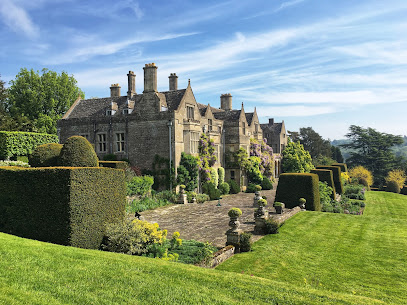
Siccaridge Wood
18.1 km
Explore Siccaridge Wood: A serene nature reserve near Cirencester, offering beautiful trails and diverse wildlife for nature lovers.
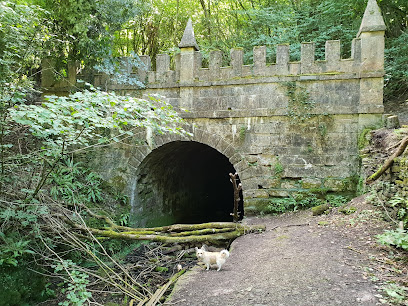
Barber wood
19.5 km
Experience the tranquility of Barber Wood, a nature reserve near Cheltenham, perfect for families and nature lovers seeking a peaceful outdoor escape.
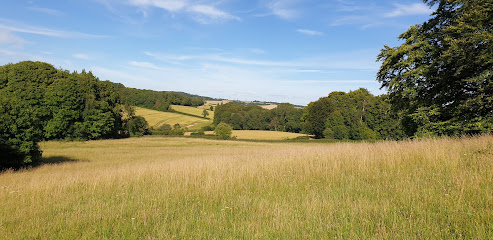
Cotswold Farm Park
19.9 km
Discover the enchanting Cotswold Farm Park, where children can explore a world of animals, play, and enjoy delicious local food in the stunning English countryside.
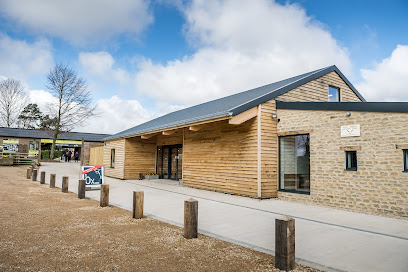
St Edward's Church
20.5 km
Explore St Edward's Church in Stow-on-the-Wold, a historic gem steeped in rich heritage and stunning architecture, perfect for culture enthusiasts.
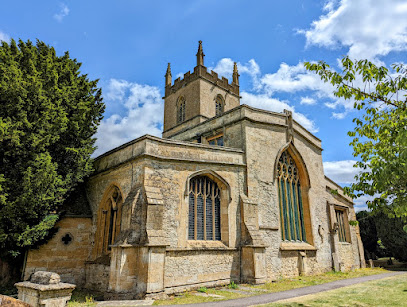
Rodmarton Long Barrow
20.5 km
Uncover the ancient secrets of Rodmarton Long Barrow, a Neolithic burial site that invites you to journey through time in the heart of the English countryside.
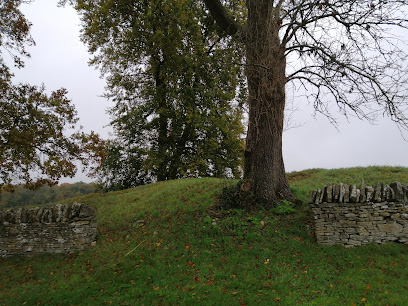
Cotswold Way
20.6 km
Discover the breathtaking landscapes and charming villages along the Cotswold Way, a premier hiking trail in England's stunning Cotswolds region.
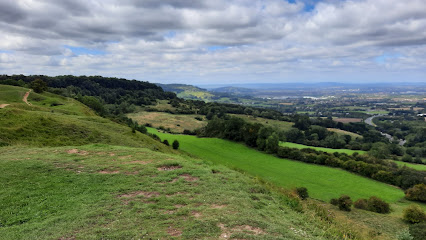
Undiscovered Cotswolds
20.9 km
Discover the natural beauty and rich history of the Undiscovered Cotswolds, a unique tourist destination perfect for your next adventure.
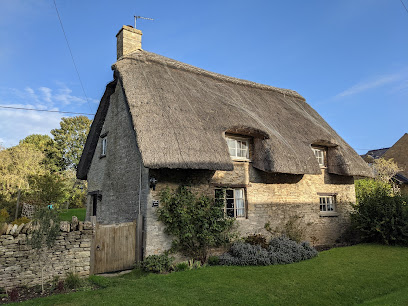
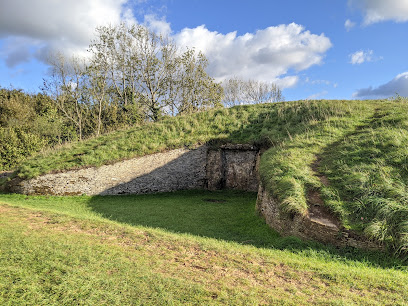
Belas Knap Long Barrow
21.0 km
A 5,000-year-old Neolithic mystery carved in stone, where ancient rituals and timeless Cotswolds views converge.
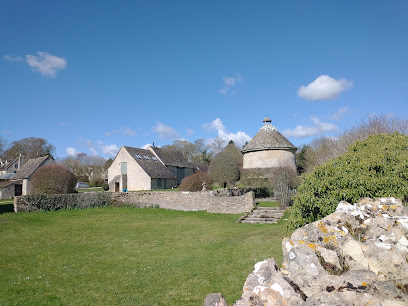
Minster Lovell Hall and Dovecote
21.3 km
Explore the enchanting ruins of Minster Lovell Hall and Dovecote, a historical gem in the Cotswolds offering picturesque views and rich heritage.
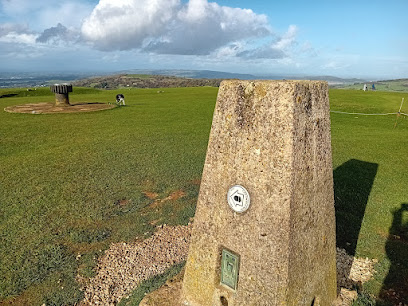
Cleeve Hill
21.5 km
Explore Cleeve Hill, the highest peak in the Cotswolds, offering breathtaking views, enchanting trails, and a rich tapestry of wildlife.
Unmissable attractions to see

Arlington Row
0.1 km
Discover Arlington Row’s timeless medieval cottages and serene Cotswold landscape, a quintessential English village scene steeped in history and charm.
National Trust - Bibury
0.1 km
Discover Bibury’s timeless charm with its iconic Arlington Row, tranquil river setting, and rich Cotswold heritage in England’s most picturesque village.
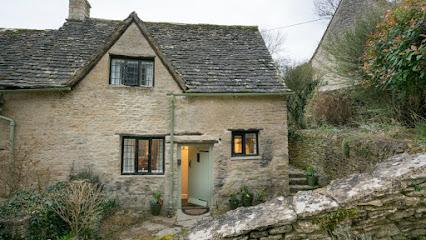
9 Arlington Row
0.1 km
Discover Arlington Row, Bibury’s iconic 14th-century weavers’ cottages, a timeless symbol of England’s wool trade heritage and scenic charm.
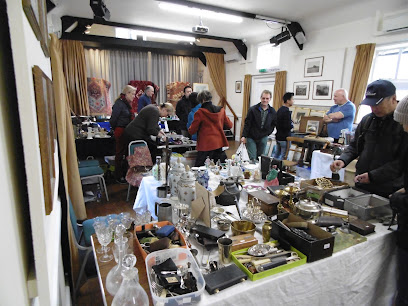
Bibury Antiques Fair
0.1 km
Discover timeless treasures and local charm at Bibury Antiques Fair, a monthly gathering of collectors and dealers in the heart of the Cotswolds.
Bibury
0.2 km
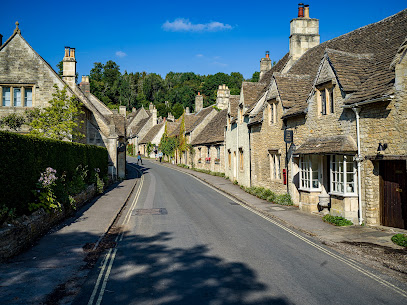
Discover Bibury, the enchanting Cotswold village famed for its historic Arlington Row, tranquil river, and timeless English charm.
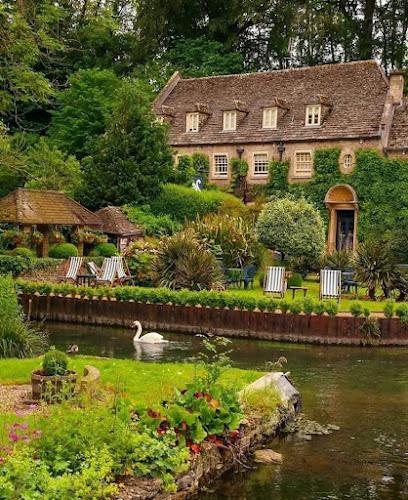
Bibury Village
0.2 km
Discover Bibury, the enchanting Cotswold village famed for its historic Arlington Row cottages and serene riverside charm.
Barnsley Park
3.3 km
Explore Barnsley Park, a Georgian Baroque estate with historic gardens and tranquil Cotswolds parkland near Cirencester.
Cotswolds
5.3 km
Explore the Cotswolds’ rolling hills, honey-colored villages, and historic market towns in England’s largest Area of Outstanding Natural Beauty.
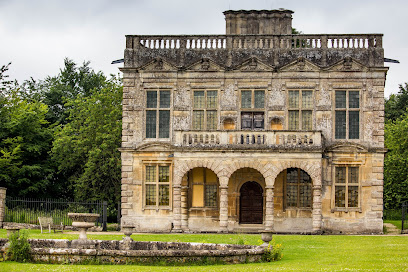
National Trust - Lodge Park and Sherborne Park Estate
6.3 km
Explore England’s only surviving 17th-century grandstand nestled in a tranquil Cotswold estate teeming with wildlife and historic landscapes.
hotcotswolds.uk
6.6 km
Your friendly gateway to Chipping Campden and the Cotswolds, offering maps, local advice, and Cotswold crafts in a historic town centre setting.
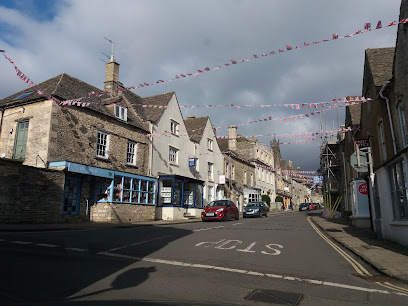
Marlborough Arms
6.6 km
Historic 17th-century pub in Fairford offering a wide selection of ales, craft beers, live music, and hearty pizzas in a lively, welcoming atmosphere.
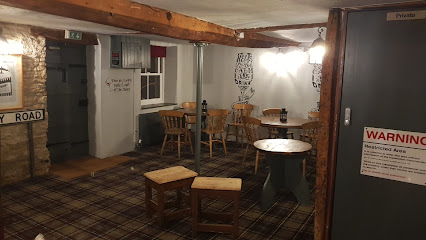
The Organic Farm Shop
7.9 km
A vibrant organic farm shop and cafe offering fresh, farm-grown produce and wholesome meals in a tranquil Cotswolds setting.
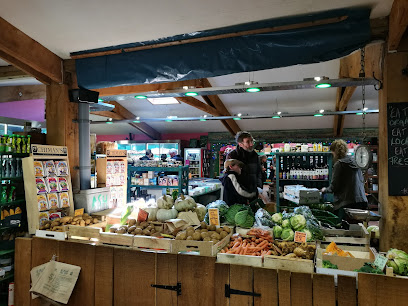
Church of St Peter and St Paul, Northleach
7.9 km
Discover the architectural splendor and historical significance of the Church of St Peter and St Paul in Northleach, a must-visit Cotswolds attraction.
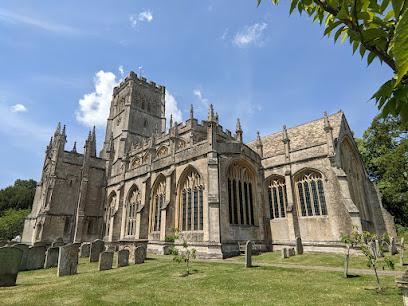
National Trust - Chedworth Roman Villa
9.2 km
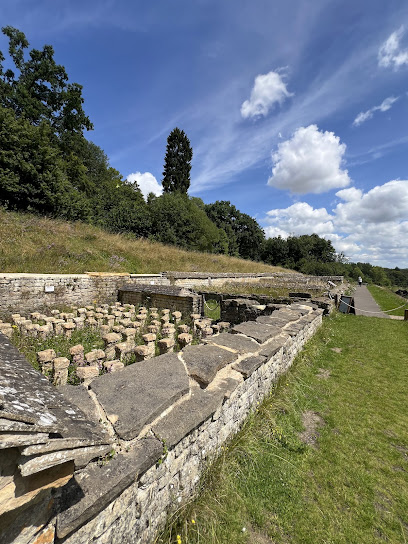
Explore one of England’s largest Roman villas with stunning mosaics, bathhouses, and a Victorian museum set in tranquil Cotswold countryside.
Cotswolds AONB
9.3 km
Discover the rolling hills, honey-colored villages, and timeless charm of England’s largest Area of Outstanding Natural Beauty.
Essential places to dine

The Gallery Restaurant
0.2 km
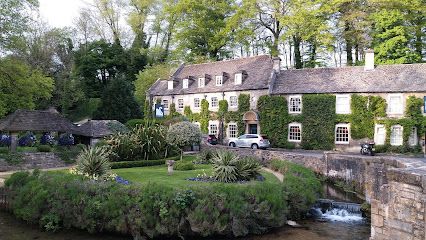
Modern European dining in the heart of Bibury, blending local Cotswold produce with elegant country charm at The Swan Hotel.
The Catherine Wheel
0.4 km
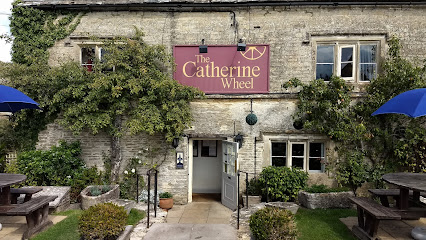
A family-run pub and inn in Bibury serving fresh local food with warm hospitality in the heart of the Cotswolds.
The Old Smokery
6.8 km
A lively Cotswolds hub blending rustic dining, vibrant events, and welcoming atmosphere at Far Peak Camping.
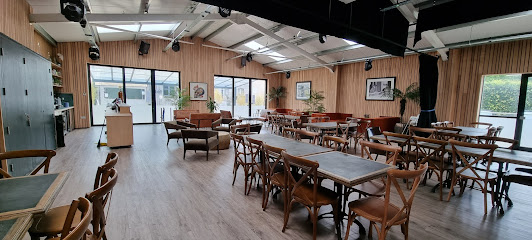
The Ox Barn
9.2 km
Experience modern British countryside cuisine in a beautifully restored 19th-century oxen house nestled in the tranquil Cotswold village of Southrop.
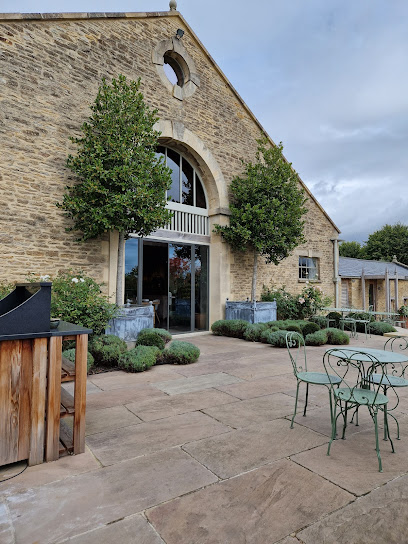
MBB BRASSERIE
10.3 km
Stylish modern British brasserie in Cirencester’s historic Corn Hall, serving classic and contemporary dishes in a vibrant open kitchen setting.
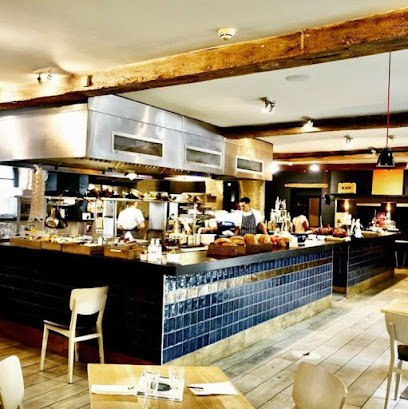
The Garden Restaurant
10.6 km
Refined modern British dining with scenic walled garden views in the heart of historic Stratton House Hotel, Cirencester.
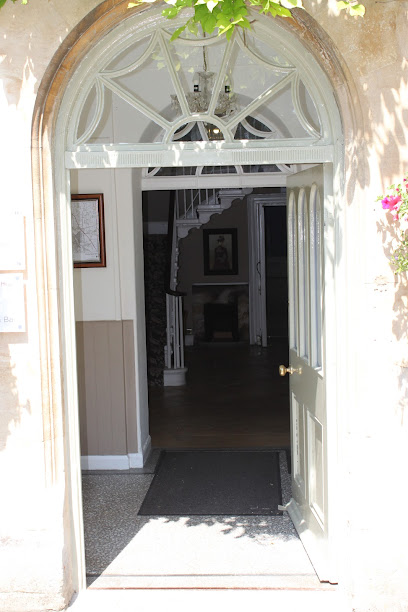
The Old Boathouse
10.6 km
Charming lakeside gastropub offering hearty British and European dishes with scenic views at Cotswold Water Park.
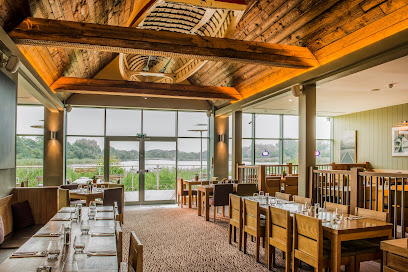
The Oak Tree Restaurant
12.3 km
Relax and refuel at The Oak Tree Restaurant, a family-friendly dining spot nestled within the scenic Cotswold Wildlife Park and Gardens.
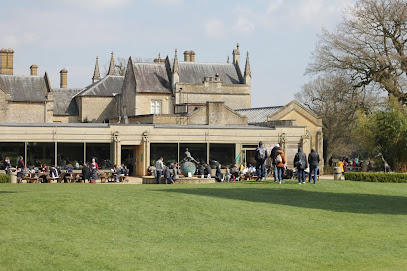
The Croft Restaurant
14.8 km
A charming riverside restaurant in Bourton-on-the-Water serving fresh, locally sourced English cuisine in a welcoming and scenic setting.

The Rose Tree Restaurant
14.9 km
Charming riverside British dining in a historic Cotswold cottage with cozy interiors and scenic garden views.

The Bell at Sapperton
17.0 km
Historic Cotswold inn blending seasonal British fare, a renowned wine wall, and cozy accommodations in the heart of picturesque Sapperton village.

The Feathered Nest Country Inn
17.6 km
A charming Cotswolds inn offering fine dining, stunning valley views, and cosy countryside comfort in historic Nether Westcote.
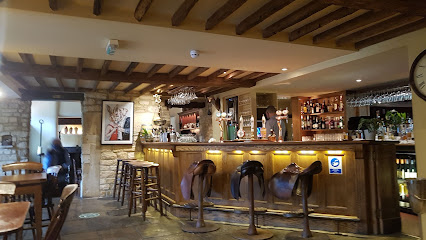
The Halfway at Kineton
20.0 km
A charming 17th-century Cotswold pub blending rustic ambiance with refined seasonal British cuisine and warm hospitality.
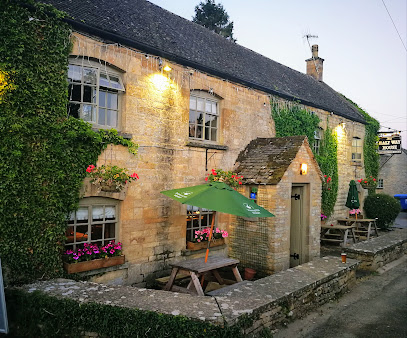
The Old Butchers
20.5 km
Historic charm meets exceptional seafood and charcoal-grilled cuisine in the heart of Stow-on-the-Wold’s vibrant dining scene.

The Porch House
20.5 km
Discover The Porch House: A historic pub offering traditional British cuisine and local ales in picturesque Stow-on-the-Wold.
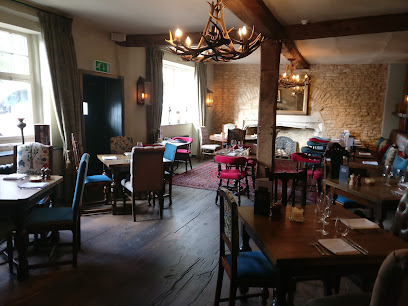
Markets, malls and hidden boutiques

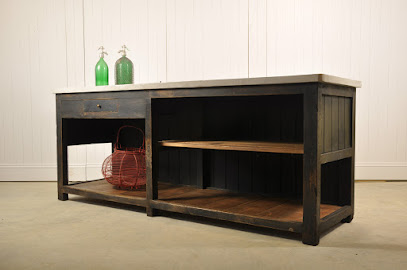
Original House
7.1 km
Discover authentic vintage and industrial furniture treasures in Cirencester’s Original House, a haven for unique statement pieces.
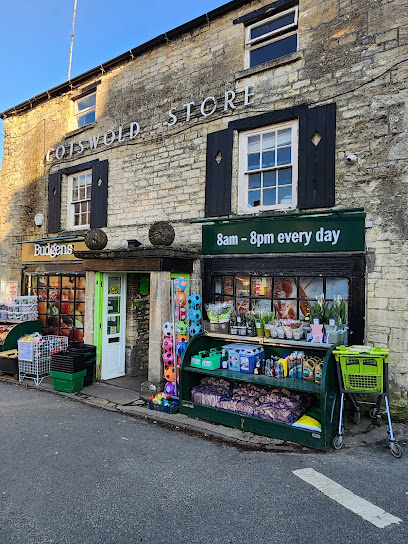
The Cotswold Stores
7.9 km
A welcoming convenience store in historic Northleach’s Market Place, offering local treats and everyday essentials daily from 8 AM to 8 PM.
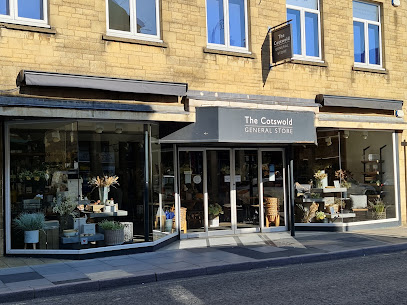
The Cotswold General Store
10.2 km
Discover unique gifts and local crafts at The Cotswold General Store, a charming boutique in the heart of historic Cirencester.
Surprises
10.3 km
Discover unique gifts and local charm at Surprises, Cirencester’s beloved Market Place gift shop open six days a week.
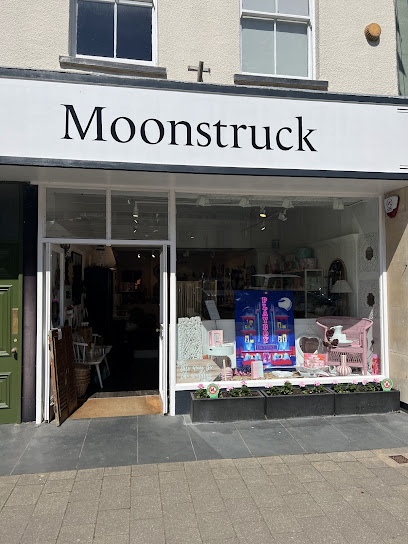
Moonstruck
10.3 km
Discover unique gifts and stylish homewares in the heart of Cirencester’s charming Market Place at Moonstruck.
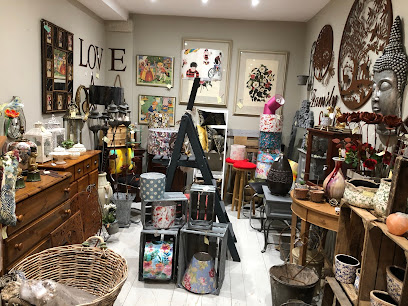
#now_vintage
10.3 km
Curated vintage treasures and antique finds in the heart of Cirencester's charming market town.
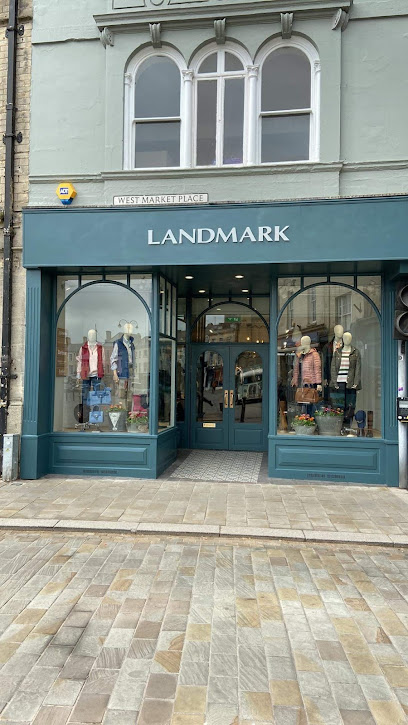
Landmark Cirencester
10.4 km
Premier British country clothing in the heart of Cirencester's historic market square.
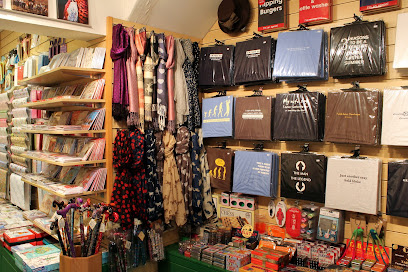
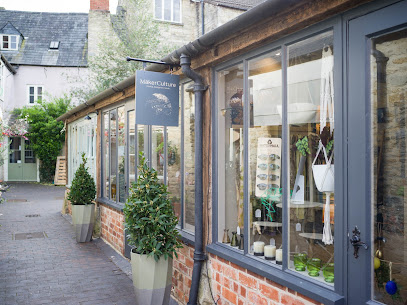
MākerCulture
10.4 km
Discover eco-friendly, handmade gifts and art crafted from recycled materials in the heart of Cirencester’s historic Stable Yard.
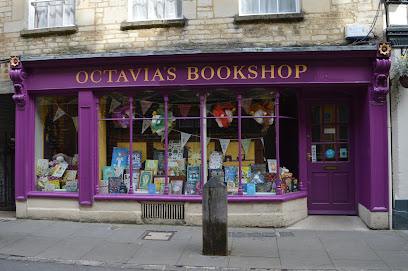
Octavia's Bookshop
10.5 km
Discover a tranquil independent bookshop in Cirencester offering a curated selection and warm, personal service in a charming setting.
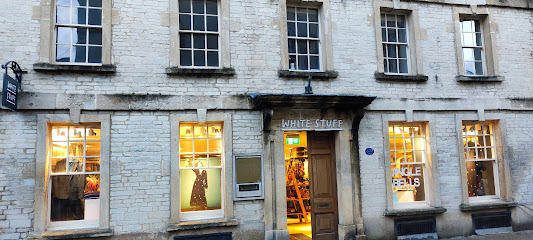
White Stuff Cirencester
10.5 km
Discover stylish, sustainable fashion for all ages at White Stuff Cirencester, nestled in the heart of historic Castle Street.
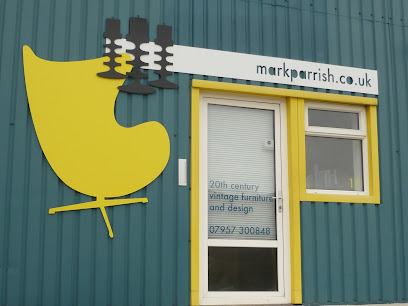
Mark Parrish mid century modern
10.5 km
Discover authentic mid-century modern furniture and timeless design treasures in Cirencester’s Love Lane Industrial Estate.
m.a.d.e.
10.5 km
British design and ethical craftsmanship in an eclectic Cotswolds emporium.
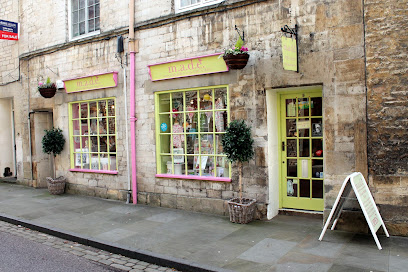
Cotswold Candle Hut
11.7 km
Discover handcrafted candles and natural fragrances in the heart of historic Cirencester at the charming Cotswold Candle Hut.

THINGS
13.0 km
Explore Cricklade's fabric shop for a world of crafting possibilities with a variety of fabrics, haberdashery, and creative inspiration.
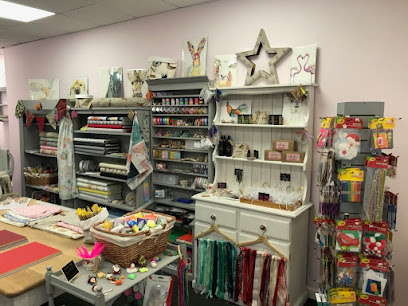
Caboodle
14.8 km
Handcrafted treasures and local artisan finds in the heart of picturesque Bourton-on-the-Water.
Essential bars & hidden hideouts

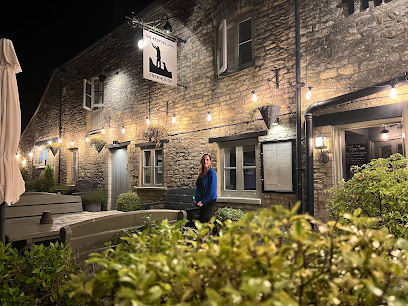
The Keepers Arms
3.9 km
Charming Cotswold pub and boutique inn offering warm hospitality, excellent food, and a peaceful village retreat near Cirencester.
THE STUMP
5.5 km
A historic Cotswolds coaching inn blending rustic charm, acclaimed wood-fired pizzas, and cozy rooms for a quintessential English countryside experience.
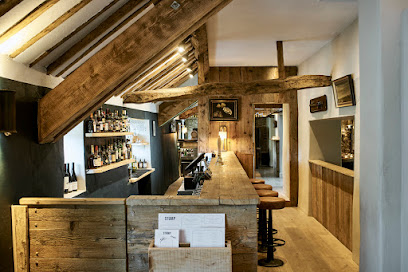
Bathurst Arms
9.7 km
A cozy riverside Cotswold pub and inn offering excellent local food, warm hospitality, and scenic charm in North Cerney.
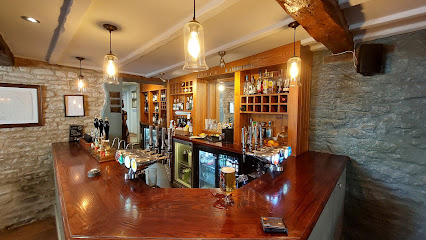
Bee's Knees
10.2 km
Authentic smoked BBQ and hearty British pub fare in a welcoming, rustic setting at Cirencester’s beloved Bee's Knees.
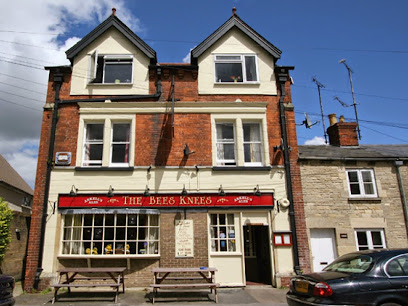
The Bear Inn, Cirencester
10.2 km
Historic 14th-century pub in Cirencester offering award-winning beers, seasonal local dishes, cosy ambiance, and a welcoming atmosphere for all.
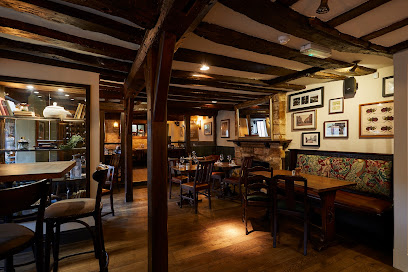
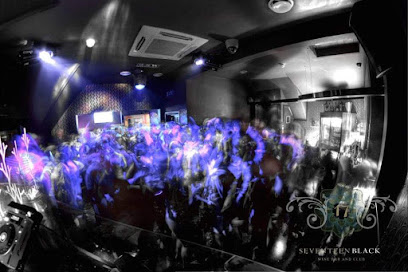
17 Black Restaurant, Cocktail and Wine Bar complete with Nightclub and Karaoke Room.
10.4 km
A stylish Cirencester hotspot offering award-winning seafood, crafted cocktails, a buzzing nightclub, and a private karaoke room for unforgettable nights.
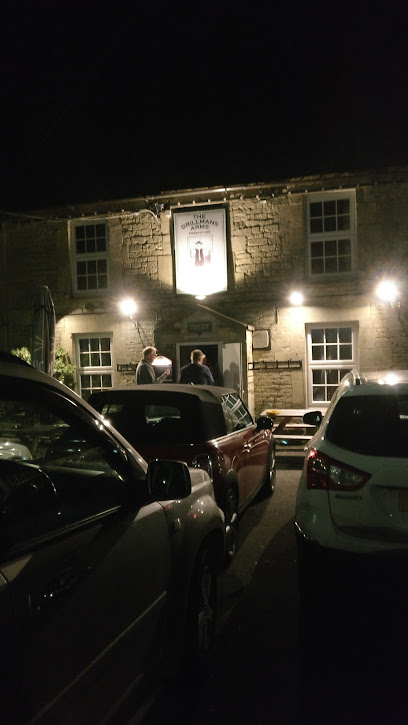
Drillmans Arms
10.5 km
Experience authentic British pub culture with real ales and timeless charm at the Drillmans Arms in Stratton, Cirencester.
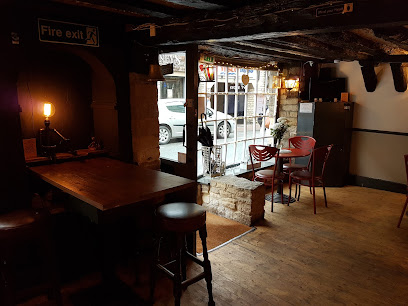
Mad Hatter Wine Bar
10.5 km
A lively wine bar in Cirencester blending whimsical charm, quality wines, and live music for memorable evenings.
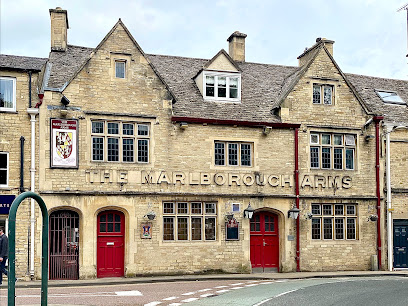
The Marlborough Arms
10.6 km
Historic Cirencester pub offering a rich selection of ales, traditional ciders, live music, and a warm, inviting atmosphere.
The Crown @ Cerney Wick
11.4 km
A charming Cotswolds pub blending British tradition with authentic Anglo-Indian flavors and warm hospitality.
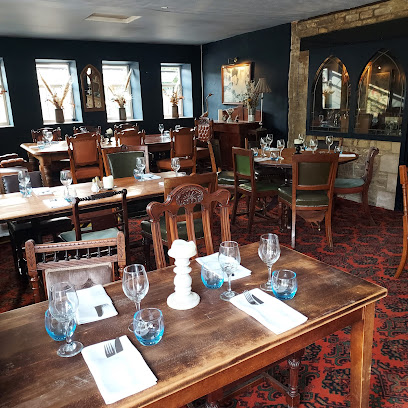
The Cotswold Arms
14.7 km
Historic 15th-century pub in Burford blending local ales, homemade food, live music, and a cozy beer garden for all ages.
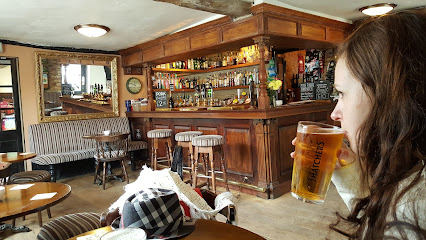
Kingsbridge
14.9 km
A classic riverside pub in Bourton-on-the-Water offering hearty British fare, cask ales, and warm hospitality in a scenic Cotswold village setting.

The Green Dragon Inn Pub & Shop
16.5 km
A historic 17th-century Cotswold inn blending rustic charm, fine dining, and countryside comfort in tranquil Cockleford near Cheltenham.
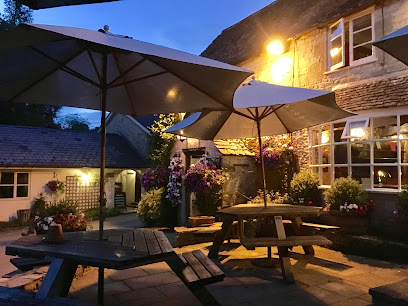
Experimental Cocktail Club Cotswolds
17.1 km
Sophisticated cocktails and vibrant DJ nights in the heart of the Cotswolds at Cowley Manor’s stylish Experimental Cocktail Club.
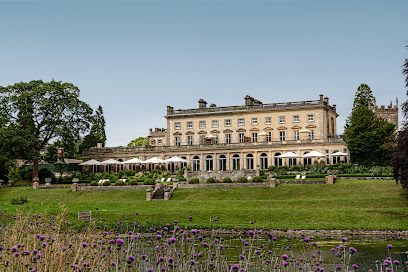
Hollow Bottom
18.4 km
A historic Cotswold pub blending hearty local fare, warm hospitality, and scenic countryside charm in the heart of Guiting Power.
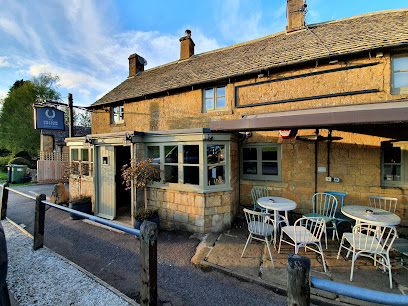
Nightclubs & after hour spots

ReVA Nightclub
10.4 km
Cirencester’s largest nightclub offering electrifying music, stylish cocktails, and a vibrant atmosphere for unforgettable nights.
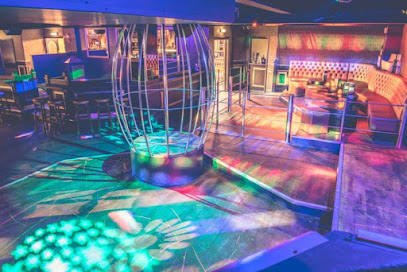
MooMoo Clubrooms Cheltenham
22.8 km
Experience Cheltenham’s vibrant nightlife with dynamic music, VIP vibes, and late-night energy at MooMoo Clubrooms.

Popworld - Cheltenham
22.8 km
Cheltenham’s lively late-night hotspot where cheesy pop tunes and creative cocktails fuel unforgettable party nights.
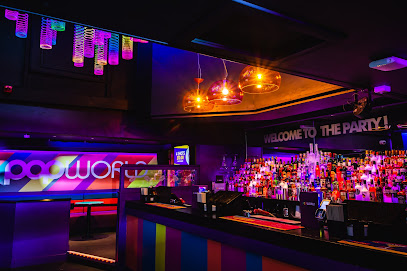
The 21 Club
22.8 km
Experience Cheltenham’s vibrant nightlife at The 21 Club, where music, dancing, and great drinks create unforgettable nights.
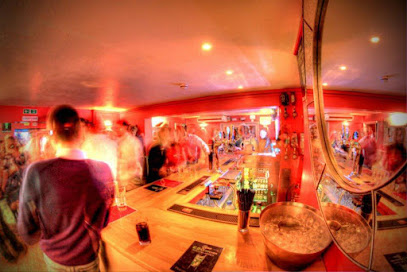
Coco
22.8 km
Cheltenham’s underground hotspot for vibrant nightlife, top DJs, and creative cocktails in a lively basement setting.
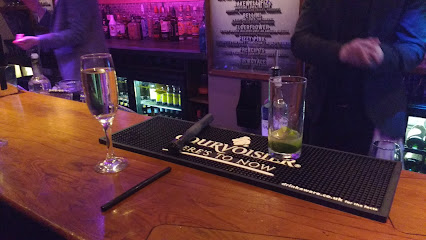
Under the Prom
22.9 km
Experience Cheltenham’s vibrant nightlife with premium drinks, three unique bars, and VIP service at Under The Prom nightclub.

2 PIGS
23.0 km
A lively Cheltenham nightclub with dual rooms spinning rock, punk, indie, and classic hits, known for affordable drinks and an alternative vibe.
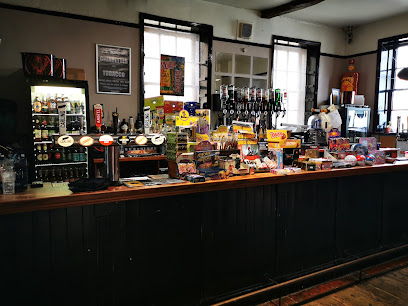
Thirteen Degrees
23.0 km
Cheltenham’s late-night hotspot for dancing, cocktails, and private events in a central urban setting.
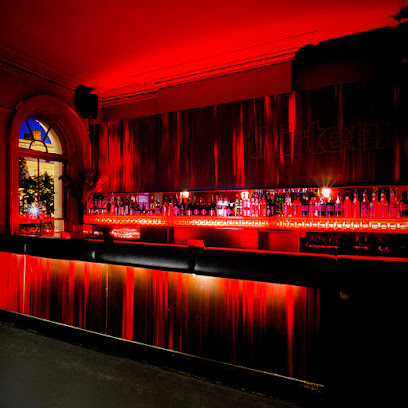
Home and Botanic Nightclub
23.0 km
Historic charm meets vibrant nightlife at Cheltenham’s Home and Botanic, a multi-room club offering cocktails, live piano, DJs, and unforgettable nights.

Venue Five-0 Night Club
24.5 km
Energetic weekend nights and diverse music await at Venue Five-0 Night Club, Royal Wootton Bassett’s lively nightlife hotspot.
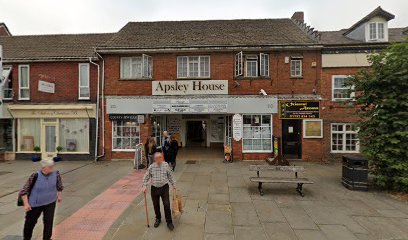
Trio Nightclub
26.5 km
Experience Stroud’s vibrant nightlife at Trio Nightclub, where music, dancing, and energetic vibes light up weekend nights.

ATIK Gloucester
30.2 km
Gloucester’s largest nightclub, ATIK pulses with vibrant music, student nights, and an energetic party atmosphere until the early hours.

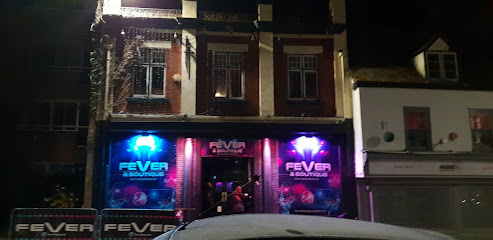
Bar Fever Gloucester
30.4 km
Experience Gloucester’s vibrant nightlife at Bar Fever, a trendy nightclub with dynamic music, stylish interiors, and a welcoming atmosphere.
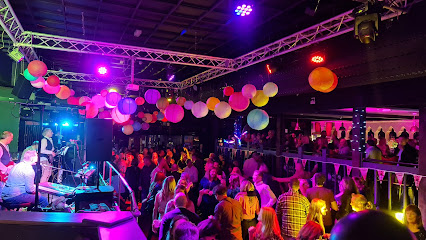
Jax Nightclub Gloucester
30.5 km
Energetic nightclub in Gloucester offering diverse music, two dance floors, and a welcoming atmosphere for late-night fun.
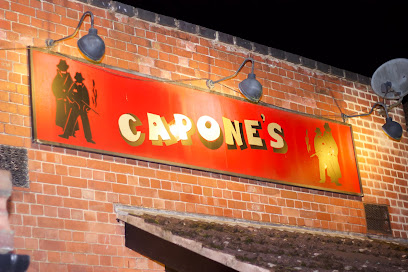
Capones
36.8 km
Historic nightclub in Dursley with legendary ties to Al Capone, offering vibrant weekend nightlife and pulsating music.
For the vibe & atmosphere seeker
- Tranquil
- Scenic
- Relaxing
- Romantic
- Unique
For the design and aesthetic lover
- Vintage Styles
- Rustic Designs
For the architecture buff
- Historic
- Heritage Neighborhoods
- Parks & Gardens
For the view chaser and sunset hunter
- Iconic Views
- Panoramas
- Waterfront
- Sunset Spots
For the social media creator & influencer
- Instagrammable
- Photo Spots
- Selfie Spots
- Aesthetic Corners
For the eco-conscious traveler
- Protected Area
- Nature Reserve
- Public-Transport Accessible
- Locally Managed
For the kind of experience you’re after
- Cultural Heritage
- Photowalk
- Nature Escape
- Day Trip
- Weekend Getaway
For how adventurous you want the journey to be
- Easy Access
Location Audience
- Family Friendly
- Senior Friendly
- Child Friendly
- Teen Friendly
- Wheelchair Access
- Pet Friendly
- Solo Friendly
- Couple Friendly
- Solo Female Friendly


