Best Landmarks in Down
Planning a trip to Down? Discover the best landmarks in Down with history, expert tips, and routes. Free on web or the Evendo app.


The best landmarks in Down
- Top rated
- Closest to the centre
- Price level: low to high
- Time to spend: shortest first
- A–Z
21 landmarks
-
Cultural landmark4.5★67,348 reviews
Big Ben
Big Ben, often mistaken as the name of the clock tower itself, is actually the nickname for the Great Bell housed within the Elizabeth Tower at the Palace of Westminster in London. Standing 96 meters tall, this Gothic Revival masterpiece was completed in 1859 and renamed in 2012 to honor Queen Elizabeth II’s Diamond Jubilee. Known worldwide for its distinctive chimes and architectural grandeur, the tower is a symbol of British history and culture, captivating visitors with its monumental scale and historic resonance.
Time to spend 0.5–2 hrs
-
Cathedral4.7★44,133 reviews
St. Paul's Cathedral
St. Paul's Cathedral stands as one of London's most iconic landmarks, renowned for its magnificent Baroque architecture by Sir Christopher Wren and its majestic dome soaring 111 metres high. With over 1400 years of history on this site, the cathedral offers visitors a rich blend of spiritual heritage, stunning art, and panoramic city views from the Golden Gallery. It remains a working church, hosting daily services and special events, while welcoming millions of visitors annually to explore its crypt, galleries, and historic monuments.
Price level $$Time to spend 1.5–2.5 hrs
-
Historical landmark4.6★5,329 reviews
Castlerigg Stone Circle
Castlerigg Stone Circle is a prehistoric Neolithic stone circle located near Keswick in Cumbria, England. Comprising 38 standing stones arranged in a circle about 30–33 meters in diameter, it dates back over 4,000 years to around 3200 BC. The site is renowned for its dramatic hilltop setting with panoramic views of surrounding fells including Helvellyn and High Seat. Managed by English Heritage and owned by the National Trust, it remains one of Britain's earliest and most atmospheric stone circles, attracting visitors interested in ancient history, archaeology, and scenic beauty.
Open 24 hoursTime to spend 0.5–2 hrs
-
Historical landmark4.6★5,285 reviews
Hadrian's Wall
Hadrian's Wall, a UNESCO World Heritage Site, stretches 73 miles across northern England, marking the Roman Empire's northwestern frontier. Built in AD 122 on Emperor Hadrian's orders, this ancient stone and turf barrier features forts, milecastles, turrets, and ditches. Visitors can explore remarkably preserved Roman forts like Housesteads and Birdoswald, museums housing rare artefacts, and enjoy breathtaking views over rugged landscapes. The Wall offers rich history, scenic walks, and immersive experiences of Roman Britain.
Price level $$Time to spend 1–8 hrs
-
Monument4.6★2,004 reviews
Nelson Monument
Perched dramatically on Calton Hill, the Nelson Monument is a distinctive 32-metre tower designed to resemble an upturned telescope. Built between 1807 and 1815 to commemorate Admiral Lord Nelson's victory at the Battle of Trafalgar, this architectural curiosity has become an iconic Edinburgh landmark. Climb 143 steps to reach the viewing platform for panoramic vistas across the city, or explore the ground-floor museum dedicated to Scotland's maritime heritage and the monument's fascinating history.
Daily 10:00–13:00, 14:00–16:30Price level $Time to spend 1–2.5 hrs
-
Cathedral4.7★1,831 reviews
Carlisle Cathedral
Carlisle Cathedral, located in the heart of Carlisle city, is a historic Anglican cathedral with over 900 years of rich heritage. Renowned for its stunning starry ceiling, the largest medieval east window in England, and peaceful green precincts, it offers free entry and a welcoming atmosphere for visitors of all backgrounds. The cathedral hosts exhibitions, concerts, and guided tours, making it a cultural and spiritual hub near the Scottish border.
Mon–Fri 7:30–18:30 · Sat–Sun 7:30–17:00Time to spend 0.5–2 hrs
-
Historical landmark4.6★392 reviews
Nelson's Column
Nelson's Column is a towering monument in Trafalgar Square, London, commemorating Admiral Horatio Nelson's victory and sacrifice at the 1805 Battle of Trafalgar. Standing 52 meters tall, the granite column supports a 5.5-meter sandstone statue of Nelson, surrounded by four bronze lions and reliefs depicting his naval battles. Erected between 1840 and 1843, it remains a symbol of British naval prowess and a focal point for public gatherings and celebrations.
Open 24 hoursTime to spend 0.5–1.5 hrs
-
Historical landmark4.5★405 reviews
Rosslyn Castle
Rosslyn Castle, perched on a rocky promontory overlooking Roslin Glen, dates back to the early 14th century. Built and expanded by the influential St Clair family, it has witnessed battles, fires, and sieges, including damage during the Rough Wooing and Cromwell’s 1650 siege. Restored in the 1980s and recently refurbished, the castle’s East Range now offers unique holiday accommodation amid evocative ruins rich with medieval and Renaissance history.
Price level $$Time to spend 1–3 hrs
-
Historical landmark4.6★243 reviews
Royal Palace
The Palace of Holyroodhouse, located at the eastern end of Edinburgh’s Royal Mile, is the official Scottish residence of King Charles III. Steeped in centuries of history, it offers visitors a glimpse into royal life through its magnificent State Apartments, the preserved chambers of Mary, Queen of Scots, and the evocative ruins of Holyrood Abbey. The palace’s beautifully maintained gardens provide a tranquil setting with stunning views of Arthur’s Seat, making it a captivating destination for history and culture enthusiasts.
Daily 9:30–17:00Price level $$Time to spend 1.5–2.5 hrs
-
Historical landmark4.6★218 reviews
Devorgilla Bridge
Devorgilla Bridge in Dumfries is one of Scotland’s oldest surviving stone bridges, originally constructed in the 15th century and rebuilt after 17th-century floods. Spanning the River Nith with six elegant arches, this pedestrian bridge offers scenic river views and connects visitors to the Old Bridge House Museum, showcasing local history. Named after Lady Devorgilla of Galloway, the bridge reflects medieval engineering resilience and Dumfries’ rich heritage.
Open 24 hoursTime to spend 0.5–2 hrs


Cambusnethan House/Priory
Cambusnethan Priory, located in Wishaw, Scotland, is a striking early 19th-century neo-Gothic mansion designed by James Gillespie Graham. Built in 1820 on the site of a 17th-century manor, it features Tudor revival priory-style architecture with turrets, pinnacles, and pointed arch windows. Once a hotel and medieval banquet hall, the Priory now stands derelict but remains a significant historic landmark reflecting Scotland’s Gothic revival heritage.
Open 24 hoursTime to spend 0.5–2 hrs

Thornborough Henges
The Thornborough Henges are a remarkable Neolithic monument complex near Ripon, North Yorkshire, comprising three massive circular earthworks each over 200 meters in diameter. Dating from 3500 to 2500 BC, these henges form part of a vast ritual landscape, thought to have served ceremonial, social, and astronomical purposes. Managed by English Heritage and free to visit, the site offers a profound connection to ancient Britain’s prehistoric past.
Open 24 hoursTime to spend 1–2.5 hrs

Flodden Wall
The Flodden Wall is a historic defensive wall built around Edinburgh’s Old Town in the 16th century after Scotland’s defeat at the Battle of Flodden in 1513. Constructed to protect the city from a feared English invasion, this massive sandstone fortification enclosed about 140 acres and housed 10,000 residents. Though the invasion never came, the wall played a crucial role in controlling trade and smuggling. Today, surviving fragments remain as protected monuments, weaving history through Edinburgh’s urban fabric.
Open 24 hoursTime to spend 0.5–2 hrs

Newark Castle
Newark Castle near Selkirk in the Scottish Borders is a historic 15th-century tower house ruin with a dark and poignant past. Originally built by the powerful Douglas family, the castle served as a defensive stronghold and royal residence. It witnessed brutal events during the Wars of the Three Kingdoms, including a notorious massacre in 1645. Today, the castle stands amidst peaceful grounds near Bowhill House, offering visitors a glimpse into Scotland's turbulent history and evocative atmosphere.
Open 24 hoursTime to spend 1–2 hrs

St Patrick's National Monument
St Patrick's National Monument in Saul near Downpatrick is a towering Art Deco granite statue commemorating Ireland's patron saint. Erected in 1932 on the 1500th anniversary of St Patrick’s arrival, it stands as the tallest statue of St Patrick worldwide, symbolizing Christian unity. The monument overlooks the scenic Lecale countryside and Strangford Lough, offering panoramic views. It is a key site on the St Patrick pilgrimage trail, deeply connected to the saint’s legacy and Ireland’s Christian heritage.
Daily 8:00–18:00Time to spend 0.5–1.5 hrs

McKee Clock
Situated at 4A Quay Street in Bangor, Northern Ireland, the McKee Clock is a historic stone clock tower erected in 1915. Crafted from locally quarried Ballycullen stone, it stands as a cherished symbol of Bangor’s heritage and a popular meeting place by the marina gardens. The clock’s enduring presence connects visitors to the town’s cultural past and vibrant community life.
Open 24 hoursTime to spend 0.2–1 hr

Brow Well
Brow Well, located near Ruthwell in Dumfries, Scotland, is a historic spring famed for its iron-rich waters once believed to have healing properties. It gained literary significance through Robert Burns, who visited in 1796 seeking relief from illness. The site lies beside the Solway Firth and is surrounded by tranquil countryside and nature reserves, offering visitors a peaceful glimpse into Scotland's cultural and natural heritage.
Time to spend 0.5–1.5 hrs

Jacob's Ladder
Jacob's Ladder is a steep, historic staircase carved into the volcanic rock of Calton Hill in Edinburgh, connecting Calton Road and Regent Road. Dating back to at least 1784, it served as a vital shortcut between the city’s Old and New Towns and was once used for funeral processions to the Old Calton Burial Ground. After a significant refurbishment, it now features improved lighting and restored stonework, offering visitors a challenging climb rewarded with spectacular city views.
Open 24 hoursTime to spend 0.2–1.5 hrs

King Edward Monument
The King Edward Monument is a solitary sandstone pillar on Burgh Marsh near Carlisle, marking the spot where King Edward I of England died in 1307 during his campaign against Scotland. Erected originally in 1685 and renewed in the early 19th century, it commemorates Edward’s ambition to unify England and Scotland. Its remote, windswept setting on the Solway Firth border lends it a haunting and historic atmosphere.
Open 24 hoursTime to spend 0.5–2 hrs

The Old Quadrangle
Whitworth Hall is a magnificent Grade II* listed Neo-Gothic building at the heart of the University of Manchester, constructed between 1895 and 1902. Designed by architect Paul Waterhouse, this architectural masterpiece features soaring hammer-beam ceilings, ornate stained glass windows, and intricate Gothic detailing. Named after industrialist Joseph Whitworth, the hall serves as the university's ceremonial center, hosting graduation ceremonies, civil weddings, conferences, and cultural events. Its stunning interior, complete with a historic organ and wooden galleries, makes it one of Manchester's most impressive architectural treasures.
Time to spend 1–2.5 hrs

Falklands Island Monument
The Falklands Island Monument in Grays, Essex, is a solemn tribute to the merchant seafarers who lost their lives during the 1982 Falklands War. Situated at 14-6 High Street, this stone memorial features copper plaques inscribed with dedications and names, honoring those who secured the freedom of the Falkland Islands. It stands as a poignant reminder of sacrifice and maritime courage in a peaceful urban setting.
Open 24 hoursTime to spend 15–45 min
Explore Down on the map
A handpicked selection of must-see spots in Down, mapped for you.
More about Down

Down travel guide
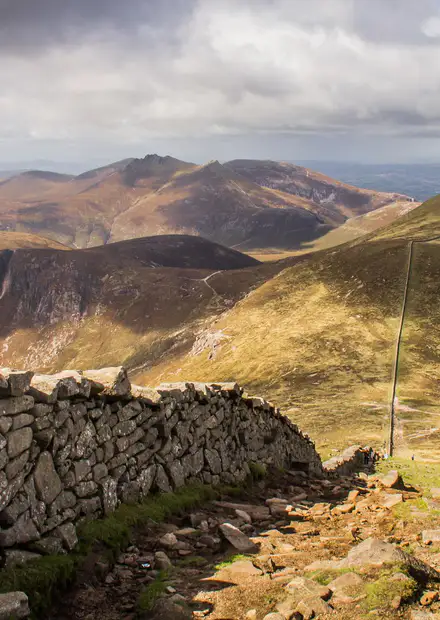
Explore County Down for Mourne Mountain walks, Strangford Lough shores, Saint Patrick heritage, historic estates and Northern Irish coastal food.
Tell me more about DownMore to explore in Down

 Best attractions in Down

 Best shops in Down

 Best bars in Down

 Best restaurants in Down

 Best nightclubs in Down

 Best experiences in Down

 Best hotels in Down
Explore more

Explore more of United Kingdom
Discover the United Kingdom: A blend of rich history, stunning landscapes, and vibrant cities, offering a unique travel experience for every visitor.
Explore United Kingdom
Getting your guide ready…
We are putting together a fresh copy of the Down guide. This can take up to a minute.
This can take a few moments. If your browser asks, choose Allow so the download can start. You'll find the guide in your Downloads folder.
Nothing happened? Download it again
Sorry, the guide is taking longer than usual. Please try again in a minute, or get it by email instead.