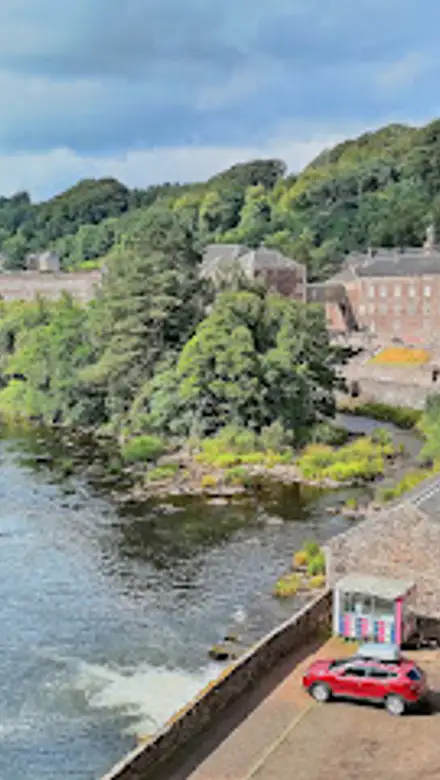
New Lanark Travel Guide
Free Guide: Step into New Lanark, a UNESCO World Heritage mill village where pioneering social reform meets breathtaking natural beauty along the River Clyde.


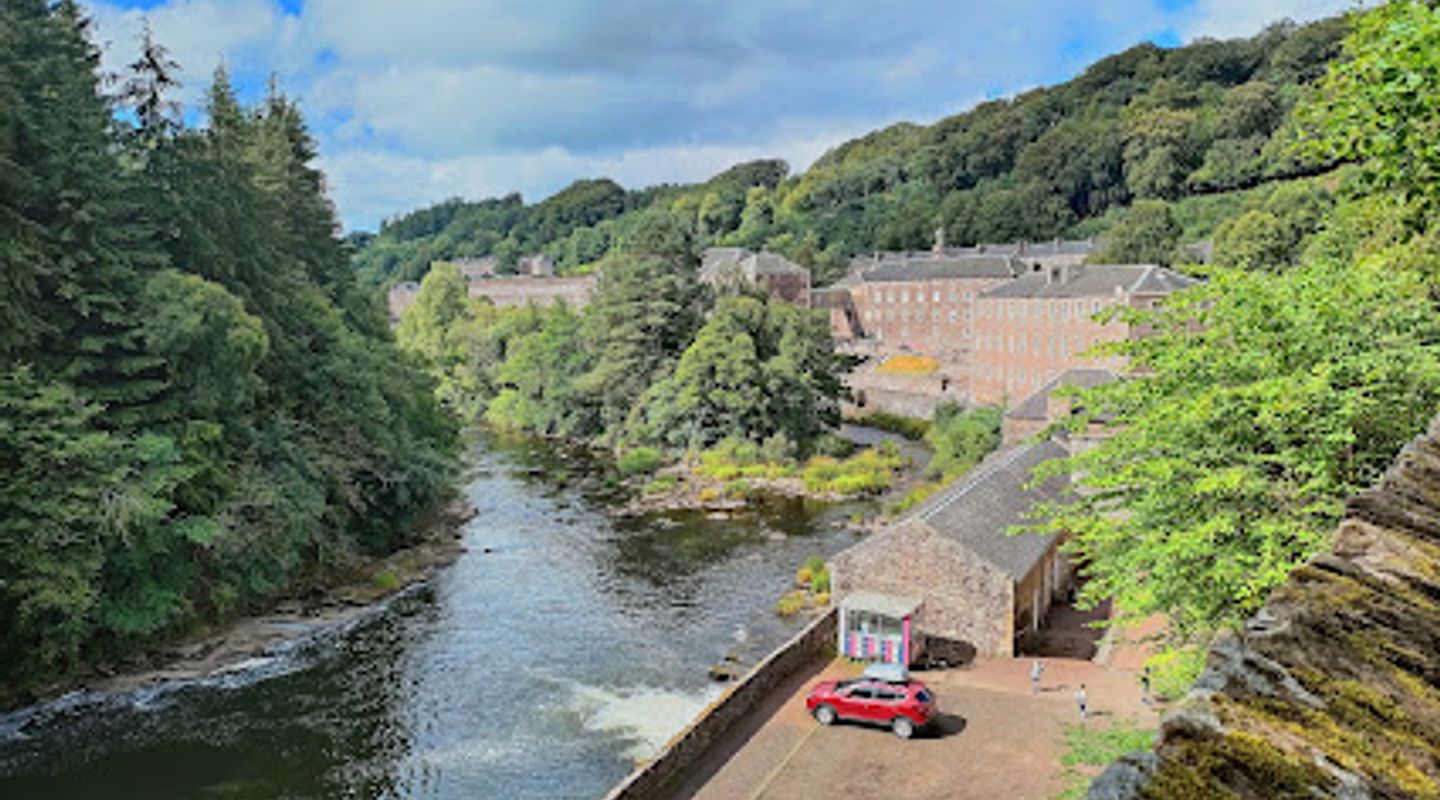
A brief summary of New Lanark
Step into New Lanark, a UNESCO World Heritage mill village where pioneering social reform meets breathtaking natural beauty along the River Clyde.
New Lanark is a beautifully restored 18th-century cotton mill village on the banks of the River Clyde in Scotland, recognized as a UNESCO World Heritage Site. Founded in 1785, it became a pioneering model for social reform under Robert Owen, who introduced progressive worker welfare, education, and community initiatives. Visitors can explore immersive exhibitions, historic buildings, and scenic woodland walks to the nearby Falls of Clyde, all within a vibrant living community.
On-site amenities
 Restrooms
 Drink options
 Food options
 Seating areas
 Trash bins
 Information boards
 Visitor centre
Opening hours
- Every day10 am–4:30 pm
Opening hours as listed on the venue’s Google Business Profile. Hours can change for services and special events, so check with the venue before you go.
- Address
- New Lanark Rd, Lanark ML11 9DB
- Phone
- Website
Getting there
Car
Train and Bus
Coach
Walking
Discover more about New Lanark
A Visionary Industrial Village Rooted in Social Reform
New Lanark was established in 1785 by David Dale and Richard Arkwright as a cotton-spinning mill village powered by the Clyde waterfalls. It gained international renown in the early 19th century under the management of Robert Owen, a social reformer who revolutionized industrial working conditions. Owen abolished child labor and corporal punishment, introduced fair wages, free healthcare, education, and the world’s first workplace nursery school. His vision created a model industrial community focused on worker welfare and social progress, influencing industrial practices worldwide.
Immersive Experiences and Historic Attractions
At the New Lanark Visitor Centre, you can embark on the Annie McLeod Experience, a dark ride narrated by a mill girl from 1820, offering a vivid glimpse into life in the mills. The centre also features exhibitions including working textile machinery, millworkers’ houses from the 1820s and 1930s, Robert Owen’s house, and the historic schoolhouse. The village store and cooperative shop recreate the daily life of the community. The site’s extensive restoration preserves the Palladian-style architecture and the spirit of the original village.
Natural Splendor Along the River Clyde
Set beside the scenic River Clyde, New Lanark offers access to the spectacular Falls of Clyde, a series of dramatic waterfalls surrounded by woodland walks rich in wildlife such as kingfishers, otters, and peregrine falcons. The Scottish Wildlife Trust Visitor Centre, located nearby, provides insights into the local ecology and conservation efforts. The riverside paths and Clearburn Park offer tranquil spots for relaxation and nature appreciation.
A Welcoming Community with Modern Amenities
New Lanark remains a living village with residents, complemented by visitor facilities including the Mill Café serving local fare and Fair Trade beverages, a shop specializing in locally produced wool and textiles spun on-site, and family-friendly soft play areas. Accommodation options range from the historic New Lanark Mill Hotel overlooking the river to self-catering Waterhouses and budget-friendly Wee Row Hostel. The village hosts seasonal events, workshops, and guided tours that enrich the visitor experience.
Accessibility and Visitor Information
The site is open daily with winter hours from 10am to 4pm and summer hours extending to 5pm. Parking is available with a modest fee, and coach parking is free. Accessibility features include level access, hearing loops, accessible toilets, and mobility aids by arrangement. Public transport links connect from Lanark railway station with bus services. Visitors are encouraged to purchase a passport ticket granting access to all exhibitions and experiences.
Heritage and Global Recognition
Designated a UNESCO World Heritage Site in 2001, New Lanark stands as a testament to enlightened industrial development and social innovation. Its ongoing conservation is managed by New Lanark Trust in partnership with local authorities and Historic Environment Scotland. The village’s blend of historic significance, natural beauty, and vibrant community life makes it a unique destination for cultural heritage and nature lovers alike.
Evendo Review Centre
 Google
Guest reviews
Best time to go
Quietest: Jan, Feb & Dec · before 6am or at 9pm
Busy times are Evendo estimates for a typical year, to help you plan. Actual crowds vary with events, school holidays and the weather.
Explore New Lanark on the map
A handpicked selection of must-see spots near New Lanark, mapped for you.
Get your free copy of our complete guide to New Lanark, delivered straight to you.
Everything on this page, from opening hours and how to get there to Eve’s tips and the best time to go, in one PDF you can read offline, print or share.
Already have an account? Sign in
Your New Lanark guide is ready.
We'll send it to · Not you? Sign out

Getting your guide ready…
We are putting together a fresh copy of the New Lanark guide. This can take up to a minute.
This can take a few moments. If your browser asks, choose Allow so the download can start. You'll find the guide in your Downloads folder.
Nothing happened? Download it again
Sorry, the guide is taking longer than usual. Please try again in a minute, or get it by email instead.
Unlock the best of New Lanark
Skip-the-line tickets, guided tours with entry, and walking tours of the area, booked in a few clicks.

Other nearby places you may find interesting
The closest places of the same kind, if this one is not quite what you had in mind.
-
-
-
-
-


Swipe for more places
More to explore near New Lanark

 Best experiences near New Lanark
 Best hotels near New Lanark
 Best landmarks near New Lanark
 Best attractions near New Lanark
 Best shops near New Lanark
 Best restaurants near New Lanark
 Best bars near New Lanark
Do you manage this location?
Take control to get all the benefits, like improved information, better appearance, and stronger visibility across AI-powered discovery.
Explore more
Explore more of Down
Discover the tranquil beauty, historical treasures, and warm hospitality of Down in Northern Ireland, where serene landscapes and rich heritage await.
Explore Down
Explore more of United Kingdom
Discover the United Kingdom: A blend of rich history, stunning landscapes, and vibrant cities, offering a unique travel experience for every visitor.
Explore United Kingdom