Best Landmarks Near New Lanark (Down)
Planning a trip to New Lanark? Discover the best landmarks nearby with history, expert tips, and routes. Free on web or the Evendo app.


The best landmarks near New Lanark
- Top rated
- Closest to New Lanark
- Price level: low to high
- Time to spend: shortest first
- A–Z
69 landmarks
-
Park and Garden4.4★20,702 reviews
George Square
George Square stands as Glasgow's principal civic space, a grand public square named after King George III and laid out in 1781. Surrounded by architecturally significant buildings including the palatial City Chambers and the historic Merchants' House, the square showcases an impressive collection of statues and monuments dedicated to notable Scottish figures such as Robert Burns, James Watt, Sir Robert Peel, and Sir Walter Scott. Originally developed as an elegant residential square, it has evolved into the cultural and administrative heart of Glasgow, hosting major events throughout the year and serving as a focal point for the city's heritage and contemporary life.
Open 24 hoursTime to spend 1–3 hrs
-
Stadium3.9★7,247 reviews
Hampden Park
Scotland's national football stadium and one of the world's most historically significant sporting venues. Located in Glasgow's Mount Florida district, Hampden Park opened in 1903 and has hosted Scotland's home internationals, Scottish Cup Finals, and major European competitions. With a capacity of 51,866, it remains the spiritual home of Scottish football and a pilgrimage site for fans worldwide.
Price level $$Time to spend 1.5–4 hrs
-
Tourist attraction4.6★4,749 reviews
Linlithgow Palace
A magnificent royal residence set beside Linlithgow Loch, this 15th-century palace stands as one of Scotland's most historically significant landmarks. Though now a roofless ruin, its impressive stone architecture, grand courtyards, and towering walls reveal the opulence of Scottish royal life. Famous as the birthplace of Mary, Queen of Scots in 1542, the palace invites visitors to explore its labyrinthine rooms, climb to panoramic viewpoints, and discover the stories of the Stewart monarchs who called it home.
Daily 10:00–16:00Price level $$Time to spend 1.5–3 hrs
-
Bar4.4★2,375 reviews
Merchant Square
Nestled in Glasgow's vibrant Merchant City, Merchant Square is a historic cobbled courtyard transformed into a bustling hub of dining, drinking, and entertainment. This iconic venue features an eclectic mix of bars, restaurants, and leisure spots under a stunning covered atrium, perfect for people-watching and weekend craft markets. From morning coffee to late-night cocktails, it captures the essence of Glasgow's food and cultural scene with its lively atmosphere and architectural charm. Open daily from early morning, it draws locals and visitors alike for its diverse offerings and central location.
Price level $$Time to spend 1–3 hrs
-
Hotel4.2★1,432 reviews
Peebles Hydro Hotel
Peebles Hydro Hotel is a charming 4-star retreat set on expansive grounds overlooking the Tweed Valley in Peebles, Scotland. Offering 132 rooms with classic décor, the hotel blends historic character with modern leisure facilities including an indoor pool, spa, tennis courts, and family-friendly activities. Guests enjoy stunning views, quality dining, and a welcoming atmosphere just a short walk from Peebles town center.
Price level $$Time to spend 1–3 hrs
-
Hotel4.2★1,248 reviews
Barony Castle Hotel
Set in a majestic 16th-century castle near Peebles, Barony Castle Hotel blends historic charm with contemporary amenities. Surrounded by 25 acres of scenic grounds featuring the Great Polish Map of Scotland, the hotel offers 82 unique rooms, a leisure spa with an indoor pool and sauna, a renowned restaurant, and versatile event spaces. Just a short drive from Edinburgh and iconic local attractions, it’s a perfect retreat for relaxation, cultural exploration, and special occasions.
Price level $$Time to spend 1–3 hrs
-
Cemetery4.7★985 reviews
The Glasgow Necropolis
A sprawling Victorian cemetery of 37 acres housing approximately 50,000 burials, the Glasgow Necropolis stands as one of Europe's most significant burial grounds. Modeled on Père-Lachaise in Paris, this atmospheric 'City of the Dead' features elaborate Gothic, Egyptian, and Greek Revival monuments, mausoleums, and sculptures honoring Glasgow's most prominent citizens. Perched on a hillside adjacent to Glasgow Cathedral, the Necropolis offers panoramic views of the city while telling the stories of industrialists, artists, and notable figures who shaped Victorian Glasgow.
Daily 7:00–16:30Time to spend 1.5–2.5 hrs
-
Hotel4.8★963 reviews
Stobo Castle Health Spa
Stobo Castle Health Spa, nestled in the tranquil Scottish Borders near Peebles, is Scotland’s only dedicated destination spa. Set within a historic castle estate, it offers luxurious spa treatments, elegant accommodations, and fine dining amid peaceful gardens and stunning countryside views. Renowned for exceptional service, pristine facilities, and a serene atmosphere, Stobo Castle is a haven for relaxation and wellness seekers.
Price level $$$Time to spend 1–3 hrs
-
Hotel4.4★715 reviews
The Tontine Hotel
Situated on Peebles’ bustling High Street, The Tontine Hotel blends historic character with modern comforts. Known for its welcoming atmosphere, spacious rooms, and excellent dining featuring locally sourced produce, it is a favored base for exploring the Scottish Borders. The hotel offers secure cycle storage, dog-friendly rooms, and attentive service, making it ideal for walkers, golfers, and visitors seeking a cozy yet vibrant stay in the heart of Peebles.
Price level $$Time to spend 1–3 hrs
-
Catholic cathedral4.7★612 reviews
Metropolitan Cathedral of St Andrew
The Metropolitan Cathedral of St Andrew is the mother church of the Roman Catholic Archdiocese of Glasgow. Built in the early 19th century in a Neo-Gothic style by James Gillespie Graham, it stands on Clyde Street near the River Clyde. Despite its modest scale and lack of a steeple, it is a richly decorated and historically significant cathedral, reflecting the revival of Catholicism in Glasgow after centuries of suppression. The cathedral underwent extensive restoration in 2010 to enhance its facilities and preserve its heritage.
Daily 8:00–18:00Time to spend 0.5–2 hrs


Glasgow Police Museum
Located on the first floor of 30 Bell Street in Glasgow’s Merchant City, the Glasgow Police Museum offers a fascinating glimpse into the history of Britain’s first police force from 1779 to 1975. The museum showcases over 2,000 items including uniforms, insignia, and artifacts from Glasgow and around the world. Entry is free, supported by donations, and the museum is staffed by knowledgeable volunteer ex-officers who bring the exhibits to life.
Mon–Sat 10:00–16:30 · Sun 12:00–16:30Time to spend 1–2 hrs
The Park
The Park Hotel in Peebles offers a charming blend of historic character and modern comfort right in the town centre. Featuring comfortable rooms, a welcoming bar, and a restaurant showcasing local Scottish Borders ingredients, it is an ideal base for exploring the scenic surroundings and enjoying peaceful walks nearby.
Price level $$Time to spend 1–3 hrs

Travelodge Edinburgh Park
Travelodge Edinburgh Park offers modern, clean, and comfortable accommodation in Edinburgh’s vibrant business district. Featuring spacious rooms with thoughtful amenities like coffee machines and adjustable showers, it provides excellent value with free parking and easy access to public transport. Ideal for business travelers and families, it combines convenience with quiet surroundings near shopping centers and Edinburgh Zoo.
Price level $$Time to spend 1–2 hrs

Auchen Castle
Auchen Castle is a romantic 19th-century country house and wedding venue near Moffat, Dumfries and Galloway, set within 34 acres of landscaped grounds. Originally named after the nearby 13th-century ruined quadrangular castle built by the Kirkpatricks, the estate features Italian-inspired gardens, a private lake, and a falconry school. Renowned for its unique Egyptian revival architecture and rich Scottish history, it offers an enchanting setting for weddings and special events.
Price level $$Time to spend 1–4 hrs

McLennan Arch
McLennan Arch is a striking classical triumphal arch located at the entrance to Glasgow Green. Originally part of the 18th-century Glasgow Assembly Rooms, this architectural relic was preserved and relocated multiple times, now standing as a picturesque monument symbolizing Glasgow’s rich cultural and architectural heritage. It offers visitors a glimpse into the city’s past and serves as a popular photo backdrop amid the lush greenery of the park.
Open 24 hoursTime to spend 0.5–1.5 hrs

Avon Aqueduct
A magnificent 19th-century engineering marvel spanning the River Avon near Linlithgow, Scotland. This navigable aqueduct carries the Union Canal across a 247-metre cast-iron trough supported by twelve graceful arches, standing 25.9 metres high. Designed by Scottish engineer Hugh Baird with guidance from Thomas Telford, it represents the second-largest aqueduct in Britain and the largest in Scotland. The structure combines industrial heritage with scenic beauty, offering visitors a chance to walk the historic towpath and experience a crucial link in Scotland's transport history.
Open 24 hoursTime to spend 0.8–2.5 hrs

Glasgow City Chambers
Dominating George Square in central Glasgow, the City Chambers is a magnificent Victorian-era town hall and the seat of Glasgow City Council. Completed in 1888, this grand civic building showcases opulent Italian Renaissance interiors, including Europe’s largest marble staircase and a lavish banqueting hall adorned with murals by the Glasgow Boys. Free guided tours offer a rare glimpse into the city’s governance and architectural splendour, making it a must-see landmark for visitors exploring Glasgow’s historic heart.
Mon–Fri 9:00–17:00Time to spend 0.5–2 hrs

St Andrew's in the Square
St Andrew's in the Square is a beautifully restored 18th-century former church located in the heart of Glasgow city centre. Renowned for its stunning Georgian architecture, including a grand decorated ceiling and spacious oak-floored main hall, it serves as a vibrant cultural centre hosting concerts, ceilidhs, weddings, and receptions. The venue combines historic charm with versatile event spaces, making it a standout destination for both visitors and locals.
Mon–Fri 10:00–16:00Price level $$Time to spend 1–4 hrs

The Cameronians - Scottish Rifles - Exploring The Regimental Collection
Located at 129 Muir Street in Hamilton, The Cameronians Museum preserves the rich history of the Cameronians (Scottish Rifles), a distinguished Scottish infantry regiment that served for nearly 300 years until its disbandment in 1968. Housed within the historic Low Parks Museum complex, the collection showcases regimental artifacts, uniforms, medals, and stories that bring to life the regiment’s legacy from its 17th-century origins through major 20th-century conflicts.
Tue–Sat 10:00–17:00Price level $Time to spend 1–2.5 hrs

Cambusnethan House/Priory
Cambusnethan Priory, located in Wishaw, Scotland, is a striking early 19th-century neo-Gothic mansion designed by James Gillespie Graham. Built in 1820 on the site of a 17th-century manor, it features Tudor revival priory-style architecture with turrets, pinnacles, and pointed arch windows. Once a hotel and medieval banquet hall, the Priory now stands derelict but remains a significant historic landmark reflecting Scotland’s Gothic revival heritage.
Open 24 hoursTime to spend 0.5–2 hrs

Glasgow Science Centre Tower
Rising 127 metres above the Clyde, Glasgow Tower is Scotland's tallest free-standing structure and a marvel of rotating engineering. This iconic landmark at Glasgow Science Centre offers a 2.5-minute journey to a cabin with panoramic views across Glasgow, the river, and surrounding landscapes. The tower's revolutionary design allows it to rotate with the wind, creating a unique experience. Access includes an interactive ground-level exhibition featuring Glasgow's history, archive imagery, and a five-metre touchscreen map of the Clyde.
Daily 10:00–17:00Price level $$Time to spend 1–2.5 hrs

Hamilton Mausoleum
Hamilton Mausoleum, located in South Lanarkshire, Scotland, is a grand 19th-century mausoleum renowned for its massive dome, intricate sandstone carvings, and one of the longest echoes in the world. Built as the resting place for the Dukes of Hamilton, this historic landmark offers guided tours revealing its architectural grandeur, masonic symbolism, and fascinating history. Access is by pre-booked tours through Low Parks Museum, with the mausoleum surrounded by protective fencing to preserve its splendor.
Open 24 hoursPrice level $$Time to spend 1–2 hrs
The Glasgow School of Art
Charles Rennie Mackintosh's architectural masterpiece, The Glasgow School of Art stands as one of Scotland's most significant cultural institutions. Built in two phases between 1897 and 1909, this iconic building on Renfrew Street blends Scottish baronial influences with modernist principles. Though the Mackintosh Building sustained fire damage in 2014 and remains under restoration, visitors can explore the campus, view original Mackintosh furniture in the contemporary Reid Building, and join student-led tours celebrating the architect's revolutionary vision and the school's enduring creative legacy.
Mon–Sat 8:00–21:00Time to spend 1.5–3 hrs

The Cross Well
The Cross Well is a historic landmark located in the heart of Linlithgow, Scotland, renowned for its distinctive crown-shaped stone fountain. Dating back to at least the 16th century, this monument stands as a symbolic centerpiece of the town’s High Street, near Linlithgow Palace and the Burgh Halls. Though no longer a functioning water source, it remains a cherished cultural icon and gathering spot surrounded by shops and cafés.
Open 24 hoursTime to spend 0.5–1.5 hrs

Our Lady of Good Aid Cathedral
Our Lady of Good Aid Cathedral in Motherwell is a striking Gothic Revival church designed by Pugin & Pugin, opened in 1900 and elevated to cathedral status in 1948. Built from red sandstone with a basilica plan, it features original woodwork, stained glass, and a peaceful interior that reflects both architectural grandeur and spiritual calm. The cathedral remains an active place of worship and a notable example of late 19th-century Catholic church architecture in Scotland, welcoming visitors with its serene atmosphere and historic character.
Time to spend 0.5–1.5 hrs

The Sixty Steps
The Sixty Steps is a historic and architecturally significant staircase in Glasgow’s West End, connecting Kelvinside Terrace South to Garriochmill Road. Designed by the renowned Alexander 'Greek' Thomson, the steps are part of a B-listed wall and form a cherished local landmark. The site offers a glimpse into Glasgow’s Victorian-era urban development and community spirit, surrounded by elegant terraces and green spaces in the Kelvinside district.
Open 24 hoursTime to spend 0.5–1.5 hrs

St George's Tron Church of Scotland
St George's Tron Church, located at 163 Buchanan Street in Glasgow, is a historic Presbyterian church known for its distinctive Baroque tower and rich evangelical heritage. Originally built between 1807 and 1809, the church has played a central role in Glasgow's spiritual and civic life, evolving through mergers and relocations while maintaining its commitment to biblical teaching.
Mon–Sat 10:30–16:30 · Sun 12:00–15:00Time to spend 0.5–1.5 hrs

Spirit of Scotland Monument
The Spirit of Scotland Monument, unveiled in 2004 near Darvel, East Ayrshire, is a striking steel silhouette of William Wallace. It commemorates two pivotal battles fought at Loudoun Hill during the Wars of Scottish Independence, symbolizing Scotland's enduring spirit and historic resilience.
Open 24 hoursTime to spend 0.5–2 hrs

Finnieston Crane
The Finnieston Crane, officially known as Stobcross Crane or Clyde Navigation Trustees Crane #7, is a monumental 175-ton cantilever crane dominating Glasgow's riverfront. Built in 1931 and operational from 1932 until 1988, this engineering marvel once lifted steam locomotives and heavy machinery onto cargo vessels bound for the British Empire. Now a listed building and enduring symbol of Glasgow's industrial heritage, the crane stands sentinel over the transformed Clyde, juxtaposed against modern landmarks like the Armadillo and SSE Hydro. Its iconic silhouette appears regularly in Scottish television broadcasts and remains a powerful testament to the city's shipbuilding legacy.
Open 24 hoursTime to spend 0.5–2 hrs

Tolbooth Steeple
The Tolbooth Steeple is a historic 17th-century clock tower standing at Glasgow Cross, the last remnant of Glasgow's original tolbooth complex. This 126-foot, seven-storey stone steeple with its ornate clock faces and crown spire symbolizes Glasgow’s rich civic past, once housing council chambers, a courthouse, and a prison. It remains a striking landmark amidst the bustling city center, offering a tangible link to Glasgow’s medieval and industrial heritage.
Open 24 hoursTime to spend 0.5–1.5 hrs

Snuff Mill Bridge
Snuff Mill Bridge is a picturesque historic cast iron bridge spanning the White Cart Water in Glasgow’s Cathcart area. Dating back to the early 19th century, it stands near the site of the former Snuff Mill, once a dye and snuff production facility. Surrounded by scenic riverbanks and old tenement buildings, the bridge connects the community and offers a glimpse into Glasgow’s industrial heritage amid tranquil natural beauty.
Time to spend 0.5–1.5 hrs

Crawford Castle
Crawford Castle, also known as Lindsay Tower, stands as a substantially ruined medieval fortress on the north bank of the River Clyde near Biggar in South Lanarkshire. Built in the 12th century, this strategic stronghold guarded the crucial Mennock Pass and served as the administrative centre for the Barony of Crawford, one of southern Scotland's most influential baronies. Today, visitors can explore the atmospheric remains of this historically significant site, which witnessed pivotal moments during the Wars of Scottish Independence.
Open 24 hoursTime to spend 0.8–2 hrs

Burns House Museum
Nestled in the cobbled back streets of Mauchline, the Burns House Museum offers an intimate glimpse into the life and times of Scotland’s national poet, Robert Burns. This small but richly detailed museum showcases original manuscripts, personal artifacts, and interactive exhibits from Burns’ most important years between 1784 and 1788. It celebrates Burns’ legacy through authentic displays in the very town where he lived, worked, and met his beloved Jean Armour.
Price level $Time to spend 1–1.5 hrs

Buffalo Bill Statue
A striking bronze statue commemorating William F. Cody's legendary Wild West Show, which performed in Glasgow during the winter of 1891–92. Located in Dennistoun's East End, this unusual monument celebrates a remarkable moment when American frontier culture captivated Scottish audiences. The statue stands as a testament to the show's cultural impact and Glasgow's role as the sole Scottish venue for this iconic traveling exhibition.
Open 24 hoursTime to spend 0.2–1 hr

Glasgow 2014 Monument
The Glasgow 2014 Monument stands proudly in Glasgow Green as a vibrant tribute to the 2014 Commonwealth Games hosted by the city. This colorful and striking sculpture commemorates Glasgow’s momentous role on the international sporting stage, symbolizing community spirit, athletic excellence, and cultural pride. Surrounded by lush parkland, it offers a photogenic and reflective space that connects visitors to a landmark event in Scotland’s recent history.
Open 24 hoursTime to spend 0.5–1.5 hrs

Tweeddale Museum & Gallery
Housed in the historic Chambers Institution on Peebles High Street, Tweeddale Museum & Gallery showcases the rich heritage of Peebles and the Scottish Borders. Highlights include a 16-metre plaster cast of the Parthenon Frieze commissioned by William Chambers, alongside exhibitions on local history, art, and crafts. The museum offers free admission, wheelchair access, and a lively programme of changing exhibitions throughout the year.
Time to spend 1–2.5 hrs

Highest village in Scotland
Wanlockhead, perched at 467 metres in the Southern Uplands, is Scotland's highest village. This historic former lead mining settlement offers a unique glimpse into industrial heritage with its Museum of Lead Mining, the Miners' Library, and preserved miners’ cottages. Surrounded by scenic hills and part of the Southern Upland Way, Wanlockhead also features Britain's highest narrow-gauge railway and a community-owned ski centre, blending cultural history with outdoor adventure.
Price level $$Time to spend 2–5 hrs

Sir John de Graeme Memorial Fountain
The Sir John de Graeme Memorial Fountain in Falkirk commemorates the valiant Scottish knight Sir John de Graeme, who fell at the Battle of Falkirk in 1298. Situated in a tranquil park setting, this historic fountain marks the spot where he died fighting alongside William Wallace during the Wars of Scottish Independence. The site offers a peaceful place for reflection amid Falkirk’s rich heritage.
Open 24 hoursTime to spend 0.5–1.5 hrs

Horsburgh Castle
Horsburgh Castle is a 16th-century ruined tower house near Peebles in the Scottish Borders, built by the Horsburgh family. Nestled by the River Tweed and the tributary Horse-Brook, its remains include three standing walls of a once four-story tower and traces of adjoining courtyard buildings. This historic site reflects the turbulent Border history and the legacy of the Horsburghs, now preserved as a scheduled monument.
Open 24 hoursTime to spend 0.5–2 hrs

Tomb Of Sir John De Graeme
Located in the historic graveyard of Falkirk Old Parish Church, the Tomb of Sir John de Graeme stands as a striking memorial to one of Scotland's greatest medieval warriors. Sir John de Graeme, William Wallace's most trusted lieutenant, fell during the Battle of Falkirk in 1298 and was carried to this sacred ground by Wallace himself. The tomb is instantly recognizable by its ornate cast-iron railings, gilded coronet, and a bronze replica of the two-handed sword de Graeme wielded in battle. This distinctive monument represents both medieval Scottish valor and Victorian-era craftsmanship, making it one of the most significant historical landmarks in Falkirk's graveyard.
Open 24 hoursTime to spend 0.5–2 hrs

Dryhope Tower
Dryhope Tower is a ruined 16th-century peel tower overlooking St Mary's Loch in the Scottish Borders, steeped in Border history and legend. Built around the 1530s–1550s as a defensive stronghold for the Scott family, this four-storey tower features vaulted basements, gunloops, and the remains of a protective barmkin courtyard. Famous as the home of Mary Scott, the 'Flower of Yarrow'—an ancestor of Sir Walter Scott—the tower was slighted in 1592 by King James VI but rebuilt by 1613. Today, this scheduled monument stands as a haunting reminder of the turbulent Border Reiver era.
Open 24 hoursTime to spend 1–3 hrs

The Dawyck Cafe
Nestled within Dawyck Botanic Garden near Peebles, The Dawyck Cafe offers a warm, welcoming retreat with seasonal views over 65 acres of woodland and burnside walks. Open daily during the garden season, it serves freshly made soups, sandwiches, toasties, baked potatoes, and excellent home baking, all in a bright, airy visitor centre with indoor and outdoor seating. The cafe is popular with garden visitors, walkers, and cyclists exploring the Scottish Borders, and RBGE members enjoy a 10% discount on food and drinks.
Daily 10:00–16:00Price level $$Time to spend 0.5–2 hrs

Strathaven Castle
Strathaven Castle, located in the heart of Strathaven, South Lanarkshire, is a ruined 15th-century fortress perched on a rocky mound beside the Powmillon Burn. Originally built around 1350 by the Baird family, the castle has a rich history involving the Earls of Douglas and the Hamilton family. Though largely ruined by conflict, weather, and quarrying, it retains evocative remains including a north wall and tower. Legends of secret passages and a walled-up lady add to its mysterious allure.
Open 24 hoursTime to spend 0.5–2 hrs

Walter Scott Monument
The Walter Scott Monument in Glasgow stands prominently in George Square as a striking Gothic tribute to Sir Walter Scott, Scotland’s celebrated novelist. Erected in 1837, it features an 80-foot Doric column topped by a statue of Scott, symbolizing his enduring literary legacy. This historic landmark offers a glimpse into Scotland’s cultural heritage and is a key feature of Glasgow’s civic heart.
Open 24 hoursTime to spend 0.5–1.5 hrs

Nelson's Monument, Glasgow
Nelson's Monument in Glasgow Green is a towering 44-meter obelisk commemorating Vice Admiral Horatio Nelson's naval victories. Erected in 1806, it was the first civic monument in Britain funded by public subscription to honor Nelson, predating London's famous tribute. Designed by David Hamilton, the monument bears inscriptions of Nelson's key battles and stands as a historic landmark within one of Glasgow's oldest parks.
Time to spend 0.5–2 hrs

Hirendean Castle
Hirendean Castle is a ruined 16th-century peel tower nestled in the tranquil Scottish countryside near Heriot. Once a stronghold of the Kerr family, this historic site offers evocative stone ruins perched atop a raised mound overlooking the South Esk valley. Surrounded by serene walking paths and expansive gardens, it invites visitors to explore its mysterious past and scenic landscape steeped in local legends and natural beauty.
Time to spend 0.5–2 hrs

Bridge of Sighs
Spanning the old Molendinar Ravine in Glasgow’s Cathedral Square, the Bridge of Sighs is a poignant 19th-century footbridge linking Glasgow Cathedral to the Necropolis, the city’s grand Victorian cemetery. Built in the 1830s by James Hamilton, it earned its evocative name from the funereal processions that once crossed it, echoing Venice’s famous bridge. Today it stands as a quiet, atmospheric gateway between the realms of the living and the dead, framed by the cathedral’s Gothic spires and the wooded Necropolis hill.
Time to spend 0.5–2 hrs

Covington Tower
Covington Tower is a historic 15th-century tower house located near Biggar, Scotland. Built on the site of an earlier 11th-century castle, this substantial medieval fortress features thick coursed rubble masonry walls and earthworks that reflect its defensive origins. Once occupied by the Lindsay family for two centuries, the tower stands as a testament to Scotland’s feudal past and architectural heritage.
Time to spend 0.5–2 hrs

Statue of Light and Life
Perched atop the 150-foot dome of 95 Morrison Street in Glasgow, the Statue of Light and Life is a striking 12-foot-tall gilded sculpture symbolizing guidance and vitality. Originally crafted in the early 20th century, the statue was removed in the 1990s due to deterioration but was meticulously recreated and reinstated in 2016. Illuminated by LED lighting, it remains a prominent landmark visible across Glasgow’s skyline.
Open 24 hoursTime to spend 0.5–1.5 hrs

Strath Wonderwall Mural - Land Ship
The Strath Wonderwall Mural is the UK's largest mural, covering over 1,000 square metres across the Graham Hills Building at the University of Strathclyde. Created in 2014 to celebrate the university's 50th anniversary, this monumental street art features vibrant imagery including the historic Land-Ship navigation bridge, the Dansken equatorial telescope, and tributes to the university's people and achievements. Located on George Street in Glasgow's city centre, this iconic artwork blends artistic brilliance with educational history.
Open 24 hoursTime to spend 0.5–2 hrs

Wallace House
Wallace House in Lanark marks the reputed site of William Wallace’s marital home and the dramatic beginnings of his rebellion against English rule in 1297. Located at 3-5 Castlegate, this site features evocative murals, a sword sculpture, and interpretive panels that bring to life the story of Wallace’s marriage, the murder of his wife Marion Braidfute, and his retaliatory attack on the English sheriff. It offers a unique window into Scotland’s fight for independence and Wallace’s enduring legacy.
Open 24 hoursTime to spend 0.5–1.5 hrs

Frenchland Tower
Frenchland Tower, located in Moffat, Scotland, is a historic 16th-century tower house originally built by the French family, tenants of the Bruces since the early 13th century. This landmark stands as a testament to the region's medieval heritage and the prominence of the Frenches as local landowners. Though now in ruins, the tower occupies a scenic site that reflects centuries of Scottish history and offers visitors a glimpse into the area's feudal past.
Open 24 hoursTime to spend 0.5–2 hrs

Lanark Castle Marker
The Lanark Castle Marker commemorates the site of the original Lanark Castle, a 12th-century fortress built during the reign of King David I. Although the castle itself has long been demolished, the marker stands near the historic hilltop overlooking the River Clyde, marking the birthplace of the royal burgh of Lanark in Scotland.
Time to spend 0.5–1.5 hrs

North Lanarkshire International Brigades Memorial
A solemn tribute in Motherwell's Duchess of Hamilton Park honouring 40 local volunteers who fought for the Spanish Republic during the 1936–1939 Civil War. This modest but meaningful memorial stands as a testament to working-class idealism and anti-fascist resistance, with annual commemorations drawing supporters and descendants. The site reflects the remarkable contribution of North Lanarkshire to one of history's most significant volunteer movements against tyranny.
Open 24 hoursTime to spend 0.5–1.5 hrs

The Gatekeeper
The Gatekeeper is a striking bronze sculpture located at the corner of Kidston Terrace and Malta Terrace in Glasgow’s Gorbals district. Created by artists Dan Dubovitz and Matt Baker, known collectively as Heisenberg, this androgynous robed figure hangs from the roof of a residential block, symbolizing protection and watchfulness over the community. It stands as a modern artistic landmark within the area’s urban landscape.
Time to spend 0.2–1 hr

Ruins of Carluke old Parish Church (St Luke’s)
The Ruins of Carluke Old Parish Church, also known as St Luke’s, are a historic landmark located in Carluke, Scotland. These evocative ruins include remnants of a 14th-century church and an early 18th-century bell tower, reflecting the long ecclesiastical history of the town. Once a spiritual center, the site offers a glimpse into Carluke’s medieval past and its evolving religious heritage amid a tranquil churchyard setting.
Time to spend 0.5–1.5 hrs

The Glenlee Propellers
The Glenlee Propellers in Glasgow are a striking historical landmark celebrating the city’s rich maritime heritage. These massive ship propellers, once part of the iconic Glenlee, a three-masted steel barque built in 1896, symbolize Glasgow’s shipbuilding prowess and global trading history. Situated in the Gorbals area, the propellers connect visitors to the story of a vessel that circumnavigated the world and trained generations of sailors, now preserved as a museum ship at the Riverside Museum.
Time to spend 0.5–1.5 hrs

St Rollox Monument
The St Rollox Monument in Glasgow stands as a striking memorial honoring the city's rich industrial legacy, particularly its historic locomotive and railway works in Springburn. This abstract sculpture pays homage to the skilled workers and engineers who built and maintained steam and diesel locomotives that fueled Glasgow’s growth and connected Scotland to the wider world. Located on Cobden Road, the monument serves as a poignant reminder of the area’s pivotal role in railway history and industrial innovation.
Time to spend 0.5–1.5 hrs

Former Templeton Carpet Factory
A striking Victorian industrial landmark on Glasgow Green, Templeton on the Green is a masterpiece of Venetian Gothic architecture that once housed one of Britain's leading carpet manufacturers. Built between 1888–1892, this polychrome brick building features ornate red sandstone, decorative tiles, and turrets. Now a mixed-use 'lifestyle village' with apartments, offices, and the WEST brewery, it remains one of Europe's most colourful industrial buildings and a testament to Glasgow's textile heritage.
Time to spend 0.5–2 hrs

Old Police Post
A historic blue police box standing on Wilson Street in Glasgow's city centre, this iconic structure represents a unique chapter in British policing history. Originally painted pillar-box red and maintained by the Post Office, these boxes served as communication hubs and shelter points for Glasgow's police constables from the 1920s onwards. Today, this well-preserved example offers visitors a tangible connection to early 20th-century law enforcement and has become a beloved photo spot for history enthusiasts and Doctor Who fans alike.
Open 24 hoursTime to spend 0.2–1 hr

Tobacco Merchant's House
The Tobacco Merchant's House at 42 Miller Street is Glasgow’s last surviving Virginia tobacco merchant’s villa, built in 1775 by architect John Craig. This modest Palladian townhouse reflects the city's 18th-century mercantile wealth and complex history tied to the tobacco trade and transatlantic slavery. Extensively restored in the 1990s, it now serves as the Scottish Civic Trust’s headquarters, preserving a vital piece of Glasgow’s architectural and social heritage.
Time to spend 0.5–1.5 hrs

Peebles Mercat Cross
The Mercat Cross in Peebles, located at 8 Eastgate, is a historic symbol of the town’s former market rights and civic authority. Dating back to the 14th century, this octagonal stone monument features rich carvings and a distinctive four-faced sundial added in 1662. It served as the focal point for markets, proclamations, and public events, and remains a key heritage landmark reflecting Peebles’ medieval trading status.
Time to spend 0.2–1 hr

McLellan Galleries
Located at 149 Renfrew Street in Glasgow, the McLellan Galleries is a historic building originally established in 1855 as a premier art exhibition space. Named after Archibald McLellan, a prominent local patron of the arts, the Galleries have evolved from a cultural landmark housing important art collections to a modern workspace for entrepreneurs and small businesses, while retaining their architectural and historic significance.
Time to spend 0.5–2 hrs

Netherton Cross (Hamilton)
The Netherton Cross, located at 3 Strathmore Road in Hamilton, Scotland, is the oldest symbol of Christianity in the town. Dating back to the 10th or 11th century, this intricately carved red sandstone cross features figurative scenes of humans, animals, and patterns on all four sides. Originally situated in the Low Parks near the medieval motte hill, it was relocated to Hamilton Old Parish Church for preservation. The cross is a rare example of ecclesiastical sculpture from the Kingdom of Strathclyde and remains a significant historical landmark under Historic Environment Scotland’s protection.
Time to spend 0.2–1 hr

Nelson Mandela Pl
Nelson Mandela Place is a bustling public square in the heart of Glasgow's city centre, surrounded by shops, restaurants, and historic architecture. Originally named St George's Place, it was renamed in 1986 as a bold political statement against South African apartheid—while Nelson Mandela was still imprisoned. The square houses the 19th-century St George's Tron Church, now a café, and the former Glasgow Stock Exchange building, which once hosted the South African Consulate. This symbolic location became a landmark in the global anti-apartheid movement, and Mandela himself visited Glasgow in 1993 to receive the Freedom of the City.
Time to spend 0.5–2 hrs

Savings Bank of Glasgow building
A landmark Victorian banking hall designed by John Burnet in the Italianate style, the Savings Bank of Glasgow building stands as a testament to 19th-century Scottish financial enterprise and architectural ambition. Opened in 1866 on Ingram Street, this iconic structure housed the headquarters of what became the largest savings bank in Britain by 1870. Though no longer in operation, the building remains a striking example of period design and a symbol of Glasgow's banking heritage.
Time to spend 0.5–1.5 hrs

The Clyde Arc
The Clyde Arc, affectionately known as the Squinty Bridge, is a striking modern road bridge spanning the River Clyde in Glasgow. Opened in 2006, its unique curved design crosses the river at an angle, connecting Finnieston and Govan. This architectural marvel is a key transport link and a beloved landmark, offering stunning panoramic views of the city skyline, the Glasgow Science Centre, and the historic Finnieston Crane along the vibrant riverfront.
Time to spend 0.5–2 hrs

Caledonian Mansions
Caledonian Mansions, located at 451 Great Western Road in Glasgow, is a striking example of late 19th-century Victorian architecture. Renowned for its ornate stonework and intricate detailing, this historical landmark reflects the grandeur and craftsmanship of the era. Nestled in Glasgow’s West End, the mansions contribute to the area's rich architectural heritage and offer a glimpse into the city's affluent past.
Time to spend 0.5–1.5 hrs

James Hogg Monument
The James Hogg Monument, unveiled in 1860, stands proudly overlooking St Mary's Loch near Selkirk, Scotland. Dedicated to the renowned Scottish poet and novelist known as the Ettrick Shepherd, the white-painted stone statue depicts Hogg seated atop a tall pedestal, gazing over the landscape he loved. Surrounded by scenic lochs and historic sites, the monument offers visitors a tranquil spot rich in literary heritage and natural beauty.
Open 24 hoursTime to spend 0.5–2 hrs
Explore New Lanark on the map
A handpicked selection of must-see spots near New Lanark, mapped for you.
More about New Lanark
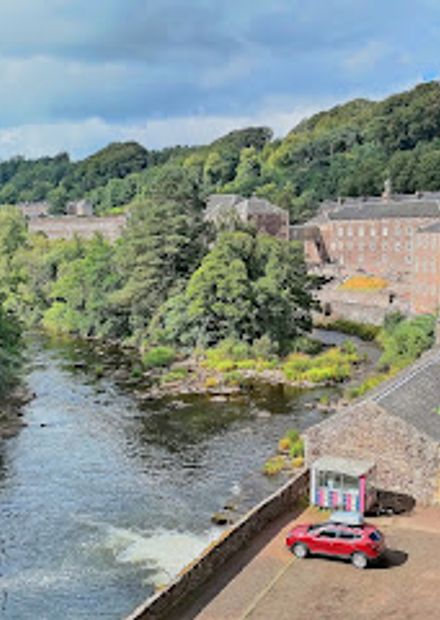
New Lanark travel guide
Step into New Lanark, a UNESCO World Heritage mill village where pioneering social reform meets breathtaking natural beauty along the River Clyde.
Tell me more about New LanarkMore to explore near New Lanark

 Best experiences near New Lanark

 Best hotels near New Lanark

 Best attractions near New Lanark

 Best shops near New Lanark

 Best bars near New Lanark

 Best restaurants near New Lanark
Explore more
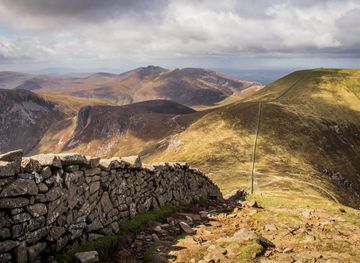
Explore more of Down
Discover the tranquil beauty, historical treasures, and warm hospitality of Down in Northern Ireland, where serene landscapes and rich heritage await.
Explore Down
Getting your guide ready…
We are putting together a fresh copy of the New Lanark guide. This can take up to a minute.
This can take a few moments. If your browser asks, choose Allow so the download can start. You'll find the guide in your Downloads folder.
Nothing happened? Download it again
Sorry, the guide is taking longer than usual. Please try again in a minute, or get it by email instead.